
Last updated: Apr 19, 2026
In Detroit, a hot-summer humid continental climate puts roofs through repeated winter freeze-thaw cycles that shorten shingle life and open pathways for leaks. When frozen water expands in the ridges, edges, and under shingles, tiny gaps become big leaks over time. The pattern repeats year after year: snow sits on the roof, temps dip below freezing at night, then thaw during the day and refreeze again. Each cycle weakens the roofing layers, gutters, and flashing, pushing you toward costly interior damage if the problem isn't addressed at the source. This is not a one-and-done issue; it's a cumulative stress that shows up as damp ceilings, stained drywall, and warped sheathing in attic spaces you didn't know were this vulnerable.
Heavy snow followed by thawing is a recurring risk pattern, making ice damming one of the most important moisture-intrusion problems you'll face. When warm attic air melts snow near the peak, the water runs down beneath the snowpack, then refreezes at the colder eaves. The resulting dam blocks drainage, forcing water to back up under shingles and flashing. Over time, this seepage can travel laterally, soaking insulation, ceilings, and walls. If fasteners loosen or the underlayment becomes compromised, a single warm spell can turn into a torrent behind finished ceilings. In aging homes with shallow roof cavities or older sheathing, the damage can escalate quickly, especially after a series of heavy snowfalls.
Look for a pattern: ice at the eaves during a thaw, damp patches on ceilings below the attic, or stained roof decking visible from the attic hatch. A sagging soffit, wet insulation, or musty smells in the attic are red flags you should treat as emergencies. If you notice icicles forming along gutters that stay thick for days after a thaw, that's another signal that heat is escaping into the roof plane and melting snow where it shouldn't. Delays in addressing these symptoms compound the risk, because frozen water can push against joints, gradually loosening shingles and flashing.
Start with targeted insulation and air sealing: seal gaps around attic hatches, plenums, and soffits so warm indoor air stays where it belongs. Improve attic ventilation to maintain a cold roof plane during freeze-thaw cycles. Consider installing attic baffles to keep airflow uninterrupted above the insulation, preventing heat from migrating toward the roof deck. Keep gutters and downspouts clear so meltwater has a clear path away from the roof edge, reducing the formation of dams. In aging roofs, prioritizing high-quality underlayment and properly installed flashing around chimneys, skylights, and vent pipes is non-negotiable, as these are common weak points where ice damming starts. If the roof is near the end of its service life or shows widespread shingle curling and granule loss, a more comprehensive upgrade may be needed to restore a robust barrier against meltwater.
If repeated cycles trigger new damp spots after every thaw, or if ice dams persist through multiple weeks of winter, the risk of interior water intrusion escalates rapidly. Don't wait for a visible leak to escalate; a proactive, staged approach to sealing, venting, and flashing now will save you from widespread damage later. In practice, this means coordinating timely replacement or repair during the late spring to early fall window to ensure dry conditions for tear-off, drying, and underlayment performance, and to minimize disruption during Michigan's harsh shoulder seasons.
In neighborhoods with a long-building history, you're likely dealing with roofs that sit on aging decking and may carry several patch jobs from past decades. When a re-roof is necessary, expect to contend with decking that has softened, warped, or rotted in spots. That means you don't just lay new shingles over old material; you verify the structural integrity first and plan for deck repairs or replacement where needed. Look for dry rot in framing around eaves and along hips, and test for soft spots that yield under moderate pressure. If decking replacement is required, coordinate the scope so the new roof has solid support from the bottom up, especially where attic insulation and ventilation connect to the rest of the system.
Chimney-roof intersections are a notable local concern in older neighborhoods, reflected by the strong local contractor emphasis on chimney work. You'll frequently find multiple layers of flashing weakened by freeze-thaw cycles, with mortar joints that have settled or cracked. When planning a re-roof, insist on a comprehensive chimney assessment: check the base flashings, step flashing along the chimney sides, and the counter-flashing tying into the cap. If the chimney crown is cracked or the flue materials show age, address those weaknesses in the same cycle as the new roof so water cannot creep behind flashing. Proper sealing and flashings around brick or stone chimneys are essential in Detroit's freeze-thaw climate.
Because the market is heavily re-roofing-driven rather than new-construction-driven, homeowners are often dealing with replacement decisions on roofs that have already seen patching. Expect older patches, mismatched fasteners, and possibly mismatched shingle types in various layers. The goal is to simplify the roof's surface while ensuring all patches are sealed and capable of shedding water properly. Document all known repair work and plan a unified approach so water cannot pool behind old patches or under mismatched edges.
Before lifting any material, map out the roof's edges, valleys, and penetrations. Pay special attention to valley metal and eave spacing, since those are common leak points after years of thermal cycling. Have a plan for valley replacement if the metal is worn or damaged. If gutters or downspouts are clogged, clear them now to prevent water backing up onto the new roof during the controlled test of the first rain.
Ice damming is a frequent seasonal foe, so ensure attic insulation and ventilation minimize warm-air buildup that melts snow on the roof and refreezes at the eaves. Seal any air leaks around penetrations from the attic, and consider baffle or vented soffit solutions to promote continuous airflow. A well-vented attic helps the new roof perform as designed through Detroit's rigorous winter cycles.
Match the roof's visual character to the home's age while choosing a durable option that holds up under ice and snow. Metal and synthetic/composite shingles offer robust performance with strong flashing around chimneys, while asphalt shingles remain a practical choice when deck conditions are solid and flashing sessions are thorough. In all cases, insist on quality underlayment and correctly installed flashing to reduce the chances of ice dam infiltration.
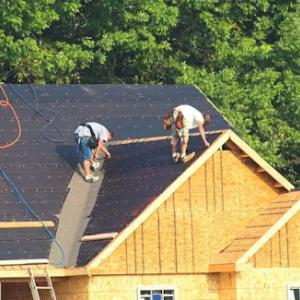
Detroit Roofers
Detroit, Michigan
5.0 from 125 reviews
Detroit Roofers is proud to be the trusted name in roofing for St. Clair Shores, Roseville, Eastpointe, Harper Woods, and surrounding Detroit-area communities. We specialize in residential and commercial roofing, offering expert repairs, full replacements, and new installations. Our licensed and insured team works with asphalt shingles, metal roofing, and flat roof systems—always backed by strong warranties and 5-star reviews. Property owners throughout Detroit rely on our fast service, honest estimates, and dependable results. When quality counts, choose Detroit Roofers for craftsmanship built to protect what matters most.

P D Roofing
13470 Joseph Campau Ave, Detroit, Michigan
4.8 from 95 reviews
Established in 1992, P D Roofing, Inc. is a fully licensed and insured family-owned business serving customers throughout Michigan. We provide a comprehensive range of roofing services for both commercial and residential properties. Our experienced team is dedicated to providing top-quality workmanship and exceptional customer service. Call today for a free estimate!
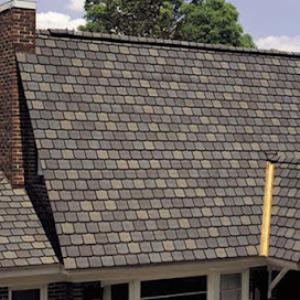
The Detroit Roofing Company
(313) 484-2787 roofer-detroit.com
Detroit, Michigan
4.9 from 40 reviews
We are specialized in all types of home needs offering 24/7 emergency services to our valued customers. Our team has good experience working with different governmental, industrial, commercial, institutional and multi-unit residential roofing units.

T&M Roofing
(313) 600-4538 www.tmroofingllc.com
14564 Schaefer Hwy, Detroit, Michigan
4.5 from 40 reviews
At T&M Roofing, we've been proudly serving the Detroit, MI community since 2007, bringing over 20 years of roofing experience to every project we undertake. We understand that your roof is one of the most critical aspects of your property, whether it's a home, an apartment complex, a church, or a commercial building. That's why we are committed to providing the absolute best in high-quality roof replacements, repairs (commercial only at this time), and restoration services. Our expertise covers a broad range of roofing needs, ensuring that no matter your project, we have the skills and knowledge to deliver outstanding results.
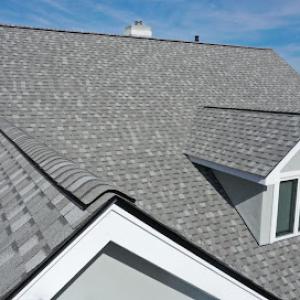
RGS Roofing & Construction
(313) 550-6077 rgsconstructionllc.com
Detroit, Michigan
4.7 from 12 reviews
We provide expert home improvement services in the Detroit, MI area. At RGS Construction, our professional renovators and roofing contractors handle your project without the stress of dealing with subcontractors or other complications.
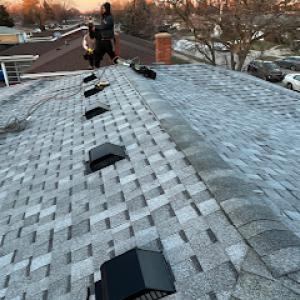
Building Blocks Home Improvements
16608 Trinity St, Detroit, Michigan
4.4 from 16 reviews
Building Blocks Home Improvements revitalizes your home from the roof down. Since 2019, they've been Davison, Michigan's trusted contractor for roof replacement, renovations, and remodeling projects.
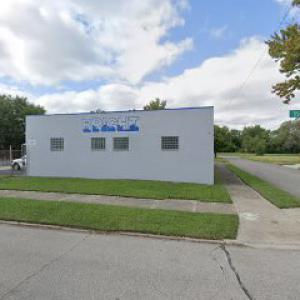
Bright Roofing & General Building Restoration
(313) 963-9083 www.bright-roofing.com
2833 15th St, Detroit, Michigan
5.0 from 6 reviews
A family-owned, 3rd generation, commercial roofing contractor located on the outskirts of Corktown. Dedicated to responding to your emergencies quickly, offering immediate solutions to your problems, providing qualified & guaranteed work, while properly communicating with you throughout the entire process. We pledge to observe the highest standards of Integrity, Frankness and Professional Responsibility in dealing with our Owner Clients. We invite you to discover for yourself the difference Bright Roofing can offer to your project. Then experience firsthand our willingness to go beyond the "standard" customer service commitments and witness our ability to consistently exceed your expectations. Our goal is 100% customer satisfaction.
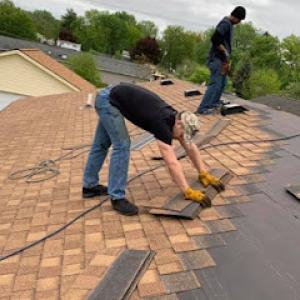
BHM Remodeling
(248) 467-6059 www.bhmremodeling.com
Detroit, Michigan
5.0 from 6 reviews
BHM Remodeling in Howell, MI provides dependable residential and commercial roofing services backed by skilled craftsmanship and quality materials. Our team handles roof leak repair, roof leak detection, roof installations, and roof replacement with precision and efficiency. We focus on durability, safety, and customer satisfaction, delivering results that stand the test of time. Whether it’s a minor repair or a full roof upgrade, our experienced professionals ensure every project meets the highest standards. Known for reliability and integrity, BHM Remodeling is the trusted choice for expert roofing solutions throughout Howell and surrounding communities.
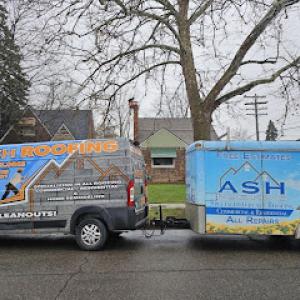
Ash Roofing Enterprise
(313) 363-0642 www.ashroofing.net
18740 John R St, Detroit, Michigan
3.8 from 10 reviews
We provide expert residential and commercial roofing with quality materials & one-day service. Trust us to protect your property—call today for a free estimate.
Sam's Roofing, Carpentry & Development
Detroit, Michigan
3.7 from 12 reviews
We're a family owned and operated general contracting business established in 2000. With over 20 years of experience in the trade, we bring trustworthy and reputable remodeling and roofing services to all of Detroit, Michigan, and surrounding areas.
MacDermott Roofing
(734) 422-1990 www.macdermottroofing.com
9301 Southfield Rd, Detroit, Michigan
4.0 from 4 reviews
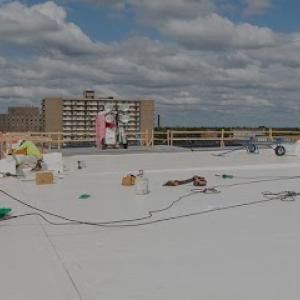
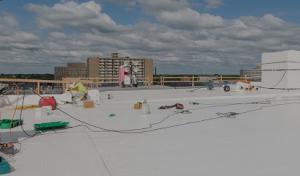
MacDermott Roofing: Southeast Michigan's Commercial Flat Roof Experts. Thanks for stopping by! With 45 years on the job, McDermott Roofing is Southeast Michigan's trusted source for commercial flat roof installation and repair. Talk to us before you replace your roof! Unlike those who rush to replace, we first assess your roof to determine if repairs can effectively extend your roof's lifespan at a fraction of the cost. Why Choose Us? Built in Michigan, for Michigan: Locally manufactured solutions tailored to our environment. Flat roof specialists: Extensive knowledge of all flat roof materials & techniques. Duro-Last Platinum Contractor since 1995: More than 10 million square feet installed!
Eave Roofing
(248) 955-3258 www.eaveroofing.com
Serving
5.0 from 39 reviews
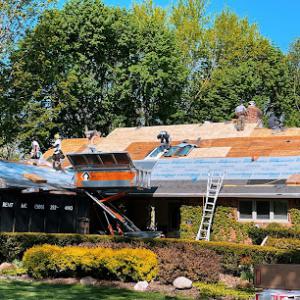
Quick quotes. Professional install. Financing available. Licensed and insured.
In Detroit, asphalt shingles dominate replacements because they fit the city's broad older-home inventory and lower replacement budgets better than tile or premium systems. This material pairs well with the common roof lines found on aging homes, and it handles the freeze-thaw cycles that stress attic insulation and eave flashing. When choosing asphalt, look for a shingle with good granule adhesion and a solid warranty, and pay attention to the roof's slope and edge details to minimize ice dam risk. Proper underlayment and a well-sealed rake edge help prevent water migration during heavy spring thaws, which is a frequent challenge on city streets where meltwater backs up under older drip edges. If a roof already carries some sun-bleached damage, asphalt can be repaired in stages, making it a practical option for neighborhoods with mixed roof ages.
Metal roofing is present in Detroit but at a much lower contractor specialization level than asphalt, making it a more selective upgrade rather than the default replacement path. Metal's durability and rapid shedding of snow can help limit ice damming, which is a key concern on older homes with compromised attic ventilation. However, installation quality matters a lot here: improper sealing at valleys, penetrations, and transitions can invite leaks that mimic the problems you'd expect from a poorly repaired shingle roof. If considering metal, verify the contractor's experience with Detroit's climate, including how panels are fastened, how seals are treated around chimneys, and how the roof interacts with existing gutters and snow guards. Metal can be a long-term solution on homes where the roof structure is sound, but it requires careful planning to avoid structural surprises and to ensure compatibility with existing overhangs and supports.
Clay and concrete tile exist in the market but are niche in Detroit, where freeze-thaw exposure makes installation quality and structural suitability especially important. Tile roofs demand a sturdy deck and precise substrate conditioning; otherwise, seasonal cracking and eventual leaks become more likely as temperatures swing. When tile is contemplated, assess the attic space for ventilation, confirm the roof can bear the extra weight, and ensure that flashing details around vent pipes, skylights, and dormers are robust. Tile can deliver excellent longevity and a distinctive look on older homes that have the structural allowance, but it should be paired with a skilled installer who understands how to manage ice dam risk at eaves and rake edges, especially in windy, exposed sections of the city.
Regardless of material, prioritize improving attic insulation and sealing across the envelope to slow heat transfer to the roof deck. Addressing soffit vents, eave details, and downspout drainage helps reduce meltwater buildup that feeds ice dams. For aging roofs, a proactive approach to flashing at joints, valleys, and chimneys pays dividends through harsher winters, especially where seasonal temperature swings are most extreme. Choosing a roof type that aligns with the home's structure and the local climate can lead to fewer urgent repairs and more predictable performance through Detroit's winter months.
Asphalt shingles in this market run roughly 350 to 700 USD per square, while metal roofing sits higher at about 800 to 1200 USD per square. Tile systems-whether clay or concrete-cost substantially more, and that gap can influence your selection if you're managing a replacement on an aging roof. In practice, the age of the home and the roof itself often pushes crews to upgrade deck and flashing details just to pass the usual insulation and weather-tightness checks that local crews encounter after winter damage.
Detroit's older housing stock means a tear-off commonly reveals decking that's seen better days. If rotten boards, warped rafters, or hidden water damage pop up, you'll see costs rise quickly because the crew must repair or replace structural components before laying new material. Chimney flashing issues and penetrations-think vent pipes and skylights-often need correction too. Those details aren't cosmetic; they're necessary to ensure the new roof performs through freeze-thaw cycles and keeps ice dams at bay. Expect the estimate to itemize decking work, flashing, and any required underlayment upgrades in addition to the material cost.
Snow, ice, and the thaw bring a tight window for proper membrane installation and shingle seating. In Detroit, seasonal demand spikes after winter damage and spring thaw can tighten scheduling. That pressure tends to push homeowners toward faster booking during the main late-spring-to-early-fall work season, which can also influence contractor availability and, occasionally, pricing. If you're balancing a mid-season replacement, factor in potential lead times for decking repairs and for crews to align with a suitable window before severe weather returns.
Start with a thorough roof inspection (or hire a qualified local roofer) to identify hidden damage: deck condition, flashing integrity, and penetration details. Get separate line items for decking repairs, flashing work, and underlayment upgrades so you can compare apples to apples across bids. If cost is a concern, consider whether a compact upgrade path-good ventilation, upgraded underlayment, and a suitable shingle profile-can deliver durable performance without triggering a full tile-system price hike. And, given the cost ranges above, build a contingency into your budget for older homes where the unexpected often appears after the first sunny day of the project.
Get a clear picture of your project costs upfront - no commitment required.
P D Roofing
13470 Joseph Campau Ave, Detroit, Michigan
4.8 from 95 reviews
Before any full roof replacement begins, the city requires a building permit filed through the Building, Safety, Engineering and Environmental Department (BSEED). The permit process isn't a mere formality; it sets the foundation for following code, ensuring proper ventilation, adequate attic insulation, and appropriate flashing details to counter freeze-thaw stress. Skipping or rushing this step can lead to delays, mandatory uncovering of work, and potential liability for any resulting damage to surrounding structures or utilities. In practice, a permit signals that the project will be reviewed with an eye toward long-term performance against the seasonal freeze cycles.
Roofing inspections in this city are typically staged, not a single final sign-off. Expect a visit during the course of the project and additional checks after specific milestones are reached. This approach helps catch issues early-poor nailing patterns, improper ice and water shield placement, or gaps in underlayment that could worsen through repeated freeze-thaw cycles. Coordinating these inspections with the contractor's schedule can prevent backtracking and keep the project moving smoothly. A staggered process also means your roof is under oversight during vulnerable phases, such as penetrating skylights, chimneys, or vent stacks.
Local permit handling may include attention to waste disposal and roof penetration work. The permit holder is often required to demonstrate that waste from the removal and disposal of old roofing materials will be managed properly and that debris won't pose a hazard on surrounding properties. Expect inspectors to note how penetrations-vent pipes, flashing, and roof-to-wall transitions-are treated, sealed, and integrated with the new roof system. Contractors commonly file the permit before starting precisely to align these details with code and avoid surprises during the project.
Keep copies of all permit documents and inspection notices, and maintain a clear line of communication with the contractor about forthcoming inspection dates. If an issue is flagged, address it promptly to prevent a domino effect that can stall the project and complicate ice-dam prevention in the next freeze season. Remember that proper permit handling and staged inspections are not red tape for its own sake; they are a practical framework to ensure the replacement endures harsh winter conditions and the city's aging housing stock.
In this market, insurers commonly expect documentation of pre-existing roof condition before a claim is settled, a reality that hits homes with older shingles and prior repairs hard. If a storm knocks loose a few shingles or reveals a new leak, the adjuster will want a clear trail showing what the roof looked like before the event. That means you should keep records from recent inspections, contractor notes, and any photos you took prior to the damage. Without that baseline, the path to a payout can stall or shrink, leaving you with more out-of-pocket exposure.
Adjusters in the Detroit market may require on-site verification and photos of recent wind or hail damage before approving payment. A neighbor's quick report won't substitute for a documented assessment by a professional. Arrange a prompt inspection after a storm, and capture wide shots of the roof and close-ups of impact marks, granule loss, or exposed underlayment. When you prepare for the visit, have a simple calendar note of wind speeds, hail size, and the date the event occurred. This detail helps the adjuster distinguish sudden storm damage from long-term freeze-thaw wear that can mimic damage.
Regional policy form differences and local weather-driven wear patterns mean homeowners need to separate sudden storm damage from long-term freeze-thaw deterioration when filing claims. Freeze-thaw cycles stress shingles, flashing, and decking in ways that look like damage but aren't tied to a single event. Document seasonal patterns-multiple freeze-thaw episodes, icicle formation, and ice dam development-that may indicate a long-term deterioration trend. Present this context to the adjuster alongside instant storm indicators to improve the odds of a fair assessment.
Begin with a recent, annotated photo log locked to a date and event. If a claim is looming, gather every pre-damage report, a current inspection, and clear photos from multiple angles. When you meet the adjuster, walk them through the roof's vulnerable zones-valleys, eaves, and the chimney flashing-where ice dams commonly start. Understanding these Detroit-specific wear patterns helps ensure a constructive, drama-free conversation about recovery options.
Connect with contractors who help homeowners navigate the claims process from damage assessment to final approval.
Flat and low-slope roofing has meaningful local demand in Detroit, especially on portions of older residential additions and the city's broader mixed residential-commercial building stock. In these setups, you're more likely to see membrane systems, built-up roofs, or low-slope editions that blend over older structures. Freeze-thaw cycles push water into joints, and vegetation or debris can trap moisture. Inspect flat sections after heavy rain and in early spring when thawing stress is highest. Look for soft spots, blisters, or edge pooling that signals compromised layers beneath.
Skylights, vents, and roof penetrations are point-by-point attention items during inspection and replacement planning. Detroit's permit and inspection process may pay particular attention to penetration work, making skylights and similar openings a local execution point that can affect approvals. If a penetration is older than 15 years or shows flashing corrosion, plan for retrofit with integrated flashing, proper sealing curb details, and compatible flashing tapes. When you reroute a line or add a new vent, keep transitions smooth and avoid creating sharp step edges where ice can form.
Low-slope transitions around skylights and gutters are common ice dam risk zones. Ensure continuous insulation under the membrane and that drip edges extend beyond the edge to promote shedding. Use raised seams or properly sealed transitions where the roof meets parapets or parapet walls. In northern conditions, a tapered insulation approach on the high- risk areas helps reduce ponding heat loss and ice buildup.
Spring rain can expose weak details before a full replacement is feasible. After the winter, recheck sealant joints, flashing seal integrity, and any lifted shingles around penetrations. If fasteners show corrosion or the sealant has cracked, address these now to prevent interior leaks. Do a targeted test by gently pressing along skylight frames to detect subtle movement or soft edges.
Coordinate with an experienced local roofer who understands aging structures and the specific climate swings here. For flat roofs, plan for seasonal inspections-post-winter or post-thaw-to identify vulnerable seams and curb flashings. Document findings with photos and notes so you can track changes across seasons and decide when a more comprehensive retrofit or replacement may be warranted.
Find specialists in TPO, EPDM, and built-up flat roofing systems for residential and commercial properties.
P D Roofing
13470 Joseph Campau Ave, Detroit, Michigan
4.8 from 95 reviews
MacDermott Roofing
(734) 422-1990 www.macdermottroofing.com
9301 Southfield Rd, Detroit, Michigan
4.0 from 4 reviews