
Last updated: Apr 19, 2026
Spring into summer in Washtenaw County brings frequent hail and gusty winds that hammer roofs just enough to toss shingles, dent gutters, and creep leaks into attic corners. In bold terms, storm season means claim activity spikes and your roof is under a time-critical spotlight. A damaged roof left unaddressed can quickly worsen, inviting interior leaks, mold, and insulation failure that compounds repair costs. The clock is your ally only if action starts within a tight window after a claim is triggered. If a storm hits, inspect as soon as it's safe, note all visibly damaged areas, and document with dates and weather details to anchor a claim that can move smoothly from emergency patch to full repair.
Insurers in this market frequently want photo documentation that clearly shows impacted roofing areas, along with contractor estimates and follow-up information before finalizing a roof claim. In the aftermath of a spring hail or strong wind event, the first submission often includes photos of shingles missing or curling, dented flashing, and potential interior signs of damage in the attic. A timely, well-organized package speeds processing and reduces back-and-forth. Keep a running record of every contact with the insurer: names, dates, and what was promised or requested. When possible, arrange a same-day or next-day roof assessment with a qualified local contractor who can translate field observations into a credible estimate package suited to Washtenaw County conditions.
Local replacement demand tends to spike after spring hailstorms and strong winds, which can delay scheduling for non-emergency work. If the roof shows obvious damage but water is not actively entering the living space, treat the situation as time-sensitive to avoid coverage delays later in the season. Start the claim while weather remains reasonably cooperative, so scheduling with a trusted local roofer isn't pushed into peak weeks when crews are booked out. Consider prioritizing inspections for tangible, visible damage near the eaves, soffits, and flashing, where wind-driven debris tends to concentrate. If an insurer requests an on-site evaluation, coordinate promptly with a contractor who can accompany the adjuster and provide a precise, photo-supported assessment tailored to the roof's age and the surrounding river corridor microclimate.
When a storm hits, your first move is to document comprehensively and contact a reputable local roofer with storm experience. Have them identify potential wind-driven damage and hail-impact zones that a typical shingle pattern or flashing detail might obscure. Take clear exterior photos from multiple angles, including the attached gutters and downspouts, and capture interior signs if present. Share these with the insurer promptly, then schedule a licensed assessment to align your claim with a realistic recovery plan. In Ypsilanti, the goal is to secure a timely acknowledgment of damage and a path to prompt, reliable repairs before secondary leaks set in and complicate the claim.
Find local contractors experienced in assessing and restoring roofs after hail, wind, and severe weather events.
Roof Advance
(734) 219-4988 roofadvance.com
3748 Carpenter Rd, Ypsilanti, Michigan
5.0 from 397 reviews

A H Construction & Roofing
(734) 481-1983 www.ahconstructionco.com
5417 Daytona St, Ypsilanti, Michigan
5.0 from 212 reviews
Performance Home Improvement Roofing - Ypsilanti
1999 Knollwood Bend, Ypsilanti, Michigan
5.0 from 5 reviews

Roof Advance
(734) 219-4988 roofadvance.com
3748 Carpenter Rd, Ypsilanti, Michigan
5.0 from 397 reviews
Ever since Roof Advance first started out in 1996, we knew that we wanted to provide a level of service that would let customers know they their biggest investment was in trusted hands, and that we’d take care of their homes as carefully as we would our own. That commitment to quality has definitely paid off in the form of many industry awards, perfect 5 star reviews, and a long and growing list of satisfied homeowners.

A H Construction & Roofing
(734) 481-1983 www.ahconstructionco.com
5417 Daytona St, Ypsilanti, Michigan
5.0 from 212 reviews
A.H. Construction provides new roofing and roof repair services for residential homes and businesses in the Ann Arbor and surrounding area since 1987. When you choose A.H. Construction you can count on our licensed, bonded and insured team to give your roofing project the care, quality and attention to detail it deserves. Regardless of the size of your home roofing or roof repair project, we’re committed to keeping you 100% satisfied. Call us today for a free roofing estimate!
Performance Home Improvement Roofing - Ypsilanti
1999 Knollwood Bend, Ypsilanti, Michigan
5.0 from 5 reviews
Licensed & Insured Roof installation, Repairs & More Work with insurance for storm damage Roof inspection Best prices and free estimate 20 year Experience
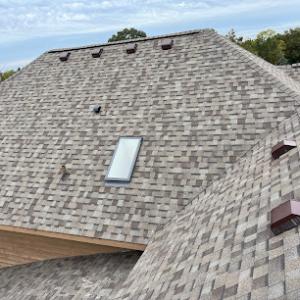
cerberus construction
(734) 657-4008 cerberusconstruction.biz
Serving
5.0 from 20 reviews
Cerberus Construction specializes in Residential roofing.
Rapid Roofing
(734) 927-9073 rapidroofing.com
Serving
4.8 from 277 reviews
Rapid Roofing: Ypsilanti's Reliable Roofing Specialists Serving Ypsilanti, MI, and surrounding areas, Rapid Roofing offers top-quality roofing solutions with a focus on excellence and customer care. Known for dependability and superior craftsmanship, we ensure each project meets the highest standards. We provide personalized, comprehensive services tailored to your roofing needs. With clear and honest communication, we keep you informed throughout the process. Our experienced team uses the latest industry techniques to handle any roofing challenge with skill and efficiency. Your satisfaction is our ultimate goal. Contact us today to safeguard and enhance your home with our exceptional roofing services.
MCM Services Inc - WINDOWS/ROOFING/SIDING
(734) 676-6343 mcmservicesinc.com
Serving
5.0 from 10 reviews
With a proud legacy spanning over 40 years, MCM Services has been the cornerstone of premier home improvement and roofing solutions, originally serving the heart of Trenton, Michigan, and the broader Metro Detroit area. As a family-owned enterprise, we are excited to bring our rich tradition of excellence to Ann Arbor and its surrounding communities. Our extensive experience and commitment to quality allow us to offer specialized roofing services designed to meet the distinctive architectural styles and environmental considerations of Ann Arbor and its neighboring locales. Choose MCM Services for reliable, masterfully executed home improvement and roofing projects that elevate and safeguard your home.

Performance Roofing & Siding Ann Arbor
(734) 259-7464 performanceroofsystems.net
Serving
5.0 from 68 reviews
Performance Roofing and Siding provides expert roofing and siding services in Ann Arbor, MI. We specialize in roof inspections, installations, repairs, replacements, and storm damage restoration. Our roofing options include asphalt, tile, EPDM, TPO, and solar shingles. We also offer free inspections, instant quotes, and emergency repairs. Our siding services cover vinyl, Hardie Plank, fiber cement, and full replacements for residential and commercial properties. Whether you're fixing storm damage or boosting curb appeal, we're your trusted local contractor. Contact us today for a free estimate!
Lad Services
Serving
4.6 from 59 reviews
Roofing contractor serving metro Detroit. Roofing repair or replacements. Attic insulation. Basic chimney services. Gutter services. From repairs to replacements of all roof systems.
Mighty Dog Roofing of Ann Arbor
(734) 977-0934 www.mightydogroofing.com
Serving
4.9 from 88 reviews
When it comes to your home’s exterior, Mighty Dog Roofing delivers top-of-the-line services matched with the neighborly customer care our clients have come to love. Our team of skilled experts will conduct a free, detailed inspection of your home, treating it as our own. Whether your home needs a simple repair or a full roof replacement, expect to receive the transparent guidance you deserve. Whatever the case, our team will work to meet your safety and budget needs. We take pride in operating with quality materials, hiring skilled roofers, and providing our customers with a high-quality experience. See for yourself; our reviews say it all. Schedule your free, home inspection today!
Victors Home Solutions
Serving
4.8 from 4613 reviews
From our free 21-Point Roof Inspection to our 50-Year Leak Free Guarantee, we’ll protect your home and family for years to come. With almost two decades of roofing experience and a BBB Accredited A+ rating, Victors Home Solutions is the superior roofing and home improvement company across Michigan, Ohio, Kentucky, and Indiana. We provide the highest quality workmanship for residential roof repairs and replacements, vinyl windows, seamless gutters, and attic insulation services.
Roofing Restoration
(734) 755-9498 roofingrestoration.squarespace.com
Serving
5.0 from 118 reviews
Roof repair & replacement. Insurance claims specialist. Siding, Gutters, Gutter guards,

VL Construction Roofing
Serving
5.0 from 8 reviews
Established in 2011, VL Construction Roofing is a Ypsilanti Township, Michigan-based roofing contractor specializing in high-quality roof installations, repairs, and replacements. Practicing Honesty and Excellence. They prioritize using top-tier materials and providing a comprehensive customer experience, from inspection to final walkthrough.
Late spring through early fall offers the most reliable window for reroofing in this part of the Huron River corridor. The drier days and milder temperatures reduce installation interruptions and help materials cure properly. Storms can still roll through, but the risk of winter-like freeze-thaw cycles delaying work is much lower in this window. Planning a project for May to September gives crews a steadier pace, minimizes tarp exposure, and helps sequencing align with gutters, skylights, and chimney flashing without the complications that come from snow lines or early darkness.
Winter in southeast Michigan has a way of revealing problems you didn't notice in the fall. Freeze-thaw cycles can widen small leaks and contribute to decking movement before the underlying roof fails publicly. If a leak starts as a trickle around a flashing seam or vent boot, it can creep unseen for weeks while ice damming forms along the eaves. By the time water shows on ceilings, the damage can extend into insulation and the attic framing. If a replace is necessary, coordinating an install in the milder months reduces the chance of cold-weather setbacks, and helps ensure deck and roof deck surfaces are solid before new shingles or metal panels go down.
Heavy autumn rains and the weight of winter snow make delaying known repairs riskier than in milder climates. In this area, a small leak early in the season can escalate once the first winter storm arrives, challenging interior repairs and insulation performance. If a contractor identifies a compromised deck or a compromised underlayment during late summer inspections, act quickly to lock in the scheduled crew. Proactive scheduling around anticipated storm peaks helps avoid a rushed job during the height of a snow season, when access and material delivery can be unpredictable.
When planning, aim for a window that avoids the wettest months but accommodates enough time for a thorough job. Start with a surface inspection after the snowmelt and before the peak of spring storms, then coordinate a replacement plan that finishes before late summer humidity and heat begin to stress new materials. If storm events are forecast, allow for contingency days so crews can re-seal flashings or reapply underlayment after a heavy rainfall, ensuring long-term performance rather than a quick, incomplete fix. For homes near the river corridor, pay extra attention to flashing at transitions-chimneys, vent pipes, and skylights-to prevent moisture from migrating behind the new surface during spring thaws.
After the new roof is installed, establish a short-protocol for inspecting following heavy rain events, especially those that arrive with seasonal winds. A staged inspection plan helps catch potential issues before they become noticeable leaks. In the months immediately after a renewal, clean gutters and downspouts to keep proper drainage paths clear, reducing the chance of ice dams forming at the eaves during the first cold snaps post-install. Keeping a small maintenance routine during late spring and early summer ensures the roof remains in solid condition through the core storm months.
Snow load and ice dams are a recurring roof-life issue in winters, especially when attic heat loss and uneven roof temperatures are present. In this area, you'll notice that heat rising through the attic can melt a narrow strip of snow along the eaves while higher portions stay frozen, creating a dangerous ice dam edge. If gutters sag or downspouts clog, meltwater backs up under shingles and into fascia boards, attic spaces, or ceiling joists. The consequence isn't just a stain on the wall; prolonged water intrusion weakens roof decks and invites mold in hard-to-detect attic corners. Addressing the pattern early saves more damage later.
The local inspection process specifically checks underlayment, ventilation, flashing, and venting compliance on reroof projects. When a contractor arrives after a storm, emphasis should be on ensuring the underlayment is continuous, not punctured by fasteners that allow warm air to escape into the cold roof plane. Ventilation balance matters: too little venting invites heat buildup in the attic, too much venting without a proper makeup air strategy can promote condensation. Flashing at chimneys, vents, and along valleys must be properly sealed and integrated with new shingles. If the attic hatch seal isn't tight, you'll still feel the same collateral risk even with a new roof.
Freeze-thaw conditions in Ypsilanti make eave protection, ventilation balance, and leak tracing more important than in warmer Michigan markets. Ice dams form where eaves lack robust protection or where drip-edge details are compromised. Proper eave/soffit detailing, paired with adequate ventilation at the ridge and in soffits, reduces the temperature gradient that fuels dam formation. In practice, this means inspecting and upgrading drip-edge, ice/water shield placement, and attic insulation motherships to avoid chilly roof surfaces that invite frequent condensation and hidden leaks.
When a leak appears after a storm, trace it with a careful, methodical approach. Start at the most likely entry points near chimneys, roof valleys, and step flashing transitions. Look for lifted shingles, torn underlayment, or cracked sealant around vents. In roofs close to the river corridor, the combination of wind-driven rain and high snow loads can push moisture far from the obvious entry point. Document each finding with photos and align it with corresponding attic signs-stains, musty smells, or warped joists. Clear, honest tracing saves time and preserves more roof life.
Maintain a proactive stance between storms: clear debris from eaves and gutters, check attic insulation levels, and test for any attic air leaks. If a winter event leaves a visible ice dam line or a suspected leak, do not delay a professional assessment; early intervention reduces the chance of cascading damage into rafters or ceiling drywall. When choosing a roofer, prioritize those who emphasize a balanced ventilation plan, proper eave protection, and a clearly documented leak-tracing process. A carefully executed reroof with attention to these details can extend the life of the roof-and your peace of mind-through another long Michigan winter.
For asphalt shingles, expect about $350 to $550 per square. Metal roofs generally run from $600 to $1000 per square. Wood shingles or shakes sit around $450 to $800 per square. Synthetic or composite shingles typically fall in the $500 to $900 range. Clay tile and slate are on the higher end, from $900 to $1800 per square. These ranges reflect common choices on older homes common around the Huron River corridor and the mix of steep and low slope roofs found here.
Costs in Ypsilanti can rise after regional storm events when Washtenaw County claim volume increases and contractor schedules tighten. After a hail or strong wind spell, it's common to see price shuffles as crews scramble to cover demand. If you're evaluating reroof timing, expect shorter windows to lock in crews and merchandise. Shop and compare in the calmer weeks after a storm to avoid price spikes, but don't delay if you have active leaks driving interior damage.
Older Ypsilanti houses often hide extra work behind the shingles. Tear-offs can require more labor, and decking repairs or rotting decking may surface. Flashing updates and ventilation corrections are not unusual once a roof comes off. These added tasks can push costs higher than the base material price, especially on homes with mixed roof angles, multiple valleys, or old plywood. A thorough inspection that targets flashing, ventilation pathways, and any sagging sections will help you estimate the real bill instead of just the sticker price.
If you're weighing material choices, asphalt shingles remain the most budget-friendly and widely available option for aging houses with limited attic space. For longer-lasting protection against freeze-thaw cycles and potential ice dam progression, metal or synthetic options can offer better performance, with the caveat of a higher upfront cost. After a storm, document everything and anticipate possible delays in scheduling; that documentation also helps when coordinating with insurers.
Start with a reputable contractor who can perform a targeted inspection of decking, flashing, and ventilation, especially on older structures. Compare at least three quotes, request itemized breakdowns for tear-off, decking repair, flashing updates, and ventilation corrections, and ask for a phased plan if interior damage occurred. Keep a calendar in mind for storm season and be prepared to respond promptly to insurance requests for assessment.
Don't let upfront costs delay a critical repair - these contractors offer payment plans to fit your budget.
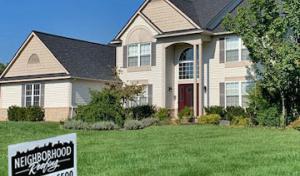
In Ypsilanti, a building permit is typically required for a full re-roof. This ensures that the work plan aligns with local codes and the unique structural conditions found in older homes near the river corridor. The permit process is not a split-second approval; it is a safeguard that helps verify that the installation method, underlayment, ventilation, and flashing details meet current standards and will perform well under freeze-thaw cycles and spring storms. Before work begins, confirm with the local building department that the project scope qualifies as a full reroof and that any planned material substitutions are acceptable within the permit class you are applying for. It is common for a permit to be conditioned on project specifics such as attic ventilation adequacy and the compatibility of new materials with existing decking or supports.
The local building department handles permit issuance and conducts rough-in and final inspections for reroof work. Rough-in inspections typically focus on roof deck integrity, underlayment installation, proper nailing patterns, and flashing details around chimneys, vents, and skylines. In a climate with frequent freeze-thaw cycles and potential ice dam activity, inspectors will look for continuous insulation, appropriate ventilation, and the absence of exposed gaps that could trap moisture. Planning around the inspection schedule is essential: arrange access for the inspector during critical milestones and be ready to address any deficiencies quickly, especially when spring weather can cause rapid shifts in roofing conditions.
Structural changes can trigger added review or plan checks beyond a standard reroof permit in Ypsilanti. If the project involves replacing or modifying support members, altering roof pitch, adding a new dormer, or changing the roof's overall load path, expect extra scrutiny. Plan reviews may request engineering calculations, especially for heavier materials like slate or tile, or for significant reconfiguration of the attic space or existing joist layout. Coordinate early with both your contractor and the building department to determine whether a full structural plan review is necessary. This step helps prevent delays once materials are on site and weather windows narrow.
Keep serial copies of all permit-related documents, inspection notices, and any correspondence about plan changes. In spring, when hail and wind events are more common, insurers may request documentation of repairs or adjustments to timelines; having clear permit and inspection records helps streamline approvals and minimize back-and-forth. Ensure your contractor submits a complete scope of work, including roof dimensions, material types, underlayment details, and ventilation strategy, so the department can review promptly. If a storm repairs the roof outside the initial permit window, confirm whether a permit amendment or re-inspection is needed to certify the updated work before final occupancy or closure.
Communicate anticipated inspection dates to your contractor well in advance and align them with material delivery and weather forecasts. If a structural change is contemplated as part of a reroof, bring any relevant engineering or plan documents to the first permit appointment. For multi-story homes or properties with unique rooflines near the river, anticipate possible additional reviews or longer processing times, and plan project sequencing to minimize exposure to rain and freeze-thaw cycles between the underlayment installation and final flashing.
Asphalt shingles dominate the local repair and re-roof market, aligning with a large, cost-conscious homeowner base and frequent re-roof projects near the Huron River corridor. When you plan a reroof, this material is the most predictable in terms of fit, flashing details, and contractor familiarity. If a homeowner leans toward durability for long Michigan winters, metal can be a meaningful secondary choice, especially for snow shedding and steady performance through freeze-thaw cycles. It's less forgiving on weight and flashing connections, so ensure the structure is prepared and the installation is done by a crew with metal experience. Other options exist-slate, clay tile, wood shakes, and synthetic products-but these require closer attention to structural loading, precise flashing, and specialized installation compared with standard asphalt.
Spring hail and wind events stretch shallow-deterrent roof systems, and the ensuing leak progression often follows the path of least resistance through flashing joints and vent penetrations. In practice, plan for timely inspections after big storms, not weeks later. When choosing a roof type, consider whether the attic is adequately vented and insulated to minimize ice dam risk during thaw cycles. A properly ventilated attic helps prevent moisture buildup that accelerates damage to underlayment and decking during rapid temperature swings.
If you opt for non-asphalt options, expect more rigorous attention to flashing details, valley construction, and underlayment compatibility. Specialized shapes and fastener patterns are common with slate, clay tile, and wood shakes, so select a contractor who routinely handles these materials in similar roof geometries. In all cases, verify that ridge and soffit vents align with the chosen roof's airflow strategy to keep the roof deck drier through the year's variable moisture.
After severe spring weather, walk the perimeter with equal parts curiosity and caution. Look for lifted shingles, loose flashing around chimneys and vents, and signs of water staining along interior ceilings in the upper stories. Address small issues quickly to avoid escalation into widespread leaks, especially where age and freeze-thaw cycles have already stressed the roof system.
The most popular roofing material in the US. Find pros who install, repair, and replace asphalt shingles.

Performance Roofing & Siding Ann Arbor
(734) 259-7464 performanceroofsystems.net
Serving
5.0 from 68 reviews


Horizon Roofing & Construction
(734) 585-7160 horizonroofingconstruction.com
Serving
5.0 from 78 reviews
Skylight work shows meaningful contractor specialization in Ypsilanti, indicating it is a common enough repair and replacement concern locally. That specialization matters because skylights sit at the roof edge where weather easily moves from outside to living space, and small missteps can become big leaks. When a contractor is comfortable with skylights, you'll notice a smoother process from measurement through finish, but it also means there are real differences in quality to compare.
In the freeze-thaw climate, skylight perimeter flashing and surrounding underlayment are common weak points when leaks appear after storms or winter weather. Ice buildup and shifting shingles stress the seal, so a leak may show up away from the glass, tracing a path along flashing seams. If water seeps around the skylight, odds are the flashing has failed before the glass or curb is clearly damaged. Expect subtle signs-dingy staining, musty attic air, or a lingering damp spot-to precede a full drip.
Because local inspections emphasize flashing and venting, skylight replacements on reroof projects need careful coordination rather than being treated as a minor add-on. The roof, flashing, sealant, and interior finish all need alignment to prevent reactive repairs. A coordinated plan reduces the risk of a second leak around the skylight after the new roof is in place and the attic is back to normal.
Storm timing matters for outcomes and documentation. After a hail or high-wind event, inspect skylights from inside and outside, noting flashing gaps, cracked framing, or loose seals. In a spring pattern of storms, rapid inspection helps catch failures early and supports a cleaner insurance trail if a repair becomes necessary.
Make sure the contractor provides a detailed scope that includes flashing replacement, underlayment checks, and interior finishes around the skylight. Ask about curb repair or replacement, vented soffit coordination, and any interior remediation needed if attic condensation has already affected insulation or drywall. A cautious, staged approach avoids costly surprises and supports a longer-lasting, weather-tight result.
Find contractors experienced in skylight installation, flashing, and leak repairs to bring natural light into your home.
Roof Advance
(734) 219-4988 roofadvance.com
3748 Carpenter Rd, Ypsilanti, Michigan
5.0 from 397 reviews
A H Construction & Roofing
(734) 481-1983 www.ahconstructionco.com
5417 Daytona St, Ypsilanti, Michigan
5.0 from 212 reviews
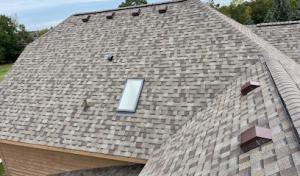
Flat-roof specialization is present in the Ypsilanti market even though pitched residential reroofing dominates overall. In neighborhoods near the Huron River and along older corridors, low-slope sections are common on additions, porches, and small multifamily or commercial-adjacent buildings. The mix means you'll see both flat and steep sections on the same property, and repairs must address both types with careful detail to seams and drainage.
On low-slope sections in Ypsilanti, heavy precipitation and winter freeze-thaw conditions increase the importance of drainage and seam integrity. Prioritize a thorough inspection after winter and after spring storms. Look for standing water, micro-pools, or drifted debris that can immunize seams to ice. Sealant joints and flashing should be checked for uplift and cracking, especially where porches or additions meet the main roof. If you notice moisture wicking or staining inside ceilings, treat it as a leak signal even if it seems localized.
Mixed rooflines on additions, porches, and small multifamily or commercial-adjacent buildings in the city can create flat-roof repair needs alongside standard shingle work. Plan repairs with an eye toward uniform drainage across transitions. When a flat section ties into a higher pitched roof, ensure flashing heights are matched and that termoshock or thermal movement hasn't created gaps. For owners, this often means coordinating repairs on the flat portion with work on adjacent pitches to avoid missed leaks.
Create a simple seasonal checklist focused on flat areas: inspect seams after heavy rains, confirm drainage paths are unobstructed, and verify edge metal and drip trim are secure. In spring, schedule a rapid response window for storm damage so that small leaks don't become larger, more costly problems. If a flat roof has a deck or equipment, inspect supports and ballast regularly to prevent movement that can pull at flashing during windy seasons. In short, proactive, coordinated checks across all flat and near-flat sections save time and trouble in this climate.
Find specialists in TPO, EPDM, and built-up flat roofing systems for residential and commercial properties.
Performance Roofing & Siding Ann Arbor
(734) 259-7464 performanceroofsystems.net
Serving
5.0 from 68 reviews
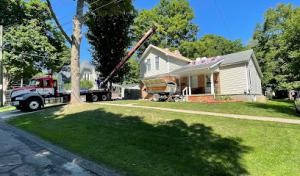

Homeowners facing spring hail and wind events in this region operate within a county-level insurance environment where policy terms and roof age can materially affect settlement outcomes. The county's loss history means adjusters are accustomed to multiple claims in a single season, which can influence timelines and expectations for final approval. Understand that a policy's deductible, depreciation provisions, and any wear-and-tear language may shape how repairs are financed and what scope is ultimately approved.
Adjusters in this market may request supplemental documentation before approving final payment, especially when damage isn't obvious from the ground. In Ypsilanti, where older housing stock is common near the river corridor, transient conditions like ice dam risk or hidden leaks behind aging underlayment can complicate initial assessments. Prepare to supply a clear narrative of how a storm event affected the roof, including any rapid changes in weather after the event that could contribute to ongoing leakage.
Detailed before-and-after photos and contractor scope documentation are especially important here because claim activity is common enough to trigger closer review. Take wide shots from multiple angles to show surrounding structures and tree impact, then close-ups of hail marks, lifted shingles, or flashing damage. A contractor-drawn scope that links observed damage to specific repair steps helps the adjuster understand the project's full scope. Maintain consistent, written communication that aligns dates of service, started repairs, and progress notes with the claim timeline. This clarity can smooth the path to an accurate, timely settlement.