
Last updated: Apr 19, 2026
Spring in this area brings frequent hail events and deluges that can leave roof damage unseen from the ground. The timing of repairs often hinges on how quickly the aftermath is identified and documented. A roof that looks fine from the street can conceal compromised shingles, dented metal, or granule loss that accelerates wear once freeze-thaw cycles kick back in. In this climate, a contractor who can spot hail impact patterns and wind-driven damage is essential, because damage may appear minor at first but evolve into leaks once moisture freezes and expands. Local styles of housing-slate-like composite shingles, metal panels, and clay or concrete tile-each show distinct telltale signs, from bruised shingles and lifted edges to cracked sealants or loose fasteners. When the weather pattern shifts from heavy rain to clear skies, the risk of hidden damage rises; that is when a careful, roof-level inspection becomes urgent.
The signal mix among Troy-area contractors leans heavily toward storm damage, emergency repairs, and insurance-claims work. Homeowners frequently hire roofers after weather events rather than for age-based replacement, so the claims process is a common path, but it can feel pressurized. Regional insurers commonly request photo documentation, roof age, and material type before authorizing work, and adjusters often inspect the roof before claim approval. This means timing matters: delays in submitting clear photos or failure to identify hidden damage can slow down or jeopardize coverage. If a storm has just passed, expect a fast call-back from an adjuster, but also prepare for an on-roof assessment, potential need for infrared or drone surveys, and a review of the roof's remaining service life.
If hail or heavy rain just hit, you should document all impacted areas from multiple angles-photos of dented panels, lifted shingles, and any interior signs of water intrusion. Do not wait for perfect sunlight; take clear daylight photos and note dates, times, and observed conditions. For a timely claim, you'll need to identify the roof's age and material type, so gather service records or manufacturer specs if possible. Contact a trusted local roofer who understands how freeze-thaw cycles can worsen minor damage, and who can provide a storm-damage assessment focused on early interventions that prevent leaks. When arranging a post-storm inspection, ask the contractor to coordinate with the insurer on the scope of the assessment and to document any hail impact patterns, loose flashing, or compromised gutters. A rapid, professional evaluation helps anchor the claims process and reduces the risk of unseen damage undermining the roof in the next thaw. If access is challenging after a storm, request temporary protection, such as tarps or boards, to prevent additional water intrusion while awaiting a more thorough review.

Ohio Roof Masters
(937) 418-7976 www.ohioroofmasters.com
1314 Barnhart Rd Unit B, Troy, Ohio
4.9 from 210 reviews
Ohio Roof Masters is a licensed and insured, full-service residential and commercial roofing company that has specialized in roofing installations, repair, inspections, and exterior renovations for more than 15 years. Our skilled team installs the highest quality materials to maintain our reputation for exceptional customer service and satisfaction, from beginning to end. We are a GAF factory-certified contractor too! We have helped thousands of homeowners in the Miami Valley and Greater Dayton area restore their properties, and we would love to do the same for you. Get in touch with our roofing contractors today!
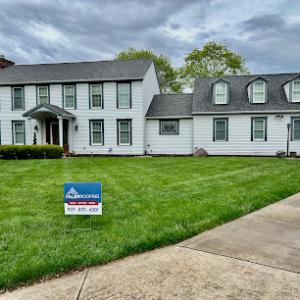
Faler Roofing
(937) 875-6301 www.falerroofing.com
2205 Merrimont Dr, Troy, Ohio
5.0 from 36 reviews
Faler Roofing provides high-quality roofing, siding, and gutter installation services for residential properties. As a CertainTeed Certified Shingle Master Installer, we ensure every project meets the highest standards for durability and performance. Our team is dedicated to exceptional craftsmanship, with a focus on customer satisfaction. We also assist with insurance claims, helping you navigate the process to get the coverage you deserve. With transparent agreements and a commitment to integrity, Faler Roofing is your trusted partner for all your roofing, siding, and gutter needs.
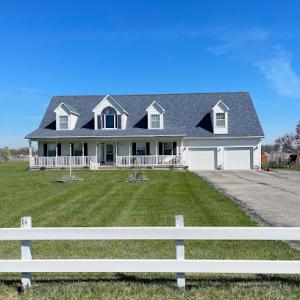
Elevated Roofing & Siding
(937) 248-1362 www.elevated-roofing.com
405 Public Sq Suite 241, Troy, Ohio
4.8 from 64 reviews
Elevated Roofing & Siding is Dayton, Ohio’s trusted choice for top-quality residential and commercial roofing and siding services. Family owned and operated since 2015, we provide expert craftsmanship, reliable service, and a 10-year labor guarantee on all roofing projects. Whether you need a full roof replacement, siding installation, or storm damage repair, our team delivers lasting results with honesty and integrity. We also offer gutter installation, chimney repair, and more, making Elevated Roofing & Siding your full-service exterior expert.
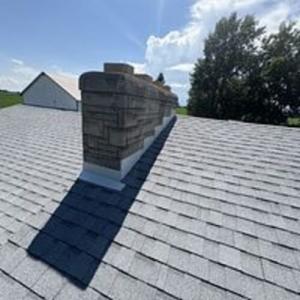
Rich Roofing & Services
(937) 335-7663 www.richroofing.com
567 E Staunton Rd, Troy, Ohio
4.6 from 133 reviews
At Rich Roofing, we can have peace of mind knowing that all of our Ohio roofers are background checked, drug tested, and professional trained. Our roofers are experienced, caring, and dedicated to providing you with the best roofing service in Ohio. Anytime you need us, we are there… We offer up front pricing on our roofing services, so homeowners don’t have to worry about whether or not they will see any unexpected charges after the work is completed. Rich Roofing uses earth friendly procedures and roofing systems to ensure a better future.
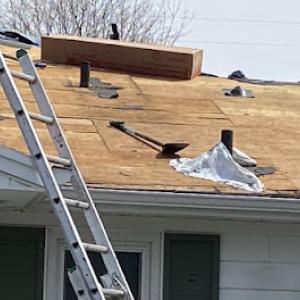
Will Sells Roofing
(937) 356-9843 willsellsroofing.com
115 W Race St, Troy, Ohio
4.9 from 32 reviews
At Will Sells Roofing, we offer the best products and services in Ohio. You can count on Will Sells Roofing to deliver a quality product and meet or even exceed your expectations. Will has over 30 years experience and is dedicated to customer service. We accept credit cards and offer financing. Will Sells Roofing is fully licensed and insured. Reach out to us today for all your Ohio roofing needs!
J.G. Roofing
(937) 339-7663 jgroofingohio.com
113 N Market St, Troy, Ohio
4.7 from 41 reviews
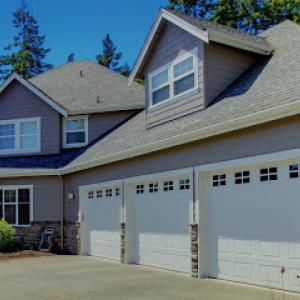
Since 2016, J.G. Roofing has been a trusted contractor in Troy, OH, and beyond, offering premium roofing and deck building services. This locally-owned business is dedicated to enhancing homes with superior craftsmanship and high-quality materials. Whether you need a full roof replacement, minor repairs, or a brand-new deck to enjoy your outdoor space, their experienced team is committed to delivering exceptional results. J.G. Roofing ensures every project is completed with professionalism and attention to detail, making them the go-to choice for all your exterior home improvement needs.
Schaefer & Company
(937) 339-2638 schaeferandcompany.com
3205 S Co Rd 25A, Troy, Ohio
4.7 from 25 reviews
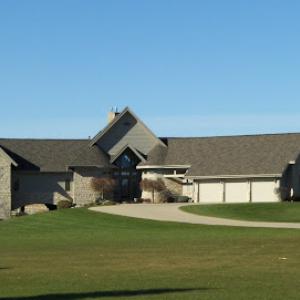
Schaefer and Company is a full-service remodeling company with over 70 years of experience in exterior and interior renovations. We have proudly served thousands of homeowners in Ohio's Northern Miami Valley and hold an A+ rating from the BBB. Our team consists of skilled local craftsmen, each specializing in their trade, delivering exceptional results. From roofing and siding to windows, doors, and custom carpentry, we handle both residential and commercial projects with unmatched precision. Serving Troy, Tipp City, and the surrounding areas, we’re committed to bringing your vision to life. Contact us today for a free consultation and begin your home improvement journey!
Reasonable Roofing LLP
(937) 287-0114 www.reasonableroofingllp.com
Troy, OH
5.0 from 8 reviews
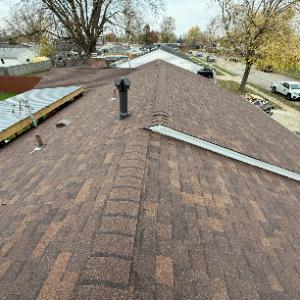
Reasonable Roofing LLP is your trusted local roofing partner, proudly serving homeowners and businesses with high-quality roofing solutions at fair, honest prices. Whether you need a full roof replacement, fast repairs, or a professional inspection, our team brings years of hands-on experience and a commitment to getting the job done right the first time. We specialize in asphalt shingles, metal roofing, flat roofs, and storm damage repair. Every project we take on is backed by strong workmanship, clear communication, and dependable service from start to finish. At Reasonable Roofing LLP, we believe protecting your home or business shouldn’t cost a fortune—and we stand by our name.
Nu-Roof
Troy, OH
5.0 from 1 review
We strive to be able to meet all your roofing needs. We also do gutters and power washing.
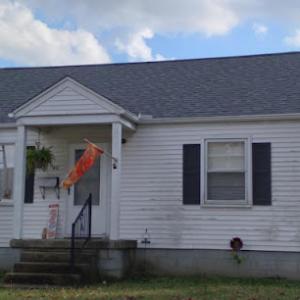
B & S Roofing & Home Services
Troy, Ohio
5.0 from 1 review
B & S Roofing & Home Services gives you top-quality roofing services in Troy, OH, areas. For more information, feel free, and give us a call!
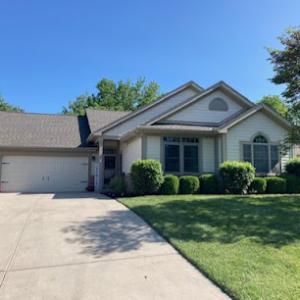
Hinkle Roofing & Exteriors
(937) 865-0958 hinkleroofs.com
Serving
4.7 from 34 reviews
Roofing, Siding, & Gutters

M & M Roofing
(937) 470-0289 www.maxwellmandmroofing.com
Serving
4.8 from 47 reviews
Transform your home with M and M Roofing your go-to roofing expert in Troy OH. With 26 years of experience Jamie Maxwell is a pro in commercial and residential flat roofing. Enhance your curb appeal and call today for top-notch roofing services!
Late spring through early fall is generally the best replacement window in Troy because installation conditions are more reliable than during winter freeze-thaw periods. That span offers longer dry spells, moderate temperatures, and less risk of sudden weather delays. If hail damage is suspected, quick scheduling after a claim helps prevent exposed roofing from absorbing heavy rain or spring storms. Weather-ready crews can complete underlayment, shingles, and flashing with fewer interruptions, reducing the chance of wind-driven setbacks that wear on the project timeline.
Winter in this area can create freeze-thaw stress that damages shingles and flashing while also narrowing safe installation windows. Frost and ice can compromise the roof deck and make ladder work unsafe. If a hail event or wind-driven damage occurs in late fall or early winter, plan for a temporary mitigation strategy and coordinate closely with the contractor to align work with a favorable stretch of weather. When temperatures dip near freezing, certain roofing products may not seat properly or seal as intended, so rescheduling is common until temperatures warm.
Summer heat and autumn windstorms in the Troy area can both affect installation quality, crew scheduling, and short-notice repair demand. High heat can affect shingle pliability and worker endurance, potentially shaping material handling and adhesive timing. Thunderstorm patterns can introduce sudden delays or pose safety concerns for on-roof work. Autumn windstorms can force rapid decisions after a hail event or wind damage, so having a flexible plan with the contractor helps maintain progress without compromising quality. Clear communication about anticipated weather windows keeps the project on track even when storm chances spike.
Because the local climate cycles bring varied stressors, it helps to map a rough calendar that aligns with your material choice and the typical contractor load in peak seasons. Asphalt and synthetic shingles tend to respond well to Troy's seasonal shifts when installed in the recommended warm, dry periods. Metal roofs can tolerate higher heat during installation, but fastener torque and panel alignment still benefit from stable weather. If a hail claim is involved, document damage promptly and set expectations with the crew for an efficient sequence: damage assessment, temporary protection if needed, material ordering, and a staged replacement that respects the primary objective-quality installation that endures through freezing winters and stormy springs.
Asphalt shingles remain the practical default for many Troy homes, thanks to a balance of performance and ease of installation. The local climate-with cold winters, warm summers, and consistent precipitation-puts a premium on a shingle that seals well during freeze-thaw cycles and sheds moisture reliably. When choosing asphalt, look for products with good asphalt and granule adhesion, strong nail line performance, and a solid warranty that covers wind uplift common in storm events. Proper attic ventilation paired with an asphalt roof helps manage condensation and moisture buildup that can occur during heavy rains or rapid temperature swings. In neighborhoods with older homes, a steep-rise roofline or complex geometry increases the importance of precise flashing at chimneys, dormers, and transitions to valleys to prevent slow leaks that are hard to pinpoint after a hail storm. Local crews tend to have deep experience with asphalt installation details that accommodate typical roof profiles found around mid-century houses as well as newer, mixed-stock homes.
Metal roofing is a standout option in this market because of its durability and the ability to shed moisture quickly after heavy rainfall. In Troy, the contractor signal profile shows stronger local specialization in metal roofing than in tile, which translates to more robust installation depth, better long-term service availability, and clearer guidance during hail season. Metal panels resist impact surprisingly well when installed with sound underlayment and appropriate sealant details at seams. The material's expansion and contraction through the freeze-thaw cycles require precise, climate-conscious fastening and panel sizing to prevent lip lift or drip edge gaps. A metal roof can also meaningfully reduce ice dam risk near eaves by encouraging faster water shedding, provided that edge detailing and flashing are finished with tight, corrosion-resistant materials. When a metal roof is paired with quality underlayment and continuous ventilation, it can offer a durable, low-maintenance solution suited to both recent construction and long-standing homes with historical character. For homeowners evaluating comfort in hail-prone years, a reputable metal system often pairs well with protective coatings that maintain color and finish despite seasonal UV exposure.
Clay and concrete tile bring a distinctive look and excellent longevity, but they are less typical in the local contractor market. The weight of these systems requires structural consideration and careful fastening, especially on homes with original framing or limited attic access. In Troy's climate, tile systems must be paired with moisture-management strategies-effective underlayment, proper slope, and reliable flashing at penetrations-to handle regular precipitation and freeze-thaw movement. Wood shingles and shakes offer an attractive rustic option, yet they demand diligent upkeep in a climate that experiences both humidity and cold. Weathering over time can cause checking, splitting, or cupping if ventilation isn't adequate or if moisture gets trapped at the deck level. For homes with distinctive architectural details or heritage elements, tile or wood may be chosen to reflect character, but the installation and ongoing maintenance require a contractor who can blend aesthetic intent with practical moisture control. In the local market, tile and wood projects are typically more selective and timeline-driven, with a stronger emphasis on ensuring flashing continuity and movement joints across complex roof geometries.
Across every roof type, moisture management matters most in Troy. Regular precipitation, frequent storms, and temperature swings can stress flashing, sealants, and transitions. Moisture movement should be anticipated at valleys, vent stacks, and eave lines, with particular attention given to the eaves edge where snowmelt can linger. A well-sealed flashing system, paired with quality underlayment and ventilation, helps prevent hidden leaks that only reveal themselves after a hail event or a rapid thaw. In practice, homeowners benefit from focusing on the interaction between roof type, attic ventilation, and the seasonality of local weather patterns to sustain performance through the typical storm cycles of Miami County.
In this area, asphalt shingles sit in a practical middle ground, with typical Troy-area pricing around $350-$550 per square for asphalt shingles. For metal roofs, expect $600-$1000 per square, a good fit when longevity and wind resistance are priorities. Clay tile ranges from $800-$1500 per square in this market, while concrete tile sits around $900-$1400 per square. Wood shingles or shakes run $650-$1100 per square, and synthetic or composite shingles land between $420-$800 per square. These ranges reflect how local labor, delivery, and installation specifics influence final numbers as much as material choice does. When sizing a project, focus on the actual roof area and complexity-the same roof can swing several thousand dollars in total cost if the footprint, roof pitch, and ventilation requirements differ.
Storm-driven demand spikes in the Troy market push scheduling pressure and pricing, especially after hail or high-wind events when many homes need re-roofing within a narrow window. If a large hail event occurs, plan for a compressed timeline from choosing shingle type to securing crews and completing installation. Weather patterns in winter and early spring can also tighten calendars, since freeze-thaw cycles demand careful sequencing to prevent damage to freshly installed underlayment and flashing. Having a clear replacement window helps stabilize costs and avoids last-minute price bumps tied to rush jobs.
Troy experiences a mix of freeze-thaw cycles and regular rain, so roof systems should resist ice dam risks and water intrusion during heavy spring rain. Asphalt shingles remain a solid, economical choice for many homeowners facing typical Troy weather patterns. Metal roofs offer strong wind performance and long life, which can offset higher upfront costs over time. Tile options-clay or concrete-provide excellent durability in sun exposure and can improve long-term resilience, though their weight and installation complexity are higher. Wood shingles or shakes deliver a traditional look but demand more maintenance and moisture management. Synthetic or composite shingles can balance cost with durability, especially in yard-adjacent spaces where impact resistance matters.
Start with a rough size estimate by measuring the roof footprint or reviewing existing square counts from prior roof work. Compare at least three local bids to capture Troy-specific labor factors and any truck or disposal charges that can arise from a storm-damaged deck. Ask for an itemized breakdown that separates material costs, removal, disposal, and flashing or ridge vent updates to avoid surprises after the project commences. For replacement timing, target shoulder seasons when demand is lower but weather remains reliable; this helps keep scheduling manageable and often reduces congestion-driven price pressure. If hail damage is suspected, document damage with photos and obtain written assessments from reputable local roofers to support scheduling and material selection decisions.
Get a clear picture of your project costs upfront - no commitment required.

A permit is typically required for a full roof replacement, and it is issued through the City of Troy Building Department. The permit signals that the project plans meet local codes, including wind uplift and fire resistance standards. If a contractor skips this step, you risk delays, denial of occupancy, or the need to redo work to pass inspection. Delays can push your project into adverse weather windows.
Troy requires a final inspection after the roofing work is completed. That final step confirms the installation matches approved plans and local code requirements. Some projects may also receive intermediate inspections focused on underlayment and flashing before final approval. Those early checks help catch issues that could cause leaks or wind failure down the line, so don't count on a single post-work review to catch everything.
Weather patterns in this area-freeze-thaw cycles and spring rain-can extend the inspection timeline if a permit is tied to favorable conditions or a specific weather window. If the project encounters spring or early summer rain, expect possible scheduling shifts for both inspections and material deliveries. Start the permit process early if hail damage was a trigger, since crews often need to coordinate with insurance timelines and contractor availability.
Prepare a copy of the approved roof plan, material specifications, and proof of contractor licensing when requested by the Building Department. Have a clear post-installation summary ready, including underlayment type, flashing details, and attic ventilation notes. An orderly submission reduces back-and-forth and helps keep the final inspection on track, which can protect against weather-related delays and unplanned additional visits.
Skipping the permit or failing to schedule the final inspection can halt work or require rework. If intermediate inspections are scheduled, missing those can stall final approval and extend the project timeline. Work closely with a contractor who stays aligned with Troy's inspection cadence, and confirm every required inspection date in writing before covering the roof and enclosing it. This diligence saves headaches when the weather turns and layers of the project need to be documented.
In this city, storm cycles and hail are common, so many roofs face insurer review rather than straight replacement. When a claim hits, the adjuster will look at how the damage lines up with actual storm timing, recent repairs, and the roof's overall condition after a hard winter or spring rain. That means a replacement decision can hinge on documentation and the insurer's current evaluation criteria, not just the visible dent.
Homeowners should expect insurers to ask for dated photos, roof age, and material type when evaluating storm damage. Take clear photos before and after any repair attempts, and keep a simple log of weather events that coincided with damage. If the roof is older, or made from common Troy materials such as asphalt or metal, expect a more scrutinized review. The combination of hail risk and the freeze-thaw cycle often prompts closer inspection and more conservative coverage decisions.
Recent state-level regulatory changes have tightened parts of the claims process, which can affect how quickly authorization for replacement work is granted. In busy storm seasons, delays are not unusual, and conversations about upgrades or upgrades to higher-grade materials may surface. Understanding the timeline helps homeowners plan for weather windows and avoid being left in a vulnerable position during mid-winter freezes or spring rains.
Coordinate with a contractor who has experience navigating Troy's insurer expectations and local weather patterns. Start with a detailed, dated photo set and a clear summary of material type and roof age. If a claim stalls, documenting efforts and maintaining consistent communication with the insurer can help keep the project moving, even when timing clashes with peak storm periods.
The Troy market is dominated by re-roofing rather than niche new-construction work, so homeowners are usually hiring for replacement, leak response, and storm recovery. When a hailstorm rattles through the Miami County weather pattern, local roofs that were showing wear or soft spots suddenly become top priorities. Homeowners often look for contractors who can assess damage quickly, confirm the extent of interior risk, and map a practical, long-lasting plan that restores the roof and protects the interior. In this climate, where freeze-thaw cycles stress shingles and flashing, a reliable replacement strategy matters as much as immediate leak sealing.
Two of the strongest signals you'll notice in Troy are rapid response and thorough post-job cleanup. Local homeowners value teams that can be on site fast after a storm, begin temporary protections to limit interior damage, and then finish with a clean, organized work zone. A successful local contractor not only protects interior spaces during a storm recovery phase but also reinspects after the job to ensure seals, gutters, and drip edges remain sound. The emphasis on cleanup reflects a practical mindset: the job isn't done until the yard, driveway, and curb are left as they were found, or better, with debris removed and no leftover mess.
Long-established, residential-focused contractors are more prevalent in this market than highly specialized niche operators, which shapes how trust is built locally. Homeowners tend to favor firms with a track record of steady service for home roofs, not flashy portfolios from out-of-town specialists. The buying decision leans on personal recommendations, visible local references, and the ability to demonstrate consistent, hands-on involvement from a local crew rather than a distant project manager. When choosing, look for a team that speaks plainly about material compatibility with local winter conditions, a transparent method for temporary protections, and a clear plan for returning to address any latent issues after the storm season passes.
A typical Troy-focused contractor will start with a candid walk-around to identify hail impact zones, then provide a staged plan that prioritizes leak mitigation, proper ventilation considerations, and flashing integrity. Expect on-site communications to emphasize staying ahead of freeze-thaw cycles, with scheduling that respects the timing of rain spells and potential moisture exposure. Finally, pick a crew that emphasizes responsible disposal and neighborhood respect, so driveways stay clear and neighbors aren't left with stray debris during the recovery process.