
Last updated: Apr 19, 2026
Sidney, OH has warm-season thunderstorms and hail exposure layered on top of cold-season freeze-thaw cycling, so roofs here often show both impact damage and winter-related deterioration. That means a hail strike can create microfractures and granule loss you may not notice at first glance, while the next freeze-thaw cycle can widen those weak spots into leaks. After a severe storm, look for creased shingles, exposed underlayment, dented fascia, and loose or missing granules along gutters and rake edges. In homes with asphalt or composite shingles, you may see dark splotches that look like aging but are actually hail pockmarks. With metal roofs, feel for dented panels and compromised seals around fasteners. In this climate, a damaged roof can escalate quickly if ignored, because ice and water can migrate from ripped areas into the attic and ceiling framing during rapid thaw periods.
Spring storms can interrupt active tear-offs and leave exposed decking vulnerable, making scheduling and temporary dry-in especially important in this market. If a storm rolls in during a tear-off, prioritize securing tarps, edge protection, and a temporary seal over soffits and vents to slow water intrusion. Plan for a staggered sequence: document existing damage, then bring in weather-tight protection before a lull, then complete decking inspection and any necessary deck repairs as soon as conditions allow. In practice, that means having a crew prepped for quick mobilization, a plan to cover exposed areas within hours, and a clear path to resume work once the storm front passes. Durable temporary coverings can buy you crucial days, especially when forecasts show more rounds of rain or a later freeze-thaw cycle with another storm.
Ohio insurers in hail and wind events commonly require photo-heavy documentation, invoices, and sometimes independent adjuster review, which makes early damage capture especially important after Sidney-area storms. Start gathering evidence the moment conditions permit: wide-angle roof shots, close-ups of damaged shingles or metal panels, attic photos showing staining or mold, and a calendar timeline of when you first noticed issues. Keep a running log of every step: weather notes, dates of inspections, and who performed temporary dry-in or full repairs. If a claim is filed, insist on a rapid, transparent process with your adjuster and contractor, emphasizing the observed damage correlates with the storm sequence and freeze-thaw stress. Delays in documentation can complicate coverage decisions and extend the exposure window for interior leaks.
In the wake of a storm, your plan should be ready to execute within hours, not days. Before dawn, confirm that your contractor can reach the site promptly and bring necessary dry-in materials. When safe access is possible, remove loose debris from the roof edge to prevent further damage during wind gusts. If shingles are blown loose or decking is exposed, cover with heavy-duty tarps and secure with battens or weighted boards until the crew can reseal. Coordinate with the contractor to schedule a focused inspection of attic ventilation, underlayment, and any visible water intrusion. Align the work window with the forecast: aim for dry periods that allow a thorough deck inspection and a durable roof replacement start, minimizing the risk of repeating cycles of moisture intrusion during the next round of storms.
Within Sidney, the dry numbers are pretty straightforward if you're budgeting a roof replacement. Asphalt shingles run about $350 to $700 per square, a wide band that fits many midtown and outskirts homes with standard roof shapes. Metal roofs sit higher, typically $650 to $1100 per square, reflecting longer life and the ability to shed wind and hail hits more readily in our storms. If you've got a house that can pull off a clay tile look, expect $1000 to $1900 per square, while concrete tile sits a touch lower at $1000 to $1800 per square. Wood shingles or shakes are commonly quoted from $600 to $1100 per square, appealing for a rustic or historic look but requiring maintenance against moisture and insects. Synthetic or composite shingles offer the most budget flexibility, typically $450 to $900 per square, with decent durability and color stability. These ranges reflect the practical spread you'll see across Sidney's older two-story rows, newer tract homes, and everything in between.
Storms in Shelby County drive a lot of the price movement you'll encounter after a big wind or hail event. When a hail swath hits, or a string of strong thunderstorms rolls through, the local reroof market can light up in days, not weeks. Insurers issue more claim-driven replacements, and that uptick can push material costs and labor availability higher for a while. If you're planning around a season that's seen an uptick in hail or high winds, you should expect quotes to shift upward and sometimes more limited scheduling windows. In practice, that means you'll often pay a premium for faster startup, expedited material orders, or sooner-than-normal crew availability-especially if you're replacing on a house with a nonstandard pitch or complex ridge line that complicates logistics.
Winter here comes with a predictable freeze-thaw rhythm that stresses roofing materials. If you're weighing options after a summer or early fall storm, you'll want to prioritize selecting a material with proven cold-weather performance and a contractor who can stage a project to minimize exposure to freeze-thaw cycles. Asphalt remains the most forgiving in colder snaps, while metal and tile systems demand careful installation sequencing to avoid micro-cracks or thermal expansion issues as temperatures swing. If your timeline is tight because you're trying to beat the first heavy snowfall, a realistic plan is to book the project in the late late summer to early fall window, align with material availability, and build a buffer for inevitable weather delays. In practice, you'll want a clear sequence: order the selected material, schedule a start window with contingencies, and coordinate with the crew to secure the attic and interior spaces from winter moisture risk during peak wind events.

Sidney Roof Masters
(937) 418-7976 ohioroofmasters.com
118 N Main Ave Unit D, Sidney, Ohio
4.9 from 60 reviews
"Ohio Roof Masters purpose is to bring intelligence, trust, and reliability to the exterior trades in the Miami Valley while enhancing out Customers and crews lives through possitive interactions. We are a great choice for clear communication proper planning/ Design Win win cooperation english speakig PMs & fallowing Instulation guidlines. With over 20 years of experience we achieve excellent projects through and excelent team. Getting something done on your home should not be difficult we hope each and every customers become our family and advocates. We take ownership and responsibility of our jobs because at the end of the day we want to do good work."
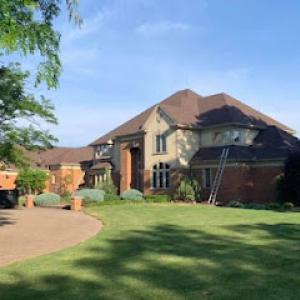
Premier Contractors of America
(937) 492-7663 www.premiercontractorsofamerica.com
507 N Miami Ave, Sidney, Ohio
4.7 from 54 reviews
At Premier Contractors of America, LLC. we are a professional roofing, siding, and window contractor, showroom, and warehouse in Sidney, Ohio.

D & S Roofing of Western Ohio
1121 Milligan Ct, Sidney, Ohio
4.6 from 9 reviews
D&S Roofing is Sidney’s premier residential roofing contractor. We are a division of D&S Construction, which is known for building the finest quality homes in the area.
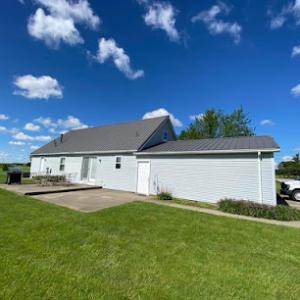
Evans Roofing - Sidney/Piqua/Troy Area
(419) 394-6326 www.evanshomeimprovementoh.com
740 Broadway Ave, Sidney, Ohio
4.0 from 7 reviews
Experts in roofing, siding, and construction in Ohio since 1965! Residential and commercial ! Contact us today for a free estimate! We warranty all work! Financing available. Metal roofing, shingles, rubber/epdm, tpo, flat roofs. Lifetime warranties!

Continental Roofing Contractors
(937) 492-5150 www.continentalroofingcontractors.com
123 W Poplar St, Sidney, Ohio
5.0 from 2 reviews
Continental Roofing Contractors are your local residential and commercial roofers serving Sidney, Piqua, Troy, Vandalia, Dayton, Springfield and the surrounding areas. We offer free roof inspections and estimates and work directly with your homeowners insurance company for hail, storm, and wind damaged roofing and siding repair or replacement. We install most types of roofing materials including: Shingle Roofs, Rubber Roofs, and Metal Roofing. We also install siding, gutters, and replacement windows.
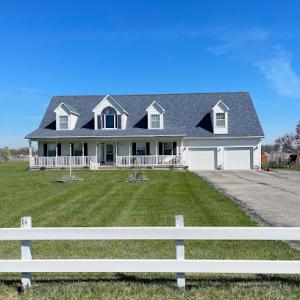
Elevated Roofing & Siding
(937) 248-1362 www.elevated-roofing.com
Serving
4.8 from 64 reviews
Elevated Roofing & Siding is Dayton, Ohio’s trusted choice for top-quality residential and commercial roofing and siding services. Family owned and operated since 2015, we provide expert craftsmanship, reliable service, and a 10-year labor guarantee on all roofing projects. Whether you need a full roof replacement, siding installation, or storm damage repair, our team delivers lasting results with honesty and integrity. We also offer gutter installation, chimney repair, and more, making Elevated Roofing & Siding your full-service exterior expert.
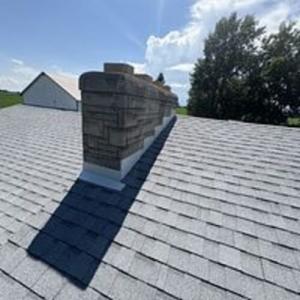
Rich Roofing & Services
(937) 335-7663 www.richroofing.com
Serving
4.6 from 133 reviews
At Rich Roofing, we can have peace of mind knowing that all of our Ohio roofers are background checked, drug tested, and professional trained. Our roofers are experienced, caring, and dedicated to providing you with the best roofing service in Ohio. Anytime you need us, we are there… We offer up front pricing on our roofing services, so homeowners don’t have to worry about whether or not they will see any unexpected charges after the work is completed. Rich Roofing uses earth friendly procedures and roofing systems to ensure a better future.
Will Sells Roofing
(937) 356-9843 willsellsroofing.com
Serving
4.9 from 32 reviews
At Will Sells Roofing, we offer the best products and services in Ohio. You can count on Will Sells Roofing to deliver a quality product and meet or even exceed your expectations. Will has over 30 years experience and is dedicated to customer service. We accept credit cards and offer financing. Will Sells Roofing is fully licensed and insured. Reach out to us today for all your Ohio roofing needs!
Reasonable Roofing LLP
(937) 287-0114 www.reasonableroofingllp.com
Serving
5.0 from 8 reviews
Reasonable Roofing LLP is your trusted local roofing partner, proudly serving homeowners and businesses with high-quality roofing solutions at fair, honest prices. Whether you need a full roof replacement, fast repairs, or a professional inspection, our team brings years of hands-on experience and a commitment to getting the job done right the first time. We specialize in asphalt shingles, metal roofing, flat roofs, and storm damage repair. Every project we take on is backed by strong workmanship, clear communication, and dependable service from start to finish. At Reasonable Roofing LLP, we believe protecting your home or business shouldn’t cost a fortune—and we stand by our name.
J.G. Roofing
(937) 339-7663 jgroofingohio.com
Serving
4.7 from 41 reviews
Since 2016, J.G. Roofing has been a trusted contractor in Troy, OH, and beyond, offering premium roofing and deck building services. This locally-owned business is dedicated to enhancing homes with superior craftsmanship and high-quality materials. Whether you need a full roof replacement, minor repairs, or a brand-new deck to enjoy your outdoor space, their experienced team is committed to delivering exceptional results. J.G. Roofing ensures every project is completed with professionalism and attention to detail, making them the go-to choice for all your exterior home improvement needs.
Faler Roofing
(937) 875-6301 www.falerroofing.com
Serving
5.0 from 36 reviews
Faler Roofing provides high-quality roofing, siding, and gutter installation services for residential properties. As a CertainTeed Certified Shingle Master Installer, we ensure every project meets the highest standards for durability and performance. Our team is dedicated to exceptional craftsmanship, with a focus on customer satisfaction. We also assist with insurance claims, helping you navigate the process to get the coverage you deserve. With transparent agreements and a commitment to integrity, Faler Roofing is your trusted partner for all your roofing, siding, and gutter needs.

Black Bear Roofing & Exteriors
(937) 631-6548 black-bear-roofing.com
Serving
5.0 from 135 reviews
Black Bear Roofing & Exteriors, located In Champaign county, is your trusted local roofing expert and top roofing contractor serving surrounding counties. Specializing in residential roofing, we offer comprehensive services including Roofing, storm damage repair, Window & Door Installation, Siding, Gutters and Exterior solutions. Our skilled team provides reliable solutions and services with high-quality materials and expert craftsmanship, ensuring your home exterior is both protected and visually appealing. Recognized as the best roofing company in Springfield, OH- Black Bear Roofing & Exteriors is committed to delivering exceptional service, making us your go-to for all your roofing and home exterior needs.
Asphalt shingles remain the dominant local choice because they fit the reroof-heavy housing stock common in western Ohio and are easier to replace after isolated storm damage than tile systems. In Sidney, many homes were built with asphalt over the decades, so a repair or full roof swap often lines up with existing deck layouts and vent placements. When choosing asphalt, look for a mid- to high-quality fiberglass mat product with good granule adhesion and a durable sealant strip. The local freeze-thaw cycle can loosen weaker shingles, so install with proper nailing patterns and confirm that the shingles have appropriate wind uplift resistance for the area's typical thunderstorm winds. For storm-drenched sites, a shingle with a thicker layer of asphalt and reinforced edges tends to resist hail impact better while still offering straightforward replacement if a few shingles lift or crack.
Metal roofing has meaningful local contractor support in Sidney and is especially relevant where homeowners want better shedding of snow and rain during the city's winter-to-summer weather swings. Metal panels or standing-seam systems shed moisture quickly, reduce ice dam concerns, and can resist repeated wind-driven hail more effectively than standard shingles. In practice, metal can reduce maintenance cycles after severe events because fasteners and flashing are easier to inspect and reseal. Installation quality matters: ensure contractor attention to panel laps, seam sealing, and integrated attic ventilation. A properly installed metal roof also plays well with existing venting plans and attic insulation, helping regulate interior temperatures during sudden cold snaps and heat spikes, which in turn protects the roof deck from extreme moisture flux.
Freeze-thaw conditions in Sidney make underlayment quality, flashing details, and ventilation more important than appearance alone because trapped moisture and repeated temperature swings shorten roof life. A robust underlayment acts as a secondary barrier after shingle or metal surface. In areas prone to ice formation, flashing around chimneys, valleys, skylights, and dormers must be continuous and properly dressed to prevent intermittent leaks as temperatures swing from freezing to above-average warmth. Ventilation matters to keep the attic dry and to reduce condensation that can dampen roof sheathing between cycles of thaw and freeze. When evaluating options, prioritize systems with proven underlayment performance, corrosion-resistant flashing materials, and an established plan for attic ventilation that aligns with the roof's slope and chimney or vent stack locations.
Sidney's storm-driven repair market emphasizes rapid cleanup and reliable performance after hail, high winds, and heavy rain. A roof that can withstand hail without catastrophic denting or tearing, while still allowing for efficient temporary or permanent repairs, reduces downtime and the risk of secondary damage. Consider how well each option aligns with typical home silhouettes in the neighborhood, because taller roofs and long ridges can amplify wind gusts and snow shedding patterns. When scheduling replacements after a damaging storm, coordinate with a trusted contractor who can verify deck integrity, reinstall ventilation baffles, and reseal flashing to minimize chances of moisture intrusion during the freeze-thaw cycles.
A full roof replacement in Sidney and Shelby County typically requires a permit rather than being treated as a no-paperwork maintenance item. This isn't just a formality-the permit ties the project to the property address and to the contractor on the job. Starting without the permit can stall work and create compliance headaches with the county. If you're replacing shingles due to hail or wind, the permit step remains the same, though the scope of work can expand as more structural or mechanical details come into play.
The local building department generally wants a clear scope of work and may ask for mechanical details and wind-rated underlayment information before approving the job. Have your contractor prepare a written scope that lists materials, the planned roof system, and any attic venting or soffit work planned. Expect to provide roof measurements, type of fasteners, and any attic or mechanical component notes that affect wind or water resistance. If the project includes updates to ventilation, include those details to help speed the permit review.
Permits are tied to the property address, and contractor licensing verification is part of the process. Before the first nail is driven, confirm that the contractor's license is current and tied to your address. The inspections occur during the work and again at final completion. In practice, this means an inspector may visit midway to confirm installation details and weatherproofing, then return for a final walkthrough to verify compliance.
Processing often takes 1-2 weeks, so align your planning with Sidney's typical storm patterns. If a hail event triggers the need for replacement, expect a surge in applications and a push to wrap work promptly, but still within the permit framework. Schedule the start after permit issuance and prior to the next significant freeze-thaw window to minimize scheduling volatility. Ensure the crew coordinates with weather forecasts so flashing and underlayment work get completed before the next storm cycle.
Ohio's insurance environment around hail and wind is documentation-heavy, so homeowners should expect requests for before-and-after photos, contractor invoices, and detailed damage records. In practice, that means your claim file will live and die by the clarity and chronology of your evidence. After a major storm, take wide exterior shots from multiple angles, then close-ups of damaged shingles, gutters, and ventilation intakes. Keep dated notes of when you noticed issues, and organize invoices from any temporary repairs or inspections. A well-documented claim can prevent unnecessary delays and reduce back-and-forth with the adjuster, especially if the weather turns again before repairs start.
After major storms, premiums and deductibles can shift, and some carriers may tie replacement coverage to wind or hail endorsements rather than treating all roof damage the same. In this market, the distinction between a single hail impact and widespread wind-driven distress matters, because endorsements or rider provisions can change what the insurer will cover and how much you still owe out of pocket. Expect questions about whether damage is a direct, storm-related loss or the result of longer-term deterioration from the freeze-thaw cycle that characterizes the season. Clear, targeted photos showing fresh impact or rapid displacement alongside older, weathered surfaces help the claim reviewer separate these scenarios.
Because Sidney sees both thunderstorm damage and winter deterioration, homeowners need to separate sudden storm loss from wear-related issues when preparing a claim file. Focus on features most likely tied to the event-along with dated weather reports-while keeping a separate stack for pre-existing conditions. For example, distinguish a new bruise in a shingle from a long line of granule loss that has gradually exposed the roof deck. Present a concise narrative: what happened, when it happened, and what measurements or observations prove it was a storm event rather than ongoing exposure. This clarity helps avoid disputes about the scope of damage and supports timely adjustments to the claim.
In a storm-driven repair market, the sequence from claim approval to completion can hinge on how quickly a roofer can inventory and schedule. If you have to secure multiple bids, share your documented records with each contractor so their estimates reference the same observations. Ask for a detailed scope of work that includes temporary protection measures, material substitutions if local stock is tight, and a realistic timeline that accounts for typical Sidney weather gaps. A transparent process reduces the risk of surprises once work begins and helps you align insurance expectations with practical, seasonally practical timing.
Connect with contractors who help homeowners navigate the claims process from damage assessment to final approval.

Sidney Roof Masters
(937) 418-7976 ohioroofmasters.com
118 N Main Ave Unit D, Sidney, Ohio
4.9 from 60 reviews
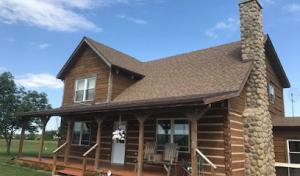
A & E Home Services
(937) 726-2868 aandehomeservicesllc.com
1210 University Dr, Sidney, Ohio
4.6 from 65 reviews
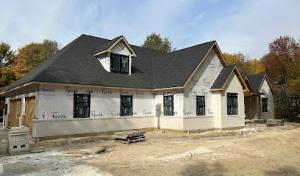
D & S Roofing of Western Ohio
1121 Milligan Ct, Sidney, Ohio
4.6 from 9 reviews
Sidney's cold winters unleash repeat freeze-thaw cycles that can turn minor shingle, flashing, and sealant imperfections into active leaks. A hairline crease in a shingle or a seam in the flashing may seem inconsequential after a dry spell, but when water repeatedly freezes and expands, those tiny vulnerabilities can grow quickly. In this climate, a roof that looked sound after spring sun can suddenly present damp spots or attic warmth-related signs later in the season. The risk isn't dramatic at first glance, but the cumulative impact can weaken roofing edges, vents, and intersections where water tends to find a path downward.
Snow and winter freezes don't just add stress; they shift schedules. Replacement work can be delayed by late-season snows, ice buildup, or unexpected attic conditions uncovered during teardown. Temporary repairs become a practical safeguard, buying time while keeping interior spaces dry. The key is planning ahead for a window that minimizes the number of coldest days endured with exposed decking or unsealed penetrations. Short, decisive work blocks paired with reliable temporary measures can prevent small problems from turning into costly damage when the frost thickens.
Ice dam risk is a real local concern because winter weather combines with attic heat loss and refreezing at roof edges rather than the roof simply aging from sun exposure alone. When heat escapes from the attic, it melts snow near the eaves; the melt refreezes as ice along the edge, pushing water under shingles and around flashing. The result can be slow leaks that progress inward, often during a thaw when roofs look mostly dry from ground level. To mitigate this, address signs of heat loss in the attic, maintain clean roof drainage paths, and prioritize repairs that restore a continuous, water-tight barrier at the eaves and over vents.
When a storm has just passed, inspect for fresh shingle granule loss, loose flashing, or puckering around vents and chimneys. If active leaks appear after a thaw, focus first on limiting interior intrusion and safeguarding insulation. For longer-term resilience, plan for mitigation that tightens connections at edge details and re-seals vulnerable joints before the coldest stretch arrives. In this climate, a proactive stance-addressing small problems promptly and coordinating timely, weather-smart repairs-reduces the chance of winter-driven damage spiraling into bigger headaches.
When a storm rolls through Shelby County, homeowners expect crews that arrive fast and leave the site spotless. Local signals show cleanup included with the job is as valued as the roof work itself. A contractor who finishes with a tidy yard, full debris removal, and no stray nails earns trust. In practice, that means crews sweep and magnet the area, haul away damaged shingles, and leave drives clear for your family to move back in.
Sidney homeowners routinely prioritize documentation of hail and wind impact for insurance helps. A responsible contractor will photograph damage from multiple angles, note wind-driven granule loss, and mark any fasteners that loosened during the storm. Expect a straightforward report you can share with your insurer, plus photos taken before any temporary fixes are made. This city often leans on such records to support timely claims.
The local climate pushes a practical approach: line up work during periods that won't trap moisture or force repeated freeze-thaw cycles. Rely on a contractor who can plan for a materials delivery and a phased install that minimizes exposure to late-season storms. In practice, readiness means staging equipment, protecting landscaping during the process, and completing critical repairs before a harsh cold snap.
The Sidney market leans toward reroofing over specialized new-construction work. Expect a mix of residential-focused firms and some commercial capability, but the strongest recurring signals are responsiveness, cleanup, and storm-related help. When evaluating bids, prioritize those who demonstrate familiarity with typical local roof types and a proven track record handling hail or wind damage quickly, with clear timelines and reliable cleanup.
Get a clear picture of your project costs upfront - no commitment required.
Sidney Roof Masters
(937) 418-7976 ohioroofmasters.com
118 N Main Ave Unit D, Sidney, Ohio
4.9 from 60 reviews
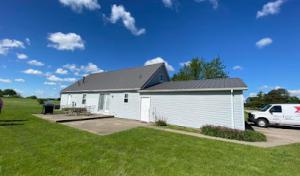
Evans Roofing - Sidney/Piqua/Troy Area
(419) 394-6326 www.evanshomeimprovementoh.com
740 Broadway Ave, Sidney, Ohio
4.0 from 7 reviews

Continental Roofing Contractors
(937) 492-5150 www.continentalroofingcontractors.com
123 W Poplar St, Sidney, Ohio
5.0 from 2 reviews