
Last updated: Apr 19, 2026
Spring in this neighborhood brings sharp, sudden hail and gusty winds that can punch through shingles or shift granules enough to accelerate wear. You might notice random dented panels, loosened flashing, or bent metal fasteners after a storm. In Fairborn, the damage often looks minor at first glance but carries a hidden consequence: those small faults can become leaks once the winter freeze-thaw cycle hits. The cold snaps following a spring storm lock in the damage, and the resulting ice damming or water intrusion can travel along the roof deck into ceilings and walls. That means you could wake up to a damp ceiling or peeling paint well before you expected, even if the surface still appears intact. The risk isn't just about rain-it's about the cumulative effect of wind-blown debris grinding against edges, ridges, and valleys, especially on older or undersized shingles common in the area. In short, a spring hail event demands urgent inspection and a plan that doesn't wait for the next rainfall to reveal its true cost.
This city experiences a distinct freeze-thaw pattern that turns minor shingle or flashing damage into costly leaks by the next winter. The timing window for a solid roof replacement is typically late spring through early fall, when temperatures cooperate, decking dries, and contractors can move efficiently between jobs. If damage is discovered in spring, homeowners often face a fast decision point: repair versus full replacement. In this climate, repairs bought after a storm can become temporary patches that fail under subsequent cycles, while a full replacement completed during the optimal window minimizes the risk of repeated damage and insurance complications. Since contractor scheduling can be volatile right after a major hail event, delays can push a project into the heart of summer, stretching timelines and exposing the roof to heat and direct sun that affects materials differently than spring conditions. The outcome in this region tends to hinge on recognizing the difference between an expedient patch and a lasting fix before the next weather shift.
First, schedule a thorough roof inspection as soon as practical after a hail or high-wind event. Look for dented shingles, lifted edges, bruised granules, or signs of compromised flashing along valleys and chimneys. Do not rely solely on surface appearance; a close look at the flashing and underlayment is essential, because those components usually bear the brunt of wind-driven damage and are the first to fail during freeze-thaw cycles. If any damage is detected, document it with photos and notes for your insurer, since the timing of the repair or replacement will influence the settlement discussion and the feasibility of a faster recovery. Next, engage a trusted local contractor who understands typical Fairborn roof lines, vent placements, and the common wear patterns in this housing stock. Ask for a candid assessment of whether a repair will be a durable, weather-tight fix or if a full replacement better protects the home during the next winter cycle. The goal is to minimize the risk of another storm turning a small issue into a larger leakage problem, while ensuring the project is scheduled to exploit the late-spring to early-fall window when materials and crews perform best. Finally, prepare for potential insurance-driven timelines by keeping communication clear and timely with the insurer, so the project scheduling aligns with weather realities rather than allowing a backlog to grow during peak-season demand. This approach helps you avoid the double hit of storm disruption and winter leakage, securing a roof that stands up to spring hail, wind, and the inevitable warm-to-cold transition.
Friedman Home Improvements & Masonry
(937) 536-0922 www.friedmanimprovement.com
1038 Cottage Ct Dr, Fairborn, Ohio
4.8 from 63 reviews
Friedman Home Improvement Offers You Unparalleled Roof Repair And Home Remodeling Services Friedman is one of Dayton's leading home improvement service providers. We love what we do and are exceptionally good at it, as is evident by our A+ rating by the BBB. Our home remodeling and full-service roofing company Fairborn OH is committed to making your home and outdoor area look good. We hire only the best of craftsmen and use quality products that eliminate the need for repeat repairs which can be annoying and costly. If you need roofing repair or replacement, patio or deck installation, tree removal, and masonry services, give us a call. We will do the work within your set time frame and budget. You can get a quote on our website!
Maxim Roofing Company
(937) 256-4240 www.maximroofing.com
500 W Dayton Dr, Fairborn, Ohio
4.8 from 62 reviews
Experience the difference that comes with over two decades of expertise in roofing and sheet metal. Since 1998, Maxim Roofing Company has been the trusted choice for homeowners and businesses throughout the Greater Miami Valley, providing comprehensive roofing solutions that safeguard your property and enhance your overall well-being. Whether you need a new roof installation, repairs, or maintenance services, our team of skilled technicians is committed to delivering exceptional craftsmanship and customer satisfaction. We are proud to offer complimentary estimates and 24/7 emergency service to ensure your peace of mind. Let Maxim Roofing Company be your trusted partner for all your roofing needs.

Chimney Rock Roofing & Construction
(937) 528-9687 www.chimneyrockservices.com
Fairborn, Ohio
4.9 from 32 reviews
Welcome to Chimney Rock Roofing & Construction, LLC, where craftsmanship meets excellence in every project we undertake. Led by owner Josh Sparks, our dedicated team is your one-stop destination for all your roofing, chimney, gutter, siding, and window needs. With a commitment to quality and a passion for enhancing your property's functionality and aesthetics, we take pride in transforming houses into homes. At Chimney Rock Roofing & Construction, LLC, we combine years of industry expertise with a customer-centric approach. From reliable roofing solutions to efficient chimney services, we ensure your property is safeguarded from the elements.
Mr. Roof Dayton
1220 E Dayton Yellow Springs Rd, Fairborn, Ohio
4.9 from 32 reviews
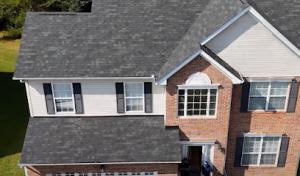
Mr. Roof Dayton is the premier roofing contractor in Dayton, Ohio, serving homeowners with premium exterior solutions since 1962. We specialize in high-quality roof replacement and roof repair, often completing installations in just one day. As an Owens Corning Platinum Contractor, we offer industry-leading Lifetime Warranties on labor and materials. Beyond roofing, our team is expert in vinyl siding, replacement windows, gutters, and masonry. Whether you need emergency storm damage repair or a full exterior makeover, trust our licensed and insured team for honest pricing and free estimates. Experience why we are Dayton’s top choice for residential and commercial roofing. Call today!
Dayton Roofing & Exteriors
(937) 881-8184 www.daytonroofingcontractor.com
Fairborn, OH
4.8 from 16 reviews
Dayton Roofing & Exteriors is a locally owned roofing business operating in Dayton, Ohio. We install all types of roofs to fit whatever your roofing needs are. We specialize in helping homeowners with insurance claims as we have licensed insurance adjusters on staff.
Adams Home Construction Services
1964 Colonel Glenn Hwy, Fairborn, Ohio
4.3 from 13 reviews
Adams Home Construction Services has been the trusted roofing contractor in the greater Dayton, Ohio since 1956. Specializing in Roofing, Electrical and general home construction, we can meet any need.
Van Martin Roofing
(937) 872-3737 vanmartinroofing.com
Serving
4.8 from 43 reviews
Van Martin Roofing is your leading roofing company for expert roof repair, roof replacement, and roof maintenance in Xenia. Serving homeowners and businesses across the Miami Valley, we specialize in quality roofing solutions that last. Our team is committed to dependable communication, skilled roofers, and our VanGuard Warranty for long-term protection. Whether it’s leaking roof repair, storm damage, or a full roof installation, we provide fast, reliable service. Searching for a local roofing contractor or roofing help for your home in the Xenia area? Choose Van Martin Roofing—your professional partner for residential roof replacements and commercial roofing.

Guaria Contractors
(937) 369-7680 www.guariacontractors.com
Serving
4.9 from 20 reviews
Guaria Contractors has been a locally owned and operated business, serving all of Dayton, OH and the surrounding areas, since 2006. You can get roofing repair, gutter installation, and siding replacement services by calling Raul Perez today
Joes roofing & spouting
(937) 626-2377 joesroofingandspouting.com
Serving
5.0 from 12 reviews
Our family has been in the roofing business for over 70 years

Monster Roofing & Construction
(937) 532-5645 www.roofsbymonster.com
Serving
5.0 from 80 reviews
Monster Roofing and Construction is a local Dayton-area family-owned business focused on customer service. We are a one-stop-shop for all your commercial and residential re-roofing, roof repair, or roof maintenance needs. We stand by our work, and stand ready to help rebuild our communinity after the recent storms. Our roofing personnel and repair teams are experienced, long term, established crews. We’ve brought together the best in the business to ensure each job is done promptly and professionally.
BCS Roofing & Solar
Serving
5.0 from 86 reviews
Since 2014, BCS Roofing & Solar has been the top pick for homeowners in and around Dayton, OH for high-quality roofing services and solutions, in addition to other exterior work such as siding and gutters. As our company continues to grow, our focus and efforts to provide the very best personalized attention to clients and the community as a whole remains the same. Everything BCS Roofing & Solar does goes towards making a positive change in the community. This is our main driving force, and what we will always strive for. Get started with a FREE, no-obligation estimate and inspection today!
Double T
(937) 304-1908 doubletroofing.com
Serving
5.0 from 56 reviews
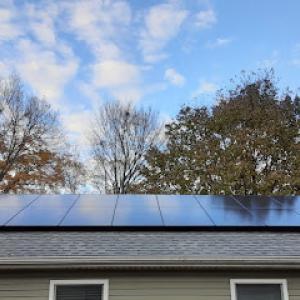
Your home's roof is like a hat that protects you from the sun and natural elements. Without a solid roof, you and your home are vulnerable to damage and harm. Let Double T Roofing provide you with high-quality roofing, siding installation, and solar panel installation services. For over 16 years, our locally owned and operated roofing company has been serving clients in Huber Heights, OH, and the greater Dayton area with exceptional roofing installations and repairs. Don't wait until it's too late to repair or replace your roof. Visit our website for more information, or check out our Facebook page to see examples of our work. Trust us to keep a strong roof over your head and protect your home from the elements.
When spring hail and gusty winds hammer a roof, the key distinction is sudden damage versus long-term deterioration. In this market, claims almost always hinge on that split. Your goal is to prove what happened during a specific event, not what happened over years of freeze-thaw cycles. Start with a careful walkaround after a storm: note dented or missing shingles, punctures, granule loss, lifted edges, and damaged flashing. Use the same route and vantage points if you need follow-up photos. If a section of ridge cap or vent flashing looks popped or torn, capture close-ups and a wider shot to show surrounding undisturbed sections for comparison. This helps an adjuster separate storm impact from normal aging, a distinction that matters a lot here.
Ohio insurers commonly ask for photos, contractor estimates, and an adjuster visit. In Fairborn, expect claims processing to move slowly after regional storm events, as adjusters work through a backlog and multiple roofs in the area. To keep things efficient, compile a simple dossier: fresh photos taken before any temporary repairs, a dated timeline of the storm, and a written summary of observed damage with street-level context (tree limbs, shade, and neighboring gutters). Have a few contractor estimates ready that itemize shingle replacement versus hidden damage and flashing or underlayment work. When the adjuster arrives, point out areas that show abrupt changes from the pre-storm condition, including new dents, punctures, or lifted shingles along gutters and soffits. Clear, specific notes reduce back-and-forth and speed up the review.
Repeated claims or visible wear can affect future coverage or premiums, which makes pre-claim photo records especially important for roofs already stressed by freeze-thaw cycles. Take a dated set of exterior photos from multiple angles-every elevation, plus attic views if accessible-to document the roof's baseline condition before any event. Store copies in the cloud and in a second place on the property, such as a locked folder in the garage. If you have prior work orders or warranty notes, attach those for context. For homeowners with mature roofs or known hail history, these records can anchor a claim even when another event clouds the picture.
After a storm, your best path is rapid, organized action. Contact your insurer promptly and report the event, then schedule professional assessments carefully to align with the adjuster's visit. If your roofer uncovers damage not evident from the initial photos, document it with date-stamped images and add it to the claim package. In communities with volatile spring weather, it is common for multiple roof sections to be flagged at once; maintain open lines of communication with both insurer and contractor to avoid duplicated work or gaps in coverage. Keeping the claim trail tight and well-documented helps ensure repairs start sooner and reflect the actual storm impact rather than incidental wear.
Connect with contractors who help homeowners navigate the claims process from damage assessment to final approval.
Friedman Home Improvements & Masonry
(937) 536-0922 www.friedmanimprovement.com
1038 Cottage Ct Dr, Fairborn, Ohio
4.8 from 63 reviews

Maxim Roofing Company
(937) 256-4240 www.maximroofing.com
500 W Dayton Dr, Fairborn, Ohio
4.8 from 62 reviews

Chimney Rock Roofing & Construction
(937) 528-9687 www.chimneyrockservices.com
Fairborn, Ohio
4.9 from 32 reviews
A full reroof commonly requires a permit through the City of Fairborn Building Department. Before any lifting or debris removal begins, confirm that the project scope matches the permit type and that the contractor has the current license and insurance on file. The permit keeps your reroof aligned with local code requirements and helps with insurance reconciliation after a hail or wind event. If a contractor mentions a "walk-through" or a "paperless" submission, ask to see the permit number and an expected closeout timeline to avoid a post-storm delay.
In this market, the contractor typically handles the permit submission rather than the homeowner managing the process alone. Expect the contractor to assemble the project details, including roof size, framing considerations, underlayment type, ventilation plan, and flashing details. Provide access to property records if the department requests them, and clarify any neighborhood covenants that might influence venting or exhaust routing. Confirm who will post the permit in a visible location on site and who will retain the official copy for your records.
The review focuses on safety and long-term performance. Look for confirmation that ventilation is adequate for attic space, underlayment is appropriate for the climate, flashing around chimneys and skylights is properly integrated, and fasteners are sized for the selected material. Material compatibility and roof pitch are checked to prevent wind uplift issues. If your home has overhangs, dormers, or complex transitions, double-check that the plan shows correct nailing patterns and edge detailing. Missing or conflicting notes can slow the process, so ensure the contractor provides complete documentation with the submission.
Inspection is commonly scheduled after the work is complete, with the city checking ventilation, underlayment, flashing, and proper nailing before final permit closeout. A typical sequence includes a rough-inspection check during decking installation, then a final inspection after shingles or tiles are laid. The inspector will verify that the ventilation paths remain clear, that flashing around roof penetrations is continuous and sealed, and that nail spacing and fastener length meet the code for the chosen roofing system. Plan for a window in the schedule for the inspection; rescheduling can add days to the closeout process if corrections are needed.
After approval, ensure you receive the final permit closure notice and keep an electronic copy of the permit, inspection reports, and warranty documents. Store this with your home records for insurance claims or future remodels. If the contractor is handling the closeout, request a copy of the completed inspection checklist and any notes about deviations from the original plan. A clean, organized file eases post-storm insurance work and any future inquiries from lenders or appraisers.
Asphalt shingles dominate the local market, and that mix fits the price-sensitive reroof demand you'll likely encounter after hot summers and spring hail. You'll see many homes with a traditional three-tab or architectural shingle, which keeps local projects practical and timely. The flip side is that asphalt shingles shed granules over time, especially after the season's intense sun and storm activity. Those granules aren't just cosmetic-lost granules can speed up aging and reduce sun protection, particularly on roofs with a steep pitch or limited overhang. After a hail event, inspect for bruising and soft spots; you may not see damage right away, so schedule a careful inspection if you've had a strong spring storm. Local crews will likely focus on per-shingle wear and the overall edge condition, since the Dayton-area freeze-thaw pattern can exaggerate minor defects into bigger problems over the year.
Metal roofing has a meaningful presence and speaks to homeowners who want resilience against repeated freeze-thaw cycles and wind-driven weather. In this area, metal can shrug off hail impacts better than asphalt, and its stripes of color tend to weather wind load demands with less risk of cracking. If you anticipate frequent storm-driven cycles or expect a reroof soon after a severe event, metal can offer longer-term performance and a lower probability of granular loss. The trade-off is initial cost and compatibility with existing roof lines and attic ventilation. A metal roof may also influence interior comfort by reflecting sunlight, which helps with hot summer days that follow the spring hail season.
Tile roofing exists in the material mix but is far less common in the local contractor base, so homeowners considering clay or concrete should expect a smaller pool of installers than for asphalt or metal. Clay and concrete tiles provide a strong, long-lasting option with excellent fire resistance and a distinctive curb appeal. However, they can be heavier and more brittle under hail compared to metal or asphalt. If choosing tile, verify the roofer's experience with the specific tile type you want and confirm that the structure can handle the weight. Local crews who work less frequently with tile may require longer lead times or more precise specifications to ensure a weather-tight installation that resists the area's wind exposure.
Spring hail and wind can drive insurance-driven reroof decisions, so understanding each material's behavior under Fairborn's climate helps with planning. Asphalt remains the most flexible option for a broad range of houses and budgets, but its vulnerability to granule loss after harsh summers and hail warrants a careful inspection routine. Metal offers resilience against repeated weather stress and can shorten future maintenance cycles, though it comes with different installation considerations. Tile provides a standout aesthetic and durability in the right house, but expect a smaller installer pool and the need for structural checks. Each choice benefits from a targeted post-storm inspection focusing on fasteners, flashing, and edge protection, so you can identify and address issues before they escalate.
When you're budgeting a reroof in this area, expect taped-together realities: asphalt shingles hover around 300 to 550 per square, metal from 500 to 900, clay tiles 800 to 1800, concrete tiles 700 to 1400, wood shingles or shakes 550 to 950, and synthetic or composite shingles 350 to 700 per square. Those ranges reflect typical material options homeowners choose in Fairborn, with asphalt still the most common entry point for many mid-priced remodels. If your roof favors tile or metal for long-term durability, prepare for proportionally higher per-square costs, but also anticipate longer lead times and different installation considerations.
After spring hail and wind events, the local contractor market tightens noticeably. Reroofing becomes both a recovery priority and a practical response to insurance-driven timelines, so scheduling can tighten when many homeowners need work simultaneously. In those windows, material supply and crew availability can push both lead times and final costs upward, even if the same nominal price ranges apply. For a homeowner, the takeaway is to plan ahead for the peak post-storm period: request bids promptly, lock in a start window, and be prepared for quick decisions on color and underlayment choices to avoid delays.
Costs in this area move with installation details that show up during final inspection: proper ventilation, flashing around valleys and penetrations, quality underlayment, and correct nailing patterns. Each of these elements can swing a project by a few hundred dollars per square if corners are cut or subpar components are used. A reroof that arrives inspection-ready tends to avoid hold-ups and rework, which translates to smoother project closure and fewer surprise charges. When you're evaluating bids, compare not just the sticker price but how each contractor plans for ventilation, flashing, underlayment, and fastener quality, since those details often determine whether the final inspection passes cleanly.
If a spring hail event triggers an insurance-driven reroof, expect a tighter timeline from assessment to installation. Have your preferred shingle type and color selected early, confirm warranty terms, and coordinate with your insurer on the scope of work. Given the local pricing ranges, aligning your choice of material with your long-term goals-durability, aesthetics, and maintenance-helps ensure that the project stays within a reasonable budget while still meeting Fairborn's typical inspection expectations.
Get a clear picture of your project costs upfront - no commitment required.
Maxim Roofing Company
(937) 256-4240 www.maximroofing.com
500 W Dayton Dr, Fairborn, Ohio
4.8 from 62 reviews
Mr. Roof Dayton
1220 E Dayton Yellow Springs Rd, Fairborn, Ohio
4.9 from 32 reviews
Skylights are a noticeable niche in Fairborn's contractor market, and they're more than a cosmetic touch for many homes. When a project touches a skylight, the leak risk isn't just about a bad seal on the day of work-it's about how that seal endures through freeze-thaw cycles and spring hail. Skylight work tends to show up as a meaningful leak category because the penetration area remains a direct line for moisture if the flashing isn't designed, installed, or maintained with the seasonal stresses in mind.
In this climate, flashing around roof penetrations bears extra scrutiny. Seasonal expansion and contraction can slowly widen small water-entry paths long after the initial installation. The more complex the flashing detail, the greater the chance that a single storm or a rapid temperature swing will reveal a vulnerability. For skylights, that means corner details, startup seals, and the transition from skylight curb to roof surface require careful attention during both installation and subsequent inspections.
Inspectors commonly verify flashing quality at project closeout, especially after a major weather event. That makes skylight and penetration detailing a frontline concern for leak prevention and for any warranty or permit closeout checks. If flashing isn't up to scratch, even a seemingly minor drip can become a larger problem after a harsh winter or a spring hail season. In the days after a storm, a second look at skylight flashing can catch a slow seep before it becomes a stain or rot.
Ask for a dedicated skylight flashing detail review during the last phase of a roof project. Look for a continuous, corrosion-resistant flashing membrane that integrates smoothly with the skylight curb and any nearby vent pipes. Ensure sealants are appropriate for cold cycles and are a compatible pairing with the chosen roofing material. A proactive approach now reduces the risk of costly interior moisture damage later in the season.
Find contractors experienced in skylight installation, flashing, and leak repairs to bring natural light into your home.
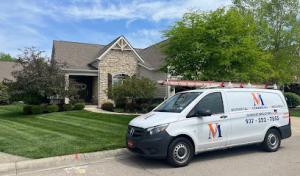

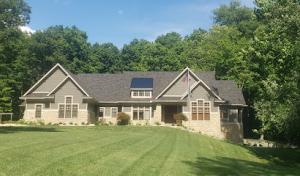
In this city, flat and low-slope roofing shows up on additions, porches, garages, and some commercial setups even though the core homes are steep-slope. That mix means the roof system needs to be treated as two related parts rather than a single, one-size-fits-all assembly. When planning repairs or replacements, insure the low-slope section is not shadowed by assumptions about the main roof. Resolve joint details where the two systems meet, and verify that flashing transitions are continuous and properly integrated with the existing drip edge and gutter line.
The winter freeze-thaw pattern concentrates water at the edges and transitions. Standing water on low-slope sections can infiltrate at the membrane seam or edge flashing, and ice damming can push water under flashing where it curls or lifts. Inspect the perimeter channels, scuppers, and any parapet walls for detachment or debris buildup that blocks runoff. Prioritize proper slope correction where feasible and ensure edge flashing extends beyond the edge of the membrane to prevent wind-driven water infiltration.
Homes with a main steep-slope roof and attached low-slope areas demand compatible materials and fasteners that resist differential movement. Verify that fastener patterns align between the two roof types and that overlapping layers have clean, continuous seals. For low-slope sections, confirm membrane transitions at penetrations (vents, drains, curbs) stay watertight under wind uplift and hail exposure. In mixed builds, specify compatible underlayment and ensure inspection points cover both sections during workmanship checks.
Keep a proactive inspection cadence that treats low-slope areas as a distinct subsystem. After heavy storms or rapid temperature swings, verify that drainage paths remain clear and that edge details have not softened or lifted. If a low-slope area shows pooled water after rain, address the decorrelation with the adjacent main roof promptly to prevent creeping leaks into attic spaces or closet lines.
Find specialists in TPO, EPDM, and built-up flat roofing systems for residential and commercial properties.
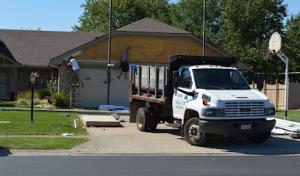
Fairborn's post-storm landscape leans toward reroofing with quick response and cleanup included, a pattern that reflects practical buyer behavior after hail or strong winds. This isn't a design-first market; it rewards firms that can mobilize fast, secure a solid temporary fix, and handle debris removal so a homeowner can start the insurance and paperwork process without delay. When a contractor promises speed, verify what "cleanup included" really covers and whether debris disposal, tarp control, and site protection are part of the package. The result should be a roof that withstands the next round of spring weather rather than a flashy, short-term fix.
In this market, you'll notice a steady presence of long-established, family-owned firms. Their value isn't just lineage-it's reliability during permit closeout, warranty follow-up, and insurance paperwork after the job. Before signing, look for a local track record of completed storm jobs and a consistent team that returns to address questions after installation. A familiar, locally rooted contractor often means easier communication, a shared understanding of Fairborn-weather concerns, and a more trustworthy path through the post-storm process when documents and receipts matter.
Manufacturer-certified contractors exist in Fairborn, but certification isn't a guarantee of complete coverage. The distinction between product warranty and workmanship warranty matters, especially when storm damage is involved. Ask pointed questions about who backs the labor-the contractor or the manufacturer-and how claims are handled if an issue arises months after installation. Require a written workmanship warranty that clearly outlines coverage duration, what's excluded, and the procedure for filing a claim. If a potential roofer speaks in absolutes about product-only protection, push for specifics and a documented plan for service after installation.
When selecting a storm roofer, prioritize a company with a clear plan for rapid response, thorough cleanup, and transparent warranty logistics. Check references from local neighbors who've faced hail season aftermath, and confirm that the firm's ongoing support aligns with the insurance and paperwork path that follows a storm. The right partner will feel rooted in the community and ready to stand behind the work long after the trucks roll away.