Last updated: Apr 19, 2026
Piqua homeowners contend with Ohio hail and wind claim activity that makes storm documentation and insurer coordination a first-order roofing issue locally. When a severe event hits, take clear photos from multiple angles-before and after any intervention-focusing on shingles, flashing, skylights, and attic signs of leaks. Keep a dated log of when you spotted damage, when you notified your insurer, and when claims were opened or assigned. Your first call should be to your insurer's claims line, but an isometric copy of that conversation-date, name, claim number, and promised next steps-helps if file notes shift during the storm response rush. If you've already filed, keep your adjuster's contact handy and push for a field check within 48 hours if rain threatens a newly damaged roof. In this market, a precise paper trail can determine whether a temporary fix or a full reroof aligns with your policy's allowances and timelines.
Spring storms and heavy rainfall in Piqua can interrupt both inspections and active tear-offs, so post-storm scheduling windows are tighter than in drier markets. When the skies clear, act fast but with a plan. Contact three reputable local roofers who have storm-response experience and proven communication, not just the loudest marketing. Confirm availability for a dedicated storm-response window, noting that crews may be juggling multiple urgent calls. If a contractor offers an immediate tear-off before a formal inspection, insist on written scope and a temporary repair plan that includes weather protection and leak containment for the next rain event. Do not assume "priority" equals unlimited scheduling; demand a written timeline with concrete milestones. In this climate, weather can shrink your window from several days to hours, so you need a plan that preserves interior dryness while a full assessment is completed.
Because local contractor signals strongly cluster around storm damage, emergency repair, and insurance claims, homeowners are often choosing roofers in the immediate aftermath of weather events rather than on a long-planned replacement cycle. That urgency can be helpful to stop leaks, but it also creates a risk of picking a contractor who prioritizes quick patchwork over thorough diagnosis. Seek a contractor who can distinguish between a temporary fix to weather out the storm and a legitimate path to a compliant, long-term reroof if the damage warrants it. Ask for a detailed, line-by-line plan that covers roof deck inspection, underlayment assessment, flashing integrity, and shingle replacement options tied to your insurer's coverage language. If the insurer approves temporary measures, request a documented scope and a guaranteed follow-up inspection to complete the project under the approved claim. In Piqua's storm-driven market, your best defense is a written plan that aligns storm-response urgency with a solid, inspected long-term roof solution.
ShineOn Roofing
Piqua, OH
5.0 from 1 review
We offer a wide variety of services, we do anything from repairs to full replacements. We aren't too big to get out there and get dirty ourselves. It's our goal to make sure the experience with us fast, easy and line of communication is always open. We decided to open our own business so that we can be there with you from start to finish.
Elevated Roofing & Siding
(937) 248-1362 www.elevated-roofing.com
Serving
4.8 from 64 reviews
Elevated Roofing & Siding is Dayton, Ohio’s trusted choice for top-quality residential and commercial roofing and siding services. Family owned and operated since 2015, we provide expert craftsmanship, reliable service, and a 10-year labor guarantee on all roofing projects. Whether you need a full roof replacement, siding installation, or storm damage repair, our team delivers lasting results with honesty and integrity. We also offer gutter installation, chimney repair, and more, making Elevated Roofing & Siding your full-service exterior expert.
Reasonable Roofing LLP
(937) 287-0114 www.reasonableroofingllp.com
Serving
5.0 from 8 reviews
Reasonable Roofing LLP is your trusted local roofing partner, proudly serving homeowners and businesses with high-quality roofing solutions at fair, honest prices. Whether you need a full roof replacement, fast repairs, or a professional inspection, our team brings years of hands-on experience and a commitment to getting the job done right the first time. We specialize in asphalt shingles, metal roofing, flat roofs, and storm damage repair. Every project we take on is backed by strong workmanship, clear communication, and dependable service from start to finish. At Reasonable Roofing LLP, we believe protecting your home or business shouldn’t cost a fortune—and we stand by our name.
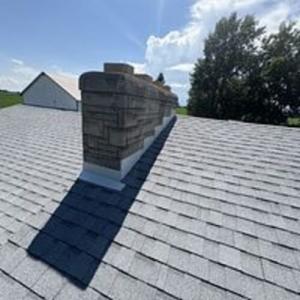
Rich Roofing & Services
(937) 335-7663 www.richroofing.com
Serving
4.6 from 133 reviews
At Rich Roofing, we can have peace of mind knowing that all of our Ohio roofers are background checked, drug tested, and professional trained. Our roofers are experienced, caring, and dedicated to providing you with the best roofing service in Ohio. Anytime you need us, we are there… We offer up front pricing on our roofing services, so homeowners don’t have to worry about whether or not they will see any unexpected charges after the work is completed. Rich Roofing uses earth friendly procedures and roofing systems to ensure a better future.
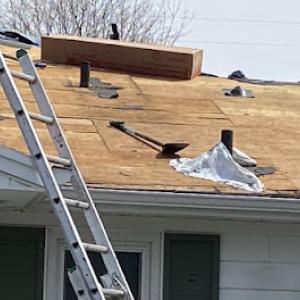
Will Sells Roofing
(937) 356-9843 willsellsroofing.com
Serving
4.9 from 32 reviews
At Will Sells Roofing, we offer the best products and services in Ohio. You can count on Will Sells Roofing to deliver a quality product and meet or even exceed your expectations. Will has over 30 years experience and is dedicated to customer service. We accept credit cards and offer financing. Will Sells Roofing is fully licensed and insured. Reach out to us today for all your Ohio roofing needs!

Ohio Roof Masters
(937) 418-7976 www.ohioroofmasters.com
Serving
4.9 from 210 reviews
Ohio Roof Masters is a licensed and insured, full-service residential and commercial roofing company that has specialized in roofing installations, repair, inspections, and exterior renovations for more than 15 years. Our skilled team installs the highest quality materials to maintain our reputation for exceptional customer service and satisfaction, from beginning to end. We are a GAF factory-certified contractor too! We have helped thousands of homeowners in the Miami Valley and Greater Dayton area restore their properties, and we would love to do the same for you. Get in touch with our roofing contractors today!
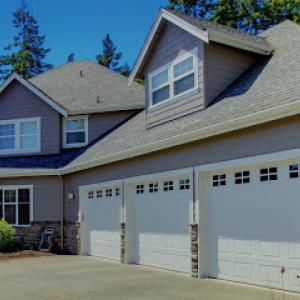
J.G. Roofing
(937) 339-7663 jgroofingohio.com
Serving
4.7 from 41 reviews
Since 2016, J.G. Roofing has been a trusted contractor in Troy, OH, and beyond, offering premium roofing and deck building services. This locally-owned business is dedicated to enhancing homes with superior craftsmanship and high-quality materials. Whether you need a full roof replacement, minor repairs, or a brand-new deck to enjoy your outdoor space, their experienced team is committed to delivering exceptional results. J.G. Roofing ensures every project is completed with professionalism and attention to detail, making them the go-to choice for all your exterior home improvement needs.
Hubbard Roofing
(937) 230-6646 hubbard-roofing.com
800 S Downing St, Piqua, Ohio
3.5 from 2 reviews
Hubbard Roofing, Inc. is a leading commercial roofing service provider in Piqua, OH. We specialize in single-ply rubber roofs, TPO roofs, tear-offs, reroofs, and new construction. In addition to installation and repair services, we also sell roofing products. With over 50 years of experience, we have the expertise to handle roofing jobs of any size without hassle. We guarantee quality work every time.
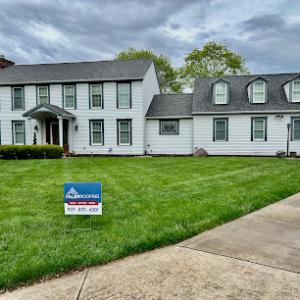
Faler Roofing
(937) 875-6301 www.falerroofing.com
Serving
5.0 from 36 reviews
Faler Roofing provides high-quality roofing, siding, and gutter installation services for residential properties. As a CertainTeed Certified Shingle Master Installer, we ensure every project meets the highest standards for durability and performance. Our team is dedicated to exceptional craftsmanship, with a focus on customer satisfaction. We also assist with insurance claims, helping you navigate the process to get the coverage you deserve. With transparent agreements and a commitment to integrity, Faler Roofing is your trusted partner for all your roofing, siding, and gutter needs.
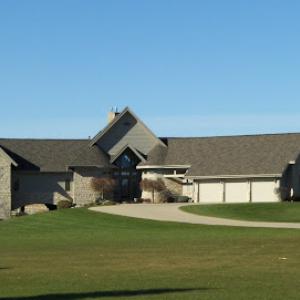
Schaefer & Company
(937) 339-2638 schaeferandcompany.com
Serving
4.7 from 25 reviews
Schaefer and Company is a full-service remodeling company with over 70 years of experience in exterior and interior renovations. We have proudly served thousands of homeowners in Ohio's Northern Miami Valley and hold an A+ rating from the BBB. Our team consists of skilled local craftsmen, each specializing in their trade, delivering exceptional results. From roofing and siding to windows, doors, and custom carpentry, we handle both residential and commercial projects with unmatched precision. Serving Troy, Tipp City, and the surrounding areas, we’re committed to bringing your vision to life. Contact us today for a free consultation and begin your home improvement journey!
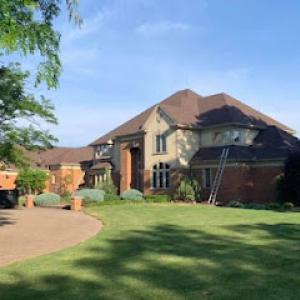
Premier Contractors of America
(937) 492-7663 www.premiercontractorsofamerica.com
Serving
4.7 from 54 reviews
At Premier Contractors of America, LLC. we are a professional roofing, siding, and window contractor, showroom, and warehouse in Sidney, Ohio.
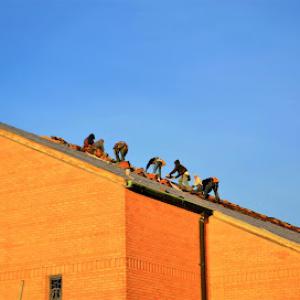
M & M Roofing
(937) 470-0289 www.maxwellmandmroofing.com
Serving
4.8 from 47 reviews
Transform your home with M and M Roofing your go-to roofing expert in Troy OH. With 26 years of experience Jamie Maxwell is a pro in commercial and residential flat roofing. Enhance your curb appeal and call today for top-notch roofing services!
In this part of Ohio, a practical replacement window is tightly tied to the weather pattern you'll actually experience. The dry, efficient install days come in late spring through early fall, when cold winters and frequent precipitation are less likely to stall crews. If a roof is near the end of its life or already showing visible leaks, aiming for that window reduces the risk of shingle damage from ongoing moisture and minimizes the chance of a mid-winter setback. Delays into late fall or prolonged exposure through winter can invite additional decking damage from freeze-thaw cycles, especially on aging plywood or OSB. Plan with a window that prioritizes the most predictable stretch of mild weather.
Before any shingle removal begins, inspect the decking from attic access or via a careful exterior inspection. In west-central Ohio, lingering moisture can soak through cramped attic spaces and push rot through the sheathing faster than expected. If stains, soft spots, or a musty odor appear, address decking repairs first. A failing roof left in place during a cold spell or wet spring can worsen fast, so the assessment should determine if substantial deck work is required or if the replacement can proceed with minimal delay. A prompt decision here saves you from multiple trips to the roof and reduces the risk of hidden problems turning into larger, more urgent leaks after the new roof is installed.
Summers in this area bring hot days and sudden thunderstorms, which complicate both scheduling and material handling. Heat expands shingles and can affect adhesive performance, while heavy downpours interrupt dry-in progress and force crews to postpone finish work. If replacement work overlaps with a storm season, expect occasional delays and plan for a buffer in the schedule. Choosing a contractor who tracks long-range forecasts and maintains a clear communication line helps prevent misalignment between delivery, material staging, and crew availability. It also helps ensure the home exterior stays protected during the dry-in and shingles settle properly.
The typical on-site sequence starts with removing old roofing and inspecting the underlying structure, followed by any necessary repairs to decking and underlayment. After repairing or replacing compromised sheathing, the roofing system is reinstalled with attention to proper underlayment, ventilation, and flashing. In late spring through early fall, the goal is a consistent, uninterrupted run that minimizes heat exposure on the crew and reduces the chance of wind uplift during the critical dry-in phase. If problems are detected during removal-nail boards pulling away, warped decking, or missing vent soffits-the process slows intentionally to ensure long-term performance rather than a quick, imperfect cover-up.
Once shingles are laid, the dry-in should proceed with careful attention to adequate attic ventilation and proper shingle alignment to resist summer storms. In this region, the roof should be watertight soon after the final layer is in place, with flashing secured and valleys checked for proper drainage. A practical replacement window prioritizes minimizing exposure to the elements and ensuring that the finished roof can withstand the next round of seasonal weather without premature wear or moisture intrusion. Regular post-install checks in the weeks after completion help confirm the system is performing as intended, particularly after the first major summer storm.
In this market, asphalt shingles and metal roofing dominate the residential scene, with wood shakes, fiber cement, synthetic/composite products, and limited clay tile making up smaller but meaningful portions of the rooftops. This mix reflects quick response needs after storms, the realities of reroofing older Midwestern homes, and the practical tradeoffs between weight, speed, and durability. Understanding how each option handles Piqua's climate will help you choose a long-lasting fit for your home.
Humid summers and regular precipitation drive moisture management to the top of the list when evaluating roofing materials. Asphalt shingles offer a familiar, cost-efficient path with good algae resistance options, but ensuring proper underlayment and ventilation is essential in the humid pockets around town. Metal roofing shines in moisture resistance and can shed rain quickly, but it requires precise sealing at fasteners and edges to prevent leaks during rapid spring showers. Fiber cement and synthetic/composite shingles often bring built-in moisture tolerance and lower maintenance, yet they still rely on a quality underlayment and a well-sealed ridge line to keep attic humidity in check. Wood shakes bring a natural beauty, but they demand careful maintenance against moisture intrusion, mold, and decay if left untreated or improperly vented.
Freeze-thaw exposure impacts material movement, fastener performance, and underlayment quality. Asphalt shingles rely on solid nailing patterns and ridge and hip detailing to resist wind-driven moisture as temperatures swing. For metal roofing, choose a profile and fastening system designed for thermal movement, with and without a solid sealant at penetrations to accommodate expansion and contraction. Wood shakes require meticulous installation to seal against moisture fluctuations and to minimize movement that can loosen fasteners over time. Fiber cement and synthetic products generally handle freeze-thaw cycles well, but attention to proper substrate preparation, ventilation, and edge detailing remains critical. Clay tile, while less common, demands an exceptionally solid deck and careful weight management to handle freeze-thaw stresses without cracking.
Given Piqua's summer humidity and winter cold snaps, underlayment quality and attic ventilation play a central role across all material types. A breathable roof system that moves moisture out of the attic reduces the risk of condensation and freeze-related issues within the decking. In practice, this means pairing the chosen surface with a compatible underlayment, a well-sealed attic hatch or access, and properly sized vents at eaves and ridges. The goal is a coordinated system where the roof surface, the barrier beneath it, and the attic environment work together to curb ice dams, moisture buildup, and rapid heat gain in summer afternoons.
Storm-driven demand patterns in this area emphasize the importance of a roof that can be restored quickly without compromising future durability. Asphalt shingles and metal roofing offer established contractor familiarity and efficient reroofing workflows, which can be decisive after a severe storm. Fiber cement or synthetic options can deliver added durability and lower maintenance, while wood shakes and clay tile require more nuanced installation and ongoing care to perform reliably under repetitive wind, hail, and freeze-thaw cycles.
When you price a roof in this area, use the local material ranges rather than statewide averages alone. Asphalt shingles typically run from about 350 to 650 USD per square, metal roofing from 700 to 1200 USD per square, wood shingles or shakes from 600 to 1400 USD per square, fiber cement shingles from 450 to 900 USD per square, synthetic or composite shingles from 550 to 900 USD per square, and clay tile from 900 to 1600 USD per square. These figures reflect the regular mix of older Midwestern homes and newer builds, plus the demand patterns you'll encounter after major storms. If you're comparing bids, ensure each quote itemizes the same material and the same square count so you're not misled by differing inclusions.
Storm-driven demand spikes are common here after hail or strong winds, and that can push pricing upward and extend wait times for inspections, material delivery, and crew scheduling. After a widespread event, it's not unusual to see short-term price bumps as local crews and suppliers juggle multiple reroofs at once. Planning ahead for these peaks means you're less likely to face last-minute price hikes or delays that stretch into the heart of the next bad weather cycle. If a hailstorm hits, start with a reputable roof inspection promptly, so you have a clear scope before crews become booked out.
In freeze-thaw cycles, decking damage can surface only after the tear-off begins. If moisture intrusion or softened boards are found, expect additional costs for replacing damaged plywood or helpers for more labor. This is especially true on older homes with mixed decking materials or signs of prior, less thorough repairs. Budget a contingency in the 5-15% range above the base material cost if a full tear-off reveals substantial hidden damage. Weather delays during the replacement can also compress crew availability, which can nudge total project time and costs modestly upward.
To keep costs predictable, you'll want clear bids that separate material, labor, waste disposal, and any decking repairs. Have a candid conversation about potential delays related to weather and storm response, and ask how the contractor handles scheduling if an inspection backlog occurs after a storm. In practice, your best approach is to align material choice with long-term performance and weather resilience, not just the lowest upfront price. With the local ranges in mind, you'll be equipped to gauge offers plausibly and avoid overpaying during peak storm periods.
Don't let upfront costs delay a critical repair - these contractors offer payment plans to fit your budget.
Premier Contractors of America
(937) 492-7663 www.premiercontractorsofamerica.com
Serving
4.7 from 54 reviews
When planning a full roof replacement, a building permit is typically required. The permit is issued by the Piqua Building Department after project details and contractor information are submitted. That means before a single shingle is lifted, the contractor should provide a complete scope of work, including roofing type, underlayment, ventilation, and anchor points, along with proof of licensing and insurance. The Building Department will review the plan for compliance with local codes, zoning, and debris control requirements. This process helps ensure that a replacement stands up to Miami County's freeze-thaw cycles and the summer storm pattern that can stress older Midwestern homes.
Inspections in this area are coordinated to line up with the actual progress of the roof project. An inspector will typically visit during tear-off and installation phases to verify material specifications, ventilation adequacy, attic and curb venting, and proper flashing details around chimneys, skylights, and roof-to-wall transitions. A final inspection is required to close the permit, confirming that all work complies with code and the permit plan. Timely inspections depend on the contractor keeping the schedule aligned with the Building Department's appointment windows, so communication between homeowner, contractor, and the department is essential.
Permit timing can be affected by queue conditions at the Building Department, especially during peak seasons when storm response projects surge. Weather interruptions can also shift inspection windows or force temporary pauses in tear-off or installation. When planning tear-off dates, consider the likelihood of rain or cold snaps that could impact adhesion, shingle compatibility, and safety. It helps to have a contingency plan that accounts for potential delays in permit processing or weather-driven reschedules. If a halt occurs, the Building Department may require progress updates or new inspection slots, so maintain open lines of contact with the contractor and the inspector to minimize downtime.
Ensure the contractor submits a complete package with all requested documents to avoid back-and-forth delays. Confirm the preferred contact method and calendar for inspection appointments, and ask for forecasted weather windows to schedule tear-off and installation. After the final inspection, keep the approval documentation in a readily accessible place for any future reference or potential code questions as the home ages and experiences another storm cycle.
Hail and wind events over the years have shaped the typical roofing claims here. Carriers in this Ohio environment often require a clear trail of prior-damage documentation and detailed contractor estimates before approving a fix or replacement. When a hail swipe or wind-driven leak tests the shingles, the claim can hinge on the specifics you bring to the table, not just the damage you see with the naked eye.
Adjusters handling roof claims in this area tend to request roof photos and evidence of completed repairs as the file moves forward. From the first inspection onward, keep things organized: timestamped photos, notes on when leaks appeared, and copies of any contractor communications. Having a tidy, comprehensive record helps prevent a mid-process stall, especially when weather windows compress timelines or storms trigger a cluster of claims nearby.
Market variability in Ohio influences claim timelines and coverage decisions more than a casual damage assessment would suggest. Paperwork quality matters: precise damage descriptions, color and material details, and itemized repair or replacement plans can push a claim through faster and with fewer back-and-forth requests. In Piqua, where many homes are mid-20th-century rebuilds or updates, that level of detail often makes the difference between a smooth settlement and a drawn-out negotiation.
From the first contact with your insurer, keep a dedicated file for all roof-related documents. If a contractor provides estimates, ensure they are complete and spell out scope, materials, and timelines. When scheduling any repair or temporary mitigation, document the work with dated photos and receipts. The goal is simple: build a transparent, defensible record that explains exactly what was damaged, what was repaired, and why the chosen path best protects the home moving forward.
Piqua's housing stock tends to tilt toward older, midwestern designs where roofs have seen many winters and humid summers. Local market signals show reroofing is far more prevalent than new-construction roofing, indicating homeowners are commonly dealing with existing roof systems rather than first-time installs. That pattern shapes expectations for material choice, installation pace, and how crews balance damage repair with weather windows. When a job starts, the first priority is getting a solid assessment of what is still sound and what has to come off, so decisions aren't muddled by a lingering leak or a soggy deck.
On older homes, replacement planning often has to account for hidden deck deterioration that becomes visible only after tear-off, especially after repeated wet seasons and winter cycling. As shingles are removed, what lies beneath-rotted sheathing, warped boards, and compromised underlayment-can surface abruptly. Expect a careful, staged approach: inspect deck integrity before lifting the first row, document suspect areas, and allocate time for targeted repairs to the deck structure without delaying the overall reroof. Communication with the crew about areas flagged during removal helps prevent surprises during re-nailing patterns and underlayment work.
Because cleanup and quick response are major local hiring priorities, reroof projects in Piqua are often judged as much on site control and disruption management as on the shingle brand itself. Plan for clear staging zones and predictable cleanup routines so driveways and sidewalks stay clear during tear-off and debris removal. Coordinate tarping, material delivery, and waste containment to minimize exposure to seasonal storms and wind gusts. A responsive contractor will establish a near-term site walkthrough after tear-off to verify deck condition, address any unexpected issues, and confirm the sequence for reinstallation so a storm window doesn't force a rush replacement.
In a town where residential reroofing dominates, you still see enough flat and low-slope sections to demand careful attention. Porches, additions, and mixed-use spaces often rely on low-slope geometry that won't shed water as quickly as a steep shingle roof. The consequence is a higher chance of slow leaks that creep under edges, flashing, or to the deck beneath. When a low-slope area shows signs of moisture, diagnose it early: microleaks can travel along seams and counterflashing, hiding behind fascia or gutters. Choose a contractor who treats these areas as a separate system from steep- slope roofs, and confirm they will reflash edge details, seal penetrations, and test drainage under load rather than just patching the surface.
Regular precipitation in Piqua emphasizes drainage performance as a top priority. On low-slope surfaces, standing water or ponding can force water toward seams, penetrations, and flashing joints. Even a small, persistent pooling spot can over time lead to deck rot, mildew, or accelerated sealant failure. Expect the contractor to inspect slope, confirm proper deck drainage, and verify that all seam tapes or caulks are compatible with the chosen material. If a low-slope area is already showing blotches of staining or minimal weepage after a rain, treat it as a warning sign rather than a cosmetic issue. The fix often involves improving slope, upgrading seam materials, and ensuring proper edge termination to prevent rebound leaks during the next storm burst.
Skylight leaks in this market are not universal, but they are a known leak point when present. The local landscape shows skylight repair capability exists, yet it remains a niche specialty rather than a standard service. If you notice condensation, staining around the curb, or damp insulation near a skylight, bring in a contractor with verifiable skylight experience. The root causes can include bad curb flashing, deteriorated sealant, or improper flashing integration with a low-slope roof. Do not assume a general roofer will address skylights correctly; require a demonstrated track record with similar curb details and proven drainage adaptation to mixed-use roofs where skylights sit alongside low-slope sections.
Find specialists in TPO, EPDM, and built-up flat roofing systems for residential and commercial properties.