Last updated: Apr 19, 2026
Spring hail and strong storms are a primary local roof threat in this area, and they drive a large share of repair and replacement demand. When skies darken and hail begins to fall, every roof surface-from asphalt shingles to metal and tile-faces the risk of divots, punctures, and accelerated wear. In Tipp City, a quick-moving hail event can leave hidden damage that climbs from tree limbs and vent pipes into flashing corners and valleys. The moment a severe spring storm passes, inspect for dents along the ridges and shingles that look blistered or curled. Don't wait for a leak to appear; wind-driven hail can compromise the granules and lift edges where water can start to intrude. If you notice abnormal hail bruising, missing shingle tabs, or a dark, pebbled sheen where granules have shed, mark the area and plan a professional assessment promptly. Early detection helps avert widespread interior damage during the next rain cycle.
Winter in this part of Ohio imposes a demanding freeze-thaw cycle that compounds roof risk between storm seasons. Repeated freezing and thawing can make shingle brittleness worse, bores into flashing movement, and promote microleaks behind gutters or under edge soffits. In practice, that means a roof that survived last year's storms might fail after a relatively normal warm spell if the structure already carries unseen stress from the prior cold snaps. Look for hairline fractures, dark streaks, or soft spots along the eave line after a thaw, especially where ice dams previously formed. If a winter event leaves moisture in a roof deck or a compromised seal around pipes and vent stacks, the next heavy rain can reveal the fault lines quickly. The goal is to catch compromised areas before a spring or summer storm compounds the problem.
The best replacement window in this region is the drier stretch from late spring through early fall. That period typically offers calmer weather and more reliable install conditions, reducing the chance of tear-offs getting stalled by wet soils, high winds, or unseasonable storms. However, shoulder-season severe weather can interrupt tear-offs and installations. Thunderstorms can arrive on short notice, and crews may need to pause for safety-exposing your home to the risk of partial roof exposure and potential wind-driven blow-off fragments. If a repair plan hinges on a replacement, coordinate tightly with your contractor to align the schedule with forecasted dry spells, and have contingency coverage for a quick restart if a mid-season system rolls in. The goal is to complete the project within a window where moisture intrusion risk is minimized and material performance remains optimal.
Storm damage often triggers insurance discussions in Tipp City, but timing matters. After a major hail event, a timely claim can help secure coverage for necessary repairs, but delaying a full replacement to dodge seasonal weather can backfire if subsequent storms exploit existing vulnerabilities. If you suspect damage, document with dated photos and keep a record of any leaks or ceiling stains, then initiate a claim promptly. Work with a contractor who understands how to stage a project around the weather window: begin with a thorough temporary stabilization for any exposed areas, then execute a careful tear-off and install sequence during dry periods. If an adjuster visits, walk through the roof line and flashing details, emphasizing hail impact zones, wind-lift risk points, and any observed freeze-thaw damage that could worsen without proper repair. The aim is to secure an order of operations that minimizes lingering exposure, avoids repeat call-backs, and aligns with the city's typical dry-weather run.
Keep a short, proactive checklist for the coming months: inspect after every significant storm for obvious signs of damage; schedule an annual roof assessment before the late-spring window closes, focusing on flashing, valleys, and edge area integrity; set reminders to review any previous repair notes with your roofer and insurer ahead of the next storm season; and secure a contingency plan if a shoulder-season storm interrupts scheduled work. The city's weather pattern makes timing a critical factor: act quickly after a damaging event, plan for a dry-weather tear-off window, and coordinate insurance steps with a contractor who can navigate the local risk landscape without delay.
Hail and wind storms are a regular pattern around the Miami County area, and the filing process often hinges on solid documentation. For Tipp City homeowners, expect insurers to request detailed photo documentation that shows the extent of damage before and after any temporary fixes, as well as a clear date-of-loss record. Gather photos that capture damaged shingles, granule loss, dented metal edges, and any visible leaks inside the attic or ceilings. Keep a dated log of when storms occurred and when damage was first noticed. If a contractor or adjuster visits, take photos again after temporary tarps or boards are installed to document changes over time. This kind of evidence helps avoid disputes and speeds up the processing of a claim during a season when storms are frequent.
Post-installation inspections are more likely in this weather-driven claim environment, especially after full replacements tied to storm events. If a claim leads to a full roof replacement, insurers may require a completion inspection to verify that the system was installed according to the upgraded standards discussed in the claim. Expect independent roof inspectors or your contractor's third-party reviewer to sign off on critical components such as underlayment, fasteners, and alignment of shingles after a storm-driven rebuild. In Tipp City, where freeze-thaw cycles and wind-driven debris stress materials, a thorough inspection after installation reduces the chance of hidden defects surfacing later. Schedule these checks promptly, and ensure the inspector has access to attic spaces and underside framing to confirm proper ventilation and drainage.
Some policies in Ohio may change premiums or require upgraded shingle or underlayment standards after replacement, which can affect material choices in Tipp City. When a claim leads to replacement, insurers may push for higher-performance underlayment, stronger fasteners, or wind-rated shingles. That means decisions about shingle type, underlayment, and even roof deck repair should consider not only current storm risk but also potential future policy stipulations. If an adjuster suggests upgrades, request written detail about why the change is recommended, how it affects coverage, and whether the upgrades are available from multiple certified installers. Keep in mind that strategy choices made during the claim can influence long-term performance in the area's hail-prone and wind-prone conditions.
Communication with the insurer should be timely and organized. Start a folder for every storm event: notices, photos, adjuster reports, and contractor notes. In practice, align repair start windows with the region's best dry-weather installation period, which typically runs from late spring into early fall, to minimize weather-related delays. If a delay occurs, document the reason and keep the insurer informed with updates and a revised schedule. This approach helps prevent gaps in coverage and ensures the replacement proceeds with the least disruption to the home's interior during Tipp City's fluctuating spring and fall weather.
Connect with contractors who help homeowners navigate the claims process from damage assessment to final approval.

Hinkle Roofing & Exteriors
(937) 865-0958 hinkleroofs.com
467 N 5th St, Tipp City, Ohio
4.7 from 34 reviews


M & M Roofing
(937) 470-0289 www.maxwellmandmroofing.com
Tipp City, Ohio
4.8 from 47 reviews
Transform your home with M and M Roofing your go-to roofing expert in Troy OH. With 26 years of experience Jamie Maxwell is a pro in commercial and residential flat roofing. Enhance your curb appeal and call today for top-notch roofing services!
Hinkle Roofing & Exteriors
(937) 865-0958 hinkleroofs.com
467 N 5th St, Tipp City, Ohio
4.7 from 34 reviews
Roofing, Siding, & Gutters
OGW Roofing
(937) 506-8232 www.ogwroofing.com
5205 S Co Rd 25A, Tipp City, Ohio
4.9 from 14 reviews
OGW Roofing is your complete source for residential roofing, siding and gutters. We offer free estimates and a complete line of nationally known brands. Not only will your house look great, it will be protected from the elements for decades to come. Count on the pros at OGW Roofing for everything from prompt inspections and quotes to thorough cleanup after the job is done.
Roofing Dayton Ohio
(937) 401-8818 www.rooferohio.com
Tipp City, Ohio
5.0 from 5 reviews
Roofing Dayton Ohio is a professional roofing contractor in Ohio. We have been in business for over 20 years! and have been helping the local Ohio residents with commercial roofing, residential roofing, roof repair and more! Choosing a roofing contractor can be tricky because it can result in you having to pay even more money to fix what the first person did. With Roofing Dayton Ohio your in safe hands, there will be no need to stress as our entire crew is trained and vetted to make sure we can get the job done right the first time.
Schaefer & Company
(937) 339-2638 schaeferandcompany.com
Serving
4.7 from 25 reviews
Schaefer and Company is a full-service remodeling company with over 70 years of experience in exterior and interior renovations. We have proudly served thousands of homeowners in Ohio's Northern Miami Valley and hold an A+ rating from the BBB. Our team consists of skilled local craftsmen, each specializing in their trade, delivering exceptional results. From roofing and siding to windows, doors, and custom carpentry, we handle both residential and commercial projects with unmatched precision. Serving Troy, Tipp City, and the surrounding areas, we’re committed to bringing your vision to life. Contact us today for a free consultation and begin your home improvement journey!
We Do Roofing
Tipp City, Ohio
5.0 from 1 review
Our name says it ALL—WE DO ROOFING! Specializing in residential, commercial, and industrial roofing. We do flat, shingle, and metal roofing. We are a 3rd generation family business and have been helping owners with roofing related issues for OVER 50 years! Certified, insured, and we warranty all of our work. Cant afford it ? NO PROBLEM! We work with all budgets and offer financing — you may even qualify for a FREE roof! Call us today for your FREE no obligation estimate!

Faler Roofing
(937) 875-6301 www.falerroofing.com
Serving
5.0 from 36 reviews
Faler Roofing provides high-quality roofing, siding, and gutter installation services for residential properties. As a CertainTeed Certified Shingle Master Installer, we ensure every project meets the highest standards for durability and performance. Our team is dedicated to exceptional craftsmanship, with a focus on customer satisfaction. We also assist with insurance claims, helping you navigate the process to get the coverage you deserve. With transparent agreements and a commitment to integrity, Faler Roofing is your trusted partner for all your roofing, siding, and gutter needs.

Roof America
(937) 252-2222 roofamericausa.com
Serving
4.5 from 34 reviews
Your go-to Roofing Contractor in the Greater Dayton Area. Roof America is a third-generation, family-owned and operated roofing company serving Dayton, Vandalia, Tipp City, Troy, Piqua, Englewood, West Milton, Beavercreek,Huber Heights, Centerville, Bellbrook, Brookville, New Paris, Kettering, Oakwood, and Miamisburg.
Roof Masters
(937) 418-7976 ohioroofmasters.com
Serving
4.5 from 25 reviews
Ohio Roof Masters provides residential and commercial roofing, roof repairs, emergency service, gutters and downspouts, siding and awnings to Tipp City, OH and surrounding areas.
Elevated Roofing & Siding
(937) 248-1362 elevatedroofingandsiding.com
Serving
4.9 from 56 reviews
Elevated Roofing & Siding is Dayton, Ohio’s trusted choice for top-quality residential and commercial roofing and siding services. Family owned and operated since 2015, we provide expert craftsmanship, reliable service, and a 10-year labor guarantee on all roofing projects. Whether you need a full roof replacement, siding installation, or storm damage repair, our team delivers lasting results with honesty and integrity. We also offer gutter installation, chimney repair, and more, making Elevated Roofing & Siding your full-service exterior expert.
Northmont Roofing
(937) 234-7457 northmontroofing.com
Serving
5.0 from 46 reviews
With decades of roofing craftsmanship experience, Northmont Roofing has built a reputation for providing roofing, gutter, and siding solutions tailored to the need of each client. As a CertainTeed Certified Craftsman & Shingle Master Company, their experienced team has established strong credibility, backed by the leading manufacturer and enabling them to offer top-tier warranties. Northmont Roofing is Greater Dayton's premier roofing contractor, committed to providing exceptional roofing solutions and peace of mind to homeowners and business owners.
Will Sells Roofing
(937) 356-9843 willsellsroofing.com
Serving
4.9 from 32 reviews
At Will Sells Roofing, we offer the best products and services in Ohio. You can count on Will Sells Roofing to deliver a quality product and meet or even exceed your expectations. Will has over 30 years experience and is dedicated to customer service. We accept credit cards and offer financing. Will Sells Roofing is fully licensed and insured. Reach out to us today for all your Ohio roofing needs!
In this community, weather patterns drive roofing choices. Hail-prone storms and brisk winds test the upper edges of what a roof can handle, while cold winters put a premium on durable, resilient materials. The best options balance performance with the realities of a typical residential roof, along with the practicalities of a reliable dry-weather installation window that stretches from late spring into early fall. For Tipp City homeowners weighing a replacement, the aim is to choose a system that stands up to hail, sheds snow effectively, and remains serviceable through the freeze-thaw cycle.
Asphalt shingles are the dominant local choice in Tipp City, reflecting the area's mainstream residential re-roofing market and broad contractor availability. This category tends to offer a straightforward installation process, a wide range of color and profile options, and solid wind resistance when a ventilation and underlayment plan is properly executed. For a typical home, shingles provide reliable protection against rain and hail with a familiar repair path if a portion of the roof is damaged during a storm season. When evaluating asphalt, focus on architectural or laminated profiles for better wind uplift performance and longer-term durability under freeze-thaw stress. A well-sealed roof deck, proper attic ventilation, and a robust underlayment contribute significantly to the long-term resilience of this familiar option.
Metal roofing is also a meaningful local segment, giving Tipp City homeowners a common upgrade path for better weather resistance and snow-shedding performance. Metal stands up well to hail and high winds, and its slick surface helps snow slide off, which reduces mid-winter weight on the structure. For homes exposed to heavier precipitation or more severe wind events, metal can offer a longer service life with lower maintenance in many cases. When considering metal, pay attention to the panel profile, color-coat warranty, and the attachment method. Proper fasteners, rain channels, and a well-insulated roof deck can maximize the performance gains metal provides in this climate.
Tile and wood products exist in the market but are less prevalent locally, so homeowners considering them may face a narrower pool of experienced installers than for asphalt or metal. Clay and concrete tiles bring excellent longevity and distinct aesthetics, with good impact resistance and thermal performance. Wood shingles or shakes offer a natural look and can perform well with proper maintenance, but they require careful attention to moisture control and fire considerations. In Tipp City, choosing these materials often hinges on finding installers with solid regional experience and on ensuring the roof structure can support the additional weight. If tile or wood is the preferred choice, plan for a detailed contractor walkthrough that addresses wind uplift, installation details in our climate, and ongoing maintenance needs to preserve performance across seasons.
In this market, material choice matters sharply. Asphalt shingles and metal roofing have stronger contractor representation locally, which tends to stabilize labor pricing but can still shift with demand. Tile options-clay or concrete-often face tighter labor pools and longer lead times, pushing up both material and installation costs when crews are scarce. The typical per-square costs reflect that: asphalt sits toward the lower end of the range, metal toward the middle to high end, and tile sits at the high end, driven as much by labor availability as by material price. When evaluating a project, consider the long-term performance in our winter freeze-thaw cycles and how that aligns with your local contractor network's capacity.
A straightforward re-roof generally stays closer to the lower end of the published ranges, but most Tipp City jobs end up with some storm-related add-ons. Decking repairs, flashing repairs around chimneys and valleys, and skylight or vent work are common after hail and high winds. Each added task raises the total quickly because material and labor need to coordinate with existing structures and the weather window. If decking is compromised, expect a noticeable step up in price and in the project timeline. Even small flashing or chimney flashing upgrades can influence estimates by a meaningful margin.
Local pricing can rise after spring hail and wind events when storm-driven demand compresses scheduling across Tipp City and nearby Miami County communities. If a hail event hits early in the season, many homeowners begin the replacement process at once, tightening availability for crews and driving up bids. Waiting out the peak window can provide more negotiating leverage, but must be balanced against potential weather risks and the condition of the roof. If an insurer is involved, timing considerations around claim processing may also influence when work can start.
Material choice, as noted, matters sharply here because asphalt and metal have stronger contractor representation locally than tile systems, which can affect labor availability and pricing. A tile installation may require sourcing specific crews with tile expertise, and that specialty can lead to longer lead times and higher labor rates. For homeowners aiming to keep costs predictable, selecting asphalt or metal and planning a project window with the most reliable local crews typically yields steadier pricing and smoother scheduling.
Begin with a clear assessment of whether the roof is a straight re-cover or if storm-related repairs are necessary before the new covering goes on. Gather three written quotes that itemize decking, flashing, chimney, and skylight work separately from the primary roof install. Ask each contractor to outline their lead time for material delivery and crew availability during the late spring to early fall dry-weather window. Finally, compare not just the bottom line, but the scope of work and the long-term value offered by each option, considering how each choice performs under our local freeze-thaw cycle.
Get a clear picture of your project costs upfront - no commitment required.
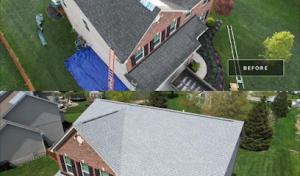
A full roof replacement in Tipp City typically requires a building permit rather than being treated as simple maintenance. The city's framework is built around safer installations and accountability, especially after severe hail or high-wind events. If a contractor tells you a permit isn't needed, that should raise a red flag. The permit is more than a formality: it's a public record that your project followed code, inspected by the local building department, and completed to a standard that protects your home.
The contractor is generally expected to pull the permit through the local building department. This step serves as a critical checkpoint for homeowners comparing bids. When a bid includes permit handling, it signals that the contractor is coordinating inspections, compliance, and required documentation on your behalf. If a bid omits permit handling, ask what process will be used to ensure the project still meets code and gains the necessary approvals. Missteps here can lead to delays, out-of-code work, or trouble at resale.
Inspections are not a one-and-done moment in Tipp City. Scheduling typically spans the installation period, with intermediate checks that verify decking, underlayment, and fastener patterns meet local requirements, especially after hail-impacted seasons or freeze-thaw cycles. A contractor who plans ahead will align crew scheduling with inspection windows so work pauses aren't needed for unclear approvals. Expect the city inspector to verify that materials and workmanship follow code, and that venting, attic ventilation, and flashing details are properly integrated.
A final inspection is required to close the permit and seal the project as complete. This step confirms that the roof replacement is safely installed, flashings are sealed, penetrations are sealed, and the overall system is weather-tight. Until that final stamp is in hand, the project isn't technically finished, and any lingering issues could complicate warranty claims or future resale. If the final inspection can't pass on the first attempt, understand there will be a specified timeline to correct deficiencies before the permit can be closed.
Chimney flashing and masonry transitions show up often in the local contractor mix, so you want to check these areas first after any hail or wind event. Look for lifted flashing, rusted step flashing, or mortar cracks around the chimney shelf. When you spot rust stains or water stains near the chimney line inside the attic, treat it as a priority repair item. A targeted patch or reseal around the flashing can stop leaks without a full chimney rebuild. Keep an eye on the counter-flashing where the chimney meets the roof deck, and verify the brick or stucco masonry isn't spalling, which can push moisture under the flashing edge.
Skylight-related repairs are a visible specialty in the market, which suggests leak tracing around penetrations is a practical issue for some homeowners. When a leak appears, start at the skylight flange and look for loose or degraded sealant, cracked glazing, or flashing gaps where the skylight meets the roof. Trace leaks to the lowest point of intrusion and map the path to find whether water is traveling along the roofing felt or rafters. In many cases, resealing the skylight curb and renewing surrounding shingles or roofing tape is enough to restore a dry attic, but be prepared to inspect nearby vents and flashing for a broader seal failure.
Because many local contractors emphasize cleanup and quick response, homeowners in Tipp City often prioritize leak containment, debris control, and fast post-storm service rather than purely cosmetic upgrades. After a hail or wind event, secure loose shingles and torn underlayment to prevent further moisture ingress, then isolate the source of visible leaks. Debris containment and tarp applications can buy time until full repairs occur. A clear, organized cleanup plan helps keep the rest of the roof structure intact during the repair window.
Storm debris can hide under overhangs and around hips and chimneys, so plan a careful sweep of the roof line, gutters, and valley areas. Remove branches and shingle fragments that could abrade new patches or seals. When contractors stage inside the attic, ensure ventilation remains adequate to prevent moisture buildup. Focus on maintaining a dry, debris-free zone around penetrations and transitions, so repair crews can install new flashing, sealants, or patches without delay.
Find contractors experienced in skylight installation, flashing, and leak repairs to bring natural light into your home.
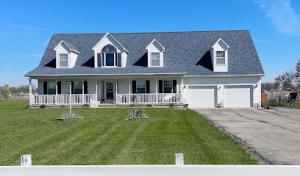
Flat and low-slope roofing is a meaningful enough specialty in this market to merit separate consideration from standard steep-slope shingle work. In this area, many structures feature low-slope details that rely on careful membrane selection, careful edge detailing, and reliable seam integrity. The realities of hail, wind-driven rain, and rapid freeze-thaw cycles amplify the importance of a robust, properly integrated drainage plan and a membrane system that can hold up under repeated stress. When a roof transitions from a main house surface to a separate plane-like a detached garage, an addition, or a porch-the same protective logic applies, but the detail work often differs enough to impact longevity if overlooked.
This market sees a notable share of mixed residential-commercial properties and outbuildings where drainage paths differ from the main roof. A detached garage, for instance, may require different scupper arrangements, edge metal, or a tapered insulation profile to avoid ponding and leaked seams. Additions and porches frequently rely on a single, continuous drainage plane, yet their flashing and curb details must accommodate movement and expansion that occur with seasonal temperature shifts. The key is to plan for separate, well-sealed membranes or properly integrated multi-component systems that still tie into the overall drainage strategy without creating weak points at transitions.
Scheduling low-slope work still has to account for the same thunderstorm interruptions and cold-weather installation limits that affect the broader local roofing season. Dry spells in late spring through early fall are ideal for membrane work, but sudden storms or late-season freezes can pause projects and jeopardize adhesive or fastener performance. A practical approach is to align start dates with a known forecast window, pre-preephasing any transitions between existing roofing and new membranes, and build in contingency days for weather delays.
Membrane choices should emphasize seam strength and UV resistance, with attention to overlap seals at hips, valleys, and terminations. Edge detailing around parapets and penetrations must perform under wind loads typical of hail events, while flashing materials should tolerate thermal cycling without cracking. Keeping the drainage paths clear and the slopes correctly pitched helps minimize ponding, which is especially critical on long low-slope runs where debris can accumulate during storm seasons.
Find specialists in TPO, EPDM, and built-up flat roofing systems for residential and commercial properties.
Hinkle Roofing & Exteriors
(937) 865-0958 hinkleroofs.com
467 N 5th St, Tipp City, Ohio
4.7 from 34 reviews