
Last updated: Apr 19, 2026
Moncks Corner sits in Berkeley County within the Charleston-area storm path, so summer and early fall tropical systems are a primary trigger for roof leaks, shingle loss, and rushed repair demand. When the sky darkens and rain drives in at inland Lowcountry speeds, roofs take the hit from wind-driven spray, hail in some storms, and branches snapping under heavy moisture weight. The most common signs are curling, buckling, or missing shingles, exposed underlayment, and sudden attic dampness after a passing storm. These aren't cosmetic issues; they're vulnerabilities that can escalate quickly if left unchecked.
Immediately after a storm, walk the exterior perimeter only if it is safe. Look for loose tabs, uneven lines, or areas where granules have washed away in gutters. On the interior, check ceilings, attic spaces, and the upper walls for damp patches or musty smells. Note any attic venting changes or condensation that appears during cool evenings, as these point toward ventilation catch problems that worsen moisture buildup. If shingles are visibly missing or heavily curled, treat that area as a priority to prevent growing leaks on the next rain event.
The local contractor signal mix is heavily storm-oriented, with emergency repair and insurance-claims services appearing far more often than specialty roof types. In practice, this means response times tighten after a storm and crews mobilize quickly to cover exposed sections. If there is active water intrusion, place a temporary cover over the most vulnerable section-tarps or heavy-duty roofing fabric secured with ballast-while arranging a professional assessment. Do not delay seeking professional input if you notice interior water staining or lights flickering in the attic. Quick stabilization can limit further interior damage and simplify the insurance documentation later.
In Berkeley County, a clear, timely claim hinges on thorough documentation. Start by photographing the roof edge, any visibly damaged shingles, flashing, and gutters from multiple angles, both close-up and distant. Capture interior signs: ceiling stains, warped drywall, and any signs of leaking into insulation or the attic. Keep a dated log of weather events and responsive actions, such as temporary coverings or contractor visits. When speaking with an adjuster, reference specific storm dates, wind speeds if known, and the sequence of observed damage. A written description aligned with photos helps the claim reviewer understand how the damage progressed and what corrective steps are necessary.
Inland Lowcountry markets face wind-driven rain and tree-related impact damage just as much as direct coastal exposure. Trees around homes frequently contribute punctures or gapping when limbs swing in heavy gusts or storm debris lands on the roof. Look for scuff marks along the edge of the roof where branches may have brushed the surface in a storm. Flashings around chimneys, vent pipes, and skylights are frequent failure points under pressure from shifting Velcro-like underlayment and degraded sealants. Damage can appear modest at first glance but compound rapidly with subsequent thunderstorms.
Given the storm-focused repair environment, the right contractor is essential. Prioritize contractors with documented storm-response experience, strong references from nearby homes, and visible attention to ventilation and underlayment details during checks. Ask for a thorough written scope of work that includes temporary stabilization, removal or protection of damaged sections, and a plan to address any ventilation shortfalls that could invite future moisture buildup. Because this market favors rapid response, scheduling a formal assessment promptly after a storm helps secure service windows and reduces the risk of secondary damage. In the moments after a storm, keep the communication lines open with the contractor and the insurer, and insist on a clear, step-by-step plan before any significant material work begins.
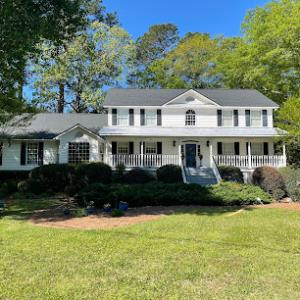
Empire Roofing & Remodeling
(843) 704-8566 www.empireroofingandremodelingllc.com
124 Lakelyn Rd, Moncks Corner, South Carolina
5.0 from 65 reviews
Empire Roofing and Remodeling, established in 2014, has been providing exceptional roofing services in Low Country for over two decades. With a commitment to cost-effectiveness and a focus on delivering unparalleled quality, our company stands out as the roofing contractor of choice. Contact us today for free, tailored estimates and discover the comprehensive range of solutions for roof repair, maintenance, and installation. Let us enhance your property's aesthetics while ensuring its protection and longevity.
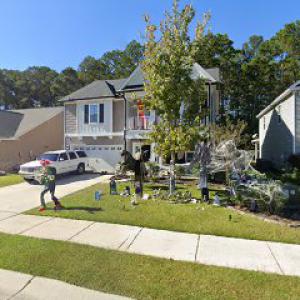
Kerr Roofing & Sheetmetal
(843) 765-0110 www.kerrroofingsc.com
420 Allamby Ridge Rd, Moncks Corner, South Carolina
5.0 from 22 reviews
Roofing company dedicated to giving each customer quality workmanship and the best value for their money.
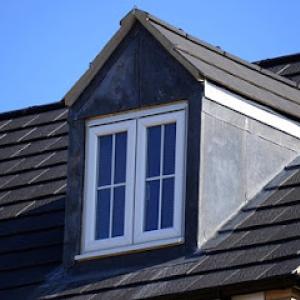
Quality Roofing
229 Broughton Rd, Moncks Corner, South Carolina
4.5 from 8 reviews
Quality Roofing is a roofing company that has been serving the community since 1992. We provide both Residential and Commercial New Roof Installation & Roofing Repairs. With strong ties to the area customer satisfaction is our first priority.
Reliable Roofing
117 N U.S. Hwy 52, Moncks Corner, South Carolina
4.2 from 5 reviews
Roof Now Pay Later! Replacing a roof can be an expensive investment so we offer in-house financing options with easy 0% interest payments! Whether you have a repair or need a full roof replacement or installation, we can help. We are based out of Moncks Corner, SC but we service the entire Charleston, SC area. Reliable Roofing can also work with your insurance company for insurance claims. Do you think you have roof damage from a storm? Call us and let us do a roof inspection.

Prince Roofing & Construction
(843) 474-1156 www.princeroofingandconstruction.com
Serving
5.0 from 39 reviews
Proudly serving Charleston, SC and surrounding areas, Prince Roofing specializes in residential roofing, roof repair, replacements, and remodeling. With over 20 years of experience, we deliver quality craftsmanship, reliable service, and peace of mind—one roof at a time. We've Got You Covered!
The Roof Guardian
(843) 571-8629 roofguardiansc.com
Serving
5.0 from 18 reviews
residential roofing company
RoofMeister
(843) 955-0554 roofmeister.com
Serving
5.0 from 112 reviews
RoofMeister is a roofing contractor serving Charleston and the Lowcountry since 1993. We specialize in residential and emergency roofing services, including new installations and repairs. Our licensed team provides free inspections and serves customers throughout Charleston, Summerville, and surrounding areas. Available 24/7 for storm-related issues. RoofMeister has been the trusted roofing expert for Charleston and the Lowcountry. Specializing in residential roofing, their expert team handles everything from new installations to emergency repairs with skill and precision. Serving customers across Charleston, Summerville, and nearby communities. For storm-related roofing concerns, they're available around the clock.
HD Remodeling & Roofing
(843) 879-8559 hdremodelingandroofing.com
Serving
4.6 from 30 reviews
HD Remodeling and Roofing is Summerville’s go-to expert for reliable roof repairs, emergency storm damage restoration, and complete roof replacements. We work with all roof types—shingle, metal, flat, TPO, EPDM, and modified bitumen. Whether you're dealing with a leak or need a full roofing overhaul, our team delivers storm-ready, leak-proof results. We also handle interior repairs like drywall and sheetrock restoration after roof damage. With over 25 years of hands-on experience and a reputation for quality, we proudly serve Summerville, Cane Bay, Nexton, Moncks Corner, and surrounding areas. Call 843-879-8559 anytime. We’re available 24/7 for fast, trusted source for roof repairs and installs.
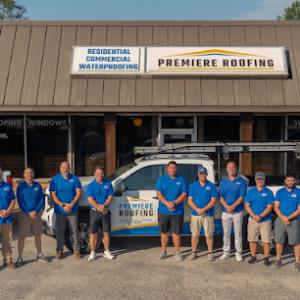
Premiere Roofing
Serving
5.0 from 83 reviews
Since 2008, we at Premiere Roofing have been proudly repairing and installing roofs in South Carolina. We are a family-owned, fully licensed roofing company that demands excellence from our employees and seek to consistently exceed our customers’ expectations through unparalleled service. Our goal is to provide top-quality roofing and home improvement services to residents in our great state of South Carolina. We don't want our customers to neglect their home’s needs due to budget restraints. Consequently, we ensure our services are affordable, without lacking in quality. At Premiere Roofing, we hold the distinction of being one of the best roofing companies in South Carolina.
Southline Roofing & Exteriors | Summerville
(843) 471-2625 www.southlineroofing.com
Serving
5.0 from 88 reviews
Your Weatherproof Line of Coverage Starts Here! We are a Full-Service Roofing Company in Summerville that serves the entire Charleston metro area, from Mount Pleasant to Summerville and beyond! We offer many services, including the following : - Roof Repairs - Roof Installations - Roof Replacements - Roof Inspections - Metal Roof Installations - Metal Roof Repairs - Metal Roof Replacements - Gutter Repairs - Gutter installations - Gutter Replacements - Siding Repairs - Siding Replacements - Siding Installations Give us a call today and find out why our customers rave about us!
Hernandez Roofing & Repair
(843) 406-5487 hernandezroofingsc.com
Serving
5.0 from 100 reviews
Welcome to Hernandez Roofing and Repair, your trusted partner for all your residential roofing needs. With 22 years of experience in the industry, we are dedicated to providing top-notch roofing services including installations, repairs, replacements, and maintenance. Our team of skilled professionals is committed to delivering superior craftsmanship, using only the highest quality materials to ensure durable and long-lasting roofing solutions. Customer satisfaction is at the core of our business, and we strive to exceed expectations with our reliable service and attention to detail. Trust Hernandez Roofing and Repair for all your roofing requirements and experience excellence, reliability, and expertise in every project we undertake.
Powell Roofing
(843) 270-2421 powellroofingllc.com
Serving
4.9 from 349 reviews
Powell Roofing specializes in Residential and Commercial Roofing, Metal and Shingles. Window Replacement, Siding replacement and Repairs. Free estimates from a roofing contractor you can trust. Fully licensed bonded and insured. Over 50 years combined experience. No job too small. Charleston's #1 residential roofer! Our services include: Roof Repair, Shingle repair, Storm Damage Repair, Roof Replacement, Metal Roofing, Shingle Roofing. We also offer expert vinyl siding and hardie plank siding replacement. Need your windows replaced? We offer window installation and replacement. All of our services are available in Greater Charleston to Orangeburg, SC. Check out our 5 star reviews around the web. Powell Roofing is your roofing expert!
In this inland Lowcountry climate, hot, humid summers and frequent rain accelerate the aging of common roofing systems. The moisture is not just a problem for the attic; it speeds material deterioration, flashing corrosion, and shingle granule loss. In this market, you'll often see faster wear on asphalt shingles than in drier inland areas, with metal systems showing oxidation stress where panels aren't properly sealed. The humidity acts like a quiet load on the roof deck, making weak spots show up sooner after a storm or heavy rain event. Pay attention to any soft spots, cupping shingles, or lifted edges after a long stretch of wet weather.
Ventilation is a key inspection point in Berkeley County, which matters locally because trapped attic moisture and heat are amplified by the area's humid Lowcountry conditions. A well-ventilated attic helps keep the deck cooler, slows moisture buildup, and reduces condensation that can rot sheathing from the inside. If your attic air isn't moving well, you'll notice higher indoor humidity after rain and more rapid insulation degradation near the eaves. Check for adequate soffit intake and ridge or soffit exhaust, and look for signs of stagnant air such as persistent warm patches on the attic floor during afternoon heat. A simple test is to feel each vent for steady airflow on a hot, humid day. If air feels stagnant or stale, plan a ventilation upgrade during a spring or fall replacement.
The local climate notes specifically favor spring and fall replacements because summer heat and humidity can affect installation conditions and winter-to-early-spring wet spells can slow work. In a Moncks Corner-style schedule, aim for a window when humidity is lower and rain chances are reduced, typically in the shoulder seasons. Summer installs face expanded heat stress for crews, greater expansion and contraction of underlayment, and a higher risk of trapped moisture during rapid outdoor drying times. Winter interruptions due to wet spells can push projects into inconsistent work fronts, so align replacement plans with a dry week or two when possible. If a storm-prone month is unavoidable, ensure temporary protective measures and a clear plan to finish underdraping and ventilation checks when crews return.
Moisture management starts at the deck. Inspect for any signs of prior leaks that could have caused deck rot, and verify that the underlayment has proper coverage without gaps where water can seep in behind nails or flashing. In humid conditions, the risk of trapped water behind shingles grows if the underlayment is compromised or overlaid imperfectly. Look for curled nails or lifted shingles after a heavy rain, and confirm that flashings at chimneys, skylights, and valleys are sealed and free of gaps. If there is visible staining on the sheathing or a musty attic scent after a rain, treat it as a warning sign to pause near-term work and address ventilation and moisture control before resealing.
Storm-driven damage is common in this region given its hurricane corridor proximity. After a major storm, perform a rapid exterior inspection focusing on missing shingles, damaged flashing, and dented metal edges. Inside, check the attic for new condensation trails, damp insulation, or stained joists, especially on the warmer days after a storm. Document everything with photos and notes so the next steps-whether a temporary fix or a full replacement-reflect true condition and exposure. In humid conditions, timely inspection prevents minor issues from blossoming into more extensive rot or secondary damage.
In Moncks Corner, asphalt shingles and metal roofing stand out as the most practical and commonly installed materials for residential homes. These two options align with the local climate-humid Lowcountry summers and the possibility of strong storm impacts-while fitting the typical housing stock in Berkeley County. Asphalt shingles offer straightforward installation, solid durability for cadence-driven weather patterns, and a broad contractor network. Metal roofing, on the other hand, delivers outstanding wind resistance and a long service life, with a robust local contractor base that supports quick fixes after a storm and easier maintenance in the heat and humidity. Clay tile, concrete tile, wood shakes, and slate exist in the market, but they are far less common and more cost-sensitive choices that may require careful budgeting and material handling for multi-story homes or properties with particular architectural accents.
Clay tile and concrete tile provide compelling aesthetics and a strong weather barrier, but the surrounding market signal shows fewer Moncks Corner specialists focusing on tile systems compared to metal or composite options. If a home has a historic look or a Mediterranean-inspired footprint, a tile solution can be considered, yet anticipate longer lead times for installation and broader sourcing efforts. Wood shakes and slate are even more specialized: wood shakes carry moisture and fire considerations that need regional care plans, while slate is admired for longevity but demands skilled crews and careful framing. In practice, the most reliable path for homeowners who want predictable performance during heavy rain and across hot summers is to weigh asphalt shingles for cost-effective resilience or metal for extended protection and a hardened response to storm-driven impacts.
During storm seasons, the combination of humidity and wind in this market can accelerate underlayment wear and nail head exposure if installation details aren't tight. When evaluating roof types, focus on how well a system will handle saturated sheathing, proper ventilation, and a watertight transition around hips and valleys. For emergencies, having clear, documented records matters. Take dated photos of the entire roof and ensure any pre-existing damage is logged with notes on shingle condition, flashing integrity, and vent health. If a claim is needed after a storm, you'll appreciate having a well-maintained, clearly documented baseline to support replacement decisions. Metal roofing typically shows fewer fastener penetrations in high-wind events and can simplify insurance assessments, while asphalt shingles provide a familiar performance profile with accessible repair pathways after weather events.
Choose asphalt shingles for simplicity, broad contractor support, and cost-conscious re-roofing paths that suit most Moncks Corner homes. Consider metal roofing if wind resistance and long-term durability are priorities, especially in storm-prone seasons, where a dense contractor network in the area can smooth coordination and post-storm service. If pursuing heavier options like tile or slate, engage a local specialist early to confirm structural compatibility and installation feasibility. In all cases, align your choice with the expected local storm loads, humidity-driven ventilation considerations, and the ability to document and support any insurance-related needs that arise after severe weather.
Full roof replacements in this area are not treated as permit-free maintenance. Berkeley County Building Department typically requires a permit for a full roof replacement, with the project routed through the county instead of a generic DIY exemption. This means planning ahead to align with the county's review steps and ensuring the project timeline accounts for approval and inspections.
Before any materials come off or new decking goes on, gather a straightforward scope of work. This includes the roof type you'll install, underlayment choice, venting plan, and a rough timeline. The county expects a concise description of what will be done, not a lengthy proposal. Submit this scope to the Berkeley County Building Department as the entry point. If questions arise, respond promptly to keep the permit path moving rather than stalling the project.
Once the basic scope is reviewed, you'll receive guidance on any required clarifications or adjustments. Do not start framing, sheathing, or shingle removal until you have written approval. This pre-installation clearance helps ensure the chosen underlayment and ventilation meet county standards and that the nailing pattern aligns with local enforcement expectations. Delaying work until approval is recognized can prevent delays and potential rework.
Berkeley County inspections focus on critical installation details. During the project, inspectors commonly verify proper nailing patterns, correct placement and fastening of underlayment, and adequate ventilation. These checks occur at defined stages, often as components are installed or before surrounding work progresses. Plan anticipated inspection windows and keep access clear for the inspector to review all relevant points without delays.
After the installation is complete, a final inspection ensures the roof meets code requirements and that all permit conditions are satisfied. Expect the inspector to confirm that the nailing, underlayment, and ventilation remain consistent with the pre-approved plan and that any modifications made during installation are properly documented. If adjustments are needed, address them promptly to avoid hold-ups in final approvals.
Coordinate scheduling with the contractor to align timelines with inspection slots. Have the permit number and approved scope accessible on site during work. Maintain clear communication with the county through the project's key milestones: pre-approval submission, installation start, mid-way check-ins, and final clearance. Keeping records of all approvals and inspector notes helps manage any storm-related documentation needs later.
In this area, you'll hear prices quoted per square (100 square feet). Asphalt shingles run roughly 350 to 650 per square, metal 600 to 1400, clay tile 1200 to 2500, concrete tile 900 to 1700, wood shingles or shakes 850 to 1800, and slate 1800 to 3500. Those ranges reflect typical material costs plus standard installs for residential steep roofs common in this market. When you're budgeting, use these as anchors and ask for a line item that separates material, underlayment, and labor so you can compare apples to apples across bids.
Summer storm season can tilt pricing quickly after a big event. Emergency demand in Berkeley County and the wider Charleston-area contractor pool gets booked out, sometimes driving out-of-pocket labor costs and speeding up decisions you'll need to make. If a storm hits and you're evaluating a full replacement, expect a short-term uptick in quotes or added contingency for expedited scheduling. Planning ahead and obtaining multiple bids before the height of storm season can help you avoid premium surge scenarios.
Lowcountry humidity, frequent rain, and exposure to storm winds favor materials with solid nail-down systems and effective underlayment, especially for full replacements. Asphalt shingles remain a common, cost-conscious choice, but metal offers durability against gusts and yields good long-term value in this climate. Tile options (clay or concrete) bring a heavier overall system that can handle wind well if installed correctly, though installation complexity and weight must be matched to the existing structure. Wood shingles and slate carry higher upfront costs and maintenance considerations but can be a good fit for specific home styles and performance goals.
Labor costs are tightly tied to local crew availability and the need for careful installation against rain leakage and wind uplift. Expect nailing patterns, sealed underlayment, and proper ventilation to add to the labor bill, particularly on full replacements. If a contractor emphasizes quick, patch-style fixes, weigh that against the long-term protection and warranty implications for a humid, storm-prone climate.
Don't let upfront costs delay a critical repair - these contractors offer payment plans to fit your budget.

Prince Roofing & Construction
(843) 474-1156 www.princeroofingandconstruction.com
Serving
5.0 from 39 reviews

In this region, insurers emphasize documentation of prior damage and roof age, and adjusters commonly ask for photos and roof measurements after storm events. You should keep a current record of your roof's condition, including dates of past repairs and any visible wear along seams, vents, and flashing. When a storm hits, gather clear photos from ground level and from attic spaces where feasible to show relative dampness, staining, or sagging. If shingles are dislodged or granules are accumulating in gutters, log those observations promptly. A well-organized binder with dates, contractor notes, and weather reports helps you present a coherent timeline rather than a fragmentary narrative that leaves questions for the adjuster. In practice, you want to be able to demonstrate the roof's state before the event, so box up receipts and warranties and add them to the file.
High-wind and hail events can lead to higher deductibles or coverage changes, which is especially relevant in coastal-county insurance markets connected to the Charleston region. If a claim arises after a storm, expect questions about wind uplift patterns, shingle lifting, and the integrity of flashing around chimneys and vent stacks. In many cases, adjusters will compare new damage to existing wear, so a long history of minor leaks or curling shingles can influence the outcome. You may encounter policy language that reallocates limits when the roof's age or condition triggers depreciation or replacement considerations. It pays to know what your insurer considers acceptable restoration versus full replacement and to be prepared with independent, licensed evaluations that corroborate your file.
Some carriers periodically reevaluate coverage in coastal counties, so Moncks Corner homeowners need to understand policy terms before replacement timing is forced by a claim. If you've been holding off on a major roof upgrade due to uncertainty about coverage, a proactive review with your agent can prevent surprises when a storm opens a claim window. Keep in mind that repeated weather events in the Lowcountry humidity over time can compound damage, and insurers may respond by tightening thresholds for what qualifies as recoverable versus structural loss. Staying ahead with documentation, professional assessments, and a clear record of repairs helps you navigate the consequences without feeling blindsided.
Connect with contractors who help homeowners navigate the claims process from damage assessment to final approval.
Empire Roofing & Remodeling
(843) 704-8566 www.empireroofingandremodelingllc.com
124 Lakelyn Rd, Moncks Corner, South Carolina
5.0 from 65 reviews
Prince Roofing & Construction
(843) 474-1156 www.princeroofingandconstruction.com
Serving
5.0 from 39 reviews
Spring and fall are the sweet spots for roof work in this area. The humidity is lower, and the heat of summer hasn't fully built up yet, which makes shingle sealing and underlayment performance more reliable. If you're planning a full replacement, aim for a window when afternoon storms aren't forecast to roll through. Your crew will appreciate daylight and a predictable schedule, and you'll avoid lingering heat that can shorten shingle life during installation.
Summer hurricane season can push tear-offs, dry-ins, and final scheduling back even when crews have openings on their calendar. If a storm is brewing, expect delays or rescheduling at short notice. Have a backup plan for materials on site and protect landscaping and edging. After a storm passes, a quick inspection should be done to check for hidden damage, but avoid rushing a job back together in the heat; heat stress and high humidity can affect sealants and ventilation components.
Cooler, wetter stretches in Berkeley County can slow some roofing work and inspection timing. Expect shorter daylight windows and potential mud or soggy underlayment conditions that affect traction and access. If you're aiming for a late winter or early spring project, schedule with a buffer for rain days and consider indoor tasks (like ordering materials and drying-in) while the weather clears. In all seasons, plan for ventilation checks and attic access readiness as part of the process so the final result holds up under moisture and humidity.
The roofing market here is dominated by re-roofing and repair work rather than new-construction projects. When you're selecting a contractor, you'll be looking for proven replacement and repair experience, not just someone who can quote a fresh build. Ask for recent projects similar in scale to your home and confirm that the crew can handle full-depth underlayment, nail patterns, and ventilation checks the county expects. A contractor with a steady Moncks Corner presence tends to land timely reviews after storms, which matters when you need fast inspections.
Cleanup shows up across contractor signals at very high frequency, and homeowners value debris control almost as much as the roof itself. Look for specifics on daily pickup, tarping around the work area, and how waste will be managed to protect landscaping and driveways. Ask for a written plan that outlines how nails and shingle scraps will be contained, removed, and disposed of at the end of each day. A clear commitment to keeping your property clean is a strong indicator of a reliable crew.
After a storm, quick response and a long-established local presence are common differentiators. Find out how soon the contractor can assess damage, provide a temporary cover if needed, and schedule a full replacement or repair. A company with continuous local service tends to navigate weather-driven scheduling challenges more smoothly and can coordinate inspections with minimal disruption to your routine.
Ask who will supervise the project and whether the same foreman will be on-site throughout. In a tight-knit market, a stable crew reduces miscommunications and ensures flashing, ventilation, and underlayment are installed to the standards you expect. Confirm crew size, daily work hours, and how many projects they typically run concurrently in your neighborhood.
Request two to three recent Moncks Corner projects with similar scope, and arrange on-site follow-ups with the most recent clients if possible. Bring a checklist that covers cleanup specifics, on-site safety, and proof of proper ventilation installation. A careful, neighborly approach often reveals the contractor who will stand by their work long after the last shingle is nailed.