
Last updated: Apr 19, 2026
Storms whip through East Tennessee with enough force to bend shingles, dent metal, and loosen flashing. In this market, hail and wind events trigger high claim activity, and the strongest signals you'll see from credible contractors come right after the weather moves through. You need to act quickly to document damage while it's fresh and avoid gaps that insurers could question later. Start with a careful, safe exterior scan: shingles and granules in gutters, dented metal edges, lifted mats around dormers, and any soft spots on the roof deck. If you observe interior signs like staining on ceilings or warped drywall, treat those as corroborating damage and document them alongside the roof visuals.
Local insurers commonly expect photo documentation and a contractor damage assessment before a claim can move forward. After a severe event, and before you file or with an open claim, photograph the full roof from multiple angles, close-ups of lifted shingles, damaged vents, and any visible leaks. Capture the surrounding property border, attic insulation conditions, and vulnerable interior spaces. A contractor's damage assessment that notes storm impact, missing or compromised weather barriers, and the urgency of temporary protection helps prevent claim delays. Keep a dated record of all communications with the insurer, including emails, claim numbers, and who you spoke to. Insurers in this market routinely cross-check the contractor's notes against field observations, so consistency and detail matter.
Spring storms and heavy rainfall are a scheduling hurdle that can stall full replacements. Temporary dry-in and tarping matter to prevent further moisture intrusion while waiting for a full roof replacement. If shingles are blown loose or flashing is compromised, deploy a secure tarp or protective covering over affected areas, especially over penetrations like vents and skylights. Ensure tarps are weighted and fastened to resist wind uplift; document the tarp installation with dates and contractor notes. Communicate a clear timeline to the insurer and the contractor for when permanent work will begin, and insist on a moisture-control plan that includes interior protection measures if interior damage is observed.
Choose a local contractor who understands the typical roofing assemblies used in this market and who can provide a thorough, itemized damage assessment aligned with insurer expectations. Ask for a written scope that includes temporary measures and a concrete plan for a full replacement when weather clears. Maintain a steady line of communication with your insurer, the contractor, and any adjuster assigned to the claim. If a dispute arises over the damage extent or scope, request a second opinion from a different contractor familiar with storm-damage workflows in this area, and document all expert observations to support your case.
Norris Roofing of East TN
(865) 243-0025 www.lenoircityroofing.com
Lenoir City, TN
4.9 from 31 reviews
Here at Norris Roofing of East TN we have been proudly serving Lenoir City and surrounding communities for over 25 years. We are ready to serve you, too. Norris Roofing of East Tennessee takes pride in detail and our workmanship. We strive to please and accommodate our patrons so that our customer service is tops! We have a genuine concern for the client that makes a tremendous difference between Norris Roofing of East TN and others. We want to do a great job on your roof or project, but we also want to build lasting relationships with our clients. Getting a new roof or changing some of the exterior of your house can be a big project and sometimes overwhelming. That is why our goal is to make it as seamless and positive as possible.
Aspen Contracting
(865) 230-7511 www.roofsbyaspen.com
116 N A St, Lenoir City, Tennessee
4.3 from 59 reviews
Aspen is a nationally recognized exterior contractor, trusted to restore residential and commercial roofs, siding and gutters. Serving customers in the Knoxville, TN, area. We are committed to our mission to do the right thing, through higher standards and integrity. We carry out this mission each day by providing high quality service and following through on our commitments. We hold this dedication for our customers, insurance companies and strategic partners in manufacturing, distribution and technology. With this formula, Aspen has grown into one of the largest roofing contractors in the United States.
Willi Roofing & Repair
Lenoir City, TN
5.0 from 6 reviews
Willi Roofing and Repair is a reputable roofing service provider in Lenoir City, TN, USA, with a proven track record of excellence in both residential and commercial roofing solutions. With years of experience and a team of highly skilled professionals using only top-tier materials, they ensure the durability, quality, and aesthetics of every roof they work on, giving customers peace of mind and a touch of elegance for their properties.
Covey's Roofing & Siding
2995 Town Creek Rd E, Lenoir City, Tennessee
4.3 from 6 reviews
Free Estimates. Roofing, Metal Roofing, Siding Experts. 40+ years experience. Licensed, Bonded, Insured.

Ables Exterior Solutions
(865) 801-1448 ablesexterior.solutions
Serving
5.0 from 17 reviews
Ables Exterior Solutions, is your local roofing contractor specializing in exterior construction and repairs. Their team tackles everything from roof replacement to repairs, ensuring the longevity and integrity of your home's exterior.
Innovative Roofing & Siding
(865) 688-2888 www.knoxvilleroofingandsiding.com
Serving
4.9 from 194 reviews
Innovative Roofing & Siding, Inc is a GAF Master Elite contractor serving Knoxville, TN and the surrounding cities. As a roofer, have been in business for over 30 years and are equipped to provide residential and commercial services for roofing. We assist with roof replacements, new roofs, roof leak repairs, and more. Trust us to be your roofing company today!
Titan Roofing Company of Lenoir City
Lenoir City, Tennessee
3.0 from 2 reviews
Titan Roofing Company of Lenoir City proudly serves the greater East Tennessee area. At Titan Roofing Company we are committed to excellence and 100% customer satisfaction. As a full-service residential and commercial roofing contractor, our customers can depend on us for anything from small repairs to full roof replacements. From asphalt shingles, metal, tile, slate, cedar shake, to commercial flat roofing, roof cleaning, and roof rejuvenations, we can help with it all! With more than 20 years of experience and industry knowledge, our team has the skills and expertise to ensure that your job is done right the first time! Trust your home to a local Lenoir City, TN roofer!
GHI Exteriors
(865) 415-6816 ghiexteriors.com
Serving
5.0 from 61 reviews
GHI Exteriors is a premier exterior renovations company based in Knoxville, TN, specializing in roofing, siding, window installations, decks, roof over decks, gutters, concrete, and pavers. With a proven track record of excellence, we have been serving the Knoxville community for over a decade, bringing over 25 years of combined experience to every project we undertake.
Erie Home
Serving
4.6 from 443 reviews
Since 1976, Erie Home has manufactured, supplied, and installed the best-performing roofing on the market. By providing ironclad warranties and convenient financing, we ensure that every homeowner we work with receives top quality service and value for their homes and properties. Erie Home professionals are the roofing company of choice in the greater Knoxville, TN area. Whether you need roof inspections or roof damage repair services, Erie Home has been the go-to roofing contractor for nearly 50 years because of our attention to detail and dedication to making sure our customers are satisfied with their results. Contact us today for a quote and see why we're the trusted roofing company Knoxville counts on.
Trinity Services
(865) 459-2365 www.trinityrestorationtn.com
Serving
4.8 from 253 reviews
At Trinity Services, we’ve proudly served the Greater Knoxville Area since 1980, providing trusted roofing, remodeling, and restoration solutions for homes and businesses alike. As a family-owned and operated company, we’re committed to delivering high-quality workmanship, honest service, and peace of mind every step of the way. From water, fire, or storm damage restoration to mold remediation and commercial property repairs, we have the licensed experts and experience to restore and enhance your space with care and precision. We also offer flexible scheduling and payment plans to fit your needs. Contact us today to schedule a free estimate and see why Knoxville trusts Trinity Services for dependable, professional results.

Smith Roofing & Exteriors
(865) 507-0033 smithroofingservice.com
Serving
4.9 from 722 reviews
Smith Roofing & Exteriors is a certified roofer and Owens Corning Platinum Preferred Contractor, awarded to the top 1% nationwide. We have been family-owned and trusted since 2016 by homeowners in Knoxville, Maryville, Oak Ridge, and East Tennessee. As a full-service company, we offer roof replacements, inspections, and repairs, alongside siding repair, deck building, and gutter installation. All work is completed to code using strong materials backed by the industry's best warranties. || Free estimates • Licensed & Insured • Insurance Support • Storm Damage • Emergency Service. || Call today for a thorough inspection and our signature "Good-Better-Best" quote options.
Perimeter Roofing
(865) 432-0262 perimeterroofing.com
Serving
4.9 from 82 reviews
At Perimeter Roofing, we pride ourselves on being Knoxville's go-to roofing company for all residential and commercial roofing needs. With a focus on quality craftsmanship, exceptional customer service, and timely project completion, we offer a full range of services, including inspections, repairs, installations, and maintenance, using only the highest quality materials and industry-leading techniques. Our team is equipped to handle everything from routine inspections to large-scale installations, making us the best roofing company for both residential and commercial clients in Knoxville.
In Lenoir City, the temperate shoulder seasons offer a calmer path for reroofs. Spring and fall avoid the peak heat and humidity of summer, which helps crews stay steady without the risk of heat-induced fatigue. Those windows also tend to have more predictable daily patterns, making scheduling easier for crews and neighbors who want to minimize disruption. The milder weather supports safer tear-off work, cleaner roofs, and steadier weather barriers being installed with fewer moisture-related surprises. When spring is dry and moderate, decking can dry quickly after an old layer is removed, allowing the new underlayment to seal up properly before the next round of storms.
Spring storms and heavy rainfall are a reality in this part of East Tennessee, and they can interrupt tear-off work more than once. A sudden downpour can leave exposed decking vulnerable to moisture, especially on days when the forecast shifts from sun to showers quickly. For a homeowner, that means planning a schedule with a realistic buffer: a few wet spell days may push nearby projects back and require temporary tarping and careful inspection of the weather barrier once the crews resume. Having a backup plan for rescheduling and securing nearby landscaping helps reduce the impact of a weather delay. Communicate clearly with the contractor about expected storm windows, and confirm what protections will stay in place if a storm rolls in mid-tear-off.
Summer heat and humidity influence both crew productivity and material handling in this region. Heat can slow access to attic spaces, complicate ventilation checks, and increase fatigue risk for workers handling long days on a steep slope. In practice, many local projects are timed to avoid the hottest stretch, choosing to advance or wrap up before the most oppressive heat arrives. Humidity can also affect the way certain materials behave-adhesives cure differently and fasteners sit with the right tension when temperatures are steady. Scheduling with the hottest weeks in mind helps keep quality consistent and reduces the chance of installers rushing, which can affect nailing patterns and weather barrier integrity.
To align with the best windows, start by mapping your preferred time frame for tear-off and re-roofing around a conservative weather outlook. Build in a few extra days of flexibility in late spring or early fall to accommodate any lingering rain or a sudden cold snap. If a storm warning appears on a planned workday, have a clear plan with your contractor for temporary protection and a quick resumption date. A focused pre-season check of roof access, debris containment, and staging areas reduces delays when crews arrive. With the right timing and a readiness to adapt to spring's unsettled pattern, a reroof can proceed with fewer weather-driven setbacks while delivering solid, long-lasting protection for the home.
Asphalt shingles and metal roofing stand as the most practical mainstream options in this area, aligning with the dominant local material mix and the typical storm repair and reroofing workflow after East Tennessee severe weather. Asphalt provides familiar durability and ease of repair, while metal offers strong hail resistance and a longer service life in a neighborhood where heavy spring and early-summer storms are common. When choosing between them, consider the kind of exposure your home faces-open ridge lines, trees nearby, and attic ventilation can all influence performance, but both materials reliably cover the daily demands of Lenoir City's wet springs and hot summers.
High humidity and repeated wet-dry cycling in the Tennessee Valley put a premium on attic ventilation and underlayment performance, regardless of roof type. In a shingle roof, a well-ventilated attic helps control condensation that can rot decking and invite mold, especially after long humidity spikes. For metal roofs, careful installation of a compatible underlayment and air gap becomes crucial to prevent condensation and ensure long-term performance. Whether you install clay or concrete tiles, wood shakes, or synthetic shingles, pairing the roof with a robust ventilation plan and a weather barrier designed for high humidity areas helps reduce ice damming, moisture-related swelling, and accelerated wear after a storm. The practical takeaway is to coordinate ventilation inserts, ridge vents, soffit intake, and an appropriate underlayment system from the start of any reroof project.
Clay tile, concrete tile, wood shakes, and synthetic shingles do exist in the market, but they remain less central to the contractor landscape for storm repair and standard residential replacement work. If choosing one of these options, be mindful of their compatibility with attic space, ventilation needs, and the typical home footprint in this region. Tile standards demand strong roof framing and careful nailing patterns, while wood shakes require attention to moisture management and potential susceptibility to weathering under repeated wind and hail exposure. Synthetic shingles can offer a balanced option, combining resilience with lighter weight, but still benefit from the same ventilation and weather barrier considerations that guide any reroof in this climate.
In the wake of severe weather, the repair and reroof decision should reflect not only immediate protection but long-term performance against humidity and temperature cycles. If the home already leans toward a traditional shingle layout, upgrading to a metal roof is a logical path for enhanced hail resistance and minimal maintenance in a storm-prone market. For homes with existing tile or shakes, ensure structural compatibility and verify the ventilation plan to prevent moisture buildup behind the finish. The common thread across choices is to treat ventilation and weather barriers as foundational elements, not afterthoughts, because proper setup in those areas directly influences the roof's ability to withstand Lenoir City's spring-to-summer storm sequence.
In this area, typical local pricing runs about $350-$650 per square for asphalt shingles, $700-$1100 for metal, $1000-$1800 for clay tile, $800-$1400 for concrete tile, $600-$1000 for wood shingles or shakes, and $500-$900 for synthetic or composite shingles. When planning, recognize that a full reroof will usually be priced on a per-square basis (one square equals 100 square feet). Material choice drives a big chunk of the total, but installation labor, roof complexity, and substrate condition also shift the final number. If your roof has many dormers, valleys, or an intricate design, expect the higher end of the ranges. In older homes with tear-off needs, the cost ladder climbs again due to debris disposal, recycling, and waste management fees that crews in this market routinely handle.
Storm-driven demand spikes in this area can push scheduling and labor pressure higher after hail or wind events, especially because reroofing and emergency response are prevalent in the local contractor market. After a severe storm, crews may be juggling multiple projects, and lead times for materials can lengthen. If a hailstorm rattles the neighborhood, expect short-term price bumps on common materials and a tighter window to secure an opening in the crew calendar. Scheduling a reroof in the weeks immediately following a big hail event often means you're competing with several neighbors for the same crews, so having flexible timing or accepting a slightly longer lead time can smooth the process.
When comparing bids, look beyond the bottom line. Check the promised weather barrier details, the scope of tear-off versus layover, and the warranty terms on both labor and materials. In this market, many projects that seem cheaper upfront hide costs in disposal, fasteners, or underlayment upgrades needed to address humidity and seasonal rain exposure. Ensure bids itemize removal of damaged decking or sheathing, attic ventilation proposals, and the number of nails per shingle or underlayment checks. If a contractor offers a rapid turnaround, verify that the schedule accommodates weather checks and post-install inspections that protect against moisture intrusion during the first few storms of the new roof.
Get a clear picture of your project costs upfront - no commitment required.
Covey's Roofing & Siding
2995 Town Creek Rd E, Lenoir City, Tennessee
4.3 from 6 reviews

A building permit is typically required for a full reroof, and issuance follows standard review and payment of fees. In this town, the permit review is not a mere formality; it triggers a precise checklist your project must meet before any shingles come off or new underlayment goes on. The process can influence timing in spring when severe storms loom and in the late summer lull when crews try to wrap up before autumn. Knowing the permit path helps prevent delays that cascade into weather-related risk.
Inspections in this area are not a one-and-done event. They are scheduled during and after installation to verify that every stage aligns with code and with local expectations. That means your contractor must plan for multiple site visits and clear communication about when access is needed. If a window is missed or a required step is skipped, the inspector will push back the next milestone, potentially extending the project and increasing exposure to weather during the workmanship phase.
Local inspection focus includes ventilation, nailing, and weather barrier installation, so contractors need to build these checkpoints into the job timeline. Improper ventilation can lead to attic heat buildup and accelerated shingle aging, especially in humid Tennessee Valley conditions. Inadequate nailing can compromise wind resistance during seasonal storms, while gaps in the weather barrier invite moisture intrusion that undermines the roof deck. Each of these elements must be thoughtfully integrated into sequencing, staging, and on-site coordination.
From a homeowner perspective, anticipate that permit approval and the inspection cadence will shape the overall schedule and daily access needs. Communicate early with the contractor about anticipated inspection dates, access requirements, and any temporary conditions around the house that could affect the process. In a climate prone to sudden storms, allowing for extra lead time between permit approval and material delivery can help prevent rushed decisions that compromise ventilation, nailing, or weather barriers. A disciplined, transparent timeline reduces the risk of bottlenecks once the work commences. In the event of East Tennessee severe weather, having documentation ready for insurance review and inspection records can streamline the post-storm recovery steps.
Local codes and permit rules reflect the community's emphasis on a durable, properly vented roof that withstands humidity and storm exposure. Builders who align their crews with these expectations tend to complete reroofs with fewer surprises and smoother inspections. In the end, the goal is a roof that not only looks sound but also passes every required checkpoint on the first attempt, minimizing the chance of weather-related setbacks and keeping the project on solid ground.
In this area, high wind and hail events are the most locally relevant failure drivers, often delivering sudden damage that homeowners don't expect to see until the next rain. Openings from lifting shingles, bruised panels, and dented metal can quickly allow moisture to work deeper, compromising the deck and underlayment. After a storm, inspect for loose fasteners, curled edges, and missing granules. If you notice hail marks or blown-off pieces, address repairs promptly to limit water intrusion and avoid repeated cuts in the weather barrier during subsequent storms.
Spring rains in this market bring scheduling challenges that can leave underlayment exposed or the deck unprotected for longer than ideal. Delays or rushed repairs often translate into accelerated deterioration, soft spots, or hidden rot. Prioritize proper ventilation and a continuous weather barrier, since exposed decking invites early-age failures in humid conditions. When you plan repairs, confirm that flashing details and pipe penetrations are sealed correctly, and that roof ventilation paths stay clear to prevent condensation buildup behind the scenes.
Fall leaf debris is a local installation and cleanup complication, and cleanup is a major homeowner expectation. Leaves clog gutters and valleys, creating standing water that accelerates corrosion and leaks. Debris can also trap moisture against the fascia, inviting rot and insect activity. A solid maintenance habit-gentle debris removal, timely gutter clearing, and careful resealing around penetrations-reduces the likelihood of hidden damage surfacing after the next storm. In this climate, proactive inspection after leaf fall is a prudent part of keeping a roof resilient.
Find contractors experienced in skylight installation, flashing, and leak repairs to bring natural light into your home.
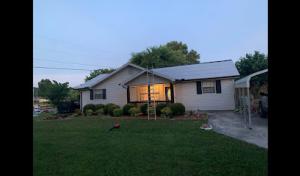

Response time after a storm is the dominant hiring signal in this market. The first priority is a contractor who can secure the roof fast and handle debris cleanup efficiently. Homeowners value crews that show up with tarps, fast temporary protection, and a plan to seal the roof before the next round of storms. Look for crews that can commit to a bounded schedule, minimize mess, and leave the site broom-clean at the end of each day.
Manufacturer-certified, licensed, and insured signals exist but are less prevalent than quick response and thorough cleanup. Verify credentials without assuming them. Ask for current licenses, trade certifications, and proof of insurance with a named general liability carrier. Contact the insurer to confirm active coverage and avoid gaps during repairs.
Long-established family firms have staying power here, and that often translates into better follow-up service and easier claim documentation after the initial repair visit. Favor contractors who reference repeat customers, long-term relationships, or local one- or two-generation leadership. That continuity matters when filing adjustments or warranty questions later.
East Tennessee weather brings hail and heavy rain that stress roofs quickly. A storm roofer should address ventilation, attic condensation, and fasteners that meet the local climate. Expect a thorough inspection focusing on hail damage indicators, damaged shingles, and compromised weather barriers that must be repaired to pass inspection.
Clear written estimates, project timelines, and damage logs help with insurance claims. Request itemized scoping that separates roof removal, deck replacement, and underlayment work. Maintain a running log with dated photos of the roof before, during, and after work. Ensure the roofer coordinates with any adjuster and schedules inspections promptly. Also assess debris containment and site restoration plans for every visit.
In this area, storm events bring more frequent hail and high-wind claims, but the market isn't defined by broad insurer withdrawal. Coverage pressure often hinges on roof age and the quality of documentation, not a statewide carrier collapse. That means a homeowner with an older roof may face tighter scrutiny after a storm, while a newer or well-documented roof can ride through with more favorable claim terms. The practical takeaway is to plan around how age and condition interact with coverage, rather than hoping for a universal, easy path after a hail event.
The strongest local strategy is immediate photo documentation, date-stamped condition records, and a contractor damage assessment prepared before claim discussions advance. Take clear, wide and close-up photos of every angle of the roof, gutters, vents, and fascia the same day as the storm. Create a simple dated album or file that shows pre- and post-storm conditions. Have a trusted contractor visit promptly to note visible damage, missing granules, dented shingles, or compromised underlayment, and deliver a written assessment you can reference during conversations with the insurer. This pre-claim work can prevent back-and-forth disputes later and helps align what the policy will reasonably cover.
Because many insurers tighten terms on aging roofs in this region, homeowners must weigh repair versus full replacement or upgraded materials after a storm. If the roof is mid-life, a documented negotiation built on solid evidence may favor a targeted repair. For aging roofs, the claim can drive a practical update that improves resilience and long-term value. When you have a detailed damage assessment and a clear photo trail, the insurer's adjuster meets you with a better understanding of scope, allowing for a more efficient settlement.