
Last updated: Apr 19, 2026
Thunderstorms in this area hammer roofs with driving rain, gusty winds, and sometimes hail that leaves unseen damage behind. Clinton homeowners face frequent storm-related roof stress, making wind and rain damage a primary trigger for inspections and replacement decisions. When a system roars through, a shingle peel-back, lifted edge, or granule loss on asphalt typically precedes a more obvious leak path. If you notice damp spots on ceilings after a storm, or hear a telltale whoosh of wind around the eaves, treat it as an urgent warning sign. The goal is to identify and document damage before it progresses into interior water intrusion or structural concerns. Time matters, especially when the next storm is right behind the last one.
The local insurance environment has active storm and wind claim activity, so adjusters commonly expect photo documentation, material specifications, and clear evidence of damage progression. Start with a dated, high-resolution photo record that shows the ridge line, vents, and edge details from multiple angles. Capture close-ups of missing granules on asphalt shingles, curled edges, torn or peeled flashing, and any signs of membrane exposure on the roof deck. Maintain a simple before-and-after sequence for any repairs already completed in the season. Include weather data from trusted sources for the dates surrounding the suspected damage, and keep a tally of all storm events that could contribute to the claim. If your roof was aged or previously heat-stressed from hot summers, call out how that prior condition may accelerate deterioration after a new storm impact. Clear, organized evidence helps adjusters determine damage progression and the appropriate repair or replacement scope.
Spring hail and heavy rainfall are a key local risk window, especially for aging asphalt roofs already weakened by prior summer heat exposure. As storms return, the combination of impact and saturated underlayment creates a higher likelihood of leaks forming even without dramatic visible damage. For aging roofs, document not only what is broken but what is not holding up under rain pressure: compromised underlayment, sagging sections, or poor gutter drainage that leaks onto the fascia. If you have previous storm-related repairs, photograph those areas again after a new event to show whether the current damage aligns with or exceeds the prior work. Insurance adjusters will scrutinize whether the roof's condition is a result of a new storm event or ongoing wear, so precise, dated visuals and notes make a decisive difference.
A key tactic is demonstrating progression rather than a single snapshot. After a storm, lay out a simple, time-stamped spiral of photos: initial impact, subsequent days when water stains appeared, mid-repair checks, and final outcomes from any contractor work. If wind-driven debris created punctures or tear-throughs in the roofing membrane, photograph the edges of each opening and document how moisture travels from the exterior into the attic or ceiling. Keep a written log of observed changes during each stage-from first noticeable wet spots to the moment a contractor confirms the extent of hidden damage. This progression helps support the claim that the damage evolved as a result of the storm rather than gradual aging alone.
Choose a local roofing professional who understands Clinton's climate and the common housing stock. A trusted pro can provide a skilled inspection that identifies wind damage patterns, wind-driven hail marks, and failures related to flashing, ridge caps, or vent seals. They can prepare a concise, property-specific damage report with measurements, material specs, and a recommended scope aligned to insurance expectations. Having a pro who can accompany the adjuster during the first inspection often accelerates the claims process and reduces back-and-forth. If a claim is filed, your documentation package-photos, timelines, and a professional assessment-should clearly convey both the damage present and its progression, ensuring a fair evaluation and a repair path that restores the roof to its intended protection against Clinton's thunderstorm cycle.
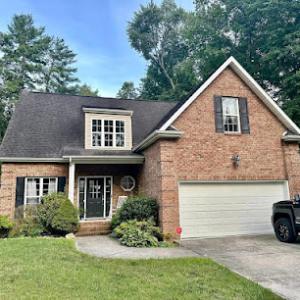
Climax Roofing & Renovations
(865) 406-5431 www.climaxrr.com
Clinton, TN
5.0 from 21 reviews
Whether it's a flat roof for an office building or a slanted asphalt roof for a traditional single-family home, roofing systems come in a variety of styles. No matter the type, routine maintenance is necessary to avoid water leaks and interior damage. For reliable roof repairs and replacements, put your faith in the professionals at Climax Roofing in Oak Ridge, TN. This locally owned and operated roofing contractor delivers outstanding solutions at affordable prices to residential and commercial clients across Anderson and Knox counties. With years of experience, these skilled roofers spot problems with roofs fast. They use proven methods to fix warped and worn shingles, lingering moisture, buckling membranes, and other common issues.
Patriot Restoration
(615) 219-9630 gurrbrothersroofing.com
Serving
5.0 from 123 reviews
Top-rated Orlando roofing, offering high-quality roofing services for residential and commercial properties. Call to schedule your free damage assessment with Patriot Restoration!
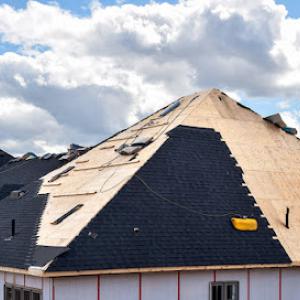
Brogdon Roofing
Serving
4.7 from 31 reviews
Brogdon Roofing has proudly served East Tennessee since 1970, delivering reliable, high-quality roofing for homes and businesses. With over 50 years of experience, we’re known for honest service, fair pricing, and expert craftsmanship. We offer on-site quotes with no hidden fees—just straightforward, dependable roofing solutions that fit your needs and budget. Check out our 5-star Google Reviews to see why locals trust Brogdon Roofing.
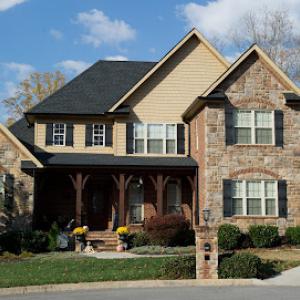
Garrett Roofing
(865) 454-7531 www.garrettroofingknoxville.com
Serving
4.9 from 49 reviews
At Garrett Roofing in Powell, we offer: Roofing, Residential Roofing, Commercial Roofing, Flat Roofs, Rubber Roofs, Single-ply Roofs, TPO Roofs, New Homes, Remodel, Fire Damage, Water Damage, Restoration, Decks, Land Clearing

CRS Roofing & Guttering
(865) 323-5999 crsroofingtn.com
Serving
5.0 from 4 reviews
CRS Roofing & Guttering is a locally owned and family operated roofing company down to our southern core. Named after my first son: Clayton R Shipley, our job is to make you the home owner feel like family by the end of the day. We do not take a dollar until our clients are pleased with the job. We are professional yet know no stranger so give us a call today for any and all of your roofing needs!
Mountain View Exteriors
(865) 465-8056 mountainviewexteriors.com
Serving
5.0 from 159 reviews
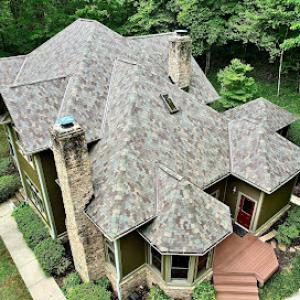
Mountain View Exteriors is locally owned and proudly serves the greater East Tennessee area for all your roofing needs. We specialize in both Asphalt and Metal roofing as well as gutters and gutter protection. We have been nationally recognized for winning CertainTeed's Governor's Award which is reserved for the top ranked roofing company for the State of Tennessee! Our attention to detail, professionalism, and always doing what we promise is what makes us unique in this day and age. Please give us a call for a quick hassle free quote and let us earn your business!
Falcon Roofing
(865) 455-8322 www.falconroofingtn.com
Serving
4.9 from 183 reviews
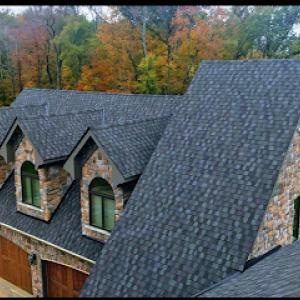
Falcon Roofing is a veteran-owned and operated premier roofing contractor that services the Greater Knoxville Area. Our company specializes in new roofing projects and roof repairs, including roof coatings, silicone roof coatings, roof cleaning, and gutters, for both residential and commercial applications. Military and veteran discounts available!
Woods Roofing & Repairs
Serving
5.0 from 98 reviews
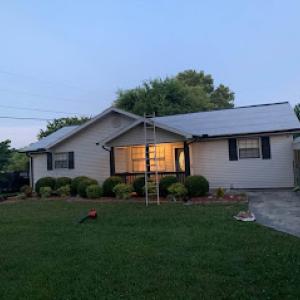
Protect your largest investment with our reliable roofing services. We are a locally owned and operated roofing company currently serving Harriman, TN and surrounding communities. If you want to make your roof last as long as possible, it is vital that you never put off a roof repair. Small issues with roofing become big issues in a hurry. No matter how major or minor the repair you need, we are here to help. We offer roofing contracting, roof replacement, and roof repairs.
Mobley Brothers Roofing & Renovation
(865) 205-0800 www.mobleybros.com
Serving
4.9 from 242 reviews
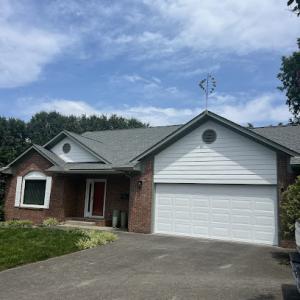
When it comes to protecting your home, don't settle for less than the best. Our Knoxville roofing company offers premier services, from leak detection and repair to new roof installation. With a commitment to excellence and customer satisfaction, our experienced professionals use only the best materials to guarantee your roof's longevity and performance. Our desire to put you first is reflected in our reviews across all platforms. For expert roofing help in Knoxville and the surrounding areas, get in contact with Mobley Brothers Roofing and Renovation today.
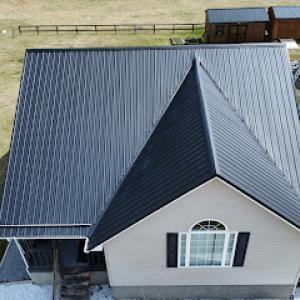
Banner Contracting Group
(865) 776-5804 bannercontractinggroup.com
Serving
5.0 from 32 reviews
Banner Contracting Group is a trusted roofing and gutter contractor serving Knoxville, TN, and surrounding areas including Powell, Seymour, Maryville, and Kingsley Station. Specializing in roof installation, roof repair, and gutter services, they offer comprehensive solutions for both residential and commercial properties. Their team is committed to using high-quality materials and adhering to industry standards, ensuring long-lasting results. Whether you need a roof inspection or gutter cleaning, Banner Contracting Group provides reliable and professional services tailored to meet your specific needs.
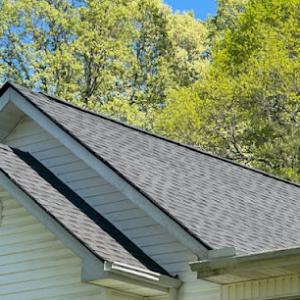
On Top Roofing & Guttering
(865) 227-1731 ontoproofingandguttering.com
Serving
5.0 from 10 reviews
On Top Roofing & Guttering is your trusted roofing contractor in Knoxville, Tennessee. As a family-owned business, we prioritize integrity, quality, and customer satisfaction. With GAF certification, we specialize in residential roofing services, offering professional solutions for repairs, replacements, and gutter installations. Our commitment extends to using durable materials that endure all weather conditions, ensuring your home remains secure and dry year-round. Whether it's a minor repair or a complete overhaul, we bring our expertise and dedication to every project, striving for quality and professionalism. Relax knowing your home is in capable hands. Choose On Top Roofing & Guttering for professional service and lasting results.

Smith Roofing & Exteriors
(865) 507-0033 smithroofingservice.com
Serving
4.9 from 722 reviews
Smith Roofing & Exteriors is a certified roofer and Owens Corning Platinum Preferred Contractor, awarded to the top 1% nationwide. We have been family-owned and trusted since 2016 by homeowners in Knoxville, Maryville, Oak Ridge, and East Tennessee. As a full-service company, we offer roof replacements, inspections, and repairs, alongside siding repair, deck building, and gutter installation. All work is completed to code using strong materials backed by the industry's best warranties. || Free estimates • Licensed & Insured • Insurance Support • Storm Damage • Emergency Service. || Call today for a thorough inspection and our signature "Good-Better-Best" quote options.
Asphalt shingles are the dominant local material, and that's been true for a long time in this neighborhood. The hot, thunderstorm-heavy climate pushes asphalt into a familiar rhythm: lots of heat, lots of quick wind gusts, and the familiar flat, wide roof surfaces common on many Clinton homes. Heat accelerates wear on asphalt, so shingle granules can shed faster and the underlying layers may age sooner during those long East Tennessee summers. That means timing matters: replacing in spring or fall aligns with better weather windows and gives shingles a chance to seat properly before the next hot season or a late-summer storm roll-in.
For homeowners considering asphalt, a few practical checks can save trouble down the line. First, inspect the expected life of the shingles in light of summer heat. If the attic is poorly vented, heat buildup accelerates curling and granule loss. A quick home-side check after a major storm-missing granules, exposed mat, or a few loose tabs-can signal the need for replacement sooner rather than later. Second, the local market leans on quick response after storms; this makes a reliable, local contractor collaboration critical. Look for a roofer who can stage a repair or a full replacement within a few days of rain events, so a vulnerable roof isn't left exposed through a storm cell.
When deciding on asphalt in Clinton, consider roof slope and exposure to afternoon sun. Roofs facing open, unobstructed exposure will feel the heat more acutely, which can shorten the effective life of the shingles. In that scenario, ensuring adequate attic ventilation and a proper underlayment becomes part of the replacement plan. If insulation and ventilation aren't balancing heat, a seasoned contractor might suggest upgrading underlayment or adding a light reflective coating on top of the shingles to reduce heat buildup. This is a practical way to stretch the season for asphalt and reduce weather-related wear during the peak storm season.
Metal roofing is a meaningful specialty in this market and is often considered by homeowners looking for better performance through repeated thunderstorms and wind events. In Clinton, metal's strength lies in its ability to resist wind uplift and handle rapid temperature swings without the same degree of thermal expansion and contraction that can stress asphalt over time. For homes that endure frequent hail or heavy storm lines, metal can offer a longer-term resilience that translates into fewer maintenance visits after severe weather.
The local climate pressure makes heat and storm resilience central to material selection. Metal panels, when installed with proper fasteners and seam detailing, have less risk of water intrusion during heavy rains, and they shed rain and hail with less surface damage compared to shingles in some scenarios. An important practical consideration is the roof's deck condition and the means to seal penetrations-valleys, chimneys, and vent stacks-so that wind-driven rain doesn't find an entry path. Look for a metal system with a standing seam or a screw-down profile that has proven durability under local wind gusts and temperature fluctuations. Proper coating, corrosion resistance, and a trustworthy warranty are essential in this market.
For homeowners weighing asphalt versus metal, the decision often boils down to Storm Resilience and future maintenance expectations. Asphalt provides familiar aesthetics and a lower upfront feel for typical Clinton homes, especially on uniform rooflines. Metal offers a longer-term, high-performance option for properties with higher exposure to violent storms or where a reduced number of repairs is a priority. Regardless of choice, the best path is to align material selection with climate realities, roof design, and a contractor who understands the unique demand patterns of Clinton's weather.
The city's material mix-encompassing asphalt, metal, wood, tile, and synthetic products-reflects a broad range of home styles. However, heat and storm resilience should drive the material selection conversation. For sloped roofs with ample sun exposure, a thoughtful ventilation and underlayment strategy can extend the life of asphalt, while metal gains appeal where wind and hail have historically caused the most trouble. In smaller or mid-sized homes with less exposure, asphalt remains a solid option when paired with quality shingles and a proactive maintenance plan. In all cases, expect that storm-driven cycles will shape repair and replacement timelines, and choose a contractor who can navigate insurance documentation quickly to keep replacements on track after a major hail or wind event.
Spring in this area brings milder temperatures and a lull after winter storms, making it a practical window for roof work. The climate shifts quickly from cool to warm, so a window of moderate temps helps underlayment and sealants cure properly. For homeowners planning a replacement or major repair, aim for mid-spring when the fixed schedule tends to be more stable before the summer heat ramps up. This season also aligns with a typical slowdown in storm intensity, reducing the chance of weather-related delays. If a late winter thaw occurs, use that brief dry spell to finalize material ordering and transport so actual work can proceed promptly when the weather cooperates.
Fall storms and gusty winds can disrupt scheduling, so advance planning pays off. In Clinton, bookings before peak weather interruptions help avoid last-minute rescheduling caused by sudden downpours or high winds. If non-emergency work is planned, target a window after hurricane season-like fronts have calmed but before the late-fall cooldown sets in. Having a clear, firm start date with your contractor gives you leverage to protect interior space and landscaping during installation. Fall also often brings a natural slowdown in demand, which can aid in keeping crews focused and on track.
Summer conditions can intensify wear on existing roofs, especially asphalt systems, which is why aging roofs often show failure after prolonged hot-weather exposure. If a replacement is unavoidable, early summer can still be feasible, but scheduling may hinge on avoiding the peak heat of mid-day and selecting reflective or cool-shingle options to mitigate heat gain during installation. For repairs, aim for mornings when temperatures are cooler and days are longer, reducing the risk of sealant failures or rapid aging of recently applied materials. Keep in mind that Tennessee thunderstorms can pop up quickly, so plan contingency windows with your contractor around potential afternoon weather interruptions.
Winter in this region can slow installation due to freezing conditions and limited daylight. If non-emergency work must occur, aim for the shoulder periods near late fall or early spring to minimize the chance of cold-weather delays. Temporary protective measures during colder snaps help maintain indoor comfort and prevent new work from being compromised by frost.
Get a clear picture of your project costs upfront - no commitment required.

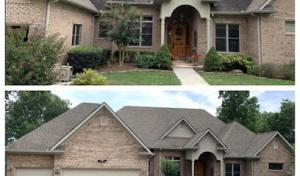
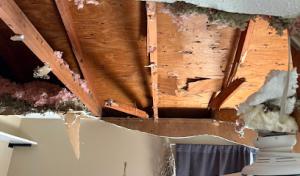
A roofing permit is typically required through the local building department for a full re-roof rather than minor patch work. This distinction matters because a full tear-off or substantial roof replacement triggers formal review, plan submission, and scheduled inspections. Before any shingle or tile work starts, verify that the permit corresponding to a full re-roof is secured, and that the project description clearly reflects the scope-especially if any roofline changes or higher-slope sections are involved. The permitting process helps ensure the roof meets current codes for wind resistance and proper attic ventilation, which is critical in this climate's severe thunderstorms.
Local inspections are performed at multiple stages to keep the project on track and compliant. An early inspection typically focuses on underlayment installation, attic venting, and line-of-sight components such as drip edge and eave flashing. This helps confirm that the chosen underlayment and venting strategy will protect the sheathing from moisture and that intake and exhaust are balanced for effective attic airflow. A final inspection occurs before the permit is closed, verifying that all components-shingles or other roofing material, flashing, valleys, roof-to-wall transitions, and drainage details-are installed correctly and tied into drainage systems. Expect inspectors to review membrane or drip-edge continuity at transitions to walls and chimneys, ensuring no gaps that could invite leaks during storms.
Some projects may trigger review of temporary supports or drainage changes before work proceeds, which matters on more complex tear-offs or roofline modifications. If a portion of the roof is being removed while portions remain in place, temporary shoring might be required to protect the structure and workers. Drainage changes-such as rerouting downspouts, adjusting roof pitch in a limited area, or altering valley configurations-can prompt pre-work reviews to prevent improper water flow that could affect the home's foundation or neighboring properties. In areas with long, storm-driven rainfall, inspectors will look closely at how temporary supports are anchored and how the new roof will integrate with existing gutters and scuppers.
Coordinate your crew's schedule with the permitting and inspection timeline to avoid delays caused by weather or backlog. Have your drawings or project notes handy for the inspector, including a clear plan for attic ventilation and any changes in roofline or drainage. If temporary supports are anticipated, discuss the setup with the contractor in advance so the permit records accurately reflect the safety measures in place. Finally, keep a post-inspection checklist: ensure final details like flashing around chimneys and vent pipes, roof-to-wall junctions, and drip edge installation are ready for the closing inspection.
In Clinton, the market moves fastest around asphalt shingles and metal roofing. Asphalt shingles are the backbone of most homes, with a predictable price range that keeps replacement practical for many households. Metal roofing, while less common than asphalt, has grown in popularity for long-term durability and wind resistance, and its price reflects a sturdier, installer-intensive product. Premium tile options exist but are far less common in the local pool of homes, so you'll encounter them mainly on certain higher-end or remodel projects. That mix-mostly asphalt, followed by metal, with a smaller share of tile-pulls pricing toward the lower to middle end of the spectrum overall, but still varies with roof size, complexity, and local supplier availability.
Clinton experiences thunderstorm activity that can spike demand for roof work after a storm. When damage is confirmed, emergency response and re-roofing often run in parallel with insurance timelines, which can tighten scheduling and extend the time to start a project. Storm surges in demand can push subcontractor availability and material lead times, especially for metal roofs and premium options. Homeowners should expect that peak storm seasons may compress the window for quick turnarounds, and plan for potential prioritization of storm-damaged homes. This dynamic tends to elevate costs modestly through overtime framing, quicker mobilization charges, and the need to secure crews on tight schedules.
Asphalt shingles typically occupy the broadest segment of the market, with costs that align with a practical, fast install. Metal roofs sit higher on the cost curve due to the material and specialized installation process, but they offer substantial longevity and wind resistance in the East Tennessee climate. Premium tile options-clay or concrete-are available but will usually command a noticeable premium and longer lead times, reflecting their relative rarity in the local mix. In any case, the overall price influence comes from roof size, structure, and access. A larger, more complex roof or one with many penetrations will push costs up, especially when rapid response is required after a storm. Expect staged decisions between faster, lower-maintenance asphalt or longer-lasting yet pricier metal or tile paths, all set against the realities of storm-driven scheduling pressures.
Leaks are a persistent consequence of Clinton's storm-prone season, where a seemingly minor roof weakness can turn into interior water intrusion in a heartbeat. Thunderstorms move quickly, hail is unpredictable, and a small flashing flaw or missing seal around a vent can become a drip below in just a few hours. This isn't theoretical here: a fast response can stop costly interior damage, but delays almost always escalate the problem. When a leak appears, treat it as a roof issue first and a water problem second. The longer water sits, the more likely it is to damage ceilings, insulation, and personal belongings.
Skylight work appears often enough in the local contractor landscape to merit special attention when evaluating flashing and leak history. Skylight flashing tends to fail where roof planes intersect or where flashing transitions are not properly bedded into sealants. In older homes, skylight shafts may sit on mismatched or deteriorated underlayment, inviting moisture to ride along the flashing seam. If you notice condensation between panes, stained ceiling corners, or a recurring pinhole drip after a storm, inspect the skylight frame for mushrooming rust or dry-rot in the surrounding wood. A cautious approach is to question the integrity of the skylight-to-roof transition, check for hairline cracks in glazing, and consider upgrading to a unit with a shingle-compatible curb or improved flashing detail.
Chimney-related roof details are common in the local contractor landscape, making flashing transitions an important inspection point on older homes. The chimney cap, step flashing at the chimney base, and counter-flashing against the masonry must act as a continuous water barrier. In Clinton's climate, mortar joints crack and shift over time, and wind-driven rain can exploit small gaps. Look for efflorescence, dark staining along the chase, and loose or cracked flashing at the base. If leakage follows the chimney line during heavy storms, plan for a careful re-flashing and resealing of the chase, ensuring the new work ties seamlessly into the roof plane and proper slope is preserved.
After a storm, quickly verify interior rooms below suspected areas for damp spots or staining. Exterior checks should focus on expected trouble spots: skylights, chimneys, vents, and roof-to-wall transitions. If a patch seems dubious or deterioration is visible in flashing, a targeted repair or a cautious replacement is warranted rather than a broad, costly retrofit. Document leak history with dates and photos to aid a focused assessment and to support timely insurance communication when needed.
Find contractors experienced in skylight installation, flashing, and leak repairs to bring natural light into your home.
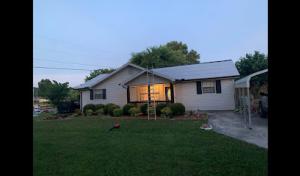
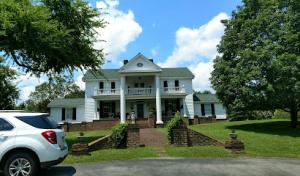
Flat and low-slope roofing is an active specialty in Clinton's market, even though it is not the dominant residential roof type. In this climate, heavy spring rainfall can overwhelm drainage systems quickly, so the angle of a low-slope roof matters more for water movement than for appearance. Ensure gutters and downspouts are clear before the wet season and that scuppers, drains, and overlap seams are monitored for clogs or signs of wear after major storms. Consider a secondary edge detailing and a positive roof-to-drain fall to reduce standing water. A recurring check for pooled areas after rainfall helps catch subtle shifts in the deck surface before leaks appear through living spaces.
On low-slope roofs, material compatibility with drainage performance becomes a practical priority. Asphalt-modified membranes, TPO and built-up options are common, but local practice favors systems that can be serviced quickly after a storm event. Metal coverings and lightweight synthetic membranes can offer robust resilience when properly installed, yet the focus remains on ensuring joints, flashings, and penetrations stay sealed as seasons change. Because heavy rains can drive moisture inward through marginal seals, prioritize roofing systems with proven edge detailing and reliable seam integrity. Roof coating appears only as a limited specialty locally, suggesting it is a niche solution rather than a default recommendation in this market.
Fast storm response is expected, so establish a routine post-storm inspection that focuses on seam regions, termination bars, and flashing around vents and skylights. Document any hail impacts or wind uplift signs with dated photos and notes, because insurance documentation often hinges on visible, well-recorded evidence. When a contractor performs work on low-slope areas, request a written summary of the membrane type, installation details, and any deviations from standard practice. In the event of damage, this thorough baseline-combined with timely reporting-helps streamline insurance communication and recovery steps.
Find specialists in TPO, EPDM, and built-up flat roofing systems for residential and commercial properties.
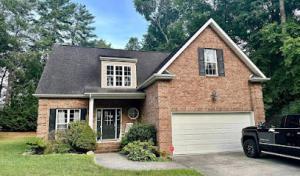
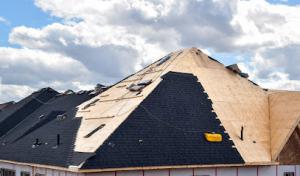
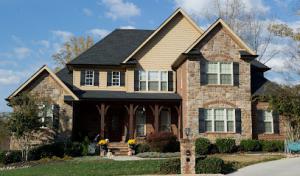
Clinton is an active storm and wind claim market, where the condition of your roof before a loss can influence how closely carriers scrutinize a claim. During the height of thunderstorm season, carriers tighten their review, looking for pre-existing wear, signs of improper maintenance, or obvious gaps in roof health that could affect the damage they're assessing. This means that a roof that has already shown aging or minor issues may draw more questions and require stronger documentation to support a full replacement after a loss.
During higher-risk periods, some carriers may look more closely at wind mitigation measures and overall roof condition before approving full replacement. If the roof shows adequate fasteners, proper underlayment, and recent maintenance, it can help a claim move more smoothly. Conversely, a roof with visible hail impact damage but weak overall condition might prompt an adjuster to note potential contributing factors and to evaluate how much of the damage is attributable to the weather event versus pre-existing wear. In practice, this means timing matters: the stronger the pre-loss condition, the more straightforward the claim path can be.
Homeowners in Clinton benefit from documenting storm dates, exterior damage photos, interior leak evidence, and exact roofing material information before the adjuster visit. Start by logging when storms hit and how long the roof was exposed to wind-driven rain. Take exterior shots from multiple angles, focusing on shingles, flashing, gutters, and any porch or chimney penetrations. Inside, capture leaks, staining, and any mold or ceiling sag. Collect product details: shingle type, color, and any visible signs of wear. Having these records ready can help the adjuster distinguish between existing wear and new storm-related damage, reducing back-and-forth and lowering the risk of delays. In high-claim periods, clear, dated evidence becomes particularly valuable, shaping how the insurer views what's been damaged and what needs replacement.