
Last updated: Apr 19, 2026
Spring thunderstorms sweep through this shoreline corridor with hail, heavy rain, and gusty wind that jolt roofs into action. After the last thunderclap, your first move is to assess safely from the ground. Look for peeling shingles, curling edges, granule loss, exposed underlayment, and water staining inside the attic or ceilings. In this market, rapid action matters because insurers and local adjusters begin reviewing storm impacts within days, sometimes hours, of the event. Do not climb onto a visibly damaged roof in wet or windy conditions; wait for a lull and have a pro inspect if you're unsure. Small vulnerabilities can cascade into costly leaks when a passing storm reruns a few days later.
When you file, expect that the insurer will request comprehensive documentation: date-stamped photos, and a detailed, elevation-by-elevation map of damage across the roof surface. Elevation-by-elevation means you document the ridges, hips, valleys, eaves, and penetrations separately so the adjuster can see where the impact or wind damage occurred. The adjuster may come on-site for a formal review after severe weather events. Having a clear, organized report helps the process keep moving and reduces back-and-forth delays that can slow your recovery.
Start with exterior shots from multiple angles before any temporary patches are applied. Photograph each elevation and use a ruler or a common object in a few frames to establish scale. Focus on hail impacts, torn or missing shingles, dented flashing, damaged vents, and granule loss across the shingles. Inside, capture attic daylight gaps, water stains, and any damp insulation near penetrations. Create a simple map of the roof that marks where damage is visible from ground level versus higher sections. If you can, set up a steady sequence of photos at dawn or dusk to show cumulative sun exposure and shading that might affect shingle behavior over time. This documentation is your best defense against ambiguous claims and slowdowns.
Because many local contractors advertise emergency response and storm work, homeowners in this market are likely to encounter rapid post-storm canvassing. Be polite, but set expectations clearly: you will schedule assessments in a controlled window to avoid overlapping visits that create confusion or pressure. Do not sign on-the-spot promises or pick the first contractor who appears at your gate. Instead, collect business cards, confirm licenses or credentials where possible, and compare a few written assessments before authorizing work. If temporary repairs are proposed, insist on a written plan that specifies what will be done, how long it will last, and how the damage will be documented for the insurer before any permanent replacement proceeds.
Keep a detailed chronological record of all communications with your insurer and contractors. Note dates, names, and what was discussed. If a contractor suggests replacing sections of roofing that appear marginal, request a second opinion on those sections and ask for the rationale in writing so the insurer can see the logic behind the scope. Remember: temporary fixes should not obscure or alter the damage you need documented for the insurer's on-site review. The goal is to preserve the roof's condition for an accurate assessment, not to rush to a permanent solution that could compromise a fair settlement. Stay vigilant through the weeks that follow a storm, because the combination of hail exposure, wind, and the local housing stock means the timeline can tighten unusually fast.
When you shop for a re-roof, the material you choose drives most of the price. In this area, asphalt shingles run about 300 to 700 USD per square, metal roofing sits roughly 700 to 1200 USD per square, clay tile falls between 1000 and 2000 USD per square, concrete tile is typically 900 to 1500 USD per square, wood shingles or shakes run 600 to 1300 USD per square, and synthetic or composite shingles sit around 450 to 900 USD per square. Those ranges reflect the typical home stock around Fort Loudon Lake-house shapes, attic ventilation, and roof pitches that affect waste and cut geometry. If you're balancing initial outlay against long-term performance, metal or synthetic options often show up as practical middle-ground choices for Farragut's climate.
Storm-driven demand spikes in the Knoxville metro can tighten scheduling and labor availability after hail or wind events. In practice, that means you may see slightly higher pricing and longer waits for crews after a big storm, especially if multiple homes in a neighborhood need work at once. In Farragut, where houses cluster along ridges and lake views, the first available calendar slot after a hail event can fill quickly. If timing is flexible, you can often secure better scheduling and a steadier crew roster by avoiding the immediate post-storm rush, but be prepared for the higher end of the local range if a major storm hits.
Costs in Farragut can rise when tear-off reveals roof deck repairs that must be addressed before inspection approval. A full or partial tear-off adds labor and disposal fees, and if the deck shows water damage, rot, or exposed fasteners, you'll need to budget for deck repairs or replacements. Structural patchwork becomes part of the project's scope, not an afterthought. If a contractor flags deck issues, expect the quote to reflect both the new roofing material and the required reinforcement or replacement work.
Spring storms and summer heat slowdowns can push a re-roof job into tighter windows. After a hail event, crews try to recover lost time, but humid summers bring more interior heat and roof temperatures, which can slow shingle activation and adhesive curing. In practical terms, you'll often see a premium for expedited scheduling after a damaging storm, but if you're able to plan for mid-summer or late spring, you may encounter more predictable progress and a steadier crew pace.
Insurance claims after Knoxville-area thunderstorms tend to drive up the handling time and documentation needs. You'll want a clear, itemized scope from the contractor, including material type, square count, tear-off requirements, and any deck repairs. Having a well-organized set of photos, storm reports, and a documented comparison of pre- and post-storm conditions can help streamline the claim and keep the project on track. Expect the insurance-adjusted project to align with the material and labor ranges noted above, adjusted for any deck repairs that surface during tear-off.
Innovative Roofing & Siding
(865) 688-2888 www.knoxvilleroofingandsiding.com
Serving
4.9 from 194 reviews
Innovative Roofing & Siding, Inc is a GAF Master Elite contractor serving Knoxville, TN and the surrounding cities. As a roofer, have been in business for over 30 years and are equipped to provide residential and commercial services for roofing. We assist with roof replacements, new roofs, roof leak repairs, and more. Trust us to be your roofing company today!
Erie Home
Serving
4.6 from 443 reviews
Since 1976, Erie Home has manufactured, supplied, and installed the best-performing roofing on the market. By providing ironclad warranties and convenient financing, we ensure that every homeowner we work with receives top quality service and value for their homes and properties. Erie Home professionals are the roofing company of choice in the greater Knoxville, TN area. Whether you need roof inspections or roof damage repair services, Erie Home has been the go-to roofing contractor for nearly 50 years because of our attention to detail and dedication to making sure our customers are satisfied with their results. Contact us today for a quote and see why we're the trusted roofing company Knoxville counts on.
GHI Exteriors
(865) 415-6816 ghiexteriors.com
Serving
5.0 from 61 reviews
GHI Exteriors is a premier exterior renovations company based in Knoxville, TN, specializing in roofing, siding, window installations, decks, roof over decks, gutters, concrete, and pavers. With a proven track record of excellence, we have been serving the Knoxville community for over a decade, bringing over 25 years of combined experience to every project we undertake.
Trinity Services
(865) 459-2365 www.trinityrestorationtn.com
Serving
4.8 from 253 reviews
At Trinity Services, we’ve proudly served the Greater Knoxville Area since 1980, providing trusted roofing, remodeling, and restoration solutions for homes and businesses alike. As a family-owned and operated company, we’re committed to delivering high-quality workmanship, honest service, and peace of mind every step of the way. From water, fire, or storm damage restoration to mold remediation and commercial property repairs, we have the licensed experts and experience to restore and enhance your space with care and precision. We also offer flexible scheduling and payment plans to fit your needs. Contact us today to schedule a free estimate and see why Knoxville trusts Trinity Services for dependable, professional results.

TeamCraft Roofing
Serving
5.0 from 22 reviews
TeamCraft Roofing is a leading full-service commercial roofing contractor with locations throughout the eastern half of the US. Since 1996, TeamCraft Roofing has been dedicated to honesty, safety, teamwork and quality in order to achieve ultimate customer satisfaction. We are proud to provide roofing services for any 24-hour emergency, leak and roof repairs, preventative maintenance programs, re-roofing projects, retrofit and new construction projects. Our roofing expertise ensures the right solution is selected for your facility. With 18 offices spread across 9 states, we shelter you.
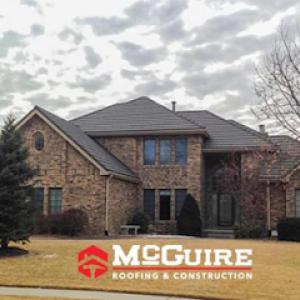
McGuire Roofing & Construction
(865) 338-7663 mcguireroofing.com
Serving
4.5 from 155 reviews
We repair and replace damaged roofs of houses and commercial buildings using some of the latest tools and equipment used by our highly skilled and trained staff. And to complement these expert roofing services, we offer gutter installation and Valor Gutter Guards as well, ensuring you have what you need to effectively direct rainwater away from your home. We are certified installers of GAF, JohnsManville, Durolast, Owens Corning, Certainteed and Tamko manufacturing.
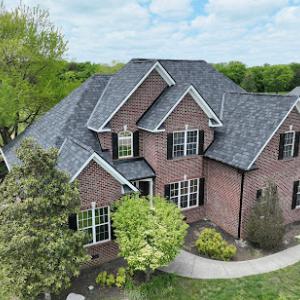
Perimeter Roofing
(865) 432-0262 perimeterroofing.com
Serving
4.9 from 82 reviews
At Perimeter Roofing, we pride ourselves on being Knoxville's go-to roofing company for all residential and commercial roofing needs. With a focus on quality craftsmanship, exceptional customer service, and timely project completion, we offer a full range of services, including inspections, repairs, installations, and maintenance, using only the highest quality materials and industry-leading techniques. Our team is equipped to handle everything from routine inspections to large-scale installations, making us the best roofing company for both residential and commercial clients in Knoxville.
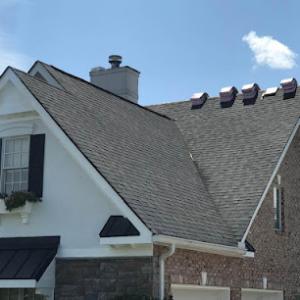
Cornerstone Construction Services
(865) 769-9920 cornerstoneconstructiontn.com
Serving
4.9 from 12 reviews
Cornerstone Construction Services, Inc. is a Master Elite Contractor through GAF, one of the largest roofing companies in the country. We also work with Versico and GenFlex for our roofing materials. We're able to offer excellent manufacturer warranties to our clients and specialize in insurance claims. We'll always advocate for you when negotiating with your homeowners' insurance. These are just a few of the reasons why we're the premier roofing contractor in Knoxville, Tennessee. We can't wait to hear from you, so call us today.
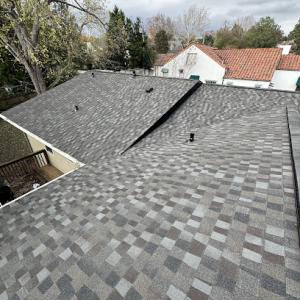
FG Roofing System
(865) 936-5080 fgroofingsystem.us
Serving
5.0 from 5 reviews
FG Roofing System has been serving the Knoxville area for over a decade, specializing in services like roof leak repairs, roofing replacements, and shingle installations. We cover 60 miles and offer free estimates to ensure every client gets the perfect roofing solution. Need a roofing expert? FG Roofing System provides exceptional roofing services such as EPDM roofing, TPO roofing, and metal roof repair. Available from 6 a.m. to 9 p.m. every day, we offer top-quality work at competitive prices. Call us for a free estimate
Lifetime Quality Roofing
(865) 902-7663 www.lifetimequalityroofing.com
Serving
4.8 from 74 reviews
Lifetime Quality Roofing Knoxville is a top-tier roofing company servicing Knoxville and the surrounding areas. With over 50 years in the roofing business, our professional roofers are committed to excellence and the best customer service in the industry. If you’re a homeowner or business owner looking for quality roofing in Knoxville, TN, we’ve got you covered. We've performed hundreds of roof installations & replacements for higher-value homes and businesses. We offer exterior insurance repair, storm-, wind-, and hail-driven roof replacements, & worn-out roof replacements. Whether you need your roof replaced or fixed, you can count on Knoxville Roofing Lifetime Quality for all of your roofing needs. Call us today for a free estimate!

Smith Roofing & Exteriors
(865) 507-0033 smithroofingservice.com
Serving
4.9 from 722 reviews
Smith Roofing & Exteriors is a certified roofer and Owens Corning Platinum Preferred Contractor, awarded to the top 1% nationwide. We have been family-owned and trusted since 2016 by homeowners in Knoxville, Maryville, Oak Ridge, and East Tennessee. As a full-service company, we offer roof replacements, inspections, and repairs, alongside siding repair, deck building, and gutter installation. All work is completed to code using strong materials backed by the industry's best warranties. || Free estimates • Licensed & Insured • Insurance Support • Storm Damage • Emergency Service. || Call today for a thorough inspection and our signature "Good-Better-Best" quote options.
Barnett Roofing
(865) 323-2402 barnettroofingknoxville.com
Serving
5.0 from 2317 reviews
Barnett Roofing, established in 1998 by David Barnett, is a trusted roofing contractor serving the Knoxville, Tennessee area. With over 20 years of experience, the company has earned the prestigious GAF Master Elite® Certification, a distinction held by only 3% of roofers nationwide. This certification reflects their commitment to quality craftsmanship and ongoing training in the latest roofing technologies. Specializing in residential roofing services, Barnett Roofing offers comprehensive solutions including roof replacement, repair, and installation of various roofing materials such as shingle, metal, slate, tile, and flat roofs. They service Knoxville, Maryville, Oak Ridge, Sevierville.
Spring and fall offer the most predictable conditions for a Farragut roof replacement. The heat of Knoxville summers is avoided, and the stretch of disruptive spring thunderstorms has typically eased by the time work starts. Schedule now for a calm week in late March or early May, or in October when daytime temps remain moderate and crews can work comfortably without heat fatigue. This timing also helps minimize wild swings in humidity that can affect adhesive cures and shingle alignment.
Summer humidity and high roof-surface temperatures in this area can hinder daily progress. On hot days, crews may start earlier to reduce heat exposure, take short breaks, and manage material handling carefully to prevent warping or premature aging of sensitive components. When lining up work for midsummer, expect potential delays after intense storms and plan for flexible start times, with a clear contingency in the schedule for high heat days or sudden downpours.
Winter cold spells can slow sealing and inspection timing, especially when ice or freeze-thaw conditions interrupt underlayment or the final sign-off. If winter weather moves in, temperature-sensitive tasks like shingle sealant and adhesive curing may be delayed. Have a back-up plan that accommodates shorter workdays and the possibility of postponing some steps until temperatures rise above a practical threshold. The goal is to avoid rushed work that could compromise a proper seal or wind uplift performance once spring arrives.
Coordinate closely with your contractor to target a window with two to four days of favorable weather, avoiding forecasts of back-to-back storms. Align delivery of long-lead items so they arrive just-in-time, reducing exposure to sun and heat on roof surfaces. Build in a buffer for late-season storms common in the region, so you're not forced into a rushed finish when a weather front passes. Confirm that ventilation, attic insulation, and drip-edge installation are integrated early in the sequence to prevent backtracking if a window shifts.
Make sure the crew understands your roof type and any seasonal concerns specific to your house. If your roof has skylights or venting that could be affected by temperature swings, flag these items in advance so they're addressed in the most stable part of the schedule. Ensure access to shaded staging areas for material breaks when summer heat climbs, and confirm that moisture barriers will be inspected thoroughly after any mid-season rain events. With a prudent plan, the best roofing season in Farragut becomes predictable, productive, and less stressful.
Asphalt shingles dominate the local housing stock because they fit the area's mainstream design and re-roofing workflows after storm damage are straightforward. They offer a familiar balance of performance, ease of installation, and versatility in color and style that suits most Farragut neighborhoods. When hail or high-wind events occur, asphalt can be repaired or replaced in sections without heavy disruption, and most crews can source matching colors quickly. For homes facing regular thunderstorms, consider a good impact-resistant (IR) or performance-rated shingle to improve longevity without sacrificing curb appeal. Regular inspections after severe weather help catch wind uplift or hail bruising early, minimizing the chance of interior leaks or interior-weathering around roof edges.
Metal roofs are a meaningful specialty in the contractor market, reflecting homeowner interest in durability and heat performance during hot East Tennessee summers. Metal performs well against wind-driven rain and hail when installed correctly, and it tends to shed heat more effectively, which can help with attic temps and overall cooling loads. In Farragut's climate, metal is worth considering if the home already has attic or venting upgrades in place, or if long-term low maintenance is a priority. Look for a roof with a sealed panel system, proper fastener corrosion protection, and a well-designed chimney and flashing plan to handle summer storms. A qualified installer should match panel profiles and gauge to the roof slope and structure to prevent issues with wind uplift and debris impact.
Tile and synthetic options appear in the market but are more specialized choices, making installer experience especially important when a Farragut home uses heavier or less common roof systems. Clay and concrete tiles bring a distinctive look and excellent longevity but require structural assessment due to weight, plus careful maintenance around branches and gutters. Synthetic or composite shingles offer some of the aesthetic flexibility of tile or slate with lighter weight and easier installation, which can be appealing in storm-prone environments. For these options, ensure the installation crew has recent experience with hail events and wind-rated underlayment, as improper installation undermines the performance benefits that tiles and synthetics promise. Proper nailing patterns, roof-to-wall transitions, and flashings are essential to resist the local thunderstorm patterns.
In the storm-heavy portion of the year, choosing a roof type with robust impact resistance and wind performance matters more than ever. Regardless of material, prioritize underlayment quality, attic ventilation, and appropriate sealing around vents, skylights, and chimneys. Regular post-storm inspections help identify bruising, lifted edges, or micro-cracks before they propagate into leaks. For homes gradually upgrading or replacing roof systems, balance weight, local crew experience, and long-term durability to meet Farragut's blend of sun, heat, wind, and hail exposure.
Re-roof projects in this area typically require a permit rather than being treated as informal maintenance. That distinction matters because pulling a permit creates a formal record of work, helps ensure the roof is done to code, and provides a clear path for inspections. If a storm damages the roof and you skip the permit step, you risk gaps in coverage eligibility with your insurer and potential fines or delays if a inspector discovers unpermitted work later. A permit also sets expectations for weather-related scheduling, since inspections can hinge on the project's pace.
The local process generally involves submitting project details along with contractor licensing information before work proceeds. You'll need a description of the roof type, the scope of work, any structural or decking changes, and the chosen materials. Have the contractor's license, insurance certificates, and a clear project timeline ready. Keep copies of all correspondence and receipts, and store them with your home records. If the project involves extensive deck repairs or board replacement, note those items in the submission so inspectors understand the full scope.
Inspections are commonly scheduled at underlayment or rough-in and again at final completion, and weather delays or unexpected deck repairs can shift the timing. In practice, storm-driven projects can see inspection windows compressed by wind and hail events, or stretched when crews encounter damaged decking or missing fasteners. Plan for at least one mid-project check to verify underlayment, flashing, and ridge venting are installed to spec. The final inspection confirms the system is weather-tight and compliant with local code. If a delay happens due to rain or a need to repair damaged decking, coordinate with the permit office and your contractor to adjust the schedule and maintain an accurate timeline.
As soon as you know you'll be replacing the roof, contact the local building department to confirm permit requirements and any neighborhood-specific rules. Ask for the permit number and retain it on-site, along with the inspector contact information and the scheduled dates. Before starting, verify that the contractor is licensed and carries the proper insurance, and request a preliminary inspection window if available. After completion, keep the final inspection report; it documents that the project met all structural and safety standards and can help prevent future disputes with insurers or lenders.
In the Knoxville area, hail and thunderstorm claims are common, and in this market roof age and material type can affect how smoothly a claim is handled after storm damage. Your insurer will review whether damage came from a storm or from aging shingles. A roofing contractor can help you tell the difference with a site visit soon after a hail event, ideally within 24 to 72 hours when shingles remain displaced or dented.
Because claims depend on clear documentation, take photos from multiple angles, including close-ups of hail impact and wind-lifted edges, and store them with dates. Keep records of any temporary repairs, tarps, and the dates you notified the insurer. If local inspectors are delayed by weather, a detailed photo log and a concise written description of the storm's timing and intensity can prevent confusion later when the file is reviewed.
Claim outcomes can depend on whether the roof shows clear storm-created damage versus age-related wear, making prompt local inspection and photo records especially important. Arrange a certified roof inspector or your chosen contractor to perform a rapid assessment after a storm, and provide the insurer with the inspector's findings promptly. Consistency between reported damage and repair history reduces back-and-forth and helps protect the claim's integrity.
In a market where storms are frequent, adjusters may request access to the attic, interior ceilings, and signs of leaks. Coordinate access and avoid withholding information about prior leaks or previous repairs. Honest documentation, timely communication, and a clear narrative of when the storm occurred will help the claim reflect the actual damage rather than a mismatch with the roof's condition.
In Farragut's storm pattern, wind-driven rain often exposes weaknesses first at flashing transitions, ridge areas, and roof penetrations rather than only on open field shingles. You will notice drips at where a chimney, vent stack, or dormer meets the deck, or along the vertical-to-horizontal transitions where metal step flashing should bend with the roof plane. A missed or poorly sealed transition can allow water to bypass the surface shingles and track into the attic quickly, especially when gusts push rain into seams that normally stay dry. Inspect after a heavy storm for staining along these edges, and during a roof evaluation, pay close attention to the condition of sealant at laps, around vent collars, and where metal flashings meet the roof deck. Even small gaps here can become persistent leaks over time.
Repeated hot-summer and occasional freeze cycles in the Knoxville area can accelerate sealant fatigue and reveal older underlayment problems during re-roof tear-off. The heat makes coatings and adhesives soften, then winter temperatures test them with contraction. If the existing underlayment has aged or was installed with marginal overlaps, you may see hairline cracks, wrinkling, or flared edges that flip up under wind gusts or hail impacts. During tear-off, note any soft or delaminated layers, especially under where the roof meets the eaves or around transitions to vents. A roof surface that seems sound in calm weather could show weaknesses once the old materials are exposed, making thorough deck inspection and proper nailing patterns critical to long-term performance.
Because many local contractors also mention chimney work and skylights, leak paths around masonry intersections and skylight flashing are practical trouble spots for Farragut homeowners to watch. Masonry joints can widen over time, allowing water to ride up the flashing and into the counterflashing if the sealant or mortar offers limited movement. Skylights bring additional perimeter seams that must accommodate expansion and contraction. When evaluating a roof, carefully assess the interface where these features meet the roof plane, looking for cracked sealant, lifted shingles nearby, and any corrosion on step flashings. Proactive flashing repairs in these zones often prevent small leaks from becoming widespread interior water damage.
Find contractors experienced in skylight installation, flashing, and leak repairs to bring natural light into your home.

Although steep-slope residential roofs dominate the streets of this area, the local contractor market still shows meaningful low-slope specialization for additions, porches, and attached structures. When a project touches a low-slope section, plan for a coordinated approach that treats it as part of the same re-roof, not a separate repair job later.
Heavy rain events in the Knoxville area make drainage performance especially important on low-slope sections that do not shed water like the main roof. Choose materials and a flashing plan that minimize ponding risk, and verify that transitions between the main roof and any low-slope area are sealed to resist wind-driven leaks. In Farragut's climate, a robust gutter and downspout layout matters more on these flatter areas, so ensure the drainage plan accounts for storms that briefly exceed typical rainfall patterns.
When selecting materials for a low-slope addition or porch, compatibility with the existing shingles is essential to prevent differential movement and wind issues. Consider closely matched profiles and compatible sealants at transitions. The installation should include a thorough edge treatment along rake lines and the perimeter where the low-slope surface meets walls, chimneys, or skylights, to avoid capillary wicking of moisture.
During a Farragut re-roof that includes both shingles and a low-slope area, coordinate the scheduling so two inspections can occur for the two assemblies. Ensure the contractor documents the scope for both sections and that inspection timing reflects the combined project. A unified plan helps prevent missed details and post-install gaps.
Find specialists in TPO, EPDM, and built-up flat roofing systems for residential and commercial properties.
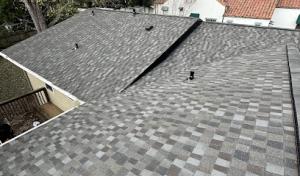
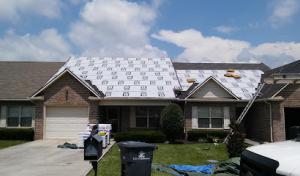
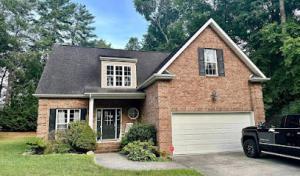
In this market, response time and thorough on-site work matter as much as the actual roofing material. Look for contractors who can schedule a storm-damage assessment within 24 to 48 hours after a thunderstorm event and who commit to securing the site promptly-tarps, debris containment, and daily cleanup during a job. Ask for a concrete plan: arrival window, daily cleanup steps, and a final walk-around to confirm all debris is removed. For occupied homes, prioritize crews that protect landscaping and driveways and that minimize disruption to family routines.
A noticeable share of contractors are well-established, while others compete on price. In practice, homeowners benefit from balancing tenure with responsiveness. Check how many re-roofs the firm has completed in the Fort Loudoun corridor and nearby neighborhoods with similar roof lines and attic venting. Request references, especially from homes with storm-related repairs, and verify that crews are seasoned with the same roof system you plan to install, whether asphalt, metal, tile, or composite. A long track record often correlates with smoother insurance documentation handling and fewer callbacks.
Storm restoration tends to generate debris and ladder traffic in tight Farragut lots. Ask about material handling plans, dumpster or bag waste containment, and scheduled cleanups at end of each workday. Confirm that the contract includes protection for landscaping, gutters, and neighboring properties. On busy project days, insist on dedicated debris control and a clearly marked, safe exit path for vehicles and pedestrians.
Because permit submissions typically involve contractor licensing information in this jurisdiction, homeowners should verify the roofer handling a project is prepared for the local permit and inspection process. Ask the contractor to outline the permit submission timeline, expected inspection milestones, and who will accompany inspections. Ensure the foreman or project manager is reachable for inspection-day questions and can provide a detailed inspection-ready packet. This readiness often speeds up approvals and reduces post-installation hold-ups.