
Last updated: Apr 19, 2026
This area sits on the Highland Rim in Middle Tennessee, and that geography shapes every storm. Spring and early summer bring severe thunderstorms with damaging straight-line wind, hail, and heavy rain-not the coastal hurricane exposure that might come to other regions. When a front moves through the Nashville-to-Chattanooga corridor, fast-moving convective systems can slam roofs with sudden force. That means a roof in this part of the country isn't just a one-shot investment; it's a shield that faces repetitive, fast-moving weather events. The risk isn't theoretical: shingles lift, flashing and ridge caps fail, and metal surfaces show exposed fasteners within minutes of a strong gust. If a storm comes through, the clock starts ticking on vulnerable spots that can turn into leaks in the attic and ceiling.
After a wind-driven rain event, look for telltale signs that are common in this area. Lifted asphalt shingle tabs are among the first indicators, often appearing in patches along ridges or near usual wind corridors around hips and valleys. A missing or damaged ridge cap is another red flag; the ridge line is a primary wind entry point, and once compromised, it can funnel moisture into the sheathing below. On metal roofs, the first sign of trouble is usually exposed fasteners or flashing that has pulled away from the panel edges. Those fasteners aren't merely cosmetic concerns-loose or missing fasteners create direct paths for water intrusion during the next storm. Leaks around penetrations-vent stack, plumbing, or chimney boots-often show up after a spring squall that brings both heavy rain and pressure changes. In neighborhoods with mixed materials, mismatched patches and inconsistent sealants can become moisture traps, hiding damage until a heavy rain forces the issue.
Being along the I-24 corridor between Nashville and Chattanooga puts every home on a regional storm track. Storms can arrive with little warning, driven by fast-moving convective systems. That means the damage pattern tends to be concentrated near exposed edges, ridges, and near penetrations where seals weaken first. In Manchester, many roofs on older houses with asphalt shingles will display multiple lifted tabs clustered on prevailing wind sides after a big thunderstorm. If aluminum gutters or metal roofs exist, they tend to reveal bent or popped fasteners along sections that faced the gusts most directly. In newer homes with synthetic or composite shingles, the failure often looks less dramatic at a glance but can yield softened edges along eaves where wind-driven rain defeats the underlayment. The bottom line: storms don't just rain on roofs-they test the whole envelope, from shingles to flashing to attic venting, and the pressure changes can push leaks toward interior ceilings even days after the event.
If a storm just passed, your first move is a careful exterior inspection from the ground. Note any lifted tabs, missing ridge caps, or suspicious gaps around penetrations. Do not climb onto a roof during or immediately after a thunderstorm; the combination of slick surfaces and wind-driven debris is dangerous. Document visible damage with photos, focusing on edges, ridges, penetrations, and any areas where flashing shows distress. If a leak is actively dripping, place a temporary container and protect contents below with towels or plastic sheeting, but avoid touching exposed wiring or outlets. When the weather clears, schedule a professional assessment quickly. A roofing contractor with experience in storm-related damage will understand the local wind patterns, material behavior, and how to trace leaks back to their sources, rather than treating the symptoms with patchwork that might fail in the next gust. Prioritize repairs that restore proper edge control, flashing integrity, and ventilation pathways, so the roof can resist the next round of Manchester's spring and early-summer storms.
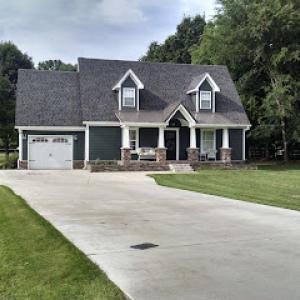
Gilday Construction Group
(931) 616-9414 gildayconstruction.com
519 E McLean St, Manchester, Tennessee
4.9 from 98 reviews
Fully licensed bonded and insured Family owned local company specializing in quality materials and quality workmanship. Located in the Nashville area of Middle Tennessee. Contact us for all your roofing, siding, decks, and exterior living needs.
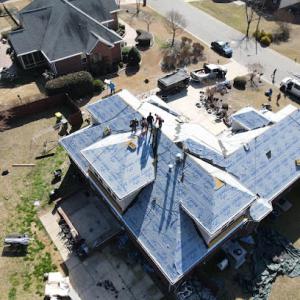
R&D Roofing
(931) 434-8413 rndroofingtn.com
Manchester, Tennessee
4.5 from 76 reviews
R&D Roofing is the trusted choice for top-tier roofing services in Manchester, TN. We specialize in a wide range of roofing solutions including emergency roof repair, residential roofing, roof installation, roof replacement, and thorough roof inspections. As experts in both metal roofing and asphalt shingles, our skilled team is equipped to handle storm damage repairs efficiently. Known for our exemplary craftsmanship and commitment to customer satisfaction, we utilize superior materials and innovative techniques to ensure your roof's durability and longevity. Discover the difference with the premier "roofer near me" and safeguard your home today.
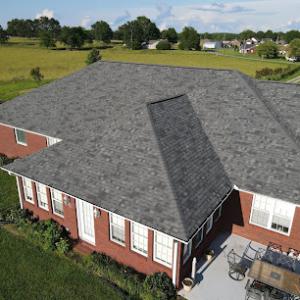
Elite Roofing & Restoration
(931) 208-0584 www.roofmyplace.com
Serving
4.8 from 92 reviews
We are your top choice for residential and commercial roofing services in Middle Tennessee. As a locally owned and operated company with a commitment to value, integrity, and quality, we will stand by our word and always get the job done right. We provide a range of exterior services in addition to metal and shingle roofing, to include gutters, siding, soffit & fascia, and exterior painting to ensure a personalized experience for each customer. You can count on us for any repairs, replacement, or maintenance, for your home. Our team of roofing experts is reliable and trustworthy. Contact us today for a custom quote!
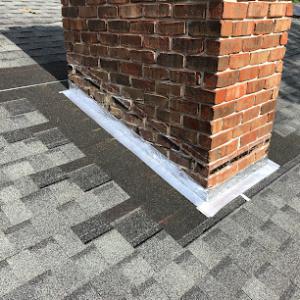
Johnson Construction
(931) 588-1496 www.johnsoncanfixit.com
Serving
5.0 from 10 reviews
We specialize in top quality and detailed workmanship. We offer roofing installation, roof replacement, roof repairs, doors installation and window installation. Another thing we pride ourselves in at Johnson Construction is storm damage & leak repair services.
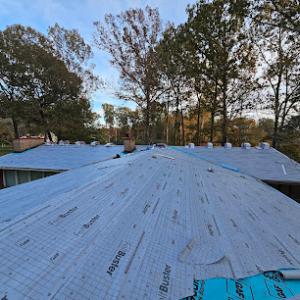
M & M Construction Group LLC - Your Roofing Gal
(931) 247-7575 yourroofinggal.com
Serving
5.0 from 8 reviews
Your Roofing Gal repairs/replaces shingle and metal roofing, repairs/replaces vinyl/Hardi siding and many more exterior remodeling needs. Local owned and operated with 20+ years in the construction industry
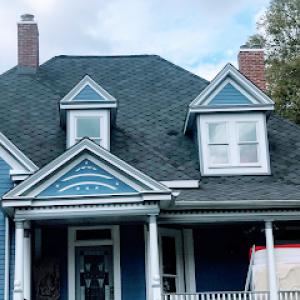
Bunn's Roofing
(931) 290-4017 bunnsroofpros.com
Serving
4.6 from 67 reviews
Bunn's Roofing provides roofing, gutters, and siding to the Tullahoma, TN area.

Blue Raider Roofing
(615) 203-9610 www.blueraidercontracting.com
Serving
5.0 from 81 reviews
Your roof is your home's main defense against the elements. Let us walk you through the best options to fit your needs and once you feel comfortable with your choice, we'll handle the complete installation. We are a Preferred Contractor of Owens Corning and can provide 5-10 year workmanship warranties backed by OC. Support a true TN local roofing company that truly wants to provide the best solution for your biggest investment.
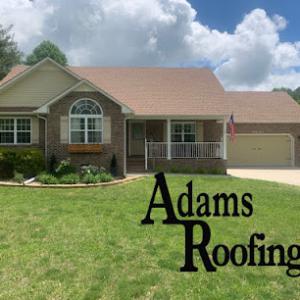
Adams Roofing
(931) 684-1463 adamsroofingtn.com
Serving
4.9 from 66 reviews
Adams Roofing, Inc. is a Shelbyville, Tennessee based roofing contractor specializing in residential and commercial roof repair and roof replacement. We can handle all your roofing needs, from minor roof repairs to complete roof replacement.
Tree City Metals
Serving
4.9 from 35 reviews
Metal Roofing, Pole Barn, Car Ports, Building Material Supplier

Graceco Roofing & Consulting
(615) 617-5600 gracecoroofing.com
Serving
5.0 from 27 reviews
Graceco Roofing & Consulting stands as a premier Middle TN authority for all your exterior needs. Specializing in both residential and commercial projects, they deliver exceptional roofing, siding, and gutter solutions. With a commitment to quality and lasting durability, Graceco also offers expert consulting for insurance claims, budgeting, and future planning, ensuring a confident and seamless experience for every client.

Oltman Roofing
(615) 893-7353 www.oltmanroofing.com
Serving
4.9 from 55 reviews
Founded in 2001, Oltman Roofing is a trusted name for residential and commercial roofing services across Middle Tennessee. As a locally owned and operated company, we are committed to providing home and business owners with peace of mind regarding their roofing and gutter systems.
Tipps Construction
(615) 796-5099 tippsconstructiontn.com
Serving
5.0 from 25 reviews
Tipps Construction, LLC. is a local roofing contractor with years of experience in the roofing industry. Whether you have experienced storm damage and need help with an insurance claim, or are simply looking for a repair, we offer services tailored for your specific situation. We also offer several other services for most exterior home projects. All inspections and estimates are free so call us today!
In Manchester, the Highland Rim climate means storm season has a strong pull on when a roof project can actually move forward. Spring and early summer bring severe thunderstorms that can interrupt tear-offs and delay dry-in schedules, so the timing of a replacement tends to be more volatile than in calmer seasons. Summer heat and humidity can push sheathing and underlayment handling into the late afternoon and early evening, and attic temperatures can spike if ventilation isn't up to par. Keeping a close eye on daily forecasts and having a flexible plan for weather gaps helps keep the project on track.
Fall often provides a practical foothold for installation in this area, with milder daytime temperatures and lower humidity than midsummer. That said, windy days are common enough that scheduling and material staging still need careful attention. A typical dry-in window in fall can be longer, but gusty afternoons can complicate nailing patterns and temporary protection. When planning a fall tear-off, coordinate with the crew to stage materials away from expected wind corridors and to secure underlayment and starter courses promptly each day. If a delayed dry-in stretches into late fall, consider prioritizing sections with the highest exposure first to minimize risk.
Hot, humid summers can make asphalt shingles more vulnerable to scuffing during installation and can intensify attic heat if ventilation is weak. This is a practical reason to align roof work with cooler parts of the day and to verify ventilation before any panel removal. If attic venting is inadequate, the risk of moisture buildup and deck warping rises during the heat peak, which can complicate the installation and affect long-term durability. During these months, ensure that the roof deck is inspected for any moisture damage from spring storms and that ridge and soffit vents are clear, so the shingle install can proceed without further delays.
A methodical approach helps hold a project together through the year. In spring, plan for a buffer on schedules and have a contingency for rain delays when arranging multiple courses of shingles or clay/concrete tiles, where weight and handling require coordination with staging areas. In fall, prioritize sections with the most wind exposure for finish timing, and keep tarps or windbreaks ready to shield exposed edges during short, gusty spells. Across all seasons, a steady cadence-clear confirmations with suppliers, staged deliveries during calmer spells, and daily wind checks-reduces the risk of material damage and rework.
Across the Highland Rim, proper ventilation and compliant nailing are not optional extras-they directly influence the success of any replacement project. Before work begins, confirm that the attic is breathable, with vents open and unobstructed. During installation, follow a disciplined nail pattern that matches the chosen shingle type and the local wind loads. If a gusty day arises mid-teardown, pause and secure loose decking and edge materials to prevent wind-driven lift. By aligning work phases with favorable weather blocks and ensuring attic ventilation, the roof can reach a durable finish despite Manchester's spring-to-summer storm risk.
The Highland Rim climate means storms roll in fast from the west, and Manchester experiences frequent hail events that slam neighborhoods hard. Here, roof performance hinges on wind resistance, proper venting, and nail patterns that stand up to repeated gusts and rapid temperature swings. When evaluating a roof, you're looking for systems that shed heavy rain quickly, resist granule loss after hail, and maintain integrity through thermal movement. A strong roof in this area is one that can absorb a direct hit from a thunderstorm and keep interior spaces dry while the surrounding landscape gets pounded with rain, wind, and lightning. Consider how well a chosen system handles shingle edge lift, nail retention, and edge protection at rake and eave lines, since those are common stress points in this region.
Asphalt shingles are common in this region because they fit the mainstream residential housing stock and lower upfront budgets. In Manchester, they are especially exposed to granule loss and wind creasing after Tennessee hail and thunderstorm events. When selecting asphalt, prioritize a wind-rated product and a roof deck with solid sheathing and full-coverage underlayment. Ensure nailing is performed per the local recommendations, with nails driven at the correct spacing and lengths to avert blow-offs during the next round of strong gusts. Regular inspection after major storms helps catch lifted tabs or missing granules before it becomes a bigger issue. If you notice accelerated granule loss, plan proactive replacement or reinvestment in a higher-quality asphalt line that uses advanced granule coatings and a thicker, more tear-resistant mat. This approach keeps maintenance manageable while preserving the protection the family needs during mid-spring through early summer storm cycles.
Metal roofing is a strong regional fit in Coffee County because it sheds heavy rain well and performs well against wind, but exposed-fastener systems need careful maintenance to avoid leak points after repeated thermal movement and storms. If choosing metal, look for standing-seam panels or properly sealed exposed-fastener layouts with premium gaskets and corrosion-resistant coatings. Keep an eye on fastener penetrations around vent stacks, skylights, and chimneys; thermal expansion and contraction can loosen those points over multiple hot-to-cold cycles. In a high-motion climate with frequent hail, metal's resilience is a core strength, but longevity hinges on a meticulous installation and a maintenance plan that includes resealing joints and inspecting flashings after major storms. A well-installed metal roof can outperform other options in longevity while offering excellent wind performance when edge flashing and panel laps are properly sealed.
Clay and concrete tile appear less often in Manchester than asphalt or metal and can be limited by structural load considerations and replacement-part availability in a market dominated by lighter roofing systems. Tile adds specific challenges: heavier roof decks require engineering review, faster wear at the edges where wind can pry tiles, and a longer lead time for matching replacements after hail damage. Availability of certain tile profiles and underlayment compatibility matters, especially if an initial tile choice encounters hail scars or broken Connections during later years. If tile is considered, ensure the structure is prepared for the added weight, and choose a system with proven impact resistance and a gapped, well-sealed installation to minimize wind-driven moisture pathways.
In this climate, your decision should balance local storm patterns with the house's existing structure. Look for roof systems that provide dependable wind resistance, strong granule protection, and reliable installation quality. You'll benefit from choosing materials that pair well with common Manchester housing layouts, where retrofit options and repair parts are readily accessible, and where crews understand the nuances of local weather behavior. After a hail event or severe thunderstorm, prioritize a thorough inspection and a plan that targets the most vulnerable areas-rakes, eaves, and penetrations-so your roof continues to perform when the next storm rolls through. Here in Manchester, the right roof is one that survives the season with minimal upkeep while protecting the home's interior against the region's notorious spring-to-summer weather swings.
A full re-roof in this area is not treated as a no-notice maintenance item. Instead, a building permit is required through the city building department. This means you'll submit plans and specifications for review before any tear-off begins. The permit process is designed to verify that ventilation, underlayment, and nailing patterns meet the local code and the department's expectations for storm resilience. Your contractor should be prepared to provide a scope of work detailing the roof system design, ventilation plan, and fastener layout, not just the color or style of materials.
When plans are submitted, the review centers on the scope of work and post-installation inspection items. Ventilation is checked to ensure attic airflow will support cooling and moisture control during humid Tennessee summers. Underlayment quality and installation method are assessed to resist wind-driven rain and hail damage. Nailing patterns are scrutinized to guarantee wind uplift resistance. Expect questions about attic vent placement, ridge vents, and overall roof geometry if a storm-prone area is involved. Workmanship details matter, because the post-installation inspection will verify that the finished appearance aligns with the approved method and that critical performance features are properly installed.
Plan review timing can vary with department workload, so expect administrative lead time before tear-off and installation dates are set. A backlog or staff constraint can shift start dates by days or weeks, which can impact the coordination with materials delivery and contractor schedules. It helps to line up a tentative tear-off window well in advance and communicate any flexible dates to the contractor. The goal is to avoid last-minute delays that push work into peak storm seasons or adverse weather windows.
After the project is underway, inspections follow a defined sequence: the rough-in at framing, then vapor barrier and underlayment verification, followed by the installed roof system inspection, and finally the ventilation and attic access checks. The inspector will compare the as-built installation to the approved plan, focusing on ventilation adequacy, underlayment coverage, and nail spacing or fastener type. Keeping a clean work site and an accessible attic space speeds up the process and reduces the chance of avoidable rework.
Coordinate with the contractor to submit the plan package early and confirm which documents the city requires. Have a clear change-control process in case a decked or vent-related modification becomes necessary. If a storm or wind event is imminent, do not delay permit pulls or inspection scheduling; timely approval helps ensure compliance and reduces the risk of rushed decisions during active outage periods. This city's approach prioritizes sustained performance over quick cosmetic fixes, so attention to installation details pays off in the long run.
The local material ranges you'll see are Asphalt Shingles 350 to 700 USD per square, Metal Roofing 800 to 1500, Clay Tile 1000 to 2300, Concrete Tile 800 to 1400, Wood Shingles/Shakes 600 to 1100, and Synthetic/Composite Shingles 500 to 900. These figures reflect what homeowners in this area typically pay when storm damage or new installs are factored in. If your roof is a standard rectangular shape with a 20-30-year life expectancy, you'll notice the biggest swings come from material choice and the complexity of the roof itself rather than a single line item.
Manchester homeowners can see pricing pressure after regional hail and wind events because contractor schedules tighten across Middle Tennessee and material lead times can lengthen during claim surges. When storms hit, you're often balancing shorter windows for tear-off and replacement with the backorder risk on popular materials. If you're facing a rapid timeline, you may encounter higher labor rates or expedited shipping fees. Expect some fluctuation in both material and labor costs in the weeks following a major hail event.
Costs can also shift based on whether the home has steeper residential rooflines common in the region, whether damaged decking is discovered after tear-off, and whether the timing of a job aligns with busy crews. Steep pitches add safety gear and longer installation times, which nudges you toward the upper end of the range for any chosen material. If tear-off reveals compromised decking, expect a separate line item to replace or upgrade sheathing. If the roof is relatively simple and decked well, savings are more likely.
Choosing asphalt shingles keeps initial costs lowest, but may incur higher long-term maintenance if wind resistance isn't up to the demand of severe spring-to-summer storms. Metal roofing fits the climate well for durability and wind resistance but sits in the mid-to-upper price range. Clay and concrete tiles offer strong hail resistance and longevity, yet their weight and installation demands push per-square costs higher. Wood shingles and synthetics each bring distinct aesthetics and performance profiles, with wood needing careful maintenance in humid periods and synthetics offering balanced cost and durability.
Finally, scheduling dynamics matter. A dense storm season can compress crew availability, especially for roof tear-offs that require insulation and safety planning. If your project timeline overlaps peak demand, you may see small but meaningful increases in daily labor costs and potential delays. Plan with a few flexible weeks in mind and discuss options for staggered replacement if a quick repair isn't critical.
Locally, Manchester homeowners are in a Tennessee insurance environment where hail and wind claims are common enough that roof age, material type, and documentation quality can affect claim outcomes. In storms that roll through the Highland Rim, insurers can tighten scrutiny when a roof shows its age or when materials differ from the original installation. That means a newer roof can weather a claim more smoothly than an older one, and a well-documented history often matters as much as the visible damage.
Because statewide carrier tightening has affected some Tennessee markets, homeowners in Manchester should expect more scrutiny on older roofs and should document storm dates, exterior elevations, interior leaks, and contractor findings carefully. Collect photos that show the roof from multiple angles, attic moisture indicators, and any interior staining that lines up with a recent storm. Keep contractor estimates organized with dates and clear notes about warranty status, retrofit steps, and observed fastener patterns. A tidy file with dates, weather reports, and a timeline of shimmered or missing shingles can prevent delays when insurers request proof.
In a storm-prone market like Manchester, insurer requests for photo evidence and contractor estimates are especially important when damage is intermittent or limited to slopes facing prevailing storm exposure. If a single slope shows new granule loss or scuffing after a heavy squall, document that angle and compare it to other elevations. Be prepared to share both exterior evidence and any interior impact notes, as gaps between visible damage and leaks can complicate a claim. Having your contractor's findings aligned with storm timestamps helps connect the dots for the adjuster.
The humid summer conditions and thunderstorms around this Highland Rim area push attic temperatures high and humidity up, which can shorten shingle life and make the attic feel hotter. Trapped heat and moisture in the attic can accelerate deck aging and lead to uncomfortable upstairs areas. In this climate, venting isn't a luxury; it's a roof-life factor that affects both longevity and daily comfort.
When replacing a roof, expect venting details to be part of the approval conversation, not a lipstick-on-a-packet upgrade. A proper plan includes measurements and placement for soffit intake and ridge or turbine exhaust, with attention paid to how the attic space actually breathes. Scheduling a moment to confirm these elements with the installer helps avoid gaps that could compromise performance once the heat and humidity roar back in midsummer.
Poor ventilation in these homes often shows up as premature shingle aging, higher attic temperatures, and moisture-related issues after the region's warm-season humidity swings. If the attic feels muggy even with a fan on, or if you notice dark spots and mildew near vents, it's a cue to recheck intake and exhaust balance. Likewise, warped or cupped shingles can signal heat buildup underneath, not just wind or hail damage.
Start by confirming a balanced venting plan: adequate soffit intake, sufficient ridge or other exhaust, and a clear path for air to flow from bottom to top. Check that attic hatch seals well but does not block airflow. Ask the crew to inspect baffles, insulation contact with vents, and any potential obstructions that could trap heat. Finally, request a brief post-installation walk-through to verify venting paths and attic comfort after the roof is back in service.