
Last updated: Apr 19, 2026
Spring storms roll off the Highland Rim with heavy rain and gusty winds that slice through shingles and shove water where it shouldn't be. In this area, the threat isn't a rare fluke - it's a recurring pattern that tests the integrity of steep-slope roofs every year. The humidity season means roofs endure repeated wet-dry cycles, so heat, expansion, and contraction become a daily factor. If your roof sits under a storm-driven sky for just a few minutes, a loose edge or a cracked flashing can cascade into interior leaks and accelerated wear. This isn't theoretical: a single strong gust or a downpour can expose flashing seams, vent collars, and ridge lines that were never fully sealed to begin with.
The humid subtropical climate keeps roofs in a perpetual cycle of dampness, drying, and re-wetting. That makes wind-driven rain intrusion and moisture retention more relevant than snow load concerns. Shingles that look fine after a storm may still have micro-cracks or lifted edges that invite water behind the surface. Over time, repeated exposure to moisture and sun creates a brittle edge that can fail under the next big wind gust. Pay attention to the undersides of overhangs and drip edges during inspection windows after storms - those are often the first places water sneaks in if the roofline isn't sealed correctly.
Being inland and elevated changes the risk profile compared to coastal areas. Thunderstorms, hail, and wind become the primary adversaries, not hurricane surge or salt-air corrosion. That means you should prioritize flashing integrity, ridge vent performance, and the roof-to-wall connections in your maintenance routine. A perennial sharp breeze across the Highland Rim can pry loose fasteners and bend flashing in ways that aren't immediately visible from ground level. If your roof has aging valleys or a history of minor leaks around vents, storms will amplify those weaknesses quickly.
After every significant rain or wind event, walk the roof only if it's safe to do so and you have a sturdy ladder. Look for lifted shingles, especially along edges and near chimneys, vents, and skylights. Run your hand along the flashing at transitions to ensure it stays flush; a gap here can channel water straight into attic spaces. Inspect dormer connections and the uppermost edge of valley flashings where water concentrates during downpours. If a spot shows even slight lift or feels loose when pressed, treat it as an urgent fix rather than a cosmetic concern. In the attic, check for damp insulation or musty smells that indicate water intrusion. Early detection saves a lot of angst during the next storm.
Begin with a professional roof check that emphasizes wind-driven rain resilience. Prioritize confirming flashing integrity around chimneys, vents, and skylights, and verify that ridge vent systems are properly sealed and unblocked. If you're replacing or upgrading, consider shingles and underlayment that offer stronger wind resistance and better moisture wicking. Ensure stepping and counter-flashing are coordinated where the roof meets the wall to minimize rain intrusion at transitions. Maintain gutter performance, because clogged or sagging gutters allow roof runoff to back up and seep under edges during heavy downpours. A well-sealed edge and a properly functioning gutter system act as the first line of defense against the most common storm-related failures in this area.
Think of your roof as a shield that must adapt to a climate with intense storms and high humidity. Pick materials and configurations that tolerate repeated wet-dry cycles without sacrificing edge protection or flashing adhesion. If you've noticed a pattern of small leaks near flashings after storms, prioritize remedial flashing work and edge sealing before the next severe system hits. Schedule periodic checkups after major storm events and before the peak storm season to stay ahead of aging seals. A proactive approach to wind and rain resilience is your best defense against moisture intrusion and the cascading costs that follow.
Asphalt shingles are common locally because they fit the area's typical residential roof forms and price expectations. However, in humid summers with heat bouncing off a Highland Rim landscape, asphalt can suffer granule loss and algae staining if attic ventilation isn't adequate. When you're evaluating a re-roof or a new build, prioritize a shingle with enhanced algae resistance and a color that minimizes heat absorption. Pair the shingles with a well-sealed underlayment and a ventilation plan that brings in cool air from eaves and exhausts hot air near the ridge. In older homes with limited attic space, consider bright-soiled vents or additional soffit ventilation to slow moisture buildup that accelerates granule shedding.
Metal performs well in the frequent rain that crosses this region because it sheds water quickly and maintains a cooler surface when properly vented beneath. The hot Tennessee summers make thermal movement a real factor, so installers must detail fasteners, penetrations, and transitions carefully. Look for through-fastened or hidden-fastener systems that include proper sealing at all hips, valleys, and ridge lines. For steep-slope roofs, ensure flashing around chimneys, skylights, and parapet edges is integrated with a deliberate slope to shed water away from critical seams. A careful metal install reduces wind-driven rain infiltration during storm events and helps a roof last through the humidity cycle.
Clay tile and fiber cement are available but are less typical for the area's mainstream housing stock, so homeowners may face a smaller local installer pool and more coordination on structural or detail work. Clay tile adds weight and requires a sturdy deck and underlayment compatibility with the tile's movement. Fiber cement offers durability with a more modest weight than tile and can be a practical mid-range option, but installation details matter as much as the material itself. Expect more attention to rake edges, hip caps, and valley lining to handle both wind and rain exposure on steep slopes.
EPDM is mainly relevant for low-slope sections such as porches, additions, and some commercial-style roofs in this region, where standing water management and seam quality matter more than wind uplift on steep slopes. For a traditional steep-slope home, EPDM is typically not the first pick, but it can be a practical choice for flat transitions or roofed patios that require reliable seam integrity and long-term waterproofing.
Synthetic and composite shingles can appeal to homeowners wanting upgraded appearance with lower weight than tile, yet their value hinges on installer familiarity and manufacturer-approved installation details. In Tullahoma, verify that a chosen product has proven performance under heat and humidity and that the contractor can execute the recommended nailing patterns, ventilation considerations, and flashing details without cutting corners. The best results come from a installer's clear adherence to the manufacturer's guidance, especially around hips, ridges, and transitions where heat-driven movement is pronounced.
In this area, the typical cost landscape is driven by material type and roof complexity. Asphalt shingles run roughly 350-700 USD per square, metal 550-950 USD per square, clay tile 900-1500 USD per square, synthetic/composite 500-900 USD per square, fiber cement 700-1000 USD per square, and EPDM at about 4-8 USD per square foot. These ranges reflect common product choices on the Highland Rim where weather and aging roofs push replacement decisions. When a project includes mixed roof geometry, expect to see elevated waste and flashing costs that can nudge the final bill upward within those ranges.
Storm-driven demand spikes in southern Middle Tennessee can push pricing and lead times higher after spring wind and hail events, especially for asphalt shingle replacements. In this niche market, timing matters: a sudden rush after a big storm can tighten crews and drive up labor costs, while drier, calmer months may offer more predictable scheduling. If a roof is planned for the window between storm seasons, expect some fluctuation in both price and availability as crews calibrate calendars around local demand cycles.
Permit processing can stretch start dates, but here the emphasis is on practical scheduling reality. Homeowners trying to replace a roof between storm seasons may pay more for rush scheduling or temporary dry-in measures to protect the home during the interim. If flexibility is limited, anticipate higher unit costs for expedited materials and labor. Planning a project with a built-in buffer for weather and crew availability helps keep the project moving without abrupt price spikes.
Costs can rise when homes have mixed roof geometry common in established Tennessee neighborhoods, where valleys, dormers, porches, and tie-ins increase flashing labor and waste. A straightforward shed roof costs less than a multi-hip roof with numerous penetrations. For rough estimates, consider added waste and flashing as the margin you can't avoid with complex designs, which nudges the total toward the higher end of local ranges.
Material choice affects local labor availability: asphalt and metal usually have the broadest installer base in the area, while tile, fiber cement, and some composites may carry higher labor premiums because fewer crews specialize in them. If a homeowner prioritizes a tile or fiber cement look, budget for potentially longer lead times and fewer bid options, with correspondingly higher labor quotes in some cases.
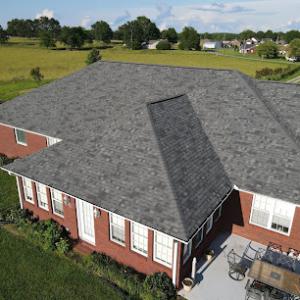
Elite Roofing & Restoration
(931) 208-0584 www.roofmyplace.com
1100 E Decherd St, Tullahoma, Tennessee
4.8 from 92 reviews
We are your top choice for residential and commercial roofing services in Middle Tennessee. As a locally owned and operated company with a commitment to value, integrity, and quality, we will stand by our word and always get the job done right. We provide a range of exterior services in addition to metal and shingle roofing, to include gutters, siding, soffit & fascia, and exterior painting to ensure a personalized experience for each customer. You can count on us for any repairs, replacement, or maintenance, for your home. Our team of roofing experts is reliable and trustworthy. Contact us today for a custom quote!
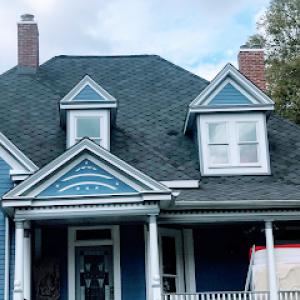
Bunn's Roofing
(931) 290-4017 bunnsroofpros.com
200 Overby Trail, Tullahoma, Tennessee
4.6 from 67 reviews
Bunn's Roofing provides roofing, gutters, and siding to the Tullahoma, TN area.
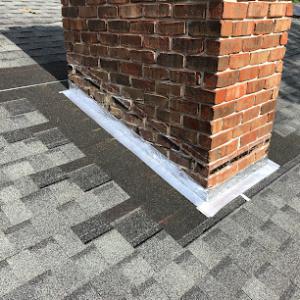
Johnson Construction
(931) 588-1496 www.johnsoncanfixit.com
960 Ledford Mill Rd, Tullahoma, Tennessee
5.0 from 10 reviews
We specialize in top quality and detailed workmanship. We offer roofing installation, roof replacement, roof repairs, doors installation and window installation. Another thing we pride ourselves in at Johnson Construction is storm damage & leak repair services.
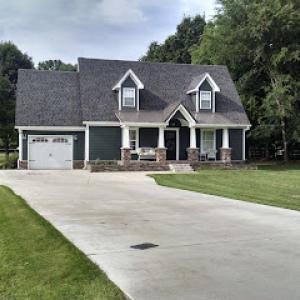
Gilday Construction Group
(931) 616-9414 gildayconstruction.com
Serving
4.9 from 98 reviews
Fully licensed bonded and insured Family owned local company specializing in quality materials and quality workmanship. Located in the Nashville area of Middle Tennessee. Contact us for all your roofing, siding, decks, and exterior living needs.
R&D Roofing
(931) 434-8413 rndroofingtn.com
Serving
4.5 from 76 reviews
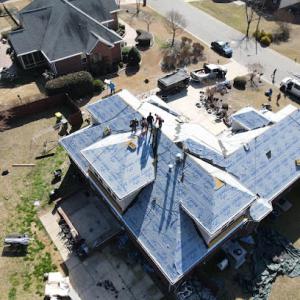
R&D Roofing is the trusted choice for top-tier roofing services in Manchester, TN. We specialize in a wide range of roofing solutions including emergency roof repair, residential roofing, roof installation, roof replacement, and thorough roof inspections. As experts in both metal roofing and asphalt shingles, our skilled team is equipped to handle storm damage repairs efficiently. Known for our exemplary craftsmanship and commitment to customer satisfaction, we utilize superior materials and innovative techniques to ensure your roof's durability and longevity. Discover the difference with the premier "roofer near me" and safeguard your home today.
Adams Roofing
(931) 684-1463 adamsroofingtn.com
Serving
4.9 from 66 reviews
Adams Roofing, Inc. is a Shelbyville, Tennessee based roofing contractor specializing in residential and commercial roof repair and roof replacement. We can handle all your roofing needs, from minor roof repairs to complete roof replacement.
M & M Construction Group LLC - Your Roofing Gal
(931) 247-7575 yourroofinggal.com
Serving
5.0 from 8 reviews
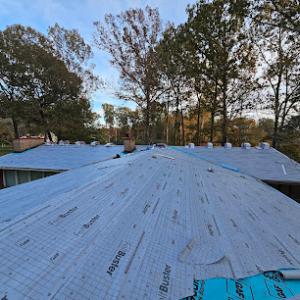
Your Roofing Gal repairs/replaces shingle and metal roofing, repairs/replaces vinyl/Hardi siding and many more exterior remodeling needs. Local owned and operated with 20+ years in the construction industry

Blue Raider Roofing
(615) 203-9610 www.blueraidercontracting.com
Serving
5.0 from 81 reviews
Your roof is your home's main defense against the elements. Let us walk you through the best options to fit your needs and once you feel comfortable with your choice, we'll handle the complete installation. We are a Preferred Contractor of Owens Corning and can provide 5-10 year workmanship warranties backed by OC. Support a true TN local roofing company that truly wants to provide the best solution for your biggest investment.
Graceco Roofing & Consulting
(615) 617-5600 gracecoroofing.com
Serving
5.0 from 27 reviews
Graceco Roofing & Consulting stands as a premier Middle TN authority for all your exterior needs. Specializing in both residential and commercial projects, they deliver exceptional roofing, siding, and gutter solutions. With a commitment to quality and lasting durability, Graceco also offers expert consulting for insurance claims, budgeting, and future planning, ensuring a confident and seamless experience for every client.
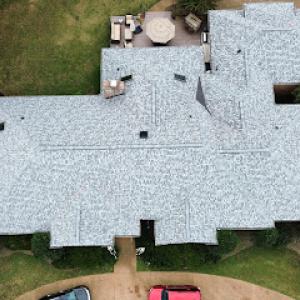
Tipps Construction
(615) 796-5099 tippsconstructiontn.com
Serving
5.0 from 25 reviews
Tipps Construction, LLC. is a local roofing contractor with years of experience in the roofing industry. Whether you have experienced storm damage and need help with an insurance claim, or are simply looking for a repair, we offer services tailored for your specific situation. We also offer several other services for most exterior home projects. All inspections and estimates are free so call us today!

Oltman Roofing
(615) 893-7353 www.oltmanroofing.com
Serving
4.9 from 55 reviews
Founded in 2001, Oltman Roofing is a trusted name for residential and commercial roofing services across Middle Tennessee. As a locally owned and operated company, we are committed to providing home and business owners with peace of mind regarding their roofing and gutter systems.
Porter Roofing Contractors
(931) 668-2298 www.porter-roofing.com
Serving
3.7 from 29 reviews
"Porter Roofing has blueprinted an innovative culture throughout our company, placing special emphasis on the welfare and safety of everyone involved with any roofing project we undertake. We have provided OSHA’s 40-hour safety program and CPR training for all of our key employees so that every crew is staffed with at least one safety team leader. Although our safety program exceeds roofing industry standards, we continually seek ways to implement new ideas and procedures. We strongly promote quality craftsmanship and training for all our employees and demand from them the best in quality workmanship. Our roofing crews are professionally trained through close partnership with state-of-the-art roofing manufacturers."
In this area, a full re-roof typically requires a permit through the city's Building Department rather than being treated as a no-paperwork job. The process is designed to ensure that steep-slope roofs, which face storm-driven wind and rain exposure, get reviewed for proper underlayment, fasteners, and flashing before new materials go on. You'll want to plan for that permit path from the start rather than assuming instant access to the project.
The local process generally involves plan or project review, fee payment, permit issuance, then inspections after tear-off and underlayment and again at final completion. The plan review helps confirm that the chosen roofing system, fastener schedule, and flashing details align with the Highland Rim climate and the neighborhood's typical roof pitches. Expect to submit roof plans, which may include a sketch of the existing structure and the proposed materials, along with any attachments for adjoining structures.
Processing often takes about 1-2 weeks depending on department workload, which makes permit timing a real scheduling factor during busy storm-repair periods. If a storm pushes a lot of roofs at once, delays can slip into the plan review or inspection slots. Building officials in this part of Tennessee typically want to see that temporary roof protection is in place during tear-off and that the new system will hold up through humid summers and seasonal wind events.
Because there is an inspection before final completion, homeowners should expect the roof to be staged in phases rather than assuming a one-visit signoff. The first phase commonly covers tear-off safety and deck condition, the second verifies proper underlayment, ice and water shield where applicable, and starter and overhang details, with a final inspection once the new roof is shingled and all penetrations are sealed. If a slope, vent stack, or flashing detail hasn't been fully coordinated, an inspection hold can delay final approval, so keep the project aligned with the permit scope throughout.
Tullahoma homeowners should confirm whether detached structures, additions, or low-slope sections are included on the same permit scope so inspection delays do not hold up final approval. If a detached garage or porch roof is tied to the same permit, verify it's included in the review to avoid fragmented inspections and scheduling hiccups. Clear communication with the Building Department during planning helps keep weather-driven timelines more predictable.
Tullahoma homeowners operate in a Tennessee insurance environment where rising regional storm activity has increased scrutiny of roof age, prior damage, and maintenance history. Carriers serving this market often want photos, contractor documentation, and invoices, so document damage immediately after spring wind or hail events before temporary repairs obscure evidence. If a roofer boards or tarps a section, you still want clear before-and-after photos that show the roof's condition prior to any temporary fixes. This is not a call to panic, but it is a reminder to keep a truthful record that can stand up to insurer review.
Because insurers have tightened some hail- and wind-damage standards in Tennessee, homeowners in this area should separate sudden storm damage from long-term wear issues such as algae staining, heat aging, or deferred flashing maintenance. Algae can mask or mimic wear patterns, but it does not equal storm damage. Conversely, a spring wind event can lift shingles or loosen flashing in ways that aging roofs may not recover from. Clearly identifying what caused the issue helps prevent delays or misclassifications during claims processing.
Recent inspection records can matter more in this market, especially for older roofs where underwriters may question continued coverage or replacement cost terms. If there have been prior inspections, keep those reports accessible and organized-date stamps, observed deficiencies, and recommended repairs. When a claim involves an older roof, be prepared to show how the roof has performed since the last major service, including maintenance history and any corrective work done after previous events.
After a storm, perform a careful walkaround with a notebook or camera, noting any loose flashing, lifted edges, or missing granules. Photograph from multiple angles and capture attic signs if visible, such as daylight through decking or moisture stains. Share these records promptly with your insurer and your chosen contractor. Timely, transparent communication reduces back-and-forth and helps ensure that the claim reflects the roof's true condition rather than a rushed aftertaste of the event.
Spring in town brings the highest disruption risk from heavy rain and gusty winds, so projects started then need stronger contingency planning for tear-off and dry-in. When selecting roofing windows, prioritize units with laminated glass and impact-rated glazing designed to resist blow-off and hail at the typical angles a steep-slope roof experiences. Look for curb-mounted or deck-mounted skylights with reinforced frames and corrosion-resistant fasteners, plus flashing that seals cleanly against a high-wind, wet surface. Consider venting options that can be closed securely during heavy rainfall to keep interior spaces dry without sacrificing ventilation once the weather settles.
Hot, humid summers can speed installation but also increase heat exposure on underlayment and shingles, making crew timing and material handling more important on Tennessee job sites. Choose windows with low-emissivity coatings to cut solar heat gain and reduce ceiling temperatures below the roof deck. During installation, ensure a full-coverage underlayment and compatible flashing that bridges any wind-driven rain paths around hinges and vents. In humid months, schedule the first dry-in window early in the day and aim to finish sealing the roof after peak heat to minimize thermal movement affecting seals.
Fall can be productive for roofing in town, but passing fronts still bring wind and rain interruptions that can compress schedules before winter. Opt for skylights with reinforced gaskets and pre-installed water channels to channel incidental rain away from the flashing. Verify that the roof penetrations match the existing deck framing to avoid over-tightening screws that might warp flashing under shifting autumn winds. Have a contingency plan for temporary weather protection if a storm rolls through mid-install.
Winter is usually milder than northern markets, yet occasional freezes still reduce workable days and can slow seal-down and outdoor labor. When temperatures drop, use sealants rated for low temperatures and ensure flashing remains flexible to accommodate freeze-thaw cycles. Regular post-install inspections after strong cold snaps help catch any micro-leaks before heavy winter rains return.
The most common local failure pattern is storm-related shingle damage followed by leaks at flashing points, valleys, and roof penetrations after wind-driven rain. In this climate, gusts can lift edges or loosen fasteners on steep slopes, and the resulting gaps let rain intrude into attic space and ceilings. You'll often notice small leaks that appear after a brief, intense storm rather than a steady drip, which means the roof's edge details and where shingles meet vents deserve extra attention. A careful after-storm inspection should focus on lifted tabs, exposed fasteners, and any dislodged sealant around pipes and transitions.
In humid summers, dark streaking and biological growth are common homeowner complaints on asphalt roofs, especially on shaded slopes that stay damp longer. Algae, moss, and mold don't just look unsightly; they can trap moisture and deteriorate shingles faster, accelerating wear under wind-driven rain. If growth is allowed to persist, it can compromise the protective granules and create microchannels that funnel water to the underlayment and rafter deck. Regular cleaning, gentle brushing, and timely treatment with appropriate products help slow down this cycle, but aggressive coverage and heavy thatch should prompt a closer look at the roof's ventilation and insulation.
Repeated moisture exposure can turn small workmanship defects into active leaks faster than in drier climates, so underlayment laps, pipe boots, and wall flashing details are especially important in this region. A marginal seal around a vent boot or a wrinkled underlayment lip at a wall intersection can become a leak path after a windy rain event. Look for loose or cracked flashing at penetrations, improper lapped seams, and any signs of water staining near roof-to-wall junctions. Address those weak spots promptly to avoid cascading damage.
Low-slope EPDM sections on additions or porch roofs are prone to seam and drainage issues if they are treated like steep-slope systems during repair. Standing water or improper seam overlapped placement can invite leaks, especially where debris traps moisture or where flashing transitions to steeper roofs fail to shed runoff effectively. When planning repairs, distinguish between steep-slope and low-slope details, and ensure seam integrity and drainage are rechecked after any storm-driven work.