
Last updated: Apr 19, 2026
Central Texas spring storms are a major trigger for sudden roof damage in Bastrop and often disrupt contractor schedules at the same time demand spikes. Summer-ready roofing isn't enough when a deluge of hail and high winds hits the Lost Pines corridor. The risk isn't just shingle punch-through or exposed decking; it's the cascade of leaks that follow a sharp storm, plus delayed repairs that can invite further damage. Your roof, gutters, and attic ventilation all feel the pressure when a storm arrives on a weekend or a holiday. The window for timely recovery is small, and delays compound risk for interior damage and mold.
When a spring storm blows through, treat any suspicious roof marks as urgent. If you notice granule loss, dented metal, cracked shingles, or shingles peeled back at valleys, address it as an emergency. In Bastrop, quick-response emergency leak control matters because emergency repair and storm damage services are both strongly represented among area contractors. Do not delay pinching off leaks with temporary tarps or plywood if active leakage is visible. The goal is to stop the torrent, protect possessions, and buy time to secure a formal assessment. If a leak is active, place a bucket under the drip and place towels or a tarp where water streams first hits the interior. Move valuables away from affected areas and document the scene as soon as it's safe to do so.
Local insurance activity rises after hail and wind events, so Bastrop homeowners need dated photos, repair history, and documentation ready before adjuster inspections. Photograph damage from multiple angles: roof edges, shingles with granules in gutters, flashing around chimneys, skylights, and any interior water intrusion. Keep a simple log of storm dates, times, and observed damage, plus notes on prior repairs or known issues. A basic repair history-what was fixed previously, when, and by whom-helps adjusters see the full picture quickly. If a contractor has already provided an assessment, save that report and any smartphone video showing the progression of damage after each storm. Insurance adjusters in this market tend to value timeliness and clarity, so your organized file can shorten the approval window and prevent repeated site visits.
Spring loadouts in Bastrop mean contractor calendars fill fast. Prepare for potential scheduling gaps by identifying a few trusted companies now, not after the storm. When you call, explain the severity, the date of the storm, and any leaks you've documented. Ask about emergency response readiness-how quickly they can stage a tarp, seal a leak, and begin a more permanent repair. If a contractor detects structural damage or compromised decking, expect a temporary stabilization plan while a longer-term repair is scheduled. Understanding this sequence helps you align expectations and reduces the chance of miscommunication when a storm's aftermath creates a surge of demand.
Wildfire-aware settings near the Lost Pines mean a resilient approach matters. Consider reinforcing vulnerable areas like flashing and valleys, choosing durable materials suited to Central Texas heat and hail exposure, and establishing a response plan with a preferred roofing team. The goal is to minimize downtime and disruption when spring storms return, so you're not scrambling to secure last-minute repairs right after the hail hits. Stay ready with clear damage records, a prioritized action list, and a trusted local crew you can mobilize at short notice.
Find local contractors experienced in assessing and restoring roofs after hail, wind, and severe weather events.
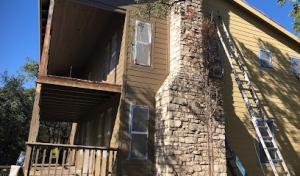
Capital of Texas Roofing & Siding
(512) 385-1336 www.capitaloftexasroofing.com
1604 Industry Dr, Bastrop, Texas
4.9 from 91 reviews
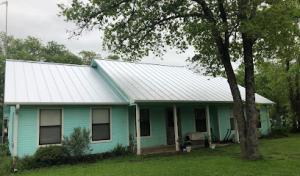
Revolutionary Roofing & Restoration
(512) 308-9383 revolutionary-roofing.com
125 Manawianui Dr, Bastrop, Texas
5.0 from 31 reviews
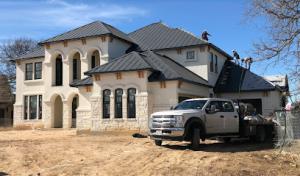
CV Roofing
(512) 629-4435 cvroofingllc.com
1106 College St Suite E7, Bastrop, Texas
4.8 from 58 reviews
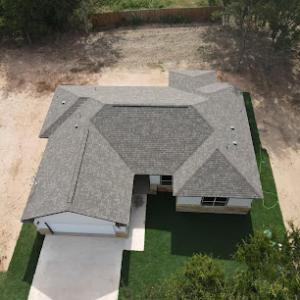
Spade Roofing & Gutters
(512) 237-8620 www.spaderoofing.com
702 Chestnut St #110A, Bastrop, Texas
4.9 from 109 reviews
WELCOME TO SPADE ROOFING AND EXTERIORS Spade Roofing and Exteriors is owned and operated by Ace and Courtney Fierro. Both Ace and Courtney are graduates of Smithville High School and Texas A&M University. Ace meets with every customer to discuss projects and Courtney handles all the business paperwork behind the scenes. Spade Roofing and Exteriors operates in Smithville and services all of the surrounding areas. Our mission is to provide homeowners with the best quality workmanship using the best materials in the industry.
Capital of Texas Roofing & Siding
(512) 385-1336 www.capitaloftexasroofing.com
1604 Industry Dr, Bastrop, Texas
4.9 from 91 reviews
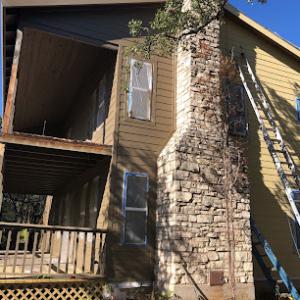
We do all types of roofing from new construction to repairs. We also do siding, exterior house painting, and gutters. We also erect outdoor kitchens and install driveways.
Revolutionary Roofing & Restoration
(512) 308-9383 revolutionary-roofing.com
125 Manawianui Dr, Bastrop, Texas
5.0 from 31 reviews
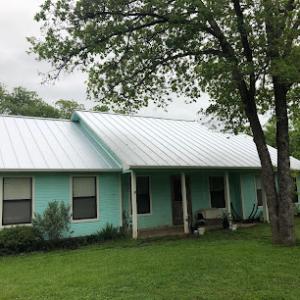
Revolutionary Roofing & Restoration offers expert roofing services for residential and commercial properties. We specialize in roof repairs, roof replacements, and roof installations, including durable metal roofing service. Our roof restoration services extend the life of your roof while exterior restoration enhances your property's curb appeal. We also provide thorough roof inspections to identify potential issues early, saving you money on costly repairs. Trust Revolutionary Roofing & Restoration for reliable, high-quality roofing solutions focusing on customer satisfaction. Choose commercial roofing services in Bastrop, Texas and Cedar Creek, TX
CV Roofing
(512) 629-4435 cvroofingllc.com
1106 College St Suite E7, Bastrop, Texas
4.8 from 58 reviews
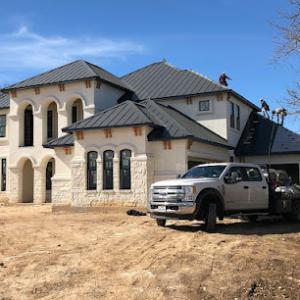
With over 30 years of experience, we are not ashamed of our expertise in metal roofs. CV Roofing’s specialty is metal roofs. We will come to the job site prepared to custom fabricate trim for your new home or business. Due to our expertise and history, CV Roofing is your #1 metal roofing contractor in Bastrop & Austin area.
A&A Roofing
(512) 629-7717 aabastroproofing.com
362 Pine Hill Loop, Bastrop, Texas
5.0 from 26 reviews
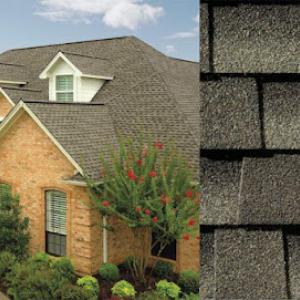
"Welcome to A&A Roofing your trusted partner for professional and reliable new roof replacements. With 25 years of experience in the roofing industry, we are committed to delivering top-quality roofing solutions to homeowners and businesses in Bastrop county Our skilled team of roofing experts is dedicated to providing superior craftsmanship, exceptional customer service, and long-lasting results. At A&A Roofing we understand the importance of a durable and well-maintained roof to protect your property and loved ones.
Roofing Turtle
(833) 688-7853 roofingturtle.com
123 Longhorn St Unit A, Bastrop, Texas
5.0 from 24 reviews
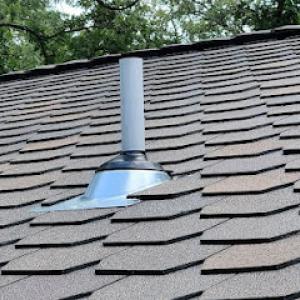
Roofing Turtle offers the the Highest Quality Roofing on the Market. Even though we specialize in synthetic F-Wave shingle. We do offer asphalt shingle repairs and asphault shingle roof replacements. Roofing Turtle is a GAF certified contractor. Offering repairs and metal roof replacement including standing seam metal roofs. This company is local to Central Texas and is a sister company of Butler Contracting. With incredible durability, un beauty, and premium affordability–everything else is just a roof. Schedule your roof inspection today. We inspect for hail damage, wind damage, and condition of your shingles, to help you make the best decision for you. If you need a new roof give your home the upgrade it deserves and Protect Your Shell!
Hernandez Brothers Restoration
(512) 379-1408 hernandezbrothersrestoration.com
117 Oak Meadow Dr, Bastrop, Texas
4.9 from 10 reviews
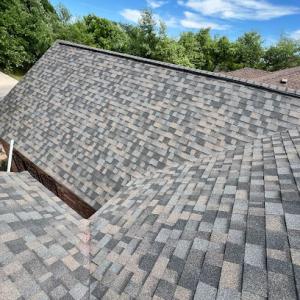
Hernandez Brothers Restoration is your trusted roofing contractor in Bastrop, TX, dedicated to providing high-quality roofing solutions for every property. With a commitment to excellence, we ensure that every project is handled with precision, durability, and long-lasting protection. Whether you need a new roofing installation, a fast roof repair, or ongoing roofing maintenance, we have you covered. Our expertise spans a wide range of roofing services, including roof replacement for aging or damaged roofs, ensuring your property stays protected from harsh weather. If you’re experiencing leaks, our roof leak repair service quickly addresses the problem to prevent further damage.
Mondragon Roofing & Remodeling
(512) 587-0335 mondragonroofing.com
553 Waugh Way, Bastrop, Texas
5.0 from 8 reviews
Services: Roofing Siding Free estimates/inspections Remodeling Painting Drywall Flooring And more
EZS Roofing & Construction
(512) 781-8157 www.ezsroofing.us
Serving
5.0 from 14 reviews
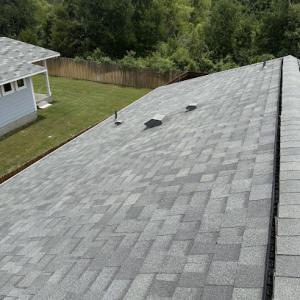
At EZS Roofing and Construction, we proudly serve Elgin, Austin, Georgetown, and surrounding TX areas with top-tier roofing and siding services. As experienced roofing contractors, we specialize in roof installation, roof repairs, gutters, and waterproofing. Our commitment to quality, transparency, and customer satisfaction sets us apart. Whether you need a minor repair or a full roof replacement, trust our licensed team to protect your home with durable, beautiful solutions. Call now for a free estimate!
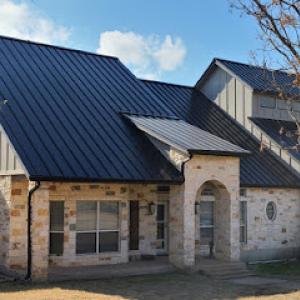
Elgin Roofing Company | Bill Sprauer Roofing
(737) 703-6290 billsprauerroofing.com
Serving
4.6 from 18 reviews
We are a family owned and local roofing company.
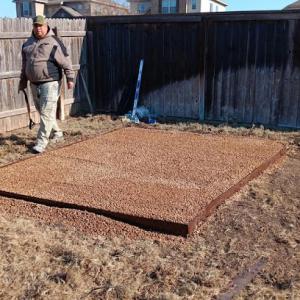
Kahlo Construction
(512) 428-4719 kahloconstruction.com
Serving
4.9 from 34 reviews
We are a company that are trying to re define quality in the Home Improvement industry. We are experience and reliable company.
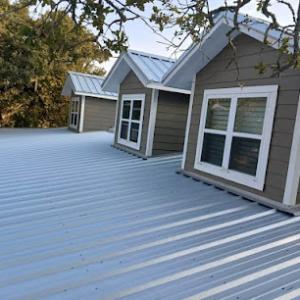
Reyes Roofing Contractor
(512) 563-7420 reyesroofingcontractor.us
Serving
5.0 from 45 reviews
Since 1999, Reyes Roofing Contractor has been providing dependable roofing and exterior improvement services across the Manor, TX area. As a BBB-accredited and insured company, we serve residential and commercial clients within an 80-mile radius. With over 35 years of experience, we specialize in roofing installation, repair, and maintenance for all types of roofs. We also offer siding installation, interior and exterior painting, gutter maintenance, installation and repair, as well as durable fence construction and restoration. Free estimates are available for all roofing and exterior projects across the region!
Asphalt shingles remain the most practical choice for many homes on the hotter side of the Lost Pines area. They're familiar to local crews, readily available, and work well with a wide range of house styles. In this climate, the ability to resist sun exposure and maintain color over the life of the roof matters. Look for shingles with a high solar reflective rating and a warranty that acknowledges hot summers. Ventilation plays a crucial role here; an attic that breathes well reduces heat buildup that can accelerate aging of the shingle surface and the underlayment. If your roof line is more visible from the street or your home features a traditional design, asphalt can deliver a balanced mix of curb appeal, cost efficiency, and repairability. When planning replacement, consider a system that allows for proper attic venting, including ridge or soffit intake, to help keep the deck cooler on peak-heat days.
Metal roofing has strong local relevance because it is one of the most actively marketed specialties in the Bastrop contractor base. Metal panels excel under extreme heat, reflecting a large portion of the sun's energy and staying cooler at the surface than many other materials. This translates to longer life in high-UV environments and less color fade over time. In addition, metal roofs shed hail more predictably, which is a meaningful advantage when spring storms roll through. Installation quality matters here: panels must be properly integrated with flashing and underlayment to prevent leaks after heavy rain. A metal roof can also contribute to attic temperature management when paired with appropriate venting and insulation. If you value a modern look, distinctive profiles, and extended service life under Central Texas conditions, metal is a practical choice that aligns with local expectations and contractor strengths.
Tile options offer a different aesthetic and performance profile. Clay and concrete tiles can be a smart match for homes with Mediterranean, Mission, or newer, stylized architecture. They handle heat well and can provide enduring color, but the weight burden and substructure requirements are higher. In the heat of summer, tile roofs benefit from a solid ventilation plan beneath the deck to minimize heat transfer into the attic space and to protect the underlayment. Tile can suffer from breakage in hail events, so selecting a hail-rated tile and ensuring proper installation with reinforced underlayment is essential. If a home's structure accommodates the weight and a tile look fits the character of the design, clay or concrete tile can be a durable, heat-conscious option.
Wood options are less common in this market due to wildfire risk and the ways heat and sun affect wood fibers. When used selectively for rustic or historic designs, they require careful maintenance and protective finishes. In extreme heat, the aging process is accelerated and the potential for surface checking increases, which may necessitate earlier replacement. If wood shingles are part of a stylistic goal, pair them with rigorous attic ventilation and fire-safety strategies to maximize performance in the local climate.
In this climate, the emphasis is on a roof system that handles heat well, tolerates hail, and cooperates with an effective ventilation plan. Start by evaluating the existing attic condition: insulation level, eave and ridge ventilation, and potential modes to reduce heat buildup. Then match the material to both architectural compatibility and the home's ability to support the roof's weight, wind resistance, and long-term maintenance. The most versatile paths tend to be asphalt shingles for broad compatibility and metal roofing for longevity and heat resilience, with tile and select wood applications reserved for specific styles and structural readiness.
Explore specialists in steel, aluminum, and standing seam metal roofs built to last 50 years or more.
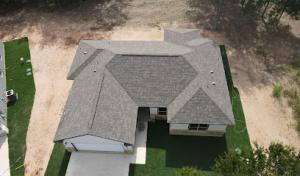
Spade Roofing & Gutters
(512) 237-8620 www.spaderoofing.com
702 Chestnut St #110A, Bastrop, Texas
4.9 from 109 reviews
Capital of Texas Roofing & Siding
(512) 385-1336 www.capitaloftexasroofing.com
1604 Industry Dr, Bastrop, Texas
4.9 from 91 reviews
Revolutionary Roofing & Restoration
(512) 308-9383 revolutionary-roofing.com
125 Manawianui Dr, Bastrop, Texas
5.0 from 31 reviews
In Bastrop, the combination of Central Texas heat, spring hail, and occasional wildfire-aware concerns means decisions about replacing a roof should be taken with local conditions in mind. The timing windows that minimize heat stress and weather interference are especially helpful for keeping installation quality high and crew productivity steady. You may find that a reroof fits best when the weather is predictable and dry for several days in a row, reducing the risk of dry-in delays and shingle damage during installation.
Spring and fall are typically the preferred reroofing windows in Bastrop because they avoid the worst summer installation heat and the wetter winter periods. The spring season often brings moderate temperatures and fewer rain events, which helps seal underlayment and starter courses properly. Fall generally provides cooler days without the abrupt temperature swings that can occur late in the year. If a roof needs replacement, aiming for one of these seasons can translate into steadier scheduling and more consistent workmanship, especially on steeper or larger roof footprints.
Extreme summer temperatures can affect installation conditions for shingles and crew productivity, which can change scheduling and workmanship risk in Bastrop. High heat can accelerate nail setting issues, affect adhesive performance on certain underlayments, and raise the likelihood of workers needing more breaks. If a replacement must occur in summer, plan for longer project windows and verify that the contractor is managing hot-weather practices, such as proper hydration, sun protection, and heat-aware material handling. Expect potential shifts in start times to cooler portions of the day and, where possible, a tighter on-site schedule to reduce exposure of underlayment and decking to heat.
Winter rain and occasional freezes in Central Texas can slow tear-off and dry-in work and can affect underlayment performance during reroof projects. Wet days can push the project into short delays, and a few freeze-thaw cycles may compromise temporary protective layers on exposed decking. If winter work is necessary, ensure the crew has a plan for protecting the deck and ensuring that temporary coverings stay intact through the forecasted weather. Winter advisories often require flexible scheduling and a readiness to pause during heavy rainfall or icy conditions.
When assessing whether replacement is warranted, look for widespread shingle granule loss, curling or cupping shingles, recurring leaks with multiple courses affected, or structural aging signs beyond simple cosmetic wear. For homes with asphalt or lightweight tile options, consider the overall roof health, including decking integrity and ventilation effectiveness, as these influence long-term performance. Communicate clearly with the contractor about preferred windows within the spring or fall targets, and review the crew's heat-management and winter-weather contingencies to ensure a smooth reroof transition. In windy parts of the spring storm season, verify temporary protections are in place during tear-off to minimize debris and damage to nearby structures.
Typical Bastrop pricing runs about $350 to $600 per square for asphalt shingles, $700 to $1300 for metal, $1100 to $1800 for clay tile, $900 to $1500 for concrete tile, $600 to $1100 for wood shingles or shakes, and $550 to $900 for synthetic or composite shingles. Those ranges reflect not just the material, but the regional labor market and the way crews schedule jobs around spring storms and the ensuing hail activity. If your home has an older deck and attic that contactors need to work with, expect installers to factor in longer timelines and possibly slight premium on accessibility. In Bastrop, asphalt remains a common baseline due to its balance of price and ease of installation, while tile systems, though pricier, bring durability in high heat and withstand more aggressive sun exposure. The local mix of ranch-style and two-story homes means you'll see a broad spread of these price points depending on roof pitch, attic space, and whether underlayment or upgraded underlayment is selected.
Storm-driven demand surges in Central Texas can push Bastrop reroof pricing upward after hail events because labor availability tightens and scheduling backlogs grow. After a hail event, you may encounter a faster-than-usual turnaround for inspections and bids, followed by a compressed window for material delivery and installation. This can translate into higher quotes or optional expedited scheduling fees. If you're planning a reroof in the spring, keep in mind that the local market tends to tighten quickly as crews migrate from residential repairs to larger storm-related jobs. Booking early, confirming material lead times, and aligning with a contractor who can manage the project timeline through peak storm season helps prevent sticker shock when the work begins.
Material choice has an outsized cost effect in Bastrop because the market supports everything from basic asphalt reroofs to premium metal and heavy tile systems that may require more structural consideration. Clay and concrete tile, for example, bring not only higher per-square costs but potential need for additional roof framing or deck assessment to support the weight. Metal roofs can carry premium pricing but may offer longer life and better resistance to hail impact, which can influence long-term value in an area prone to spring storms. Synthetic or composite shingles sit between asphalt and premium options in both cost and performance, often delivering practical durability at a savings relative to tile or metal. When estimating, assess attic ventilation, existing decking condition, and the potential need for reinforcement-these factors can swing the price by several hundred dollars per square in Bastrop's climate and housing stock.
To keep your budget realistic, detail the expected scope from a professional inspection and prioritize robust underlayment and weatherproofing given Bastrop's heat and hail risk. If your home's roof is older, anticipate potential additional costs for new penetrations, vents, or flashing replacements that commonly surface during reroofs. Consider coordinating with neighbors to gauge whether a community-wide scheduling window could minimize downtime and cost fluctuations after a major hail event. By understanding the material cost ranges and the storm-driven dynamics, you can craft a plan that balances upfront investment with long-term performance in this high-heat, hail-prone locale.
Get a clear picture of your project costs upfront - no commitment required.
CV Roofing
(512) 629-4435 cvroofingllc.com
1106 College St Suite E7, Bastrop, Texas
4.8 from 58 reviews
Mondragon Roofing & Remodeling
(512) 587-0335 mondragonroofing.com
553 Waugh Way, Bastrop, Texas
5.0 from 8 reviews
A full reroof in Bastrop typically requires a building permit through the City of Bastrop Building Department. Before any roof work begins, you'll want to verify that the scope of the project matches the permit application exactly-wronged details or added work later can trigger delays and extra scrutiny. Since hail and spring storms are common, the department will want documentation that supports the need for replacement rather than repair-only work. Don't assume a permit is a mere formality; it sets the stage for code-compliant materials, proper ventilation, and a safe installation that stands up to Bastrop's heat and wildland-edge conditions.
Bastrop inspections are generally conducted at key stages including underlayment or dry-in and final completion rather than only at the end of the job. The underlayment/dry-in check is your early signal that the roof deck, flashing, and ventilation are correctly installed before shingles or tiles go on. If anything is out of spec at this stage, you're facing potential rework that can interrupt your project timeline. The final inspection confirms that the entire roof system-including vents, drainage, and any penetrations-meets code and the permit terms. Failing to clear these inspections can stall a project for days or weeks, especially during busy storm seasons.
Turnaround times in Bastrop can vary with department workload, so permit timing can affect how quickly a storm-damaged roof moves from tarp to full replacement. If a hail event hits during peak season, you may experience longer waits for plan review and inspection slots. Proactively submitting plans for review before you start can shave days off the process. Have your contractor coordinate the permit package to align with expected weather windows, and schedule the underlayment/dry-in inspection as soon as the deck and flashing are ready. If weather causes delays, communicate promptly with both the contractor and the Building Department to keep the project moving without compromising safety or compliance.
Bastrop sits in a Central Texas insurance environment where hail and wind claims can cause premium pressure and closer scrutiny of roof condition history. When a storm rolls through the Lost Pines area, the way your roof has been maintained and repaired in the past matters just as much as what the latest hail event did to the surface. Insurers serving this region may ask for prior repair records, date-stamped photos, and evidence of maintenance before approving a full replacement scope. The goal, from the insurer's side, is to separate genuine, storm-driven damage from preexisting wear, which can drive longer timelines and tighter review.
Start gathering a clear, organized history of your roof. If you have dated photos from previous repairs or resealings, keep those handy, preferably stored with the date and what was repaired. Collect any contractor invoices for past work, including the materials used and the scope of fixes. A simple, ongoing record of maintenance-cleaning gutter debris, checking flashing after severe winds, and addressing minor leaks-can shift what a claims reviewer sees from a red flag to a documented pattern of care. For a claim to stand up under scrutiny, your records should show a consistent, proactive approach rather than last-minute scrambling after a storm.
Wind-related and hail-related claims in this market can trigger added inspection requirements or endorsements, making pre-claim documentation especially important. Expect an adjuster to compare current condition against a baseline from prior assessments, if available. They may request roof surface photos taken at specific angles, interior photos of attic daylight or staining, and evidence that weekend repairs were performed by licensed professionals. Transparent, dated visuals paired with repair receipts help demonstrate that the roof's condition mirrors the damage reported rather than an accumulation of unrelated wear.
If a storm blasts through your neighborhood, act quickly to document changes while they're fresh. Photograph all affected areas from multiple angles and note the date and weather. After the claim is filed, maintain open lines of communication with your adjuster and keep copies of every email and receipt. Quick, precise documentation can shorten review times and improve the chances that the claim reflects the actual storm impact, rather than a patchwork of preexisting issues.
After a spring hail event, the market in this area leans toward reroofing rather than niche specialty work. Homeowners should compare crews on storm response, cleanup, and replacement execution. A local company with a steady crew can be counted on to follow through when the dust settles, and that follow-through matters for long-term performance in the Central Texas heat and wind.
Quick response is more than a favor; it's a practical safeguard against secondary damage. Look for contractors who provide immediate tarping, debris removal, and a clear plan for temporary protection during droughts and sudden downpours. In Bastrop, cleanup is a strong hiring signal-if a crew leaves a yard tidy, covers landscaping, and handles nails and debris responsibly, that reliability usually carries into the roofing work itself.
The right crew shows up with organized processes: staging material in a orderly sequence, protecting interior spaces, and maintaining clear communication with the homeowner about progress, setbacks, and scheduling. Ask for a written sequence of steps, including roof teardown, deck inspection, underlayment, and flashing details. Since local homes vary from traditional to newer builds, ensure the crew is prepared to adapt materials to accommodate roof shapes, venting setups, and potential wildfire-aware considerations.
Locally owned and long-established companies matter when insurance work or phased repairs are needed. Choose firms that have a track record of dependable follow-up, warranty administration, and service calls after the project is complete. A familiar, nearby presence reduces the risk of distant subcontractors slipping through gaps and strengthens accountability for years of performance.
Start with a short list of established, responsive crews who clearly outline what happens after a hail event. Prioritize installers who demonstrate organized cleanup, reliable storm-response timelines, and a straightforward plan for addressing any post-replacement concerns. A homeowner should feel confident about who will be on site, when, and how issues will be resolved if weather or schedules shift.