
Last updated: Apr 19, 2026
Spring hail in this area arrives with little warning and can slam roofs overnight, especially on steep residential pitches common in newer Boerne neighborhoods. When a severe storm hits, the driveway fills with hail-damaged debris, and your roof may show losses that aren't obvious from the ground. The immediate risk is twofold: further damage during a blowing storm and the potential for interior leaks if attic vents and shingles fail. The urgency is real because the next shower can push marginal areas over the edge, turning a few damaged shingles into a full-blown replacement decision in a matter of days. Scheduling hinges on how quickly the market can mobilize, and the spring surge often pushes replacement timelines out across the local crowd as crews get booked solid.
Insurers in this market expect solid documentation for hail and wind claims, and that emphasis isn't soft from year to year. Detailed photo sets matter: close-ups of bruised returns on shingles, granule loss on valley and rake edges, and any hail-driven denting on metal flashing, vents, and skylights. Wide, gridded roof shots to show overall condition, plus interior evidence of leaks or ceiling staining, help anchor the claim. Inspection records from a licensed roofer or a home inspector provide a professional baseline that can smooth the claim review, especially when older roofs meet the scrutiny threshold. If you're dealing with a snag in spring, gather these visuals quickly-clear dates, storm stickers from local weather services, and notes on any visible hail impact on gutters and downspouts. Delays in documenting damage can stretch your replacement window and invite additional questions from adjusters.
Many homeowners plan major roof work in spring or fall, but spring storm activity can interrupt that timing and force emergency protection before full replacement. If hail has compromised shingles or flashing, temporary tarping or boarding may be necessary to prevent water intrusion during rain events. This work should be done promptly and documented, because insurers may view gaps in protection as a sign of negligence or deferred maintenance. If you notice sudden moisture in an attic or on the ceiling after a hail event, address it fast. Delays can complicate the claim path and push you into a more urgent replacement decision, sometimes without the luxury of a calm, staged project window.
A timely claim starts with the right professionals at your side. Seek a local roofer who has experience navigating spring hail seasons and understands how Boerne storms cluster around the peak months. Your chosen contractor should help you assemble the photo gallery, organize inspection notes, and translate findings into a clear narrative for the insurer. Expect the adjuster to scrutinize claims against the roof's age and material type, with older roofs receiving closer inspection. Coordinate a projected timetable with the contractor: initial tarp or protection work, follow-up roof assessment, and a staged plan for replacement if the claim settles toward a full replacement. Keep a log of all communications, including dates, names, and reported problems, because insurer timelines can hinge on prompt, documented interactions.
In practice, you'll want to move quickly after a storm, but with a clear plan. Capture damage before and after any temporary repairs, and don't skip the professional assessment, even if you think the roof is still serviceable. Hail-driven damage can masquerade as isolated issues that escalate once moisture begins to travel along roof lines. If you're coordinating with neighbors who faced the same event, compare notes on inspection timing, photos, and what the insurer accepted as part of the initial claim. A coordinated approach helps preserve a smoother path through the claim process and reduces the chances of breakdowns in scheduling when the market is flooded with spring work.
Boerne's roof landscape isn't dominated by a single material. Asphalt shingles, metal roofing, clay tile, concrete tile, slate, and fiber cement shingles all have a foothold, reflecting the Hill Country mix that shapes local curb appeal. Tile and metal stand out on many hillside and Mediterranean-influenced designs, where rooflines and color play a major role in overall impression. If your home leans toward a warm, sunlit silhouette with terracotta or charcoal tones, you'll notice metal standing seam or clay tile catching the light differently than a typical asphalt roof. In this market, your choice should align with both the architectural intent and the way the roof transitions between street view and private courtyards.
Tile and metal matter locally because many homes use Hill Country and Mediterranean-inspired designs where roof appearance is a major factor. Clay tile delivers authentic texture and color depth that ages gracefully under relentless sun, but it has a distinctive silhouette and weight that can influence roof structure decisions. Concrete tile mirrors clay in look and performance while offering different weight and installation considerations. Slate and fiber cement shingles provide durable, sculpted profiles that can reproduce natural stone or aged timber aesthetics. When planning replacement, visualize how the chosen material complements stone trim, stucco, or wood eaves that define the neighborhood streetscape. A cohesive roof-scape can substantially boost first impressions from the curb.
Hot summers in Boerne affect material handling and installation conditions, which is especially relevant when comparing heat-sensitive shingle work with heavier tile and metal systems. Asphalt shingles can soften on steep pitches during peak heat, slowing crews and increasing the risk of lifted edges if ventilation isn't optimized. Metal roofs handle heat well and shed it effectively, but installation requires precision in fastener spacing and panel alignment to prevent issues after high summer winds. Clay and concrete tiles demand careful handling due to weight and brittleness in direct sun; installers may schedule critical work for cooler morning windows. Understanding how heat interacts with each material helps you time replacements and coordinate staging with your contractor.
Hail exposure is a persistent factor in this area. Heavier tile systems and metal can offer improved impact resistance over standard asphalt on certain slopes, yet local fire and wind patterns also shape performance. If your property has tall chimney stacks or expansive overhangs, plan for potential edge damage and ensure gutters and valleys are protected during replacement. For tile and metal, confirm the roof deck is sound and properly vented before material installation, because heat-driven expansion and contraction can reveal hidden weaknesses. For a home with architectural shingles or fiber cement, verify the product line includes a profile that complements the surrounding materials to preserve the roofline's architectural language.
Begin by aligning your chosen material with the house's architectural cues and the neighborhood's look. If you're leaning toward tile for Mediterranean flair, discuss weight load and attic ventilation with a structural pro before ordering panels. For metal, evaluate panel profiles and color options that reflect the Hill Country light and the home's stone or stucco accents. If asphalt shingles are on the table, select a profile that mimics the texture of neighboring roofs to maintain harmony with taller palm trees, oaks, and limestone masonry common in this market. In all cases, plan for hot-season work windows and confirm crew experience with Boerne's steep pitches and exposed ridge lines.
In this market, replacement pricing commonly reflects the mix of materials you'll see on typical Hill Country homes. Premium tile, slate, and metal roofs are more prevalent here than in many markets that lean heavily on basic asphalt shingles. When you're budgeting, expect that these premium options will sit at higher per-square ranges, even before factoring in roof complexity or accessory penetrations. Asphalt shingles remain a baseline in many remodels, but in Boerne you'll often upgrade to tile, metal, or a high-end shingle to match lasting performance against spring hail and year-round heat.
Hail-driven demand and tighter crews can push the numbers past the usual ranges after a big storm. After a hail event, you'll notice not only higher quotes but longer wait times for scheduling, material deliveries, and specialized installers. If your area experienced a significant hail event, plan for possible mid- to late-week delays and a few extra days on the project window. Local crews may race to meet the demand, which can also nudge labor rates upward temporarily. Having a backup plan for temporary weather-proofing and a clear, prioritized scope helps keep the project on track when demand spikes.
Costs in Boerne move with roof complexity. Steeper sections, multiple facets, and dense accessory penetrations (chimneys, skylights, vent stacks) add to both material waste and installation time. A steep-slope layout often requires additional safety equipment and fall protection, plus more staging and careful flashing work around irregular roof lines. If your home features multiple angles or sits near large trees that create shade patterns and debris buildup, expect a modest bump in labor hours. Premium materials compound this effect: metal, clay or concrete tile, and slate not only cost more per square but also demand specialists who can handle curbs, dormers, and precise edge detailing without compromising roof integrity.
Material-by-material guidance helps anchor expectations. For asphalt shingles, budget ranges still apply, but many Boerne projects tilt toward premium shingle lines that offer higher wind resistance and better color stability in sun. Metal roofing in this area often lands on the higher end of the spectrum due to panel size, hidden fasteners, and installation precision that protects long-term performance in heat and hail. Clay and concrete tiles rank higher in both material and labor, driven by tile handling, underlayment needs, and meticulous tile layout around chimneys and skylights. Slate sits at the top end for durability and aesthetic, but installation requires seasoned hands and careful integration with flashing and ridge details, which drives both material and labor costs up.
When you're estimating, start with a target material mix that matches your home's style and anticipated lifespan. A common Boerne scenario is a premium mix: clay or concrete tiles for the main roof areas, with metal accents or a slate-like look on select facades or bays to preserve curb appeal while maintaining durability. Factor in a contingency for lead time and scheduling if a storm just passed through. For complex homes, quantify additional cost drivers-extra flashing around chimneys, skylights, and valley intersections-and discuss them early with the contractor. Finally, keep an eye on waste and disposal charges that can accrue when removing several layers or matching an odd roof shape in an older home.

The Guild Collective
7 Upper Cibolo Creek Rd, Boerne, Texas
5.0 from 117 reviews
As a dedicated Roof Installation Company in Boerne, TX, The Guild Collective expertly cares for everything above your home's walls, eliminating the need to call multiple contractors. Our guild of master craftsmen specializes in comprehensive roofline services, including roofs, gutter systems, solatubes, skylights, attic fans, garage fans, and whole-house fans, and we are proficient in services ranging from tile roof repair to metal roofing installation. We are committed to providing both a quality product and exceptional service, ensuring that considerations like roof replacement cost deliver lasting value. Trust our skilled team to address all your upper home needs with expertise and a dedication to superior craftsmanship.

Mammoth Roofing & Solar
(210) 569-0398 www.mammothroofs.com
26669 I-10 Ste 2, Boerne, Texas
4.9 from 352 reviews
Mammoth Roofing & Solar is Boerne’s trusted choice for residential and commercial roofing. Whether you need a small repair or a full replacement, our team is committed to restoring your roof with expert craftsmanship and responsive service from start to finish. We install asphalt, metal, and tile roofing systems, handle commercial roofing projects, and offer reliable repairs after hail or storm damage. Our licensed, bonded, and insured roofers uphold the highest standards of workmanship. Even our solar panel and seamless gutter installations are backed by our exclusive Two Tusk Lifetime Warranty. Call today to schedule your free professional roofing evaluation and see why we’re proud members of the Roofing Contractors Association, using o

Churchill USA
(830) 266-2960 churchillusa.com
7 Upper Balcones Rd, Boerne, Texas
5.0 from 59 reviews
Churchill USA specializes in restoring standing seam metal roofs for high-end homes in the Texas Hill Country. We handle storm damage with expert craftsmanship, clear communication, and a service-first mindset. Homeowners trust us to protect their property, preserve home value, and deliver peace of mind. High-end roofing, done the right way — with care, class, and no shortcuts.
ARP Roofing & Remodeling
11 Spanish Pass Rd, Boerne, Texas
4.9 from 232 reviews
With over 30 years of experience, ARP Roofing is the best roofing company in the San Antonio area. We specialize in roof installation, repair, reroofing, replacement maintenance, inspection, and insurance claim needs. Our mission is to construct reliable roofing systems that protect & build trust through affordable, dependable & professional roofing services. Our commercial roofing contractors are experts in flat, TPO & metal roofing, and roof coating services. Our residential contractors are certified in solar roofing installation, shingle roofing services, and all other roof installation & repair. Serving San Antonio, Bexar, Comal, Kendall Counties, Boerne, Schertz, Spring Branch & nearby areas! Contact us today for a free roof inspection

Roof Rescue
(210) 702-2698 roofrescueus.com
26421 I-10, Boerne, Texas
4.8 from 106 reviews
Roof Rescue is a trusted San Antonio-based company dedicated to addressing your roofing and gutter needs with expertise and precision. Our friendly team treats your family like our own, ensuring peace of mind in every project. We offer services such as roof replacement, repair, chimney and skylight work, attic solutions, and gutters. With a commitment to quality and customer satisfaction, Roof Rescue is your go-to for reliable roofing and gutter solutions in San Antonio and the surrounding area. Contact us today for a consultation.

Hometown Roofing & Restoration
(830) 428-2820 www.hometownroofingtx.com
1252-2 N Main St, Boerne, Texas
4.8 from 174 reviews
Hometown Roofing & Restoration: Your trusted neighbor in Central Texas since 2021. We're more than just roofing contractors; we're your partners in protecting your home. Specializing in roof replacement, repairs, and upgrades, we expertly handle everything from minor leaks to major hail and storm damage. Now offering comprehensive restoration services, Hometown is ready to help you recover quickly from water, fire, or smoke damage. We're dedicated to fast, reliable cleanup and restoration, bringing you peace of mind when you need it most.

Kendall County Roofing
(830) 230-5003 www.kendallcountyroofing.com
117 Commerce Ave, Boerne, Texas
4.9 from 42 reviews
Residential roofing company specializing in new construction, reroofs, and repairs. Shingles, metal, and tile roofs.
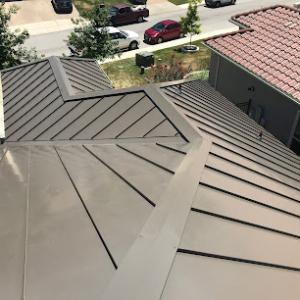
OakTree Management Group
(210) 589-1035 oaktreetexas.com
26254 I-10 Ste 110, Boerne, Texas
4.9 from 38 reviews
Oaktree Management Group is a trusted roofing and restoration company serving Boerne, San Antonio, Texas, and the surrounding areas. Our experienced team of professionals provides comprehensive roofing services, including roof repair, replacement, and maintenance. We also specialize in storm damage restoration, helping homeowners and businesses recover from hail, wind, and water damage. Our commitment to quality and customer satisfaction has earned us a reputation as one of the top roofing and restoration companies in the area. Contact us today to learn how we can help you protect your property and restore your peace of mind.
Roof Pros
(210) 236-5653 boerneroofpros.com
27462 I-10, Boerne, Texas
4.8 from 88 reviews
Is your roof damaged from a storm, or ready for a replacement? At Roof Pros, a roofing contractor in Boerne, TX, we are experienced, qualified, and skilled in all aspects of roofing. We use only the best materials and products available. Roof Pros offers a variety of services, including roof repair, roof replacement, and roof installations. We also specialize in working with many different insurance companies to help you navigate the claim process. Contact us today to get your roofing project started.
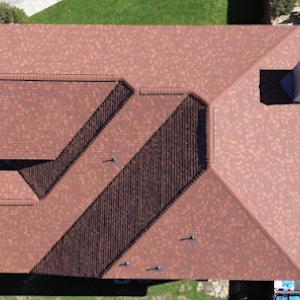
Shield Roofing Boerne
(210) 742-1257 shieldroofingonline.com
26254 I-10 Suite 264, Boerne, Texas
5.0 from 15 reviews
Shield Roofing Boerne is a trusted roofer proudly serving homeowners in Boerne, TX. As one of the area’s reliable roofing companies, our team delivers expert roof repair, roof replacement, and thorough roof inspections designed to protect your home year-round. We focus on clear communication, quality workmanship, and solutions that fit the needs of local properties. Homeowners choose our team for consistent 5-star service, dependable results, and a customer-first approach. Whether you’re dealing with storm damage or planning an upgrade, Shield Roofing Boerne provides honest guidance and long-lasting roofing solutions you can feel confident about on every project.
TotalScope Estimating Service
(720) 307-2795 www.totalscope.com
529 TX-46 Unit B10, Boerne, Texas
5.0 from 13 reviews
TotalScope is the industry leader in providing a consistent and accurate estimating vehicle designed to reduce the claim handling cycle. TotalScope estimates are the most well documented in the industry based on enforced building code, proper building methods and applications, and are designed to prevent unauthorized practice of public adjusting. Using our mobile app and processes will ensure your field staff can accurately document the work required and prevents incomplete scoping of the project.
Rafter B Roofing & Contracting
(830) 388-0611 www.rafterbcontracting.com
Boerne, TX
5.0 from 12 reviews
Rafter B Roofing & Contracting stands out as a premier choice for roofing solutions in San Antonio and the hill country, offering expert services in roof repairs, replacements, and top-notch metal roofing. Our dedication to superior customer service and unmatched workmanship makes us the foremost roofing contractor in San Antonio, proudly serving the heart of the city and its surrounding areas.
In Boerne, a full roof replacement typically requires a building permit through the City of Boerne Building Department. This is a formal, public process rather than a private, stand-alone project decision. A new roof isn't just a matter of pulling a single permit; it ties into code compliance, drainage, and safety standards that the city enforces through the permit system. Before any tear-off begins or new material is installed, you should verify that the project is covered by a permit and that the scope of work aligns with city expectations. The presence of tile, metal, or architectural shingles on steep residential roofs means inspections are keyed to the specific materials and roofing details chosen for your home.
Boerne's permit path generally runs through contractor-submitted project details, followed by scheduled inspections at required stages and a final inspection at completion. The building department relies on the contractor to document key aspects: roof type, underlayment, fasteners, ventilation, and flashings, as well as any structural adjustments if applicable. Inspections are staged to catch potential issues early-after sheathing and underlayment, after roof covering installation, and at a final completion check. Because the process is formal, it helps keep projects aligned with local codes and neighborhood standards, which is especially important in a fast-growing area with a mix of tile, metal, and architectural shingles.
Because Boerne uses a formal municipal permit path for re-roofing, homeowners should confirm permit responsibility before work starts rather than assuming replacement can proceed as maintenance. Clarify who is responsible for pulling the permit-the contractor or the homeowner-and ensure that the permit address and scope match the actual project. If a storm event creates hail damage or prompts insurance-driven replacement, the permit steps still apply. The city's requirements don't relax due to urgency, so coordinating early with the contractor and the City Building Department helps prevent delays or compliance gaps during the inspection sequence.
When planning around inspections, know that timing hinges on the roofing material chosen and the complexity of the roof line. Steep slopes, multiple angles, and venting configurations common in hill country homes can influence inspection readiness. A proactive approach is to have the roof deck, underlayment, and flashing details accessible for the inspector's review at the appropriate stage. Keep ready any documentation you've received from adjusters or contractors that describes hail-related damage and the scope of replacement, as the city may require these details when reviewing the permit and progress.
The final inspection confirms that the new roof meets city codes and is properly integrated with ventilation, drainage, and flashing around penetrations. After passing, you'll receive the final permit clearance, and your project can be formally closed in the city records. Maintaining organized documentation-permits, inspection approvals, material specifications, and warranty information-facilitates any future upkeep or potential claims related to storm-driven damage.
During Boerne's hot summer days, you will notice crews move more slowly than they do in cooler months. The heat not only wears workers down, but it also affects material handling and on-roof logistics, especially with steep roofs and a mix of tile, metal, and architectural shingles common in this area. If a project starts in the peak afternoon hours, expect delays in stripping, installing underlayment, and coordinating ventilation and exhaust work. The result can push daytime installation windows into the hottest part of the day, raising the risk of heat-related issues for both crew and materials. A practical approach is to plan longer, earlier working windows and to build in buffer days for peak heat spells. Pre-coordination with the crew about material staging, ladder access, and safe hydration stops can help maintain steady progress without exposing the roof to avoidable wear from hurried, late-day sessions. If a roof is particularly exposed to the western sun, consider shifting higher-clarity tasks to cooler mornings and saving more delicate, time-sensitive steps for late morning rather than mid-afternoon.
Fall in this area brings heavier rains that can disrupt tear-off sequences and push work into tighter weather slots. When storms roll in, short-term water intrusion risk rises if the sequence isn't tight and the roof deck remains exposed longer than necessary. The local pattern of rapid-onset showers means that a delay can cascade: tarps and containment must be ready, flashings adjusted promptly, and interior protection prioritized when a storm moves in. This is not a one-off concern but a recurring pattern, so the sequencing plan should assume occasional rain gaps and include contingency days to protect against moisture intrusion. Communication with the crew and with you as the homeowner should include a clear rain plan, a defined shut-down threshold, and quick re-start procedures to minimize backtracking once the skies clear.
The common local strategy of targeting spring or fall replacements has to be balanced against Boerne's spring hail risk and fall weather interruptions. If spring hail damage is substantial, a rush to complete in the spring can backfire when a late-season rain arrives and throws a wrench into the schedule. Conversely, lining up a fall replacement requires readiness to absorb potential delays caused by storms, shorter daylight hours, and the need to protect vulnerable decking or underlayment from intermittent downpours. The result is a careful, realistic plan that spreads the work across favorable windows while maintaining flexibility to adapt to both hail-driven alerts and unpredictable fall weather.
Boerne sits in a hail- and wind-active insurance environment where claim activity is common enough to influence product selection and documentation habits. That means roofs facing frequent spring hail storms can escalate the scrutiny insurers apply after a hail event. Older roofs in this market may show wear that isn't obvious at a quick glance, yet those subtle signs can trigger questions about pre-existing conditions and the true extent of damage. When a shingle granule shower or a dented metal seam appears after a storm, expect insurers to ask for solid proof of what existed before the event. A roof that has endured multiple seasons of sun, heat, and occasional hail may require extra documentation to separate wear from storm damage.
Preparation matters in this climate. Pre-loss condition photos taken during sunny weeks, before any storm, become valuable evidence after a hail hit. If those records exist, they should clearly show shingles, flashing, and edge metal in good order. Insurers will compare post-storm photos to those baseline images, so the more detail the better-include close-ups of damaged areas and overall roof geometry. Inspection notes from a licensed roofer or building inspector add credibility. Keep a simple log of dates, weather conditions, and observed changes after each significant storm, because a well-documented file can shorten claim disputes and reduce the chance of coverage delays.
Wind-rated and impact-resistant roofing products can affect coverage decisions in this region, so material choice in Boerne is often tied to insurability as much as appearance. If an older roof shows signs of hail impact or wind exposure, upgrading to a product with higher impact resistance and wind ratings may lead to more favorable claim outcomes and smoother settlements. When evaluating replacement options, consider how the roof's performance under storm conditions will be viewed by insurers, not just how it looks from the curb.