Last updated: Apr 19, 2026
Spring hail storms are a named seasonal risk in Pflugerville and often drive both damage discovery and contractor scheduling bottlenecks. When a storm roars through, roofs can take a beating from hard hail and gusty winds that leave dented metal, cracked shingles, and hidden granule loss. You need to treat the first 24 to 48 hours after a storm as a window of opportunity: inspect your roof from safe ground, note any missing granules, curled edges, or dented vents, and document with clear photos. The timing matters: hail damage can hide under eaves or behind transitions, so don't assume what you see on a sunny afternoon is the whole story. If a neighbor reports hail, assume your roof has likely been affected too and mobilize quickly to avoid compounding issues like leaks or interior water intrusion during the next heavy rain.
Texas hail and wind claims are common in this market, so Pflugerville homeowners often need photo sets, adjuster notes, and detailed damage documentation before work begins. Build a concise, date-stamped record: exterior photos from multiple angles, close-ups of damaged shingles or granule loss, and a simple roof plan noting where damage concentrates. Include video walk-throughs of attic signs of moisture intrusion, such as dark stains, mold odor, or daylight peering through attic vents. Gather all relevant information about prior repairs, shingle age, and the roof's current condition. When you file, you want a clean, organized package that makes it obvious what was damaged by the storm and what needs replacement versus repair.
Replacement timing in Pflugerville is often best in spring or fall to avoid peak summer heat and severe weather disruptions. The heat of summer can accelerate adhesive cure times and complicate install schedules, while spring and fall bring fewer rolling downpours and less hurricane-season-like volatility. If your claim is approved, push for a start window that lands in a cool, dry period with predictable days. Avoid stacking work during the busiest weeks when crews are juggling multiple estimates and permits-storm response and insurance work dominate the market, and bottlenecks can stall a project you've already lined up. If you must choose, plan for a spring or fall kickoff and lock in a firm timeline with your insurer and contractor, so the calendar isn't dictated by the next storm.
In this market, surge periods after hail storms can overwhelm local crews. Expect phone calls, in-person estimates, and rapid decision timelines from adjusters. To protect your project, respond decisively to initial contractor outreach and avoid letting your calendar drift. Reputable roofers in this area will prioritize homes with complete documentation and clear damage assessment. If a contractor asks you to sign off on a scope of work without a thorough assessment, push back and request a detailed breakdown with a written estimate. You should also prepare for temporary protection measures-tarps or coverings-if you're awaiting the next anticipated storm, so interior spaces stay dry while work is planned and scheduled.
Immediately schedule a vetted, local roofer for a comprehensive damage assessment within a few days of the storm. Start assembling your documentation now: date-stamped photos, attic signs of moisture, and a list of observed exterior damage. Communicate openly with your insurer about the scope and expected timeline, and keep all receipts and correspondence organized. In this climate, proactive documentation and timely coordination are your strongest defenses against extended repairs and repeat weather exposure.
Mpact Roofing
(512) 886-1536 www.mpactroofing.com
1011 S Heatherwilde Blvd, Pflugerville, Texas
4.9 from 136 reviews
Mpact Roofing provides roof installations, repairs, replacements, coatings, and other specialized services for residential and commercial buildings in the Greater Austin, TX, area.
HomePro Roofing & Restoration
(877) 558-4377 homeproroof.com
2911 A W Grimes Blvd #730, Pflugerville, Texas
4.9 from 100 reviews
HomePro Roofing and Restoration is the leading provider of Exterior Roofing, Gutters, and Water Mitigation & Restoration work in Austin, Pflugerville, and the surrounding areas of Texas. Our team offers commercial/residential services to meet your needs with unparalleled skill. We want to make sure that all of our clients are satisfied with their roofs. We believe in providing fast work, but also quality work. HomePro Roofing wants to provide its clients with safe homes that can withstand harsh weather.
Performance Roofing
(512) 861-5338 performanceroofingatx.com
821 Grand Ave Pkwy STE 301, Pflugerville, Texas
4.9 from 104 reviews
Performance Roofing of Austin offices out of Pflugerville, Texas and serves the entire Austin Metro and Central TX. Our team is spread across each of the counties below in order to serve you in a quickly. The counties we serve include: Travis, Williamson, Bell, Bastrop, Hays, and Burnet. Our roofing specialist offer roof replacement, roof repairs, new build roof installation, gutter installation, along with storm, fire, and water restoration. Our team also helps with your windows, siding, and fencing, along with painting with Performance Painting. We specialize in commercial, residential, & multi-family roofing and GC. Call the top roofing company in Pflugerville, serving all of Austin/Central Texas today! A+ BBB Rating in Austin Metro.
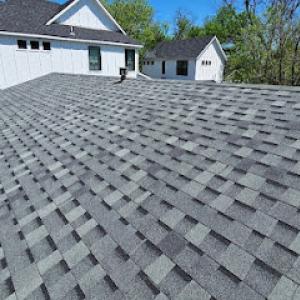
Smiley Roofing & General Contractors
(512) 537-7227 smiley-roofing.com
Pflugerville, Texas
4.9 from 70 reviews
Smiley Roofing & General Contractors proudly serves Leander, TX and surrounding areas, providing top-quality roofing and general contracting services. We specialize in roof replacements, gutter installations, roof inspections, pressure washing, garage door services, interior and exterior painting, and more. Whether it's a small repair or a full renovation, our experienced team is here to help. Call us today for a free estimate and reliable service you can trust!
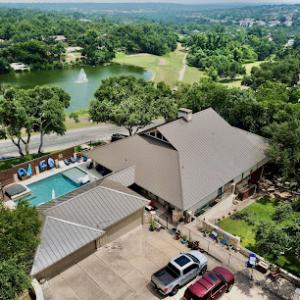
Texas Roof Guys
(737) 600-1083 www.txroofguys.com
Pflugerville, TX
5.0 from 42 reviews
Texas Roof Guys is your trusted roofing company in Hutto that provides both residential and commercial roofing services. From asphalt shingles to metal and TPO roofing, we handle a variety of roofing types, ensuring durable and reliable solutions for your property. We also offer seamless gutter installation and provide free quotes and drone inspections to give you a complete picture of your roofing needs. If your home has been affected by recent hail storms or you’re looking for a consultation on a new roofing project, we’re here to help. Call Texas Roof Guys today to schedule an inspection or discuss your roofing options with our experienced team. Let us protect your home with quality roofing services!
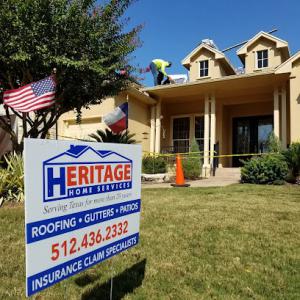
Heritage Home Services
(512) 436-2332 www.heritage-homeservices.com
Pflugerville, Texas
5.0 from 32 reviews
Heritage Home Services is the ultimate destination for home renovation enthusiasts. Situated in Round Rock, Texas, our expert team specializes in transforming your roofing, siding, windows, and gutters with unparalleled craftsmanship. Heritage Home Services is the leading general contractor that will bring your home improvement dreams to life with unparalleled dedication and an impeccable eye for detail.
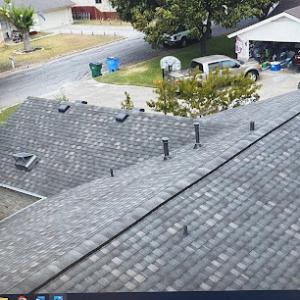
Diamond Select Roofing
(512) 990-8686 diamondselectroofing.com
502 Creekbend Dr, Pflugerville, Texas
5.0 from 28 reviews
Residential and commercial storm Damage Replacement of full roof system. Roof repairs. Roof estimates. Asphalt shingles. Exterior painting and exterior siding and trim replacement. Interior Sheetrock damage repairs. Leak repairs. Gutter replacement. Gutter screens . Attic vent replacement. Insurance specialist . Over 25 years in Plfugerville texas.
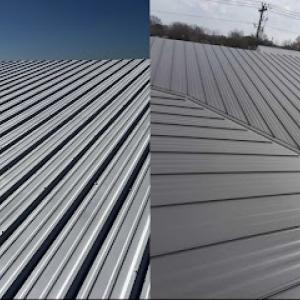
Green Shield Roofs
(512) 496-7363 greenshieldroofs.com
15630 Vision Dr A, Pflugerville, Texas
4.9 from 34 reviews
Green Shield Roofs protects Central Texas homes and businesses with roofing built to last. We provide residential and commercial roofing services, including repairs, replacements, storm damage inspections, and roof coatings. Our work is focused on durability, clear communication, and solutions that hold up over time. From routine maintenance to storm-related damage, our team helps property owners catch issues early and move forward with confidence, including guidance through the insurance process when needed.
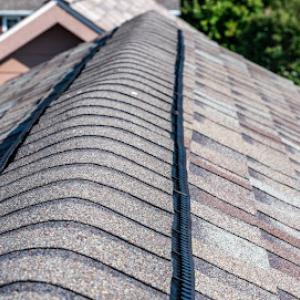
Texas Home Roofing & Exterior Solutions
(512) 773-7172 texashomeroofs.com
18928 Wandering Vine Cove, Pflugerville, Texas
5.0 from 16 reviews
Welcome to Texas Home Roofing! We are a team of experienced professionals dedicated to providing top-notch roofing services to homeowners in Texas. Our company understands the importance of having a reliable and durable roof over your head. That’s why we offer a wide range of roofing services that cater to your specific needs and preferences. Whether you’re looking for roof repair, installation, or maintenance services, we’ve got you covered. Our team consists of skilled and knowledgeable experts who are passionate about delivering quality workmanship and exceptional customer service. We use only the best tools, materials, and techniques to ensure that your roofing project is completed to the highest possible standards. Contact us today!
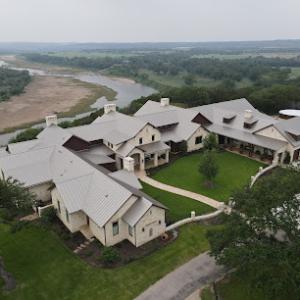
WRT Pflugerville, Wimberley Roofing of Texas
(512) 877-0015 wimberleyroofing.com
18609 Douglas Maple Way, Pflugerville, Texas
5.0 from 16 reviews
WRT Roofing was founded in hopes to focus on giving back to the local communities through quality relationships and long lasting workmanship. Our company prides itself on always being honest and available for those in need within Central Texas. With decades of experience from repairs to complex custom homes, we have the expertise and support from the industry to take on any projects you may have. Thank you for visiting our website, we look forward to working with you!
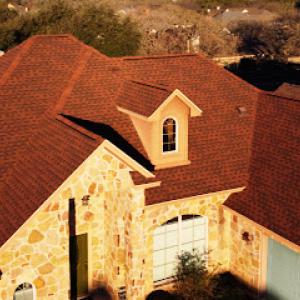
Hometown Roofing ATX
(512) 707-9182 hometownroofingatx.com
Pflugerville, Texas
4.9 from 24 reviews
Hometown Roofing ATX is a business that truly lives up to its name. We specialize in residential roofing services in Austin and the surrounding areas. We solely serve the Austin metro, bringing 40+ years of legacy roofing experience to every roofing project. From installing an entirely new roof to minor repairs to major repairs after a storm, Hometown Roofing ATX is a roofer you can count on to schedule services quickly, but always take the time to provide high quality workmanship. We offer one of the most extensive free inspections that includes a condition report with images, identified issues, expert recommendations for roof repair and accurate estimates for the cost. We’re hometown roofers that are watching out for Austin homeowner
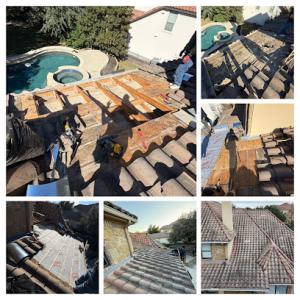
ProNail Roofing
Pflugerville, TX
5.0 from 15 reviews
ProNail Roofing is a trusted local roofing company dedicated to protecting homes and businesses with high quality roofing solutions. We specialize in roof replacements, repairs, and maintenance, as well in house sheet metal work. Our team combines years of experience with top grade materials to deliver durable, reliable results that stand the test of time. At ProNail Roofing, we pride ourselves on honest communication, professional service, and attention to detail from start to finish. Whether you need a small repair or a full roof replacement, you can count on us to get the job done right.
Asphalt shingles are the dominant low-to-mid cost option in this market, and they perform reasonably well under the long, hot Texas summer when installed with proper ventilation. The heat exposure in summer can accelerate granule loss and thermal aging, so it helps to choose a shingle with a reflective granule and a sturdier ASTM rating for heat. Pay attention to attic ventilation and soffit intake-adequate air flow reduces the risk of heat buildup that can shorten the life of the top layer. In areas with strong sun, a sealed or laminated profile tends to hold up better against curling and wind uplift. When evaluating color and warranty options, lean toward lighter tones that reflect more solar radiation and help keep the roof surface cooler during peak heat.
Metal roofing is a strong local fit because Pflugerville's long hot season makes heat performance and summer attic load a major homeowner concern. Metal panels typically shed heat more efficiently than asphalt and can reduce attic temperature, which mitigates interior cooling demands and helps extend the life of insulation. Look for metal systems with standing-seam or interlocking seams, powder-coated finishes, and color options that reflect sunlight. Proper installation matters: ensure concealed fasteners or corrosion-resistant screws, and verify that the roof deck and underlayment are rated for metal, with appropriate airflow channels to prevent moisture build-up behind the metal. If a reroof is needed, pay attention to the roof's slope and the need for additional underlayment to handle potential hail impacts and thermal expansion.
Clay and concrete tile appear in the local material mix and require attention to roof structure and underlayment because full reroofs with structural implications may trigger plan review. Tile roofs are naturally durable and can resist heat well, but they are heavier and demand a stiffer framing system. Hail exposure can chip tile edges, so ensure tiles are rated for impact and that the underlayment beneath is robust enough to handle repetitive sun-driven expansion and contraction. In homes with existing plywood shear strength or older decking, a reroof may necessitate structural assessment to confirm compatibility with tile weight. Ventilation remains important to manage heat under the tiles, and installers should verify proper spacing and rake edge details to prevent wind-driven moisture intrusion. For new builds or major replacements, coordinate with the underlayment selection and consider a high-quality, flexible membrane that accommodates tile movement and seasonal temperature swings.
The local mix often means weighing cost, weight, and heat behavior together. If the roof already has good ventilation and is not structurally constrained, asphalt shingles offer straightforward performance with appropriate attic management. For homes with higher heat exposure or where attic space is a premium, metal roofs can deliver superior heat shedding and lighter interior load, provided installation is meticulous. For larger, existing homes with solid framing and a need for long-term durability under hail pressure, clay or concrete tiles can be a compelling option when structural and underlayment requirements are met. In every case, ensure the roof assembly is compatible with the anticipated roof life, local wind-driven conditions, and typical seasonal temperature swings to maximize performance in the local climate.
In this community, a building permit is typically required for a full reroof, reflecting the city's emphasis on ensuring roofing work can withstand Central Texas hail and heat cycles. The permit process helps verify that the roof assembly, underlayment, and any required attic or soffit ventilation meet current codes and local amendments. Because storm-driven damage and insurance-approved replacements are common, the permit step also acts as a formal record for future claims and resale disclosures.
The City of Pflugerville Building Services is the authority that issues reroof permits and oversees inspections during the project. Before work begins, verify that the permit is pulled in the name of the property owner or a licensed contractor, and confirm any required right-of-way or utility notification steps. Keeping the permit application organized-project address, roofing material, number of layers to be removed, and any structural changes-helps streamline plan review and avoids delays caused by missing documentation. A clear line of communication with Building Services can reduce hold-ups when weather windows narrow in the peak storm season.
Inspections in Pflugerville commonly include milestone checks that align with the roofing sequence and the local climate realities. A typical early inspection focuses on roof sheathing and underlayment installation, ensuring plies are properly fastened, seams are sealed, and ventilation requirements are met to protect attic spaces from heat buildup and hail impact. A mid-project check may review any structural work if roof decking or support members are replaced or sistered, especially when trusses or rafters show signs of prior damage or moisture intrusion. The final inspection confirms completion, proper flashing around chimneys and vent stacks, and overall adherence to the approved plan. Plan review is possible when structural modifications are involved, so expect a closer look at framing details, load paths, and any engineered treatments for hail resistance.
Because Pflugerville experiences rapid weather changes and a high volume of storm-related work, anticipate a permitting timeline that can hinge on weather and the complexity of the reroof. If an inspection misses the first window, scheduling promptly for the next available slot helps reduce exposure to rain or heat during teardown and replacement. Have your contractor prepare a durable, code-compliant plan that can withstand the Central Texas hail regime, and keep a copy of the approved set on-site for quick reference during inspections. Understanding the inspection milestones helps you coordinate deliveries, material staging, and wind-rated fastening requirements so the project proceeds smoothly through the permit lifecycle.
In Pflugerville, typical local pricing for common roof Materials reflects both climate and housing stock. Asphalt shingles run about 350 to 650 per square, which aligns with many mid-century and newer neighborhoods where this material remains the baseline option. If you're eyeing metal, plan on roughly 600 to 1100 per square, a choice that often suits the heat and hail exposure because of its durability and longer life. For clay tile, expect 900 to 1800 per square, which fits the warmer, drier months but demands a sturdier underlying structure and careful installation. Concrete tile sits in the 600 to 1000 per square range, offering a balance between weight, longevity, and local heat tolerance. Wood shingles or shakes command about 700 to 1200 per square, a look some homeowners choose for character, though they require more maintenance in our sun-drenched climate. Synthetic or composite shingles stay in the 550 to 900 per square band, delivering a middle-ground option that can handle hail better than some classic shingles.
Storm activity, especially hail, changes how quick you'll move from decision to install. After a hail event, scheduling pressure in Pflugerville can spike as neighboring homes enter the same window of urgency. This isn't just about finding a contractor; it's about aligning an inspection, selecting a material, and coordinating a crew that can work around the heat and the high-season demand. If a storm hits, expect a tighter timeline than you'd plan in a quiet month, and be prepared for a few price conversations as contractors balance rush jobs with material availability.
The Texas summers and Central Texas hail exposure push some homeowners toward longer-lasting options, even if upfront costs are higher. Metal roofs, while pricier per square, often pay back in fewer maintenance cycles and better hail resistance. Clay and concrete tile add weight and require structural checks, but they excel in heat reflectivity and long life when installed correctly. Asphalt remains the most economical entry point, especially for straightforward reroof projects, but its hail resistance is not on par with metal or certain synthetics. If you're replacing a roof after hail, align your material choice with how Pflugerville's sun and storms shape wear patterns, and pick a contractor who understands local shingle performance and roof geometry.
Get a clear picture of your project costs upfront - no commitment required.
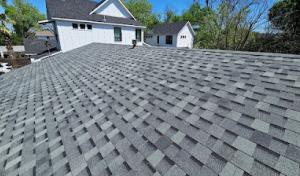
Smiley Roofing & General Contractors
(512) 537-7227 smiley-roofing.com
Pflugerville, Texas
4.9 from 70 reviews
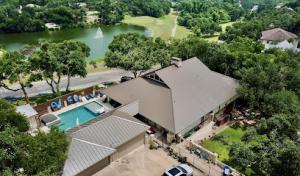
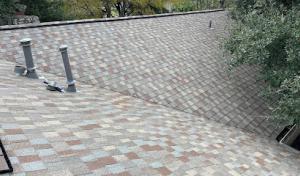
In this area, hail and wind events are not rare weather annoyances-they shape how roofs age and how claims are handled. The frequency of storm-driven calls means insurers are accustomed to rapid assessments and a steady stream of documentation. When a hail event hits, the first phone call often isn't a simple repair decision; it's a negotiation about coverage, timelines, and acceptable materials. The typical homeowner in this market has to face the reality that a quick patch may not always align with what your insurer considers durable, so you're balancing immediate needs with long-term protection.
Some carriers in hail-prone Texas markets have tightened roof coverage or raised premiums, which can affect whether you repair, replace, or upgrade materials. What looks like a straightforward patch after a storm can turn into a conversation about whether the insurer will approve a full roof replacement or prefer a mitigation approach with certain products. When you're closer to the heat of summer and the next storm season looms, those decisions intensify, because each option has different implications for wind uplift resistance, hail durability, and long-term performance under Central Texas sun.
Because insurers commonly ask for detailed documentation in this region, you should keep dated photos, scope notes, and inspection records tied to the repair timeline. Start with clear before-and-after imagery from your roof's peak areas and any visible hail striations or wind-driven damage. Record every step of the assessment: who looked at the roof, what they noted, and how the plan evolved. When a claim moves from estimate to approval, having a consistent file that aligns with the repair timeline helps prevent gaps that can stall settlement or complicate approval for replacement versus repair.
You're not just chasing a roof that looks sound; you're aligning with a process that may reward thorough documentation and timely action. Storm response in this market hinges on speed and accuracy, but the insurer's pace isn't always your pace. Think in terms of how your choice of materials, the timeline for repairs, and the clarity of your photos and notes influence whether you land on a repair that lasts versus a full replacement with upgraded materials. In this climate, preparedness and precise record-keeping are as important as the roof itself.
Pflugerville's hot summers push material temperatures to levels that affect handling, installation, and long-term performance. Shingles can become brittle when left in the sun and under direct glare, making drainage and edge fasteners more delicate during placement. Crews often move faster in the morning when temps are tolerable and pause during peak heat, which can extend project timelines. You'll notice installers choosing shaded work areas, preheating materials away from direct sun, and using cool-down intervals to protect both product and crew.
High summer temperatures directly influence when full replacements are practical. Scheduling early in the day helps avoid the afternoon scorch, but even then, intense heat can slow adhesive and sealant curing. If your roof requires multiple days of work, plan for extra breaks and hydration for workers, which translates to staged progress rather than a single continuous push. Spring or fall windows often prove more practical for larger replacements, allowing crews to maintain quality without fight against oppressive heat.
Autumn storms and high winds are a real scheduling risk after the heat breaks. Late-season projects may face weather delays even once the heat subsides, as cold fronts and gusty conditions can compromise shingle seating and flashing detail. Expect potential weekend interruptions and the need for on-site weather monitoring. Coordinating with your contractor to build contingency days into the plan helps keep a replacement on track despite Pflugerville's variable storm pattern.
You'll see more asphalt shingle roofs than anything else in the area, driven by fast delivery, broad color options, and solid performance in Central Texas heat and hail. Covered under high-win conditions, the exposed nailing zones and edge caps are common stress points after a hail event. When inspecting, focus on curled or cupped shingles, random granule loss, and any hairline fractures that align with impact patterns. Regular maintenance around eaves and around vents helps prevent moisture intrusion where granules have worn away.
Metal roofs handle heat well and shed hail effectively, but fast-growing subdivisions push a wide mix of metal profiles and coatings. Seams and fastening points are the key weak spots, especially where flashing meets wall lines or transitions to lower slopes. In homes with metal, check for loose screws, denting in exposed panels, and proper sealant around vent flashings. In Pflugerville, metal is favored not just for longevity but for its resistance to repeated sun exposure; occasional paint fade or coating degradation can reveal underlying corrosion if left unchecked.
Tile roofs offer excellent longevity in hot climates but demand careful installation and robust underlayment. Individual tiles can crack from hail or footing stress near roof penetrations. Look for broken or displaced tiles, especially along the edges and hips, and inspect the underlayment beneath for any signs of moisture. Tile roofs perform best when reinforced at valleys and around skylight openings, where flashing must align with tile contours to prevent leaks.
Flat or low-slope roofs appear in additions, porches, and mixed-use spaces. The weak points here are membrane seams, flashing transitions, and drainage details. Plan for regular UV- and hail-related inspection around parapet edges and any penetrations. Prompt attention to pooled water or blisters in the membrane can prevent more costly repairs.
Skylights bring natural light but concentrate flashing challenges. In Pflugerville's climate, sealant degradation and flashing wrinkles around skylight bases are frequent repair triggers. Inspect the flashing compound, verify seal integrity, and monitor for condensation between panes, which often signals a compromised seal or improper drainage away from the skylight.
Across all roof types, hail and heat cycles push at weak joints, fasteners, and vent penetrations. Regular per-penetration checks around plumbing stacks, attic vent shutters, and HVAC curbs help catch leaks before they become interior damage. In homes with mixed materials, ensure transitions between different roof types have compatible flashing and proper slope continuity to avoid stress concentration.
Find specialists in TPO, EPDM, and built-up flat roofing systems for residential and commercial properties.