Last updated: Apr 19, 2026
Spring hail events in this area trigger a rush of activity that can overwhelm homeowners if you wait. After a storm, your first move is to protect the roof from further damage. Bring tarps or plywood to cover exposed decking, valleys, and any sagging sections, especially if lasting roof leaks start to show. Document everything with dated photos from multiple angles: hail impact on shingles, metal panels, tile edges, and gutters. If you notice wind-driven debris or damaged flashing, mark the location so you can reference it when a contractor or adjuster arrives. In Helotes, inspections tend to get booked quickly after a hail event, so don't delay: the longer a roof sits exposed, the more water intrusion and secondary damage you may incur.
Insurance timing matters more here than in many nearby suburbs because adjusters and contractors cascade into town after every severe spring storm. You will benefit from initiating contact with your insurer as soon as you can safely document the damage. Tell them you experienced a hail event and request an inspection appointment within the window you have identified from your policy. If an adjuster isn't available within a few days, you may still proceed with temporary protection and a scope-verified contractor while you wait, but keep all documents and communications organized to avoid miscommunication about what was observed and what is covered. Be prepared to provide your storm date, the exact location of damage, and a concise list of symptoms-air leaks, roof deck exposure, and missing granules on shingles are common issues after spring hail in this area.
Local contractor activity swells after hail events, and you will feel the pinch quickly. Expect higher demand for roof inspections, especially if your roof used tile or metal prior to the storm. Ask for a written scope of work from any contractor you consider, including a clear plan for temporary protection, debris removal, and a replacement sequence that minimizes exposure to the next wave of weather. If you have metal or tile roofing, insist on a contractor with proven experience in those materials, because the inspection focus and repair methods differ from asphalt shingles. Scheduling a same-day or next-day inspection is rare but possible if the storm is recent; otherwise, plan for a short wait, then act decisively when an opening appears. Keep notes on each contact: who you spoke to, the date, the promised timeline, and any deviations from the agreed plan.
In this market, the fastest path from inspection to replacement hinges on clear, timely communication with your insurer, a qualified adjuster, and a trusted local crew. When the scope is approved, secure a firm start date and a realistic quick-turn schedule that accounts for potential weather gaps in spring. If your roof is tile or metal, you may encounter longer lead times for specialty materials or flashing components. Build in a contingency for supply delays and plan temporary protection through the peak storm window. Prioritize a replacement approach that aligns with your home's most vulnerable areas-valleys, chimney flashing, and eave edges-to prevent recurrent damage from the next round of weather. Stay vigilant for red flags: sudden changes in scope, requests for extra documentation, or pushback on a temporary fix. If these appear, contact your insurer and contractor immediately to re-align the plan and keep the project on track.
The dominant residential roof materials in Helotes include asphalt shingles, metal roofing, clay tile, concrete tile, wood shingles or shakes, and synthetic or composite shingles. Each material aligns with the region's architectural styles and the way homeowners use their outdoor space. When you walk a newer neighborhood or a century-old home along the hill country edge, the roofline often signals the curb appeal and the long-term replacement plan. The practical takeaway is to match a roof's profile and weight with the underlying structure and visible slope, since steeper rooflines are a defining feature of many local homes and influence both appearance and maintenance.
Helotes homes frequently feature tile and metal on higher, more dramatic rooflines. Clay and concrete tiles offer a bold silhouette and strong heat resistance, but they come with weight considerations and repair nuance. Metal roofing provides a sharp, modern look with excellent resistance to hail when installed with the right profile and fasteners, yet it demands careful integration with attic venting and insulation to manage summer heat. Wood shingles or shakes add texture and character, but their performance hinges on proper underlayment and treatment to resist sun and eventual moisture cycles. Synthetic or composite shingles aim to mimic natural options while delivering better hail resistance and lighter weight, making them a practical middle path for certain roof geometries.
The hot sun in this area makes heat performance a deciding factor. Lighter-colored asphalt or synthetic shingles can help reflect more radiation, potentially reducing attic temperatures and cooling loads. Tile-whether clay or concrete-tends to endure heat well but transfers weight to the structure, so structural considerations are essential before selecting a tile option. Metal roofing reflects a portion of the sun's energy, which can improve comfort upstairs and in attic spaces, provided installation details like fastener spacing and panel seam integrity are addressed. For homes with tall, visible rooflines, the choice affects not only energy performance but the ease of maintenance and post-storm fixes.
Spring hail storms are a practical reality here. Asphalt shingles, when rated for impact resistance, can offer a familiar replacement path with straightforward repairs. Metal roofs tend to hold up well against hail, but dent repair and panel replacement can be more involved if damage occurs at seams or through coatings. Tiles-clay and concrete-provide excellent durability but carry a higher risk of breakage on impact and require careful matching of color and profile during replacements to preserve curb appeal. Wood shingles present a maintenance-heavy option in a hail-prone environment, where replacement of individual boards must be coordinated with the home's existing texture. Synthetic shingles can provide a balanced mix of impact resistance and easier repairs, on a roofline that favors a dimensional look.
When evaluating options, start by assessing the visible roofline and the underlying deck's ability to support weight. If the slope is steep and the home features bold, tile-like lines, consider tile or metal for curb appeal and long-term durability, understanding their repair implications. For lower-maintenance paths with a classic profile, asphalt or synthetic shingles offer familiar aesthetics with easier replacement after a storm. In homes with complex shapes or high visibility, prioritize a product that preserves the architectural character while delivering predictable performance under heat and hail. In all cases, coordinate color and texture with the house's exterior palette to keep the overall look cohesive as materials age.
In Helotes, long, hot, sunny summers accelerate surface aging, granule loss, sealant fatigue, and general wear compared with milder climates. That means previously installed roofing in this area can deteriorate faster, and the decision to replace after a winter or spring event should consider more than just the temperature. The timing window is narrow and highly weather-dependent, so readiness to act when the right conditions appear matters.
Winter temperature swings in this part of Texas can affect sealants and make brittle tile materials more vulnerable during handling or repair. If a choice involves tile like clay or concrete, or metal interacting with tile profiles, plan around the possibility of cold snaps that stiffen materials and complicate installation. Cold-weather handling can introduce micro-cracks or sealant failures if not managed carefully, so ensure crews have procedures to protect edges, fasteners, and underlayment during cooler mornings and warming afternoons.
Daily summer thunderstorms in the San Antonio area can interrupt tear-off and dry-in schedules, so replacement timing in Helotes is not just about temperature but also about afternoon weather windows. A typical crew relies on a predictable stretch of dry, mild weather with consistent afternoons free from lightning risk. If storms threaten, a tight plan should exist to secure exposed roof areas, protect interior spaces, and resume work promptly when skies clear. Expect sudden delays during peak storm season, and coordinate with the crew to minimize wind-driven debris exposure.
Spring hail events trigger rapid assessment, but the next steps require discipline. After hail, the first priority is documentation: date-stamped photos, granule loss patterns, dent mapping on metal, and potential soft spots on underlayment. This information informs whether a full replacement or targeted repairs is needed. Once an assessment confirms widespread damage, establish a clearly defined action sequence: temporary protection measures, insurance communication alignment, selected material type, and a realistic replacement window that avoids peak heat while staying ahead of further deterioration.
If replacement is warranted, identify a window that minimizes afternoon heat exposure during critical stages like tear-off and dry-in. For tile options, ensure handling plans reduce risk of breakage during peak heat hours. For metal or composite options, coordinate sealant cure times with daytime temperatures to avoid premature cooling or hardening setbacks. Communicate contingency plans with the contractor for delayed starts caused by storms, and confirm that the crew has shaded staging areas and safe access to attic and ridge lines to protect interior spaces while work progresses.
In the Helotes area, typical pricing runs align with the broader Hill Country market: asphalt shingles around $350 to $700 per square, metal from $700 to $1200, clay tile $800 to $1600, concrete tile $750 to $1400, wood shingles or shakes $600 to $1100, and synthetic or composite shingles $500 to $900 per square. These ranges reflect the mix of hotter days, heavier slope profiles, and the common preference for durable, long-lasting materials on hillside homes. When you're budgeting, plan for the square you actually need: one square equals 100 square feet of roof surface.
Costs in Helotes can rise after regional hail events when storm-driven demand tightens labor availability across the greater San Antonio market. After a hail season, you'll often see quick bidding, expedited start windows, and sometimes rapid material pricing shifts. If your roof was damaged, align decisions with the most favorable window for pricing and crew availability, not the earliest possible start. Expect extra attention to inspect for hail-driven issues like dented flashing, hail damage to ridge caps, and damage to clay or concrete tiles, which can complicate replacement and affect overall cost.
Homes in this area commonly use higher-visibility sloped roof designs and heavier materials such as clay or concrete tile, both of which can increase labor complexity compared with basic low-complexity re-roofs. Clay and concrete tile require precise layout to prevent breakage, careful handling of heavy units, and sometimes additional underlayment considerations. Metal and synthetic options can reduce weight and speed up installation but may demand specialized flashing and integration with existing penetrations. If the roof has multiple ridges, dormers, or a steeper pitch, expect higher labor costs and longer project timelines.
In a spring hail cycle, you'll benefit from quick, accurate damage assessments and a clear contractor plan. Start with a trusted contractor who can document hail damage, propose a phased replacement if needed, and provide a time-based installation schedule that minimizes exposure to heat and sun during peak daytime hours. Weather windows in Helotes can be short, so coordinating asphalt or metal re-roofs around a demanding spring calendar matters. For tile roofs, insist on full-coverage premium underlayment and careful tile removal and replacement to avoid future leaks, as these roofs often command higher material and labor values during post-storm work.
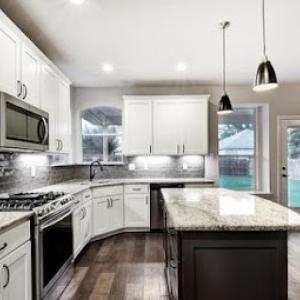
Ingram Builders
(210) 695-5104 ingrambuilders.com
17430-1 Bandera Rd, Helotes, Texas
4.6 from 21 reviews
Ingram Construction was established in 1984 by Brett J. Ingram. Brett’s father, Lee Ingram, joined in 1986 to launch the roofing component of the company. The company further expanded in 1994 to include custom home building. It was at this time that the company started doing business as Ingram Builders and was subsequently incorporated in 1995. Our services includes residential and commercial roofing, custom home building and remodeling in Texas. Ingram Builders is a proud member of the Better Business Bureau, the National Association of Home Builders, the Texas Association of Home Builders (TAHB), and the Greater San Antonio Home Builders Association. In addition, Ingram Builders is proud to be a CPS Smart Energy Builder.

Heritage Roofing & Construction Company
(210) 762-5522 heritagecctx.com
Serving
4.7 from 120 reviews
Heritage Construction is a local roofing company in San Antonio, Texas. Our specialty is residential and commercial roofing. We know choosing a professional roofing contractor can be a rather daunting task, generally. The truth is, the roofing industry has a bad reputation thanks to fly-by-night companies that hit up storm-damaged cities and take the money and run. As a result, we know it's difficult finding a roofing company you can trust. You'll need to ensure the company is certified and licensed and insured. Lastly, you'll often need to involve your homeowner's insurance if the damage is storm-related. Soon, a simple project can turn tedious. That's why we're here to help.

DV Roofing & Remodeling
Serving
4.9 from 94 reviews
DV Roofing is not just a roofing contractor. We specialize in roofing and as general contractors, we also have the capability and experience to assist with all of your storm related needs. If you need storm damage repairs on roofing, siding, chimneys, skylights, garage doors, fencing, decking, painting, broken window and screens, rain gutters, interior drywall or painting, roof re-decking, fascia and trim repairs, and so much more, we can put our experienced team to work for you. We have decades of experience in all phases of home remodel and repair. DV Roofing is a family owned and operated company with locations in San Antonio, Temple, Kempner, and Midland.
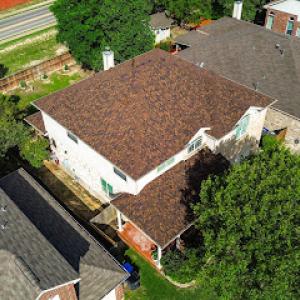
Nestled Roofing
(210) 814-9919 nestledroofing.com
Serving
5.0 from 215 reviews
At Nestled Roofing, we're more than just a roofing company. We're family owned and operated, guided by over 55 years of experience and just like our owl mascot we are committed to protecting your home with wisdom, integrity, and craftmanship.

Norwest Roofing: San Antonio Roofing Company
(210) 697-9835 www.norwestroofing.com
Serving
5.0 from 72 reviews
As a local, family owned business, Norwest Roofing in San Antonio has provided high-quality roofs for homes and businesses for over 30 years. It is our family’s mission to provide Central Texas with affordable, reliable roofing services that they can count on. Our expertise spans the spectrum of roof replacements and roof repairs. Always working in a timely and efficient manner, we are proud to finish our jobs on time or ahead of schedule. Our skilled roofers are experts in their field, and their workmanship has helped name us as industry leaders. We are dedicated to helping you find the roofing solutions you need, and we guarantee you will love the results!
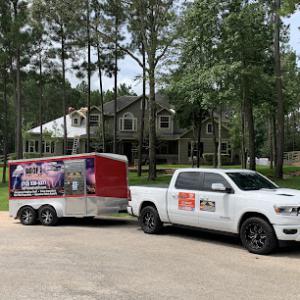
Roof 1 Construction
(210) 653-1776 www.roof1construction.com
Serving
5.0 from 46 reviews
Leading Roofing company in the San Antonio and surrounding areas. At the Master Elite level, only 1% of contractors are a Master Elite.
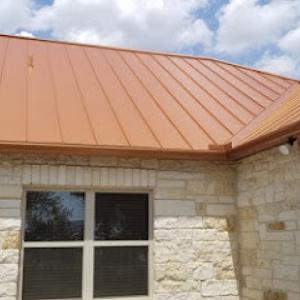
Roesler's Roofing & Remodeling
(210) 908-9680 www.roeslersroofingandremodeling.com
Serving
4.7 from 93 reviews
Here at Roesler's Roofing & Remodeling, LLC, we are dedicated to providing excellent customer service to our clients and pride ourselves on our ability to satisfy your needs. Serving San Antonio and the surrounding areas, we strive to be the best at what we do by offering an honest service that is priced fairly. Using state of the art equipment, we take pride in our careful attention to detail, skilled craftsmanship, and our determination to exceed your expectations. This is not a fly-by-night company, as we are committed to staying on schedule and within your budget. Specializing in new construction, replacement, repair service, and gutters, Roesler's Roofing & Remodeling, LLC has got you covered! " Roofing Done Right"
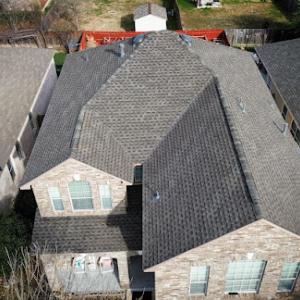
Twin Hammers Roofing & Contracting
(210) 650-2090 www.twinhammersroofing.com
Serving
4.9 from 221 reviews
Twin Hammers Roofing and Contracting provides residential and commercial roof installation, repair, inspection, restoration, and flashing for all roof types of roofing including metal, foam, tile, shingle, rubber, pitched, flat, and modified in the San Antonio, TX, area.
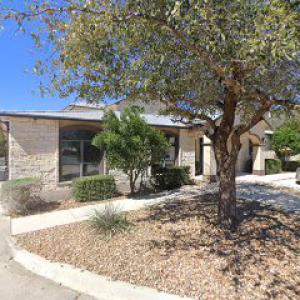
Kingdom Construction
(210) 560-7679 www.kingdomconstructiontx.com
Serving
5.0 from 40 reviews
Kingdom Construction has offices in Frisco and San Antonio, Texas, serving surrounding areas, including Austin, Texas. We're known for residential builds and specialty projects ranging from concrete pads, outdoor kitchens, roof replacements and much more. Every project is completed in a timely manner with high quality products and excellent customer service. Kingdom Construction is here to stay and here for you.
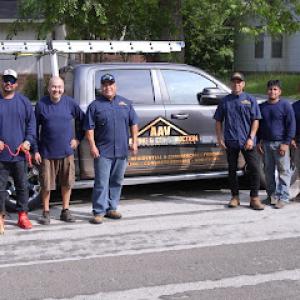
AAV Roofing & Construction
(210) 993-0064 www.aavroofingandconstruction.com
Serving
5.0 from 42 reviews
AAV Roofing & Construction is a Roofing Contractor located in San Antonio, TX, and has been servicing all of San Antonio and the surrounding areas for years. We specialize in New Roofs, Roof Installation, Roof Replacement, Roof Pressure Cleaning, Roof Maintenance, Roof Repair, Residential Roofing, Commercial Roofing, Seamless Roofing, Flat Roofs, Metal Roofs, Deck Building, Deck Repair & more. Here at AAV Roofing & Construction, our mission is to always provide quality service at an affordable price. The success of our company is due to the dedication we provide to our customers. No matter the job, customer satisfaction is always our number one priority! Don’t hesitate to give us a call!

McAllen Valley Roofing
(210) 361-8465 www.sanantonioroofexperts.com
Serving
4.9 from 39 reviews
McAllen Valley Roofing is a full-service San Antonio roofing company, offering residential and commercial roofing services. Our core business values are designed to provide you with an exceptional experience by delivering quality workmanship on every job. Our goal has always been to to provide all of our customers with the most cost-effective roof repair and to provide you with a quality roofing solution that will provide lasting satisfaction for many years. We service the entire Rio Grande Valley, including Alamo, Alton, Brownsville, Del Rio, Edinburg, Harlingen, Hidalgo, Laredo, McAllen, Mission, Pharr, Rio Hondo, San Juan, and more… For a free roofing estimate, call 210-361-8465 or visit our website

Roland's Roofing
(210) 543-7663 rolandsroofing.com
Serving
4.5 from 195 reviews
Roland's Roofing has been serving San Antonio and other cities for over 40 years. Our family owned roofing company does work for residential and commercial buildings as well as new buildings. Our services include skylights, roof replacement, roof repairs, window installation, and other services. Our team will provide you with excellent service, exceed all your expectations, and help you out with any insurance claims you might need to make. Get your free roof inspection report today!
In this market, a full roof replacement is commonly treated as a permit-required job rather than a no-paperwork project. The process helps ensure that the installation stands up to Helotes's spring hail risks and the hot Hill Country sun. Before any shingle or tile removal begins, verify that a building permit is pulled and that your contractor submits the plan with accurate venting, underlayment, and flashing details. Without a permit, you risk delays, rework, or issues when you go to sell later.
The City of Helotes Building Department is the authority for all roofing permits and the corresponding inspections. Your contractor should initiate the permit application, but you are the project owner and ultimately responsible for ensuring that the paperwork is complete and up to date. Expect a typical flow that includes submitting roofing plans, choosing material types, and confirming deck and underlayment specifications. The Building Department will issue the permit and provide a schedule for inspections, so stay in close contact with both the permit office and your contractor to avoid miscommunications.
Inspections in this area are staged to align with critical construction milestones. After underlayment and decking are installed, an inspection is usually conducted to verify proper nailing, ventilation, and moisture management. This early check helps catch issues before the roof goes over the top of the structure. A final inspection occurs when the project is completed, confirming that materials meet code, flashing details are correct, and the work is safe for long-term performance under heat and seasonal storms. If you're replacing tiles or metal, expect specific checks for rake and hip details, alignments, and sealant integrity around penetrations.
Coordinate timing with the Building Department so inspections don't lag behind the construction pace. Have a clearly labeled set of installation details on hand-ventilation, underlayment type, and flashing method-to expedite reviews. Ensure access for inspectors to entire roof areas, including attic spaces if required, and keep all warranty and manufacturer documents ready for submission. A proactive approach with the permit and inspection plan helps keep your project on track through spring hail season and into a solid, compliant finish.
Post-storm weather patterns in this area push hail and wind losses into underwriting decisions and claims handling. After major hail events, carriers may tighten underwriting, and older roofs can face higher premiums or reduced coverage options. The impact is felt not just in immediate repairs but in the way policies are written and renewed years later. Understanding this reality helps homeowners plan ahead rather than scrambling when a storm hits.
Because claim activity can spike locally after storms, Helotes homeowners benefit from documenting date-stamped exterior damage, interior leaks, and any emergency tarping before adjuster and contractor backlogs build. Start with clear photos of hail impacts on shingles, gutters, and fascia, and keep copies of weather alerts and service visit notes. A simple, organized timeline helps when the insurer assigns a file, when contractors estimate damages, and when repairs begin to prevent further interior damage during heavy spring rain.
In the immediate aftermath of a hail event, known risks include misaligned timelines between adjusters and crews and the temptation to delay until backlog eases. A proactive approach-contacting a trusted local contractor for a scope of work, while documenting damage for the insurer, can prevent prolonged exposure to leaks and secondary decay. The goal is to coordinate promptly so emergency measures protect the home, but without sacrificing thorough, accurate documentation that preserves coverage options as underwriting considerations evolve.
Connect with contractors who help homeowners navigate the claims process from damage assessment to final approval.

Ingram Builders
(210) 695-5104 ingrambuilders.com
17430-1 Bandera Rd, Helotes, Texas
4.6 from 21 reviews
Heritage Roofing & Construction Company
(210) 762-5522 heritagecctx.com
Serving
4.7 from 120 reviews
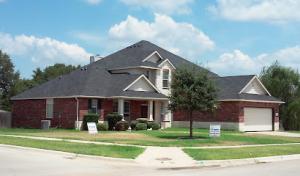
Tile roofs are a meaningful part of the local market, so cracked field tiles, slipped pieces, and aging underlayment matter more here than in shingle-only neighborhoods. After spring hail or strong storms, inspect for hairline cracks in field tiles and any movement where tiles meet hips and ridges. When a tile is cracked but the rest look intact, don't let a small split linger-water can travel under the deck and damage plywood or the metal underlayment beneath. Keep an eye on the underlayment's condition after a storm, especially in areas with temperature swings that stress clay and concrete tiles. If you're replacing tiles, match the profile and color as closely as possible to maintain your roof's ventilation and curb appeal. Schedule a closer look after heavy winds to catch loose or misaligned tiles before they cause moisture intrusion.
Metal roofing has a strong local presence, making fastener condition, flashing details, and expansion-related detailing relevant topics for Helotes homeowners comparing long-life systems. Inspect exposed fasteners for looseness, rust, or sealant degradation after hail or temperature spikes. Look at the flashing where the roof meets walls, chimneys, and skylights; any gap or lift can become a leak path in a rapid freeze-thaw cycle. Expansion joints and panel seams require attention-metal expands with heat, so verify that panels aren't bending or buckling near edges or overhangs. For maintenance, keep the ribbed surface clear of debris and shrubs that can trap moisture.
Skylight-related leak points deserve attention in this market because enough local contractors specifically advertise skylight work to indicate recurring homeowner demand. Inspect skylight flashings, curb condition, and the seal around the glazing annually, not just after storms. Cracked or evaporated sealants invite condensation and capillary leaks into attic spaces. If a skylight shows signs of moisture intrusion, verify whether the flashing and kerf sealant need replacement or whether the curb needs a more robust sealant system to handle Helotes' sun exposure and wind pressure. Consider upgrading to a tempered or laminated unit if glare or heat transfer has become an issue.
Explore specialists in steel, aluminum, and standing seam metal roofs built to last 50 years or more.

Norwest Roofing: San Antonio Roofing Company
(210) 697-9835 www.norwestroofing.com
Serving
5.0 from 72 reviews
Twin Hammers Roofing & Contracting
(210) 650-2090 www.twinhammersroofing.com
Serving
4.9 from 221 reviews

AAV Roofing & Construction
(210) 993-0064 www.aavroofingandconstruction.com
Serving
5.0 from 42 reviews
The Helotes-area contractor pool shows unusually strong concentration in storm response, emergency repair, and insurance-claim assistance, so homeowners need to distinguish true local capacity from surge-driven sales activity after storms. Quick access and rapid cleanup are the top signals that a crew understands this town's needs-leak control and debris removal matter as soon as hail scores your shingles. In practice, look for crews that can show a plan for debris containment, tarping, and a clear path to full roof evaluation rather than a quick patch that leaves underlying damage exposed. If a contractor seems focused on one-off fixes or upsells, you're likely dealing with surge tactics rather than durable, long-term protection.
Response speed matters, but so does quality. After a severe storm, you'll be balancing urgency with accuracy: the first crew on your roof may find high-frequency hail damage that isn't obvious from the ground, and that can cascade into interior leaks if not addressed properly. Choose teams that provide a documented inspection, photos, and a written assessment before any material is torn off. A legitimate local operation will walk you through the sequence of repairs or replacements, help you interpret shingle or panel compatibility, and keep you from overreacting to a temporary fix that doesn't stand up to our spring weather.
Re-roofing and residential work dominate the market, so most homeowners hire for full replacement or major storm-related repair rather than niche preservation. That reality means you should prioritize contractors who offer durable, all-season performance and a coherent plan for tile- or metal-friendly homes common in this area. Be wary of outfits that push rapid replacements without thorough consideration of your roof's structure, underlayment, or long-term weather resilience. A careful estimator who explains options, timelines, and what wins in our climate will serve you best when spring hail returns.
Get a clear picture of your project costs upfront - no commitment required.
Ingram Builders
(210) 695-5104 ingrambuilders.com
17430-1 Bandera Rd, Helotes, Texas
4.6 from 21 reviews
Twin Hammers Roofing & Contracting
(210) 650-2090 www.twinhammersroofing.com
Serving
4.9 from 221 reviews