Last updated: Apr 19, 2026
Spring in this part of the Hill Country brings a brutal mix of hail, wind, and fast-moving weather cells that can hammer roofing systems in a single afternoon. Shingle tabs can lift, dent, or crack; metal panels may buckle or loosen; and clay or concrete tiles can crack or slip from their battening. After the storm, the schedule window for repairs tightens quickly as crews swing between high-priority storm jobs and insurance-driven timelines. The disruption can be especially painful when a roof is already pushing its age or when previous repairs have weakened ventilation pathways. In practical terms: a fast assessment and a clear plan matter more than ever once the hailstorm moves on and the wind shifts to the next neighborhood.
The local insurance climate has hardened, and the claim process now hinges on thorough, image-heavy evidence. Expect requests for detailed photo documentation that shows pre-existing conditions, storm impact, and the exact scope of replacement or repair. Weather-related loss history needs to be traced, including prior claims, MTC (material type and class) notes, and any notes on wind-driven debris. Photos should clearly capture shingles, panels, flashing, vents, and attic conditions, plus close-ups of granule loss, punctures, and missing fasteners. A well-prepared scope that translates storm damage into a measurable line item will move faster through adjuster review. In this market, a contractor who can articulate every step, with back-up photos and a precise, insurer-friendly scope, becomes essential rather than optional.
Because many local contractors actively market storm damage and insurance claim help, storm-related roof replacement is a central part of the market rather than a side service. The most reliable teams arrive with established insurance workflow: they inventory damage, prepare formal scope notes, and coordinate with the adjuster to minimize back-and-forth. Beware of crews that promise immediate replacement without proper documentation or those who pressure you into hastily signed agreements. A legitimate storm roofer will begin with an exterior inspection, then move indoors to verify attic conditions and ventilation, which is critical in this climate where attic heat can compromise insulation and increase energy costs if ventilation is neglected during replacement.
Start by documenting the roof and attic in the hours after a storm, before roof debris is cleared. Take wide shots of the entire roof, then zoom into shingles, flashing, and any visible damage. Note dates and severities of hail events, and keep a log of any windy days that may have loosened components. Contact a contractor who specializes in insurance-backed replacements and asks for a written pre-claim assessment that includes photos and a proposed scope. When the adjuster arrives, bring the contractor's scope, and be prepared to walk through it step by step, confirming material choices and ventilation provisions. If multiple storms occur in quick succession, prioritize a comprehensive, code-compliant replacement that resolves ventilation and roof-to-wall connections to prevent repeat claims and extend the roof's life.
Choose a contractor who is explicit about storm workflows: documented scopes, itemized line items, and a clear path from claim to installation. Verify license and insurance, and ask for references from recent Kerrville jobs that involved insurance claims. A trustworthy partner will align with you on a timeline that respects weather windows, provide ongoing communication during the claim, and ensure the replacement integrates proper attic ventilation, underlayment, and flashing details to withstand future hail and wind events. In this climate, the right relationship with a storm-savvy roofer isn't optional-it's your best defense against another urgent claim cycle next spring.
Cypress Roofing
(830) 955-5075 www.cypressroofer.com
1686 Junction Hwy, Kerrville, Texas
4.9 from 97 reviews
Cypress Roofing is the local leader you can trust for all your residential and commercial needs. Certified with the industries leading manufacturers, we provide top tier roof replacements, repairs and maintenance. Quality control being our highest priority, Cypress Roofing custom fabricates all metal roofing components from our in-house sheet metal shop located in the Texas Hill Country. We also offer custom fabricated seamless gutter installations through our gutter division. Our skilled and knowledgeable professionals are happy to assist you with a free roof inspection or estimate. We look forward to hearing from you.
Total Foundation & Roofing
(830) 792-4070 totalfoundationandroofingrepair.com
317 Sidney Baker St, Kerrville, Texas
5.0 from 28 reviews
Total Foundation & Roofing, located at 317 Sidney Baker St in Kerrville, TX, is your trusted local contractor specializing in both foundation repair and roofing services throughout Kerrville and the surrounding areas, including Ingram, Center Point, Tierra Linda Ranch, Fredericksburg, and Comfort. Our expert team provides comprehensive services, including foundation crack repair, house leveling, concrete leveling, waterproofing, and more. For roofing, we offer roof repairs, replacement, installation, and maintenance, specializing in shingle, asphalt, and metal roofing, ensuring your home withstands Texas Hill Country's unique weather challenges. Contact us for a free estimate today.
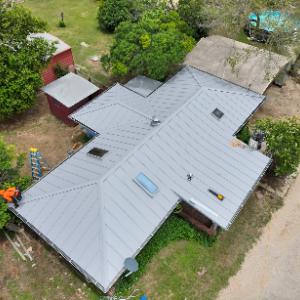
ASAP Roofing & Renovation
(830) 285-7309 asaproofingtexas.com
1701 Main St, Kerrville, Texas
5.0 from 26 reviews
Roofing company ASAP Roofing & Renovations in Kerrville, TX is a veteran‑owned and operated contractor specializing in roof replacement, roofing repairs, and new roof installations. We provide professional gutter installation and repair services to ensure complete roof protection. In addition, we are a home remodeler, delivering expert renovation services with the same commitment to top-quality workmanship and customer satisfaction. Our experienced team upholds the highest standards on every project, providing dependable, full-service roofing, gutter, and remodeling solutions for all your home improvement needs. We are licensed, bonded, and insured, and we’re a BBB‑accredited business.
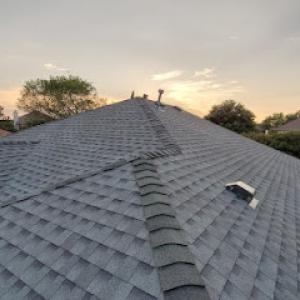
Texas Republic Roofing Kerrville
(830) 448-3927 www.txrroofing.com
124 Blueridge Unit 110, Kerrville, Texas
5.0 from 14 reviews
Texas Republic Roofing is a veteran and family-owned roofing contractor with over 25 years of experience in residential and commercial roofing and exterior construction. Based in Kerrville, we proudly serve surrounding areas like Ingram, Hunt, Mountain Home, Harper, Fredericksburg, Comfort, and others. Known for top-rated customer satisfaction and integrity, we specialize in storm restoration, insurance claim assistance, and high-quality roof replacements. From free inspections to full installations, our team delivers honest, professional service using trusted materials and expert craftsmanship. Texas is our home, we protect it.
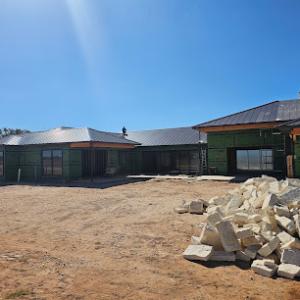
Axis Roofing
102 Colonial Ln, Kerrville, Texas
5.0 from 11 reviews
Axis Roofing is Kerrville's premier roofing company, offering expert roofing services for residential & commercial properties. We specialize in roof repairs, roof replacements, & gutter installation, providing durable & cost-effective roofing solutions to protect your property. Our experienced roofing contractors are committed to delivering top-quality craftsmanship with every job, ensuring your roof is secure & long-lasting. Whether you need emergency roof repairs, a complete roof replacement, or a roof inspection, Axis Roofing is your trusted local roofing expert. With a focus on reliability, integrity, and customer satisfaction, we’re the go-to roofing contractor in Kerrville and surrounding areas. Contact us today for a free inspection!
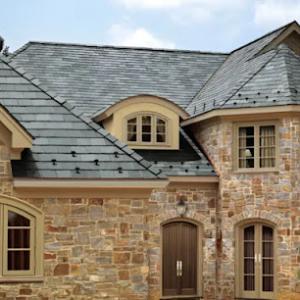
All Weather Roofing & Remodeling
(830) 377-3246 www.allweatherrr.com
311 Harville Rd, Kerrville, Texas
5.0 from 10 reviews
We believe our roofing contractors in Kerrville, TX can provide long lasting solutions for your home. At All Weather Roofing And Remodeling, we specialize in roof installation, roof repair, and emergency roof repair. Our additional services include metal roofing and storm damage repairs. Beyond roofing, we offer siding services, custom window installation, and home remodeling, ensuring your entire exterior is protected and looks great. Our team also handles emergency plumbing, electrical repairs, and residential painting services to keep your home functioning smoothly. If you're searching for reliable roofing services in Kerrville, TX, we’re ready to assist. Call us now to get excellent results.
Hill Country G.R.S.
(830) 250-4029 www.hillcountryroofingkerrvilletx.com
1405 Cypress Creek Rd, Kerrville, Texas
4.9 from 8 reviews
Since 1975, our roofing company has specialized in roofing services, gutter replacement, and siding. Our roofing contractors can complete any job from roofing repair to gutter cleaning. Honesty, dedication, and quality workmanship are important, and we cannot wait to provide you with that experience! Call us today to schedule a service!
No BS Roofing & Construction
(830) 355-6627 www.nobsroof.com
295 Cub Ln, Kerrville, Texas
5.0 from 6 reviews
At No BS Roofing and Construction, we believe in delivering honest, straightforward, and high-quality services to meet all your roofing and construction needs. Based in Kerrville, we offer a comprehensive range of services, including roof installations, repairs, maintenance, home renovations, new construction projects, storm damage repair, and gutter installation and maintenance. Our experienced team ensures every project is completed with top-quality materials and expert craftsmanship. We pride ourselves on transparent pricing, honest assessments, and a commitment to excellence, all while prioritizing customer satisfaction. Fully licensed and insured, we stand out for our integrity, competitive pricing, and dedication.
Suburban Roofing
(830) 370-6836 suburbanroofingtx.com
1100 Main St, Kerrville, Texas
5.0 from 4 reviews
We replace residential roofs with composition or metal. We have years of experience in helping with insurance claims.
Tri County Roofing & Remodeling
(830) 896-8281 tricountyroofingandremodeling.com
Serving
4.8 from 38 reviews
Tri County Roofing & Remodeling is a family-owned and operated roofing company offering exquisite and exclusive roofing services that are reliable, efficient, and affordable. We provide an impressive collection of roofing services that include but are not limited to roofing installation services, roofing repair services, roofing replacement services, roofing gutter services, roofing remodeling services, storm repair services roofing inspection services, and so much more.
Rule Roofing & Gutter
(830) 928-8623 www.kevinrulehomebuilder.com
Serving
5.0 from 12 reviews
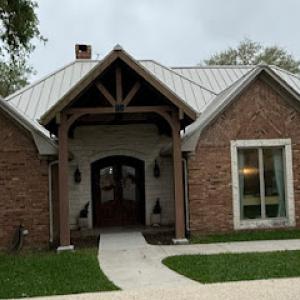
From a name that’s been in the Hill country for over 30 years Rule Roofing and Gutter is locally owned and operated by someone who lives here, just like you. We are here for all of your seamless gutter and roofing needs. Installations, repairs, leaf protection, cleaning, and water collection. Let us come out and help you find the right gutter or roofing solutions for your Hill Country home. Free estimates.
Fierro Roofing
(830) 992-0799 www.fierroroofingtx.com
Serving
5.0 from 11 reviews
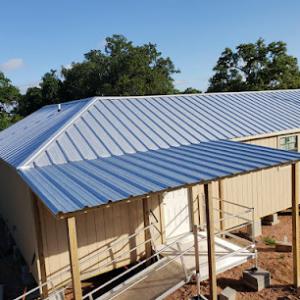
Fierro Roofing is a trusted roofing contractor based in Comfort, Texas, serving residential and commercial clients within a 100-mile radius. With over 15 years of experience, we specialize in roof installation, roof repair, metal roofing, standing seam, tile, and shingle systems. Our bilingual team offers professional service, clear communication, and free estimates. Whether you’re dealing with storm damage, leaks, or planning a new build, we deliver high-quality roofing solutions with precision and care. Available Monday through Saturday and Sundays for emergencies, Fierro Roofing is your go-to for durable, reliable roofs in Comfort, TX, and surrounding areas.
Summer in this area hits hard and stays long, so attic ventilation and underlayment performance aren't afterthoughts-they're the primary factors shaping roof lifespan. The sun beats down on exposed surfaces, and heat transfer into the attic can push decking and shingles to higher temperatures, accelerating aging and increasing the risk of insulation breakdown. When choosing a roof system, you'll want ventilation that moves air efficiently across the entire attic, not just near the soffits. In practice, this means calculation-based venting, a balanced intake and exhaust ratio, and a well-sealed attic to prevent hot, moist air from migrating into living spaces. Underlayment should be rated for heat stability and resist UV degradation, since long summer days can expose it to direct sun before the roof is fully shingled. If a retrofit is in your plans, consider temporary or permanent enhancement of attic access and baffles to keep airflow steady as temperatures climb. This proven approach helps extend shingle life and reduces the likelihood of premature curling or blistering in the field.
Summer afternoon thunderstorms can interrupt installation sequencing and affect sealant curing, which matters for timing repairs and replacements in this region. When a storm rolls through, crews may need to pause work to protect exposed decking and freshly installed materials from sudden downpours or driving rain. Plan for potential delays and coordinate with the contractor to secure a weather window where sealants and penetrations can cure properly without being washed away or compromised by moisture. Extreme heat can also affect sealant performance, so timing sealant applications to milder parts of the day-early morning or late afternoon-helps ensure better adhesion and a longer-lasting seal. If a roof is being replaced during a storm-prone season, consider temporary protective measures like tarps that the crew can deploy quickly to safeguard vulnerable seams and valleys during short, unexpected showers.
Mild winters reduce prolonged freeze stress compared with colder Texas regions, but occasional winter fronts and moisture still create installation timing concerns. Freezing nighttime temperatures can slow adhesive setting and affect shingle performance until temperatures rise. Moisture in the air or on the surface can hinder underlayment adhesion and create a mismatch between layers if work proceeds too aggressively. Plan projects so the coldest or wettest days don't line up with critical phases such as deck sealing or starter strip installation. In practice, aim for a window where temperatures are consistently above freezing during sealant cures and the day's humidity is manageable. This approach minimizes the risk of micro-movement at seams or delayed curing, which can shorten the roof's effective life if rushed or forced during colder spells. By aligning timing with these seasonal realities, a Kerrville roof can maintain its performance through heat, hail-driven stress, and the occasional moisture front.
In Kerrville, asphalt shingles and metal roofing are the most common choices, reflecting a practical balance between upfront affordability and long-term performance under Hill Country heat, spring hail, and frequent wind events. Asphalt shingles offer straightforward installation and easy field repairs when hail chips a few tabs, while metal roofing delivers superior resistance to impact and high winds without sacrificing ventilation. For homes facing intense sun, metal often stays cooler with reflective coatings or lighter colors, helping reduce heat transfer into the attic between storms. If a home already has asphalt or metal, consider re-roofing with the same material to simplify ventilation retrofits and maintain consistent attic airflow.
Clay and concrete tile suit the regional architecture and the scenic Hill Country landscape, bringing a durable, offer-quiet option with striking curb appeal. These tiles can handle the heat well and provide solid longevity, but in Kerrville, replacement decisions should account for potential impact damage from hail and the additional weight they impose. A retrofit or replacement should include a structural assessment to ensure the underlying deck and rafters can carry the tile load, especially in older homes or those with limited attic space. When choosing tile, look for impact-resistant variants and ensure the roof deck is properly ventilated to prevent heat buildup that can shorten tile life and invite moss or algae in shaded crevices.
Wood shakes and synthetic/composite options naturally fit some Kerrville streetscapes, offering texture and a warm look that recalls traditional Hill Country homes. However, material choice is strongly influenced by sun exposure, storm history, and replacement costs after hail seasons. Wood shakes can be more susceptible to hail impact and sun-driven weathering, so pairing them with a protective stain schedule and a robust underlayment is essential. Synthetic or composite shingles provide a more hail-resilient and low-maintenance alternative, while still delivering a textured appearance that suits rural and ranch-style homes. In general, when selecting these materials, prioritize products with good impact resistance ratings, proven wind performance, and compatibility with existing ventilation strategies to prevent heat buildup in attic spaces.
Across all material types, the local climate and storm patterns emphasize the importance of proper ventilation. A well-ventilated attic helps mitigate heat that accelerates aging of roofing materials and interior components, while also supporting more effective moisture control after spring hail events. When replacing a roof, evaluate ridge and soffit ventilation, include turbine or powered vents only where appropriate, and ensure the insulation is compatible with the new roof profile. A roof that breathes well tends to hold up better to wind-driven debris and heat, which are recurring considerations in Kerrville's spring and summer weather cycles.
With hail seasons and windy springs common in this area, it pays to plan for periodic inspections after major storms. The best choice often comes down to how quickly repairs can be implemented, how well the material resists impact and wind uplift, and how the attic remains ventilated post-installation. Homeowners should work with locally experienced roofers who understand common microclimates along the Hill Country and who can tailor an approach to a home's orientation, shade patterns, and existing structure.
In this market, asphalt shingles run roughly 350 to 750 USD per square, a range you'll notice across neighborhood jobs after a hail event or a stretch of windy days. If metal is the choice, budget 700 to 1400 USD per square. Clay tile and concrete tile sit higher, around 1000 to 2000 and 900 to 1800 USD per square respectively, reflecting their heavier crews and specialized installation. Wood shingles or shakes span 550 to 1600 USD per square, while synthetic or composite shingles sit roughly 700 to 1400 USD per square. Those numbers aren't theoretical-they show up in bids polished for Hill Country heat and the local climate.
Spring hail drives storm-driven demand and tight scheduling, and Kerrville costs can rise quickly after a major hail event. Contractors may have shorter windows, higher material handling fees, and compressed labor calendars, which pushes quotes upward even for standard materials. If you're mid-project when a hail storm hits, expect a rapid renegotiation step as adjusters and crews align on repairs or a full replacement. Planning ahead for a potential surge-especially if your roof is nearing the wind- or hail-damaged threshold-helps keep the process manageable.
Material choice matters more in Kerrville because heat exposure, wind resistance, and impact performance can change both lifespan expectations and insurance positioning. Lighter or lower-slope roofs may favor asphalt or synthetic shingles for cost control, but harsh sun and blowing debris from spring storms can favor metal for its longevity and wind resistance. Clay or concrete tiles handle heat and impact well but come with heavier structural requirements and higher installation costs. Your insurance's stance on replacement versus repair often hinges on material and installation quality, so align material choice with both expected performance under Hill Country conditions and how an insurer views the replacement scenario.
Start with a precise square count and choose a material with a documented performance record in hot, hail-prone conditions. Get multiple bids focused on same scope-underlayment, ventilation, and ridge/floor details matter for long-term durability in this climate. Ask for detailed breakdowns that separate material cost, labor, and any surge-related fees so you can compare apples to apples when spring demand tightens the calendar. Finally, set aside a contingency-rebuilt scheduling in Kerrville after hail events is common, and a modest cushion helps you avoid rushed decisions.
Get a clear picture of your project costs upfront - no commitment required.
Cypress Roofing
(830) 955-5075 www.cypressroofer.com
1686 Junction Hwy, Kerrville, Texas
4.9 from 97 reviews
Total Foundation & Roofing
(830) 792-4070 totalfoundationandroofingrepair.com
317 Sidney Baker St, Kerrville, Texas
5.0 from 28 reviews
A full re-roof in Kerrville typically requires a permit through the city, and the application process commonly includes contractor license information and roofing plan review. Treat this as more than a checkbox-planning ahead helps avoid last-minute delays that can push your project into hot, windy days when shingles don't seat properly or underlayment isn't ready for the next rain. Your chosen contractor should be familiar with the exact permit steps and how to present your roof plan for quick approval.
Kerrville inspections are scheduled during and after installation rather than being treated as a purely paperwork exercise. Expect inspectors to show up at meaningful milestones: framing or deck inspection, then a mid-stream check as underlayment and ventilation are installed, and finally the completed roof. Scheduling with the building department early keeps the process moving and reduces the chance of a hold-up caused by misaligned inspection windows.
The local building department may perform a final inspection focused on proper underlayment and roof venting, making ventilation details especially important on re-roof jobs. In Hill Country weather, ventilation isn't cosmetic-it impacts attic temperatures, moisture control, and long-term shingle life. A stubborn heat spike or unexpected spring wind event can expose deficiencies in attic ventilation, so ensure the plan includes adequate eave and ridge vents, plus vents that match the roof's size and pitch.
Before you sign off on permits or a final inspection, verify that your contractor is coordinating material delivery, vent placement, and flashing details with the city's expectations. Poor communication here can create a delayed final sign-off and leave you exposed to rain while awaiting compliance checks. If your roof line runs near trees or a shaded hillside, your ventilation strategy should account for how seasonal shade affects attic temperatures and moisture dynamics, otherwise the final inspection can trigger rework.
In practice, the permit and inspection process acts as a safeguard against small issues turning into costly repairs later. Stay proactive: confirm every required document is ready, schedule inspections with the city early in the project, and keep a clear line of communication with the contractor about ventilation and underlayment specifics so the final look and performance align with Kerrville's climate realities.
Dry spring and fall are the most favorable installation windows in Kerrville, offering better working conditions than peak summer heat or stormier periods. When planning, target those calmer stretches to minimize weather-related delays and maximize sealant performance. Short, sunny spells between fronts help crews maintain steady progress and reduce the risk of shingles or underlayment wicking moisture.
Summer heat in this area can slow crews and complicate sealant performance, especially on long exposed roof runs. If a replacement must happen in midsummer, expect longer install times and potential heat-related pauses. Schedule the most labor-intensive days for early mornings and late afternoons when temperatures are cooler, and consider shorter daily crews on the hottest days to maintain quality and safety.
Fall winds and storm debris can create access and cleanup issues on Kerrville roofing projects even when temperatures are otherwise favorable. Be mindful of potential wind-driven debris that can block tarps, batter ridge vents, or injure crews during material staging. Allow extra time for debris removal and perimeter cleanup after strong gusts, and plan realistic buffer days in the schedule for wind events that might push work back a few hours or a day.
Spring hail and wind events commonly push replacement decisions forward, especially when insurance-driven timelines come into play. If damage is evident, secure a plan that accommodates inspection windows and documentation needs without rush. Have a provisional work window in place that aligns with favorable local weather blocks and a defined start date once approvals or funds are ready, so crews aren't left waiting during a lull.
Begin with a clear target window in spring or fall, then build in contingency days for summer heat, fall debris, and sudden weather shifts. Prioritize ventilation considerations and attic access early in planning, since a well-ventilated system correlates with longer roof life and better performance after replacement. Keep crews informed of any lingering wind advisories that might affect material handling on the roof.
Although Kerrville is primarily a pitched-roof market, some local contractors do advertise flat-roof work, indicating a smaller but real need for low-slope leak expertise. If a retrofit or repair involves any transition from a steep slope to a flatter deck, the risk of hidden moisture and poor drainage increases. Look for crews that specialize in low-slope details, not just general roofing, and verify that they have a track record with appropriate underlayment systems, watertight transitions, and proven patch solutions for edge details that aren't perfectly level.
Emergency leak response matters because storm-driven damage can expose vulnerable roof transitions before a full replacement can be scheduled. In the wake of hail or high winds, those exposed seams, vent collars, and corner transitions can begin to drip within hours. Plan for a rapid response window with a contractor who can tarp, seal, and stabilize the area safely while you arrange a broader repair or replacement. Delays can let minor penetrations escalate into bigger water issues that affect attic ventilation, insulation, and interior finishes.
Skylight-related repair capability appears in the local market, suggesting that penetrations and flashing details are a recurring concern on at least a subset of homes. Check that the contractor's scope includes careful flashing around skylights, curb mounting systems, and adjacent roof planes. In the presence of sufficient exposure to wind-driven rain, poorly sealed skylights or misaligned flashing can become consistent leak points, even when the rest of the roof remains solid.
Find specialists in TPO, EPDM, and built-up flat roofing systems for residential and commercial properties.