
Last updated: Apr 19, 2026
Copperas Cove sits in the Central Texas hail and high-wind claim environment, making storm-related roof damage a primary homeowner concern. When a storm rolls through, shingles can be torn, underlayment compromised, and vents or flashing damaged in seconds. The immediate risk is not just water intrusion, but accelerated deterioration from sun exposure and wind-driven debris that can hollow out roof edges and soffits. A homeowner who acts within hours rather than days often prevents cascading leaks, mold, and interior damage that festers after the first downpour. The urgency is real: roofs that look "fine" after a hail event can harbor unseen dents, micro-cracks in the underlayment, and accelerated granule loss that weakens long-term performance. The goal is to preserve the roof's integrity before the next storm, not chase it after.
Spring hail storms are a known local scheduling disruptor, so post-storm demand spikes can delay inspections, temporary dry-in, and full reroof starts across the city. After a big hail event, several crews may be tied up with emergency leaks and insurance-driven demand, creating a bottleneck in timely assessments. If a storm hits on a weekend or holiday, the chain reaction extends into the workweek, shifting inspection windows and delaying weather-ready start dates. Your best move is to document quickly, schedule a quick-take roof assessment as soon as skies clear, and anticipate a tighter window for dry-in and full reroof once the claim is filed. In practice, the storm-clicked cadence of Copperas Cove means patience can cost you interior days, while decisive action can cut those days to hours.
Local claim handling commonly depends on detailed roof-condition photos, damage documentation, and contractor estimates because adjusters in this region routinely request them. Before you contact your insurer, take wide-angle exterior photos, close-ups of dented vents, missing granules, and lifted flashing, plus attic shots showing potential water intrusion and daylight peeking through decking. Create a dated log of every affected area, noting weather conditions, rainfall dates, and any observed leaks. When a contractor comes to assess, expect a two-step briefing: first, an expert evaluation of visible damage, then a labeled, itemized estimate that aligns with what a homeowner has photographed. The adjuster will compare the claim to the on-site findings, so consistency between photos, notes, and the contractor's scope is essential. Delays can arise if photos are incomplete or if the damage appears more severe from an interior view, so err on the side of thoroughness. If a temporary dry-in is viable, document that plan with photos and a timeline so the insurer and contractor are aligned on protection during the interim. Every image should tell a story: the storm's timing, the affected zones, and the progression of any leaks or soft decking.
Act quickly after a hail event: secure a tarp or temporary cover for active leaks, request an expedited roof inspection from a trusted local contractor, and prepare to share your documentation package with the insurer promptly. Keep a written log of all communications, including dates, times, and names of representatives. If the first inspection is delayed, push for a date-stamped, infrared or drone-assisted assessment to capture hidden damage that might not be visible from ground level. Remember, the goal is to align the timing of roof assessment, dry-in protection, and the eventual reroof start with the insurer's process, so you minimize exposure to weather and maximize the chance of a smooth, timely project rollout.
DC Roofing & Home Repair
(254) 371-8184 www.dcroofingrepair.com
1048 Spring Rd, Copperas Cove, Texas
5.0 from 198 reviews
Residential roofing and repair roofing. General Home Repair, fence repairs.
Cormier Construction & Roofing
(512) 648-1855 cormierconstroofingllc.com
Serving
5.0 from 51 reviews
Cormier Construction & Roofing brings over 30 years of roofing experience to the community. Fully insured and listed with the Better Business Bureau, they specialize in metal roofs, tear-offs, roof repairs, free inspections, emergency dry-ins, and new construction. Their services extend to gutter installation, siding, fencing, and solar panel de-installations and critter guard installations for solar arrays. With a commitment to quality and customer satisfaction, they ensure your property is well-protected and aesthetically pleasing. For more information or to request a quote, visit their website or contact them directly.
A-Z Metal Roofing & Seamless Gutters
(512) 564-5037 www.a-zmetalroofing.com
Serving
4.7 from 12 reviews
ROOFING: Metal and Shingles - GUTTERS: 6"K-Style Seamless Gutters - Metal Buildings - Carports and Patios - Financing Available
Secured Roofing
(254) 300-8698 www.securedroofingllc.com
Serving
4.7 from 40 reviews
Secured Roofing, proudly serving Killeen, TX, is your trusted local roofing expert, dedicated to delivering exceptional roofing services tailored to your unique needs. Our comprehensive offerings include professional roof repair, installation, and maintenance, ensuring top-quality solutions for both residential and commercial properties. As a leading roofing company in Killeen, our team of skilled roofers combines expertise with the latest technology to provide durable, aesthetically pleasing results. Whether you need a minor repair or a complete roofing overhaul, Secured Roofing stands ready to secure your property with unparalleled craftsmanship and dedicated customer service.
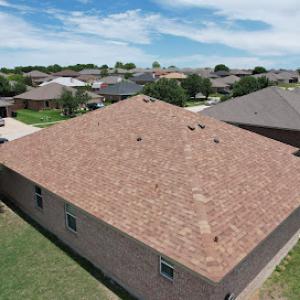
Denali Roofing
(254) 317-8025 denaliroofingllc.net
Serving
5.0 from 450 reviews
At Denali Roofing, we are proud to be your local roofer in Killeen, TX, and nearby areas. Our team of skilled roof inspectors is here to help you with everything from routine checks to handling insurance claims for hail damage. We make sure you get any compensation you deserve, guiding you step-by-step through the process. Whether you need a roof repair or a full roof replacement, we pay close attention to every detail to ensure top-notch service. Give us a call today, and let’s get started on keeping your home safe and secure!
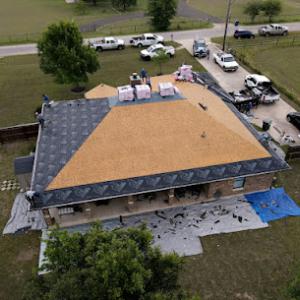
Pioneer United Roofing
(254) 458-4225 www.pioneerutdroofing.com
Serving
5.0 from 101 reviews
We are a family-owned & operated storm restoration roofing company, serving central TX. We specialize in insurance claims & anything related to the beautification of your home. Please visit our website for more info.
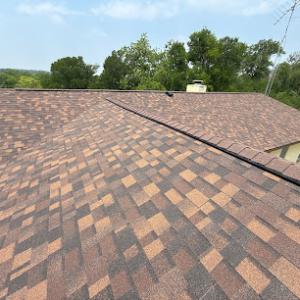
Heritage Roofs & Gutters
(254) 369-0990 heritageroofsandgutters.com
Serving
5.0 from 178 reviews
At Heritage Roofs & Gutters, LLC, we prioritize customer satisfaction and ensure top-notch workmanship in everything we do. We understand the challenges of entrusting your home to a contractor and the associated stress it can bring. That's why we take pride in proving that we stand out among the rest. Our motto, "Protecting your HERITAGE starts with your home!", reflects our unwavering commitment to deliver exceptional service from beginning to end. Your satisfaction is our utmost priority, and we go the extra mile to exceed your expectations.
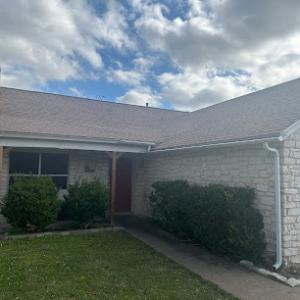
Ernie Smith & Sons Roofing
(832) 336-5153 www.smithandsonsroofing.com
Serving
4.7 from 37 reviews
Third generation family business, founded in 1989, serving Americans for almost four decades. We are committed to being a blessing to everyone we engage with. We serve both residential and commercial property owners for both wind and hail damage. We work with insurance claims, we offer excellent payment options, and we take cash or card as well!
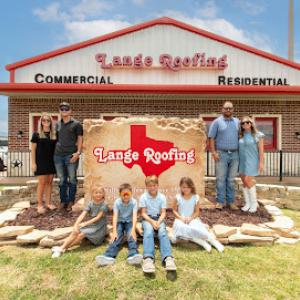
Lange Roofing
(254) 290-0230 www.langeroofingllc.com
Serving
4.9 from 7 reviews
Lange Roofing is a local, family owned, Certified Owens-Corning PLATINUM Contractor that has been serving the Killeen/Central Texas Community since 1993. We specialize in roof inspections, hail and storm damage repairs, full roof replacements, attic insulation, and insurance claim assistance. Our team is known for honest evaluations, clear communication, and a no-pressure approach. We offer free roof inspections and flexible options to help homeowners protect their property and budget.
Top Notch Roofing
(254) 393-1248 topnotchroofingkilleentx.com
Serving
4.9 from 146 reviews
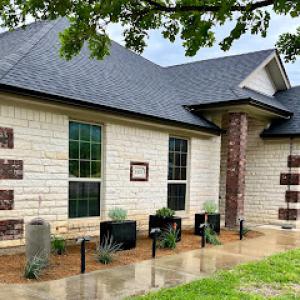
Top Notch Roofing your #1 roofing company serving Killeen, and the surrounding areas. With a strong reputation as a trusted Killeen roofer, we take pride in delivering top notch roofing solutions that meet and exceed your expectations. Our team of skilled professionals specializes in roofing, ensuring your property is safeguarded from the elements. We're one of the leading roofing companies in the Killeen area, and we're here to handle all your roofing needs. Whether you need a roof repair in Killeen or a complete roofing replacement, our expert roofers in Killeen are at your service. As a local roofing company near you, we understand the unique challenges that Texas weather can present.
Reese Roofing & Construction
(254) 718-2196 www.reeseroofingcentraltexas.com
Serving
5.0 from 8 reviews
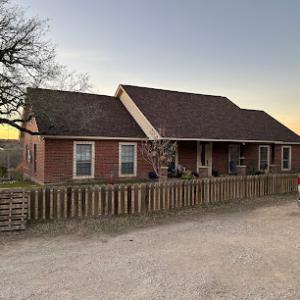
Replace Or Repair Your Roof Right Away SCHEDULE COMMERCIAL OR RESIDENTIAL ROOFING SERVICES IN FLORENCE & KILLEEN, TX Whether you need your roof repaired after a storm or a roof installed at your office, Reese Roofing & Construction is the roofing contractor in Florence, TX for you. We provide commercial and residential roofing services to clients in Florence, Belton, Killeen, Harker Heights and Copperas Cove, TX. Reach out to us today for a free estimate.
Texas Local Roofing
(254) 220-8478 texaslocalroofing.info
Serving
5.0 from 29 reviews
Texas Local Roofing is a trusted Texas-based roofing company serving all of Central Texas. Specializing in roof repair, maintenance, installation, and inspection, we provide reliable and professional roofing services to homes and businesses across the region. Our skilled team is dedicated to ensuring your roof remains secure and durable, whether you're in need of a quick fix or a full replacement. With local expertise and a commitment to excellence, Texas Local Roofing is your go-to choice for all roofing needs in Central Texas. Get a free quote now! Se habla español
The Central Texas sun hits roofs hard, and that heat pushes surface wear faster than you might expect. Asphalt shingles handle heat well when they're rated for wind and uplift, but heat can shorten their lifespan if the installation skimps on ventilation or underlayment. Metal roofing handles sun and heat well, but it needs proper coating and an air-gap or vented attic to prevent heat buildup from transferring into living spaces. Clay and concrete tiles stay cool on the surface, yet their weight demands a solid, well-ventilated deck and a capable framing system. Wood shingles and shakes look great in the shade, but they're more vulnerable to sun drying and require diligent maintenance. Synthetic or composite shingles blend heat resistance with lower maintenance, yet require a careful selection for Colorado Desert-like sun exposure and wind. In short, the best choice balances heat performance, long-term durability, and a roof assembly that thrives under prolonged sun.
Spring hail can expose weak points quickly, so focus on systems designed for impact and wind. Asphalt shingles with high wind ratings perform reliably if they're installed with proper nails and strapping, plus a robust underlayment. Metal roofs, when installed with the correct fasteners and flashing, offer strong hail resistance and excellent wind performance, especially on slopes that shed hail quickly. Tile options-clay and concrete-offer excellent impact resistance when mounted on a rigid, well-fastened substrate; however, their weight requires a structural check beforehand. Wood shingles or shakes demand premium underlayment and careful seam protection to prevent hail-driven leaks. Synthetic or composite shingles can provide a balance of hail resistance with lighter weight, but still rely on proper installation to lock out wind-driven rain. The overarching rule is: choose products with explicit wind uplift ratings and ensure the installation follows local best practices for sealing and flashing at penetrations, valleys, and transitions.
Copperas Cove houses show a dominant residential roof mix that includes asphalt shingles, metal roofing, clay tile, concrete tile, wood shingles or shakes, and synthetic or composite shingles. Material choice is not merely about appearance; it must be evaluated for how it handles the combination of hail exposure, wind-rated installation, and heat performance under Central Texas sun. Start by evaluating the attic ventilation and underlayment as part of any replacement plan, since a hot attic accelerates aging across almost every material type. For asphalt or synthetic options, specify a wind-rated starter course and continuous eave ventilation to reduce heat buildup and ensure a tight seal against spring storms. For metal, confirm that the panel seams and fasteners are rated for the expected wind loads and that a reflective coating is considered to minimize heat absorption. For tile, verify structural support and correct nail patterns to maintain wind resistance without sacrificing water shedding. The goal is a roof that not only looks appropriate for the neighborhood but remains faithful to performance expectations under long, sun-drenched summers and sudden spring weather swings.
In this area, typical local pricing runs about $350 to $600 per square for asphalt shingles, $700 to $1200 for metal, $1100 to $1900 for clay tile, $900 to $1600 for concrete tile, $800 to $1400 for wood shingles or shakes, and $600 to $1100 for synthetic or composite shingles. Those ranges reflect the mix of homes in town - from hill-country bungalows to taller, sun-battered ridges near the Fort Cavazos corridor - and the way crews price work for Copperas Cove projects that often need sturdy underlayment and reliable ventilation. When a roof is aging or damaged, material choice tends to follow what the existing structure supports, but labor and waste disposal can tilt costs toward the higher end, especially with heavier tile options.
Spring hail events send contractor calendars into tight demand across Central Texas, and Copperas Cove is right in the thick of that swing. After a hailstorm, a reroof is often a faster moving project for the contractor, with more inspections and paperwork to align on, which can push pricing upward. If a hail claim triggers an insurance-driven reroof, there is typically a flurry of activity and scheduling shifts that can squeeze availability and freight costs for materials. The result is not unusual to see a substantial bump in bids during the weeks immediately following a major hail event, even for the same shingle type and square footage.
Costs here are also shaped by permit requirements, underlayment and ventilation corrections flagged during inspection, and whether wind-rated product documentation is needed on the project. Underlayment quality matters more in Central Texas than in milder climates, given the sun exposure and the tendency for rapid heat buildup under roofing surfaces. Ventilation corrections-such as adding or repositioning soffit vents or incorporating ridge ventilation-can add labor time and material costs, but they pay off in long-term roof longevity and attic climate control. Wind-rated product documentation matters when the project includes higher wind zones or when the local build assessment flags specific wind resistance standards for the new materials. If a product requires engineering or documentation to prove wind resistance, expect a higher up-front cost and longer lead times.
Asphalt shingles remain the most budget-friendly and commonly installed option for many Copperas Cove homes, but the elevated heat and hail exposure make long-term performance a key consideration. Metal roofs offer durability and wind resistance but come with a distinctly different installation approach and potential mismatch with existing roof geometry. Clay and concrete tiles provide substantial durability and a standout curb appeal, yet their weight and mounting requirements drive both labor and structural considerations. Wood shingles or shakes deliver a traditional look but require careful maintenance in a sun-drenched climate. Synthetic or composite shingles provide a middle ground, balancing cost with performance, especially where wind and hail resistance are prioritized.
When estimating a reroof, start by confirming whether spring's weather patterns have shifted pricing dynamics in your neighborhood and whether a surge period is affecting the timeline. Gather bids that clearly itemize underlayment, ventilation upgrades, and any wind-rating documentation. Ask contractors to spell out if additional costs will be incurred for permits, inspections, or any unusual decking repairs-these line items can change the bottom line after the project begins. A measured approach helps ensure a durable, properly ventilated roof that stands up to Copperas Cove's combination of blistering sun and spring hail.
Get a clear picture of your project costs upfront - no commitment required.

Reese Roofing & Construction
(254) 718-2196 www.reeseroofingcentraltexas.com
Serving
5.0 from 8 reviews

A full reroof project typically requires a building permit from the city building department, with the permit process designed to be straightforward and training-focused for local crews. The goal is to ensure basic structural safety and weather-resilient performance without turning every project into a formal, multi-discipline plan review. If a project involves only a straightforward roof replacement with standard materials, the permit application tends to ask for practical details rather than exhaustive architectural drawings.
In this area, the submittal packet centers on project details and material specifications. You can expect to list the roof type, replacement substrate, underlayment type, and venting strategy, along with the planned fasteners and attachment method. If hail exposure or high-wind considerations drive any material choices (for example wind-rated underlayment or improved edge fastener schemes), those selections should be clearly documented. The city's aim is to confirm that the reroof installation will meet basic performance standards and local climate demands without requiring an overbuilt design review.
Inspections follow a practical, staged approach aligned with typical Copperas Cove weather patterns and housing stock. The rough-in inspection is commonly scheduled after the tear-off is complete and underlayment is installed. At this stage, inspectors verify the underlayment type and installation continuity, along with basic ventilation planning. They also check that the roof deck is clean, dry, and properly prepared for the new covering. This is when the most actionable adjustments can be made to prevent leaks and ensure airflow paths work as intended before shingles or other materials go down.
The final inspection focuses on overall roof performance and compliance with local wind and energy requirements. Inspectors look for proper installation height and alignment of vents, attic ventilation adequacy, and adherence to any site-specific wind-resistance standards. If a house uses gable or hip configurations common in the area, ensure ridge vents, soffit intake, and exhaust details are installed to promote balanced airflow. The final review is the time to confirm that the chosen underlayment, venting strategy, and fastener pattern meet the city's expectations for durability and energy efficiency.
Prepare a concise project summary that ties material choices to local conditions-hail exposure, summer sun, and potential wind events. Keep packaging and manufacturer installation guides on site for reference during inspections. If a discrepancy arises during rough-in or final checks, address it promptly with your contractor and the permit office to keep the schedule on track and minimize delays. While the permit process is straightforward, clear communication about underlayment type, ventilation approach, and wind-rated compliance helps align expectations and ensures a smoother, compliant reroof.
Spring in this area comes with the highest risk of hail storms. The window from late February through April is common for hail events that can damage impactful components like shingles edges, underlayment, and vent flashings. If timing aligns with a hail event, prioritize a roof inspection soon after storms to identify lifted shingles, granule loss, or damaged vent seals. This is the season where a proactive moisture barrier check pays off: ensure underlayment in vulnerable eaves and valleys is intact, and plan a detailed leak-scan path across the attic to catch hidden seepage before it migrates into living spaces. When scheduling work, keep in mind that spring weather can swing from sunny to stormy quickly, so arrange a crew that can respond within a tight window after rain checks.
Fall presents a reliable reroofing tempo without the brutal heat of summer or the winter chill. In the Copperas Cove climate, aiming for mid-September through early November usually yields the safest dry-in. Plan for a staged tear-off that prioritizes attic ventilation assessment first, then reseal and dry-in with a quality underlayment that resists post-storm moisture. In this window, you can coordinate material deliveries to avoid exposure delays and still finish before the holiday pause. Keep a watch on lingering summer moisture into early fall, since damp sheathing can extend dry-in times and affect shingle curing.
During peak summer, tear-off work slows as asphalt and metal crews contend with heat and sudden thunderstorms. Afternoon storms can force temporary shutdowns and require additional edge protection to guard against wind uplift. If your project timeline overlaps with hot months, plan for morning-only work blocks when possible, and ensure shade and hydration strategies are in place for crews. Materials such as metal and synthetic shingles may expand or warp if left exposed during peak heat, so protect stacks and avoid long undisturbed exposure on the roof.
Winter nights in this region can be mild but drop to freezing, which complicates sealants and moisture-control steps. Schedule active installation during warmer spells within the season and maintain continuous attic ventilation to reduce condensation. Temporary heating and moisture management tools can help when days are cold but usable, especially around sealant curing stages and flashing transitions. Monitor overnight temperatures and be ready to tarp vulnerable areas if a front edge freezes.
In practice, the most practical approach is to target spring or fall for most reroof projects, aligning with storm calendars while still allowing adequate dry-in time. If spring hail damage is detected, prioritize rapid leak control and a clear plan for insurance-driven decisions, so that repairs or reroofing can proceed without delays when coverage proceeds.
Hail and high winds are not rare events around here, and that reality shapes the way policies are written and claims are handled. Underwriting teams paid attention to roof age, material type, and maintenance history, which means that a weather event can tip a policy toward a replacement decision rather than a simple repair. The outcome may also hinge on how quickly a claim is filed after the damage and how thoroughly the roof's current condition is documented. In this market, a fast surge of claims after a spring hail season can lead to tighter review standards and adjustments that feel more stringent than in calmer years. The result is not just a patch job but sometimes a full replacement path, especially on older roofs or those showing repeated impacts.
Because many outcomes hinge on paperwork, gathering and organizing evidence ahead of an inspector visit is essential. Date-stamped photos taken as soon as damage is noticed, not just after a claim is filed, help establish a transparent timeline. Keep prior repair records, if any, to show how the roof has been maintained or repaired previously. Obtain and preserve written scopes from any contractor, detailing materials, removal methods, underlayment, and ventilation considerations. When an adjuster arrives, you want a clear, concise story of the roof's history and the specific areas of damage, not a hazy recollection.
Texas carriers have grown more selective in some cases and have adjusted pricing in recent years, so understanding storm-damage terms and the policy's expiration windows is critical. Look closely at what counts as hail damage versus wear or wind-driven incidents, and how deductibles apply across sections of the roof if multiple storms occurred. If a claim stretches beyond a single event, ensure the scope accounts for the roof's current condition, not just the visible damage from one incident. A careful review now can prevent surprises during the claim settlement and subsequent decision-making on replacement versus repair.
In a spring hail cycle, a slow leak response can turn into interior damage and longer repair timelines. A robust, documented claim strategy helps protect your roof's long-term performance and your household's peace of mind, especially when the next storm season approaches and underwriting cycles shift again.
In this climate, hail and strong winds are the primary triggers that break down a roof before other issues ever show up. Granule loss on asphalt shingles is a common early sign after a hail season, leaving a roof surface more susceptible to UV damage and faster aging. Metal roofs can dent and panels can loosen, creating small leaks that sneak in behind siding and trim. When a storm washes through, fatiguing fasteners and shingle edges become failure points, especially on the edges of the roof where wind loads concentrate. The consequence isn't just a leak; it's a creeping deterioration that shortens the life of the entire system if not addressed promptly.
The inspection process in this area places real emphasis on underlayment and ventilation. A roof may look sound from the outside, but missing or degraded underlayment can allow moisture to travel into decking and into attic spaces, inviting rot and mold. Likewise, inadequate ventilation bakes the roof deck in the sun, accelerating aging and warping of sheathing, especially on shallow-pitched or southeast-facing roofs. Homes with attic hot spots or noticeable temperature swings often reveal this weakness first with accelerated shingle wear or condensation stains along the rafter tails. If local inspectors flag these areas, expect reroof work to focus on sealing and improving airflow rather than merely replacing surface materials.
Strong sun exposure and high summer heat push materials to their limit longer than cold-season patterns would. Premature aging shows up as chalking on asphalt, surface cracking on composite shingles, or warping in wood and synthetic products. Heat-driven stress makes flashings and ridge caps vulnerable; fasteners can loosen as materials expand and contract with daily temperature swings. The practical upshot is that a roof may survive one brutal hail season only to reveal sun-related fatigue a year later, pressuring homeowners to address both surface wear and hidden deck conditions in the same project.
Find contractors experienced in skylight installation, flashing, and leak repairs to bring natural light into your home.
DC Roofing & Home Repair
(254) 371-8184 www.dcroofingrepair.com
1048 Spring Rd, Copperas Cove, Texas
5.0 from 198 reviews
Some reroof projects in this area may need added documentation when certain wind-rated products are used. That extra paperwork helps prove to the city reroof process reviewers that the chosen product and fasteners meet the installed-airflow, wind uplift, and nailing patterns required by the manufacturer and the local climate. When a wind-rated product is on the table, expect to gather product data sheets, installation diagrams, and a record of the specific fasteners and underlayment chosen. This isn't a delay tactic but a practical step to avoid later questions about whether the system was installed as designed.
Because inspectors verify code-related installation details, manufacturer instructions and product specifications matter more than a simple material swap. A shingle that looks the same on the surface may have different nailing patterns or underlayment requirements than its neighbor. In practice, that means reviewing the installation guide with the crew before the first nail goes in, and keeping a copy of the spec sheet on site during the project. The goal is to ensure the roof meets the exact cadence of fasteners, sealant joints, and underlayment overlap that the product requires, not just the color or shape of the shingle.
In a hail-prone Central Texas market, warranty discussions should be separated from storm-damage coverage expectations so homeowners do not confuse manufacturer protection with insurance recovery. Manufacturer warranties cover material and workmanship under defined conditions, while hail or wind damage may trigger separate insurance claims. Understanding where coverage starts and ends helps prevent disappointment if a claim hinges on independent damage assessments or deductible decisions. If questions arise, request written confirmations from both the manufacturer and the insurer detailing what each protects.
Keep a binder with product data, installation instructions, and the exact wind-rated designation chosen for the project. Ensure the contractor notes the wind rating on the final lien or closeout paperwork, and confirm that the uploaded documentation aligns with the local inspection checklist. When in doubt, ask for a short summary linking each installed component to its warranty language. That clarity helps as years pass and both manufacturers and insurers reassess coverage.