
Last updated: Apr 19, 2026
Killeen sits in a Central Texas hail and thunderstorm corridor where spring hail events regularly trigger roof inspections, temporary repairs, and insurance claim surges. That pattern shapes every homeowner's risk window: every spring can bring a spike in tests for shingle bruising, lifted tabs, and metal impacts. Local adjusters have learned to focus on how hail patterns carve distinct damage signatures-bruising on asphalt shingles, micro-cracks across granule surfaces, and the telltale bounce of metal panels. When a major outbreak hits, the clock starts ticking on urgency, because contractor crews sprint to triage homes while repair materials and crews vanish into the spring rush. In practice, that means a fast-moving cycle: damage is verified, temporary fixes are discussed, claims are opened, and scheduling fills up in days rather than weeks. If a storm heads your way, expect adjusters to show up with a narrow window and a sharp eye for how the roof has aged under Central Texas heat and wind. The result is a compressed timeline that leaves little room for hesitation or procrastination.
Storm-season documentation is your first defense against miscommunication and delays. Take clear, dated photos from ground level and from the attic or interior ceiling where water intrusion would become visible. Capture close-ups of bruising on shingles, exposed underlayment, lifted tabs, and any correlated interior staining. Create a simple, chronological record: pre-storm roof condition (if available), the event itself, and post-event observations. Keep a written log of every interaction with the insurer, contractor, and any public adjuster, noting dates, names, and what was discussed. When an adjuster arrives, present the collection neatly in a folder or digital file: a copy of the policy highlights, the claim number, photos, and a list of observed symptoms tied to the hail and wind exposure-a tight map that links damage to the storm event rather than age alone. In the broader rhythm of spring claim surges, meticulous documentation can shorten the back-and-forth and keep everyone aligned on whether a temporary repair is necessary versus a full replacement.
Because many replacements are scheduled around spring and fall weather windows, storm events can quickly compress contractor availability after a major hail outbreak. That compression matters: if a date slips by even a couple of weeks, crews may book out into a late season lull or, worse, into the next storm cycle. The practical implication is to secure written commitments from a chosen contractor as soon as the first signs of a claim approval appear, even if the scope remains in negotiation. Do not wait for perfect conditions to start planning; instead, push for concrete milestones: inspection, approval, temporary repair if indicated, and a firm start date for the replacement. Communicate repeatedly with the contractor about expected lead times, material availability, and crew rotations, because material shortages or weather delays can linger well into the next weather window. In this climate, proactive scheduling is not a luxury-it's a necessity to avoid slowing damage control, extended exposure to sun and wind, and the risk of weather-related setbacks that ripple through to the finish line.
In this town, turnover around Fort Cavazos shapes when roofs need attention almost as much as the weather does. Ownership changes hands frequently, and roofs wear out on aging subdivisions under Central Texas hail, scalding sun, and stubborn wind. That means a home's age, insurability, and a visible storm history become important talking points during resale. A practical approach is to map roof health to the real-world clock of moving, not just the annual maintenance calendar.
Since the Fort Cavazos footprint drives owner turnover, a quick, honest roof health readout before a sale can prevent delay. Start with a simple inspection that focuses on lifting edges, granule loss, hail denting, and any telltale moisture staining in attic spaces. If the roof shows more than superficial wear, that becomes a conversation starter with the buyer and a factor in the transaction timeline. Documented evidence of hail or wind impact from recent storms helps when the buyer's lender asks for a clean bill of health, and it can speed negotiations rather than create last-minute delays.
Relocations and inspections drive the pace of repairs. Military moves often compress timelines for inspections, appraisals, and loan underwriting. A practical plan is to align the roofing timeline with known relocation windows-prepping the roof early in a move cycle reduces the risk of a stalled sale due to weather or scheduling conflicts. If a re-roof is warranted, coordinate with a local contractor who can sequence work to minimize possession downtime, especially when temporary housing or transitional lodging is part of the relocation plan. Scheduling a crew to begin during a seller's occupancy or just after possession can prevent extended vacancy periods.
Keep a ready file of roof-related documents: a recent roof condition assessment, photos of hail or wind impacts, any mitigation steps already taken, and a clear record of previous replacements. For buyers and lenders, concise documentation that narrates the roof's history-the age, the storm events that left marks, and the results of any professional evaluations-speeds up underwriting decisions. A straightforward summary, with labeled photos and dated notes, helps both sides feel confident about the roof's condition without dragging the closing process.
Storm-season spikes in demand mean more homeowners chase replacements in a narrow window. If a hail event has recently occurred, anticipate a surge of insurance-driven activity that can create backlogs. Having a pre-event plan is valuable: know which local contractors have experience with insurance-led projects, and secure a preferred contractor early in the process to keep the schedule predictable. When insurance money becomes part of the plan, ensure the scope matches policy limits and is coordinated with any necessary resale-related disclosures. Clear, itemized scopes prevent disputes during the claim process and help guard against scope creep once the project starts.
Select a roofer who understands the local turnover rhythm. A contractor with a track record in replacement projects on aging subdivisions, familiarity with Fort Cavazos-related scheduling quirks, and a practice of documenting work in a way that supports quick transfers of ownership will smooth the process. Confirm they can provide a realistic, milestoned plan that accommodates relocations, inspections, and any buyer- or lender-imposed deadlines, so the project advances without stalling at critical moments.
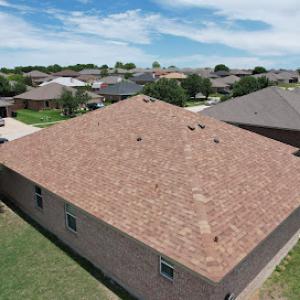
Denali Roofing
(254) 317-8025 denaliroofingllc.net
Killeen, Texas
5.0 from 450 reviews
At Denali Roofing, we are proud to be your local roofer in Killeen, TX, and nearby areas. Our team of skilled roof inspectors is here to help you with everything from routine checks to handling insurance claims for hail damage. We make sure you get any compensation you deserve, guiding you step-by-step through the process. Whether you need a roof repair or a full roof replacement, we pay close attention to every detail to ensure top-notch service. Give us a call today, and let’s get started on keeping your home safe and secure!
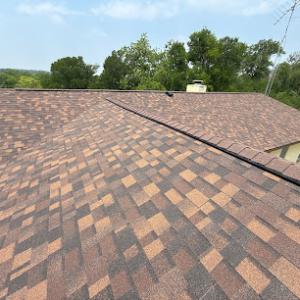
Heritage Roofs & Gutters
(254) 369-0990 heritageroofsandgutters.com
Killeen, Texas
5.0 from 178 reviews
At Heritage Roofs & Gutters, LLC, we prioritize customer satisfaction and ensure top-notch workmanship in everything we do. We understand the challenges of entrusting your home to a contractor and the associated stress it can bring. That's why we take pride in proving that we stand out among the rest. Our motto, "Protecting your HERITAGE starts with your home!", reflects our unwavering commitment to deliver exceptional service from beginning to end. Your satisfaction is our utmost priority, and we go the extra mile to exceed your expectations.
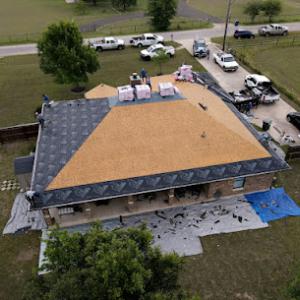
Pioneer United Roofing
(254) 458-4225 www.pioneerutdroofing.com
304 N 8th St Ste 102, Killeen, Texas
5.0 from 101 reviews
We are a family-owned & operated storm restoration roofing company, serving central TX. We specialize in insurance claims & anything related to the beautification of your home. Please visit our website for more info.
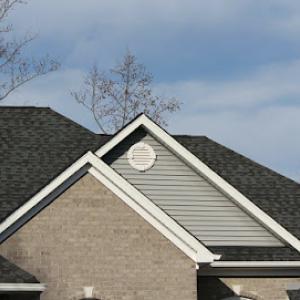
Secured Roofing
(254) 300-8698 www.securedroofingllc.com
4614 Prewitt Ranch Rd, Killeen, Texas
4.7 from 40 reviews
Secured Roofing, proudly serving Killeen, TX, is your trusted local roofing expert, dedicated to delivering exceptional roofing services tailored to your unique needs. Our comprehensive offerings include professional roof repair, installation, and maintenance, ensuring top-quality solutions for both residential and commercial properties. As a leading roofing company in Killeen, our team of skilled roofers combines expertise with the latest technology to provide durable, aesthetically pleasing results. Whether you need a minor repair or a complete roofing overhaul, Secured Roofing stands ready to secure your property with unparalleled craftsmanship and dedicated customer service.
Ernie Smith & Sons Roofing
(832) 336-5153 www.smithandsonsroofing.com
2904 Trimmier Rd A2, Killeen, Texas
4.7 from 37 reviews
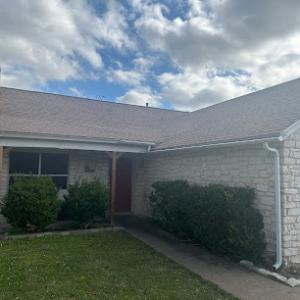
Third generation family business, founded in 1989, serving Americans for almost four decades. We are committed to being a blessing to everyone we engage with. We serve both residential and commercial property owners for both wind and hail damage. We work with insurance claims, we offer excellent payment options, and we take cash or card as well!
Reese Roofing & Construction
(254) 718-2196 www.reeseroofingcentraltexas.com
3921 E Stan Schlueter Loop Suite 105, Killeen, Texas
5.0 from 8 reviews
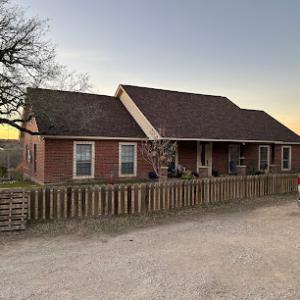
Replace Or Repair Your Roof Right Away SCHEDULE COMMERCIAL OR RESIDENTIAL ROOFING SERVICES IN FLORENCE & KILLEEN, TX Whether you need your roof repaired after a storm or a roof installed at your office, Reese Roofing & Construction is the roofing contractor in Florence, TX for you. We provide commercial and residential roofing services to clients in Florence, Belton, Killeen, Harker Heights and Copperas Cove, TX. Reach out to us today for a free estimate.
Lange Roofing
(254) 290-0230 www.langeroofingllc.com
1538 W Stan Schlueter Loop, Killeen, Texas
4.9 from 7 reviews
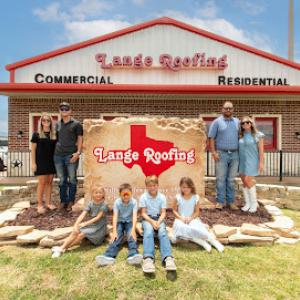
Lange Roofing is a local, family owned, Certified Owens-Corning PLATINUM Contractor that has been serving the Killeen/Central Texas Community since 1993. We specialize in roof inspections, hail and storm damage repairs, full roof replacements, attic insulation, and insurance claim assistance. Our team is known for honest evaluations, clear communication, and a no-pressure approach. We offer free roof inspections and flexible options to help homeowners protect their property and budget.
NextDoor Roofing
Killeen, Texas
5.0 from 4 reviews
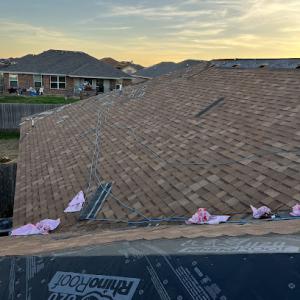
NextDoor Roofing is an upcoming roofing company. Although this business is new, we have been working on roofs for over 2 decades. We chose next door to show our clients that we are local and we will be there swiftly when you need us. Our top priority is to keep our clients informed of every step we take. Getting a new roof can be scary, but with the reassurance we offer, we'd like to make it seem like a walk in the park.
2 Musketeers Roofing & Construction
601 Estelle Ave, Killeen, Texas
4.7 from 3 reviews
Welcome to 2 Musketeers Roofing and Construction! As a fully insured Roofing and Construction company in Killeen, we specialize in all sorts of Roofing and Construction jobs, no matter the size or shape of the space. We’re committed to high-quality work at a fair, reasonable price. Our goal is to build relationships with our customers. We want to give you a reason to choose us now and for future projects.
Killeen Boom Town Roofing
Killeen, Texas
5.0 from 2 reviews
Getting the right roof, and level of protection for your home or business is imperative. Quite simply, Killeen Boom Town Roofing Contractors are the roofing repair and new roof experts that are solely dedicated to ensuring you get the best service and the highest quality finished product. Whether you need a flat roof or gable roof repair for your home, new shingles or perhaps you are weighing up TPO roofing versus EPMD roofing for your commercial property. There are many choices out there when it comes to roofing companies, but our aim of making the whole process easier for you by committing to excellent customer service and the highest quality new roof and roof repair work in Killeen, Fort Hood and throughout Texas.
Top Notch Metal Roofing
(254) 482-9014 www.topnotchmetalroof.com
Killeen, Texas
5.0 from 2 reviews
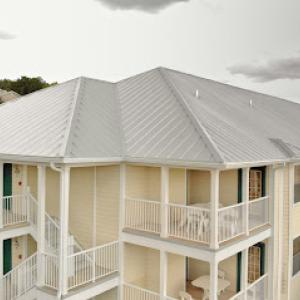
Top Notch Metal Roofing specializes in metal roof installation, repair, and replacement throughout Central Texas, including Killeen. Their team of certified roofers prioritizes quality craftsmanship and exceptional customer service, ensuring a long-lasting, reliable metal roof for your property.
Roofing
(254) 418-8115 www.roofing-llc.com
807 S 2nd St, Killeen, Texas
5.0 from 1 review
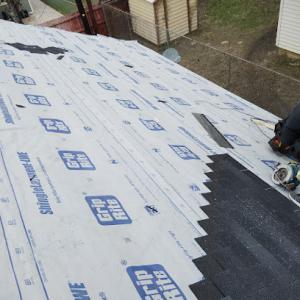
we do roofing and repair estimates free Killeen Tx Austin Tx Belton Tx Temple Tx
Killeen's long, scorching summers accelerate granule loss and thermal aging on asphalt roofs more aggressively than cooler Texas markets. Sun and heat cause shingles to become brittle, curl at the edges, and lose adhesive seal, increasing the risk of wind uplift during your usual spring storms. In subdivisions with sun-baked streets and limited shade, look for stressed granules in gutters and downspouts after major hail events. If granule shedding is evident, the roof is moving toward reduced solar reflectivity and shorter service life, especially on softer layer shingles. Regular inspections after hail or severe heat spikes help catch edge curling, exposed underlayment, or fastener loosening before leaks form.
Metal roofing gains appeal in this climate because of its durability and reflective potential, but high solar exposure and repeated storm cycles make impact resistance and heat management key comparisons. In Killeen, metal roofs can survive heavy hail better than many tiles when installed with proper underlayment and secure fasteners. However, heat cycling during the summer can stress panels and fasteners, leading to panel expansion, panel pulsing at seams, or concealed fastening fatigue over time. Inspect for loosened screws, marginal sealing around penetrations, and any coating degradation that diminishes reflectivity. A metal roof that remains cool to the touch during peak afternoon heat tends to indicate superior reflective coatings and clean ventilation beneath the panels. In storm-heavy seasons, tight panel alignment and robust sealant continuity are crucial to prevent wind-driven leaks.
Tile and heavier roofing systems must be evaluated against the structure and installation quality because Central Texas heat cycling and storm movement can expose fastening and underlayment weaknesses over time. Clay and concrete tiles perform well against hail when installed correctly, but their weight demands a sound structural check, especially in homes with older framing or marginal attic clearance. Heat cycling can cause tiles to crack or spall if substructure or underlayment was compromised during installation. Look for cracked or slipping tiles after storms, and verify that battens and mortar beds are intact. Poorly canceled wind uplift resistance in a hot climate creates vulnerability areas at valleys, hips, and penetrations, where sealants and flashing bear the brunt of thermal movement.
In this climate, ongoing roof maintenance should focus on verifying sealants, flashing, and underlayment integrity after hail or intense heat spikes. Document visible wear, bouncing between hot days and storm events, and track any changes in attic ventilation or insulation that influence roof temperature. When considering a replacement or retrofit, prioritize a system designed for rapid thermal cycling and proven performance under Central Texas weather patterns. Seasonal inspections, especially after hail seasons and heat waves, help identify weak points before widespread failure develops.
Replacement work tends to run smoother when the weather is milder and the heat hasn't yet set in full force. In this region, spring and fall are the preferred seasons because you can avoid the worst summer heat while still keeping ahead of peak storm disruptions. Start planning shortly after the freezy spell ends and before April's mid-month heat climbs. By scheduling in these shoulder seasons, tear-off crews can dry-in more reliably, which helps protect underlayment and keeps the project moving through hot afternoons.
Late spring and early summer thundershowers are a constant reality, and they can interrupt tear-off and dry-in schedules just when the job is coordinated with insurance timelines. If a storm wallop hits, expect short delays as crews secure loose materials and protect any exposed sheathing. Build buffer days into the plan, especially if a hail event is anticipated. A steady pace with weather buffers reduces the risk of moisture intrusion and keeps the crew from rushing during a narrow dry window.
Winter freezes and occasional icing affect how underlayment behaves and how materials are handled. Even without heavy snowfall, cold mornings can slow adhesive cures, impact shingle set times, and complicate ladder use. Plan for slightly longer hand-off times between tear-off and re-roof sections on colder days. Keep crews equipped with traction aids and clearly established indoor storage for moisture-sensitive components. If a cold snap hits mid-project, consider pausing exterior work during freezing periods and resuming when temperatures rebound.
Peak storm season brings a higher probability of insurance-driven demand spikes, which can back up scheduling. Align your start date to occur after a major hail event when most homeowners are ready to move forward but before the second wave of claims hits. Maintain open lines with your contractor about expected lead times, material delivery windows, and crew availability so a delay in one area doesn't derail the entire timeline.
Keep a running file of photos from each phase: pre-damage condition, post-tear-off, dry-in completion, and final installation. For insurance discussions, have dated photos showing hail impact patterns, wind-lifted shingles, and any roof-line damage. Schedule a mid-point check with the contractor and your insurer to confirm that measurements, material choices, and installation details align with the scope of the claim. This targeted documentation helps avoid back-and-forth during a time when the market is busy and responses may lag.
In Killeen, costs can rise after major hail events when replacement demand spikes across Bell County and contractor schedules tighten. That surge shows up quickly in the numbers you'll see from roofing pros, especially for asphalt shingles and metal roofs, which dominate local homes. The weather-driven chatter you hear after a storm isn't just talk-pricing, material lead times, and crew availability shift as crews chase a heavy town-wide workload.
Provided local cost ranges run from about 350 to 800 USD per square for asphalt shingles, 700 to 1400 for metal, 1000 to 2800 for clay tile, 900 to 1900 for concrete tile, 400 to 750 for synthetic/composite shingles, and 450 to 900 for fiber cement shingles. Those figures reflect a practical snapshot for homes across area subdivisions that baked in the sun and endured hail exposure. When you're budgeting, these ranges help you set expectations for the replacement roof, knowing that texture, weight, and warranty considerations can push you toward the upper end, particularly after a storm cluster when demand is highest.
Storm season concentrates work windows. If your roof is overdue for replacement and a hail event hits, the contractor queue tightens fast. You may see longer lead times, higher hourly rates, and priority scheduling shifts for projects that align with insurer timelines or HOA cycles. In practice, you'll want to recognize that the "right time" for a replacement isn't just about weather; it's about securing a crew that can start promptly, manage debris, and preserve interior protection during extended exposure to heat and air flow.
The total replacement cost is affected not just by the material choice but also by the city's valuation-based permitting structure. That means two roofs with the same shingles can end up with different totals depending on the project's assessed value and the timing of the work. When you're comparing bids, ask each contractor to break out material cost, labor, waste disposal, and any value-based charges tied to the project's scope. Also, confirm whether uplift applies for attic ventilation needs or additional underlayment when hail damage is suspected but not visually definitive.
Start with a careful damage inspection after a hail event, documenting affected areas with photos and notes. Gather multiple bids within a tight window to compare price, warranty, and crew availability. If you're weighing a mid-range option like synthetic/composite or fiber cement, remember that installation quality matters as much as the price tag, given Texas sun and wind. Finally, treat the post-storm period as a finance and timing puzzle: lock in materials, secure scheduling, and align with insurance timelines to keep your project on track without paying premium delays.
Don't let upfront costs delay a critical repair - these contractors offer payment plans to fit your budget.

A-Z Metal Roofing & Seamless Gutters
(512) 564-5037 www.a-zmetalroofing.com
Serving
4.7 from 12 reviews

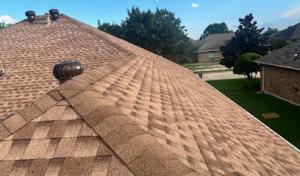
A building permit is required for a full roof replacement and must be obtained before work begins. In this market, delays between approval and start of work can bite you during peak storm season, so securing the permit early is essential. The process often involves a city review of your intended material, project scope, and drainage details, so gather your contractor's written specs and any weathered repairs to avoid backtracking.
Killeen schedules inspections at key milestones to verify safety and code adherence. Expect an underlayment milestone where inspectors check roof deck condition, ventilation, and moisture barriers. Another milestone covers the installation of roofing materials and fasteners, ensuring nailing patterns and flashing meet local requirements. A final inspection occurs after completion to confirm the system is fully installed, integrated with proper eave and ridge details, and that all penetrations are sealed. If the project hits unexpected weather or patchwork, plan for potential re-inspection steps and associated scheduling gaps.
Because permit fees vary by project value, the administrative side of a replacement tends to scale with the scope and declared cost of the job. Your contractor should align on what documentation is needed for a smooth review, including material specifications, roof plan, and any ventilation changes. Delays commonly stem from missing permit paperwork or changes during the build, so keep a single point of contact on both sides to minimize back-and-forth. In a neighborhood where storm season drives urgent drive-bys of claims, carving out a clear permit timeline helps prevent rushed decisions that could affect long-term performance.
Hail and wind storms in this market leave roofs with a mix of hit-or-miss damage and hidden failures. Photo documentation of all slopes, soft metals, and interior leak evidence is especially important because this area experiences frequent claim activity after regional storms. When insurers see clear before-and-after images that include attic signs, ledger board rust, and copper flashings, the path to a fair assessment becomes smoother. This is a neighborhood where losses spike after big events, and thorough records help prevent post-storm disputes from dragging on.
Although insurers serving Texas generally stay reachable, homeowners can still feel premium pressure and tighter scrutiny after major regional storms. That means a tight, honest record of the roof's condition before any temporary or permanent fixes is essential. Independent roof reports or adjuster assessments may be required for certain claims, so having clean, well-organized evidence beforehand matters. Gather dated photos from multiple angles, focus on slopes, soft metals, and interior signs such as ceiling stains, warped decking, or attic condensation near eaves. Keep a written note of dates, weather conditions, and visible damage patterns around hips, ridges, and valleys. This is particularly valuable if roofing is part of a broader storm-repair plan that could later be questioned by an insurer.
Before any tarping or temporary fixes, map the roof with a ladder-safe walk, photographing each slope end to end, plus close-ups of gutters, metal details, and step-flashing. Document interior leaks with timestamps and room locations, tying them to external signs if possible. If a subsequent adjustment or claim review happens, these records become the baseline. In this market, clear, patient documentation reduces the chance of misunderstood damage grades and helps every party reach a fair conclusion without unnecessary delays.
Killeen's severe thunderstorms can create same-day leak emergencies from hail punctures, wind-lifted shingles, and flashing failures. A ceiling stain or active drip can escalate quickly, so treat any roof breakthrough as urgent. If you notice dripping, active water streaming, or new stains after a storm, assume damage extends beyond a single shingle and act fast to prevent structural or mold problems.
Safe steps first: get your family out of the path of dripping water, move valuables away from the leak, and place a sturdy bucket under active drips. If you can access the attic safely, locate the leak origin and cover with a temporary tarp or heavy-duty plastic to slow entry until a professional arrives. Photograph damage from inside and outside, avoid power lines, and keep the area dry and ventilated. Contact a local rapid-response contractor for stabilization and debris control before rain re-enters the space.
Fast temporary dry-in matters locally because late spring and early summer rain can follow the initial storm before a full replacement is approved or scheduled. A temporary seal over the most active areas helps reduce interior damage and buys time for the insurance process and scheduling. Prioritize areas around penetrations-chimneys, vents, and flashing-where water tends to travel the deepest.
The local contractor market shows strong quick-response and cleanup expectations, reflecting how homeowners here often hire first for stabilization and debris control after storms. Look for a contractor with a track record of rapid assessment, on-site safety, and clear communication about next steps. Confirm their availability for immediate stabilization, and document every stage of the process for your records.
When you can't wait, these contractors offer fast response times to stop leaks and prevent further damage.
Pioneer United Roofing
(254) 458-4225 www.pioneerutdroofing.com
304 N 8th St Ste 102, Killeen, Texas
5.0 from 101 reviews
Secured Roofing
(254) 300-8698 www.securedroofingllc.com
4614 Prewitt Ranch Rd, Killeen, Texas
4.7 from 40 reviews