Last updated: Apr 19, 2026
Temple sits in a Central Texas storm corridor where spring hail and severe thunderstorms are a primary driver of roof replacement demand. The impact isn't just a one-off event; it reshapes what kind of shingles you choose, how long you wait for a contractor, and what your neighbors are already handling. When a big hail storm rolls through, the first instinct is to survey damage from the ground, but real trouble starts when surfaces are compromised in ways that aren't obvious to the untrained eye. Asphalt shingles may show granule loss or pitting, while metal and tile roofs can develop hidden dents, misaligned fasteners, or moisture intrusion that only reveals itself after a few storms. In this climate, untreated hail damage accelerates deterioration, so the risk isn't just cosmetic-it's structural and long-term.
Local contractor signals strongly cluster around storm damage and insurance claims, showing that homeowners commonly hire roofers after weather events rather than only for age-related replacement. After a hail event, calendars fill quickly with storm-damage work, and the strongest standing crews tend to focus on insurance-driven schedules. That means you're competing for daylight with dozens of neighbors who are chasing the same packaging, scoping, and scheduling windows. The pressure isn't purely financial; it's operational. Adjusters, independent adjusters, and restoration outfits converge on your neighborhood almost as a wave, which can create a domino effect: someone gets on your roof, then another neighbor, then another, all within days. If you're not ready, it's easy to get bumped into a later slot, extending the cycle and delaying a proper, thorough assessment.
Post-storm demand spikes in Temple can compress scheduling and push homeowners to document damage quickly before adjuster backlogs and contractor calendars fill. The window to secure a favorable appointment slate often closes within days after a hail event. If damage isn't documented promptly, some homeowners end up with longer waits, larger crews, or higher risk of scheduling gaps that leave your roof exposed during the peak of the next round of weather. In practice, you'll often see multiple crews canvassing neighborhoods, each promising fast turnarounds. The reality is that tightenings in the market create a "first-come, first-served" environment, where the speed of your documentation and the clarity of your damage report can influence how soon a crew can start, how smooth the insurance claim moves, and how well your materials and color choices line up with the actual replacement timeline.
To stay ahead in this cycle, begin with a grounded damage walk-through the moment you suspect an issue. Photograph granule loss, bruises on valleys, and evidence of granule wash-down from gutters after storms; capture interior signs like stains around penetrations or attic light showing through decking. Keep a careful log of dates, storm reports, and any prior repairs. When you contact a local roofer, ask for an on-site inspection that prioritizes hail-related damage assessment and a documented scope aligned with your insurer's expectations. If possible, arrange a contemporaneous inspection with your insurance adjuster to minimize back-and-forth and to ensure that the scope reflects both visible damage and plausible hidden damage.
Since the cycle hinges on quick, credible documentation, assemble your records before the claim discussion begins. Collect past roofing invoices, prior repair notes, and photographs from right after the storm. Prepare a concise timeline of the event, including when the hail fell, when neighbors reported issues, and when you first noticed changes to your roof's appearance. A well-documented claim reduces back-and-forth with adjusters and helps ensure the replacement scope captures both visible damage and necessary repairs to protect against future weather events. In this climate, a timely, accurate claim isn't just about getting a new roof-it's about securing a durable, storm-resilient barrier for years to come.
Atlas Roofing Pros
(254) 272-3213 atlasroofingprofessionals.com
1 E Central Ave Ste 101, Temple, Texas
5.0 from 193 reviews
Atlas Roof Pros: Central Texas' premier roofing experts, providing top-quality residential and commercial roofing solutions. Trust us for reliable, professional, and affordable services. Your roof, our priority.
Lone Ranger Roofing
(254) 300-1413 lonerangerroofing.com
715 E Downs Ave, Temple, Texas
5.0 from 179 reviews
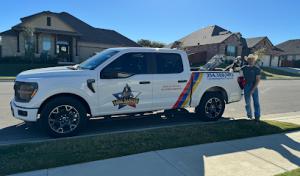
Lone Ranger Roofing is your local, veteran-owned roofing company and we are obsessed with providing unmatched quality work and an unparalleled customer experience to homeowners throughout Central Texas- Killeen, Temple, and the surrounding Bell County communities. From replacements and repairs to storm damage restoration and gutter work, we've got every aspect of your roofing needs covered. We also specialize in insurance claims, even if you have never gone through the process before. We look forward to the opportunity to serve!
DG Roofing & Remodeling
5106 S General Bruce Dr, Temple, Texas
4.9 from 105 reviews
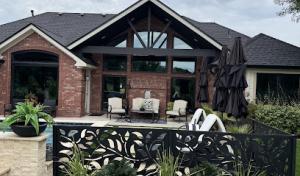
At DG Roofing and Remodeling, LLC, we are committed to setting the standard for excellence in residential roofing and remodeling. Our mission is to deliver unmatched quality and service, ensuring every project exceeds our customers' expectations. By embracing innovation, integrity, and professionalism, we aim to build lasting relationships and enhance the communities we serve.
EMC Remodeling
(254) 760-9268 emcremodelingroofing.com
5100 Midway Dr Suite 211, Temple, Texas
4.9 from 63 reviews
Discover top-tier roofing services with EMC Remodeling, your trusted roofing contractor located at 5100 Midway Dr Suite 211. Specializing in roof repair and new roof installations, we excel in asphalt shingles, metal roofing, and comprehensive residential roofing solutions. Whether you need urgent roof leak repair, a complete roof replacement, or professional roof installation, our expert team is ready to deliver unparalleled service. Our emergency roof services ensure prompt and reliable solutions when you need them most. Searching for a “roofer near me”? Choose EMC Remodeling for quality, efficiency, and a roof you can depend on. Contact us today for all your roofing needs!

Spartan Roofing of Texas
(254) 778-4243 spartanroofingtx.com
100 FM93, Temple, Texas
5.0 from 22 reviews
Choose Spartan Roofing of Texas. Your Trusted Shield Against the Elements. At Spartan Roofing of Texas, we are not just serving homes; we are serving our community. With deep roots in Central Texas, we pride ourselves on being your dependable partner for all your roofing needs. Our team brings years of expertise and a steadfast commitment to excellence to every project. Your home is your kingdom, built to provide shelter and protection for your family through the years. When it comes to essential services like roof repair or replacement, entrust your home to Texas’s trusted guardians—Spartan Roofing of Texas. With Spartan Roofing of Texas, rest assured that your kingdom is well-defended. Spartan Shield provides a 5 year workmanship warranty
Bickel Roofing
(254) 228-5973 bickelroofingtx.com
1118 N 31st St Suite C, Temple, Texas
4.7 from 45 reviews
At Bickel Roofing, it is our honor to serve the area of Temple, TX. We have absolutely loved helping individuals and families who live in Bell County with all of their residential roofing needs. We have decided to specialize in several areas, making sure we excel in the areas we work. We understand that it can be frustrating if something is wrong with your roof, and that is why we always respond to your concerns as quickly as possible. By prioritizing our customers, we treat you as members of our family, and we are always there for you when you need us the most.
SP Construction
(254) 931-9313 buildingtemple.com
3809 S General Bruce Dr Ste 103-8196, Temple, Texas
4.8 from 35 reviews
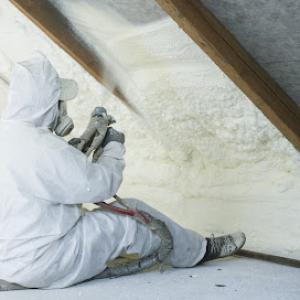
SP Construction, located at 3809 S General Bruce Dr Ste 103-8196, Temple, TX, is your top choice for roofing and construction needs. As a locally owned, family and woman-owned company, we specialize in residential and commercial roofing, including metal roofing installation, roof repair, and preventive maintenance across Temple and Central Texas. Our services extend to spray foam insulation, industrial coatings, and pressure washing, all designed to protect and enhance your property. With a strong focus on quality workmanship and customer satisfaction, SP Construction stands out as the leading general contractor in Temple, TX. Call us at 254-931-9313 for your free estimate today!
A+ Roofing & Construction
(254) 563-1251 www.aplusroofingtx.com
312 W Adams Ave, Temple, Texas
5.0 from 15 reviews
A+ Roofing and Construction is dedicated to serving our communities with top-quality workmanship and unmatched customer service. We believe in giving back, which is why we actively participate in local volunteer work and support nonprofits.
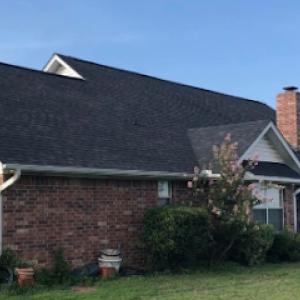
Mark Gillmeister Roofing
402 Cottingham Dr, Temple, Texas
5.0 from 4 reviews
Whether your roof has been damaged in a storm or you're just ready for a roofing upgrade, Mark Gillmeister Roofing has you covered. We provide roofing services for home and small business owners in the Temple & Belton, TX and Central TX area. As experienced roofing contractors, we know the importance of speed and dependability when it comes to your roof repair, roof replacement or gutter replacement. We'll work quickly without sacrificing quality.
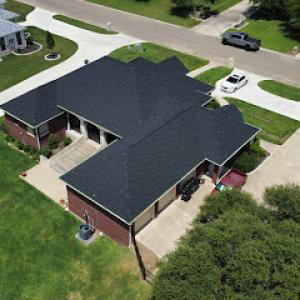
Concam Construction
(512) 560-6590 concamconstruction.com
Temple, Texas
4.1 from 13 reviews
You've invested a lot in your home or business, so don't let upkeep fall by the wayside. Concam Construction can help you keep your property in great shape. With over a decade of experience, our team is sure to provide top-notch construction services. What sets us apart? We want to make the process as smooth as possible for our customers. We'll handle all of the little details so that your schedule isn't disrupted. Call 512-560-6590 now to speak with a general contractor in Temple, TX.
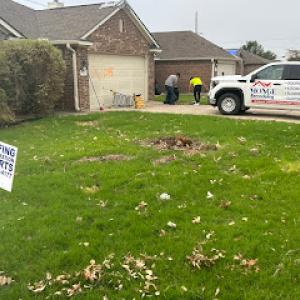
Monge remodeling
(800) 854-4177 mongeremodeling.com
611 E Avenue A, Temple, Texas
5.0 from 3 reviews
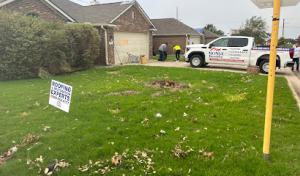
Your roof is a crucial part of your home. It not only protects your interior, but it also affects your curb appeal. That's why it's important to choose a roof that meets your needs. At Monge Remodeling, we can help you pick out a roofing material that suits your home in Temple TX. Our team is able to repair, replace and inspect the following: Shingle roofing Metal roofing Flat roofing We also work with top brands like GAF, IKO and Atlas. Contact us now to learn more about our roofing services.
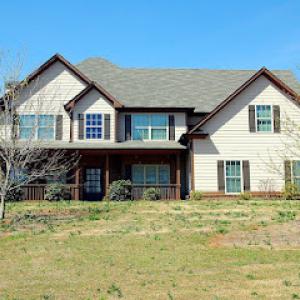
T2K Roofing
(254) 500-3581 www.t2kroofingtempletx.com
1119 S 47th St, Temple, Texas
5.0 from 2 reviews
A Roofing Contractor in Temple, Texas — The most reliable roofing Temple TX has to offer! T2K Roofing combines extraordinary craftsmanship, quality materials, customized estimates, and superior customer service to bring the best results to our customers. Our Temple roofers offer the most reliable services for any of your residential or commercial roofing needs. If you're looking for reliable patio roofing companies, we are the best team for that too! Our services include roof replacements, inspections, storm/hail roof repair, and patio roof repair. Our commitment to quality makes us the most reliable roofing experts in Temple, Belton, and Killeen. If you need reliable roofing, give our roofing temple tx team a call!
In this climate, milder spring and fall weather commonly favors planned roof replacements, but those seasons aren't without overlap with Temple's hail season and occasional storm interruptions. Spring can bring sudden hail events that force crews to pause, inspect, and potentially re-order materials. Fall often advances toward a steady pace before winter, but lingering humidity and late-season rain can still interrupt tear-off and dry-in windows. When planning, aim for a block of several consecutive dry days in late September to early November or late February to early April, but build flexibility for sudden weather shifts. The goal is to hit a window where temperatures remain comfortable for shingles and sealants without the peak heat that arrives by mid-afternoon.
Temple's hot, sunny summers can slow installation pace and make full replacements harder on crews and materials during peak afternoon heat. Shingle crews naturally trim daily progress to avoid heat-related strain and to protect underlayment and sealants from heat-induced sagging or early curing. That means work tends to stall around the hottest hours and can push a multi-day project into a longer timeline than a cooler-season replacement. Humidity and rain in the rainy-season thunderstorms can also delay tear-off and dry-in windows even outside major storm events. Expect temporary halts if a day opens with a high heat index or if afternoon storms roll through, and plan for adjustments in delivery and staging of materials to coincide with cooler morning hours.
Hail-driven decisions often compress or extend schedules based on insurance timelines and contractor availability. If the hail assessment indicates widespread damage, a phased approach to replacement-tearing off damaged sections first, followed by patches and a complete re-seal later-may be discussed, especially when a full replacement strains the crew's capacity during peak heat. In Temple, the premium on securing a solid dry-in before the height of summer means coordinating timelines with both weather forecasts and insurance claim progress. If possible, align the most critical phases of work with cooler days, ensuring roof decking and underlayment have ample time to cure before shingles are laid in the afternoon heat.
Coordinate with your contractor to target mid-morning start times during hot months, letting the crew work through cooler hours and avoid peak heat. Build a contingency buffer for back-to-back storm days, and designate a preferred order of operations: initial tear-off, deck inspection and repairs, underlayment and dry-in, and final shingle installation. When hail damage is suspected, request a staged plan that prioritizes critical weather-tight work first, then completes any remaining sections as weather and insurance timelines permit. Communicate clearly about preferred dry-in windows so joints, penetrations, and vent boot seals can be secured before afternoon heat intensifies. In practice, a well-timed sequence that respects Temple's heat, humidity, and storm patterns reduces the risk of material expansion, sealant failure, and needless rework.
Asphalt shingles dominate the local market, but the long, relentless Central Texas sun accelerates granule loss and aging compared with milder climates. In practice, that means you may see more brittleness, curling edges, and accelerated granule wear after several hot seasons. If your roof has many solar-exposed sections or low-slope areas, expect faster weathering where UV exposure is strongest. Regular cosmetic checks-especially after heat waves or extended dry periods-can catch early signs of aging before leaks or loose shingles appear. When you plan replacements driven by hail or aging, consider upgrading to a shingle with higher reflecting properties or longer warranty cycles to mitigate heat-related premature failure.
Metal roofing has a meaningful local specialty presence, reflecting homeowner interest in a material that handles heat exposure and storm resilience differently than standard shingles. Metal panels excel in shedding heat, resisting wind uplift, and maintaining color stability, provided proper underlayment and ventilation are in place. If your home sits on a sun-drenched block or you regularly face brief but intense summer storms, metal can reduce attic heat load and temperature fluctuations that stress the roof deck. Look for options with UV-resistant coatings and breathable over-underlayment. Proper attic ventilation remains crucial-metal roofs can trap heat if the attic is inadequately vented, which undermines long-term comfort and can accelerate fasteners and sealant wear around penetrations.
Clay and concrete tile appear in the Temple market but require attention to impact vulnerability, underlayment condition, and structural suitability when hail or age-related replacement is involved. Tiles add weight and curb appeal, yet hail can crack or misalign them, and the underlayment must be able to handle storm-driven moisture without compromising the deck. If a hail event has occurred, inspect for cracked tiles, broken fasteners, and any signs of water intrusion behind the tile layer. Tile roofs demand careful inspection of flashing around chimneys, vents, and transitions to the roof edge because moisture infiltration often follows hail damage that weakens the sealant and substrate over time. For older tile installations, confirm that roof deck support remains adequate to carry the tile load, particularly after repeated hail impacts or heat-induced expansion and contraction.
Hail storms drive insurance-driven replacement decisions, and the timing can be influenced by how visible and structural the damage appears after the storm. In hotter months, heat can magnify certain types of damage, such as granule loss on asphalt or microcracks in tile. The local practice often involves staged inspections that align with the city's replacement workflow, so plan for multiple assessment visits if a full replacement is pursued. During the interim, proactive maintenance-such as resealing flashing, replacing damaged underlayment, and securing loose components-helps prevent secondary leaks while awaiting approval. Keep an eye on attic ventilation and deck dryness; a hot attic with moisture intrusion can lead to faster deterioration of any roof system, regardless of material type.
When a hail event hits, watch for price shifts driven by storm-driven demand. After a major hail storm, labor can tighten as local crews shift to quick turnarounds for insurance-driven replacements, and scheduling can stretch out. In practical terms, expect shorter windows to secure crews and longer wait times for materials in peak demand periods. This dynamic affects project timing as much as the sticker price in Temple, where weather and storm activity influence availability of specialists and the pace of deck restoration, flashing replacement, and emergency dry-in work beyond the base roof system.
Temple offers a wide range of material options, spanning from lower-cost asphalt shingles through premium tile systems, with metal roofing occupying a broad middle-to-upper range. Asphalt shingles remain the most common starting point in many neighborhoods, offering solid value for standard homes facing the Texas sun and hail exposure. If durability and a longer service life are priorities, metal roofing sits in a broad middle-to-upper band, with installers often carrying specific expertise in this material class. Premium tile systems-clay or concrete-push costs higher but deliver substantial longevity and a distinct architectural look that many homeowners appreciate in storm-prone areas.
Typical full-replacement pricing in this market reflects both material choice and the project scope. Asphalt shingles range from roughly 350 to 550 USD per square. Metal roofing runs higher, roughly 700 to 1500 USD per square. Clay tile projects can span from about 1200 to 2800 USD per square, while concrete tile sits around 900 to 1800 USD per square. Wood shingles and synthetic/composite options fill the middle-to-upper bands, with synthetic/composite generally from 500 to 900 USD per square.
Beyond material costs, the overall price can shift if storm damage exposes decking, requires flashing replacement, or necessitates an emergency dry-in. In practice, that means the project cost isn't just the base roof system; it also reflects the condition of underlying structure and the need for accompanying upgrades. When planning, account for the potential of phased work or staged inspections during high-demand periods, which can influence both scheduling and total outlay.
Get a clear picture of your project costs upfront - no commitment required.
SP Construction
(254) 931-9313 buildingtemple.com
3809 S General Bruce Dr Ste 103-8196, Temple, Texas
4.8 from 35 reviews
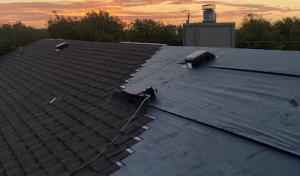
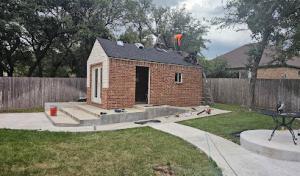
A full roof replacement in Temple typically requires a permit through the City of Temple Development Services. This permit ensures the work adheres to local codes and weather-related considerations that are common in Central Texas, such as wind and hail exposure. The permit may be pulled by either the contractor or the homeowner, which makes it important to confirm responsibility before work starts. If the contractor handles the permit, verify who is listed on the permit application and whether any changes in ownership or scope require updates. If the homeowner is the permit holder, keep a copy of the approved documents accessible on site in case questions arise during inspections.
Temple's building department conducts inspections at multiple stages, including a final inspection after installation is complete. The staged approach is deliberate: it catches issues early, from framing and underlayment to ventilation and proper nailing patterns for the chosen roofing material. Expect inspections after the roof deck and underlayment are installed, again when temporary protections or flashing details are in place, and a final walkthrough once everything is completed. This sequence protects the homeowner from latent defects and helps prevent sneaky code gaps that could cause leaks or wind vulnerability later on.
Coordinate closely with the contractor to align the work with the inspection windows. In practice, this means confirming that the deck is clean, ventilation components are installed as specified, and any required intermediate repairs are completed before the inspector arrives. If the project involves replacement or repair of fascia, gutters, or ventilation baffles, ensure those elements are integrated into the inspection plan. Missing or misplaced components are common sources of inspection delays, which can extend project timelines and complicate insurance-related scheduling after a hail event.
Keep all permit notices, inspection approvals, and any township correspondence in a central folder-digital copies plus physical copies on site are ideal. Should an issue arise during an inspection, address it promptly with the contractor and the city, since restart or re-inspection often carries a defined process and potential fees. Understanding the permit path ahead of time helps prevent miscommunications that could impact timelines, especially during peak storm repair seasons when multiple properties compete for inspection slots.
After a hail or high-wind event, your claim often hinges on detailed evidence. In this market, photo documentation and contractor estimates carry real weight with carriers, so you should be prepared to provide clear, dated images of damaged areas and the exact scope of work proposed. When you compare bids, make sure estimates show the same shingle exposure, underlayment, fasteners, and applicable accessories so the carrier can gauge apples-to-apples replacements.
You want a clean, organized file that you can carry to a claim appointment or underwriting review. Photograph every angle of damaged surfaces, gutters, and vents, then add close-ups of hail impact marks and any existing wear. Keep copies of written estimates from licensed contractors, and ensure they describe materials, layouts, and the installation method in detail. If a contractor can document a short, stamped installation checklist or a written warranty, include that too. This is especially important when questions arise about whether work was completed properly and to current standards.
Because claims often follow storm cycles, a clear trail of records can prevent delays or disputes about coverage and depreciation. Store a simple log of each contact with your insurer, including dates, decision points, and any requested supplemental documentation. If an adjuster requests additional proof of proper installation, your file should be able to demonstrate that the replacement was executed to specification, with final completion notes and any after-work inspections ready for review.
In Temple, keeping inspection records, permit information, and final completion documentation can help support claim files and future underwriting questions. Treat your project file as a living ledger-update it as work progresses and keep it organized for the next review, wind event, or renewal.
Connect with contractors who help homeowners navigate the claims process from damage assessment to final approval.
Atlas Roofing Pros
(254) 272-3213 atlasroofingprofessionals.com
1 E Central Ave Ste 101, Temple, Texas
5.0 from 193 reviews
Lone Ranger Roofing
(254) 300-1413 lonerangerroofing.com
715 E Downs Ave, Temple, Texas
5.0 from 179 reviews
DG Roofing & Remodeling
5106 S General Bruce Dr, Temple, Texas
4.9 from 105 reviews
Temple's severe thunderstorms can create sudden leak events from wind-driven rain, lifted shingles, and debris impact rather than only from long-term wear. If you notice active dripping or pooled water, treat it as an urgent safety issue: avoid standing beneath sagging areas, turn off electrical at the affected circuits if you can do so safely, and limit interior movements near the leak to prevent additional damage. Eyes on the roof aren't enough in a storm window-use a ladder only if you're confident and have a helper. Photograph the affected area from ground level and from any accessible attic points to document the extent before temporary protections go up.
Fast temporary dry-in matters in Temple because additional thunderstorms can arrive before a full replacement slot opens after a regional storm. Cover exposed decking with heavy-duty tarps, and secure them with roofing nails or heavy bricks as needed to resist wind. Seal entry points around vents or chimneys with compatible tape or sealant, then place a sturdy bucket beneath active drips to catch water and limit interior damage. If safe access exists, clear nearby debris that could puncture tarps in a subsequent gust. Communicate the exact wind-risk scenario to a chosen contractor so they can bring the right materials for a rapid, code-compliant dry-in.
The local contractor market shows meaningful emergency-repair activity, indicating that temporary protection and rapid response are a real homeowner need in Temple. Reach out to a contractor who can provide immediate tarp-and-datten protection, then schedule a site visit for a documented assessment and a plan for a prompt, proper roof replacement once weather and scheduling permit. Keep receipts and photo records for insurance follow-up.
When you can't wait, these contractors offer fast response times to stop leaks and prevent further damage.
Atlas Roofing Pros
(254) 272-3213 atlasroofingprofessionals.com
1 E Central Ave Ste 101, Temple, Texas
5.0 from 193 reviews
EMC Remodeling
(254) 760-9268 emcremodelingroofing.com
5100 Midway Dr Suite 211, Temple, Texas
4.9 from 63 reviews

Spartan Roofing of Texas
(254) 778-4243 spartanroofingtx.com
100 FM93, Temple, Texas
5.0 from 22 reviews
In Temple, the market for flat or low-slope roofing is smaller but real, mainly on certain commercial buildings and a few residential additions rather than on standard pitched homes. If a project involves a low-slope section, expect a tighter crew scope and closer attention to detail around transitions from traditional pitched areas to flatter fractions of the roofline. This means communicating clearly about what's feasible on a small or partial flat section and how it ties into the existing roof structure.
Solar roofing appears as a niche specialty rather than a dominant market segment. Homeowners with existing or planned solar need contractors who can coordinate roof work around penetrations, mounting details, and the roof's edge conditions without compromising the system's performance. In practice, that means choosing a contractor who maps penetrations precisely, sequences tasks to protect flashing, and accommodates racking layouts without creating new water entry points.
Temple's heat and storm exposure makes flashing, drainage, and penetration detailing especially critical on low-slope portions and on areas adjacent to solar installations. Expect meticulous attention to seam flashing, edge metal, and fastener security, since light-footed failures here can lead to accelerated wear after hail events or heavy summer rain. A thorough drainage assessment should accompany any low-slope project, ensuring enough slope or appropriate crickets and scuppers to move water away from seams and penetrations.
Low-slope sections in this area benefit from materials and underlayments designed for sustained heat exposure and rapid storm cycles. When solar angles or shading exist, the roof deck and underlayment must tolerate additional wear from mounting hardware and ongoing maintenance. A contractor's experience with both low-slope details and solar penetrations translates into cleaner seams, safer access points, and longer-lasting results on a mixed roof profile.
Find specialists in TPO, EPDM, and built-up flat roofing systems for residential and commercial properties.
Monge remodeling
(800) 854-4177 mongeremodeling.com
611 E Avenue A, Temple, Texas
5.0 from 3 reviews