
Last updated: Apr 19, 2026
Storm-driven hail in this area leaves hidden damage that can sneak past a quick ground check. Concealed shingle bruising, granule loss, lifted tabs, and metal impact damage may not be obvious from the ground or a simple climb on a ladder. That means a roof can look fine while the attic tells a different story. In Azle, the North Texas hail belt pattern makes these issues common after each significant spring thunderstorm, so every roof should be treated with heightened scrutiny rather than a casual eyeball assessment.
Because the local insurance environment is claim-heavy, you should be ready with date-stamped photos that show the roof from multiple angles and during different light conditions. Elevation-by-elevation documentation helps an adjuster see how widespread the damage actually is, not just what a single shot can capture. Collect notes on any granule loss you observe in gutters or landscaping, and mark areas that feel unusually soft or spongy if you access the attic. Obtain contractor estimates for any necessary repairs or replacements before the adjuster review, so you have a clear baseline to discuss scope, material choices, and timelines. This approach can prevent back-and-forth delays and keep your claim from stalling on unclear damage assumptions.
Storm-driven demand spikes in the Azle area can compress scheduling after major hail events, making early inspection and temporary protection important before contractor calendars fill. If you wait, you risk longer wait times for assessments, more secondary damage from wind-driven leaks, and less room to coordinate temporary protections like tarping or roof-covering boards. Before any contractor steps onto your roof, document existing conditions and secure a temporary shield if leaks are obvious or rainfall is anticipated. Quick action protects interior spaces and helps preserve more roof material in its original alignment, which matters when estimating replacement portions versus patchwork repairs.
When you speak with the insurer, refer to the date of the storm and the specific symptoms you've observed: concealed bruising, granular loss, lifted tabs, and any signs of metal impact. Provide the elevation-by-elevation photos and the contractor estimates you prepared, so the adjuster can review solid, objective data rather than interpretive impressions. If the adjuster asks for additional documentation, respond promptly with narrowed, well-labeled evidence that ties each issue to a visible symptom on the roof.
Keep an eye on attic insulation and interior ceilings for signs of moisture that might indicate hidden leaks. Early identification of seepage can prevent escalating damage that complicates claim approval or repair sequencing. If you notice new soft spots after a storm, flag them for a follow-up inspection and updated estimates. The goal is a straightforward, well-supported claim that translates into timely, durable protection for your home's roof against future North Texas storm seasons.
Riverbend Roofing & Exteriors
(817) 779-4860 www.riverbendexteriors.com
Azle, TX
5.0 from 62 reviews
At Riverbend Roofing & Exteriors, we believe in doing exactly what we say we will. That means doing the job right and to the best of our ability, always keeping you updated on what’s going on, and giving you the ability to make choices that not only give you the perfect roof for your property, but earn your long-term satisfaction. In short, we deliver results, and we never sacrifice or settle for anything that might compromise this commitment to our customers. We install asphalt shingle roofing, as well as gutters, windows and fencing.
MTX Roofing & Construction
(682) 290-6017 www.mtxroofing.com
122258 S Farm to Market Rd 730, Azle, Texas
5.0 from 29 reviews
Roofing & storm restoration
RS Roofing
(817) 862-9064 www.rsroofing.biz
1145 Southeast Pkwy, Azle, Texas
4.8 from 59 reviews
Full service residential roofing and construction company based out of Azle, Texas. We have been repairing, installing, and maintaining residential and commercial roofs throughout Fort Worth and surrounding communities since 2010. We are your one-stop shop for all your roofing needs, providing expert work with a specialty in storm damage repair. We approach every job by following the golden rule; we always treat our customers the way we'd prefer to be treated. We are accredited by the Better Business Bureau and we are a PABCO-preferred contractor. At RS Roofing, we have you covered. Your satisfaction is our priority.
March Roofing
(817) 901-8603 marchroofing.com
173 W Main St, Azle, Texas
5.0 from 16 reviews
Trusted Roofing Services in Azle, TX – Roof Repair & Installation Protect your biggest investment with expert roofing services from a trusted local roofing company in Azle, Texas. At March Roofing, we proudly serve Parker County and surrounding areas with reliable roof repair, roof installation, and full roofing replacements. Whether you're dealing with storm damage, roof leaks, or aging shingles, prompt roof repair is essential to avoid costly issues. Our experienced roofers in Azle are here to fix small problems before they become big ones. From minor roof repairs to complete new roof installations, we do it all—on time and on budget. Looking for the best roofing contractor in Azle, TX? Contact us today for professional services
2C Roofing & Construction
(817) 454-8761 2croofingtx.com
Azle, Texas
5.0 from 8 reviews
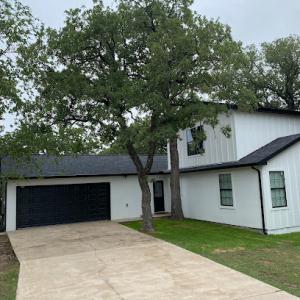
Discover a world of possibilities with roofing contractors in Azle, TX. As your trusted roofing contractor, 2C Roofing & Construction brings excellence to every project. Our roofing services cover a spectrum, including roof repair, installation, flat roof repair, and metal roof installation. We not only secure your shelter but also enhance its aesthetic appeal. Specializing in garage door installation, repair, garage door replacement, opener repair, and garage door spring repair, we extend our services to elevate the functionality and style of your garage. Serving Azle and surrounding areas, we ensure top-notch roofing and garage door installation in Azle, TX. Experience our best services for your home with us. Contact us now!!
IRP Roofing Contractor & Gutter Repair
(817) 501-6600 www.irestorepros.com
Azle, Texas
5.0 from 7 reviews
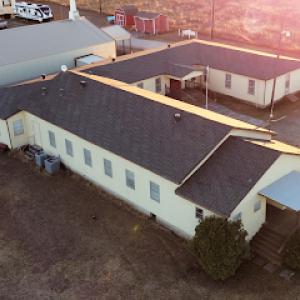
IRP Roofing and Gutters is a family-owned business that has been serving the local area with both roofing and gutter services for many years. Our roofing experts are trained and certified to deal with a variety of roofing styles and guarantee the job is done properly; the first time.
Floyd Heggie Roofing & Repair
(817) 237-8164 floydheggieroofingandrepair.com
Serving
4.9 from 67 reviews
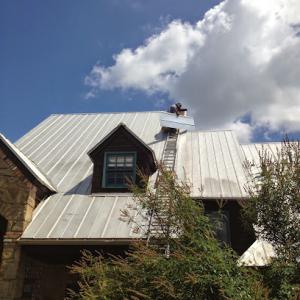
Welcome to Floyd Heggie Roofing and Repair, your trusted expert in roofing services throughout Fort Worth, TX, and surrounding areas including Hurst, Euless, Bedford, and Arlington. With years of experience, we specialize in roofing installation, roof repair, and roof maintenance, handling everything from metal roofs to commercial installations. Our team is committed to quality craftsmanship and affordable customer service, ensuring your satisfaction with every project. Whether you need roof leak repairs, roof siding repairs, or seamless roofing services. Contact us today for reliability and professionalism schedule your free consultation .
Lonestar Roofing & Restoration
(682) 302-0707 lonestarroofingandrestoration.com
Serving
5.0 from 47 reviews
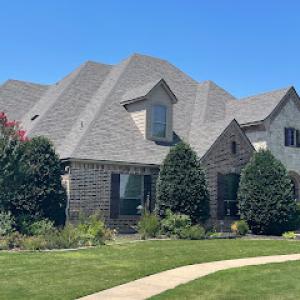
Lonestar Roofing & Restoration is a trusted, locally owned roofing company serving Parker, Hood, Tarrant, Wise, Collin, Denton & Johnson Counties. We specialize in roof repairs, replacements, and insurance claim restoration for hail, wind, and storm damage. Our experienced team delivers high-quality craftsmanship using Class 3 and Class 4 impact-resistant shingles. Whether you’re in Azle, Weatherford, Aledo, Colleyville, Prosper, Burleson or Granbury — we handle the entire process from inspection to completion with honesty, speed, and precision.
High Line Roofing, Fort Worth Roofers
(817) 888-8249 highlineroofing.com
Serving
5.0 from 58 reviews
High Line Roofing is your trusted local roofing contractor in Fort Worth, TX, specializing in top-quality roofing services. We offer comprehensive solutions including residential, industrial, and commercial roofing, ensuring your property is protected and looks great. Our expert team also excels in siding installations and repairs, providing durable and aesthetically pleasing results. Committed to exceptional customer service, we use high-quality materials and precise techniques to deliver reliable, long-lasting solutions. Choose High Line Roofing for professionalism, quality craftsmanship, and unmatched service. Contact us today for all your roofing and siding needs.
Lighthouse Residential Roofing
(682) 239-8314 www.lighthouseroofingtexas.com
Serving
4.9 from 42 reviews
Don't try the rest... Go straight to the Best. We opened Lighthouse Residential Roofing in 2014 to service the residential roofing market with our 35 years of experience. We built this business with 4 pillars. *The first is our commitment to expertise with ongoing training and keeping up to date with new material trends. *Our second is our commitment to being properly insured so that you are not held liable. *Our third is our commitment to customer satisfaction with our 100% satisfaction guarantee. *And the fourth is to our community. We do this by feeding a family for a week through Community Link with every roof we install. We believe these commitments are why we were voted the Best Roofer of Fort Worth for 2021 and 2023.
Shay Roofing & Construction
(817) 223-6925 www.shayroofing.net
Serving
5.0 from 53 reviews
At Shay Roofing, we take pride in being the premier choice for roofing and construction services in Haslet. We specialize in insurance claims and guide homeowners through every step of the insurance claim process, minimizing hassles. We deliver exceptional results that exceed customer expectations and prioritize reliability, punctuality, and fast turnaround times. Our team is dedicated to educating customers about the benefits of different products, guaranteeing warranties and durability.
Top Quality Roofing
(817) 980-5099 top-quality-roofing.com
Serving
5.0 from 44 reviews
We are a Local Company offering our services to the DFW Area.
Asphalt shingles remain the dominant choice for replacements in this area, fitting the local re-roof market and appearing on suburban and semi-rural homes along Parker and Tarrant County edges. They are familiar to local crews, easy to install, and provide a straightforward match for typical roof pitches seen on many Azle homes. In a framework of North Texas hail and thunderstorm exposure, standard asphalt can be a reliable, practical option when paired with a quality underlayment and a stout impact-resistant shingle line. The key is selecting a shingle with good wind and impact features and ensuring the installation follows a tightly controlled process to minimize issues from seasonal storms.
Metal roofing shows a strong local footprint in Azle, reflecting homeowner interest in impact resistance, heat performance, and long-term durability under repeated thunderstorm exposure. Metal systems can offer excellent hail resistance when installed with correct panel profiles and proper-fastening patterns for the region. They also tend to shed heat more effectively on sunny days, which can help with attic cooling in hotter periods. If choosing metal, look for a system with a robust paint or coating warranty and a design that reduces the risk of denting from hail while still accommodating the local roof geometry. A metal roof can align well with both semi-rural and in-town homes when the structure is prepared for the weight and the fastener layout.
Tile and wood systems exist in the market, but they demand closer attention to structural loading, breakage risk from hail or foot traffic, and replacement-part matching after storm losses in North Texas. Clay and concrete tiles bring a distinct look and potential durability, but hail can crack or dislodge tiles if the roof carries sharp angles or heavy overhangs. Wood shingles or shakes offer a traditional aesthetic but are more susceptible to damage and weathering in storm-prone seasons; they also require careful maintenance to prevent deterioration. If a tile or wood option is on the table, ensure the structure is evaluated for load capacity, confirm access for future replacements, and plan for matching segments if a hail event requires partial repairs. Keep in mind that replacement parts may be harder to source after a large storm, which can extend repair timelines.
In an area defined by spring thunderstorms and frequent hail, the choice of roof material should balance hail resistance, weight, and the ability to rapidly respond to leaks. Asphalt can be forgiving for quick repairs and fast leak containment, while metal offers strong impact resistance and better heat performance. Tile and wood bring style and period-appropriate character but can complicate storm repairs and part matching. Regardless of material, a well-sealed edge detail, a solid underlayment, and correctly staged flashing around vents and chimneys are essential to resist wind uplift and water intrusion during heavy storm cycles.
Homes in this market often see re-roof activity driven by storm-driven insurance and rapid leak response needs. The material choice should align with the expected maintenance cycle and local repair ecosystems. A practical approach is to match the roof profile with existing architecture while prioritizing a system that can stand up to frequent hail events, keeps attic temperatures manageable, and remains serviceable when damage occurs between storms. This balance helps ensure that the roof remains resilient across the shifts in weather patterns typical of the spring season.
When spring hail storms sweep through this area, Azle-built roofs see a quick shift in pricing as local crews are pulled into a high volume of inspections, tarping, and insurance-scope re-roofs. That bumper demand can push lead times and material-haul costs higher for a few weeks, then settle as the storm work moves into a steady rhythm. If a contractor schedules crews from nearby towns to handle Azle jobs, expect longer days and tighter stacking of material deliveries, which can inflate daily labor and waste-haul charges. A practical approach is to confirm an itemized quote that clearly separates labor, tear-off, waste disposal, and staging fees so there are no surprises when the job kicks off.
Homes in and around Azle vary from standard subdivision layouts to larger semi-rural properties. Those differences matter once crews start tearing off and re-roofing. A sprawling lot can ease material staging, but it might require longer tarping runs and extra traffic control, which translates into time and fuel costs. Conversely, tighter lot lines or drive-through access can complicate waste-haul logistics and elevate per-square costs. If the house sits near driveways shared with neighbors or close to fences, expect additional setup time to protect landscaping and property lines. These nuances show up in the contractor's numbers, not as a mystery charge.
Material choice matters sharply in this market. Ranges matter more when storm demand drives up availability and trucking from remote mills. Asphalt shingles run roughly from 350 to 700 USD per square, a middle-of-the-road option that shortens lead times and keeps install crews moving during busy periods. If clay tile is chosen, expect a swing from about 900 to 1900 USD per square, with heavier tile demands potentially extending teardown and staging time on semi-rural lots. Concrete tiles run roughly 800 to 1500 USD per square, offering durability but bringing more weight and logistics considerations. Synthetic or composite shingles sit around 450 to 900 USD per square, often a practical compromise when hail risk is high but roof access is challenging. In Azle, the price spread for the same material can widen quickly after hail spikes, so verify not just the sticker price but the scope of work included.
Start with a clear storm-damage assessment and request a two-part estimate: a replacement cost based on chosen material and a separate storm-response surcharge that covers expedited inspections, tarping, and insurance-scope re-roofing. If possible, choose a contractor who can provide solid staging plans-particularly for semi-rural properties where waste-haul time and material staging are real cost levers. For homes with unique angles, protrusions, or multiple ridges, ask how tear-off logistics will be handled and what contingencies exist for weather-related delays. Finally, keep an eye on material lead times; in peak season, even modest delays can affect scheduling and cost. You'll be better prepared when the next spring storms roll through and demand spikes again.
Get a clear picture of your project costs upfront - no commitment required.
Riverbend Roofing & Exteriors
(817) 779-4860 www.riverbendexteriors.com
Azle, TX
5.0 from 62 reviews
A full re-roof in Azle typically requires a building permit submitted with project scope and contractor information through the local jurisdiction serving the property. The permit process is designed to correlate with the storm-season activity common in this area, where quick repairs and full replacements can collide with local code requirements. Before any shingle or metal skin comes off, your contractor should verify that the permit is in motion and that the scope of work aligns with both the roofing material chosen and any necessary venting or attic improvements. The aim is to avoid delays tied to missing forms or outdated project descriptions when the inspector arrives.
Inspections in the Azle area are commonly scheduled at multiple stages, with final review focused on decking condition, ventilation, flashing, and overall installation compliance. The first stage typically occurs after the roof deck is exposed and before any underlayment or shingles go down, ensuring the decking is sound, free of rot, and properly spaced. A mid-stage check may assess the installation of underlayment, eaves, and drip edge, plus any required nail patterns or fastener corrosion protection. The final inspection centers on how the roof is finished-ventilation strategy, flashing around chimneys and penetrations, and whether the overall installation matches the approved plan. Expect questions about attic intake and exhaust balance, as improper ventilation can affect energy efficiency and roof longevity after hail events.
Because Azle properties may fall under city processes or county-related administration depending on location and jurisdictional context, homeowners need to confirm the correct permitting office before work starts. A quick call to the local building department or planning office will reveal whether the project is handled by the city ordinances or a county authority, and which forms or endorsements are required for your specific property lines. If the property sits near a jurisdictional boundary, ask for confirmation in writing to prevent a later recheck or an added inspection fee. Your contractor should provide the permit number, inspection dates, and a copy of the approved plan to keep on site through the project.
Keep all permit documents, inspection notices, and any addenda from the contractor in a single, accessible place. When hail, storms, or insurance-driven work drive rapid scheduling, you will still want to verify that each inspection milestone is on the calendar and that the work aligns with the initial scope. If a deviation occurs-whether due to deck condition findings or ventilation adjustments-document the change and obtain an inspector-approved amendment before proceeding. This helps avoid costly rework and keeps the project moving smoothly through Azle's permitting and inspection landscape.
Azle's hail-prone North Texas insurance environment has led some carriers to tighten underwriting, require higher deductibles, or scrutinize roof age and system type more closely. This isn't random-storm-driven claims and rapid repair cycles have trained adjusters to inspect for hidden wear, mismatched repairs, and the cumulative impact of multiple hail seasons. When a storm hits, expect more questions about what was present before the hail and what happened after. Acknowledge that the carrier's goal is to separate genuine storm damage from older wear, which can tilt conclusions in unexpected ways if the documentation isn't solid.
Adjusters serving the Azle market may request on-site inspections before settlement, especially when storm dates, prior repairs, or mixed old-versus-new damage are in question. They may want to verify roof age, shingle type, and whether previous leaks were addressed or allowed to linger. If a date of the storm is in dispute or if recent interior leaks point to ongoing moisture, be prepared for a closer look at the roof's life history. The best outcome comes from clear, organized responses that don't dodge hard questions. If you've moved or renovated since the last hail event, bring records that bridge any gaps in what the adjuster might see.
Homeowners in this region benefit from keeping pre-storm roof photos, maintenance records, and interior leak documentation because repeat hail seasons can complicate causation discussions. Store photos from multiple angles, dated timestamps, and any notes about previous repairs or warranty work. Maintenance logs-gutter cleaning, vent sealing, shingle replacement, flashing work-help demonstrate intentional upkeep and can signal whether damage aligns with a specific storm event or with longer-term wear. Interior leak diaries, dated rain events, and professional evaluations of attic moisture can be crucial when causation is scrutinized. Keep correspondence with the insurer, dates of communications, and the names of any representatives you've spoken with. In this market, a well-documented timeline reduces ambiguity and helps your claim proceed with fewer delays. If a claim is opened, respond promptly to requests for information and organize everything by event date to make it easier for an adjuster to trace the damage path from the exterior to the interior.
Connect with contractors who help homeowners navigate the claims process from damage assessment to final approval.
Riverbend Roofing & Exteriors
(817) 779-4860 www.riverbendexteriors.com
Azle, TX
5.0 from 62 reviews
MTX Roofing & Construction
(682) 290-6017 www.mtxroofing.com
122258 S Farm to Market Rd 730, Azle, Texas
5.0 from 29 reviews
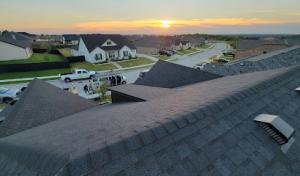
During the hottest parts of the day, comfort quickly drops and crews will need to adjust work sequences. Hot North Texas summers around Azle can narrow comfortable installation windows and affect how crews sequence tear-off and shingle installation during peak afternoon heat. Plan concrete timing with the crew: tear-off should start early, move steadily, and aim to have the most labor-intensive tasks completed before the afternoon scorch. If a roof has multiple slopes, consider staggering removal and replacement so shaded areas are worked first and deck boards aren't exposed longer than necessary.
Frequent thunderstorms and wind events in the Azle area can interrupt open-roof work, delay deliveries, and increase the need for same-day dry-in planning. Have a contingency plan for sudden weather: secure yard access for deliveries, pre-stage materials under cover, and set a clear signal with the crew for halting work when a storm rolls in. Expect occasional wind gusts that lift materials; use tarps and temporary fasteners to keep loose items from becoming project hazards. A reliable communication chain with the contractor helps keep the schedule practical and minimizes miscommunications during changing forecasts.
Winter freezes and occasional ice in this region can complicate decking evaluation and make some replacement days less suitable for efficient installation. Schedule critical decking checks for mid-day when temperatures are higher, and be aware that wet or frozen decking can slow nail patterns and adhesive cures. If a cold snap hits, shift to tasks that don't depend on warm surface conditions, such as detailed inspection of the roof structure and securing underlayment, reserving full shingles-for-deck work for milder days.
When you can't wait, these contractors offer fast response times to stop leaks and prevent further damage.
MTX Roofing & Construction
(682) 290-6017 www.mtxroofing.com
122258 S Farm to Market Rd 730, Azle, Texas
5.0 from 29 reviews
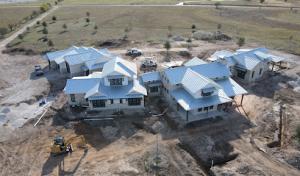

In Azle, common post-storm trouble spots include ridge and hip shingle damage, flashing separation, exposed fasteners on metal systems, and leaks that first appear around penetrations after wind-driven rain. Those patterns aren't rare quirks - they're predictable when a storm rolls through with hail and heavy bursts of wind. Expect to find damaged shingle edges at ridges, disturbed sealant around chimney and vent flashing, and metal panels showing fastener corrosion or lift after hail impact. When you spot signs like lifted edges or dark stains near penetrations, treat it as the first warning rather than a cosmetic flaw.
Repeated hail exposure in North Texas can shorten the practical service life of otherwise serviceable roofs by causing cumulative granule loss and hidden mat damage. Granules protect the asphalt and underlying fiberglass; when they wear off, sun and moisture can accelerate aging even if the surface looks fine from the ground. Hidden damage-like bruising in the roof deck or underlayment fatigue-can quietly compromise attic insulation and ventilation, which in turn magnifies heat buildup during long Texas summers. Don't rely on surface appearance alone after a hail event; a professional inspection is essential to uncover the hidden wear.
Final inspections in the local process emphasize ventilation and flashing because poor attic airflow and weak transition details can accelerate heat-related aging in this climate. In practice, that means checking ridge and hip lines for continuity, ensuring flashing around vents, skylights, and chimneys remains intact, and confirming there's ample attic soffit and ridge venting. Weak transitions-where two roof planes meet or where a metal flashing seals a joint-are common failure points after wind-driven rain, and they often precede leaks or heat-related deterioration.
After a storm, look for new staining on ceilings or walls inside, damp spots around penetrations, and any shimmering or ripple along metal roof seams. If you notice granules in gutters or pooled water near fasteners, treat those as urgent indicators to call in a roofer. Early, targeted attention to these issues can prevent larger failures during the next North Texas storm cycle.
Find contractors experienced in skylight installation, flashing, and leak repairs to bring natural light into your home.
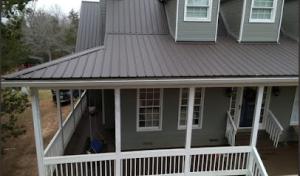
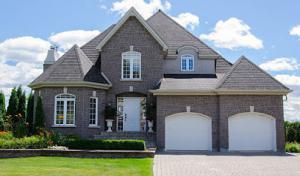
The Azle market shows unusually strong demand for re-roofing, quick response, and cleanup-included service, so homeowners here value operational reliability after storms more than luxury upgrades. When a hail event hits Eagle Mountain Lake area homes, the goal is to restore weather protection fast and leave behind a tidy job site. Look for a contractor who prices responsiveness into their workflow and can mobilize crews quickly after a storm.
A meaningful share of local contractors advertise drone inspections and free inspections, reflecting how storm documentation has become part of the normal sales and claims process in this area. Expect digital photo reports, drone footage of wind- and hail-damaged surfaces, and a written damage summary. Ask for the raw photos and a dated report that you can share with your insurer. If a contractor pushes a hard sell without showing recent storm-damage evidence, slow down and request a transparent, objective assessment.
Because only a small portion of local listings emphasize manufacturer certification or formal licensing language, Azle homeowners should verify credentials, insurance coverage, and warranty terms directly rather than assume them. Call to confirm active insurance and workers' comp coverage, and request copies of the warranty for the exact product you're considering. Check that the contractor is listed with the manufacturer for the specific shingle or metal system you choose, and ask for the installation crew's training records. A solid warranty and documented certifications reduce headaches when a storm-related issue arises later.
Start with a short list of three to five local crews who respond promptly to storm-related inquiries. Review their recent storm projects within the area, focusing on cleanup efficiency and nail-and-flashings work. Schedule in-person or virtual meetings to compare inspection reports, materials compatibility, and communication style. Choose the contractor who demonstrates clear documentation, a realistic project timeline, and an explicit plan for debris removal and site cleanup.