
Last updated: Apr 19, 2026
Powhatan sits in Virginia's Piedmont west of Richmond, where hot humid summers and periodic storms make roof tear-off and dry-in timing especially important. The moisture cycles here aren't just seasonal-they're daily realities that push timelines and demand a precise plan. When humidity stays high and storms roll in, decking can stay damp longer than expected, and those damp periods directly affect adhesive cures, fastener seating, and shingle edge seals. The result is a higher risk of leaks during the replacement window if schedules aren't synchronized with the weather. A roof in this climate isn't only about what you replace; it's about when you replace it, and how the dry-down behaves after a storm.
Spring brings a steady drum of showers and muggy air. In Powhatan, that translates to slower deck drying and extended replacement schedules compared with drier periods. Even a brief shower can halt work and force a backtrack on drying times, especially when crews are working around wooded lots where shade and moisture linger. This isn't about rain days alone; it's about how humid air holds moisture in the roof structure and underlayment, delaying the sealant and adhesive cures that are critical for a long-lasting roof. If planning a tear-off in spring, build in contingency days for damp decking and softened underlayment, and expect occasional delays as heat and humidity swing into mid-summer.
Winter conditions in central Virginia don't just slow progress; they change how materials respond. Freeze-thaw cycles can stress underlayment and compromise adhesive sealing during colder installations. Cold snaps tighten or fracture mastics and sealants, limiting airflow and slowing moisture escape from the attic. When temperatures swing below freezing, crews must avoid nailing or sealing in a way that traps moisture or creates cold joints. In practice, that means tighter scheduling buffers around cold snaps and a readiness to pause work during hard freezes or rapid temperature drops. If a winter replacement is unavoidable, expect shorter work windows each day and heightened vigilance about attic moisture, ventilation, and flashings that must perform in freezing conditions.
A contractor with Powhatan experience will align tear-off, dry-in, and underlayment cures with the local storm pattern rather than the calendar. Look for windows where fronts pass quickly and humidity dips, typically after a period of dry warm weather followed by a light rain that doesn't saturate decking. The most reliable dry-in happens when the deck moisture content is minimal and the air is not saturated. Ask for a moisture assessment of the deck and attic space before pull-off begins, and insist on a staged plan that anticipates rain delays, humidity holds, and potential cold fronts. Your schedule should include backup days for stubborn moisture and a clear decision rule: if decking shows prolonged dampness beyond a practical threshold, the crew pauses rather than proceeds to protect deck integrity and roof longevity.
Storm timing in this region means keeping a nimble plan and clear communication with your contractor. When a line of storms approaches, your team should have a pre-storm cover plan for exposed underlayment and flashings, and a post-storm inspection routine to verify seals and fastener seating after any wet period. If multiple storms cluster in a week, be prepared to stagger crews to preserve drying paths and prevent moisture from migrating into the attic. In practice, the most durable replacement in this climate happens when weather-driven pauses are embraced, not fought, and every step from tear-off to dry-in is coordinated with the moisture story the sky is telling.
Powhatan's rural residential pattern means many homes sit under mature canopy with heavy leaf drop in the yard and on the roof. This increases debris buildup, which can clog drip edges and gutters, trap moisture, and hide minor damage until it's pronounced. A practical approach is to establish a seasonal cleaning routine that aligns with the leaf cycle: blow or gently sweep debris from the roof and gutters in late spring and again in late fall, after major leaf drop. Use a sturdy extension gutter pole to reach higher eaves without climbing onto slick or mossy surfaces. Inspect known limb drop zones for damaged shingles or flashing after storms, paying special attention to areas where branches overhang the roof.
Shaded roof sections tend to stay damp longer in humid central Virginia, which can accelerate staining and shorten the service life of some roofing systems. In practice, identify shaded planes with simple daytime observations or a quick roof walkthrough after a rain. Consider a targeted cleaning cadence for those sections and plan inspections just after wet periods when moisture reveals slow-drying patches. For asphalt or composite shingles, lingering dampness can invite mildew or algae in mild seasons; for darker colors, staining can be more noticeable. A cheap, above-surface cleaning once or twice a year can help, but avoid high-pressure washing on delicate materials. For metal roofs, check for oxidation or color fading in shaded panels and treat early to prevent pitting.
Maintenance plans should reflect the surrounding mature trees rather than dense urban lot lines. Set a predictable schedule: after major storms, after heavy winds, and at least quarterly during the growing season. Inspect gutters for shingle grit, mud, and leaf compaction that can create pooling and gutter overflow. Ensure downspouts discharge away from foundation and walkways; misdirected water can undermine soil near roots and rafters in wooded lots. When debris is cleared, look for subtle roof warping or lifted edges in shaded expanses, because early signs in these zones travel quietly before a full edge failure.
Storm timing matters in this setting. Reserve some cooling-down days after a storm for a quick roof walk, especially if large branches were involved. If a tree limb has compromised a section of the roof covering, address it promptly and arrange debris removal before the next round of storms to reduce risk of water intrusion. For replacements or repairs, plan around the local weather window: aim for dry spells with moderate humidity so that new materials can seal properly and prevent moisture entrapment within overlaps or under flashing.
Gutters and the canopy influence each other in wooded lots. A roof treatment or shingle selection that tolerates reflected shade should be paired with a gutter plan that prevents debris buildup and stagnant moisture. Consider larger gutter capacity if your roofline channels a lot of leaf matter, and ensure screens or guards are installed to minimize ongoing debris intrusion without obstructing water flow. Regular checks of fascia boards for moisture staining or rot in shaded, damp zones help catch problems before they travel.
Asphalt shingles remain a practical fit for many homes in this wooded, humid Piedmont area. In Powhatan, moisture management, proper ventilation, and algae resistance take on extra importance because humidity lingers and storm gusts are common after heavy rains. You want attic ventilation that keeps the roof deck dry during hot, muggy days and short, intense storms. Look for shingles with built-in algae resistance and a ventilation plan that accounts for ridge and soffit airflow, especially on homes shaded by tall pines. In the field, you'll notice that the fastening pattern matters more here than in dry, open landscapes: gusts can lift loose edges if the nails aren't driven correctly or if attic pressure isn't balanced. A well-sealed underlayment and breathable contrasting venting help keep moisture from seeping into sheathing after a storm, reducing the risk of cupping or edge curling over time.
Metal roofing performs well for shedding rain and resisting some storm-related wear in this area, but installer skill matters on rural homes with varied pitches and penetrations. In Powhatan, metal panels must be carefully lapped and fastened to cope with wind-driven rain and the occasional tree strike from the dense canopy. For best results, insist on a seasoned installer who understands how to manage penetrations around chimneys, vent pipes, and skylights without creating hot spots or potential leak paths. The lighter weight of metal can be advantageous for older structures, but missteps in flashing, sealant, or ridge cap installation can create trouble after a heavy thunderstorm. Consider a color and coating that minimizes ice dam risk in winter and resists chalking in the humid summer heat.
Clay tile, concrete tile, synthetic/composite, and slate appear on higher-end central Virginia homes, but their weight, brittleness under branch strikes, and repair complexity matter on wooded properties. In Powhatan, a dense tree canopy means more debris and potential impact from branches during storms, which can crack or chip brittle materials like clay or slate. When choosing these materials, ensure the structure can bear the weight with a proper rafter or deck reinforcement, and plan for more frequent inspections after storms to catch microcracks before water migration occurs. Slate and concrete tiles offer exceptional longevity and aesthetics, but a single cracked tile can open a small but persistent leak if not addressed quickly. Synthetic or composite options may provide a balance of durability and lighter weight, yet still require careful installation around penetrations and roof valleys to prevent wind uplift and moisture intrusion. On wooded lots, consider curb appeal alongside practical repair accessibility; a tile roof can complicate ongoing maintenance if branches repeatedly strike the roof edge.
In this climate, the timing of roof work matters. Wet seasons can push project start dates, so scheduling around expected storms and allowing for dry windows helps protect interior spaces and roof components. Regardless of material, ensure a robust underlayment and a venting plan that accommodates Powhatan's humid summers. Regular inspections after major storms should focus on fastening integrity, flashing around penetrations, and the condition of the roof deck to prevent moisture from migrating into living spaces. A locally attentive contractor will tailor strategies to trees, shade, and storm patterns, aligning material choice with maintenance expectations and the typical tree density in the neighborhood. The goal is a roof that resists moisture ingress, remains secure through gusts, and ages gracefully under wooded skies.
Pricing for common roofing materials in this area typically runs from about $350 to $700 per square for asphalt shingles, $700 to $1300 for metal, $900 to $1800 for clay tile, $800 to $1500 for concrete tile, $500 to $950 for synthetic/composite shingles, and $1200 to $2100 for slate. These ranges reflect the mix of residential stock in rural and wooded settings, plus the longer drive times and occasional equipment delays that come with a county-style deployment. When you compare bids, confirm which items are included in the price-underlayment, fasteners, starter courses, and use of stainless or coated nails in humid summers can shift cost noticeably.
Costs in this area can rise when rural travel, longer material delivery routes, and smaller local labor pools affect scheduling and crew availability. A tighter timeline often means premium for weekend or after-hours work, especially if weather windows compress a multi-day process into a handful of dry days. If a contractor has to shuttle materials from a distant depot or coordinate with a less available crew, you may see a modest bump above the baseline material cost. Plan for those contingencies by building a small buffer into your replacement window.
Wooded lots, steeper custom-home rooflines, debris protection needs, and weather delays from thunderstorms or wet spells can add labor time in Powhatan County. The humidity and storm patterns mean crews spend extra effort protecting landscaping, setting up tarps, and staging for quick rain shutoffs. Expect the overall project to extend beyond a simple tear-off and reapplication on straightforward roofs. If your roof uses complex angles, dormers, or metal transitions, the crew will allocate extra hours for detailing and leak checks, which shows up in the final bid.
Moisture control is critical when replacing during the humid season. A dry, multi-day stretch allows for proper underlayment application, precise attic ventilation checks, and a thorough drip-edge and valley sealing. If a storm front rolls in mid-project, you'll incur labor delays and possible rework of exposed areas. When evaluating bids, ask how the schedule accounts for typical Powhatan weather patterns and how crews protect finished work during rain events.
Start with the material price ranges as a baseline, then add estimates for labor time given roof complexity and site access. If you are considering premium materials like slate or clay tile, expect longer lead times and potential scheduling delays that further affect total cost. Build in a contingency for weather-related delays and debris protection needs, especially in wooded lots where cleanup takes a bit longer.

Powhatan Roofing
(804) 324-3394 www.powhatanroofing.com
2562 Anderson Hwy, Powhatan, Virginia
4.8 from 25 reviews
Powhatan Roofing offers roof repair, roof replacements, new roofs and roof inspections in and around Powhatan VA. We work with a variety of roofing materials on both residential and commercial real estate.
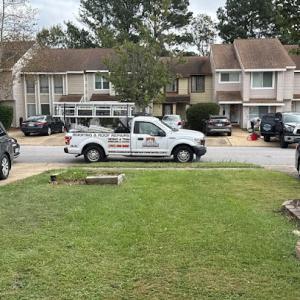
Custom Home Improvements & Repairs
(804) 999-4998 customhomeimprovements.com
Serving
5.0 from 94 reviews
Custom Home Improvements & Repairs in Midlothian, VA provides professional roof replacement services designed for local homes facing Virginia’s humidity, storm seasons, and rapid temperature swings. Our team handles full roof tear-offs, shingle replacements, leak issues, and aging roof concerns common in Chesterfield County neighborhoods. We focus on durable workmanship, clear communication, and reliable service from start to finish. Choose our experienced roofers for trusted, high-quality roofing solutions that protect your home year-round.
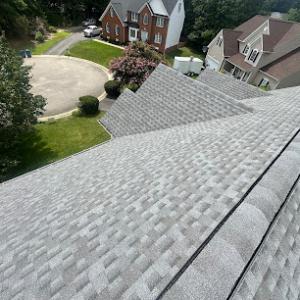
Absolute Building Services
(804) 715-0631 www.absoluteservices22.com
Serving
5.0 from 24 reviews
Absolute Building Services is a roofing contractor in Richmond, Virginia. providing residential and commercial roofing solutions, such as roof installation, repair, replacement, and maintenance.
API Roofing
(804) 307-5109 www.apiroofingandconstruction.com
Serving
5.0 from 49 reviews
Professional and Affordable Roofing Company here to help with all your roofing needs. From new roofs and replacements to repairs as well
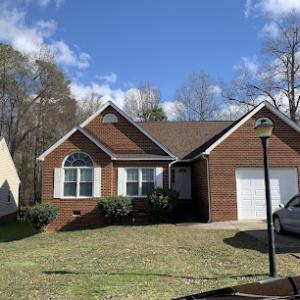
BK Roofing & Repairs
(804) 389-7738 www.bkroofingandrepairsllc.com
Serving
4.9 from 75 reviews
BK Roofing & Repairs, LLC is a family-owned and operated roofing company serving the Richmond, VA area. No matter what your project involves, you can be sure you’re getting honesty and quality from us. We can handle roof repairs, including storm damage repair, for both residential and commercial customers in Chester, Chesterfield, Mechanicville, Midlothian, Moseley, Glen Allen & all surrounding Richmond counties. Whether it’s a roof repair or replacement, we’ll make sure you are making the most educated decision possible. We can inspect roofs for damage as well. Best of all, we offer free estimates on all our services.
Shanco Roofing
(804) 544-9400 www.goshanco.com
Serving
4.9 from 259 reviews
Serving the residents of Maryland and Virginia for over 20 years, Shanco maintains an honorable reputation and is an accredited roofing company with the Better Business Bureau with an A+ rating. With a commitment to serve clients on a personal and professional level, you can count on Shanco to deliver an end product you’ll be confident in. Shanco offers high-value solutions for roofing, windows, siding, gutters, chimneys, masonry, skylights, solar and more. You’ll never have to wait when it matters most.

Bumble Roofing of Richmond
(804) 207-8332 bumbleroofing.com
Serving
5.0 from 36 reviews
Bumble Roofing of Richmond makes roofing easy with expert solutions tailored for both homeowners and businesses. Our trusted roof contractors are committed to delivering quality workmanship with honesty and transparency. With over 60 years of combined experience and more than 2,700 successful roof installations, repairs, and replacements, we’ve built a reputation you can count on. We offer one clear, upfront price and a full, detailed roof report—no haggling, no hidden fees, no gimmicks. Whether you need a simple repair or a full roof replacement, we’re here to make the process smooth, reliable, and stress-free. Visit us today and experience the Bumble Roofing difference.

Hardesty
(804) 378-9163 hardestyroofing.com
Serving
4.3 from 107 reviews
Hardesty Roofing, based in Richmond, VA, has been delivering high-quality residential and commercial roofing services since 1990. Known for expert craftsmanship, dependable service, and top-tier materials, we proudly serve homeowners and businesses throughout Central and Eastern Virginia—including Charlottesville, Tri-Cities, Northern Neck, and Tidewater. Whether you need a full roof replacement, emergency repairs, or new construction roofing, our team brings decades of experience and attention to detail to every project. We also offer window and siding replacement, partnering with leading brands like GAF, Owens Corning, RJT Industries, Norandex, and Hardie Plank. Hardesty Roofing is your trusted name for durable, reliable exterior solution
K&J
(804) 912-7988 www.theroofrepairs.com
Serving
4.8 from 45 reviews
We are a locally owned and operated roofing company currently serving residents and commercial properties in Manakin Sabot, VA, and surrounding communities 24 hours a day! We offer roof repair, roof replacement, and metal roofing services.
Best Choice Roofing
(804) 207-9897 bestchoiceroofing.com
Serving
4.7 from 289 reviews
Best Choice Roofing is your trusted roofing expert and the Best Choice when it comes to choosing a roofing company with a commitment to impeccable customer service in Richmond. In business since 2009, Best Choice Roofing’s industry-leading contributions to the roofing industry include a customer-first mentality, a dedication to top-quality products and a leadership team focused on the growth of its people. Because of this framework, we have created a loyal base of customers all over the United States.
Evergreen Roofing
(804) 361-9998 evergreenroofingva.com
Serving
5.0 from 24 reviews
Evergreen Roofing offers a seamless and stress-free solution for all your roofing needs. As dedicated roofing contractors, we specialize in expert repairs and complete replacements, ensuring the longevity and protection of your home. Located in Midlothian, VA, our commitment is to provide reliable, high-quality craftsmanship and exceptional service. Experience the effortless path to a secure and beautiful roof with Evergreen Roofing.
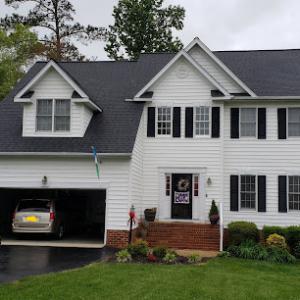
T&G Enterprise, LLC - Roofing, Siding, Gutters
(804) 885-2249 www.tandgenterprise.com
Serving
4.8 from 85 reviews
T&G Enterprise is the exterior home improvement contractor Richmond VA, Chesterfield VA, and Midlothian VA homeowners trust. We specialize in being Roofing Contractors That Complete Projects On Time, Gutter Installations That You Couldn’t Be More Pleased With, Professional and Affordable Siding Replacement, and Home Window Replacements. Whether your home has been damaged by a storm and you need it repaired quickly or you just want to upgrade your curb appeal, we’ll start with a free inspection and explain all of your affordable options with no pressure. We thoroughly clean up after ourselves before we leave and we’ll even go the extra mile to guide you through the insurance claims process and make it easy for you.
In this rural Piedmont setting, a full roof replacement commonly requires a building permit through the county building department. The process isn't optional in most subdivisions, and skipping it can lead to delays, fines, or trouble selling the home later. The permit is typically pulled by the contractor, but a motivated homeowner can handle it themselves if they're comfortable with the paperwork. Either path means understanding that the county wants to verify basic safety and code compliance before, during, and after the project.
Inspections are a regular part of this work because the department wants eyes on both the rough-in and the final stages. Rough-in inspection checks that structural work, underlayment, and the initial layers are installed correctly, with attention to the roof's ventilation and moisture barriers. The final inspection confirms everything is complete, watertight, and up to code. The timing of these inspections is not just a box to check; it affects scheduling for crews who juggle multiple county jobs and weather-dependent windows. Plan on the inspection visits being coordinated with the contractor's workflow to avoid unnecessary stand-down days.
Inspection timing in this county can be affected by department workload and scheduling, so replacement timelines should account for county availability. The department tends to be busier in late spring and early summer when storm preparations and postseason repairs peak. If a storm window or dry stretch aligns with the project, there's a better chance of smoother progress, but even then, delays can surface due to reviewer backlogs or weather-driven holdbacks. Building in buffer time for inspections reduces the risk of weeks-long stoppages that can extend the project timeline.
Begin by confirming whether the project requires a permit and what documentation is needed-site plans, contractor licenses, and material specs are common necessities. Choose a contractor who emphasizes communication with the county and keeps you informed about each inspection milestone. Prepare for the inspections by ensuring eaves, vents, and any attic openings are accessible, as inspectors will want to verify ventilation and moisture control components. If a correction item is noted, address it promptly and reschedule the re-inspection quickly to minimize disruption to a tight replacement window. This approach helps protect moisture performance, especially given humid summers and wooded surroundings that can amplify moisture-related concerns when timelines drift.
When a storm rolls through the Piedmont woods, timing matters for moisture control and replacement planning. Virginia homeowners in Powhatan typically have coverage for documented wind and hail damage, so keeping a clear paper trail helps protect a fast, fair claim. Begin by noting the date and local meteorological conditions, then capture any leaks, lifted shingles, or flashing failures as soon as safely possible. Store this information alongside your policy number and adjuster contact details in a dedicated storm file.
After the immediate danger passes, take wide-angle shots of the entire roof from ground level and close-ups of any irregular edges, granule loss, or missing fasteners. Document attic conditions if you notice condensation or roof deck staining. Carriers may ask for detailed damage assessments and records showing inspection history after a storm event, so pair photos with a simple written checklist that includes visible wear, prior repair signs, and any ventilation issues. If you had a professional inspection in the past, pull that report and mark what has changed since the storm.
Insurance availability in Virginia remains more stable than in many hurricane-prone coastal markets, so claim quality and documentation matter more than market withdrawal concerns in Powhatan. Contact your insurer promptly to establish how they want photos, timelines, and third-party assessments submitted. Expect requests for a scope of loss that ties observed symptoms to likely storm-driven causes, such as wind uplift or hail impact. Maintain a steady log of who you spoke with, what was promised, and any next-step deadlines to keep the process on track.
Spring in this area brings frequent showers and dense humidity that can disrupt tear-off schedules and slow drying before underlayment and shingles are installed. When planning a spring project, expect windows to shift if rain events arrive back-to-back and keep your contractor's crew ready to pause and reassess moisture on the deck and roof sheathing. Drying times between roof removal and the first layer of underlayment matter, so allow a buffer after a wet spell before cover boards and underlayment go down. In wooded lots, morning dew can linger, making a mid-morning start preferable to avoid slick surfaces and hidden moisture pockets. Coordinate with a crew that can stage material and use temporary coverings to protect exposed areas during brief rain breaks. A practical approach is to target a stretch of dry days for the main tear-off, with flexible scheduling to capture a lull in humidity and wind.
Summer thunderstorms and heat shorten safe work windows and affect material handling on exposed surfaces. Hot afternoons can soften asphalt shingles and creosote-like sealants or adhesives, so plan roof work for cooler parts of the day, such as early mornings or late afternoons. On high-humidity days, moisture can linger in attic spaces, delaying installation and increasing the risk of nail pop or voids around fasteners if underlayment isn't fully dry. Keep airflow devices and dehumidification options ready, especially on longer projects. Storm timing matters: if a thunderstorm rolls through, secure loose materials, cover delicate components, and re-sequence the forecasted days so the most critical steps-felt application, ice and water shield placement, and final shingle alignment-occur when surfaces are dry and stable. Worker safety is paramount on steep pitches exposed to sun and gusty winds.
Fall winds and winter freeze-thaw cycles influence when repairs, sealants, and full replacements are most dependable. Favor drier, milder stretches for sealant cures and for re-nailing or patching delicate areas. When temperatures dip consistently below ideal thresholds, consider delaying the final shingle install or the completion of ridge vent work until consistent dry conditions return. Storm-season readiness is essential: secure all flashings, verify membrane laps, and confirm ventilation remains adequate as outdoor conditions shift. For longer replacements, plan a staggered pace that respects moisture in the attic and avoids long, exposed roof runs during windy fronts. A well-timed sequence aligns with the local climate rhythm and yields a more durable, moisture-controlled result.