
Last updated: Apr 19, 2026
Spring brings the highest disruption risk in this county, with hail and wind events that can shred shingles, lift edges, and rattle flashing. Late summer and fall bring a second surge as tropical systems track inland toward the Richmond area, delivering bursts of gusty winds, driving rain, and debris that can crack coping and loosen vents. For homeowners, this means timing your inspections and repairs to stay a step ahead of storms-before wind-driven damage compounds existing issues and forces a rushed claim process.
These roofs aren't protected by a shoreline breeze; they face inland wind patterns that lift shingles and bruise surfaces, especially on older or poorly vented roofs. Expect soft bruising from hail, granule loss along the eaves, and occasional flashing failures where wind scours around chimneys, skylights, and vent boots. Tree relationships around most lawns mean limbs and branches can hammer the roof after a storm, leaving concealed damage that worsens with soaking rains. The pattern here is clear: proactive checks after each significant storm beat a frantic post-event scramble when every hour counts.
After a major gust event, look for lifted shingles, curled edges, and any signs of flashing separation at vents, chimneys, and joints. If you spot granule accumulations in gutters or on the ground, plan a quick roof and gutter inspection-lost granules are early warning of exposure. When branches strike or lean against the roofline, inspect for dented decking or cracked underlayment, because those defects drive faster deterioration under the next round of moisture. In practice, you should have a simple, repeatable post-storm routine: walk the roofline safely if you can, check attic ventilation for new heat buildup or condensation, and document any questionable areas with photos and dates for insurance claims.
Henrico homeowners must recognize that emergency repair is a common signal here. When a storm hits, a rapid response is not a luxury-it's a safeguard against further interior damage and escalating claim complexity. If you notice active leaks or exposed underlayment, safeguard the interior first by tarping or covering openings to limit water intrusion, then contact a local contractor with a track record of storm work and insurance-claim assistance. Favor teams that can mobilize quickly, bring temporary protection, and provide clear, damage-focused documentation that supports your claim and accelerates approvals.
Because the signal mix shows unusually strong demand for emergency repair and storm-damage work, keeping thorough records is essential. Create a dated photo log from the exterior and attic, capturing wind-related damage, missing shingles, dented flashing, and any water intrusion paths. Save all storm-related communication with insurers and contractors in one place, with the dates, scope of work, and agreed timelines clearly noted. This targeted documentation reduces back-and-forth, lowers the risk of misunderstandings about scope, and helps secure faster approvals so repairs can start while the weather still allows safe work.
Storm patterns here are predictable enough to merit a proactive cadence: inspect ahead of the known spring window, then re-check after the early-summer and late-summer surges, and schedule a final assessment before fall's transition to cooler, wetter conditions. Build a short, action-oriented repair plan that prioritizes securing vulnerable flashing, reinforcing roofing edges, and addressing any tree-related impacts before the next round of wind and hail. This approach keeps the roof resilient through repeated exposures and helps ensure that when the next storm arrives, you're not racing to respond-you're already prepared.
Cenvar Roofing - Richmond
(804) 924-2697 cenvarroofing.com
2590 Gaskins Rd Suite C, Henrico, Virginia
5.0 from 117 reviews
We are the best residential roofing company in the greater Richmond, VA area. We have been in the Glen Allen, Chesterfield, Midlothian, and Henrico areas with expert roof repair and installation replacement services since our branch opened in 2019. Your satisfaction is our top priority, and this is evident throughout each step of the roofing process. If you are in need of a roof repair contractor or replacement in Richmond that provides quality work, schedule a free estimate with our team. We would be happy to serve you!
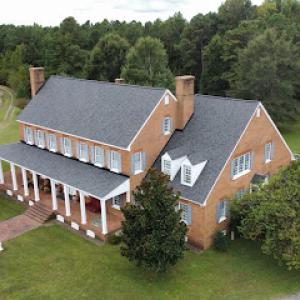
CB Chandler
(804) 362-6504 www.cbchandlerroofing.com
8516 Sanford Dr, Henrico, Virginia
4.9 from 58 reviews
CB Chandler Roofing offers a wide array of residential and commercial roofing systems. We are your go-to contractor for repair, replacement and new installation. Contact us today for a free estimate or for 24/7 emergency services!
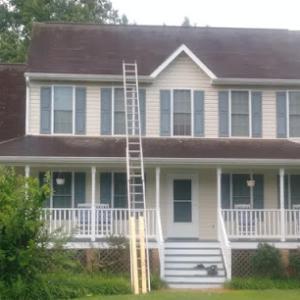
Tatum Contracting
Henrico, VA
4.3 from 6 reviews
Tatum Contracting is an independently owned and operated roofing company. We are fully licensed and insured in the state of Virginia. We bring over 20 years of experience. We are GAF certified Servicing Richmond VA, Petersburg VA Williamsburg VA, Newport News Va Hampton VA Charlottesville VA. We pride ourselves on our quality roofing work at affordable prices. Contact us today at (804) 396-7286.
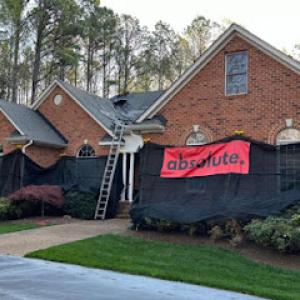
Absolute Roofing
(804) 531-5832 absoluteroof.co
Serving
4.8 from 48 reviews
Absolute Roofing, proudly serving Southern Virginia, brings over a decade of industry expertise to your roofing needs. From meticulous repairs to flawless installations and transformative renovations, we offer a wide range of services to ensure your roof stands strong and secure. Contact us today to learn more about our services and schedule your appointment!
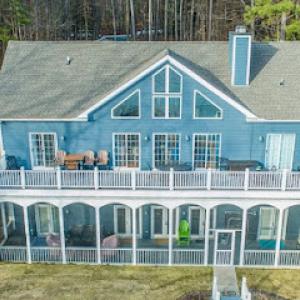
Kenneth Daniel Roofing
(804) 374-9594 www.kennethdanielroofing.com
Serving
4.8 from 42 reviews
Kenneth Daniel Remodeling and Construction is a premier roofing contractor in Glen Allen, VA, that specializes in professional roofing services. We are a premier GAF Certified Master Elite Roofing Contractor. We provide professional roofing services, such as: - Residential Roofing - Commercial Roofing - Roof Repair - New Roof Installation - Roof Replacement - And more! We also help with filing insurance claims to ensure that you get the most payment possible for your roof damage. We proudly offer 100% free, no-obligation roof inspections. Contact us today for all of your roofing needs in the Glen Allen, Virginia, area.
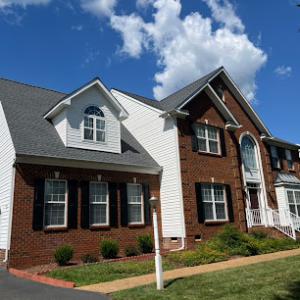
H&L Roofers
(804) 261-4055 www.handlroofers.com
Serving
4.4 from 14 reviews
Manuel Huarcas is the proud owner/estimator of H & L Roofers, LLC. With over 15 years of experience in all aspects of roofing & siding this industry has become a deep passion of ours and is why we're committed to providing the best value and quality for all your roofing needs. Our highest priority has been customer satisfaction. This is only achieved through fast, dependable service with superior-quality materials. We believe that professionalism and courtesy are absolutely necessary in our business, and we operate with the understanding that we aren't just doing a project--we're helping each customer turn their house into a home.
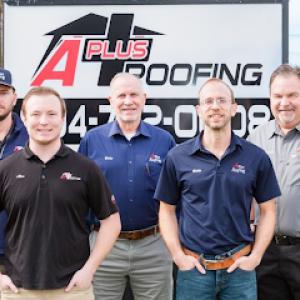
A Plus Roofing
(804) 752-0008 aplusroofing.com
Serving
4.8 from 230 reviews
A Plus Roofing is a team of fully licensed and insured roofing contractors in Richmond, VA, helping homeowners and businesses since 2007. With a wide range of services, including expert gutter, siding, and trim installation, we have the solutions to nearly all of your exterior renovation needs. Locally owned and operated, our contractor business has quickly grown to become one of the top roofing contractors in the Richmond metropolitan area. A second-generation family business, we offer dedicated, personal service from our initial inspection straight through the installation. Our services include, but are not limited to Roof Replacement, Asphalt Roofing, Metal Roofing, Atlas Shingle Installation, and Siding Installation.
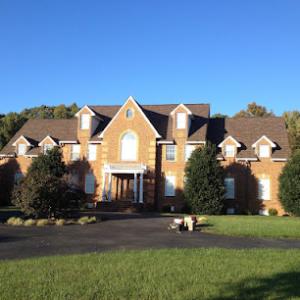
Legacy Construction & Roofing
(804) 409-0775 legacy-roofing-va.com
Serving
4.8 from 13 reviews
Legacy Construction & Roofing is a roofing contractor / roofer serving the Chesterfield, VA area since 2002. Services include Roofing, Shingle Roofs, Roof Installation, Vinyl Siding, Wood Siding, Storm Damage, Roofing Prices, Deck Building & Installation, Gutters, Gutter Repair and Painting.
Richmond VA Roofing
(804) 621-5404 www.richmondvaroofing.com
Serving
5.0 from 63 reviews
Richmond VA Roofing is a new roof, roof replacement and roof repair contractor for the greater Richmond VA area. We also serve the surrounding areas such as Chesterfield, Powhatan, Henrico, Mechanicsville, Petersburg and more. With Richmond VA Roofing's knowledge, experience, and expertise in roofing, we will meet the needs of all of our clients. We take pride in our work, and strive for perfection on each roof. We accurately complete each job with ultimate care and excellent customer service. Our roofing services will keep your home or office looking new for years to come. Even if you are looking to repair your current roof, Richmond VA Roofing will be there to complete the task!
Mighty Dog Roofing of Richmond
(804) 376-8955 www.mightydogroofing.com
Serving
4.9 from 107 reviews
When it comes to your home’s exterior, Mighty Dog Roofing delivers top-of-the-line services matched with the neighborly customer care our clients have come to love. Our team of skilled experts will conduct a free, detailed inspection of your home, treating it as our own. Whether your home needs a simple repair or a full roof replacement, expect to receive the transparent guidance you deserve. Whatever the case, our team will work to meet your safety and budget needs. We take pride in operating with quality materials, hiring skilled roofers, and providing our customers with a high-quality experience. See for yourself; our reviews say it all. Schedule your free, home inspection today!
Roofing Innovations
(804) 447-8426 roofinginnovation.com
Serving
4.5 from 24 reviews
Roofing Contractor based in Central VA, we can service all of your roof needs!
Hammersmith Roofing & Construction
(804) 372-8285 hammersmithrva.com
Serving
4.9 from 71 reviews
Hammersmith Roofing & Construction - Richmond’s Trusted Roofing Experts. SPECIALIZING IN SLATE, METAL & LOW SLOPE ROOFS. Serving Greater Richmond since 2017. If your home or commercial property needs roof repair or replacement, trust a licensed and insured team with over 20 years of hands-on experience. Hammersmith Roofing is known for expert craftsmanship, honest service and deep knowledge of Richmond’s historic roofing styles. We specialize in Slate Roofs, Metal Roofs, Historic Roof Restoration, Low-Slope Roofs, Traditional Shingle Roofs, and Warranty Work across the Richmond Metro Area. Call now to get started with one of our roofing experts!
In this county of tight suburban roofs and busy storm seasons, the combination of hot, humid summers and regular wind events accelerates shingle aging. That is not just a comfort issue; it changes how a roof breathes. Attic ventilation governs how fast heat and humidity are removed from the attic space, which in turn influences shingle life, ridge vent effectiveness, and the risk of moisture-driven issues in the roof deck. A practical homeowner will treat attic ventilation as a daily performance metric, not a one-time check during a project.
You want a steady, balanced venting pattern from soffit to ridge. Start by inspecting intake and exhaust paths: soffit vents should be free of insulation blocking, and ridge or turbine vents must be visible and unobstructed. In humid summers, a blocked or undersized system traps heat and moisture, making underlayment and any adhesive more prone to failure. If your attic temperature climbs on a hot day or your attic smells musty after a rain, that's a sign to re-verify venting. A practical rule is to look for a clear, consistent airflow at the attic access during a sunny, calm afternoon-no hot pockets, no stale air.
County inspections place ventilation on par with nailing patterns and code compliance. Don't assume the ventilation pass is automatic simply because the rest of the roof looks finished. When a roofer completes the install, double-check that the vent pattern matches the roof's size and slope, and that no gaps exist near chimneys, stacks, or attic hatches. A professional should seal any vent-to-deck penetrations cleanly to avoid drafts and moisture intrusion. If the project involves a full replacement, expect the inspector to verify that the attic has adequate passive intake and exhaust, not just cosmetic appearance.
Heat exposes underlayment and any adhesive layers to higher shear and accelerated aging. In practice, spring or fall replacements tend to perform better because temperatures are moderate during installation and the drying time for adhesives and sealants aligns with milder conditions. If a summer repair is unavoidable, plan for stricter moisture protection and faster sequencing to minimize heat stress on materials. This is especially true for roofs with darker shingles, which absorb more heat and amplify attic temperatures.
During planning, map the attic ventilation capacity against the roof's size and slope, then cross-check with the roof's edge wiring or baffles if present. On installation days, keep doors and vents free of debris, and verify that attic access points do not channel hot air back into living spaces. After work finishes, perform a quick, ambient-air check in the attic to confirm the vent system remains unobstructed and functioning as intended.
The most popular roofing material in the US. Find pros who install, repair, and replace asphalt shingles.
CB Chandler
(804) 362-6504 www.cbchandlerroofing.com
8516 Sanford Dr, Henrico, Virginia
4.9 from 58 reviews
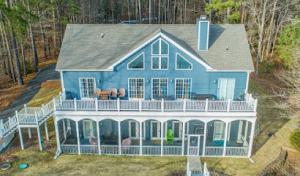
In Henrico, the roofing landscape blends practical, field-tested choices with a touch of style-conscious flair. Asphalt shingles dominate the market, but metal roofing has carved out a strong local specialty presence, reflecting residents' interest in longer-life options that stand up to inland wind and spring storm activity. The housing stock also includes tile, wood shake, and synthetic/composite installations, signaling neighborhoods that balance curb appeal with durability and customization.
Asphalt shingles are familiar to most homeowners and contractors in this area, offering a reliable balance of performance and install speed. The material handles the humid summers well enough when paired with a sound ventilation plan and proper attic insulation. In wind-prone conditions, the key is a robust underlayment and accurate nailing patterns to resist uplift during gusty spring and fall storms. For style and value, modern architectural shingles can mimic the look of more premium options while maintaining a straightforward repair path if damage occurs. If the home features gutters or roof edge details, ensure flashings are intact and sealed, since storm-driven debris can exploit small gaps.
Metal roofing has gained a distinct following in this market, driven by its longevity and tight performance in stormier seasons. Metal panels shed hail and wind more predictably than many other materials, and the reflective surface can mitigate heat buildup during humid summers. For reroofing or upgrades, a well-sealed metal system benefits from careful panel alignment and high-quality seals around skylights, chimneys, and vent stacks. Local installations often showcase clean, modern lines that suit newer homes and some higher-end renovations. If choosing metal, consider a color and profile that complements the home's architecture to preserve neighborhood character.
Clay tile and concrete tile bring a high-end aesthetic to select neighborhoods, where curb appeal and long-term resilience are valued. Tile performs well against wind when properly secured, but it requires a robust substrate and thoughtful detailing around penetrations to resist freeze-thaw cycles. Wood shakes offer warmth and texture that suit traditional and cottage-inspired designs; however, they demand attentive maintenance and a strategy for moisture management to prevent warping and decay in humid summers. If choosing these materials, plan for premium wiring and trim details that accommodate seasonal expansion and contraction.
Synthetic or composite shingles blend the versatility of color and texture with improved impact resistance and longer service life relative to standard asphalt. This option can imitate wood, slate, or shake without the same maintenance demands. In a climate with frequent storms, the durability and lighter weight can simplify installation on older structures or homes with intricate rooflines. For homeowners prioritizing low maintenance and consistent performance across variable weather, synthetic options offer a practical compromise that still supports distinctive architectural expressions.
Typical Henrico pricing runs about $350-$550 per square for asphalt shingles, $700-$1100 for metal, $900-$1500 for clay tile, $800-$1400 for concrete tile, $600-$1100 for wood shingles or shakes, and $500-$900 for synthetic/composite shingles. Those ranges reflect the mix of suburban homes and newer builds found around the Richmond metro, where many roofs were designed for mixed weather and moderate loads. When a project starts with a full replacement, the square count matters, and the cost per square will hinge on material choices, roof pitch, and any additional decking or underlayment needs.
Costs in Henrico can rise after spring hail or tropical-storm demand spikes when quick-response scheduling becomes harder to secure across the Richmond-area labor pool. If a storm hits and a rush of claims arrives at the same time, the crew you book might be juggling several jobs, which can affect both timeline and price. If a late-season storm pushes crews into tight windows, expect potential premium scheduling and faster project timelines-or conversely, delays if crews are fully booked. Planning ahead, when the skies are clear, helps lock in a preferred crew and stabilize both price and timing.
Full replacement typically involves teardown, inspection, and reinstallation of underlayment, shingles, and flashing, plus attic ventilation checks to handle hot Piedmont summers. The presence of required tear-off or decking improvements can add days and labor, nudging the total cost upward. In practice, a straightforward replacement on a standard hip-and-valley roof with asphalt shingles tends to be on the lower end of the spectrum, while higher-end materials like clay or concrete tiles push counts higher due to weight, installation complexity, and the need for structural considerations. Budget a buffer for weather delays common to spring through fall transitions and for potential short-term lodging for crews during extreme weather events.
Don't let upfront costs delay a critical repair - these contractors offer payment plans to fit your budget.
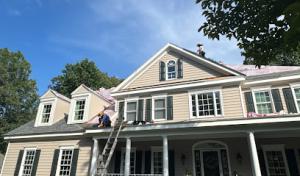

For a full roof replacement, a building permit is typically required rather than treated as a maintenance item that flies under the radar. The contractor generally files with the Henrico Department of Building Construction to obtain approvals before any replacement work proceeds. As a homeowner, you should expect to sign or provide documentation that confirms the scope of work, materials, and the project timeline. Before the first tear-off begins, confirm that the chosen contractor has a current license, is insured, and understands Henrico's inspection sequence. This early alignment reduces the risk of delays once the work is underway and helps ensure the project stays within county guidelines.
The filing process is not something to rush in the final days of a project window. Your contractor handles the submission, but you should be aware of what the permit packet typically includes: a detailed scope of work, roof plan, ventilation details, and the proposed nail pattern. In addition, be prepared for potential plan reviews if the roof is part of a larger remodeling package or if unusual roof geometry is involved. Keep a copy of the approved permit on-site during the project, along with any addenda or amendments that come from inspections. Clear lines of communication with the contractor about document delivery help prevent holds or re-inspection fees.
Henrico inspections occur after tear-off and again after installation. The local review is focused on nail patterns, ventilation, and overall code compliance. The initial inspection after tear-off checks that the roof deck is clean, dry, and structurally sound, and that the chosen underlayment and starter courses are properly installed. The final inspection verifies that the roof is fully installed to code, with correct nailing schedules, flashing details, and attic ventilation integrated with the system. A thorough inspection mindset helps catch issues early, such as inadequate ventilation or misaligned drip edges, which can cause problems down the line.
Coordinate with your contractor to schedule inspections promptly, ideally within a day or two of notification. Make sure all materials and fasteners meet local code requirements and that ventilation products are properly rated for the county's climate. If weather or supply delays threaten the schedule, stay in touch with the Department of Building Construction and request guidance on any needed extensions. Keeping the permit and inspection steps organized reduces downtime after spring storm season and helps ensure the replacement aligns with county expectations.
Virginia insurers commonly process wind and hail roofing claims with standard documentation, and you should expect adjusters to ask for photos, a clear project scope, and the age of the existing roof. Inland Henrico remains served by multiple carriers, so options exist even as markets tighten in other parts of the region.
After a storm, focus on shingle loss patterns, impact marks on the roof or vents, flashing damage at chimneys and valleys, and interior leaks with dates tied to specific storm events. Photos should capture the extent of the damage as it sits, not after cosmetic repairs, to avoid disputes about concealment or masking.
Because the claim pattern here is driven more by wind and hail than by coastal flood exposure, documentation should tell the story of which storm dated the damage. Some carriers have tightened coverage in nearby markets, so you'll want to stand ready with a concise timeline, weather notes, and the observed failures to support a fast, accurate adjustment.
As soon as you can, gather all storm dates, photos, and correspondence, then contact a local roofer who can help frame a scope that matches the observed damage. Keeping a tidy file with timestamps and clear visuals helps avoid delays when you file or reopen a claim after a late-season wind event. Prepare for possible documentation requests, and be ready to review proposed repairs with your insurer before work begins, so that you understand what is covered and what is out of scope if the wind-driven damage is patchy or widespread across multiple roof sections today.
Connect with contractors who help homeowners navigate the claims process from damage assessment to final approval.
CB Chandler
(804) 362-6504 www.cbchandlerroofing.com
8516 Sanford Dr, Henrico, Virginia
4.9 from 58 reviews
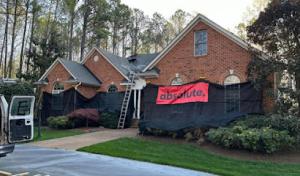
The local contractor signal set shows meaningful demand for flat-roof and skylight work in Henrico, indicating that leak-prone transitions and low-slope sections are a recurring local service category rather than a niche edge case. In this climate, every flat section and every curb under a skylight needs deliberate drainage detail. A slow-draining field, a misaligned edge edge, or a missing scupper can invite pooled moisture that sits against joints and penetrations longer than expected. You will see the consequences most in spring and fall storms, when wind-driven rain meets a surface not optimized for quick shedding.
Humidity and regular precipitation make drainage details and flashing especially important on low-slope roof areas. Penetrations for vents, skylights, and plumbing stacks become potential failure points if flashing is compressed, inadequately sealed, or mismatched to the slope. In warm, wet months, moisture can migrate into the substrate and creep along fasteners. A small leak at a skylight perimeter can deteriorate under the weight of continued moisture, leading to rot in roof decks or insulation degradation that's expensive to repair down the line.
Freeze-thaw stress in winter can accelerate wear at skylight perimeters and vulnerable flashing details after moisture intrusion has already started during wetter seasons. Once moisture infiltrates around a skylight, the repeated freezing cycles can force joints apart and widen gaps. In practice, that means a leak can become a bigger issue after a light rain when temperatures swing below freezing overnight. Regular inspection before cold snaps is a prudent safeguard, especially for older skylight assemblies.
Find specialists in TPO, EPDM, and built-up flat roofing systems for residential and commercial properties.
CB Chandler
(804) 362-6504 www.cbchandlerroofing.com
8516 Sanford Dr, Henrico, Virginia
4.9 from 58 reviews
Henrico's contractor market is heavily oriented toward re-roofing, affordability, quick response, and cleanup included, so homeowners here are clearly comparing execution and service speed as much as price. Residential work dominates, but the county also has a substantial commercial contractor presence, which matters for homeowners with low-slope sections, mixed-use properties, or more complex roof geometries. This mix means that the right choice balances practical turnaround with solid workmanship, not just a rock-bottom quote.
Long-established, family-owned, and locally owned firms all have visible presence, giving homeowners a real choice between legacy operators and faster-turn service-focused crews. When you compare firms, note who has a steady neighborhood presence, who can mobilize crews quickly after a wind event, and who leaves a clear cleanup plan. For properties with unusual slopes or mixed materials, lean toward contractors with demonstrated comfort in complex geometries and a track record of neat, weather-tight finishes.
In practice, the fastest responses after a storm are the ones that save you days of leak risk. Check how soon a contractor can visit after your initial call, whether they provide written storm-damage assessments, and how they handle temporary tarps or weatherproofing while a larger repair is scheduled. Ask for a point person, not just a generic phone line, and confirm that cleanup is included in the project scope. Local crews with ongoing work in the area are typically better at coordinating material deliveries and haul-away.
Because the area sees humid summers and storm-driven winds, prioritize contractors who routinely address ventilation, ridge venting, and shingle or metal-edge detailing in their proposals. A locally familiar crew will recognize common roof lines, nuisance valleys, and the best sequencing to minimize disruption during busy storm seasons, ensuring a smoother, faster repair trajectory.