
Last updated: Apr 19, 2026
Chesterfield sits in central Virginia's humid Piedmont transition zone, where hot summers, cold winters, and frequent moisture cycling accelerate asphalt shingle aging. In this climate, the top layer of asphalt can experience accelerated oxidation and granule loss after several seasons of heat-driven expansion and contraction. Roofs in newer developments may begin showing wear earlier if the attic is poorly vented or if there is a chronic moisture buildup under the decking. Expect more rapid aging on south-facing slopes, where sun exposure compounds drying and cracking, and on roofs with shallow slope where runoff moves more slowly and moisture lingers longer after rain or storms. The result is a pattern of hairline cracking along tab seams, curled edges, and granules washing into gutters after heavy rain.
Many Chesterfield neighborhoods are heavily wooded, making leaf accumulation, shaded roof planes, and moisture retention a recurring roof maintenance issue. Leaves trap moisture, creating microclimates under the shingles that can hasten rot in vulnerable vent areas and under flashing. In fall, debris can block ventilation hoods or ridge vents, raising attic temperatures and accelerating shingle distress. Shaded areas persist well into spring, keeping moisture around the roof longer than in sunlit sections. Over time, moss or algae may establish itself on north-facing or shaded roofs, which can retain moisture and pry at shingles as roots or rhizomes grow at their edges. The practical consequence is a pattern of uneven aging: shaded, debris-prone planes age faster in terms of moss-related lifting and potential water intrusion, while sun-exposed planes show more granule loss and cracking from heat cycles. Regular cleaning of gutters and periodic roof inspections after storms help keep this wear in check.
Occasional severe weather in the Richmond-area region means wind-driven rain and storm-related shingle damage are a practical concern even outside coastal hurricane zones. In Chesterfield, summer squalls and autumn tempests can rip loose loose granules, lift edges, or peel back tabs on weaker shingles. Wind tends to damage the perimeters first, especially on roofs with overhanging trees or where tree limbs rub the edge of the shingles during storms. After heavy rain, look for gaps along hips, ridges, and chimney flashing where moisture has leveraged up under the row or has driven water under the underlayment. The wear pattern often appears as a checkerboard of minor hail-like granule loss on exposed slopes and more localized edge lifting near vents, dormers, or where flashing meets the deck.
In Chesterfield, a practical maintenance routine focuses on three steps. First, after heavy storms or high-wind events, perform a careful visual inspection from ground level and, if safe, from a ladder, checking for lifted tabs, missing granules, and visible flashing gaps. Second, during leaf drop and early spring, clear debris from gutters, valleys, and around the flashing to prevent moisture retention and to ensure correct water shedding. Third, schedule targeted inspections for shaded roofs twice per year, paying particular attention to moss growth, flashing integrity, and attic ventilation effectiveness, since poor ventilation magnifies humidity-driven aging. Adopting these steps helps align wear patterns with timely upkeep, minimizing the risk of leaks and extending roof life in this layered climate.
The humid Piedmont climate and the way neighborhoods sprawl across Chesterfield mean roof wear from heat, humidity, and leafy debris hits homeowners differently than in colder regions. Summer heat stresses shingles and underlayment, speeds up expansion and contraction cycles, and can complicate material handling during a tear-off. If a replacement is rushed in peak heat, granule retention and sealant performance suffer, shortening the lifespan of the new roof before it truly proves its value. Because storm-driven insurance claims often cluster in warm months, timing your project to avoid busy windows and ensuring a tight tear-off schedule is essential for a long-term, leak-free result.
Spring in this area brings milder days and fewer arid stretches, but it also comes with the risk of heavy spring storms and soaking rain. Construction teams can push pace faster when conditions cooperate, yet they must schedule tear-off and dry-in tightly to prevent leaks during frequent showers. For homeowners, that means aligning with a crew that can take advantage of stable, cooler days and still seal perimeters promptly, so moisture intrusion doesn't become a surprise during a late April or early May stretch. Proactive planning with the contractor saves you from unplanned delays caused by storms that roll through after a week of calm.
Fall offers a practical balance between cooler temperatures and manageable humidity. A well-timed fall replacement reduces heat-related handling issues and gives your roofer time to complete waterproofing before winter sets in. The window narrows quickly as leaves begin to accumulate and storm activity picks up, which can create clogged gutters and debris that complicate installation. Approach fall projects with a contingency plan for a dry-in that stays ahead of the early cold snaps, so a late September to early November schedule doesn't collide with sporadic rainfall.
Winter freezes and occasional snow can delay work and impose installation-condition limits for some roofing systems. Cold adhesives, reduced dynamic movement, and shorter daylight hours slow progress and increase the risk of imperfect seals. If a winter slot is unavoidable, insist on a proactive plan that prioritizes protective underlayment, controlled drying, and robust leak protection while temperatures cooperate. In Chesterfield, where weather patterns swing quickly, having a flexible schedule and a trusted crew ready to accelerate when the forecast opens a window is a smart, risk-reducing move.
Asphalt shingles are common in Chesterfield, but the area's heat and humidity can speed granule loss, curling, and overall aging compared with milder climates. In summers with high humidity, the adhesive from asphalt granules can soften sooner, making the roof more susceptible to wind uplift after storms. If a roof is surrounded by mature trees, debris and frequent shade cycles accelerate staining and algae growth, which stress the surface and shorten life. When choosing asphalt, look for impact-resistant options and layered designs that resist curling, and plan for more frequent inspections after consecutive hot, wet spells or heavy fall leaf buildup. In a neighborhood with extended rain events, a well-sealed edge and sturdy flashing help keep the underlayment protected even as shingles begin to show wear from constant moisture exposure.
Metal roofing performs well for shedding rain and debris in wooded settings, but installer quality matters because summer heat can affect fastener and underlayment performance. In a county with dense canopy cover, branches and pine needles accumulate on the roof, and high wind storms can drive material under fasteners if fasteners aren't properly sealed. Look for a comprehensive fastening pattern designed to accommodate expansion and contraction caused by summer heat. A skilled roofer will ensure that valley and hip details are fully sealed, and that underlayment choices account for the local humidity cycle. In the right hands, metal roofs resist staining and denting from hail, but corner flashing and edge trim must be matched to prevent slow leaks during the region's regular shower bursts.
Clay and concrete tile appear on some higher-end homes in the county, but their weight and repair complexity make structure and flashing details especially important during replacement. The heavier tiles demand a solid roof deck with proper spacing and a robust original support system. In this climate, expansion and contraction can crack tiles if the substrate isn't adequately prepared. Look for a flashing plan that integrates well with gutters and valleys to prevent water from penetrating at eave lines during heavy spring rains. Tile roofs can shed leaves and needles slowly, but once debris collects under overhangs, moisture pockets form and speed wear. When you see cracked tiles or loose fasteners after a major storm season, expect professional assessment of framing integrity and flashing continuity as part of any replacement.
Across all materials, proper underlayment performance is critical in the humid Piedmont conditions. A breathable, moisture-tolerant layer helps prevent condensation under shingles, tiles, or metal. Roof ventilation plays a central role in controlling attic heat buildup that accelerates aging of roof components, particularly in unincorporated areas where attic insulation varies widely. In wooded neighborhoods, adequate intake and exhaust vents reduce thermal stress and help keep the deck and flashing from deteriorating prematurely. For any material, ensure that drip edges, flashing around chimneys, vent pipes, and transitions to gutters are continuous and well-sealed, since small failures at joints become big leaks after a few storm-driven rain events.
Asphalt shingles usually run about 450 to 750 per square, metal from 800 to 1300, clay tile 1000 to 2000, concrete tile 800 to 1500, wood shingles or shakes 600 to 1000, and synthetic or composite shingles 500 to 900 per square. Those numbers reflect Chesterfield's mix of older wooded subdivisions and newer developments where steep slopes, attic ventilation, and covering decks or porches come into play. In practice, a homeowner should expect the material and installation to land somewhere within these ranges, with the project size and roof complexity nudging the total up or down.
Costs in Chesterfield can rise on tree-covered lots where access, debris protection, and cleanup are more involved than on open suburban lots. Narrow driveways, low branches, and long overhangs mean crews bring in more equipment protection, more debris tarping, and longer cleanup times. If the job requires extensive debris removal due to maple, oak, or pine shade trees, anticipate higher labor and disposal charges. Your estimator may itemize protective sheathing, ladder safety sets, and staged material drops as separate line items. These adjustments are common in neighborhoods where tree debris is a daily reality during maintenance cycles.
County-level timing quirks can push scheduling into compressed windows after regional storms, which tends to spike demand and price. If a major storm hits and many roofs need replacement, crews may charge a premium for expedited material order, after-hours work, or weekend access. In Chesterfield's humid Piedmont climate, the window from late summer through autumn often carries the heaviest load. If you're planning a replacement after a storm, expect a faster timeline but be prepared for possible price increases tied to tight availability of components and crew demand.
Humid conditions and storm rain stress roofs differently depending on the material. Asphalt shingles are familiar and cost-effective, but prolonged humidity can accelerate granule wear on older shingles. Metal roofs perform well against rain and wind but may carry higher up-front costs. Clay and concrete tiles resist moisture but add weight, which influences substructure and inspection considerations. Wood shingles or shakes give a traditional look but demand careful maintenance to prevent rot in shaded, damp areas. Synthetic or composite shingles offer a balance of durability and cost, with a shorter lead time for replacements when supply chains tighten after storms. Consider not just the sticker price, but expected lifespan in a tree-dense, storm-prone neighborhood.
Virginia Roofing & Renovations
(804) 896-3283 www.virginiaroofingandrenovations.com
13015 Beach Rd, Chesterfield, Virginia
5.0 from 44 reviews
As a Virginia-based company, we understand the unique needs of homeowners and businesses across the State, providing expert roofing and renovations services backed by industry-leading warranties.

Howerton Roofing & Construction
(804) 837-2621 howertonroofing.com
6401 Creek Stone Ct, Chesterfield, Virginia
4.9 from 28 reviews
Are you ready to install a new roof on your home? Do you need prompt and effective roof repair? Howerton Roofing & Construction, LLC is a full-service roofing contractor in Chesterfield, VA, proud to serve Richmond, VA, and surrounding areas with any roofing needs. Our roofing professionals have years of experience and can handle any roofing project, small or large. As a fully insured company for both General Liability and Workman's Comp, you can rest assured that your roof is in good hands with our team.
United Roofing & Construction
(804) 297-6996 unitedroofingva.com
10113 Taylor Rd, Chesterfield, Virginia
5.0 from 2 reviews
United Roofing & Construction is a family-owned, fourth-generation roofing company providing commercial and residential roofing repair & installation in the Greater Richmond Area.
T&G Enterprise, LLC - Roofing, Siding, Gutters
(804) 885-2249 www.tandgenterprise.com
Serving
4.8 from 85 reviews
T&G Enterprise is the exterior home improvement contractor Richmond VA, Chesterfield VA, and Midlothian VA homeowners trust. We specialize in being Roofing Contractors That Complete Projects On Time, Gutter Installations That You Couldn’t Be More Pleased With, Professional and Affordable Siding Replacement, and Home Window Replacements. Whether your home has been damaged by a storm and you need it repaired quickly or you just want to upgrade your curb appeal, we’ll start with a free inspection and explain all of your affordable options with no pressure. We thoroughly clean up after ourselves before we leave and we’ll even go the extra mile to guide you through the insurance claims process and make it easy for you.
Jones Roofing
(804) 744-7663 www.jonesroofingva.com
Serving
4.7 from 90 reviews
Established in 1993 as a sub through CTR, Jones Roofing is a Class "A" licensed and insured roofing contractor serving Chesterfield, Richmond, and the Tri-city area of Virginia. We offer a wide range of roofing services, including roof repair, replacement, and maintenance. Our team of experienced and skilled professionals is committed to providing high-quality workmanship and customer satisfaction. Thanks!
Shanco Roofing
(804) 544-9400 www.goshanco.com
Serving
4.9 from 259 reviews
Serving the residents of Maryland and Virginia for over 20 years, Shanco maintains an honorable reputation and is an accredited roofing company with the Better Business Bureau with an A+ rating. With a commitment to serve clients on a personal and professional level, you can count on Shanco to deliver an end product you’ll be confident in. Shanco offers high-value solutions for roofing, windows, siding, gutters, chimneys, masonry, skylights, solar and more. You’ll never have to wait when it matters most.
D & B Services
(804) 350-5901 www.dandbroofingservices.com
Serving
5.0 from 24 reviews
With 50+ years of combined family experience in roofing, siding, power washing, and exterior home services, we have built a reputation for high-quality craftsmanship and dependable service.
Evergreen Roofing
(804) 361-9998 evergreenroofingva.com
Serving
5.0 from 24 reviews
Evergreen Roofing offers a seamless and stress-free solution for all your roofing needs. As dedicated roofing contractors, we specialize in expert repairs and complete replacements, ensuring the longevity and protection of your home. Located in Midlothian, VA, our commitment is to provide reliable, high-quality craftsmanship and exceptional service. Experience the effortless path to a secure and beautiful roof with Evergreen Roofing.
Walter D Witt Roofing
(804) 862-4040 walterwittroof.com
Serving
4.9 from 513 reviews
Walter D. Witt Roofing in Chester, VA provides commercial and residential Roof replacement and Roofing repairs in Central Virginia.

Retex Roofing & Exteriors
(804) 485-1796 retexroofing.com
Serving
4.9 from 341 reviews
Retex Roofing & Exteriors is a family-owned and operated residential roofing and home exterior business in the Greater Richmond, VA region. We offer top-quality services and unmatched customer service with a focus on education, clarity of communication, and meticulous attention to detail. Our professional and experienced team of Richmond exterior experts is at your disposal for roof replacement, roof repair, shingle roofing, metal roofing, window replacement, siding replacement, and gutter repair and replacement services. We offer complimentary estimates for all of our services. Give us a call or visit our website to learn more about how we may be able to help you with your next roofing or home exterior project.
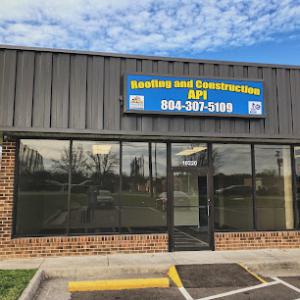
API Roofing
(804) 307-5109 www.apiroofingandconstruction.com
Serving
5.0 from 49 reviews
Professional and Affordable Roofing Company here to help with all your roofing needs. From new roofs and replacements to repairs as well
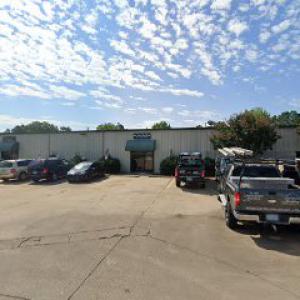
Hy-Tech Roofing
(804) 968-8000 www.hy-techroofing.com
Serving
4.5 from 15 reviews
When you need a Roofing Contractor that you can depend on, call Hy-Tech Roofing, LLC in Midlothian, Virginia and surrounding areas for all of your roofer needs. At Hy-Tech Roofing, LLC we specialize in a variety of roofing services, including new roof construction, residential roofing, and roof replacement services. You’ll know that you’re in the right hands when you call the roof service experts from Hy-Tech Roofing, LLC in Midlothian, VA.
Roof replacements in this area typically require a building permit through the county's Department of Building and Development. That means it's not enough to secure a contractor's approval alone; the county will need to grant permission before work starts. The process can feel slower than you expect, but it's there to ensure that critical aspects-structural integrity, ventilation, and drainage-meet the local codes that keep homes safer under humid Piedmont conditions. Start the paperwork early, especially if your roof is tied to a larger exterior project, and be prepared to show project details, such as material type, underlayment, and any structural modifications. If you're in an unincorporated area, the review and coordination will come through county channels rather than a municipal office, so plan for the extra step of aligning with county workflows.
Inspections are typically staged as work progresses and again at final completion. Expect a site inspection after roof decking and underlayment are in place, another during the application of the chosen roofing material, and a final walkthrough to confirm proper installation and code compliance. This sequence helps catch issues that can arise with Chesterfield's mix of weather patterns-heavy rain, humidity, and seasonal tree debris-that can mask installation mistakes or drainage problems if rushed. Clear communication with the inspector and your contractor about the planned sequence can prevent rework and delays, especially in neighborhoods with mature trees where debris accumulation is a constant challenge.
Inspectors focus on ventilation, attic insulation adequacy, flashing around penetrations, proper nail patterns, and the integrity of valleys and transitions. In humid climates, proper attic airflow and moisture management are critical to prevent premature aging of decking and shingles. Be prepared to provide details on ventilation upgrades if the existing system is insufficient for your roof replacement. Have access to the attic space during inspections if required, and keep all installations visible and accessible for review. In some cases, you may need to coordinate access with exterior landscaping or debris removal crews, especially after storms when debris is common in driveways and around the eaves.
Starting the permit process with your contractor's help can reduce delays, since licensed roofers are familiar with the documents the Department of Building and Development expects. Keep copies of all permits, inspection approvals, and any addenda. If a weather event interrupts work, inform the county early to adjust inspection timing rather than letting a project stall. In the unincorporated county, you may encounter occasionally longer wait times or more manual tracking of inspection statuses, so building in a slightly longer lead time for approvals helps keep the project on track.
In flood-prone summer storms and frequent leaf-driven debris, photos taken promptly after a weather event are your best friend. A clear, dated record of damaged vent pipes, shingles lifted by wind, granule loss, and flashings helps support what happened when you file with your carrier. Pair those images with detailed notes on the date, time, and specific areas affected, and keep them organized by room or roof section. Obtain careful contractor estimates that itemize each repair, and preserve inspection reports from any licensed professional who evaluated the roof for hail or wind damage. This region's weather pattern makes it common for damage to be subtle at first glance, so thorough documentation matters.
After major weather events affecting the Richmond metro area, carriers may tighten underwriting or slow claim handling, which can shift timelines and interpretation of coverage. When delays occur, documentation becomes even more critical: timely photo updates, revised estimates after a second inspection, and written communication logs with the insurer. If a claim seems to stall, a concise timeline with the sequence of events and all supporting materials can help prevent gaps in coverage recognition.
In this market, keeping permit and final inspection records can strengthen post-damage or post-installation documentation when insurers request proof of compliant work. Store any work orders, warranty information, and notes from installers who addressed attic condensation, moisture issues, or ventilation changes tied to your roof. Organized records reduce ambiguity and support a quicker, clearer assessment of the work needed to restore reliability against Chesterfield's humid climate and storm-driven wear.
Leaf buildup is a recurring Chesterfield issue in established wooded subdivisions, especially during autumn when roof edges and drainage paths can clog quickly. In homes surrounded by mature oaks, maples, and pines, debris accumulates at valleys, underlayment lips, and near downspouts. Regular fall cleanup should target the first 6 inches of gutter depth and the top 18 inches of any downspout entry to prevent overflow. Install guards or screens that are easy to remove for seasonal cleaning, but choose models that won't gum up with sap or seed pods.
Shaded roof sections in tree-dense parts of the county tend to stay damp longer, increasing the chance of localized wear and maintenance problems. Pay attention to shingles that remain damp after rain or morning dew, which can accelerate granule loss and edge wear. Consider trimming overhanging branches where feasible to reduce moisture pockets and sun-bleaching patterns. In persistently shaded areas, schedule more frequent inspections for loose or curling shingles, compromised flashing, and moss or algae growth that can creep under edges.
Heavy rainfall events common to the region make gutter overflow and edge-related water management more important on homes surrounded by mature trees. Ensure gutters slope properly toward the downspouts and that downspouts discharge at least a few feet from the foundation. Check for sagging gutter hangers and tighten joints to prevent leaks during downpours. Downspouts that empty near soil or crawlspace vents can channel water into the fascia or siding; redirect outlets away from the foundation with elbow extensions or splash blocks. Regular mid-season checks help catch debris buildup before it forces overflow onto vulnerable roof edges.