
Last updated: Apr 19, 2026
Spring in this area brings frequent rain and thunderstorms that can interrupt tear-offs and expose roof decks to moisture if crews do not dry-in quickly. When a storm rolls through, every hour of wet decking increases the risk of water intrusion and roof deck deterioration. If a tear-off is scheduled for April or May, plan for a two-fold strategy: first, ensure the crew can tarp and dry-in fast enough to minimize moisture exposure, and second, build in buffer days to navigate possible storm delays. A quick-dry plan-from on-site fans to pre-staged tarps-can save a project from slipping into wet-season timing. If rain is in the forecast, consider delaying noncritical steps like final insulation or interior cover-ups until the deck is clearly dry to prevent hidden moisture from triggering mold or fastener corrosion later on. Stay vigilant for late-day pop-up storms; even a brief downpour can force a re-tear and extend the schedule, elevating the risk of leaks in vulnerable areas.
Hot, humid summers in the Richmond-area climate can slow installation pace and affect handling of roofing materials during the day. Temperatures pushing toward the upper 90s not only tire crews but also challenge sealants, underlayment, and some shingles that become pliable or brittle with rapid thermal cycling. Plan for early starts, shade strategies for crews, and frequent hydration breaks to keep workmanship steady. Humidity can cause underlayment to sweat moisture, which means meticulous handling and meticulous drying before fasteners are set. If a full replacement runs into July or August, make sure there is a clear dry-in window for the deck and attic spaces, or consider progressive, staged decking changes that reduce prolonged exposure. Proactive moisture management becomes a non-negotiable risk reducer when sticky days collide with long installation stretches.
Fall wind events and late-season storms can disrupt scheduling and threaten exposed decks just as the weather cools and days shorten. Strong gusts can lift loose shingles or underlayment, creating opportunities for water to track along roof lines during the workday. If a project lingers from late September into October, confirm that the crew has a plan to secure open sections during intermittent winds and to stage quick-dry measures after any gusty spell. A misstep here can leave sections unprotected as temperatures drop, complicating both drying and fastening. Coordinate with the team to identify calmer windows, and be prepared for a sudden rain switch that pushes a wrap-up or accelerates a final weather-tight seal on already-dried portions.
Winter freezes and occasional ice or snow make full replacement less efficient than in milder windows. Ice-damming risks are real if gutters are blocked and flashing is not promptly addressed. If a project extends into late fall or early winter, prioritize a robust moisture barrier and reliable drying-in for any exposed sheathing before freezes set in. Plan for shorter work sessions during cold snaps and ensure the crew has a strategy to keep critical areas covered when temperatures plunge. In times of heavy cold, even high-quality finishes can suffer from brittle detailing, so confirm that fasteners, sealants, and flashing are specified for colder conditions and remain accessible to adapt to shifting weather.
Monitor daily forecasts with a focus on rain likelihood and humidity levels. Build a weather-aware schedule that prioritizes dry-in readiness before any serious exposure, especially during spring tear-offs. Maintain ready access to tarps, breathable underlayment, and fast-drying sealants. Establish a contingency window in the plan for sudden storms-this reduces the risk of moisture seeping into unprotected decks and keeps leak risk low across the seasonal swings. Maintain open communication with the crew about moisture checks at the end of each workday and before any sealants are applied, ensuring a consistently dry substrate ready for the next phase.
Around Glen Allen, the dominant materials used on homes are asphalt shingles, metal roofing, clay tile, concrete tile, wood shingles or shakes, and synthetic or composite shingles. Asphalt remains the most common choice for steep-slope residential roofs, offering straightforward repairability and a broad contractor base. Metal roofs appear on select homes, often chosen for longevity or a modern look, and they perform well during heavy spring storms. Clay and concrete tiles aretypical on a subset of custom or higher-end homes, lending long-term durability but requiring careful roof deck prep and proper underlayment. Wood shingles or shakes show up on some older or more character-driven houses, while synthetic or composite shingles let you mimic traditional looks with enhanced impact resistance. Across these types, the key practical link is how each behaves with moisture, wind, and seasonal temperature swings.
Glen Allen's housing mix includes many steep-slope residential roofs but also attached low-slope sections over porches, additions, and some multifamily or commercial-style structures. That means your maintenance plan should consider both high-velocity wind exposure on ridges and potential slow leaks along transitions where a low-slope section meets a steeper roof. When you're inspecting, pay special attention to valley intersections, step-flashing around chimneys, skylights, and any flat-to-slope interfaces. If a low-slope porch roof is present, ensure you verify proper drainage and edge flashing-these areas are common leak pathways after heavy rain events.
The local contractor signal mix shows especially strong activity in asphalt, metal, tile, flat-roof, and skylight work, indicating these are recurring roof configurations and repair categories in this market. If you're planning a replacement or targeted repair, expect the most frequent service requests to surface around shingles and flashing on steep sections, metal panel seams, tile underlayment checks, and skylight seals. For storm-driven leak prevention, you'll want a contractor who can assess not just the visible surface but also the deck and underlayment condition beneath both steep and low-slope sections. Look for pros who can air-check valleys, reseal skylights, and reflash transitions between differing roof planes without compromising the overall drainage pattern.
When you're prioritizing work, start with health checks on the most exposed areas: ridge caps, chimney and vent flashing, and any penetrations near low-slope interfaces. After spring storms, walk the attic or overhead spaces to spot any moisture trails, softened decking, or peeling underlayment, then map repairs to the corresponding roof type. If you're choosing materials for replacement, weigh the compatibility of clay or concrete tiles with any nearby structures and consider the added weight on existing framing. For a mixed roof like yours, a phased plan that tackles the steep-slope sections first-followed by a targeted low-slope upgrade or reseal-often yields the most reliable protection against the humid, storm-driven pattern Glen Allen experiences.
In this neighborhood, you'll typically see asphalt shingles priced around 300 to 550 USD per square, with metal roofs running 600 to 1100 per square. If you're considering clay tile, expect 900 to 1500 per square, and concrete tile generally lands between 800 and 1300 per square. Wood shingles or shakes tend to be 450 to 900 per square, while synthetic or composite shingles sit around 350 to 750 per square. Those ranges reflect common Glen Allen homes with steep-slope roofs, occasional low-slope sections, and mid-Atlantic climate where long summer humidity and spring storms influence both material choice and labor demand.
Storm periods drive more than just the weather-they pull in rapid demand for replacement crews, especially after wind and hail events. When a storm hits, the volume of quick-turn projects tends to push up crew availability and material scheduling. That can shift lead times and push per-square pricing higher for a few weeks, even if a project would otherwise sit on a standard timeline. If you've got a roof that's approaching the end of its life or shows more than cosmetic wear after a spring system, plan for potential price upticks if a major storm hits during your window.
Durability matters in this climate. Asphalt shingles are a practical default given cost per square and ease of install, but high-wind or hail-prone areas may benefit from upgraded underlayment or wind-rated asphalt products. Metal roofs offer strong wind resistance and longer lifespans, which can justify the higher per-square cost if you expect to stay long term or want reduced maintenance. Tile options-clay or concrete-provide excellent longevity and impact resistance but come with heavier roof structures and higher installation complexity. Wood shingles or shakes bring a distinct look, yet they require more maintenance in humid conditions. Synthetic or composite shingles offer weather resilience with lower weight and can mimic other looks while moderating long-term costs.
Aim to schedule replacements in late spring to early summer if possible, avoiding peak storm windows when demand spikes can slow crews. If a storm has recently occurred, expect some delay before a crew can start, and factor in potential price bumps for rushed availability. For very hot days, crews may throttle interior comfort and push longer days, which can influence overall project duration and labor cost. If you're weighing material choices, consider how often you'll need maintenance in humid months versus upfront investment for durability against seasonal storms.
DeShazo & Son Roofing
(804) 262-1177 www.deshazoandsonroofing.com
8505 Brook Rd, Glen Allen, Virginia
4.9 from 157 reviews
DeShazo and Son Roofing, Inc. has served Henrico County, VA, and the greater Richmond area for over 60 years, specializing in expert roofing services. As a Class A contractor, we handle residential and commercial projects of any scale with professionalism and care. Our experienced team focuses on delivering quality workmanship, ensuring your satisfaction with every job. We proudly offer asphalt shingle services in Henrico County, VA, providing durable and reliable roofing options tailored to your needs. We source all materials and contractors locally, supporting our community while delivering exceptional results. Contact DeShazo and Son Roofing for trusted asphalt shingle roofing expertise in Henrico County, VA.

Home Genius Exteriors
(804) 979-2764 homegeniusexteriors.com
4198 Cox Rd Ste 101, Glen Allen, Virginia
4.8 from 419 reviews
Elevate your home with Home Genius Exteriors, setting the standard in Richmond by offering full-service solutions for roofing, siding, windows, doors, gutters and insulation. We support our veterans and communities by supporting local and national charitable organizations through our Home Genius Cares initiative. With an Owens Corning® Platinum Preferred designation, we also offer flexible payment options, industry leading warranties and a wide range of premium products tailored for your home. It’s time for a different experience, entrust your next home project to a genius and schedule your free inspection today!
Nathan's Roof Repairs
(804) 966-0313 nathansroofrepairs.com
301 Concourse Blvd Suite 130, Glen Allen, Virginia
4.9 from 72 reviews
Family-owned roofing contractor providing residential roofing services: new roofs, re-roofs, roof replacements, roof repairs, roof flashing repairs, vent pipe collar repairs, shingle repairs, skylight repairs, skylight replacement, etc.
Community Roofing of VA
(804) 745-7210 communityroofingofva.com
10991 Elmont Woods Dr, Glen Allen, Virginia
4.7 from 26 reviews
Community Roofing of VA provides top-tier roofing solutions in Glen Allen and the Richmond area, backed by years of experience and a commitment to excellence. As GAF Master Elite Certified Contractors, we use top-quality materials to ensure your roof lasts for years. Our services include: ● Roof Installation – Expert installations for residential and multi-family properties. ● Roof Repair – Comprehensive roof repair services in Richmond, with no shortcuts. ● Roof Maintenance – Regular maintenance to extend your roof’s lifespan. We are locally owned and operated with many years of industry experience.
PRS Roofing & Siding
4963 Cox Rd, Glen Allen, Virginia
4.8 from 17 reviews
We are experts in roofing and siding replacement. We also specialize in insurance restoration, so local area adjusters and insurance companies rely on our expertise. We are happy to provide a free estimate for your roofing or siding needs.
Supreme Roofing & Construction
801 Kiefer Field Ct, Glen Allen, Virginia
5.0 from 6 reviews
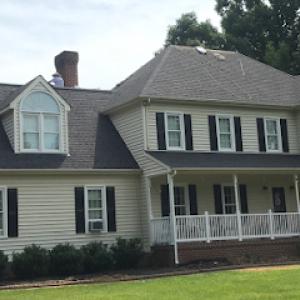
Supreme Roofing and Construction, LLC is a family owned roofing company located in Glen Allen, VA. Our roofing services include reroofing, roof replacement, new roof installation & roof repairs.

Roof Consulting Services
1660 Mountain Rd, Glen Allen, Virginia
2.8 from 16 reviews
Roof Consulting Services is a trusted commercial roof design and consulting firm. With commercial roof inspection services and roof leak detection expertise, we offer commercial roof consulting services that give clients measurable long-term value.
CB Chandler
(804) 362-6504 www.cbchandlerroofing.com
Serving
4.9 from 58 reviews
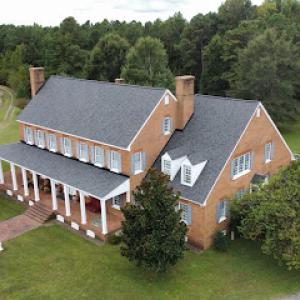
CB Chandler Roofing offers a wide array of residential and commercial roofing systems. We are your go-to contractor for repair, replacement and new installation. Contact us today for a free estimate or for 24/7 emergency services!
A Plus Roofing
(804) 752-0008 aplusroofing.com
Serving
4.8 from 230 reviews
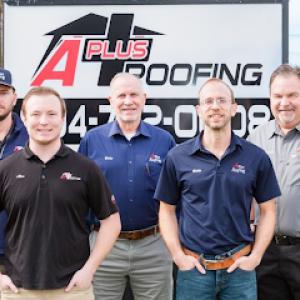
A Plus Roofing is a team of fully licensed and insured roofing contractors in Richmond, VA, helping homeowners and businesses since 2007. With a wide range of services, including expert gutter, siding, and trim installation, we have the solutions to nearly all of your exterior renovation needs. Locally owned and operated, our contractor business has quickly grown to become one of the top roofing contractors in the Richmond metropolitan area. A second-generation family business, we offer dedicated, personal service from our initial inspection straight through the installation. Our services include, but are not limited to Roof Replacement, Asphalt Roofing, Metal Roofing, Atlas Shingle Installation, and Siding Installation.

Cenvar Roofing - Richmond
(804) 924-2697 cenvarroofing.com
Serving
5.0 from 117 reviews
We are the best residential roofing company in the greater Richmond, VA area. We have been in the Glen Allen, Chesterfield, Midlothian, and Henrico areas with expert roof repair and installation replacement services since our branch opened in 2019. Your satisfaction is our top priority, and this is evident throughout each step of the roofing process. If you are in need of a roof repair contractor or replacement in Richmond that provides quality work, schedule a free estimate with our team. We would be happy to serve you!
Woodel Roof Systems
(804) 800-5959 www.woodelrs.com
Serving
5.0 from 81 reviews
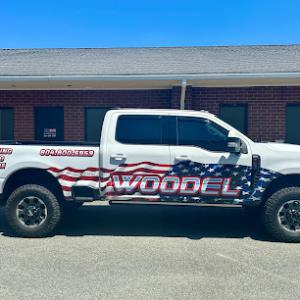
Welcome to Woodel Roof Systems! We're a roofing company that has served homeowners and businesses in and near Ashland, VA, since 2020. With 39 years of experience under our belt, we draw from our expertise to provide you with effective roofing solutions. We pride ourselves on being members of the Virginia Association of Roofing Professionals. Our team always prioritizes quality over quantity so you can rest easy knowing that your property will be treated with the utmost care.
Skyfall Exteriors
(804) 773-1624 www.skyfallexteriors.com
Serving
4.9 from 45 reviews
We are a family-owned roofing company with over a decade of industry expertise. Since 2018, we've proudly served homeowners across a wide range of communities across the Richmond area. Guided by our core values of quality, integrity, and a customer-first approach, our dedication has earned us the loyalty and trust of our clients. Our commitment to excellence ensures that every project is completed with the highest standards of craftsmanship and attention to detail. With integrity at the heart of everything we do, our team of certified professionals is devoted to restoring your home to a better condition than before while providing a smooth and stress-free experience from start to finish.
When replacing a full roof on a home in this area, a building permit is typically required. The process is handled through Henrico County, and the filing is not usually something a homeowner manages directly. In practice, the roofing contractor on the project takes care of submitting the permit and coordinating with county reviewers. This keeps the timeline aligned with the county's inspections schedule and helps ensure the work meets local code and drainage requirements. Since many Glen Allen homes sit on familiar lot layouts with steep slopes and occasional low-slope sections, having the permit handled by the contractor brings a smoother start to the project and reduces risk of delays caused by missing paperwork.
Inspections are the backbone of a successful re-roof in this area. On-site checks commonly occur once the underlayment is in place to verify that nailing patterns, flashing details, and attic ventilation are up to standard before the shingles go on. A second, final inspection typically occurs after installation to confirm all workmanship criteria remain intact and that ventilation paths have not been blocked. Plan review is usually not required unless wind-resistance criteria apply, in which case the county may request additional documentation or specifics about the selected product and attachment method. Expect the inspector to look for proper alignment, secure fasteners, and a clean dormer or ridge line finish where applicable.
To keep delays from creeping in, coordinate the permit review window with anticipated weather and the contractor's crew schedule. In this climate, timing around spring storms and late summer humidity matters, so aim for a window with stable conditions to minimize the chance of rescheduling inspections due to rain or heat-related safety concerns. Before the project begins, confirm with the contractor that the permit is active and that the inspection appointments are set with Henrico County's building division. Keep an accessible site log, so you can quickly address any inspector questions about flashing details, vent placement, or roof edge protection. This local-focused approach helps ensure a smooth process that stays aligned with Glen Allen's unique mix of slopes and weather patterns.
In this area, claims are less about a constant, high-claim environment and more about how a single storm event arrives with wind or hail. Virginia's homeowners insurance market stays relatively steady, so Glen Allen typically doesn't face broad insurer pullbacks. That stability can mean more predictable claim handling, but it also means carriers scrutinize shell integrity and history closely after a hard blow. Expect adjusters to cross-check the damage details with the timing of the incident, and to look for signs of pre-existing wear as well as post-storm repairs. A sudden, localized hail hit or a gusty wind surge can trigger a claim that reveals more than the visible surface damage, so the interaction between the storm's path and your roof's condition matters.
When a storm passes, carriers may request photos, roofing reports, and documentation from a licensed contractor. Have clear, dated images of impacted areas before any temporary fixes, and preserve records of any professional assessments. If you hire a contractor, ensure they provide a written assessment that outlines the extent of damage, the proposed scope of work, and a clear timeline. Adjusters will examine both the physical damage and the sequence of events: when the damage happened, what weather preceded it, and what repairs were attempted or completed since. In practice, timely, accurate reporting helps avert disputes about whether damage was wind-driven or due to aging shingles. Keep a chronological file so you can demonstrate the progression of the problem from the storm through to any interim repairs.
If high winds or hail strike, you should protect the interior and secure the roofline as soon as safely possible. Temporary tarps or boards can prevent further leakage, but avoid creating new risks during inclement weather. Collect and store any contractor communications and ensure licensed professionals sign off on temporary measures. When hail or wind reappears in the forecast, schedule inspections promptly, because wet conditions complicate assessments and may conceal concealed damage. In this market, prompt, transparent communication with your insurer and a trusted local contractor helps keep the claim on a straightforward track and reduces the chance of delayed decisions.
Connect with contractors who help homeowners navigate the claims process from damage assessment to final approval.
Community Roofing of VA
(804) 745-7210 communityroofingofva.com
10991 Elmont Woods Dr, Glen Allen, Virginia
4.7 from 26 reviews
PRS Roofing & Siding
4963 Cox Rd, Glen Allen, Virginia
4.8 from 17 reviews
Asphalt roofs in this area endure summer heat, humidity, and repeated wetting cycles that can shorten service life if ventilation and flashing are weak. Hot days push asphalt shingles toward faster expansion and contraction, which may loosen edges and lift tabs over time. In humid springs, the moisture-laden air accelerates granule loss and attic condensation, especially when soffit vents are blocked or不足 reach problematic levels. You'll notice faster shingle deterioration on west-facing slopes where afternoon sun bakes the surface. A steady eye on timely venting, attic insulation, and correctly sealed flashing around vents and skylights helps prevent interior leaks that follow surface wear.
Tile, concrete, and other heavier systems demand attention to fastening and support details because inspections focus on installation quality, not surface appearance. In this market, nailed patterns, underlayment alignment, and flashing at hips, ridges, and penetrations matter as much as the visible surface. Improper nailing or ad hoc fastener spacing can create stress points that fail under freeze-thaw cycles and storm-driven impacts. When shingles or tiles overlap poorly or flashing is corroded or misaligned, even a small wind-driven leak can travel along a roof deck, finding a path toward living spaces. Expect that the stronger the roof, the more critical it is to verify that every fastening point holds up to the weight and movement of the material.
Low-slope sections and skylight penetrations are recurring local trouble spots because Glen Allen's regular precipitation increases the consequences of small flashing or drainage defects. If a ridge or valley is not properly sealed, water can back up and seep under shingles, then travel across deck boards before a stain appears inside. Skylights with aging seals or poorly pitched surrounding flashings are common leak culprits after storms. Routine checks should focus on the integrity of flashing around penetrations, continuity of underlayment, and the drainage paths on low-slope planes to prevent slow, creeping leaks that worsen with every heavy rain.
In this market, contractor signals point to re-roofing as the dominant service category. Many homes are aging out of their original systems, and replacement becomes the practical path rather than chasing ongoing minor repairs. The emphasis you'll hear from reputable local crews is on delivering durable results that stand up to the humid summers and spring storms, rather than quick patches that invite another leak after the next heavy rain.
Affordable pricing, quick response, and thorough cleanup are the strongest homeowner-facing signals in Glen Allen. Homeowners want disruption minimized and value maximized, especially when a storm pushes work windows tight. Look for firms that provide clear, realistic timelines, protect landscaping and driveways during work, and commit to prompt follow-up if rain interrupts progress. A strong local reputation matters, and the presence of long-established, family-owned operations means you'll often compare responsiveness with tenure and trust.
Residential crews are the norm, but because of the mix of steep-slope and some low-slope sections, ask for project plans that address both roof pitches and safety protocols on ladders and edge lines. Request written schedules that account for typical spring storms and potential wet-weather delays, and confirm debris containment and daily cleanup routines. Prioritize firms with proven track records in similar Glen Allen homes and a willingness to coordinate timing to minimize leaks during replacement.
Given the Mid-Atlantic pattern of humid summers and abrupt spring storms, plan roof work for dry spells and avoid the coldest winter windows. Build in contingency buffers for unexpected rain, and align start times with the wet season so the crew can stage materials safely and complete critical flashing and sealant work early in the project. This proactive stance helps reduce leak risk during the replacement window.