
Last updated: Apr 19, 2026
Midlothian homeowners face a unique combination of Chesterfield County weather patterns and a housing stock that leans toward steep-slope roofs with asphalt, metal, and tile options. Spring storms and heavy rainfall are a known local cause of project delays, which makes temporary dry-in planning especially important for tear-offs in Midlothian. The spring season can bring rapid shifts from a dry morning to a sudden downpour, testing roof decks, underlayment, and flashings that may not have held up after a harsh winter. When a storm hits during a tear-off, the risk is not just leaking-it's plywood saturation, quicker deterioration of underlayment, and longer-than-expected shutdowns that compress limited daylight hours. This is not a generic weather pattern; it is the rhythm you will see year after year in Chesterfield County, where weekend storms can stall progress and extend exposure to the elements.
Spring and fall are the most reliable windows for major roof work in this area because Chesterfield County weather is more predictable then than during the area's hot, humid summer stretch. If a consented tear-off sits on a warm, wet roof while afternoon storms roll in, every hour of delay compounds the risk of interior moisture intrusion. For late-spring plans, target a period after a dry week and before the next round of storms-the sort of window that allows deck protection, underlayment installation, and venting details to proceed without catching a downpour mid-progress. Fall work should aim for a stretch free of early snow risk or prolonged freezes-and with a forecast that promises several consecutive dry days. In both seasons, the goal is to minimize time the interior is exposed to rain while you transition to a sealed, water-tight roof system. If a storm is forecast, shift tasks that rely on calm conditions to weeks with better predictive accuracy, and keep dry-in materials staged on-site so crews can vault to weather-ready work the moment the skies clear.
For tear-offs during the spring, establish a robust dry-in plan that does not depend on perfect conditions. Use high-grade temporary tarps and wind barriers rated for frequent gusts, and position them to shed water toward exterior drainage without pooling on any slope. Prioritize a rapid-deck dry-in-remove old shingles, inspect decking for rot, and apply a protective underlayment to the entire roof area as soon as it's safe. If a storm hits, you want to have a contingency like a secondary dry-in layer or a quick-seal flashing solution that can be deployed without waiting for full crew mobilization. The Midlothian climate rewards decisive action-small, well-planned protections beat reactive patchwork after a downpour.
Summer heat and humidity in the Richmond-area Piedmont can slow installation pace and make attic heat buildup and moisture management more important during roofing work. High daytime temperatures push moisture from underlayment and sealants, creating delayed cures and potential bonding issues if not managed carefully. Plan for early-start schedules to beat the worst heat, paired with afternoon wind-downs that keep exposed decking from absorbing excess humidity. Venting becomes critical: ensure ridge and soffit vents are not blocked and that attic fans or temporary venting are in place during and after installation to prevent heat buildup that can warp materials or accelerate aging of new systems. If temporary cooling or misting is not feasible, build in extra drying time between critical phases and avoid long, uninterrupted stretches of sealed work that trap humidity inside the attic. This approach minimizes the risk of long-term leaks and preserves the integrity of the new roof through the humidest part of the year.
A full re-roof in Midlothian typically requires a permit through Chesterfield County rather than a separate city permitting office. The Chesterfield County Building Inspection Office handles permit applications for Midlothian roofing work. This means you'll navigate the county system rather than a city department, so it pays to start with the county's portal and local office contacts. The process is structured to verify structural changes, material compatibility, and safe installation practices that suit the area's humid Piedmont climate and housing stock.
Begin by confirming the scope of work with your contractor so the permit application reflects a complete re-roof project. Gather the typical information: property address, a detailed scope of work, contractor license number, project timelines, and roof plan or diagram showing materials and roof sections to be replaced. The Building Inspection Office often requires your contractor to submit site plans and product information for the selected roofing system, especially when choosing metal, tile, or specialty steep-slope options common in established neighborhoods and newer developments alike. Submitting everything accurately helps minimize back-and-forth requests and speeds processing during the busy spring and summer seasons.
Local inspection flow commonly includes a mid-build rough inspection and a final inspection after completion, with processing often taking from a few days to a couple of weeks. The rough inspection typically occurs after roof deck installation and underlayment, before the shingles or other coverings go on. The final inspection is performed once the roofing is completed and all penetrations, flashing, and ventilation meet code requirements. If weather or roofing material timelines shift, coordinate with the inspector to adjust the inspection schedule rather than letting delays stack up. Inspections may require you or your contractor to provide access, proof of certain underlayment or venting details, and confirmation that ridge and gable ventilation are correctly installed for the region's humid summers.
Storm-driven leak prevention is practical here: plan the permit timeline to align with dry, calm weather windows. In the wet spring and humid summer, heavy rain during tear-off or installation can lead to trapped moisture, ridge vent exposure, or compromised underlayment. Aim to schedule early in a stretch of favorable weather, but avoid stacking major rain events that can extend the project and complicate inspections. If a rough inspection is pending, coordinate delivery of materials so the site stays watertight between phases. Keep a tarp strategy ready for sudden showers and ensure interior spaces remain protected from moisture ingress during any interim periods.
After inspections are cleared, ensure you receive and keep the final occupancy or approval notice from the county. Retain project documentation for warranty claims and potential future trades-this includes permit numbers, inspector names, and approved roofing materials. In Midlothian, the combination of Chesterfield County's rules and the climate means staying proactive with paperwork helps avoid delays and ensures the roof system has proper approvals for long-term performance.
Asphalt shingles are the dominant choice for most Midlothian homes, and they represent the most budget-friendly option in this market. Typical costs run about 350 to 700 USD per square for standard asphalt systems. In neighborhoods with mature trees and closer lot lines, tear-off, disposal, and cleanup can push the project toward the higher end of that range, especially if the roof has complex transitions or multiple valleys. When spring storms compress schedules, asphalt work can slip into tighter windows, so plan for a slightly longer lead time and allow for potential weather-related delays.
Metal roofing commands a higher price, commonly about 700 to 1300 USD per square. This material shines in Midlothian's humid Piedmont climate by offering strong resistance to wind and heat buildup, and it can be a smart long-term choice on homes with steeper slopes or modern lines. Scheduling can be tighter after a storm season, since metal crews often run on shorter windows and require precise detailing at seams and penetrations. If the budget allows, metal can reduce long-term maintenance headaches and often extends the roof's life in this climate.
Clay tile, concrete tile, wood shingles or shakes, and synthetic/composite shingles sit at a materially higher per-square cost than basic asphalt. Clay tile and concrete tile typically range from roughly 900 to 1800 USD per square, while wood shingles/shakes and synthetic options generally land in the 550 to 1100 USD per square range. In newer suburban developments with steeper pitches and more complex rooflines, these materials require careful planning for installation and drainage, and their higher price reflects both material and specialized labor. Expect longer lead times if supply chains tighten after a spring storm period.
Local pricing can move upward when spring storms compress contractor schedules or when permit processing affects start dates, and when more complex suburban rooflines require slower tear-off and cleanup. For storm-driven leak prevention, prioritizing timely inspections and pre-season maintenance helps avoid the high costs of emergency repairs after a heavy rain. If you're weighing material choices, consider not just initial price per square but the long-term performance in Midlothian's wet springs and humid summers.
Custom Home Improvements & Repairs
(804) 999-4998 customhomeimprovements.com
14321 Winter Breeze Dr Suite 342, Midlothian, Virginia
5.0 from 94 reviews
Custom Home Improvements & Repairs in Midlothian, VA provides professional roof replacement services designed for local homes facing Virginia’s humidity, storm seasons, and rapid temperature swings. Our team handles full roof tear-offs, shingle replacements, leak issues, and aging roof concerns common in Chesterfield County neighborhoods. We focus on durable workmanship, clear communication, and reliable service from start to finish. Choose our experienced roofers for trusted, high-quality roofing solutions that protect your home year-round.
Shanco Roofing
(804) 544-9400 www.goshanco.com
3121 E Boundary Ct, Midlothian, Virginia
4.9 from 259 reviews
Serving the residents of Maryland and Virginia for over 20 years, Shanco maintains an honorable reputation and is an accredited roofing company with the Better Business Bureau with an A+ rating. With a commitment to serve clients on a personal and professional level, you can count on Shanco to deliver an end product you’ll be confident in. Shanco offers high-value solutions for roofing, windows, siding, gutters, chimneys, masonry, skylights, solar and more. You’ll never have to wait when it matters most.
API Roofing
(804) 307-5109 www.apiroofingandconstruction.com
14266 Camack Trail, Midlothian, Virginia
5.0 from 49 reviews
Professional and Affordable Roofing Company here to help with all your roofing needs. From new roofs and replacements to repairs as well
BK Roofing & Repairs
(804) 389-7738 www.bkroofingandrepairsllc.com
Midlothian, Virginia
4.9 from 75 reviews
BK Roofing & Repairs, LLC is a family-owned and operated roofing company serving the Richmond, VA area. No matter what your project involves, you can be sure you’re getting honesty and quality from us. We can handle roof repairs, including storm damage repair, for both residential and commercial customers in Chester, Chesterfield, Mechanicville, Midlothian, Moseley, Glen Allen & all surrounding Richmond counties. Whether it’s a roof repair or replacement, we’ll make sure you are making the most educated decision possible. We can inspect roofs for damage as well. Best of all, we offer free estimates on all our services.
Evergreen Roofing
(804) 361-9998 evergreenroofingva.com
12631 Oaklake Crest Way, Midlothian, Virginia
5.0 from 24 reviews
Evergreen Roofing offers a seamless and stress-free solution for all your roofing needs. As dedicated roofing contractors, we specialize in expert repairs and complete replacements, ensuring the longevity and protection of your home. Located in Midlothian, VA, our commitment is to provide reliable, high-quality craftsmanship and exceptional service. Experience the effortless path to a secure and beautiful roof with Evergreen Roofing.
D & B Services
(804) 350-5901 www.dandbroofingservices.com
3001 Speeks Dr, Midlothian, Virginia
5.0 from 24 reviews
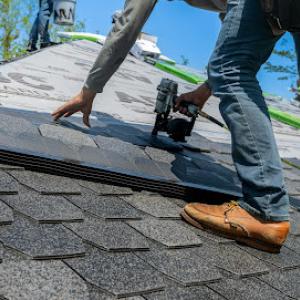
With 50+ years of combined family experience in roofing, siding, power washing, and exterior home services, we have built a reputation for high-quality craftsmanship and dependable service.
T&G Enterprise, LLC - Roofing, Siding, Gutters
(804) 885-2249 www.tandgenterprise.com
4906 Millridge Pkwy, Midlothian, Virginia
4.8 from 85 reviews
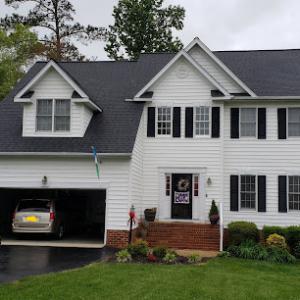
T&G Enterprise is the exterior home improvement contractor Richmond VA, Chesterfield VA, and Midlothian VA homeowners trust. We specialize in being Roofing Contractors That Complete Projects On Time, Gutter Installations That You Couldn’t Be More Pleased With, Professional and Affordable Siding Replacement, and Home Window Replacements. Whether your home has been damaged by a storm and you need it repaired quickly or you just want to upgrade your curb appeal, we’ll start with a free inspection and explain all of your affordable options with no pressure. We thoroughly clean up after ourselves before we leave and we’ll even go the extra mile to guide you through the insurance claims process and make it easy for you.
Jones Roofing
(804) 744-7663 www.jonesroofingva.com
3660 Clintwood Rd, Midlothian, Virginia
4.7 from 90 reviews
Established in 1993 as a sub through CTR, Jones Roofing is a Class "A" licensed and insured roofing contractor serving Chesterfield, Richmond, and the Tri-city area of Virginia. We offer a wide range of roofing services, including roof repair, replacement, and maintenance. Our team of experienced and skilled professionals is committed to providing high-quality workmanship and customer satisfaction. Thanks!
C L Wright Roofing
(804) 378-7011 www.clwrightroofing.com
801 Grove Rd, Midlothian, Virginia
4.6 from 25 reviews
Since 1986, C.L. Wright Roofing, Inc. has been providing the best re-roofing in Richmond, Virginia. We are fully licensed, insured, and an upstanding member of the Better Business Bureau. We specialize in: new construction, the removal and replacement of all types of roofs, including all heavy weight roofing, Cedar, Grand Manor, and Composition Shingles. We also offer gutter, skylight, window, and ventilation products and services. We pride ourselves on honesty, and giving our customers the satisfaction of a complete, thorough and accurate job.
Hardesty
(804) 378-9163 hardestyroofing.com
14430 Sommerville Ct UNIT B, Midlothian, Virginia
4.3 from 107 reviews
Hardesty Roofing, based in Richmond, VA, has been delivering high-quality residential and commercial roofing services since 1990. Known for expert craftsmanship, dependable service, and top-tier materials, we proudly serve homeowners and businesses throughout Central and Eastern Virginia—including Charlottesville, Tri-Cities, Northern Neck, and Tidewater. Whether you need a full roof replacement, emergency repairs, or new construction roofing, our team brings decades of experience and attention to detail to every project. We also offer window and siding replacement, partnering with leading brands like GAF, Owens Corning, RJT Industries, Norandex, and Hardie Plank. Hardesty Roofing is your trusted name for durable, reliable exterior solution
Exterior Source of Central Virginia
(804) 275-5323 exteriorsourcecva.com
12701 Oak Lake Trail, Midlothian, Virginia
4.7 from 15 reviews
Exterior Source is Richmond’s trusted home improvement expert, specializing in siding, roofing, gutters, windows, and doors. We deliver durable, energy-efficient upgrades that boost curb appeal and value across Central Virginia. Trusted since 1993 for quality and service.
Hy-Tech Roofing
(804) 968-8000 www.hy-techroofing.com
4082 Greyhound Ct, Midlothian, Virginia
4.5 from 15 reviews
When you need a Roofing Contractor that you can depend on, call Hy-Tech Roofing, LLC in Midlothian, Virginia and surrounding areas for all of your roofer needs. At Hy-Tech Roofing, LLC we specialize in a variety of roofing services, including new roof construction, residential roofing, and roof replacement services. You’ll know that you’re in the right hands when you call the roof service experts from Hy-Tech Roofing, LLC in Midlothian, VA.
Asphalt shingles remain the most common roof covering in this area, where heat aging, granule wear, and algae-prone appearance changes are particularly noticeable on homes with long southern exposures. In Midlothian's humid springs and hot summers, granule loss can accelerate after a few vigorous storms, so choosing high-quality granules and a steep, properly vented system helps mitigate premature color fading and surface slickness. Look for shingles with algae resistance and consider regular cleaning as part of a proactive maintenance plan to preserve both curb appeal and performance. A well-sealed valley and flashing package matters when storm-driven rain arrives with high humidity.
Metal roofing has a meaningful specialist presence in this market, reflecting demand for longer-life systems that handle summer heat well. Metal panels or tiles work especially well on steeper slopes and in homes with modern or transitional architectural lines. For humidity-heavy climates, choose coatings formulated to resist chalking and corrosion from occasional road salts or coastal breezes if applicable. A meticulous underlayment and ventilation strategy becomes critical to prevent condensation trapped between metal and deck. If a metal roof is chosen, ensure fasteners are sealed and that panel seams are engineered for wind-driven rain and thermal expansion.
Clay tile and concrete tile offer distinctive aesthetics and strong longevity, but they demand contractors who understand heavier steep-slope assemblies. Clay's porous surface can be susceptible to moisture ingress if installation or flashing is compromised, while concrete tiles can add substantial weight that affects the structural retrofit needs of older homes. Wood shakes bring a traditional texture, yet they demand vigilant maintenance against moisture-related rot and insect exposure, especially in shaded or poorly ventilated attic spaces. Synthetic or composite shingles provide flexibility and often lower maintenance, but choosing a product with proven dimmable colorfastness and moisture resistance helps prevent color and surface wear in humid conditions. In all cases, ensure the contractor evaluates attic ventilation, ridge and soffit intake, and proper underlayment choices to manage humidity-driven stresses.
Weather-driven leak prevention hinges on a comprehensive approach: a robust underlayment system, well-sealed penetrations, and matched flashing details for the local storm patterns. Maintenance routines should align with Midlothian's wet spring and humid summer climate-perform preventative inspections after major rain events, pay attention to algae-prone areas, and address any granule loss or corrosion early. When selecting a roof system, prioritize installers who can tailor the assembly to the specific slope, weight, and exposure of the home, ensuring the chosen material and detailing answer Midlothian's unique mix of established neighborhoods and newer developments.
Virginia insurers commonly ask Midlothian homeowners for roof age records, photos, and a condition report when a damage claim is filed. In practice, gathering these details before you ever file can smooth the process. A clear file shows the roof's age, the materials used, and any prior repair history. Keep a dated folder with manufacturer information, previous service notes, and photos of the overall roof. When a storm hits, the insurer will scrutinize whether the claim aligns with the weather event and the roof's reported condition, so precise records matter.
Because Midlothian sees spring storm activity and heavy rain, documenting interior leaks, exterior damage, and the date of the weather event is especially important before temporary repairs obscure evidence. Take photos from multiple angles, including attic rafters and any insulation staining. Note when you first noticed water intrusion and the path it followed inside the home. If a tarp or temporary patch is placed, photograph it the day it goes on and again after the next rainfall. Insurers will compare these details to the storm timeline, so early, organized documentation reduces disputes about cause and extent.
Virginia's insurance environment has seen some underwriting tightening in recent years, but the market has not experienced a uniform statewide pullback, so carrier requirements can vary meaningfully by policy. This means what works for one homeowner might not be identical for another, even within Chesterfield County. Before engaging a contractor or filing, review the specific endorsements, deductibles, and definitions in the policy. If the claim hinges on rapid decisions after a storm, understand how your insurer defines covered perils and the threshold for approving temporary repairs versus full replacement. The local nuance matters when the weather has as many curveballs as the spring months delivering wet, humid conditions.
Connect with contractors who help homeowners navigate the claims process from damage assessment to final approval.
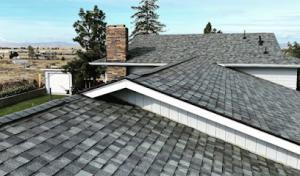
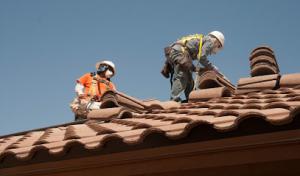
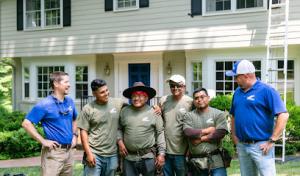
The local contractor mix shows notable demand for skylight work, and that points to leak-prone flashing transitions as a recurring homeowner concern. In humid springs and wet summers, skylight seals can soften, and the edge flashing may deform where it meets the roofing material. Check for loose or granule-filled shingles around skylights, inspect the rubber gasket perimeters, and note any staining on interior ceilings near skylights after heavy rain. When you plan repairs, focus on resealing the flashing joints with compatible sealant and replacing any degraded flashing boots or spacers. A well-sealed skylight seam reduces multiple failure points in the wet seasons common to this area.
Flat and low-slope roofing appears often enough in the market to merit separate attention, especially on additions, porches, and mixed-roofline homes. Standing water after storms is a sure sign that drainage details need attention. Look for insufficient slope, clogged drainage scuppers, or misaligned transitions where low-slope sections meet steeper sections. In Midlothian, ensure penetrations through flat surfaces are fully flashed with compatible membranes and that edge terminations are tucked and sealed to resist spring and summer humidity. Replacements or upgrades to self-adhered membranes can provide robust performance in this climate.
Chimney-related work also appears in the local market, which points to flashing and masonry transition details as common trouble spots on older homes. Inspect the chimney base for signs of mortar deterioration or cracks in the flashing step and counter-flashings. Humidity can bring out leaks at masonry joints, so reseal with a compatible sealant and replace any damaged step flashing where the brick meets the roof. On taller chimneys, verify that the crown and parging are intact to prevent moisture infiltration behind the flashing.
Valleys and roof vents are high-priority leak paths during storm-driven seasons. In areas with mixed roofing, valleys accumulate debris and may require more frequent cleaning. Check for loose nails, torn underlayment, or shifting vent boots. When resealing, use products rated for steep slopes and compatible with the surrounding roofing materials to maintain long-term weather resistance and reduce moisture intrusion during Midlothian's wet springs.
Find specialists in TPO, EPDM, and built-up flat roofing systems for residential and commercial properties.
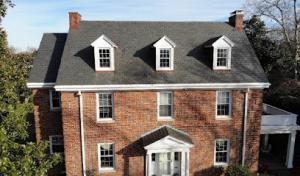
When selecting a roofer, expect a strong preference for re-roofing specialists over firms centered on new construction. A Midlothian resident will want a crew that has routinely managed storm-driven leaks, steady dry-out phases, and steep-slope systems common in established neighborhoods. Prioritize teams with a long local track record and neighborhood references rather than flashy, one-off projects.
The market includes many long-established, family-owned firms, and locally owned operations. Tenure and neighborhood reputation matter here. Ask for local projects within your subdivision or neighboring streets, and verify how many seasons the company has been serving Chesterfield County. If a contractor has survived regional storms for decades, their craft and reliability are more predictable when moisture and heat are pressing.
Affordable pricing with cleanup included and quick response are among the most prevalent signals homeowners here look for. In practice, that means requesting a defined cleanup plan, a realistic schedule around the wet spring and humid summer, and a clear point of contact for after-hours leaks. A good sign is a contractor who commits to timely response windows and a documented two-stage mitigation approach for wet weather work.
If leaks emerge with a spring rain, you want a firm that can stage work to minimize exposure to humidity, with tarping and rapid-drying measures. Ask how the crew protects interior spaces during storm-season inspections and shingle replacements, and whether they offer temporary weatherproofing to extend the life of existing layers until full replacement can proceed.
Always request recent Midlothian or nearby projects, then follow up with at least two homeowner references. Local referrals help confirm whether the contractor delivers on timely communication, thorough cleanup, and steady workmanship under humid conditions.