
Last updated: Apr 19, 2026
Stephens City sits in the northern Shenandoah Valley, where roofs endure hot summer sun followed by winter freeze-thaw cycles. That swing means shingle materials and underlayment need to resist both heat and repeated freezing, and attic ventilation becomes a regular maintenance focus. The typical housing stock includes mid-sized homes with pitched roofs, metal accents on some façades, and occasional clay or concrete tile on higher-end builds. Weather patterns emphasize rapid changes rather than a single dominant season, so preparations should assume a sudden wind gust or hail event can arrive any time.
In this area, storm response and re-roofing activity drive the contractor market. Emergency repair crews, storm-damage teams, and replacement projects appear with the first strong hailstorm, then taper as insurance paperwork cycles along county workflows. Expect a mix of small, rapid fixes and full replacements depending on roof age, shingle type, and underlying deck condition. Local crews often coordinate with the Winchester-Frederick County framework, which can influence scheduling and turnaround. When damage is visible, a swift assessment by a familiar, nearby contractor helps you keep the project moving through the local contractor network.
Insurance documentation must tell a clear, verifiable story: what happened, when it happened, and how the roof was affected. Start with a dated log of the storm event, noting wind speeds if available and hail size and impact areas on the roof. Photograph from multiple angles: close-ups of lifted or cracked shingles, dented vents, and any gutter or fascia damage, followed by overall roof elevations from ground level and a driveway vantage point. Keep a simple inventory of damaged zones, and capture interior indicators such as ceiling stains or attic water marks if present. When discussing the claim, be prepared to reference contractors who can provide scope-of-work estimates and, if needed, a roof measurement to demonstrate the extent of replacement or repair.
The moment after a storm, the priority is to prevent further interior damage while you wait for a carrier adjuster or an in-state contractor to assess. Cover exposed openings with sturdy tarps or plywood, prioritizing entrances to attics or living spaces. Keep access clear for the inspection team, but avoid delaying temporary protections that stop wind-driven debris from entering the attic or home. If shingles are loose or curled, avoid walking on the damaged areas to prevent further delamination. Document temporary protections with date-stamped photos and keep receipts for any materials you purchase; these records help streamline the next steps when decisions on repair or replacement are made.
Given the county-backed inspection and scheduling cadence, plan for a phased approach: a rapid temporary fix, a formal assessment, and a contracted repair or replacement. Choose a local contractor who understands the seasonal weather cycles, can articulate a clear sequence of work, and can align with the county's inspection cadence. A nearby team that has managed past storm-response projects is more likely to provide accurate timelines and reliable supplemental documentation for the insurer. In volatile spring and fall windows, establish touchpoints with the contractor early to minimize delays and maintain momentum from initial assessment through final completion.
In Stephens City, spring storms are a real threat to roofs as hail and heavy rain can hammer a roof that's still in the middle of stripping. When a contractor is removing shingles, a sudden hail event or powerful downpour can push water into attic spaces and ceilings long before a full replacement is finished. That means scheduling becomes a race against the clock: delay by even a few days, and the interior can experience hidden damage you don't notice until it's too late. The best plan is to have temporary protection ready to deploy at the first sign of a storm. A sturdy tarp or lightweight sheeting secured properly can block wind-driven rain from rushing under flashing, door and window penetrations, and exposed roof lines. If a storm is forecast during this window, coordinate with your contractor to pre-approve a temporary cover strategy, so crews can respond immediately without waiting for a new approval.
Hail and wind events in this part of Virginia trigger careful insurer review, especially when a roof is already partially removed. Detailed photo documentation, a clear scope of work, and a surface-level site visit are often required before replacement work can move forward. You'll want to photograph all affected areas: damaged shingles, lifted edges, cracked flashing, and interior signs of water intrusion like staining or warped ceilings. Keep a dated log of any temporary protectors you install and any leaks you notice, even minor ones. Share these photos and notes with your insurer promptly, and have your contractor accompany you on visits to document the extent of damage. Because timing can hinge on those submissions, prepare a concise, organized packet that shows the current condition, the proposed scope, and the sequence of protection steps. The faster the documentation reaches the adjuster, the quicker the path to final approval and scheduling for a full replacement.
Autumn in this valley brings wind and leaf debris that can complicate cleanup after a storm. Fallen leaves clog valleys and gutters, and debris can hide impact or flashing damage once the initial rush of cleanup passes. A careful sweep after a storm is essential: clear gutters and downspouts, inspect valleys for debris buildup, and look for dark streaks or staining that could indicate moisture ingress near flashing lines. When crews are mobilizing after a hail or wind event, autumn debris can hide signs of hidden damage under ridge cap or vent areas, so a targeted re-inspection is wise a few days after the storm loosens debris. Plan for a second pass by the crew after the initial cleanup to verify flashing integrity and shingle seating. Acting decisively in this window reduces the chance of lingering leaks and ensures the roof's protective layers are restored before winter winds return.
Find local contractors experienced in assessing and restoring roofs after hail, wind, and severe weather events.
Gregory's
(540) 869-3500 www.gregoryexterior.com
5368 Main St, Stephens City, Virginia
4.4 from 64 reviews

Gregory's
(540) 869-3500 www.gregoryexterior.com
5368 Main St, Stephens City, Virginia
4.4 from 64 reviews
Home Improvement Contractors That Have You Covered
GNS Roofing Of Winchester
Serving
4.4 from 99 reviews
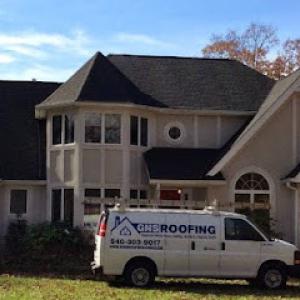
GNS Roofing Of Winchester is a trusted roofing, siding, and gutter contractor serving Winchester VA and surrounding areas. With over 30 years of experience, our locally owned and operated business offers a wide range of services including metal and shingle roofing, gutter installation and repair, chimney flashing, rubbber roofing and more. Our team is dedicated to providing high-quality workmanship and excellent customer service. Se habla español - bilingual services available. Trust GNS Roofing for all your exterior home improvement needs. Serving Northern Virginia, Shenandoah Valley and Eastern Panhandle of West Virginia. Licensed & Insured.
Ashburn Roofing
(703) 899-2967 ashburnroofingllc.com
Serving
5.0 from 184 reviews
"Experiencing issues with your roof? You can count on Ashburn Roofing, LLC to service all your residential and commercial needs! We pride ourselves on being the best roofers in the local area, in addition to our recognition we maintain an A+ BBB rating. With over 18+ years of experience, our honest and professional contractors have provided high-quality roofing repairs, replacements, and installations throughout The Tri-State. Thousands of roofs have successfully been restored, maintained, and upgraded on our watch!"

Gardyloo Roofing & Gc
Serving
5.0 from 16 reviews
Are you looking for a reliable and trustworthy roofing company in Winchester? Then look no further since Gardyloo Roofing & Gc is here to help you. We are a residential roofing company offering high-quality services. We concentrate on installing metal and shingle roofing services for our clients. Whether you are constructing from scratch or you are upgrading the roofing system to a long-lasting material, we got you covered. When you opt to work with Gardyloo Roofing & Gc, you choose a style, quality, integrity, and many options to pick from. A roof is an important part of the house as it protects the house's structural integrity. So, make a wise decision and choose us.
Elite Roofing & Restoration
(540) 303-9356 roofwithelite.com
Serving
4.9 from 36 reviews
Elite Roofing & Restoration, LLC is your top roofing contractor serving the Winchester, Virginia and surrounding areas. We provide roof inspections, roof repairs, and roof replacements. From cracked tiles to missing shingles, we have you covered!
Modern Renovations Roofing of Winchester
(540) 532-9926 www.mymodernrenovations.com
Serving
4.9 from 161 reviews
Modern Renovations is the top roofing contractor in your local area. We mastered how to give our customers the best roof installation experience. We use cutting edge roofing products that will stand the test of time. We hold the title of Platinum installers for Owens Corning. We specialize in: Roofing -Shingles and Standing Seam Metal Gutter Installation Siding Installation Financing options are available. Call us today to get a free estimate.
NVB Contracting
(877) 731-2577 nvbcontracting.com
Serving
4.9 from 119 reviews
NVB Contracting in Winchester, VA provides expert roof replacement services designed to protect homes and improve curb appeal. In Winchester, changing seasons bring heavy rain, snow, and humidity, which can cause shingle damage, leaks, and premature roof wear, making timely replacement a necessity. Our skilled team handles full tear-offs and installations with durable solutions that stand up to local weather. Known for professionalism and attention to detail, NVB Contracting has built a reputation as trusted roofing contractors Winchester homeowners can rely on for quality service and long-lasting results.
Black Stone Roofing
(540) 550-9703 www.blackstoneroofs.com
Serving
5.0 from 39 reviews
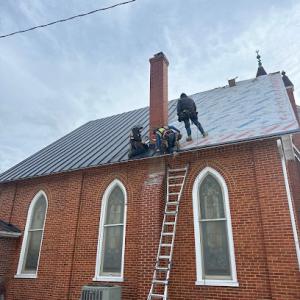
Black Stone Roofing, LLC provides residential and commercial roofing, solar panel, and gutter services to Winchester, VA, Hagerstown, MD, Martinsburg, WV, and the surrounding areas.
Alpha & Omega Contractors
(826) 208-0226 alphaomegacontractor.com
Serving
5.0 from 3 reviews
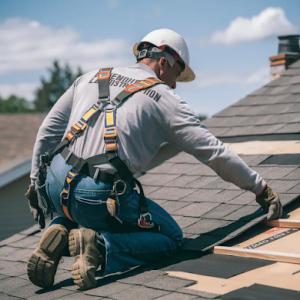
Trusted roofing and exterior home improvement experts in Virginia. We specialize in quality roofing, siding, windows, and gutters, delivering durable solutions tailored for Virginia's climate. With expert craftsmanship and customer-focused service, we're committed to enhancing and protecting your home.
Alamo Roofing of Winchester
(571) 559-0003 www.alamo-roofing.com
Serving
4.9 from 175 reviews
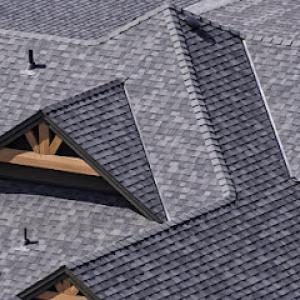
Alamo Roofing provides roofing, gutters, and siding services in Frederick, Clarke, Fairfax, and Loudoun Counties, VA, the Eastern Panhandle of WV, and surrounding areas.
Anderson Roofing Sheet Metal Works
(540) 662-2586 andersonroofingva.co
Serving
5.0 from 11 reviews
Established in 1951, Anderson Roofing & Sheet Metal Works, Inc. is a leading family-owned and operated commercial roofing company in the heart of the Shenandoah Valley in Winchester, Virginia. Anderson Roofing specializes in commercial roofing projects, offering exceptional craftsmanship and personalized service to clients throughout Maryland, Virginia, and West Virginia. The company prides itself on its dedication to quality and customer satisfaction, ensuring that each project is completed with precision and expertise.
Jesus Roofing
(540) 303-5395 jesus-roofing.com
Serving
4.6 from 54 reviews
Installing or repairing your roofing system is now more affordable and safe with Jesus Roofing We are here to offer superior installation and repair services for your shingles, metal, flat, and other roofing systems you need a hand in.
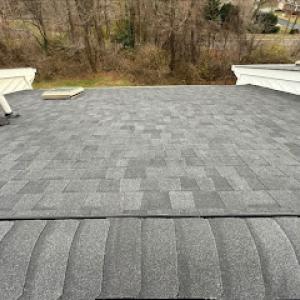
Asphalt shingles remain a dominant choice in Stephens City, with a broad pool of local installers and a straightforward installation approach that many homeowners already trust. The area's hot summers can accelerate granule loss and aging, especially on sun-exposed slopes that catch the brunt of the afternoon heat. When selecting asphalt, pay attention to granule durability and sun-blocking features on darker and lighter shingle blends, and favor higher-performance options that resist UV degradation. Regular inspection after the peak heat of July can help catch early granule loss or exposed felt before wind and hail events compound the damage. A seasoned local roofer will also look at how the roof transitions around chimneys, skylights, and vents, where heat-related wear tends to show first.
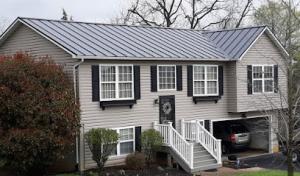
Metal roofing sits well with the Shenandoah Valley's temperature swings, and it's widely offered by local contractors compared with some premium materials. Its performance in rapid cooling after hot days and resilience to hail can be a strong fit for this market. Metal panels, gutters, and flashing require careful detailing where walls meet the roof, around parapets, and over dormers. In Stephens City, the choice often comes down to panel profiles, coating systems, and fastener layouts that align with typical attic ventilation patterns. A metal roof can also provide a longer service life with proper underlayment and corrosion-resistant finishes, which matters when winter temperatures drive freeze-thaw cycles.
Slate, clay tile, concrete tile, and synthetic/composite options appear in the market, but their weight and detailing demand careful attention on older valley homes and on houses not originally framed for heavy roofing. Heavier materials require a structural review, especially if recent additions or renovations altered the roof's load path. Clay and concrete tiles deliver distinctive aesthetics and excellent longevity, yet installation and repair complexity increases with roof angles, chimney details, and venting configurations common on older properties. Synthetic or composite products can offer lighter weight with a similar look, providing a compromise between weight and performance, but local weather patterns still demand robust underlayment and wind-rated fastenings to resist hail damage.
When a hail or wind event occurs, swift temporary protection matters. Before the storm season peaks, ensure you have a plan for rapid tarping and securing loose fasteners, and keep an up-to-date record of roof features, including vent locations and skylight dimensions for insurance claims. After damage, document everything with photos from multiple angles and keep repair receipts organized to support documentation for claims. For temporary protection, use sturdy tarps and avoid damage to surrounding siding or gutters, and schedule a professional assessment as soon as you can to minimize secondary issues like leaks or warped decking while waiting for a full replacement or repair. Insurance-facing records should include incident dates, weather reports, and a clear log of communications with the contractor and insurer.
Explore specialists in steel, aluminum, and standing seam metal roofs built to last 50 years or more.
Modern Renovations Roofing of Winchester
(540) 532-9926 www.mymodernrenovations.com
Serving
4.9 from 161 reviews
When planning a full roof replacement, you should expect the project to go through the local building department for permitting rather than assuming roofing is exempt. The process is typically routed through Frederick County or the local city building office, and it affects how quickly work can start after a hailstorm or high-wind event. Storm-season activity often pushes permit review times up, so knowing the exact path for your home helps avoid surprises when a contractor flags a delay.
Permits may be issued online, in person, or via a hybrid setup, depending on current office practices. Because scheduling matters after severe weather, make sure you confirm how the county processes applications and what documentation is needed up front. If the department is handling online submittals, you can often move faster by preparing digital copies of required items (drawings, contractor details, and material specs) in advance. If in-person visits are needed, factor in the cadence at your local office and plan slightly ahead to secure a spot for plan review and permit issuance. This variance in handling can directly impact your start date after a major wind or hail event.
Inspections are typically tied to major milestones, such as tear-off readiness and the final installation, so the contractor should coordinate work sequencing to avoid leaving the home exposed for longer than necessary. A common pitfall is scheduling the tear-off before the first inspection window is cleared; ensure the contractor has a clear inspection plan that aligns with permit milestones. In practice, this means coordinating temporary weather protection, surface deck safety, and material staging so that each inspection can be completed without rework. Clarify who schedules inspections, how much lead time is needed, and what constitutes a pass or a fix before moving to the next stage.
Begin by verifying the exact permit path with the local building department and securing any required pre-approval documents from the contractor. Gather site-specific details, including photos of current roof conditions and a rough replacement timeline, to accompany the permit submission. Ask your contractor to map out a step-by-step inspection schedule that aligns with weather windows in the Shenandoah Valley and your home's exposure to wind-driven debris. Finally, keep a contingency plan for expedited reviews if a storm-caused backlog develops, so the project can progress without unnecessary delays.
Local cost pressure rises after regional wind and hail events, when emergency demand surges and homeowners compete for crews across the Winchester-Frederick County area. In the days after a hailstorm or a strong gust, you'll see a rush of crews, sometimes arriving with limited availability. That means timing can affect both price and the pace of your project. Plan for a window of high demand and be prepared to schedule inspections and estimates promptly to avoid delays during peak periods.
Material choice matters sharply in this market. Asphalt shingles run about $350 to $700 per square, metal $650 to $1300, clay tile $900 to $1700, concrete tile $800 to $1500, synthetic/composite $400 to $700, and slate $1100 to $2500. For a standard homeowner, the decision often hinges on local weather patterns, wind resistance, and the balance between upfront cost and long-term performance. In Stephens City, where seasonal swings and hail exposure are common, metal roofs frequently justify the higher upfront cost with improved hail resistance and longer service life. Clay or concrete tiles bring distinct curb appeal and durability but can add weight and require a sturdier deck and framing. Synthetic or composite shingles offer a middle ground, combining resilience with a more familiar installation profile. Asphalt remains the most common baseline option for speed and price, especially on mid-sized homes.
Costs can increase on steeper roofs and on homes needing full tear-off, decking repairs, or careful staging during wet or cold periods common in Stephens City's seasonal weather pattern. If the job requires a complete tear-off, you'll want to budget not just for new shingles but for decking repair or replacement, underlayment, and flashing replacements. Steep pitches require additional safety measures and longer installation times, which can push labor costs upward. Wet or frozen ground conditions can slow access to the roof and complicate material handling, adding to project duration and totals.
After a storm, prioritize temporary protection to mitigate secondary damage. Tarp vulnerable areas, seal around chimneys or vents, and keep debris off gutters and valleys to prevent water intrusion during the wait for permanent replacement. When reviewing quotes, ask for a clear breakdown that shows material costs, labor, disposal, and any decking or insulation work. Request an itemized timeline, including staging for weather-related pauses, so you're not surprised by gaps in progress. In this market, timely decisions paired with solid documentation can help you secure responsive crews and maintain project momentum through Winchester-Frederick County's busy post-storm period.
Get a clear picture of your project costs upfront - no commitment required.
Modern Renovations Roofing of Winchester
(540) 532-9926 www.mymodernrenovations.com
Serving
4.9 from 161 reviews

Wind and hail claims are a routine part of the Shenandoah Valley weather here, and that means insurance scrutiny can feel persistent. Carriers often weigh whether damage happened during a storm or was simply pre-existing wear. That reality shapes every step from initial call to final claim resolution, so approach discussions with honesty and documentation.
Before you authorize any temporary protection, walk the roof line with a flashlight and note every slope, flashing area, skylight, and interior leak sign. Keep a dated photo record from ground level and attic vantage points. If you sketch where water enters or where flashing appears compromised, you'll have a clearer trail for the adjuster and fewer back-and-forth questions about original conditions and material types.
Adjusters may request proof of the roof's original condition and material. Gather receipts, prior inspection notes, and the original roof spec if available. Compatibility questions loom large in this market because insurers may want confirmation that replacement materials align with policy terms and the existing roof system. If your existing shingles or underlayment differ from typical local replacements, be prepared to explain why the chosen material fits your policy and roof geometry.
When you report damage, provide a concise, factual timeline: storm date, observed impacts, and any immediate symptoms like leaks or ceiling stains. If a temporary cover is installed, document who placed it, when, and what it protects against. Clear, organized records save time and reduce the risk of disputed repair eligibility later in Stephens City's wind-and-hail environment.
Connect with contractors who help homeowners navigate the claims process from damage assessment to final approval.
Stephens City's hot summers push attic heat, glare, and shade issues to the forefront of every roof project. On dark asphalt shingles, afternoon sun turns the attic into a hot, bright workspace that slows ventilation and can affect cure times for underlayment and sealants. Plan for slightly longer sessions, and discuss shade strategies or early-morning work blocks with your contractor to keep crews safer and materials performing as expected.
Dry, moderate months are usually the safest replacement window locally because they reduce weather delays compared with spring storm periods and winter freeze-thaw conditions. Look for stretches when a week or two of steady temperatures and low humidity align with your contractor's crew availability. That said, Stephens City's weather still requires flexibility, since rainfall can appear quickly and disrupt progress even in dry periods.
Scheduling matters more here because evenly distributed precipitation means homeowners cannot rely on a long dry season to protect an unfinished roof. Build a realistic, multi-week plan with built-in buffers for unexpected shower days. Have temporary protective measures ready, such as tarps or temporary coverings, and confirm how debris will be contained to avoid wind-blown messes during a mid-project shower.
With attic heat a recurring challenge, ensure attic access points are clear and functional before work begins. Improves ventilation at the ridge and eave lines where possible to help heat dissipate. Your contractor should coordinate with you on temporary insulation or sequencing of steps to minimize heat buildup while materials are staged and delivered.
A steady signal from local contractors shows recurring demand for skylight work and chimney-related roofing details. The combination of Shenandoah Valley weather swings and older rooflines means that leak-prone transitions around skylights and chimneys are a real local repair category. In spring, heavy rain can expose weak flashing around these features faster than normal wear. If a skylight or chimney flashing has aged, you may notice damp patches along interior ceilings after a storm, sometimes with a telltale damp band or peeling paint. Expect multiple call-backs after major wind or hail events when crews identify flashing gaps, loose sealants, or deteriorated counterflashing.
Low-slope sections on additions, porches, or mixed-roof homes require different detailing than the main pitched roof. In a market where re-roofing is more common than new construction, those flat or near-flat areas often become the weak link during storms. Poor transitions between the low-slope and the higher roof plane can trap water if flashing isn't properly integrated with counterflashing, edge metal, and parapet detailing. Look for signs of water staining on interior ceilings near these sections, or dampness along exterior walls where the roof line changes pitch.
When a storm hits, temporary protection around skylights and chimneys matters more here than elsewhere. Use sturdy seals, clear tarps, and plywood covers to reduce hail impact and wind-driven rain entry until a permanent repair can be scheduled. For an insurance claim, photograph the flashing, glazing sealant, and any interior water marks promptly, so documentation reflects the actual damage to those high-risk transitions. In-season, plan inspections that specifically address these tight corners before the next round of storms.
Find contractors experienced in skylight installation, flashing, and leak repairs to bring natural light into your home.
Modern Renovations Roofing of Winchester
(540) 532-9926 www.mymodernrenovations.com
Serving
4.9 from 161 reviews
In this market, the signals you notice after a Shenandoah Valley hail event point to speed, affordability, and a clean, hardship-free finish. Homeowners expect a contractor to mobilize quickly, stabilize the roof, and limit the mess during removal and replacement. The goal is to restore weather protection without dragging the process out through winter winds or late-season storms.
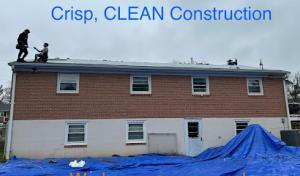
Re-roofing is far more common than chasing niche new-roof tech here, so you should judge bids by how efficiently a crew handles tear-off, temporary protection, and site cleanup. Ask for a clear plan: how debris will be contained, where tarps or temporary coverings will sit during rain, and how the yard will be protected from nails and shingle debris. A contractor that can demonstrate a smooth, low-disruption sequence often saves you days of downtime and hassle.
There is a smaller share of contractors who advertise manufacturer certification, financing, or long-established tenure. Those differentiators may carry extra weight when bids resemble each other on product choice and crew size. Look for verifiable certs, a steady workforce, and a documented track record with similar homes in nearby blocks. If financing is offered, understand the terms and any implications for your payment timeline before you sign.
When a storm hits, prioritize documentation and protection. Take dated photos of the damage, note how shingles lift or granules wash away, and keep all correspondence with the insurer organized. Insist on a temporary cover if a leak is evident, and confirm the contractor's plan for rapid debris cleanup and final inspection so the work stays on track despite county scheduling quirks.