
Last updated: Apr 19, 2026
The Shenandoah Valley funnels strong storm cells straight through the corridor where the Blue Ridge and Massanutten rise. That wind pattern means shingles on exposed slopes take a beating first, with concentrated loss along ridgelines and open lots. When a squall rolls in from Skyline Drive or the valley headwaters, you'll see edge damage, missing tabs, and granules washing into gutters before you notice a leak-especially on roofs that face wind-prone directions. In short, an ordinary wind event can become a costly misfire if the roof isn't ready.
Front Royal sits at the confluence of the North and South Forks of the Shenandoah River, and humid river-valley air lingers after storms. That moisture keeps roof surfaces damp longer than you'd expect after a hail or wind hit. Small impact damage-like micro-cracks in shingles or loose granules-can hide under damp shingles, delaying detection. If a walk-around after a storm reveals a damp, slick surface or unusual mossy patches on the roof, treat it as a red flag that keeps moisture inside corners, attic rafters, or under flashing.
Ridgetop homes and those on open lots take the brunt of passing cells. In Front Royal, roofs that sit high or are exposed to wide horizons will show faster shingle loss and edge damage. Look for lifted tabs, curling shingles, or torn hip-and-valley seals near the prevailing wind direction. If the roof faces open sky and a storm just cleared, you may notice a sudden demand for quick action to prevent water intrusion when wind-driven rain follows the hail.
When a storm hits, you must act quickly. Start with a careful, daylight inspection from the ground after a storm, focusing on any darkened or bubbled shingles and unusual gaps at flashing around chimneys or vents. If you see attic condensation or damp sheathing through any ceiling staining, treat it as a sign that water has found a route in. Because humidity can mask smaller problems, err on the side of caution: if you suspect impact or wind damage, bring in a professional for a targeted roof inspection as soon as it's safe to do so.
Begin with the obvious: missing shingles, lifted tabs, and granules in gutters. Then check near roof penetrations-the vents, the chimney, and any skylights-for loose flashing or gaps. Look for dark streaks or staining in the attic that align with a roof slope; these are indicators that wind-carried moisture found its way inside. On ridges and open slopes, examine edge metal and sealant lines for hairline cracks that could harbor leaks. If you're unsure, schedule a quick diagnostic with a roofer who understands the local wind patterns and the common in-town building practices here.
Begin by clearing debris from gutters and downspouts so any subsequent water runoff doesn't back up against vulnerable eaves. If you note exposed or damaged shingles, canopy the area with a temporary tarp to keep water off the interior until professionals can assess. Because damp surfaces reveal damage more slowly, do not wait for a heavy rain to test the roof-arrange a professional inspection soon after any significant wind or hail event. An immediate response reduces the chance of interior water intrusion and minimizes the potential for hidden rot in attic spaces.
In this part of the Shenandoah Valley, your roof has to work hard against mountain-driven storms, winter freeze-thaw, and humid summers that encourage algae and granule wear on aging shingles. The mix of older town neighborhoods, rural edge properties, and mountain-view subdivisions means you'll see a lot of steep-slope asphalt, but metal has earned a prominent spot for outbuildings, cabins, and exposed settings. The local climate makes it practical to choose a roof that withstands wind, sheds snow, and dries quickly after storms. Here's how to match that with your property.
Steep-slope asphalt remains a common, familiar choice on many Front Royal-era homes. They pair well with the town's tight lot lines and the shade from valley and foothill trees. But aging shingles often fail faster in freeze-thaw cycles where water sits and re-freezes, and in summers where humidity accelerates algae staining and granule loss. For best results, prioritize upgraded architectural or laminated shingles with higher wind resistance and a reflective surface to cut heat absorption. Ensure proper underlayment for moisture infiltration and inspect flashing around chimneys, skylights, and dormers after storms to head off leaks before they start.
Metal is a practical choice where settings are exposed, such as farmhouse customs, cabins, or properties perched on hillside vistas where wind and snow only get more intense with altitude. Metal sheds strong in wind, sheds snow better than asphalt, and resists repeated freezing cycles with fewer visible signs of wear. On primary residences with strong sightlines, metal also contributes to the landscape's rugged, Shenandoah-leaning aesthetic. If metal is selected, choose a coating that resists hail impact and color fading, and ensure proper attic ventilation to manage condensation across humid summers.
Regardless of roof type, correct flashing at joints, penetrations, and roof-to-wall interfaces matters more here than in many markets. The combination of freeze-thaw and tree cover can trap moisture and promote algae growth on shingles or panels. A well-ventilated attic slows condensation and extends roof life. Regular inspections after wind events or hail, focusing on dented metal seams or loose shingle tabs, help catch leaks early. If valleys and low-slope sections exist, consider additional underlayment or secondary drainage to route water away from eaves and fascia.
For older town homes with relatively gentle slopes, asphalt with good ventilation and robust flashing can maintain curb appeal while staying economical. Rural edge properties and cabins often benefit from metal on roofs and porches, where the exposure is higher and wind-driven rain is more common. Mountain-view subdivisions may justify metal not just for performance but for a reinforced, long-lived look that holds up against storms and seasonal sun. Matching color and profile to the home's character ensures a cohesive streetscape while delivering practical protection.
Roofing work inside the Town of Front Royal is handled through the local building function under town government, while homes outside town limits but with Front Royal mailing addresses may instead fall under Warren County jurisdiction, so homeowners must confirm the correct office before scheduling work. This split in authority is a real local quirk that can turn a straightforward job into a delay if the wrong permit path is assumed. Don't rely on a neighbor's experience alone; always verify with the exact address you're servicing.
Because Front Royal has both incorporated town neighborhoods and nearby county properties in the same market, permit and inspection routing is a factor that directly affects scheduling and weather-related windows. Start by checking the address with the town building department or the Warren County permit office, and bring any supporting documents that establish jurisdiction (tax records, utility bill, and the formal address as it appears on your project site). If the project touches both town and county lines-such as a corner lot or a subdivided parcel that straddles a jurisdictional boundary-expect to coordinate with both offices to avoid overlapping inspections or missed permit conditions.
Historic older housing stock in central Front Royal can trigger closer review of visible exterior changes than straightforward like-for-like reroofing on newer subdivisions or rural properties. If the roof replacement involves visible fascia changes, color shifts, venting alterations, or trim work that is visible from the street, plan for additional review. The town's preservation sensibilities can add time to the permit approval process, especially if venting profiles, ridge caps, or cosmetic details are questioned for historical accuracy. It helps to have prior photos of the preexisting roof and a proposal that mirrors historical character while meeting modern code. Expect a faster path if the plan keeps most exterior elements in their original form.
Permit-ready crews should anticipate at least one or two inspection touchpoints: a roof framing or torch-down/underlayment check (as applicable), and a final roof inspection after completion. In town neighborhoods with older architecture, inspectors may request additional notes on moisture barriers, flashing details, and the exact match of exterior finishes to preserve the streetscape. Delays can come from an incorrect inspection step or a missing document, so have the project folder organized with permit numbers, approved plans, and the contractor's license information at the ready.
Coordinate with the roofing contractor to file the permit under the correct jurisdiction first, using the exact property address and subdivision description. Before work starts, confirm what inspections are required and who signs them off. Postpone staging or material drop-off if a jurisdictional hold is in effect or if an early morning inspection slot is unavailable. If the project notice references historical review, schedule a brief consultation with the local preservation office to clarify what is and isn't acceptable, reducing the risk of rework. In all cases, keep lines of communication clear between homeowner, contractor, and the appropriate building office to navigate Front Royal's unique permit routing without derailing storm-repair timelines.
In this valley, wind and hail storms can leave a trail of lifted shingles, missing tabs, dented metal, and sudden interior leaks after specific storm dates. Your claim documentation should focus on those concrete signs rather than generic aging. Start with a quick storm recap: note the date, time, and which area of the roof showed the clearest damage. If you observed leak entry after a storm, map where the water first appeared inside the home and trace it to a likely roof point-usually around valleys, chimney flashing, or flashing at penetrations. Photos should clearly capture the roof surface at the moment of impact, plus any interior water spots beneath the attic sheathing or ceiling.
Photos should cover both direct impact and secondary damage you might not notice at first glance. In Front Royal, homes near wooded slopes and mature tree cover often incur punctures, gutter damage, and debris-related flashing failure in addition to obvious shingle lift. Take wide shots of the roof showing the overall condition, then tight close-ups of lifted shingles, missing tabs, dented metal vent caps, and damaged gutters. If possible, photograph the storm date stamp on a weather app or local news clip and compare with your attic or crawlspace signs of moisture. Document interior entry points with dated photos of ceiling stains, warped drywall, or stained insulation, especially after the storm date you recorded. Keep a simple timeline that ties each photo to its event.
The market shows strong local demand for storm documentation help, so expect many contractors to offer that service. If you hire a pro for documentation, have them produce a storm-damage report that separates true storm damage from age-related wear common on older valley roofs. This distinction matters in Front Royal where older housing stock is common. Retain copies of all correspondence with the insurer and the contractor, including the contact names, dates of conversations, and what each party inspected. If you collect your own photos, organize them by date and by type of damage (impact, flashing, gutters, interior). Having a clear, well-dated file speeds the adjuster's assessment and helps ensure the claim focuses on what the storm actually damaged rather than what time has worn down.
When you file, provide the storm date and the observed failure points first, then attach the photo sequence and damage map. If the insurer questions whether some issues are age-related, reference the specific storm window and the visible signs described above. In many cases, a second look by a qualified roofer-or a storm-damage specialist-will be necessary to confirm the scope. Keep the conversation focused on verifiable storm indicators: missing tabs, lifted shingles, dented metal, and interior water entry aligned to the storm event. This local approach helps you navigate Front Royal's wind- and hail-driven claim reality with clarity.
Connect with contractors who help homeowners navigate the claims process from damage assessment to final approval.
Roofsimple
(540) 302-2885 www.roofsimple.com
100 E 8th St, Front Royal, Virginia
4.8 from 522 reviews
NVB Contracting
(877) 731-0743 nvbcontracting.com
1204 Ewell St, Front Royal, Virginia
4.9 from 62 reviews
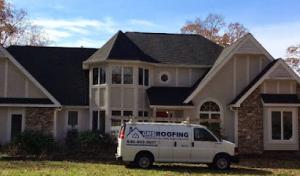
Front Royal sits at the valley edge with hillside lots and older in-town homes. Steep slopes and narrow driveways are common, which makes hauling materials, dumpsters, and crews more challenging. On hillsides or in tight lots, crews often need special equipment or more careful staging, which pushes labor time up. Homes with multiple roof planes, dormers, or chimney stacks add to the complexity and price. If a roof edge sits high on a slope or near a rocky shoulder, expect extra hours for safety setup, material handling, and waste containment. In plain terms: the steeper and tighter the site, the higher the potential labor and access costs.
Shenandoah Valley wind and hail events spike emergency work across the area. When a storm hits, you'll likely see a wave of roofers chasing the same urgent repairs, which can extend wait times and tighten scheduling windows. Price adjustments aren't unusual during this surge as crews prioritize weather-related emergencies. If you're dealing with a sudden leak after a storm, be prepared for shorter notice from contractors and for options that lean toward emergency tarping, rapid temporary fixes, and expedited material procurement. Planning ahead for a potential rush can reduce sticker shock when a firm is short-handed for a few days.
The cost impact of materials in this market isn't only about price per square. Local preferences-such as architectural shingles, metal accents, or heavier underlayment-drive delivery and handling costs because some products are bulkier or heavier to install. In older homes, additional decking or repair of porch overhangs and skylights may be needed, which adds both materials and labor. For valleys and ridge lines where wind loads are a concern, upgraded underlayment or specific fastener patterns can push costs upward but improve durability against the next storm. Weathering conditions and exposure near the Blue Ridge can also influence the choice between darker, heat-absorbing shingles versus lighter options that resist heat buildup on sun-exposed slopes.
If the project is a full replacement versus a patch and seal, expect a wide gap in cost drivers. A complete reroof will factor in wider waste removal, more nails and flashing, and longer labor hours, especially on multi-peak designs common to valley-edge homes. For rapid leak response, you may see higher unit costs on urgent nail-batting, tarps, and temporary coverings, aimed at protecting interiors until a full plan can be executed. In practice, you'll notice that the local mix of steep terrain, storm cycles, and housing stock makes cost a moving target, with prices drifting upward during busy storm seasons.
Get a clear picture of your project costs upfront - no commitment required.
Roofsimple
(540) 302-2885 www.roofsimple.com
100 E 8th St, Front Royal, Virginia
4.8 from 522 reviews

Roofsimple
(540) 302-2885 www.roofsimple.com
100 E 8th St, Front Royal, Virginia
4.8 from 522 reviews
Roofsimple provides roofing repair/replacement, gutter replacement, siding installation/replacement, and window replacement services in Northern Virginia and the Shenandoah Valley, including installation of asphalt, cedar, metal, and synthetic slate roofing. We pride ourselves on providing the highest quality, unmatched customer service and attention to detail. Start with a free assessment today and get the information you need to decide where you want to go from there.
NVB Contracting
(877) 731-0743 nvbcontracting.com
1204 Ewell St, Front Royal, Virginia
4.9 from 62 reviews
NVB Contracting in Front Royal, VA delivers reliable roof replacement services designed to protect homes from the heavy rainfall, seasonal storms, and winter freeze common in the Shenandoah Valley. We handle full roof tear-offs, installations, and inspections, helping homeowners address aging shingles, storm damage, and moisture-related issues typical in the area. As a local service-area business, we focus on clear communication, quality workmanship, and long-term durability. NVB Contracting is your trusted choice for professional, experienced roofers committed to doing the job right.
Skyline Roofing & Exteriors
(540) 631-7272 skylineroofsllc.com
33 Peyton St STE C, Front Royal, Virginia
4.4 from 7 reviews
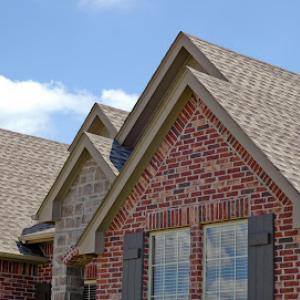
Skyline Roofing & Exteriors Provides Residential Roofing, Commercial Roofing, Windows and Siding Services to the Front Royal, VA area.
Gardyloo Roofing & Gc
Serving
5.0 from 16 reviews
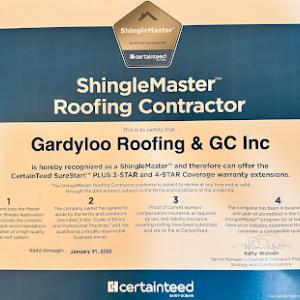
Are you looking for a reliable and trustworthy roofing company in Winchester? Then look no further since Gardyloo Roofing & Gc is here to help you. We are a residential roofing company offering high-quality services. We concentrate on installing metal and shingle roofing services for our clients. Whether you are constructing from scratch or you are upgrading the roofing system to a long-lasting material, we got you covered. When you opt to work with Gardyloo Roofing & Gc, you choose a style, quality, integrity, and many options to pick from. A roof is an important part of the house as it protects the house's structural integrity. So, make a wise decision and choose us.
Mantle Roofing
(540) 753-2088 www.mantleroofing.com
Serving
5.0 from 27 reviews
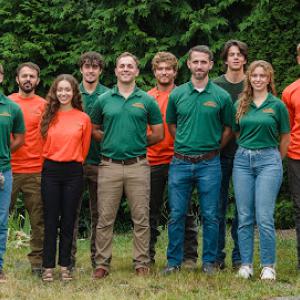
Mantle Roofing is a roofing company specializing in roof repairs and full roof replacements serving the Shenandoah Valley and Northern Virginia. We offer roof inspections and estimates completely free of charge. Our team will inspect your roof and provide you with a detailed report of any issues we find, along with recommendations for repairs or maintenance. Whether it's identifying leaks, replacing damaged shingles, or resolving other roofing problems, our team is equipped with the expertise and tools necessary to get the job done right.
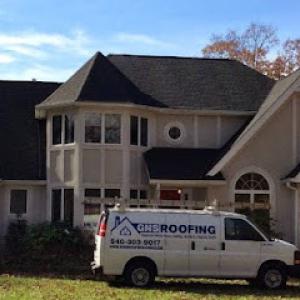
GNS Roofing Of Winchester
Serving
4.4 from 99 reviews
GNS Roofing Of Winchester is a trusted roofing, siding, and gutter contractor serving Winchester VA and surrounding areas. With over 30 years of experience, our locally owned and operated business offers a wide range of services including metal and shingle roofing, gutter installation and repair, chimney flashing, rubbber roofing and more. Our team is dedicated to providing high-quality workmanship and excellent customer service. Se habla español - bilingual services available. Trust GNS Roofing for all your exterior home improvement needs. Serving Northern Virginia, Shenandoah Valley and Eastern Panhandle of West Virginia. Licensed & Insured.
Ashburn Roofing
(703) 899-2967 ashburnroofingllc.com
Serving
5.0 from 184 reviews
"Experiencing issues with your roof? You can count on Ashburn Roofing, LLC to service all your residential and commercial needs! We pride ourselves on being the best roofers in the local area, in addition to our recognition we maintain an A+ BBB rating. With over 18+ years of experience, our honest and professional contractors have provided high-quality roofing repairs, replacements, and installations throughout The Tri-State. Thousands of roofs have successfully been restored, maintained, and upgraded on our watch!"
Gregory's
(540) 869-3500 www.gregoryexterior.com
Serving
4.4 from 64 reviews
Home Improvement Contractors That Have You Covered
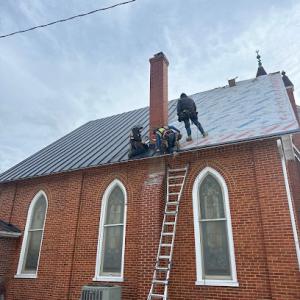
Black Stone Roofing
(540) 550-9703 www.blackstoneroofs.com
Serving
5.0 from 39 reviews
Black Stone Roofing, LLC provides residential and commercial roofing, solar panel, and gutter services to Winchester, VA, Hagerstown, MD, Martinsburg, WV, and the surrounding areas.
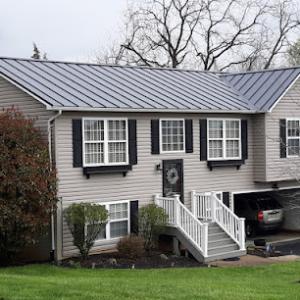
Modern Renovations Roofing of Winchester
(540) 532-9926 www.mymodernrenovations.com
Serving
4.9 from 161 reviews
Modern Renovations is the top roofing contractor in your local area. We mastered how to give our customers the best roof installation experience. We use cutting edge roofing products that will stand the test of time. We hold the title of Platinum installers for Owens Corning. We specialize in: Roofing -Shingles and Standing Seam Metal Gutter Installation Siding Installation Financing options are available. Call us today to get a free estimate.
Elite Roofing & Restoration
(540) 303-9356 roofwithelite.com
Serving
4.9 from 36 reviews
Elite Roofing & Restoration, LLC is your top roofing contractor serving the Winchester, Virginia and surrounding areas. We provide roof inspections, roof repairs, and roof replacements. From cracked tiles to missing shingles, we have you covered!
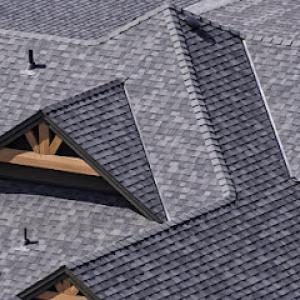
Alamo Roofing of Winchester
(571) 559-0003 www.alamo-roofing.com
Serving
4.9 from 175 reviews
Alamo Roofing provides roofing, gutters, and siding services in Frederick, Clarke, Fairfax, and Loudoun Counties, VA, the Eastern Panhandle of WV, and surrounding areas.
Front Royal's older in-town homes often bear the marks of multiple reroof cycles, which means deck condition, ventilation upgrades, and flashing replacement become more critical than simply picking a shingle color. When you pull back the lid on an established neighborhood roof, you're likely to find a deck that has degraded plywood or stressed fastening patterns. The consequence is that a fresh look on top can fail if those under-layers aren't solid, allowing wind-driven rain to exploit weak seams or corroded fasteners.
Chimneys are a meaningful local concern because contractor signals show chimney-related work recurs in this market. Masonry penetrations, flue collars, and flashing around brick and stone joints age differently from asphalt shingles, and settlement over the years can widen cracks. When a roofer talks about re-sealing or re-flashing, listen closely: it's not just about a neat cap but about preventing leaks that travel along mortar joints and into interior walls. Plan for sufficient flashing replacement where penetrations meet the roof deck.
Tree-shaded lots in older parts of the town can hide slow leaks and rot around valleys, sidewalls, and chimney intersections until a storm exposes the weakness. Soft spots beneath overlapping shingles or near valley intersections may not be obvious after a dry spell, yet freeze-thaw cycles and wind-driven rain will reveal deficiencies. Regular inspections after storms, especially in fall and spring, help catch trouble before water finds its way into attic framing or interior ceilings.
For an older home, a sound reroofing plan treats the entire system, not just the surface. Expect attention to deck replacement or repair, upgraded ventilation to balance attic heat and moisture, and comprehensive flashing around chimneys and masonry joints. If a contractor proposes only a cosmetic facelift, question whether the underlayment, decking integrity, and penetrating seals are truly addressed. Prioritize a durable, integrated approach that reduces the chance of hidden rot undermining the new shingles.