
Last updated: Apr 19, 2026
Shelton's maritime climate drapes roofs in damp for long stretches. Frequent rain and mild temperatures keep surface moisture steady, which means your shingles, underlayment, and flashings endure more sustained exposure than drier parts of the region. That damp environment isn't just uncomfortable-it's the prime setup for accelerated moss growth, slower drying times after a shower, and subtle rot nibbling away at the roof deck when moisture sits against edges and penetrations. If you've noticed pale green halos or darker, damp patches near eaves, you're not imagining it: the cycle is repeating itself in your gutters, valleys, and fascia far more often than you'd expect.
Spring humidity and persistent wet weather in the Shelton area promote moss growth on susceptible roof surfaces. Moss thrives where shade, moisture, and bare mineral fibers intersect-think shaded north faces, mature trees skimming the roofline, or older shingles with slight granule loss. When moss roots establish themselves, they lift shingles ever so slightly, trap more moisture, and create a micro-habitat for rot to creep inward from the roof edge. The immediate risk isn't only cosmetic; moss acts like a sponge, slowing evaporation and forcing moisture deeper into the roof system after storms. If you see dense green patches that refuse to die back after dry spells, that's a signal to act-not just to sweep away the surface, but to address underlying moisture persistence and surface conditioning.
Your roof needs a proactive moisture management plan that matches the local rhythm. Start with a clean, moss-tone assessment each spring-look for lifted shingles, soft spots, or dark, damp areas around vents and chimneys. Targeted moss removal should be done with care: gentle brushing and non-abrasive cleaners, avoiding pressure washing that can strip protective granules or lift shingles. Improve moisture control by ensuring proper drainage: clear gutters, calibrate downspouts to move water away from the fascia, and inspect flashings where water tends to seep in during heavy rains. Pay special attention to tree branches that overhang the roof; trimming them reduces both shade and moss growth chances. When moss is removed, reseal vulnerable edges with appropriate sealants or replacement where signs of rot appear.
Local replacement timing often shifts to late spring or early summer because wet conditions can disrupt tear-off, dry-in, and inspection scheduling. If your roof is at a tipping point-shingle curling, lifted edges, or persistent moss that returns after removal-the window for a clean, durable install narrows to dry, mild periods. Delaying a replacement past late spring can extend the exposure of bare decking to the wet season, increasing the odds of concealed rot and future maintenance headaches. Coordinating with a contractor to align tear-off, dry-in, and a thorough moisture survey in a dry spell will reduce risk and help ensure the roof's new layers dry evenly and seal properly.
Act now by performing a focused moss check after the most recent rainfall and before the next anticipated wet spell. If you detect moss clusters, plan for a careful removal and immediate decking inspection beneath the moss-look for soft spots, staining, or cupping shingles. Ensure your gutters are clear and downspouts are discharging away from the home, especially near transitions to the roofline. Consider scheduling a professional roof inspection in early summer to verify underlayment condition, flashings, and vent seals after winter's moisture load. A well-timed assessment and targeted maintenance now can avert widespread rot and expensive repairs later, preserving both the roof's integrity and your home's envelope.
In this area, homes sit under dense tree cover that drapes over roofs for long stretches after rain. The result is a roof that dries slowly, especially on northern and shaded exposures where sunlight struggle to reach. That damp microclimate invites moisture to linger in shingles, underlayment, and flashing, creating pockets where algae, moss, and rot can gain traction before the next series of storms. The cadence of rain here is you'll typically see a patchwork of dry and damp surfaces even during the same day, which means that a roof can stay wet longer than you'd expect. When you're evaluating repairs or replacements, give extra attention to the most shaded sections and any portions that never quite shed water into gutters or downspouts. Acknowledge that the delay in drying amplifies the risk of hidden moisture damage that isn't obvious from the ground.
Autumn leaf fall in the area is relentless enough to clog gutters, valleys, and roof-to-wall interfaces if debris isn't tended promptly. When leaves accumulate, they create an organic blanket that traps moisture against the roofing material and undermines the natural shedding of water. In Shelton, where frequent showers follow a quiet lull, that built-up debris doesn't just hover above the eaves; it becomes a reservoir that feeds mildew and fungal growth along the eave line and into fascia boards. The next rain cycle then forces water to back up, creating slow leaks at joints, under shingles, or into vent penetrations. The consequence isn't always a dramatic failure, but it is a steady creep of moisture that erodes seals, softens wood, and accelerates deterioration in decking and trim.
The combo of damp shade and organic debris is especially relevant around here because it accelerates moss buildup and hidden wood decay. Moss acts like a sponge, holding moisture against the roof surface and lifting shingles over time. This not only adds weight but can pry apart seals and allow wind-driven water to work its way under roofing materials. Hidden decay often starts at mossy zones and under leaf litter, where moisture is persistent and inspection is harder from the ground. The risk compounds when gutters are clogged, creating standing water at valleys and along low-slope sections. What appears as a superficial green growth can signal deeper concerns: rotten sheathing, compromised underlayment, or corroded fasteners that quietly lose their holding power.
A practical approach is to map shaded exposure on your roof and set a seasonal check cadence for those zones first. After leaf fall, clean gutters and valleys promptly to restore proper drainage; never delay a mid-winter rain cycle cleanup for fear of a busy weekend. If moss appears, address it early with a careful removal method that preserves the integrity of shingles and flashing. Keep an eye on fascia boards and any wood that looks soft or bleeds sap, as those are early indicators of moisture trouble that can spiral if left unchecked. In short, the damp, shaded rhythm of the area rewards proactive maintenance: timely debris removal, targeted moss control, and vigilant inspection of the most moisture-prone corners. When these steps become routine, the roof stands a better chance against the year-round moist air that defines this landscape.
The maritime climate with South Puget Sound rain and nearby forest cover keeps roofs damp much of the year. Moss and rot are not theoretical concerns; they're routine maintenance topics. The market leans toward moisture resistance and easy moisture management, with moss-prone conditions shaping every choice from fasteners to underlayment. In Mason County, heavier roof forms may require extra structural checks before replacement, so weight and support are practical filters as you plan any upgrade.
Asphalt shingles dominate the local landscape for good reasons: they handle continuous moisture well when installed with proper underlayment and ventilation. In Shelton's wet season, the key is to pair standard asphalt with a ridge and eave ventilation strategy that keeps attic humidity low and slows adhesive breakdown. Look for thicker, upgraded shingle lines that emphasize moisture resistance and better algae and moss resistance. A clean, continuous drip edge and properly sealed side laps help minimize water intrusion at edges and transitions. If moss is a frequent visitor, consider a maintenance plan that includes regular cleanings and selective granule replenishment to maintain the shingle's sun and moisture resistance over time. In short, asphalt can be a very reliable choice here when paired with proactive moss control and an effective moisture-management strategy.
Wood remains part of the local material mix, but Shelton's wet environment makes rot and moss maintenance a bigger concern than in drier Washington markets. Wood shingles and shakes offer a traditional look, but require diligent air circulation and moisture management to prevent rot. A quality underlayment and a continuous, unbroken roof deck become more important with wood, along with periodic treatment to deter moss and fungi. If choosing wood, select heartier species or factory-primed options that resist moisture uptake, and plan for timely maintenance-cleaning, moss removal, and resealing-as part of the routine. For homes with limited attic ventilation or shallow eaves, wood can amplify moisture-related issues, so verify existing ventilation and address hotspots before committing.
Concrete tile and slate bring extended durability and a premium look, but they are heavier and can trigger structural review considerations in Mason County before replacement proceeds. If a retrofit or replacement is contemplated, a thorough structural assessment is essential to ensure rafters, supports, and roof framing can bear the additional load. In moist environments, these heavier roofs offer excellent long-term moisture durability when properly installed and vented, but the initial assessment and possible reinforcement steps are non-negotiable. For Shelton homes, use a qualified contractor who can confirm load compliance and coordinate with existing ventilation to avoid moisture traps. If the structure checks out, these materials can deliver a moss-resistant, low-rot performance with proper installation and ongoing maintenance.
Typical local material ranges are about $350 to $650 per square for asphalt shingles, $650 to $1100 for metal, $800 to $1400 for concrete tile, $600 to $1100 for wood shingles or shakes, $1000 to $2000 for slate, and $450 to $750 for fiber cement shingles. In practice, most homes in this market land in the low to mid part of those ranges depending on roof complexity and warranty choices. When budgeting, keep in mind that access, underlayments, and fasteners can shift totals by a noticeable margin.
Shelton costs can rise when prolonged wet weather compresses the workable roofing season into late spring and early summer, increasing scheduling pressure. In a rain-prone maritime climate, crews may need to stagger deliveries, shorten work days, or bring in contingency crews to keep the project moving. Expect pushes on permitting-adjacent timing or crew availability to nudge material and labor estimates upward during peak wet periods. Planning ahead for a slightly broader replacement window can help blunt price spikes.
Concrete tile and slate can cost more locally not just for material but because Mason County may require plan review or structural checks for heavier roof systems. If a heavier option is on the table, structural compatibility becomes a bigger factor, with potential extra costs for reinforcement, truss assessment, or deck modifications. Even if plans don't require formal approval, the added weight can influence sheathings, fasteners, and underlayment choices, pushing the total toward the upper end of the cited ranges.
In damp climates, choosing moss-resistant underlayment and proper drainage details matters. While premium underlayments add upfront cost, they can reduce future replacement cycles caused by moss growth, rot, and moisture intrusion. When selecting materials, consider color and texture as they relate to moisture retention and surface cooling-both influence year-round performance in this market.
Asphalt shingles remain the most economical and commonly installed option, especially when a fast, straightforward replacement is desired. For homes with more complex rooflines or a preference for longer service life, metal or fiber cement shingles offer durable alternatives with different maintenance profiles. If weight is a concern or if the existing structure shows signs of moisture-related damage, weigh heavier options like concrete tile or slate against required structural work and long-term moisture management.
Martinez Roofing NW
(360) 789-6126 www.martinezroofingnw.com
121 E Chavez Ave, Shelton, Washington
4.9 from 62 reviews
Martinez Roofing NW is your trusted local roofing company serving Mason, Thurston, Lewis, and Grays Harbor counties. Our team specializes in roof replacement, repair, and new installations, along with expert skylight, siding, and window services. Family-owned and operated, we take pride in quality craftsmanship, honest communication, and lasting results that protect your home year-round. From small repairs to full exterior upgrades, Martinez Roofing NW delivers dependable service and durable solutions you can count on.
Ascend Roofing Company
(360) 868-2730 ascendroofing.com
1800 Olympic Hwy S, Shelton, Washington
4.8 from 173 reviews
Keeping a roof over your head shouldn't be a pain in the neck. Ascend Roofing offers affordable excellence in new roof installation, roof repair, sunlight installation and other roofing services in Shelton, Washington. A locally owned and family operated roofing company, we take pride in providing Thurston, Mason, and Grays Harbor counties with quality roofing and dependable service.
Capital Roofing & Construction
(360) 789-0351 capitalroofingandconstruction.com
1721 W Hurley Waldrip Rd, Shelton, Washington
4.9 from 29 reviews
We are a reliable, affordable, local roofing company able to get you incredible value on your new roof or roof repair. Our crew has combined decades of experience in roofing as well as a background in framing, so we can catch and repair issues some other companies may miss. We are also a small family-run company so you talk directly to us, Luis and Janelle, the owners, and we can accommodate a variety of special needs and requests. We offer home inspection response packages so you can get a new roof along with other smaller jobs like patching up some drywall, or repairing a piece of siding all at the same time with one company for a package deal. We do free estimates so what are you waiting for? Call us today!

The Roof Doctor
(360) 809-6469 www.theroofdoctor.com
1131 W Kamilche Ln, Shelton, Washington
4.5 from 69 reviews
Since 1959, The Roof Doctor has been Western Washington's trusted family-owned provider of comprehensive roofing and home improvement services. Specializing in new roofing, re-roofing, repairs, cleaning, and 24/7 emergency services, they ensure homes and businesses remain protected and visually appealing. Beyond roofing, The Roof Doctor offers solar panel installations and various home improvement services, including decks, siding, windows, and doors, enhancing both energy efficiency and property value. With over 60 years of experience, highly trained crews, and a commitment to unparalleled customer service, The Roof Doctor delivers prompt, reliable, and quality craftsmanship tailored to each client's needs.
Cogent Construction
(360) 427-3162 www.cogentconstructioninc.com
202 E Pine St, Shelton, Washington
4.7 from 16 reviews
Family Owned and Operated Residential and Commercial Roofing Company serving western Washington since 2003.
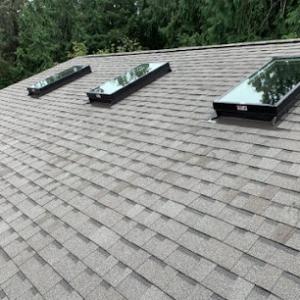
Black Diamond Roofing
(360) 866-2425 www.blackdiamondroofing.com
Serving
4.7 from 21 reviews
Black Diamond Roofing INC has been your trusted roofing contractor in Olympia since it was started by Don Morton in 1997. Specializing in top-notch roofing services near you, we pride ourselves on being the premier Olympia roofing contractors, providing unparalleled expertise in new roof installations, roof replacements, and roof repairs. Our dedicated team of experienced Olympia roofers ensures each project is completed to the highest standards. As a leading roofing company in Olympia, we commit to delivering exceptional service and quality workmanship. Choose Black Diamond Roofing INC for your next roofing project and experience the difference a professional contractor makes. Family-Owned and Operated Since 1997.
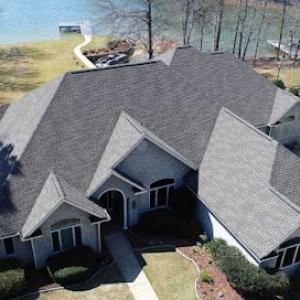
RROC Exteriors
(833) 438-7762 rrocexteriors.com
Serving
4.7 from 136 reviews
At RROC Exteriors, our story is rooted in over 25 years of experience, built on a foundation of craftsmanship, dedication, and a passion for enhancing homes throughout Washington. As an Olympia roofing contractor, we have earned the trust of homeowners for all their exterior improvement needs. Specializing in roofing, windows, siding, and decking, we prioritize customer satisfaction in every project we undertake. Whether you're considering a roofing upgrade, window replacement, siding installation, or decking transformation, choose us as your trusted Olympia roofing contractor. Our goal is to exceed your expectations with high-quality workmanship and unmatched service, ensuring your home improvement journey is both smooth and rewarding.
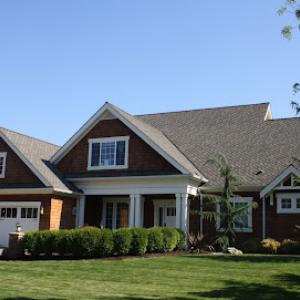
Town & Country Roofing
(360) 704-7663 www.townandcountryroofingwa.com
Serving
4.8 from 51 reviews
New Roofing & Roof Replacement. We consider the roof itself, the gutters, ventilation, flashing, chimneys-all the parts that make up your roofing system, and how the systems is integrated into all the other parts of the building. We consider both the big picture components and the smaller details equally important to a well-built home.
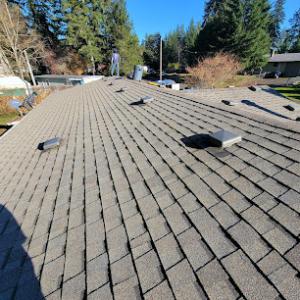
Fike's Roofing & Construction
(360) 490-0013 www.fikesroofing.com
Serving
4.3 from 34 reviews
Fike's Roofing-Trusted Roofing Experts in Mason County Wa Welcome to Fike's Roofing, your certified and reliable roofing contractor in Shelton, WA, With over a decade in business and over 45 years experience we provide top-tier award winning roofing services. Our specialties include roof repair, roof replacement, new roofs and emergency roofing services for both residential and commercial properties. We believe in the craftsmanship of hand nailing for a more durable roof. Our skilled team provides thorough roof inspections, maintenance, gutter and skylight installations, and more. We are experts in composition, metal, TPO membrane roof installations, and tile roof repairs.
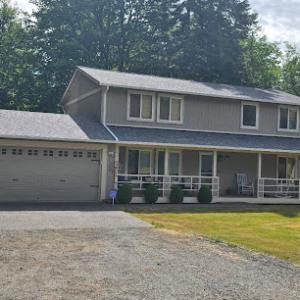
Rodriguez Pro Roofing
(360) 669-6196 www.rodriguezproroofingllc.com
Serving
5.0 from 5 reviews
Shingles Metal Leak Repair TPO Roof Cleaning Free Estimates!
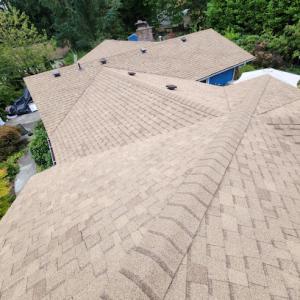
Weatherguard Roofing
(360) 956-9566 www.weatherguardwa.com
Serving
4.5 from 83 reviews
Weatherguard Roofing provides residential and commercial roofing, including re-roofing, new construction installation, maintenance, and roof repairs to the Olympia, WA area.
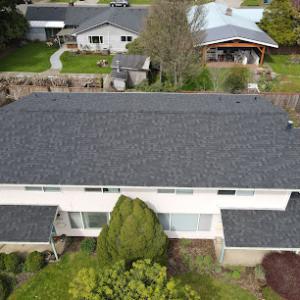
Peterson Northwest
(360) 705-3882 www.petersonnwroofing.com
Serving
4.7 from 14 reviews
Peterson Northwest, Inc. is a local roofing company. We are family owned and operated; our company has been serving Washington residents for over 28 years. We have knowledge of numerous roofing applications and have had the privilege of working with local customers in producing a product that we are proud of. We are specialized in a wide range of roofing needs including: -Re-roof -Composition -New Construction -Metal -Cleaning -Tile -Repairs -Low Slope -Shakes. Peterson Northwest, Inc. is licensed, bonded and insured. We provide a workmanship warranty. Peterson Northwest, Inc. works hard to live up to the high standards and service that our customers expect. No pressure sales, No up-charges and No BS.
A full roof replacement in Shelton typically requires a building permit through the Mason County Building Department. Before any shingle tear-off or new roof laydown begins, you or your contractor should file for the permit, share project details, and confirm the expected timeline. The county emphasizes ensuring the roof structure and drainage plan meet local code, particularly given the wet maritime climate that drives moss growth and long-term moisture management. Having the permit lined up early helps avoid delays caused by weather windows or inspection scheduling.
Mason County inspections commonly occur after underlayment installation and again at final completion for sign-off. The first inspection verifies that roof sheathing, underlayment, drip edge, and flashing are correctly installed and that ventilation strategies align with local moisture-control goals. The final inspection confirms that the finished roof, including penetrations, rain screens, and any venting, meets code and is properly weather-tight. Planning around these two checkpoints helps ensure you're not caught with rework or patching at the worst possible moment when rainy season pressure is high.
For heavier materials like concrete tile or slate, Mason County may require added review tied to structural capacity before approval. The assessment can involve evaluating truss and rafter spans, framing redundancy, and potential reinforcement needs. If those materials are in your plan, expect more documentation and potential engineering input as part of the permit review. Working with a contractor who understands local framing practices and has experience with Mason County audits can streamline this process.
Begin by contacting the Mason County Building Department to obtain the permit packet and confirm whether your project triggers any additional reviews. Have precise roof measurements, material selections, attic ventilation details, and moisture management strategy ready. If the project includes a reroof over moss-prone areas or near tall trees, document how underlayment, flashing, and drainage will address potential moisture retention and rot. Keep a record of all inspections and approved changes, and coordinate scheduling with your contractor to align with the county's inspection timeline and the region's typical wet-season conditions.
In Shelton, winter heavy rainfall and windstorms are the seasonal events most likely to affect roof condition and trigger insurance questions. The maritime climate pushes moisture into every seam, flashing, and roof intersection. When a storm rolls in from Puget Sound, shingles can lift, moss can surge, and gutters can clog, creating pathways for leaks that insurers will scrutinize. The rhythm of wet seasons means damage often hides under moss or underlayment rot, not visible from ground level. This is not about worst-case drama; it's about predictable wear that becomes a claim question after a heavy spell.
Washington insurers generally remain available, but after major wind or rain events homeowners in Shelton should expect requests for detailed photos, documentation, and sometimes independent adjuster review. Insurance teams will want before-and-after records, notes on existing issues, and a clear timeline of the storm's impact. If you can gather dated photos showing exterior condition, roof edge integrity, and attic signs of moisture, you'll speed the process and reduce back-and-forth. If an adjuster needs to see the roof in person, scheduling a timely visit helps prevent delays that linger into the wetter months.
Older roofs in this market may face greater scrutiny or higher deductibles after storm-related claims, making pre-loss condition records especially useful. Keep a simple, dated file of roof health: photos from each season, a written note of any suspected moss or soft spots, and records of previous repairs. After a storm, check attic ventilation and decking for signs of moisture intrusion, then document any changes. A clear, organized history helps insurers determine whether the roof failed due to recent events or preexisting wear, guiding how to approach repairs without surprises.
In Shelton, winter brings heavy rainfall and windstorms that can delay work and expose existing weak points. Plan for shorter work windows after storms pass, and expect leaks to surface where flashing or ridges show wear. Prioritize securing loose shingles and clearing debris from gutters between fronts so rain can drain rather than pond on the roof. If a wind event hits, inspect for lifted edge shingles and damaged soffits once the rain lets up. Delays aren't unusual; use the downtime to inventory moss-prone zones and mark any soft spots that may need closer attention when dry days return.
Spring often combines rain and humidity, making it a prime moss-growth period on roofs that already hold moisture. Focus on a proactive moss management plan: treat shady, damp slopes first, and re-check areas under eaves where splash-back keeps surfaces damp. After each rainfall, look for clogged gutters that can back up and force water toward the fascia. Scheduling minor repairs now prevents larger rot problems once the growing season accelerates. If you notice granule loss on asphalt shingles or curling edges, note these spots for a targeted maintenance visit when a dry spell arrives.
Summer's drier stretch is usually the best installation window in Shelton, while roof work must still account for overnight dew and potential heat-related material stress. Plan new or reseal projects for extended periods of dry weather, aiming to finish before fall moisture returns. Keep attic ventilation checked; a properly vented attic reduces surface moisture that feeds moss and rot on the roof plane. If nearby trees shed leaves, set up a quick weekly sweep to prevent gutter clogs that can trap water against the fascia during the first autumn rains.
Autumn debris and dampness increase gutter-related leak risk. As leaves accumulate, gutters and downspouts require more frequent cleaning, especially on roofs with overhanging branches. Inspect flashing where the roof meets walls, and target areas where dampness lingers after rain. Schedule a thorough moisture check before the heaviest rains arrive, focusing on the intersection of roof planes and any spots with moss that may have taken hold over the summer. Plan for a fall touch-up to seal edges and secure any vulnerable areas before winter storms return.