
Last updated: Apr 19, 2026
Fall through spring bring the bulk of rain here, and that pattern drives everything about a roof project. Replacement done in the drier summer window reduces the risk of wind-driven leaks and weather-tight failures. If tear-off and dry-in aren't weather-tight by the next front, your home sits open to trapped moisture, which can corrode decking, invite rot, and complicate insulation. When a crew has to chase weather, you end up with longer timelines and higher risk of a soggy setback. In practical terms: plan your dry-in in late June through August if possible, and build wiggle room for heat, not rain.
The south Puget Sound wet season isn't shy about showing up in your gutters. Heavy rains between October and March raise the stakes for any tear-off. If the old shingles come off and the roof isn't fully sealed before a lull in rain, moisture gets trapped under underlayment and in the attic bays. This is where mold, mildew, and wood rot take hold quietly, especially on homes with marginal ventilation. In Lacey, a rushed or weather-leaning schedule can push crews to cut corners on flashing, drip edges, or bonding adjustments. The result is a fragile seal that leaks during the first wet spell after you've moved back in. The simple takeaway: get a weather-tight seal before true winter moisture returns.
Prolonged spring rain and cool temperatures aren't friendly to a steady install. Cold mornings slow adhesive curing, shingle set, and nail buggies, while persistent drizzle forces personnel into careful sequencing rather than rapid progress. Expect shorter daily productivity and more pauses if you're chasing a spring project. That delay compounds in a region where every wet day counts toward overall project duration. If your crew anticipates a late spring start, protect exposed decking with tarping and ensure temporary coverings are secured; otherwise, you're inviting moisture into areas that should stay dry.
Secure a clear, weather-aware plan that aligns tear-off with a tight, protected dry-in window. Confirm the schedule reflects true dry conditions, and ask for a contingency buffer in case of unseasonable rain. Ensure the contractor prioritizes proper flashing detail, knee-brace maintenance, and ridge line ventilation during the dry-in to avoid backtracking later. Communicate a firm finish target for the dry season and insist on daily progress updates, especially if a sudden storm comes through. In this climate, the difference between a smooth, durable roof replacement and a leak-prone install often hinges on making weather-tight sequencing the non-negotiable priority from day one.
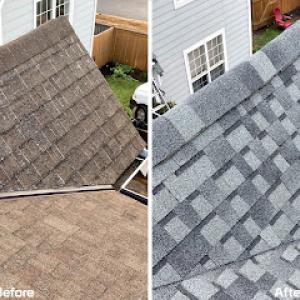
First Choice Roofing
(360) 970-8799 www.firstchoiceroofingnow.com
4460 Pacific Ave SE Ste D, Lacey, Washington
4.5 from 73 reviews
We Do: Residential re-roofs. Residential repairs. Skylights. Chimney repairs. Residential. Commercial. New construction.
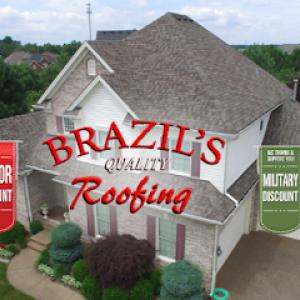
Brazil's Roofing
(360) 459-3366 brazilsroofing.com
5934 Yelm Hwy SE, Lacey, Washington
4.2 from 19 reviews
We are expert roofing contractors serving Thurston, Mason and Lewis Counties, who are licensed, bonded, and insured. We are re-roofing and new construction roofing specialists for residential homes and commercial buildings of any size. We are a family-owned business with over 40 years of experience, and a family member supervises every job. We use only the highest quality products and materials that come with manufacturer's warranties. We take extraordinary steps to maintain quality craftsmanship at affordable prices. Many other roofing companies do not use products made in the U.S. and do not hand nail shingles. We take great pride in our workmanship and it shows!
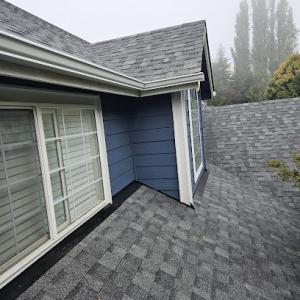
The Great Roofing & Gutters
(360) 402-9663 greatguttersllc.com
3805 College St SE UNIT, Lacey, Washington
5.0 from 5 reviews
Welcome to the world of roofing! At our team, we take excellence and dedication to the next level. As roofing professionals, we take pride in offering high-quality services that ensure the protection and durability of your home or business. Our team is comprised of highly trained experts with years of experience in the roofing industry. From minor repairs to complete roof installations, we are prepared to tackle any challenge with skill and precision.
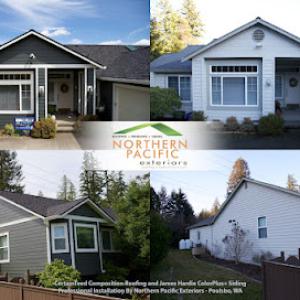
Northern Pacific Exteriors
(888) 851-1418 np-exteriors.com
1420 Marvin Rd NE Suite C-311, Lacey, Washington
4.5 from 8 reviews
Any home remodeling project that requires a contractor’s services is important. At Northern Pacific Exteriors, we strive to ensure you’ll never regret trusting us to help turn your house into your dream home. Our goal is to provide homeowners in the greater Tacoma, Washington area with first-rate products, master craftsman installation, and a five-star experience that will give you total peace of mind about your decision. We understand that it can be tough finding a contractor you can trust. Pushy salespeople, hidden fees, and other unwanted surprises can create a less-than-pleasant experience for any homeowner. That’s why, at Northern Pacific Exteriors, we do things the way we do: with no games, no pressure, just good business.

Charlie Roofing
(360) 485-9732 www.charlieroofing.com
Serving
4.8 from 45 reviews
A roofing company that offers services at a residential and commercial level through hard work, commitment, and professionalism. Our 18 years of experience as roofers and 4 years as a team guarantees each one of our jobs to be professionally done.
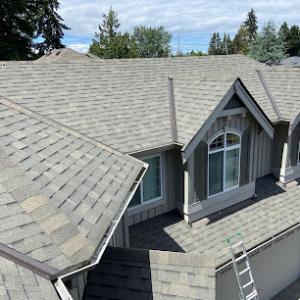
South Sound Roofing
(360) 771-7637 southsoundroofingllc.netlify.app
Serving
5.0 from 26 reviews
Established in 2020, South Sound Roofing is a local roofing company serving the South Sound region of Washington. We offer a wide range of roofing services, from roof repairs and replacements to new roof installations. Our team of experienced and certified roofers is committed to providing our customers with the highest quality workmanship and customer service.
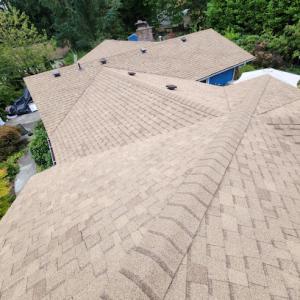
Weatherguard Roofing
(360) 956-9566 www.weatherguardwa.com
Serving
4.5 from 83 reviews
Weatherguard Roofing provides residential and commercial roofing, including re-roofing, new construction installation, maintenance, and roof repairs to the Olympia, WA area.
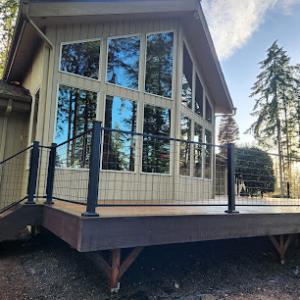
Allender Construction
(360) 660-0132 www.allenderconstructionwa.com
Serving
5.0 from 25 reviews
Allender Construction, a premium exterior remodeling company in Olympia, WA, is renowned for delivering exceptional workmanship and unparalleled customer service. As skilled roofing contractors, expert deck builders, fence specialists, and siding professionals, we bring a comprehensive range of services to transform your outdoor spaces. From sturdy roofs that withstand the elements to elegant decks perfect for entertaining, and durable fences that enhance privacy, to stunning siding that boosts curb appeal – we go the extra mile to ensure your needs are not just met, but exceeded.
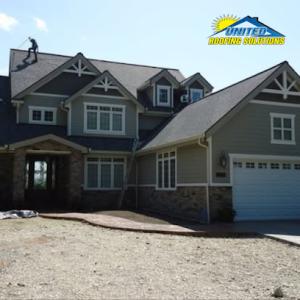
United Roofing Solutions
(360) 915-9116 www.unitedroofs.com
Serving
4.6 from 68 reviews
United Roofing Solutions is a top-rated roofing contractor in Olympia, WA, proudly serving Olympia, Lacey, Tumwater, and the greater South Sound region for over 15 years. We specialize in both residential and commercial roofing services, including roof repair, roof replacement, new roof installation, and roof inspections. Whether you're dealing with storm damage, planning a commercial flat roof project, or upgrading your home’s roofing, our experienced team delivers results you can count on—even when emergency roof repair services are needed. We also handle skylight installation and repair—including sun tunnels and Solatubes—plus expert gutter installation, gutter repair, and seasonal cleaning. Call today to schedule your free estimate!
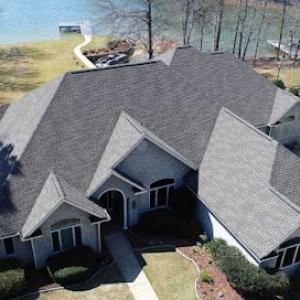
RROC Exteriors
(833) 438-7762 rrocexteriors.com
Serving
4.7 from 136 reviews
At RROC Exteriors, our story is rooted in over 25 years of experience, built on a foundation of craftsmanship, dedication, and a passion for enhancing homes throughout Washington. As an Olympia roofing contractor, we have earned the trust of homeowners for all their exterior improvement needs. Specializing in roofing, windows, siding, and decking, we prioritize customer satisfaction in every project we undertake. Whether you're considering a roofing upgrade, window replacement, siding installation, or decking transformation, choose us as your trusted Olympia roofing contractor. Our goal is to exceed your expectations with high-quality workmanship and unmatched service, ensuring your home improvement journey is both smooth and rewarding.
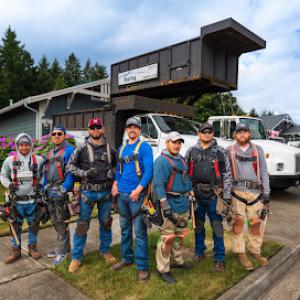
Lacey Roofing
(564) 203-3802 www.laceyroofing.com
Serving
4.2 from 44 reviews
Since 1977, Lacey Roofing has been a trusted, family-owned provider of comprehensive roofing services in Western Washington. Specializing in new roof installations, re-roofing, repairs, roof cleaning, gutter cleaning, and 24/7 emergency services, they ensure homes and businesses remain protected and visually appealing. With over 40 years of experience, Lacey Roofing is committed to delivering high-quality craftsmanship and exceptional customer service, treating each client as a neighbor and friend.
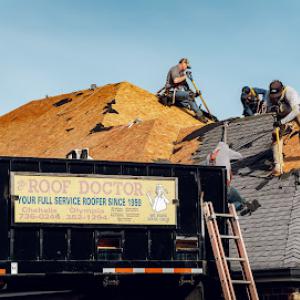
The Roof Doctor
(360) 634-8392 www.theroofdoctor.com
Serving
4.7 from 147 reviews
Since 1959, The Roof Doctor has been Western Washington's trusted family-owned provider of comprehensive roofing and home improvement services. Specializing in new roofing, re-roofing, repairs, cleaning, and 24/7 emergency services, they ensure homes and businesses remain protected and visually appealing. Beyond roofing, The Roof Doctor offers solar panel installations and various home improvement services, including decks, siding, windows, and doors, enhancing both energy efficiency and property value. With over 60 years of experience, highly trained crews, and a commitment to unparalleled customer service, The Roof Doctor delivers prompt, reliable, and quality craftsmanship tailored to each client's needs.
The winters in this region bring persistent wet spell after wet spell, with mild summers that rarely fully dry roof surfaces. Moss thrives on shaded, damp roofs, and in these conditions it can cling to shingles or tiles, lifting and dislodging fastenings over time. In fall and winter, persistent dampness isn't just an aesthetic issue-it can trap moisture against the underlayment and decking, accelerating rot and reducing the roof's ability to shed water properly. This is especially true on roofs with mature moss colonies or surfaces that hold a bit more shade, like those under large deciduous trees or next to tall fencing. If you've noticed dark, fuzzy patches or a film that never fully dries between rain events, you're already watching the early signs of wear that can shorten a roof's life and complicate surface preparation later if replacement is needed.
Leak complaints in the Puget Sound insurance market often point to weather-related water intrusion rather than dramatic hail events. In practice, that means small, chronic leaks that track along roof lines or penetrate through seams and flashed areas after multiple wet seasons. The problem compounds when moss remains on the surface through wet seasons, creating a perched layer that slows drainage and pools around penetrations. When the rain finally moderates in late spring or early summer, that standing moisture can compromise surface prep, patching, and fastener sealing, making a straightforward repair feel longer and more uncertain. In short, damp periods aren't just inconvenient-they're the scenario in which small problems become larger, more costly concerns.
A proactive approach in this climate minimizes the chance of moss turning into a warrant for replacement before it's truly necessary. Start with a thorough inspection after the wet season ends and before the height of summer, focusing on underlayment condition, flashing integrity, and any evidence of water intrusion near chimneys, vents, and dormers. If moss is present, address it before a replacement project begins; removing moss and treating the surface helps ensure a clean, sound deck for new materials. Pay attention to gutters and roof edge details; gutter blockage during wet seasons can redirect water under shingles and into eaves, exacerbating dampness.
To reduce ongoing risk, keep roof decks clear of heavy moss buildup that can lift shingles or tiles. Use a safe moss removal method that avoids pressure washing, which can damage granules or tiles. Schedule any major surface work for the drier stretch of summer when possible, ensuring that the underlying roof deck is dry and in good condition before new material is installed. If a replacement is anticipated, plan for a dry, uninterrupted window-acknowledging that even in summer, enough overcast days with persistent drips can still complicate sequencing. In any case, address lingering dampness quickly, because a quiet, damp roof often hides the most troublesome failures until they leak inside. This is especially true where moss has persisted across multiple seasons, quietly undermining the roof's defense against the Puget Sound weather.
Find local contractors experienced in assessing and restoring roofs after hail, wind, and severe weather events.

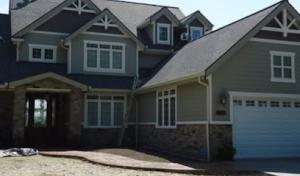
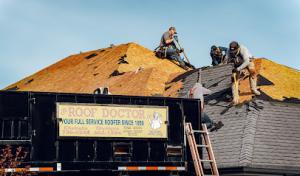
In Lacey, the bulk of reroofs lean on asphalt shingles and metal roofing, and for good reason. Asphalt shingles offer durable performance across our long wet seasons, plus straightforward replacement and a wide selection of profiles to match existing siding and gutters. When you're comparing options, look for those with good moisture resistance and algae resistance, since the Puget Sound climate encourages moss and mildew. Metal roofing, on the other hand, handles heavy rain and moss well, often lasting longer in areas with persistent moisture. If your home has a simple roofline or a straightforward slope, metal can be a clean, low-maintenance upgrade, while asphalt keeps initial costs approachable and repair work simpler for typical Lacey settings. The decision often comes down to your roof's pitch, the surrounding trees, and how much long-term durability you want from the system. In practice, many homeowners in this area pair a metal or asphalt underlayment with algae-resistant shingles to balance performance and curb appeal.
Clay tile and slate appear in pockets of the local housing stock, but they demand careful structural checks. Clay tile is attractive and durable in hot climates, yet here it needs solid decking, appropriate framing, and potential bracing to withstand the weight and wind loads common to our region. Slate offers a similar story: exceptional longevity, but substantial weight and a higher likelihood of requiring reinforcement if the existing structure isn't built to handle it. If a home with a clay tile or slate roof is due for replacement, expect extra lead-time for structural assessment and possible reinforcement, and be prepared for added review if the design is unusual or if the roof geometry is complex. For homeowners who prioritize longevity and a distinctive aesthetic, these options can be worthwhile, but they should be paired with a plan for moisture management under the tiles and a careful evaluation of attic ventilation to prevent heat buildup and condensation in wet seasons.
EPDM rubber roofing is relevant in flat or low-slope sections, where water shedding is inherently slower. In Lacey, these areas demand meticulous moisture management during the long wet season. EPDM performs well on true flat crews, but even these roofs benefit from a dedicated, well-sealed edge detailing and a robust drip edge to prevent water creep at the corners. If the home's main roof has pockets that slope minimally, a carefully designed EPDM section can complement a steeper, higher-contrast roof. The key is ensuring a continuous, clean transition between materials to avoid standing water or moss buildup along seams. Regular inspection after heavy rains helps catch subtle issues before they escalate, especially where tree canopy and shade promote moss growth along low-slope zones. A practical approach is to limit the number of transitions, favoring a single compatible system in flatter areas, and scheduling a post-wet-season inspection to confirm that moisture management remains effective.
A full roof replacement in Lacey typically requires a permit through the Thurston County Building Division. Before any tearing starts, verify that the permit is pulled in the county office, and have the project address and scope ready for review. This helps prevent delays that can push your project into less favorable weather windows.
Roof inspections in this jurisdiction commonly occur at the underlayment stage and again at final installation. Plan on a site visit after the underlayment is laid but before shingles or other finishes go on, so any moisture or seam issues can be addressed without ripping off finished work. The final inspection confirms that the roof system is watertight and that ventilation and flashing meet code expectations. Schedule these inspections with your installer and the county early in the project timeline to avoid backlogs.
The county may require plan review for unusual roof structures, such as complex rooflines, multiple dormers, or nonstandard overhangs. If your home has any non-typical geometry, budget extra time for review and be prepared to provide reroofing details, flashing transitions, and load calculations. Plan review decisions can influence sequencing, especially when weather-tightness is a priority during the wet season.
Inspection windows can affect scheduling during busy seasons. In wet months, fences, scaffolding, and material deliveries must align with county inspection availability. Coordinate with your contractor to set provisional inspection dates and to arrange temporary weather protection if a weather delay occurs. If a planned mid-project inspection cannot occur due to a backlog, the county will typically guide the next available window to keep the project compliant and weather-secure.
In this area, home roofs come in a few familiar flavors, and the price options stay tightly linked to the material you choose. Asphalt shingles commonly run about 350 to 700 USD per square. Metal roofing typically sits from 600 to 1100 USD per square. Clay tile usually ranges from 900 to 1800 USD per square, while synthetic or composite shingles sit around 550 to 1000 USD per square. If slate is your pick, expect 1100 to 2300 USD per square. For low-slope or flat sections, EPDM rubber roofing translates to roughly 5 to 8 USD per square foot. These ranges provide a practical yardstick when you're weighing long-term durability, maintenance needs, and roof geometry that can tilt the price one way or another. In Lacey, these numbers serve as a baseline for planning and comparison against actual bids you receive.
Wet-season moisture and persistent moss pressure shape the calendar more than you might expect. When summer finally opens up the installation window, demand can surge as many homeowners try to wrap projects before the fall and winter. That shift can push crews to book tighter, which often nudges up labor components and scheduling pressure. If your project compresses a typical sequence or runs into back-to-back jobs, you may see a modest lift in overall costs beyond the material price alone. Budget with a cushion for a smoother sequencing, especially if a mid-week or partial week start is needed to avoid rain delays.
Local pricing should be evaluated against these common ranges: asphalt shingles at 350 to 700 USD per square, metal at 600 to 1100, clay tile at 900 to 1800, synthetic/composite at 550 to 1000, slate at 1100 to 2300, and EPDM at 5 to 8 USD per square foot. In Lacey, costs can rise when summer demand compresses installation calendars because many homeowners avoid fall-through-spring replacement windows. Additionally, permit processing, inspection scheduling, and any county plan review for unusual roof geometry can add time-related cost pressure beyond material pricing. When you're evaluating bids, ask for a clear breakdown: material, labor, staging, and any anticipated delays. That clarity helps determine whether a higher upfront price saves money through a faster, weather-tight result.
Don't let upfront costs delay a critical repair - these contractors offer payment plans to fit your budget.
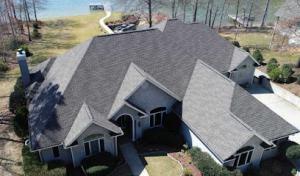

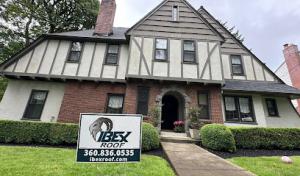
In the Puget Sound market, roof claims are more commonly tied to wind-driven damage and leaks than to major hail patterns. That means a storm that rips through Thurston County can create lingering drips long after the last gust fades, especially on older roofs or those shaded by tall trees. Expect insurers to scrutinize whether any visible wear or moss-related issues existed before the wind event, since preexisting conditions can influence coverage decisions.
Insurers may ask Lacey-area homeowners for documentation of roof condition when a claim is filed, especially where age and maintenance are in question. Take clear, dated photos from multiple angles after a storm, and keep a simple note of any signs of moisture intrusion, moss growth, or curled shingles. If you've had recent maintenance, repairs, or previous leaks, assemble receipts and service logs. A written, third-party roof assessment can help distinguish sudden storm damage from long-term deterioration, which matters once the claim moves from the initial report to settlement discussions.
Adjuster inspections and depreciation deductions can affect settlement timing when a roof replacement is requested after damage. An adjuster may base their assessment on the roof's age and expected remaining life, which can shift the perceived value of a replacement rather than a patch. If there is moss buildup or other preexisting conditions noted, expect questions about maintenance history and prior leaks. Having an objective, documented evaluation ready can streamline the process, but be prepared for a careful review that weighs what happened in the storm against what had been happening on the roof prior to that event.
Connect with contractors who help homeowners navigate the claims process from damage assessment to final approval.
First Choice Roofing
(360) 970-8799 www.firstchoiceroofingnow.com
4460 Pacific Ave SE Ste D, Lacey, Washington
4.5 from 73 reviews
Skylight work is a meaningful specialty in the local contractor market, and that matters when long wet seasons push flashing weaknesses to the front. In homes with multiple penetrations, a skilled roofer treats each skylight as a potential leak source and coordinates its installation with the rest of the roof so that water control remains continuous. A well-installed skylight system in this climate looks beyond the opening to how surrounding shingles, gutters, and drip edges align over time.
In a replacement sequence, the order around skylights and other penetrations matters a lot. Persistent rain from fall through spring makes proper sequencing around roof penetrations especially important during replacement. The goal is to keep the deck dry while work advances, so crews typically stage tear-off, underlayment, and flashing in a way that minimizes open areas during wet periods. If a roof is near a storm window, plan for temporary protective measures, such as fastened underlayment seams and timely resealing to prevent water tracking.
Flashing around skylights should be treated as the primary defense against leaks, not an afterthought. In this climate, thin, mismatched flashing fails quickly under persistent rain, especially where it meets underlayment. A thorough job uses continuous flashing with properly shaped step and counter-flashing, integrated with the skylight curb. The underlayment stage should seal the entire field, including the skylight opening, before interior spaces are closed. Pay attention to slope, sealant compatibility, and fastener spacing to avoid slow drips that travel along rafters.
Underlayment-stage inspections in Thurston County make penetration detailing part of the broader weather-tightness process before final approval. Each skylight must be verified for water diversion at the curb, proper sealant placement, and alignment with the roof deck plane. If a skylight is being recessed or replaced, ensure the surrounding shingles are trimmed cleanly and re-laid to maintain continuous water shedding. A careful check at this stage saves trouble once spring rains resume.
Find contractors experienced in skylight installation, flashing, and leak repairs to bring natural light into your home.
First Choice Roofing
(360) 970-8799 www.firstchoiceroofingnow.com
4460 Pacific Ave SE Ste D, Lacey, Washington
4.5 from 73 reviews

Brazil's Roofing
(360) 459-3366 brazilsroofing.com
5934 Yelm Hwy SE, Lacey, Washington
4.2 from 19 reviews
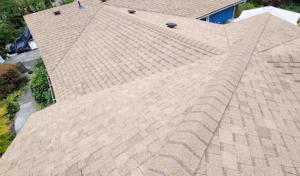
Re-roofing is the dominant service pattern in this contractor market, so you want a team that does this work consistently and well. Look for crews with a long track record of completed projects and a reputation for reliable jobsite finish, not just wall-to-wall advertising. In a climate with long Puget Sound wet seasons, the ability to maintain a clean, weather-resistant laydown and to protect interior spaces matters as much as shingles installed. A strong local signal is cleanup: ask for examples of how debris containment was handled, how tarps were used, and how the yard was restored after tear-off. You should see a crew that prioritizes moss prevention details on the ridge, valleys, and eaves, since damp air and moss pressure are daily concerns here. Quick response time is another standout feature; you want a team that returns calls promptly and can adapt to weather-driven delays without leaving you guessing.
Beware crews with high turnover, limited teardown experience, or vague timelines. If the contractor cannot name at least a few long-tenured crews, question stability and continued supervision. Poor cleanup history, torn tarps left behind, or evidence of tracked debris into landscaping are major signals. In a market where homeowners value leak urgency, a pattern of missed follow-ups or delayed warranty support can be a red flag. Confirm that the crew has a defined point of contact for weather-related scheduling changes and a plan for protecting finished interiors during heavy rains.
Prioritize companies with established histories in the area and documented readiness to address post-installation concerns quickly. Ask how they communicate changes to the schedule during wet seasons and what steps they take to ensure the roof remains watertight as layers go down. A crew that demonstrates proactive site management, consistent cleanup, and clear accountability tends to deliver fewer surprises when the first storm hits.