Last updated: Apr 19, 2026
In De Pere, winter ice damming and heavy snow loads are a primary roof stressor, especially when attic heat loss and ventilation problems allow repeated freeze-thaw cycles along eaves. That means small seasonal problems can become large, threatening interior ceilings, insulation, and structural framing. When winds howl and hail rattles shingles, the risk shifts from cosmetic damage to interior leaks and accelerated deck and fascia deterioration. The moment you notice icicles forming on the eaves, hidden heat loss, or damp attic air, act fast. Delays invite ice dams to back up under shingles, meltwater to saturate attic insulation, and moisture to migrate into ceilings and walls. This is not a problem that improves with time; snow and sun cycles can compound it quickly.
Wisconsin hail and wind events are common enough that roof claims and post-storm inspections are a routine part of the local roofing market. If a storm stamps your area with hail, wind, or flying debris, plan for a thorough inspection as soon as conditions allow. Hail damage can hide on the far, unshaded slope of a roof or beneath granule loss that appears minor from the ground but undermines decades of water shedding. Wind can lift shingles, expose underlayment, and loosen flashing around chimneys, vents, and skylights. In practical terms, you should arrange a wind and hail-focused assessment after each major storm, even if the roof looks intact from the ground. Quick, professional documentation helps with insurance decisions and prevents small issues from turning into expensive repairs. If your attic shows unusual warmth or you see frost patterns on the underside of decking after a cold snap, that is a red flag for ventilation problems contributing to ice damming and moisture buildup.
Spring thaw in the De Pere area often exposes leaks that were temporarily trapped in snow and ice during winter, which is why many homeowners discover roof problems as temperatures rise. As snow recedes and meltwater flows, previously sealed gaps suddenly become active leaks. Look for staining on ceiling corners, paint peeling near exterior walls, or new damp spots along interior walls near the attic access. Attic venting plays a pivotal role; insufficient intake or exhaust ventilation invites warm attic air to melt ice dams from above while cold air below stiffens ice at the eaves. Blocked soffits, clogged louvers, or inadequate ridge venting can amplify this cycle. If you notice condensation on attic surfaces, frost on sheathing, or tan-colored mineral streaks on insulation, treat it as urgent and prioritize a ventilation retrofit aligned with correct airflow.
Document every storm event with clear photos of shingles, flashing, and gutter conditions, plus any interior signs of moisture. Schedule a same-season roof inspection after hail, high winds, or dramatic temperature swings to assess damage, drainage paths, and potential ice dam sources. Prioritize addressing attic heat loss and ventilation first, because correcting those drivers reduces recurring damming and interior leaks. When choosing a roofing contractor, seek one with proven storm-damage experience, strong warranty practices, and transparent inspection reports that align with insurance expectations. If a leak is active, the priority is temporary containment and rapid repair to prevent further interior damage while a longer-term plan is developed. Ice dam and storm-season readiness should be part of a broader, proactive maintenance mindset for homes facing De Pere's unique climate patterns.
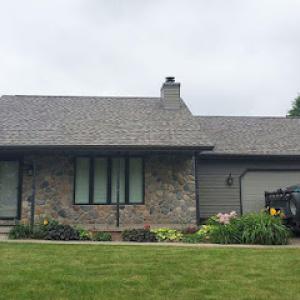
Prestige Roofing
(920) 791-0414 www.prestigeroofingllc.com
1492 S Overland Rd, De Pere, Wisconsin
5.0 from 275 reviews
Prestige Roofing is a locally veteran-owned business providing quick and reliable roofing services, repairs, re-roofs, and roofing emergency services in De Pere, WI.
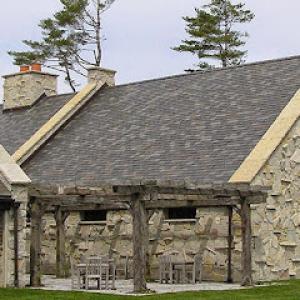
Van De Hey Refined Roofing
3484 Miners Way, De Pere, Wisconsin
4.9 from 8 reviews
Van De Hey Refined Roofing is a family owned and operated custom roofing company in Wisconsin. Our intent is to give our customers the highest level of service. We constantly consider the needs of our existing and prospective client’s needs while providing ideal solutions for your roofing requirements. Each job, whether it is new construction or restoration, is tailored to your individual roofing needs. We will use our extensive roofing knowledge to help you select the best roofing application for your property.
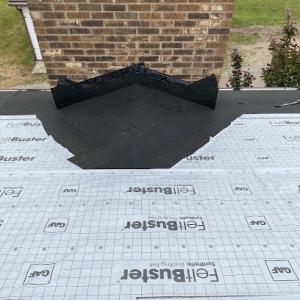
Owl Peak Roofing
(920) 961-4465 owlpeakroofingwi.com
De Pere, Wisconsin
5.0 from 3 reviews
Owl Peak Roofing is a licensed and insured Wisconsin roofing contractor (License #3789-DCFR), serving Appleton, WI and surrounding Fox Valley communities. We specialize in residential roof replacement, roof repairs, storm damage inspections, and leak repairs for asphalt shingle roofing systems as well as metal roofs. Our process focuses on thorough roof inspections, clear communication, and quality workmanship-so homeowners can make informed decisions with confidence. Whether you need emergency roof repairs, missing shingle replacement, or a full roofing replacement, Owl Peak Roofing delivers reliable service backed by experience. Homeowners deserve honesty, clarity, and craftsmanship-not pressure, shortcuts, or confusion.
Wisconsin Home Remodeling
(920) 393-0126 www.facebook.com
De Pere, Wisconsin
3.7 from 6 reviews
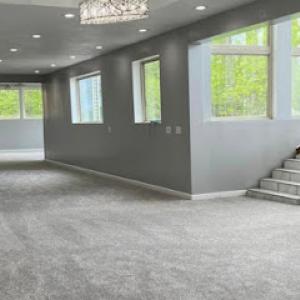
At WHR we are a family own business. We provide residential and commercial roofing and renovations. Our priority is to provide our clients with outstanding service and quality. With over 10 years of experience in the roofing industry, we are confident we can handle all of your needs! Whether you want professional roofing or renovate your kitchen, Contact US! We are here to help you.
MHR Roofing & Improvements
2638 Williams Grant Dr, De Pere, Wisconsin
5.0 from 1 review
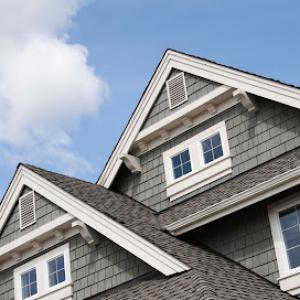
We are fully licensed and insured to inspect, repair, replace, and install asphalt roofs and siding on residential homes and commercial buildings. MHR also specializes in interior and exterior home updates. We service areas surrounding: Green Bay, De Pere, Denmark, Kewaunee, Luxemburg, Freedom, Wrightstown, Howard, and Hobart.
Fantastic Services
(920) 265-6546 fantasticservicesllc.com
Serving
4.5 from 27 reviews
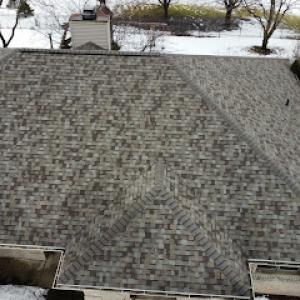
Fantastic Services provides reliable roofing services in Green Bay, WI and the surrounding areas. Don't hesitate to contact us now!
Armor Shield Metal Roofing
(920) 367-3107 www.armorshieldmetalroofing.com
Serving
4.8 from 58 reviews
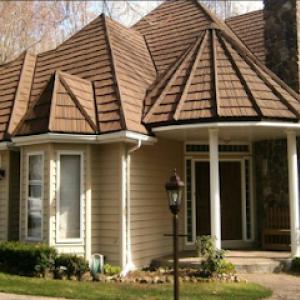
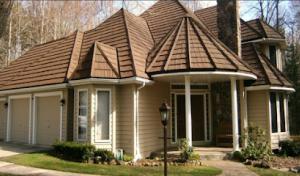
Specializing in Life Time Stone Coated Metal Roofing
Exterior Solutions LLC - Roofing Service & Contractor
(920) 321-4017 exteriorsolutionsllc.com
Serving
4.6 from 34 reviews
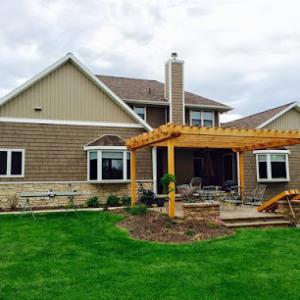
Exterior Solutions offers roof installation and repair. We also can help you with reliable windows, doors, and siding services. Feel free to call for an estimate on any of those exterior projects you may have been putting off.
All Star Roofing
(920) 928-9004 www.allstarroofingwi.com
Serving
4.9 from 132 reviews
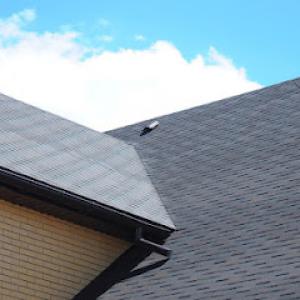
All Star Roofing provides complete roof replacement and roof repairs to the Green Bay, WI area.
Security-Luebke Roofing
(920) 766-3464 securityluebkeroofing.com
Serving
4.9 from 149 reviews
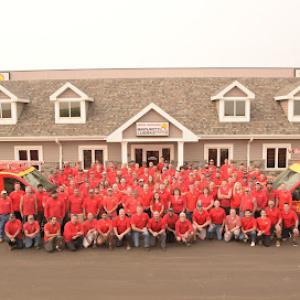
Learn about our over 90-year history of the best craftsmanship and safety. Homeowners, businesses and organizations from Green Bay, Appleton, Manitowoc, Oshkosh and the surrounding areas can expect us to provide unmatched roofing excellence. With outstanding quality and 90+ years of experience, we are able to provide you with only the best in new roofs, roof repair, gutters, gutter guards, siding and blown in insulation.
Culbertson Construction
(920) 362-4204 www.roofingandsidinggb.com
Serving
4.6 from 47 reviews
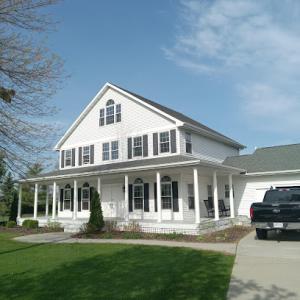
Established in 1999, Culbertson Construction has been serving Northeast Wisconsin communities for over two decades. Their expertise spans all aspects of a home's exterior envelope, including roof installation and repair, siding replacement, and window upgrades.
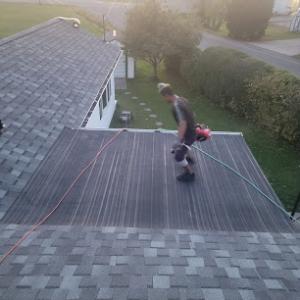
Vigil Construction
(920) 883-8996 vigil-construction.com
Serving
5.0 from 7 reviews
We do roofing & siding. We do any job big or small. Have great references! Available 24/7 for emergency services.
Late spring through fall is the most practical replacement window in De Pere because winter conditions and spring precipitation can interfere with tear-off, drying, and scheduling. By waiting until the soil thaws and the crew can move around the yard without tracking mud into the house, you reduce the chance of weather-related delays. In this climate, the roof lives with freeze-thaw cycles, so choosing a solid stretch of dry, moderate days makes faster, steadier progress possible. This is not the time to chase a deal during peak storms; it's the time to lock in predictable weather and consistent crews. Homes on older neighborhoods and newer subdivisions alike benefit from a clear, dry window where ventilation, attic access, and decking inspection can proceed without repeated interruptions.
Spring rain in this part of the region can affect exposed decking and underlayment conditions, so contractors often need tighter weather windows than in drier regions. For a typical De Pere project, a few scattered warm days aren't enough; the schedule needs a string of dry days in a row to complete tear-off, lay down underlayment, and install the roofing system without rework. That means you may see gaps between inspection and actual installation status, especially if a late spring storm pushes work back by a week or two. Having a contingency plan for interior protection and temporary ventilation adjustments helps keep the project moving when showers interrupt progress. Early in the season, crews also double-check moisture levels and any potential decking issues revealed by winter, so expecting some preliminary assessments to extend the timeline is realistic.
Early snowfall and fall windstorms in the De Pere area can abruptly shorten the installation season and push projects into a backlog. When winter comes early, or a strong storm claims several days of work, crews shift to prioritizing higher-risk or damaged roofs first, which can push your start date back even if conditions look favorable. If a project begins in late summer, there's a practical risk that a sudden cold snap or early snowfall will compress the remaining days available for finishing underlayment and shingle installation. Homeowners should monitor forecasts and set target dates with the contractor that include flexibility for a few weather-related disruptions. Clear communication about expected completion milestones, rather than absolute dates, helps manage expectations during those tight windows.
To align with De Pere's climate realities, coordinate with the contractor to secure a window that maximizes dry consecutive days. Before the first day on the roof, confirm that attic ventilation and soffit intake are ready to function, preventing heat buildup and moisture retention that can complicate installation. Prepare the perimeter of the house by trimming vegetation away from eaves and ensuring easy access for staging materials. Have a plan for tarp protection over any sensitive areas and for safeguarding landscaping, vehicles, and outdoor furniture during the tear-off phase. If the forecast shows potential back-to-back storms, discuss with the contractor whether a temporary weatherization approach is appropriate to protect newly installed decking and underlayment while waiting for a drier stretch. In De Pere, this practical, weather-aware approach helps ensure a smoother, safer replacement that minimizes delays and protects the investment.
Asphalt shingles remain the dominant practical choice for De Pere homes because they balance cost with performance in a market that sees repeated wind, hail, and freeze-thaw exposure. In this climate, a well-sealed asphalt roof with modern dimensional shingles provides reliable protection against ice damming and blowing debris. Look for durable fiberglass or polymer-modified varieties and a sturdy underlayment system. Pay attention to nail patterns and attic ventilation, as proper installation matters more here than elsewhere for long-term performance.
Tile, slate, fiber cement, and synthetic/composite roofs exist in this market, but their added weight, brittleness in freeze-thaw conditions, and repair complexity make installation details especially important in Wisconsin winters. Clay and concrete tiles require structural assessment and possibly reinforcement for snow loads, while slate and fiber cement can offer long life but may crack under sharp freeze-thaw cycles if not installed with the right substrate and fasteners. Synthetic or composite shingles can deliver hail resistance and a lighter footprint than traditional tiles, yet installation still needs precise alignment and ventilation to prevent moisture entrapment. If choosing these materials, ensure a contractor provides a detailed snow-load calculation, approved fasteners for Wisconsin winters, and a clear plan for ice dam mitigation at the eaves and valleys.
Material choice in De Pere should be evaluated against snow shedding, ice dam behavior, and the ability to repair storm damage without waiting on specialty materials. Asphalt remains favorable for its forgiving repair path and widespread availability of compatible components. For heavier or more brittle options, confirm that the roof pitch and overhangs are designed to shed snow effectively and that the roof edge has robust ice barrier deployment. In any scenario, a well-designed ventilation strategy and a dedicated ice-dam protection plan help minimize moisture intrusion during thaw cycles and rapid temperature swings.
In this region, the roof's ability to tolerate repeated freeze-thaw cycles influences long-term performance more than in milder climates. Materials that resist micro-cracking and maintain flexibility through cold snaps tend to perform better over decades. For alternatives to asphalt, ask about maintenance requirements tied to weather exposure, such as resealing or re-fastening after severe wind events. The selection should align with the home's existing structure, attic insulation, and the ability to access and repair storm damage without complex material supply chains.
Regardless of material, installation quality drives resilience in this market. Ensure the contractor emphasizes proper nailing patterns, secure flashing at valleys and chimneys, and continuous underlayment. Ventilation must be adequate to prevent condensation and ice dam formation from warm attic air meeting a cold roof surface. When storm events occur, you want a system that allows for timely inspection and phased repairs that minimize the risk of lingering leaks or secondary damage. The choice should balance straightforward, predictable maintenance with the capacity to handle the region's typical weather challenges.
You'll see De Pere pricing for asphalt shingles fall roughly in the 350 to 650 per square range, a familiar baseline for most older homes and newer suburbs alike. Clay tile and concrete tile sit higher, typically 900 to 1500 per square for clay and 800 to 1400 per square for concrete. Synthetic or composite shingles run between 550 and 850 per square, while slate is in the 1100 to 1900 per square tier. Fiber cement shingles come in around 550 to 800 per square. These ranges reflect common shingle profiles found on De Pere houses, from traditional ranches to two-story colonials.
Costs in De Pere can rise after hail and wind events when regional demand surges and homeowners compete for scheduling during the limited late spring through fall installation window. When storms cluster, crews and material suppliers tighten up, and bidding can become more competitive or even limited. If your project lands in the middle of a busy stretch, you may see quotes lean toward the higher end of the ranges due to emergency scheduling, expedited debris removal, or additional inspections.
Steeper rooflines are common on newer suburbs with dramatic pitches or on finished attic layouts, and these mass ups the labor time and safety requirements. Snow-related tear-off complications also factor in during cold spells, often extending the project timeline and adding labor costs. During inspections, repairs to flashing or ventilation discovered along the way can shift a job toward the upper end of the spectrum. Each of these elements is routine in the De Pere climate, where winter icing and spring thaw moisture test roof assemblies year-round.
If a storm has recently hit, anticipate a short-term price bump and a longer wait for scheduling, especially for higher-end materials like slate or tile. For practical budgeting, pair a mid-range material choice with a realistic window for inspections, permitting (handled separately), and installation. If choosing asphalt shingles, expect the most predictable path in terms of timing and price, but remember hail-damaged regional supply can still influence availability and crew lead times.
Fiber cement and synthetic/composite shingles offer a balance of cost and durability that suits the De Pere climate, where ice damming and moisture come into play. For homes with exposure to severe wind or hail exposure, higher-end options like slate or concrete tile deliver longer lifespans but require careful budgeting for higher labor costs and potential substrate repairs. Align the final choice with your roof's slope, attic ventilation, and the anticipated storm cycle to maximize value over the life of the roof.
Don't let upfront costs delay a critical repair - these contractors offer payment plans to fit your budget.
A permit is typically required for a full roof replacement. Skipping this step can lead to pull-backs, denial of the final inspection, and trouble when you go to sell. The permit process is not Broadway, but it is practical: it ensures that flashing, ventilation, and structural changes meet current code and local weather realities. In the Fox River valley, where ice damming and strong spring winds test every roof, having an up-to-date permit becomes a protective measure rather than a nuisance. If you're unsure whether your project qualifies as a full replacement or if a smaller repair might trigger the permit, check early so you don't face a delay later in the season.
Applications are submitted to the City of De Pere Building Department, either online or in person. Online submissions tend to move faster, but an in-person visit can help you catch a misunderstanding before the forms sit in the queue. Have your plans ready: a clear roof scope, notation of any ventilation changes, and details about underlayment and shingle type. The city's staff can flag issues that commonly cause setbacks-like mismatched vent placement or inadequate attic ventilation-before the project starts. When you file, you're not just checking a box; you're aligning with procurement of the right inspections and ensuring your contractor's work aligns with the house's seasonally demanding climate.
Inspections are scheduled during and after installation to verify flashing, ventilation, and overall code compliance. The first inspection typically confirms roof deck integrity, underlayment, and proper nailing patterns. Mid-process checks often look at flashing around chimneys, vents, and intersections with walls, a critical point for preventing ice damming and water intrusion in late winter and early spring. The final inspection confirms ventilation adequacy and that all components meet the adopted codes. Being prepared for each inspection-with easy access to attic spaces, unobstructed views of eaves, and a clear plan for any ventilation upgrades-reduces the chance of rework and delays in your project timeline.
Keep copies of all permits and inspection notices on site. If weather or supply delays push work beyond typical timelines, coordinate with the Building Department to avoid missing re-inspection windows. Document major milestones with notes or photos so you can track compliance at each stage. A proactive approach helps ensure that storm-driven damage repairs stay on track and protect the home's envelope through another harsh winter or spring thaw.
Hail and wind losses are part of the seasonal rhythm around the Fox River valley, and carriers in this region expect careful documentation when a claim is filed. In De Pere, claims aren't just about a quick repair; they hinge on credible records that back up what happened to the roof over time and through recent storms. The more you can show of actual damage and weather impact, the smoother the claim path tends to be.
Document early and thoroughly. Start with dated photos of every face of the roof, along with attic and interior evidence of moisture or attic ventilation changes. Record signs of ice damming, shingle curling, granule loss, and any visible fastener or flashing concerns after a thaw or hail event. Keep a simple, labeled log of storm dates, wind speeds reported locally, and any water intrusion you notice inside the home. This kind of precise record helps if adjusters request specifics later.
Adjusters in this market may request independent evaluations to confirm what caused the damage and the extent of replacement needs. Having pre-replacement documentation and a clear history of maintenance can support your case, especially when a disputed claim arises. If an independent assessment is needed, compare the evaluator's notes with your own records and photos from the prior months. Consistency across documents reduces friction and helps protect your coverage.
Because some insurers have tightened underwriting in parts of Wisconsin, roof age and installation quality can influence how a claim is handled and what remains covered going forward. Be prepared to articulate the roof's current condition, the quality of existing installation, and any upgrades or repairs already completed. Honest, well-organized documentation now can avert surprises later when a storm season arrives.
Connect with contractors who help homeowners navigate the claims process from damage assessment to final approval.
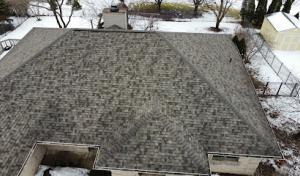
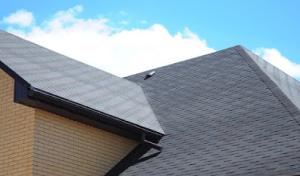
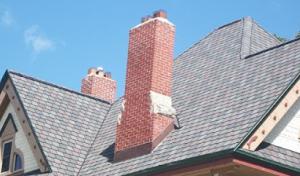
In this climate, the eave edge is a common weak spot for ice dam leakage. As storm cycles and repeated freeze-thaw events push snow toward the edges, warm attic air can melt a thin layer of snow that refreezes at the eave, creating ice dams that drive water under shingles. You'll often see staining at the roofline or damp ceilings adjacent to exterior walls. To mitigate this, check the eave soffit and underlayment at first signs of moisture after heavy snows, and ensure there is a clear path for ice and water to shed away from the fascia. Regular snowfall patterns in this valley demand proactive snow removal from eaves when safe, plus a well-sealed attic top to prevent warm air from migrating to the roof deck.
Another frequent failure point occurs where flashing integrates with roof edges, chimneys, or skylights. Freeze-thaw cycles can cause flashing to loosen or buckle, creating tiny gaps that water can exploit during spring rain or melt events. Inspect flashing at least seasonally, paying attention to areas where gutters, chimneys, or dormers meet the roof. Look for lifted seams, loose nails, and any corrosion around metal joints. If flashing shows movement or dislodgement, it's critical to re-seal or replace the flashing promptly to prevent interior leaks that can echo through multiple attic and ceiling spaces.
De Pere experiences hail and wind events that leave bruised, lifted, or cracked shingles behind. Damaged shingles reduce surface protection, allowing moisture intrusion at the first thaw or rain shower. After a storm, inspect for curling edges, missing granules, or darkened, soft spots. Damaged shingles typically propagate under wind gusts and can expose the underlayment to moisture before you notice any signs inside the house. Prompt replacement of compromised shingles and reinforcement of the roof edge with proper sealant and nailing patterns helps preserve the roof's integrity through a long winter cycle.
Ventilation matters more in this climate because trapped attic heat can accelerate snow melt and refreezing at the roof edge, worsening ice dam risk. If the attic feels warm in winter or you notice rapid attic temperature swings with sunny days, check intake and exhaust vent balance, ridge vent effectiveness, and insulation levels. Inadequate attic ventilation can also promote condensation and mold growth. Prioritize correcting any blocked soffit vents, insufficient insulation, or fallen baffles that hamper airflow to maintain a cooler attic and steadier roof edge conditions.
Chimneys and skylights are especially vulnerable in a market where snow, ice, and spring rain repeatedly test penetrations. Inspect around these features for cracked caulk, loose flashing, or grout wicks that channel moisture into the roof deck. Debris buildup on flashing or flashing step-seals can create micro-gaps that accumulate water over time. Pay attention to interior signs of seepage around these penetrations after storms, and address sealant failures or flashing corrosion promptly to prevent ongoing damage and the need for more extensive repairs.
Find contractors experienced in skylight installation, flashing, and leak repairs to bring natural light into your home.
Prestige Roofing
(920) 791-0414 www.prestigeroofingllc.com
1492 S Overland Rd, De Pere, Wisconsin
5.0 from 275 reviews
Armor Shield Metal Roofing
(920) 367-3107 www.armorshieldmetalroofing.com
Serving
4.8 from 58 reviews