
Last updated: Apr 19, 2026
This coastal Mississippi market sits in Jackson County on the Mississippi Gulf Coast near the Pascagoula River system, so your roof endures both tropical-storm wind exposure and prolonged moisture loading. The combination raises the chance of wind-driven rain infiltrating under shingles, lifting edges, and seeping into attic spaces. In practical terms, every shingle edge, flashing seam, and valley needs to be inspected for vulnerabilities before the next storm season ramps up. Do not delay addressing obvious gaps where wind could pry loose materials during a high-wind event or where moisture could saturate decking and invite rot.
June through September is the highest-risk period for roof work because hurricane season raises the odds of wind-driven rain, emergency tarping, and schedule disruptions. If a storm track is forecast, prioritize securing loose vents, collars, and ridge caps now, before crews are jammed or weather closes in. Planning around this window means coordinating with weather for a fast, errors-minimized retrofit rather than rushing under pressure when a storm threatens. Have a contingency plan for immediate tarping and temporary repairs, but insist on properly sealed, weather-ready work once conditions permit.
In this coastal Mississippi market, homeowners often need roofing systems and documentation that satisfy both storm resilience concerns and insurer review after wind events. That means your roof should demonstrate continuous, well-sealed protection-no open gaps, no compromised flashing, and no compromised decking. Expect to show recent maintenance logs, moisture readings from the attic, and photographic records of roof surface condition. When selecting materials, prioritize systems with proven finish resistance to salt-laden humidity, wind uplift, and long-term performance under salt spray. The goal is a roof that not only survives a wind event but also passes quick insurer checks for post-storm claims.
A robust roof starts with a solid deck and secure fastening. Inspect for soft spots, cupping, or delamination in plywood or OSB, especially near eaves and in low-lying sections that sit closest to the Pascagoula River delta. Fastener patterns should adhere to manufacturer wind uplift ratings, with corrosion-resistant nails or screws that resist salt air. In high-humidity conditions, choose fasteners with corrosion protection and consider added annular ring shanks or longer fasteners where deck thickness is variable. Replacing missing or loose nails or screws is a non-negotiable step before the next storm season.
Flashing around chimneys, vent stacks, skylights, and roof-to-wall intersections must be continuous and properly sealed. Valleys require reinforced flashing and ice-and-water shield in zones prone to driving rain. In Moss Point's climate, salt air accelerates sealant degradation, so expect to re-seal penetrations more frequently than in inland markets. Use sealants compatible with metal flashing and shingles, and test seals after any major wind event. A small investment in meticulous flashing today pays off in fewer leaks when the next system rolls through.
Create a quarterly maintenance cadence leading into hurricane season: check for lifted shingles, curl, or damaged edges; test attic ventilation for proper function to minimize condensation; inspect gutters and downspouts for debris and proper slope to prevent ice dams and water backup. Clean, secure, and re-seal auxiliary roof components at the same interval. If fasteners appear corroded or decks show moisture staining, address promptly to prevent a slow, multi-point failure during a wind-driven rain event. In this place, proactive upkeep is the difference between a robust shield and a vulnerability that yields under pressure.
The hot, humid coastal climate keeps roofs damp longer after rain than inland Mississippi locations, making drying potential a critical factor when you plan or evaluate a roof replacement. In practice, that means attic ventilation isn't just a comfort feature; it's a moisture management tool that directly affects shingle life, deck longevity, and the speed at which fasteners and underlayers can deteriorate. You'll notice that even after a downpour, surfaces stay damp longer, and that lingering moisture can creep into attic spaces or beneath roofing underlayment if airflow is insufficient. Prioritize a system that promotes consistent air movement, with soffit intake and ridge or turbine exhaust that are appropriately sized for the attic volume and your home's footprint.
Frequent rain and nearby tidal and riverine moisture exposure push underlayment, flashing, and ventilation details into the foreground here. In practice, that means selecting a sturdy, moisture-resistant underlayment and ensuring flashing around chimneys, vents, and intersections seals effectively against wind-driven rain. The area's salt-laden humidity can expedite corrosion on metal components, so choosing corrosion-resistant flashing and fasteners matters. Ventilation details should be designed to handle high humidity loads without creating condensation traps, especially in attic corners and overhangs where warm, moist air tends to stagnate. A well-ventilated attic also reduces heat buildup that can accelerate shingle aging and buckling under summer sun.
Material performance ages differently when moisture is a constant factor. For example, asphalt shingles with proper drying potential and ventilation can perform well, but they rely on an intact underlayment and effective flashing to resist wind-driven rain. Metal roofing offers excellent longevity and wind resistance, yet proper installation to prevent water infiltration at seams and penetrations remains essential in this environment. Tile options-whether clay or concrete-bring durability, but the weight and fastening must be carefully managed to withstand frequent rain events and salt exposure. In each case, the roof's deck, underlayment, and fastening pattern should be chosen with the local humidity and wind profile in mind to minimize early deterioration.
Replacement timing is commonly pushed toward drier windows to reduce moisture intrusion during tear-off and deck exposure. Working within a period when the humidity level is lower and rainfall is less likely helps protect the interior from moisture intrusion and reduces the risk of decking damage during removal. Coordinating the tear-off with dry spells also minimizes the chance that lingering ground moisture or tidal moisture will compromise newly installed underlayment before the roof is fully sealed. When planning, keep a strategy that aligns tear-off with the most favorable local weather patterns, and ensure your contractor stages materials and ventilation components to prevent water exposure during the process.
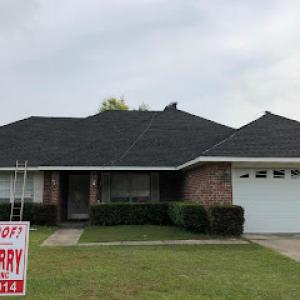
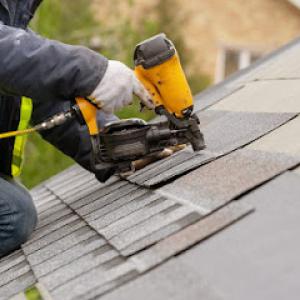
In Moss Point, asphalt shingles remain a practical first choice because they are the lowest-cost option in the local range. When installed correctly, they handle the typical Gulf Coast sun and rain, but wind uplift and heat can shorten service life if the installation quality is weak. Look for shingles rated for high wind uplift and consider extra sealing around edges and penetrations. A reinforced underlayment and proper nailing pattern matter, especially where gusts can rip along the eaves and ridges. If you choose this route, insist on a contractor who uses continuous fascia attachment and a well-sealed drip edge to reduce the risk of wind-driven leaks after a hurricane event. In the local climate, color selection can influence heat gain; lighter shades bounce more sun and help modestly with outdoor temperature inside the attic.
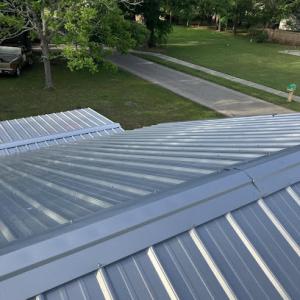
Metal roofing is especially relevant on the Mississippi Gulf Coast because it handles wind and heavy rain well, but fastener, flashing, and corrosion resistance matter more near salt air. For Moss Point, prioritize a panel system with concealed fasteners or corrosion-resistant exposed-fastener products, and confirm that every edge, valley, and chimney flashing is rated for coastal salt exposure. Choose coatings that resist chipping and chalking when exposed to high humidity and spray, and ensure the underlayment minimizes moisture wicking at seams. A good metal roof can ride out hurricane-driven winds with minimal damage if the fasteners are properly spaced and engineered for uplift loads. Ask about a sealed edge detail at eaves and a continuous ridge cap to reduce air infiltration during storm surges.
Clay tile and concrete tile are available locally but are more sensitive to structural load and storm impact considerations. In this coastal setting, ensure the roof structure is upgraded to handle tile weight, especially on older homes or structures with limited noggin support. Tile fasteners should be corrosion-resistant, and the installation should feature solid battens and a well-sealed underlayment to prevent moisture advance behind the tiles. The weight and brittleness of tiles after a severe wind event can create hazards; check that overhangs and rake edges are reinforced to resist uplift. If you're considering tiles, plan for a thorough inspection after major storms to assess cracked or displaced pieces and address flashing around penetrations promptly.
Wood shingles and shakes are available but require careful consideration of moisture behavior and maintenance. In a gulf-coast climate, untreated wood can absorb humidity quickly and may be more prone to rot or insect activity if insulation and ventilation are not optimal. Fasteners must be high-grade and specifically compatible with wood via good expansion and contraction allowances. If you opt for wood, select a treated or naturally durable species and ensure a coating system that protects against the salt air. Regular inspections after storms help catch loose pieces or hairline splits early, before wind carries them off the roof.
Slate offers longevity but carries substantial weight and sensitivity to movement, particularly in harsh coastal winds. Ensure the structure can support the load and that mortar or mechanical fastenings are chosen to withstand uplift without cracking beneath thermal expansion. Moisture behavior around slate requires precise flashing at all penetrations to minimize moisture intrusion during heavy rains. If installed well, slate can hold up to repeated exposure, but diligence in fastening, underlayment, and maintenance is essential in this coastal environment.
Williams roofing & remodeling
4221 N Star Ave, Moss Point, Mississippi
5.0 from 10 reviews
Williams roofing and remodeling is sure to give you the best roofing and remodeling services possible. We are thankful for your business opportunity and hope you have a blessed day!
Fortenberry Roofing
(228) 452-8318 www.fortenberryroofs.com
Serving
4.9 from 31 reviews
Fortenberry Roofing has been proudly serving Pascagoula, MS, for over 25 years as a GAF Master Elite® contractor. Our extensive local expertise means we understand the specific roofing needs of the Gulf Coast region. We specialize in a wide range of services, from complete roof replacements to storm damage repairs, ensuring that your home is protected against the elements. Our team is known for its reliability and quality craftsmanship, with many satisfied customers rating us highly on Google. Let us help you navigate the roofing process, including insurance claims, with professionalism and care. Choose Fortenberry Roofing for your Pascagoula roofing solutions!
New Horizon Roofing & Exteriors
Serving
4.9 from 148 reviews
New Horizon Roofing and Exteriors is a local-owned company. The owner has over 20 years of experience in the roofing industry. During Hurricane Katrina, he worked along with many other local roofing contractors to assist homeowners in need of repairs and roof replacements on thousands of roofs in the Gulf Coast Mississippi area. Today, New Horizon Roofing and Exteriors continues to provide high quality roofs at competitive prices.
Master Built Roofing
Serving
4.8 from 90 reviews
DFW Master Built, LLC specializes in new roof installation, repair, and maintenance. We are your full service roofing contractor covering everything from tile / shingle replacement, to entire roof repair or new installation. New construction to historical retrofitting, we are you go to option for top quality roofing. Licensed, bonded and with multiple layers of insurance we are here to serve the entire southern region of MS.
Pro Roofing Solutions
(251) 376-5810 www.proroofingsolutionsmobile.com
Serving
5.0 from 180 reviews
Pro Roofing Solutions, serving Mobile, AL, and surrounding areas, delivers exceptional roofing services with over 5 years of experience. Our services include roof repair, replacement, inspections, and maintenance, catering to residential and commercial properties. We set ourselves apart with our commitment to excellent craftsmanship, using durable, high-quality materials that ensure the longevity and safety of your roof. We specialize in handling various roofing materials, including asphalt shingles, metal roofs, and flat roofs, adapting our services to meet the specific needs of our clients. Call us today for a free estimate!
ASF Contracting
(251) 599-6197 asfcontractingllc.com
Serving
5.0 from 80 reviews
ASF Contracting is a roofing company offering roof repair, replacement & more in the Mobile, Al area! Call for a free estimate!
Rellim Contracting
(251) 900-7663 rellimcontracting.com
Serving
4.9 from 144 reviews
Rellim Contracting is operated by Murdock Miller along with a great team of professionals, most of which have been with us from the very beginning. We are very proud of the retention of both our clients and our employees and feel that retention speaks volumes to our commitment and professional approach to the construction industry. Rellim Contracting is founded on the principle that the customer is always right and customer service is our main priority. We still feel that way today. At Rellim we strive for excellence in all of our products but we also know that a truly great experience is customer service. The first thing we build is trust!
Mobile Roofing & Construction
(251) 888-0301 www.roofingmobilealabama.com
Serving
5.0 from 3 reviews
Is your home or business in need of roof repair, a roof inspection, minor maintenance, or roofing Mobile Alabama? Has your roof been through years of wear and tear and need roof replacement? Give Mobile Roofing and Construction a call today. Our roofers are here to help you make the best decision to increase the lifespan of your roof. Mobile Roofing and Construction specializes in residential and commercial roofing , along with asphalt shingles, metal roofing, flat roofs, and slate roofs.
American Roofing & Construction
(251) 379-9712 americanroofingco.com
Serving
4.8 from 233 reviews
American Roofing & Construction, established in 2005, offers residential and commercial roofing services in Mobile, southern Mississippi and surrounding areas, including Daphne, Fairhope, Saraland, Wilmer, Grand Bay and Orange Beach. Our expertise covers repairs, replacements, and various materials like shingles, metal roofing, and tile. American Roofing & Construction is committed to high-quality work and uses the latest technology to keep customers informed throughout the project.
Super Roofers: Roofing & Siding Contractor
(251) 259-2909 hiresuperroofers.com
Serving
4.8 from 51 reviews
Super Roofers is a roofing contractor in Mobile, AL, that services Mobile County, AL, Bay Minnette, Foley, and nearby areas. Our exceptional roofing services include roof repair, replacement, asphalt shingle roofing, metal roofing, tile roofing, and many more. We are the leaders in roofing and siding plus our clients recognized our superior customer service. If you want to feel how your most trusted Mobile roofing company embraces our motto, “The Authority in Roofing”, call us now for a free estimate!
Fortified Exteriors
(251) 422-6836 fortifiedroofer.net
Serving
5.0 from 114 reviews
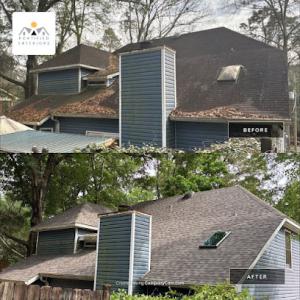
Fortified Exteriors is a local roofing company offering both residential and commercial services in Mobile and Baldwin Counties. We specialize in Fortified Roofing, Repairs, Replacements, Insurance Claims and more. We're Mobile and Baldwin Counties best Fortified Roofer - Just ask our customers!
Wise Builders Roofing & Renovations
(251) 305-7282 wisebuildersrnr.com
Serving
5.0 from 147 reviews
Wise Builders Roofing and Renovations is the top roofing contractor serving Mobile & Baldwin Counties and the Mississippi Gulf Coast. We specialize in residential and commercial roofing, storm damage repairs, roof replacements, and interior/exterior renovations. From asphalt and metal roofs to TPO systems and waterproof coatings, we deliver quality craftsmanship and fast, reliable service. We also handle insurance claims and offer maintenance plans for businesses. We provide services for vinyl and James Hardie siding, bathroom and kitchen remodels, and home additions. Call today for a free roof inspection or renovation estimate!
On this Gulf Coast delta, leaks rarely announce themselves with a few loose shingles. In tropical weather, the first whispers of trouble show up at flashing transitions, roof-to-wall intersections, penetrations, and eaves. These junctions face the brunt of wind-driven rain, punching through gaps stirred by pressure changes during storms. If flashing isn't precisely lapped, sealed, and integrated with the underlayment, water can wick along joints and find its way indoors even when the visible field looks intact. Pay close attention to attic condensation patterns near these spots after a heavy rain event, and don't wait for a visible drip to call a pro.
Moss Point inspections routinely zero in on underlayment condition, the integrity of flashing around chimneys and vents, and the pattern of roof deck nails. In a setting where salt air and high humidity press moisture inward, a deteriorated underlayment can be the quiet culprit that lets rainfall bypass shingles entirely. Proper ventilation matters too; without it, warm, moist air becomes a credit card that can delaminate decking or encourage mold behind the scenes. A careful check of nail sealants and spacing is essential, because misaligned or overdriven nails create tiny paths for wind-driven rain to slip under the surface.
Homes that endure repeated heavy downpours can develop moisture problems in the deck or attic even when shingles still look sound from the ground. Small, persistent leaks at flashing corners can saturate sheathing and create a space where rot or mildew hides behind insulation. In practice, this means that a good roof assessment should include a close look at attic ventilation balance, signs of past water intrusion on decking seams, and any staining or musty odors that persist after the rain has stopped. Early detection hinges on looking beyond the visible roof plane to the hidden layers where moisture can quietly accumulate.
During storm season, treat every significant rain event as a stress test for the roof assembly. If the water seems to "track" along a seam or around a vent more during high wind, that's a hint to recheck flashing with a critical eye for continuity, seal integrity, and gap closure. For homeowners, this translates into timely, targeted maintenance rather than waiting for a dramatic leak-because in this coastal setting, the cost of deferred attention can compound with the next storm.
Coastal Mississippi is a high-claim roofing market because wind and hail events are frequent enough that insurers often scrutinize roof age, condition, and storm documentation closely. In hurricane-prone corridors, the age of a roof and visible wear can tilt risk calculations, and loss histories from nearby storms shape what coverages look like in your policy year. When a storm hits, carriers dog the details: how quickly a roof is repaired, whether prior leaks exist, and whether previous storm claims align with the current damage. This is not a generic reality-you feel it here, with every renewal discussion and every claim review.
Some carriers in this region have tightened coverage options or underwriting standards based on coastal storm risk and local loss history. That tightening shows up when a claim is filed: insurers frequently request precise storm dates, exterior damage photos, interior leaks, and documentation of temporary mitigation you did to limit further damage. They also want contractor findings and notes from any mitigation work. You receive the most favorable handling when you can prove a documented sequence of events, timely maintenance, and a clear record of improvements that address wind and rain exposure.
Moss Point homeowners should document storm dates, exterior damage, interior leaks, temporary mitigation, and contractor findings because insurers commonly request detailed evidence and may consider wind-mitigation features. Build a simple, local file: dates of every storm, photo logs showing shingles, flashing, gutters, and vents, notes from reputable roofers about current condition, and receipts for temporary protections like tarps or board-ups. If you have wind-mitigation features such as upgrading fasteners, reinforced hips, or improved underlayment, compile supplier specs and installation dates. This concrete record helps align what actually happened with what the policy anticipates.
After a storm, you act quickly to minimize risk, but you also plan for the long view. Notify your insurer promptly with a concise summary of what happened, then secure the property enough to prevent further damage while awaiting inspection. Take dated photos before and after temporary fixes, and keep all receipts. When a contractor arrives, have the adjuster's contact information handy and present their findings alongside your own documentation. The aim is to prove that the roof's current state reflects a true weather event rather than deferred maintenance, which influences how your claim is supported and how future underwriting views your home's resilience.
In the low-lying Gulf Coast setting of Moss Point, asphalt shingles sit at the practical baseline for most homes. Local averages run about $320-$600 per square for asphalt shingles, depending on the warranty, thickness, and simple wind protection features you choose. That price range keeps repairs affordable after tropical seasons, when demand spikes for dry-in materials and tarping. If you're replacing a standard home roof, this material stays the most common, quick to install, and relatively easy on labor costs compared to heavier options.
Metal roofing comes in around $700-$1300 per square here, reflecting the Gulf Coast's demand for fast dry-ins and durable fasteners. You'll see value in metal if you want a longer service life and better wind resilience with lighter weight installation, which matters on older Moss Point homes. Clay tile, at $800-$1700 per square, and concrete tile, at $900-$1700 per square, push higher upfront but offer excellent durability in a hurricane cycle and good curb appeal. Tile systems may require structural checks to handle weight, especially on older structures, which can influence overall cost through framing and reinforcement.
Wood shingles or shakes range from $450-$900 per square, offering a distinctive look but requiring moisture management and maintenance. Slate sits at the premium end, typically $1200-$3000 per square, valued for its longevity and hurricane-ready performance but demanding solid structure and careful installation. For Moss Point homeowners, the choice often comes down to balancing initial cost with expected wind resistance and long-term durability against salt-laden humidity.
Costs in Moss Point can rise after tropical systems when Gulf Coast demand spikes for labor, dry-in materials, tarping, and disposal capacity. Heavier materials such as tile or slate may trigger additional structural considerations that influence total project cost. When planning, align material choice with local wind provisions, expected storm frequency, and the home's existing frame and attic ventilation to optimize both upfront price and long-term performance.
A full roof replacement in Moss Point typically requires a permit through the City of Moss Point Building Department. Before any shingle tear-off or new installation starts, that permit process should be initiated by the homeowner or a licensed contractor. The goal is to ensure the project aligns with wind, flood, and floodplain considerations that are common in this Gulf Coast area, and to prevent delays caused by missteps at the back end.
Homeowners or contractors generally submit project details for plan review before work begins, especially when the scope goes beyond a simple recover or includes structural changes. If the job involves modifying any load-bearing elements, changing roof pitch, or altering ventilation and attic access, expect additional documentation requests. Having drawings or notes ready about attic ventilation, underlayment choices, flashing details, and nailing patterns helps speed the review.
Local inspections occur at rough-in and final stages, with attention to underlayment, ventilation, flashing, and nailing patterns; some jobs may also need wind-resistance verification or added permits for structural work. The rough-in check confirms the roof sheathing, underlayment, and flashing are properly installed before shingles or metal go on. The final inspection verifies adherence to approved plans and codes, including proper fastener spacing and wind protection features typical for hurricane-exposed areas.
In this coastal climate, inspectors will look closely at wind-rated accessories, securement of hips and ridges, and continuity of flashing around vents and chimneys. If the project touches flood-related considerations or involves any changes to roof height or structural members, be prepared for additional verifications or permit amendments. Staying ahead with a clear plan review packet helps keep the process smooth and minimizes on-site delays.
In this Gulf Coast low-lying delta, roofs bear frequent exposure to wind-driven rain and salt-laden humidity. After a harsh hurricane season or repeated nor'easters, evaluate shingles, flashing, and underlayment for curling, cupping, loose granules, or exposed fasteners. If widespread wear shows up before the next spring, plan a replacement rather than chasing patchwork fixes. In spring, do a two-pass assessment: one after heavy rains, another a few weeks later when the attic is dry, to catch leaks that only appear under heat and humidity.
Spring storms can bring heavy rain and lightning that interrupt tear-offs and delay dry-in. If a full tear-off is needed, target a dry spell with mild temperatures, and avoid the peak heat of July and August when moisture in plywood can stagnate and crews struggle with heat stress. Mild winters are generally workable, but occasional freezes can complicate certain tile installations even though cold-weather constraints are less severe here than in northern markets. Plan around long stretches without rapid temperature swings to ensure adhesives and sealants cure properly.
Salt-laden humidity speeds corrosion on metal components and can degrade fasteners if treated poorly. Asphalt remains a solid, quick option, but in high-wind zones, the installation must emphasize proper nailing patterns and sealed seams. Tile systems demand precise substrate preparation and temporary protections during hot, humid days to prevent moisture entrapment. If clay or concrete tiles are chosen, allow for gradual settling and ensure hips, ridges, and valleys are strapped and sealed to resist wind uplift.
If more than one roof plane shows persistent leakage after a thorough repair attempt, or the roof deck itself shows sagging or delamination, replacement becomes the reliable path. Consider the local setup: exposed eaves, nearby tree canopy, and proximity to the delta influence gutter capacity and drainage. A replacement plan should include a weather-safe tear-off strategy, staged removal, and a dry-in plan that accounts for potential spring thundershowers.