
Last updated: Apr 19, 2026
The Phoenix-area monsoon belt delivers fierce, wind-driven rain and hail from July through September, and El Mirage sits squarely in the thick of it. When a cell rolls through the West Valley, the danger isn't just the hail dents you can hear ping on the tiles-it's the rain dripping where it shouldn't after a storm. The real weak points tend to be the underlayment and flashings, even if the visible tile surface still looks intact. That means a roof that appears fine from the street can be silently compromised, leaving days or weeks of slow leaks that threaten ceilings, walls, and insulation if not addressed quickly.
Tile roofing is the strongest signal you'll see in this market, with many homes relying on clay or concrete tile assemblies. Yet in a monsoon event, the showpiece tiles can mask the real damage. The underlayment lies directly beneath, and the flashings around hips, rakes, chimneys, vents, and skylights are the first line to fail under pressure from wind-driven rain. When a storm cell comes through, the visible, intact tile may give a false sense of security while the hidden layers absorb the impact of wind gusts and shifting substrate. As a result, leaks and attic moisture often appear after the storm passes, sometimes days later.
After a storm, act fast. If you spot active rain entering the home, prioritize tarping to control the leak and protect interior finishes while you arrange permanent repairs. Tarps should cover any visibly damaged areas and secure overhangs or penetrations where water can seep in. If you notice moisture trails on ceilings or damp insulation in the attic, don't wait for a full inspection-get a temporary fix in place and contact a local roofer who specializes in tile systems. Because emergency repair and storm damage services are readily available in this area, you should expect rapid response times, especially for tarping and emergency leak control, to minimize interior damage and mold risk.
Preparing ahead means addressing weak points before the next monsoon wave. Have flashing details around chimneys, vents, and skylights checked and resealed as needed, since those are typical failure points when wind gusts slam the West Valley side of town. A proactive inspection by a tile-specialist can identify loose, cracked, or misaligned tiles and verify that underlayment has a solid, waterproof bond. In tile-heavy homes, reinforcing edge tiles and ensuring proper attic ventilation to reduce condensation can buy you time and reduce the severity of any future leaks during a storm cell. Quick repairs now reduce the risk of cascading interior damage when the next storm arrives.
In this market, storms demand a plan you can execute within hours of a monsoon cell passing. Keep a trusted local roofer on speed-dial who can provide immediate tarping, temporary leak control, and a fast assessment of tile and underlayment condition. Knowing where to turn for emergency repair helps protect not only the roof but the entire living space, preserving the home's structure and comfort during the harshest weeks of July through September.
Find local contractors experienced in assessing and restoring roofs after hail, wind, and severe weather events.

Glendale Roofing Pros - Roof Repair & Replacement
(602) 753-5333 glendaleazroofing.com
El Mirage, Arizona
5.0 from 24 reviews

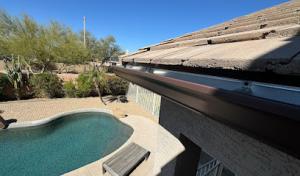

Glendale Roofing Pros - Roof Repair & Replacement
(602) 753-5333 glendaleazroofing.com
El Mirage, Arizona
5.0 from 24 reviews
Professional Glendal Arizona Roofing Glendale Roofing has been providing professional roofing contractor services to Glendale AZ for many years. We are one of the most established and trusted names for roofing services in the valley, and are accredited by the Better Business Bureau. We offer some of the best roofing warranties in Glendale, because we stand behind the quality of our work. In the unlikely event that you need to utilize your roof’s warranty, you can rest easy knowing we’ve been in business for over 25 years, so we will still be around to make sure your home or business is protected. If you need a new roof in Glendale installation, roof leak repair, roofing maintenance, commercial roofing industrial roofing residential roofing
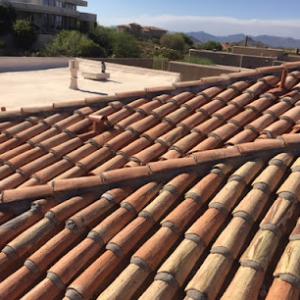
Scott Roofing Company
(623) 939-7663 www.scottroofingco.com
El Mirage, Arizona
4.0 from 5 reviews
Scott Roofing Company is both owned and operated by the Scott family. We have a full service repair division, recoating division and reroofing division. We work on flat, tile, shingle and shake roofs. We offer financing and provide the longest workmanship warranties in the industry.
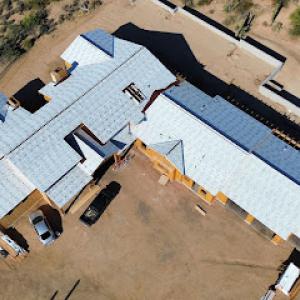
Spearhead Contracting
(602) 680-9510 spearheadcontractingaz.com
Serving
5.0 from 24 reviews
We are a family-owned business that has been providing residential and commercial roofing services in Phoenix, and its surrounding areas. Our craftsmanship, excellent materials, and work ethic are a tribute to our years of experience and great client satisfaction. For a free estimate, give us a call today! SE HABLA ESPAÑOL!

All About Roofing
(602) 500-0652 allaboutroofing.com
Serving
4.9 from 937 reviews
All About Roofing is a local, family-owned roofing contractor serving Surprise and the West Valley. With over 10 years of experience, we specialize in roof repairs, replacements, and custom builds for homes and businesses. We’re licensed, bonded, insured, and known for 5-star service you can trust to protect your biggest investment.
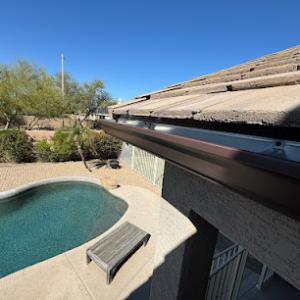
Armored Roofing
(623) 242-7122 www.armoredroofingusa.com
Serving
4.9 from 258 reviews
Armored Roofing is a trusted roofing contractor proudly serving Sun City, AZ. We specialize in a wide range of roofing services, including insurance claims, flat roofs, new roof installations, and metal roofing. Whether your property has suffered water, fire, storm, or hail damage — we’ve got you covered. Our team offers free estimates for small repairs and free inspections for larger projects. At Armored Roofing, we’re dedicated to delivering reliable workmanship, quality materials, and exceptional customer care. We look forward to continuing to serve the Sun City community and invite you to contact us today for your free estimate!

Frontline Consultants & Contracting
(928) 252-6055 www.frontlineconsultantsllc.com
Serving
4.6 from 217 reviews
Family owned and operated roofing company who makes are clients #1. We can help with all your roofing needs and storm damage to your property. Frontline Consultants & Contracting provides homeowners and business owners throughout the Metro area with top-quality roofing and renovation services.

Precision Roofing
(602) 456-0323 www.precisionroofingaz.com
Serving
4.9 from 209 reviews
Precision Roofing is the premier roofing company for all of your roofing needs. As a top-rated roofer, we specialize in roof repair, roof replacement, commercial roofing, and residential roofing services. Our team of experienced and skilled local roofers is dedicated to providing exceptional quality workmanship and superior customer service. We service Scottsdale, Phoenix, Mesa, Tempe, Peoria, Glendale, and the entire Valley. We prioritize customer satisfaction above all else, ensuring that every project is completed to the highest standards. Our roofing contractors are committed to delivering top-notch results, no matter the size or scope of the job. Contact us today for a free estimate for your roof repair or your roof replacement.
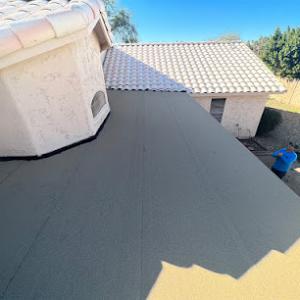
Gen2Roofing
(602) 619-5648 www.gen2roofing.com
Serving
5.0 from 51 reviews
Gen2Roofing LLC is a licensed and bonded second-generation family operated business. Our mission is to provide 100% quality, satisfaction, and reliable roofing services every time! With over 20 years of experience, we offer inspections, maintenance, repairs, and/or whole new roofs. We work with tile, shingles, and flat/patio roofs. No roof too big or small.
Simply Roofing Glendale
(623) 303-8767 simplyroofingco.com
Serving
5.0 from 12 reviews
Simply Roofing Glendale offers high-quality roofing design and services in Glendale. We are seasoned roofers who deliver top quality and budget-friendly roofing services. Get in touch with us on +16233038767.

ShowTime Roofing & Coatings
(623) 399-0727 www.showtimeroofingaz.com
Serving
4.9 from 175 reviews
Showtime Roofing & Coatings is a family-owned, third-generation roofing company serving Phoenix, Surprise, Sun City, Scottsdale, Peoria, Anthem, and Glendale. With over 35 years of combined experience, we specialize in residential and commercial roofing solutions, including tile, shingle, shake, foam, and roof coatings. Our licensed and insured team is dedicated to delivering high-quality workmanship and exceptional customer service, ensuring your property is protected from Arizona's extreme weather conditions. Contact us today for a free estimate and experience the Showtime difference.
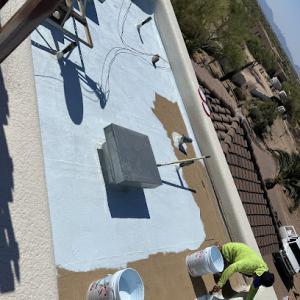
Avila’s Roofing
(623) 455-0475 www.avilasroofing.com
Serving
4.8 from 17 reviews
We provide roof repairs and maintenance valley wide. We believe that your roof is a valuable investment that deserves the highest level of care. Call us today to schedule and appointment for a free estimate with fair prices. Ofrecemos reparaciones e instalaciones de techos.Llámenos para agrandar su cita ofrecemos estimados gratis con precios accesibles.

Mighty Dog Roofing of Peoria
(623) 294-5167 www.mightydogroofing.com
Serving
5.0 from 17 reviews
Your house or business is more than a structure – it's your sanctuary, your livelihood, and nothing protects it better than a sturdy roof. Mighty Dog Roofing is here to be your property's best friend by offering a range of roofing and exterior services to keep things safe, secure, and looking great! From emergency roof repair, to roof replacements, to various siding, skylight, gutter, and window services, our roofers and exterior experts have you covered! Don't worry about juggling multiple contractors – Mighty Dog Roofing has your back with our single-provider solution. We have led the industry for over 20 years with technology, premium materials, and trusted processes that set us apart from the rest!
In this desert valley, choosing the right re-roof window means syncing with the seasonal rhythm. El Mirage replacement projects are often best scheduled from fall through early spring, when crews are not fighting the extreme June through August heat. Planning for a fall start helps ensure the underlayment has time to dry in cooler mornings, and crews can work more steadily without midday heat stress. If a project stretches into early spring, aim for a window where daytime temperatures stay comfortable and roof deck temperatures are less punishing for exposed components.
Summer heat in El Mirage can affect material handling and installation conditions, especially on exposed roof decks and heat-sensitive components. For the best results, sequencing the work so critical tasks-like initial underlayment inspection, window cutouts, and membrane placement-happen during cooler parts of the day is practical. Roof penetrations should be treated with care during heat waves: keep sealant and flashing materials shaded when possible, and plan for early-morning or late-afternoon work blocks to minimize thermal expansion stresses on seals around the new window.
Dry, windy spring conditions in the West Valley can load roofs with dust and accelerate aging of exposed underlayment before final dry-in is complete. Before the window install, perform a thorough roof surface cleaning and inspect underlayment for any micro-tears or granule loss. If windy days are anticipated, cover exposed areas with temporary breathable barriers to limit dust intrusion into the attic space and around the new flashing. During final dry-in, verify that all fasteners and sealant joints have uniform pressure and that there is no wind-driven leakage path around any transitional flashing.
Tile-heavy roofs require a flashing strategy that respects both the weight and thermal cycling of clay or concrete tiles. Use compatible flashing materials that won't become brittle in high heat, and coordinate with tile setter crews to ensure precise alignment with the new window opening. In El Mirage, a stepped approach works well: establish a stable base flashing, then install the window head flashing, followed by continuous side and corner flashing to direct any water away from the interior. Pay special attention to potential crack propagation in nearby tiles and plan for controlled tile re-seat or replacement where necessary to maintain a continuous water barrier.
Once the new window is in place, perform a controlled water test during a light rain window or with temporary water spray at a low pressure. Inspect sealants around the frame from the attic side and confirm that the interior is dry after a simulated storm. In a desert environment, even small condensation pockets can signal missed seals, so address these promptly before finishing the interior wall treatments.
Tile roofs in this part of the Valley endure more than sun and wind; they live through hot days that push expansion and night-time cooling that can snap and settle tiles. Clay and concrete tiles respond to those heat cycles differently, and the real wear often hides beneath the surface. The surface tiles may look fine, but the waterproofing layer under them-underlayment, flashings, and penetrations-takes the brunt of repeated cycling. When a tile sits atop a worn or aging underlayment, tiny shifts can lead to slow leaks that only show up after a monsoon flash or a sudden storm surge. So, the health of the underlayment and the integrity of joints, vents, and penetrations are the true indicators of long-term performance on these tile roofs.
Concrete tiles hold heat longer and tend to expand and contract with more velocity in the day-night swing. Clay tiles, while naturally lighter and historically common here, can become brittle if rapid temperature shifts occur over years and the profile of the tile changes with thermal cycling. In practical terms, this means you should be paying particular attention to the underlayment membrane that runs beneath the tile field, not just replacement tiles. You may see cracked or lifted field tiles after cold snaps paired with late-season heat, but the immediate concern is whether the waterproofing layer and its flashings are still sealed and continuous. If underlayment has started to delaminate or if flashings at hips, valleys, and roof-to-wall transitions show signs of age, the risk of moisture intrusion rises quickly during the monsoon season.
A single broken clay or concrete field tile can often be replaced without destabilizing the entire roof. However, that decision hinges on the condition of the underside layers. If the waterproofing membrane beneath the tile field shows evidence of aging-blistering, staining, or sustained moisture-replacing one tile is only a temporary fix. A lift-and-reset or complete re-roof may be indicated when the underlayment has exhausted its service life, when flashings around chimneys or vent pipes have corroded, or when penetrations show chronic leakage. In practice, a contractor will assess tile condition and membrane integrity together: if the underlayment is sound but tiles have worn, a precise replacement can preserve waterproofing; if the underlayment is compromised, a full lift-and-reset or re-roof becomes the more durable path.
After a heavy rain, look for damp or dark streaks along interior ceilings that trace near penetrations or along walls where flashings meet the roof plane. Inspect the visible underlayment edge near eaves: if you notice delamination or curling at the membrane, that's a sign the cycling has taken its toll. From the exterior, small cracks or loose tiles in the field after a monsoon event suggest you should have the underlayment and flashings checked promptly. Ensure that valley flashings have not been compromised by shifting tiles, as those areas carry higher moisture loads during storms. A trained roofer can perform a moisture survey and a thermographic check to identify hidden leaks, especially in homes where the tile surface still looks intact but moisture intrusion has begun.
In this climate, preventive maintenance is a daily practice, not a once-a-year task. Schedule regular inspections after the monsoon season and before the next cycle of heat. Keep the tile field clear of debris that can trap moisture against underlayment edges. If a lift-and-reset is on the table, plan it as an opportunity to refresh underlayment, reflash all penetrations, and re-seal the roof-to-wall transitions. That proactive approach helps ensure the waterproofing system beneath clay or concrete tiles stays resilient through repeated thermal cycles and the monsoon rush.
Find contractors who specialize in clay and concrete tile roofs, known for their durability and curb appeal.
You will typically see asphalt shingles priced from about $350 to $750 per square, metal around $800 to $1600 per square, clay tile from $1000 to $2000 per square, concrete tile from $900 to $1800 per square, wood shingles or shakes roughly $700 to $1500 per square, and synthetic or composite shingles about $600 to $1400 per square. These figures reflect El Mirage's desert climate, where long, hot summers stress materials and crews alike. In practice, the lower end covers basic installs or overlays with standard underlayment, while the higher end accounts for better underlayment, upgraded flashing, or tile-specific accessories.
Costs in this market can rise when monsoon damage creates surge demand for crews, especially for emergency dry-in, leak tracing, and tile-compatible repairs after storms across the Phoenix metro. If a storm hits and crews are scarce, you may see faster response times escalate labor hours and material needs. For tile-heavy roofs, a rapid response is critical to prevent interior damage, and that urgency tends to push day-rate estimates upward and can affect scheduling. Planning ahead for the monsoon window can help you lock in a more favorable rate and secure a crew with tile experience.
Tile-heavy roof designs common in this market can increase labor and accessory costs because broken tile replacement, underlayment work, and flashing details are more specialized than straightforward shingle tear-offs. When you replace clay or concrete tile, you're not just swapping tiles; you're often reworking the underlayment and re-seating specialized flashings, vent pads, and ridge caps. Accessory costs-like roof-to-wall flashings, skylight seals, and tile-compatible boot replacements-add up quickly. If your roof has multiple levels, parapets, or complex transitions, anticipate higher labor time and a larger materials order.
For a fair comparison, align bids that separate labor from material costs and specify tile types, underlayment, and flashing details. Ask for a breakdown of waste, disposal, and any required patches to concrete or wood sheathing. If you anticipate monsoon risks, consider scheduling minor maintenance before the storm season to keep leaks from becoming full replacements. In many cases, a well-timed dry-in and targeted tile repairs are more cost-efficient than a full re-cover when damage is localized.
Explore specialists in steel, aluminum, and standing seam metal roofs built to last 50 years or more.
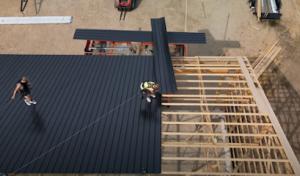
A full re-roof in El Mirage typically requires a building permit through the City of El Mirage Building Department. That permit process is not a formal hurdle meant to slow you down; it's the city's way of ensuring your new roof can stand up to the desert heat, monsoon-driven leaks, and the heavy roof loads common with tile and concrete systems. The permit is not granted in a vacuum. Applicants generally submit plans and roofing details, and the city performs required inspections during and after the project rather than treating a re-roof as a no-review job. If your home has unique features, like a low-slope section or a dormer that affects drainage, expect the plans to show those details so the inspector can verify proper sealing and venting.
For larger or more complex roofs, the department may require plan review and coordination with utility markouts before work proceeds. This step helps protect you from future trouble if underground lines or service conduits run beneath the work site. It's especially relevant after monsoon storms when surface drainage and subsurface utilities can shift or settle, potentially impacting flashing and edge details. If you're working on a retrofit where tile shapes or overhangs change, expect the reviewer to scrutinize how the new configuration will drain and how the flashing transitions will integrate with the existing parapet and parapet returns.
Inspections in this market happen during and after the project. A typical sequence includes an intermediate inspection to verify framing or underlayment compliance and a final inspection to confirm that the roofing material, flashing, venting, and gutter interfaces meet code and manufacturer requirements. Failure to secure a required inspection can lead to stop-work orders, fines, or the need to uncover and redo portions of the roof later. If a storm occurs during construction, the city's oversight remains in place; they won't treat a re-roof as a quick, no-review job even if the weather cooperates. Planning ahead for the permit, plan-review, and inspection timeline reduces the risk of delays when monsoon moisture or hail risk is high.
After severe storms, insurers in this Phoenix-area market expect thorough photo documentation and may send adjusters to inspect damage on a tight timeline. Hail and wind events can trigger rapid claim activity, so you should be prepared for a thorough review that looks beyond obvious dents to how the roof has held up over time. The combination of heat, monsoon-driven leaks, and a tile-forward housing stock means that what seems like a simple impact may reveal a more complex failure once moisture moves through flashings and underlayment. The consequences of gaps or delayed reporting can show up in renewal terms or coverage scope, especially if the roof is older or not installed to the latest standards.
Tile roofs in this market carry claim complexity because visible tile breakage is only part of the story. A claim can hinge on underlayment condition, flashing integrity around valleys, vents, and chimneys, and the pathways moisture uses to reach the interior after a monsoon downpour. Insurers are increasingly scrutinizing the continuity of the entire roof system, not just the visible surface. That means you should document how water moves during a storm and where it travels inside the attic or ceilings, even if the exterior tiles look mostly intact.
Prepare a clear, sequential record: start with wide shots of the whole roof and each affected area, then close-ups of individual tiles, flashing seams, and vent penetrations. Capture gutters, downspouts, and any staining inside the attic or ceiling near the leak paths. Keep dated notes of when you observed moisture, any temporary mitigations you applied, and who inspected the roof. If an interior leak appears after a storm, photograph the affected ceiling and any mold or staining, and preserve samples of any saturated insulation for reference.
If you suspect underlayment or flashing damage, bring in a roofing contractor who can provide a written assessment detailing not just tile condition but the entire water-entry chain. In cases where the insurer questions coverage or the scope, a public adjuster or an experienced roofer who understands local claim practices can help translate the roof's condition into a documented, repair-ready file. In this market, the more complete your documentation and the more cohesive your repair narrative, the smoother the claim process is likely to be.
Connect with contractors who help homeowners navigate the claims process from damage assessment to final approval.
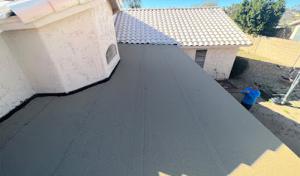
Flat-roof and roof-coating specialties are both active in El Mirage, reflecting the presence of low-slope patio covers, additions, garages, and some commercial or multifamily roof areas in the local mix. Homeowners with flat or low-slope sections should think in terms of drainage, membrane condition, and edge detailing as part of routine maintenance, not merely as a seasonal task. Local crews bring experience with torch-down, modified bitumen, and single-ply systems, and contractors often tailor coatings to resist the West Valley sun while staying compatible with any underlying deck or insulation.
On low-slope roofs in this area, monsoon ponding risk and intense UV exposure make drainage details and coating condition especially important. Check for standing water after storms, paying close attention to transitions around penetrations, vents, and stacks. Solar exposure can accelerate wear on roofing membranes, flashing, and sealants, so look for chalking, loss of adhesion, or micro-cracks. Proper slope and ridge detailing help channel water toward scuppers or edge drains, reducing the chance of localized leaks during heavy downpours.
Because dry heat and sun are constant in the West Valley, restoration coatings can be part of the local conversation for extending service life on suitable low-slope roof systems. Coatings that reflect heat and resist breakdown from UV can buy a meaningful window of protection when applied by experienced installers. It is important to verify substrate compatibility, including any concrete, ply, or magnetite components, and to stage coatings in multiple passes as needed. Regular post-coating inspections help catch blistering, wear at flashings, and membrane softening early.
Maintenance cadence and proactive spotting of wear can save you significant disruption. Keep an eye on flashing seams, perimeter details, and any penetrations around skylights or equipment. In many El Mirage neighborhoods, a well-chosen coating plan paired with diligent maintenance translates into fewer mid-season leaks and longer intervals between full reroof projects.
Find specialists in TPO, EPDM, and built-up flat roofing systems for residential and commercial properties.
In a high-sun environment with frequent monsoon activity, roof penetrations for solar equipment and skylights are a practical concern. The combination of intense sun exposure and sudden, heavy rains means flashing integrity and tile integration are critical. Tile-heavy roofs require careful planning so that repairs do not create hidden leak paths beneath the tile field. This is especially true on curb-mounted or deck-mounted skylights where flashing plays a central role in long-term performance.
Solar equipment sits above the roof line for years, so the foundation and flashing must survive heat cycling and monsoon downpours. When planning or inspecting a solar array, ensure the roof-penetration hardware is stainless or coated for desert use, with sealants selected for high heat and intermittent wetting. For tile roofs, the racking system should respect tile geometry to avoid cracking or shifting that opens micro-leaks. Look for a properly bedded sealant around any penetrations, and verify that flashing is continuous under the tiles rather than relying on edge caulking alone. If you see discoloration, cracking, or soft spots at penetrations after storms, treat them promptly-delayed flashing issues can lead to leaks that appear far from the original install.
Skylight repairs are a local specialty, and monsoon rain often reveals flashing failures around curb-mounted or deck-mounted units. Inspect curb flashing for rust, lifted seams, or deteriorated boot seals. On deck-mounted units, ensure the underside of the curb is flashed to the deck with a continuous seal and that any fasteners are corrosion-resistant. If flashing shows signs of movement after a storm, address it quickly before wind-driven rain finds its way beneath the tiles. For tile roofs, flashing must be integrated with tile course changes and counterflashing installed against the tile surface, not just underlayment under the curb. Regular checks after heavy rains help catch issues early and prevent widespread leaks.
Find contractors who integrate solar panels or solar shingles into your roof for long-term energy savings.

Advanced Quality Roofing
(602) 918-5446 www.advancedqualityroofingaz.com
Serving
4.8 from 36 reviews
Warranties signal how seriously a contractor stands behind a roof that will face extreme July heat and sudden monsoon deluges. In this market, you'll see a mix of promises, so understanding what each coverages means helps you avoid surprises after a storm. A meaningful warranty in our area should balance long-term protection with practical support when storms hit hard.
Because the local market is crowded with re-roofing and quick-response contractors, you must separate three core promises. Workmanship warranties cover the installer's labor and may reflect aftercare for issues like leaks or tile slips. Manufacturer-backed coverage protects material failures and often transfers with ownership; verify what qualifies as a defect. Emergency-repair-only guarantees cover rapid responses but not full roof replacement or long-term sealing.
For tile systems common in El Mirage, ask how the warranty handles cracked or broken tiles, underlayment, and flashings. Confirm whether tile replacement is included or priced as a separate service, and whether underlayment has its own coverage period. Look for coverage that explicitly addresses wind uplift and hail resistance, so the policy aligns with monsoon season risks and desert heat stress on fast-replacing tile.
Cleanup and affordability stay top local priorities, so pair warranty language with clear scope details on debris removal and disposal, plus post-job inspections. Ensure the contract notes who handles debris, how leftovers from tile work are managed, and what happens if a post-install issue arises during the warranty window. A straightforward post-job guarantee can save headaches when the next monsoon season arrives.
When evaluating options, map each proposal to a single, clear warranty framework: (1) workmanship promises, (2) manufacturer coverage, (3) emergency-repair terms. Ask for written definitions of exclusions, claim processes, and response times. In El Mirage, a transparent warranty that pairs tile-specific coverage with a defined cleanup plan helps you navigate our unique climate and housing stock.