
Last updated: Apr 19, 2026
In the West Valley, the most consequential roof failures often show up during the July-September monsoon when wind-driven rain gets under shifted concrete or clay tiles. Those bursts of wind can peel or shift tile positions just enough to create a path for water to reach vulnerable underlayment and the roof deck beneath. That's where the real trouble hides: heat-scorched underlayment that has aged past its prime, or misaligned tiles that no longer seal properly against sudden gusts. If your home sits under the typical monsoon pattern with hot days followed by rain squalls, the clock is counting down to a vulnerability window you don't want to ignore.
On many Litchfield Park homes, the tile is not the primary waterproof layer; aging underlayment beneath the tile is what determines whether monsoon rain becomes an interior leak. Tile can look sturdy while the underlayment has cracked, dried out, or separated from the deck due to decades of sun and heat cycling. A single wind-driven downpour can lift a few tiles and compromise the seal on the underlayment, and moisture can then migrate inward along the rafters, fascia, or even into attic spaces. This means you're not purely protecting against tile breakage; you're protecting the integrity of the entire weather barrier that sits below the surface. If you've noticed leaks after storms or a damp odor in the attic following a monsoon rain, the underlayment deserves immediate attention, not a "later" repair.
Start with a careful post-storm assessment. After any significant monsoon event, photograph the roof from all approach angles and capture any displaced tiles, lifted edges, or granular loss on the underlayment pathways. Do not climb onto a tile roof during storms; wait until conditions are safe, but complete the documentation as soon as you can. These photo records become invaluable when assessing whether wind and hail damage occurred, especially since Arizona monsoon claims commonly involve wind and hail documentation. If you have visible movement in tiles or suspect underlayment exposure, arrange a professional inspection promptly. A local roofing pro will check tile alignment, underlayment integrity, flashing around chimneys and vents, and any signs of moisture intrusion in the attic or ceiling interiors.
A cautious homeowner should look for telltale signs: lifted or cracked tiles after a wind event, stained ceilings or dark spots in the attic, and any peeling paint or damp drywall near roof lines. When hiring help, insist on checking the underlayment's age and condition, plus the connections where tiles meet eaves and transitions. Pay particular attention to areas that endure the most sun exposure during peak heat; those zones typically bear the greatest underlayment stress. In many dwellings, underlayment failure precedes tile issues, so prioritizing that part of the system reduces the chance of interior leaks when the next monsoon arrives.
Develop a seasonal rhythm that coincides with monsoon forecasting. Before the heart of monsoon season, have a roof inspection focused on tile alignment, sealant wear around vents, and flashing integrity. After monsoon storms, perform a rapid, practical check for displaced tiles and visible moisture in the attic. If any suspect conditions arise, book a thorough assessment without delay. Maintaining the underlayment's condition is your best defense against wind-driven rain intrusions, and it's what separates a short-term nuisance from a long-term moisture problem in this desert climate.
In this desert climate, the dominant tile roof stock means you'll likely face decisions about underlayment long before the tiles show obvious wear. The underlayment is the first line of defense against heat-driven aging and monsoon moisture. After years of Phoenix-area UV exposure, you may notice sealants and membranes losing elasticity, cracking, or developing micro-leaks even when tile surfaces still look solid. You should expect that the underlayment's condition often governs the roof's actual remaining life more than the visible tile.
Prolonged summer heat pushes shingles, membranes, and fasteners to their limits. The heat can cause tile-to-underlayment contact points to expand and contract, which stresses the sealants. Over time, this leads to small gaps that allow moisture intrusion during monsoon storms. In practice, this means you should inspect around the eave lines and under any flashing for signs of drying cracks, blistering, or lifted edges. Look for reluctant or inconsistent sealant performance after a windy day, because wind-driven debris can force moisture into spots that are easy to overlook from ground level.
Repairs on tile roofs in this area often involve cracked, slipped, or displaced field tiles after wind events. The more costly issue, however, is often hidden deterioration below them. When a tile shifts, even slightly, it can expose underlayers to wind-driven rain. Over time, that exposure can deteriorate the underlayment before you see a visible tile problem. A practical approach after a strong monsoon or a severe wind event is to lift suspect tiles carefully (only if safe) to inspect the membrane seams and flashings underneath. If you notice staining, soft spots, or a musty odor, treat that as a warning sign.
Maintenance that fits the Litchfield Park climate centers on proactive inspections after the heat peaks and after monsoon storms. Have a licensed roofer perform a targeted underlayment check during dry seasons when access is easiest, focusing on ridges, hips, and transitions where moisture can linger. If delamination or aging sealant is observed, plan a careful underlayment assessment and, if indicated, a targeted replacement or reinforcement rather than waiting for a tile setback to reveal the full extent of damage. For tile-heavy roofs, you'll gain the most value by prioritizing underlayment health as the true determinant of long-term performance.
Find contractors who specialize in clay and concrete tile roofs, known for their durability and curb appeal.
YM Roofing
(602) 550-6369 www.ymroofing.com
Serving
5.0 from 79 reviews
Residential/Commerical roof installations, re-roofs, and maintenance. Over 25 years of experience in the roofing industry. Call or text for a free quote today: (602) 550-6369 ROC#329681
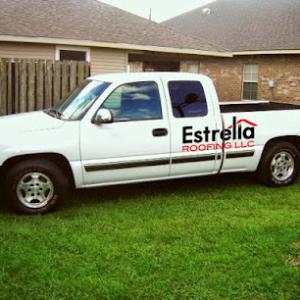
Estrella Roofing
(602) 373-4313 www.estrellaroofing.com
Serving
4.7 from 137 reviews
Estrella Roofing in Phoenix, Arizona is a residential and commercial roofing company. As a full service roofing company, we handle everything from basic roof repairs to complete re-roofing projects. We specialize in shingle, tile, and metal flat roofs. We also install walk decks and work to preserve them from our Arizona sun with our walk deck coating services. As a family owned and operated company, the owner Juan Lopez, handles all project bids and oversees all roof installations as he has done for the last 25+ years. For affordable pricing, excellent customer service, and high quality work, Estrella Roofing is Phoenix’s established and trusted roofing company.
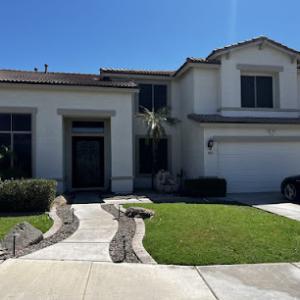
Crew Contracting & Roofing
(602) 695-2827 crewcontractingllc.com
Serving
4.9 from 77 reviews
Looking for top-quality roofing and exterior services in Arizona? At Crew Contracting, we specialize in New Roofing, Re-Roofing, Torch Down Roofing, Modified Bitumen, Shingle Installation, Tile Roofing, and Timberline Solar by GAF. We also provide Exterior Painting services for residential and commercial properties. Fast & reliable service Free roof inspections & insurance claim assistance High-quality materials with up to 50 years of warranty Serving Phoenix, Avondale, Tucson, Prescott, Yuma & nearby areas Whether you need a new roof installation, roof replacement, or expert exterior painting, we handle everything for you! Call us today for a free consultation and protect your home or business with Arizona’s trusted roofing experts.
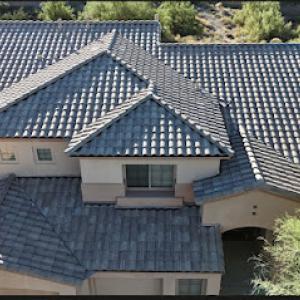
United Legends Roofing
(623) 248-6031 unitedlegendsroofing.com
Serving
5.0 from 33 reviews
United Legends Roofing is an established company with 27 years of experience serving nationally. Our team is dedicated to providing high-quality roofing and following industry guidelines; our values are loyalty, trustworthiness, and a positive attitude. We excel at multi-tasking to complete overlapping projects, create detailed project plans, manage material orders, sales, bidding, and coordinate manpower nationwide. Count on us for all your roofing needs, even in the most physically demanding situations and extreme weather conditions.
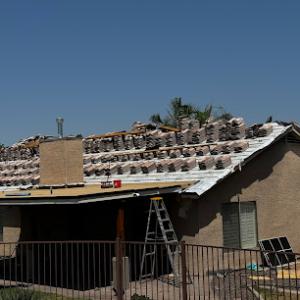
Sun City Roofing Pros
(623) 335-4009 www.suncityroofingaz.com
Serving
5.0 from 4 reviews
Sun City Roofing Pros is your premier local roofing service in Sun City, Arizona, and surrounding west valley cities. Offering a comprehensive range of roofing solutions. Specializing in installation, repair, replacement, and maintenance, our expert team is equipped to handle all your roofing needs. With years of experience under our belt, we pride ourselves on quality workmanship, using the best materials to ensure durable, long-lasting results. Whether you're facing an emergency leak, need a complete roof overhaul, or simply want to keep your roof in top condition with regular maintenance, we're here to help. Our commitment to customer satisfaction and attention to detail makes us the go-to roofing contractor in Sun City.
Advanced Quality Roofing
(602) 918-5446 www.advancedqualityroofingaz.com
Serving
4.8 from 36 reviews
Advanced Quality Roofing, a roofing company in Wittmann, AZ, helps clients all across the Phoenix area with their roofing needs. Whether you have a complicated large-scale project or a small-scale roofing repair, our BBB-accredited company can help. With two generations of roofing experts and partnerships with the top names in roofing, you can count on us for all your needs. We even specialize in servicing tiled roofs. You'll always work directly with the business owners, and our roofers understand how to adjust our services to your unique roof as well as how to install the best products possible with care and concern. And we offer an excellent warranty for your peace of mind!
A1 Roofing Solutions
(480) 349-9726 a1roofingaz.com
Serving
4.5 from 46 reviews
Arizona's Premier Roofing Contractor. A+ rated with the Better Business Bureau.-1 Roofing is a family-owned and operated and specializes in Residential and Commercial roofing services including Shingle Re-Roofs, Tile Re-Roofs, Roof Coatings, Repairs and much more. We Service all of Arizona including Scottsdale , Phoenix, Buckeye and Mesa
Spearhead Contracting
(602) 680-9510 spearheadcontractingaz.com
Serving
5.0 from 24 reviews
We are a family-owned business that has been providing residential and commercial roofing services in Phoenix, and its surrounding areas. Our craftsmanship, excellent materials, and work ethic are a tribute to our years of experience and great client satisfaction. For a free estimate, give us a call today! SE HABLA ESPAÑOL!
Glendale Roofing Pros - Roof Repair & Replacement
(602) 753-5333 glendaleazroofing.com
Serving
5.0 from 24 reviews
Professional Glendal Arizona Roofing Glendale Roofing has been providing professional roofing contractor services to Glendale AZ for many years. We are one of the most established and trusted names for roofing services in the valley, and are accredited by the Better Business Bureau. We offer some of the best roofing warranties in Glendale, because we stand behind the quality of our work. In the unlikely event that you need to utilize your roof’s warranty, you can rest easy knowing we’ve been in business for over 25 years, so we will still be around to make sure your home or business is protected. If you need a new roof in Glendale installation, roof leak repair, roofing maintenance, commercial roofing industrial roofing residential roofing
Simply Roofing Glendale
(623) 303-8767 simplyroofingco.com
Serving
5.0 from 12 reviews
Simply Roofing Glendale offers high-quality roofing design and services in Glendale. We are seasoned roofers who deliver top quality and budget-friendly roofing services. Get in touch with us on +16233038767.

ShowTime Roofing & Coatings
(623) 399-0727 www.showtimeroofingaz.com
Serving
4.9 from 175 reviews
Showtime Roofing & Coatings is a family-owned, third-generation roofing company serving Phoenix, Surprise, Sun City, Scottsdale, Peoria, Anthem, and Glendale. With over 35 years of combined experience, we specialize in residential and commercial roofing solutions, including tile, shingle, shake, foam, and roof coatings. Our licensed and insured team is dedicated to delivering high-quality workmanship and exceptional customer service, ensuring your property is protected from Arizona's extreme weather conditions. Contact us today for a free estimate and experience the Showtime difference.
Precision Roofing
(602) 456-0323 www.precisionroofingaz.com
Serving
4.9 from 209 reviews
Precision Roofing is the premier roofing company for all of your roofing needs. As a top-rated roofer, we specialize in roof repair, roof replacement, commercial roofing, and residential roofing services. Our team of experienced and skilled local roofers is dedicated to providing exceptional quality workmanship and superior customer service. We service Scottsdale, Phoenix, Mesa, Tempe, Peoria, Glendale, and the entire Valley. We prioritize customer satisfaction above all else, ensuring that every project is completed to the highest standards. Our roofing contractors are committed to delivering top-notch results, no matter the size or scope of the job. Contact us today for a free estimate for your roof repair or your roof replacement.
In this corner of the valley, June through August brings punishing heat that slows tear-off crews and makes material handling a challenge. Shingles, underlayment, and fasteners behave differently when roofs bake at peak sun. Planning a re-roof around the hottest stretch helps keep crew productivity steady and reduces the risk of heat-related downtime. When you must schedule work, expect longer days and more frequent hydration breaks, and build a cushion into the timetable for heat days that push tasks to the next cooler window.
Monsoon winds and sudden downpours can hit hard after a stretch of extreme heat. Tile-heavy roofs rely on a robust underlayment and careful fastener work to resist lifting and water intrusion during this season. Timing the tear-off away from the peak heat and monsoon onset minimizes the chance of wind-strained work conditions and last-minute rain postponements. If a replacement window is tight, prioritize the underlayment stage during milder days and schedule the visible phases for a stretch when humidity and surface temperatures are lower.
Arizona heat shortens shingle life and creates harsher working conditions, so replacement timing often slides toward the shoulder seasons. Late fall through early spring in this area tends to offer more predictable temperatures, steadier crews, and safer handling of underlayment and sealants on tile and composite systems. When planning, align the project to multi-day windows with daytime highs in a comfortable range and consider clearing the roof in advance of the first cool fronts so sealants can cure without heat-driven setbacks.
Winter in the valley is mild compared with colder markets, but cool periods can still impact sealants and thermal movement on certain roof systems. Clay and concrete tile, in particular, can respond to cold by contracting and stressing seals if installation steps aren't sequenced for gradual movement. If winter installation is chosen, a flexible sealant plan and staggered fastening approach help accommodate movement and maintain watertight performance through the typical January swings. Prepare for a slightly slower pace in the cooler weeks, especially if mornings start frosty and surfaces stay damp until mid-morning sun.
Get a clear picture of your project costs upfront - no commitment required.

Asphalt shingles remain the practical, go-to option for many homes in this desert corridor, thanks to quick installation and broad color choices that help reflect some heat. In neighborhoods where the roofline leans toward Southwestern and ranch-style designs, you'll often see asphalt paired with a solid underlayment system designed to handle intense sun and sudden monsoon bursts. When considering asphalt, the focus shifts from the shingle itself to the layered protection beneath: a robust underlayment, properly sealed edge details, and flashing that can withstand wind-driven rain. In extreme heat, look for products with cool-roof pigments and longer warranty periods that cover underlayment performance and wind uplift resistance.
Metal roofs are well-suited to the region's sun exposure and monsoon winds due to their durability and fast shedding of water. You'll frequently encounter metal on homes with clean, low-slope sections or porch-overhangs that blend with the broader roofscape. Pay attention to fastener systems, proper sealing at transitions, and coatings that resist oxidation in the desert air. A metal roof with a proven wind-resistance rating can offer a longer service life on exposed elevations, where gusty monsoon days test weaker connections. For restorative projects, metal can be a practical choice when paired with a matched underlayment and venting plan that accommodates the local climate.
Clay tile remains a hallmark of the region's stylistic identity, delivering shade, texture, and a classic profile. Tile systems are prominent in the broader Phoenix-area housing stock, and the surrounding desert climate makes underlayment performance critical: tiles rely on an effective underlayment to protect against leaks when roof penetrations age or when heavy rain follows extreme heat. In Litchfield Park, tile roofs often feature lighter color palettes to reduce heat gain, but individual tiles can crack under rapid temperature swings or hail, so a solid inspection plan for tile condition and a reliable sealant at hips and valleys is essential.
Concrete tile shares many of the same advantages as clay, with greater impact resistance and broader availability. The heavier weight requires a sound structural assessment before replacement or retrofit, but when correctly installed, concrete tiles perform well under both blistering sun and monsoon downpours. Look for a continuous underlayment layer and properly aligned laps to minimize wind damage. In practice, concrete tiles pair well with a low-slope strategy on Southwestern-style roofs, where careful detailing protects against wind-driven moisture.
Wood shingles and shakes bring a distinct aesthetic but demand close attention to mantled underlayment and moisture management. In high-heat periods, wood can dry and shrink, stressing fasteners, while monsoon rain tests the integrity of the roof's edges. If choosing wood in this market, ensure a high-quality sealant system and a durable venting setup to prevent moisture buildup that can compromise the roof deck during monsoon seasons.
Synthetic or composite shingles offer versatility in color and performance, often incorporating enhanced UV resistance and flexible underlayment compatibility. They can bridge the look of traditional materials with modern underlayment systems that handle heat and sudden rain better. When installed on a roof with low-slope sections, compatible coatings or specialty membranes can extend service life and improve wind resistance in wind-prone zones. This option is particularly appealing where tile or metal might otherwise be considered but requires attention to underlayment compatibility and edge detailing.
Because the area combines tile-heavy residential neighborhoods with intense sun exposure, homeowners often compare full replacement against restoration or coating on compatible low-slope portions. Flat-roof and coating specialists remain active in this market alongside tile contractors, so consider a two-pronged approach: maintain the high-slope, tiled sections with durable underlayment systems, and optimize the low-slope zones with proven coatings that resist UV degradation and withstand the season's wind and rain. Here in Litchfield Park, selecting materials and detailing that address monsoon-season performance will pay dividends when storm intensity peaks.
Find specialists in TPO, EPDM, and built-up flat roofing systems for residential and commercial properties.
Advanced Quality Roofing
(602) 918-5446 www.advancedqualityroofingaz.com
Serving
4.8 from 36 reviews
In this market, asphalt shingles are a practical baseline, but repairs and replacements still lean on underlayment quality and proper venting because tile-heavy homes dominate the area. Expect costs per square in the range of 350 to 700 USD, reflecting the need to modify flashing and rake details on mixed elevations rather than a flat, simple roof. Monsoon-season demand can push scheduling tight after wind or hail events, so build a contingency for a faster teardown-to-water-tight timeline if a storm hits.
Metal offers a lighter option with good wind resistance, yet local homes frequently rely on heavier tile systems that ride on top of strong underlayment. Costs span roughly 600 to 1200 USD per square, driven by roof complexity and aluminum or steel selections that must mate with existing tile features. Expect additional labor for detailing at dormers, parapets, and tall hips, which are common in Southwestern designs and can extend lead times during monsoon surge periods.
Clay tile remains a staple for curb appeal and heat management, but it demands skilled handling and precise underlayment work to cope with desert temperatures and sudden rain. Price guidance sits near 900 to 1600 USD per square, reflecting tile weight, breakage risk, and the need for careful re-bedding at fasteners and edge trims. After extreme heat, contractors tend to reassess matching grout and sealants, which can influence both cost and scheduling when monsoon winds arrive.
Concrete tile blends durability with a heavier load, adding complexity at transitions and near fireplaces or chimneys. Expect 800 to 1400 USD per square, with extra charges for reinforced underlayment and meticulous alignment around multiple elevations. Monsoon-season timing can affect crew availability, so plan for possible minor delays when storms are forecasted.
Wood options are less common but still seen on some Southwestern mixes, particularly in newer nods to rustic charm. Costs typically run 800 to 1300 USD per square, impacted by termite considerations, finish coatings, and careful flashing near eaves. Underlayment work is crucial after high heat, as dry conditions can offset moisture management needed for the first heavy rain.
Synthetic or composite alternatives have grown in popularity for their weight and resilience, though local preference still centers on tiles. Expect 500 to 900 USD per square, with savings coming from easier handling and faster installation, yet still requiring solid underlayment integration to perform through monsoon wind and rain events.
Connect with specialists in the installation and restoration of natural cedar shake and shingle roofs.
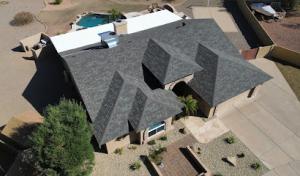
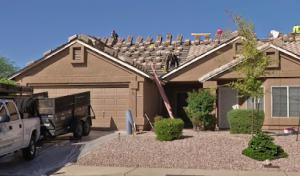
In this jurisdiction, a full roof replacement is treated as a major project requiring a permit through the local building department rather than a simple maintenance update. That means you'll move from a preliminary plan review to formal approval before any work begins. The process typically includes submitting structural details, material selections, and work scope, with plans reviewed for compliance with local codes, wind resistance requirements, and underlayment standards that matter in the desert climate. Since tile-heavy roofs rely heavily on underlayment performance after extreme heat, ensure the permit package clearly notes underlayment type, attachment methods, and any retrofit measures to address monsoon-season exposure.
The inspection sequence follows a logical progression that mirrors the actual construction steps. Expect an initial tear-off or underlayment stage inspection to verify that the roof deck is properly prepared and that the chosen underlayment meets local expectations for moisture protection and wind uplift resistance. After the underlayment is in place and any necessary flashing details are addressed, a final completion inspection is conducted to confirm that the new roof is installed to code, with correct fastener patterns, nailing, and edge protection. Since many homes in this area use tile systems, the inspector will pay close attention to underlayment transitions, valley metal, and fastener security around tile clips, as these details can influence performance during monsoon winds.
Processing times can vary with seasonal workload, which matters in the Phoenix area when monsoon damage creates bursts of permit demand. In peaks, expect longer review times and potential scheduling backlogs for inspections. Plan for weather windows; a delay in permits or inspections can affect project timelines, especially when monsoon storms require rapid repairs to prevent water intrusion. Keeping clear communication with the permit office and your contractor helps align inspection checkpoints with weather-safe installation milestones, reducing the risk of rework or additional permit amendments.
Desert monsoons bring sudden wind, blowing dust, and hail that can compromise tile-heavy roofs after extreme heat. In this market, roof claims are frequently tied to monsoon events, which means documentation and timing matter more than in milder desert markets. A claim can hinge on proving damage from a single storm or a sequence of storms, rather than gradual wear. The aim is to show a clear link between the event and the loss, while keeping expectations grounded about how coverage may apply to non-standard materials.
Photos taken immediately after a storm are essential. Focus on missing or cracked tiles, displaced underlayment, lifted edges, and any interior signs of moisture. Gather contractor estimates as soon as feasible, ideally from professionals who understand tile and underlayment systems common to the area. An adjuster will want verification that the damage is storm-related and not the result of pre-existing conditions. Timely reporting helps prevent questions about age-related wear or prior repairs that could complicate the claim.
Insurers in this market commonly request a combination of photos, contractor estimates, and adjuster verification before approving roof damage claims. Keep a log of storm dates, wind speeds if available, and any personal observations of hail impact. If a roof uses non-standard materials or a specialized underlayment, documentation that the installation meets code-like expectations can be pivotal. Some carriers may limit coverage when non-standard materials or non-compliant fasteners are involved, which makes selecting a compatible roofing system and evident maintenance records even more important during a claim.
Tile and specialty roof systems rely heavily on the underlayment's performance. After extreme heat, underlayment can deteriorate or misalign, and wind-driven debris can pry tiles loose, exposing the substrate. A robust record showing the condition of underlayment, fastener integrity, and flashing during the storm improves claim credibility. If the roof has had recent non-standard repairs, prepare to demonstrate that those components were correctly installed and suitable for the climate.
After a storm, walk the perimeter and note any dislodged or damaged tiles, gutter issues, and signs of water intrusion inside the attic or ceiling. Contact a local roofer who understands tile systems and will provide verifiable estimates and photos tailored to Arizona terrain. Keep all correspondence with the insurer organized by date and detail, and be prepared for follow-up inspections where adjusters may request additional evidence before deciding on coverage.