Last updated: Apr 19, 2026
During the summer, the monsoon season delivers intense, localized downpours paired with gusty winds that slam roofs hard in this area. That combination creates a higher risk of wind-driven water intrusion than leaks you might see in the dry months. A sudden gust can lift loose edges, shove water under flashing, and push debris into drainage paths. The clock starts ticking the moment a storm ends: leaks may not appear until hours later, but damage can be widespread. When a storm arrives, your first instinct should be to check any exposed seams, corners, and the edge of the roofline for wind-driven gaps. If you notice dripping near the eaves after a downpour, treat it as an urgent warning rather than a slow drip.
Tile roofs are common in this area, and they bring both beauty and specific hazards. During monsoon wind events, individual tiles can shed or crack, creating immediate weak points for water entry. Even a seemingly minor crack can channel rainwater under the tile and into the underlayment or decking. The underlayment beneath tiles often determines whether the home actually leaks. If tiles are cracked, displaced, or missing, do not assume the problem is isolated to a single tile. Water can flow unpredictably beneath the surface and find the path of least resistance toward interior spaces. After a storm, inspect the roof surface for displaced or broken tiles, but also look at the flashing around chimneys, vents, and transitions. If you can access the attic, check for signs of moisture or staining, which can indicate hidden leakage that tile problems have exposed.
Dust storms in the East Valley can load valleys, flashings, and drainage paths with debris before a rain event, increasing overflow and backup risk when monsoon storms arrive. Debris can clog gutters and downspouts, forcing water to back up under roof edges or into vulnerable seams. Before a predicted storm, clear debris from roof edges, gutters, and drainage paths as much as safely possible. After the rain, inspect for shadows of moisture along walls inside and outside the home-where debris backed up water can cause hidden leaks. Remember, clogged drainage amplifies the energy of a heavy downpour, so even a small blockage can create a cascading leak scenario.
When a monsoon hits, a fast response can limit interior damage dramatically. If you notice active leaks, prioritize stopping water at the source. Use a temporary sealant or roofing tape rated for exterior use to cover the most obvious gaps until a professional can assess. Photograph damaged areas promptly for insurance and contractor review. Schedule an urgent inspection with a trusted roofer familiar with tile and low-slope systems; they should verify the condition of underlayment, flashing, and valley lines, and determine whether roof penetrations or edge flashing are compromised. If attic or ceiling staining appears, treat it as a warning sign, not a cosmetic issue, and seek immediate evaluation. In monsoon-prone areas, even small leaks can escalate quickly due to ongoing wind-driven moisture.
Within 24 to 48 hours after a storm, perform a focused roof check: look for loose or cracked tiles, lifted edges, and flashing gaps around vents or chimneys. Inspect valleys and drainage paths for debris buildup. Check interior ceilings and walls for new stains or damp spots, especially in corners and around light fixtures. If you cannot safely access the roof, arrange a professional inspection promptly and communicate any rapid changes in weather or new drips you've observed. Acting quickly protects both the roof surface and the interior spaces from escalating damage when monsoon winds collide with high desert heat.
In this desert environment, the dominant roof styles-clay tile, concrete tile, and practical low-slope sections-face a seasonal pattern. The visible condition of a tile roof can be misleading: the waterproofing layer is the underlayment beneath, and desert heat accelerates its deterioration. After a monsoon, a roof can look intact while the underlayment has softened or weakened, setting up leaks that show up later as staining or sudden seepage. Pay particular attention to the base of the Superstition Mountains where UV exposure and heat are harshest: underlayment near transitions and penetrations is the most vulnerable.
When a monsoon storm winds down, start with safety first: avoid walking on wet or damaged tile, and use a sturdy ladder with a spotter. If you notice leaks indoors, catch water with containers and move valuables away from the area. From the exterior, inspect for displaced or fractured tiles, especially around corners, hips, and edges where wind-driven rain can force infiltration. If you see any obvious gaps at vent stacks, plumbing penetrations, or flashing joints, do not delay-temporary tarping or quick sealant can slow further intrusion until a pro can reseal the underlayment and flashings properly. Document the damage with clear photos from several angles for insurance or repair planning.
Visible cracking or misalignment in clay or concrete tiles often signals underlying underlayment wear. The weight and rigidity of tile influence how leaks travel; water can travel along the underside of tiles and appear far from the source. Check the eave line and any overhanging patios or additions, where tiles butt against newer surface materials-these transitions are common leak origins after a storm. For homes with patios or add-ons, ensure the connecting flat roof areas have solid flashing and a continuous waterproof membrane beneath the tile field. If tiles are loose but not visibly broken, don't assume the roof is sound-underlayment damage may require professional evaluation.
Low-slope zones are especially vulnerable where runoff concentrates, such as near transitions between tile fields and flat roof areas. The junctions between field tiles and a flat roof are frequent trouble spots because water can back up and undermine the edge details. Inspect eave edge cap sheets, counter-flashings, and any accumulated debris that can trap moisture. Location-specific failure tends to cluster around parapets and transitions; plan for targeted flashing checks during seasonal maintenance. If there's an unusual slickness or persistent dampness along a transition after rain, treat it as a warning sign and have a professional assess whether the underlayment or flashing has failed.
Develop a routine keeping tiles free of debris, with a focus on the vulnerable base areas and transitions. In dry months, perform a visual sweep of exposed underlayment edges and flashing; in monsoon season, schedule a quick post-storm inspection and, if needed, a prompt reseal of the underlayment in the affected zones. Keeping a proactive eye on these desert-specific weaknesses reduces the chance of sudden leaks during the next storm.
Find contractors who specialize in clay and concrete tile roofs, known for their durability and curb appeal.

Cardinal Roofing
(480) 983-0401 www.cardinal-roofing.com
100 W Apache Trail #7, Apache Junction, Arizona
4.8 from 55 reviews
R & S Foam Roofing
(602) 413-1925 randsroofingllc.com
5487 E 26th Ave, Apache Junction, Arizona
5.0 from 12 reviews
Essential Roofing Guys Apache Junction
(602) 610-0866 essentialroofingguys.com
1477 Apache Trail #3, Apache Junction, Arizona
5.0 from 10 reviews

Cardinal Roofing
(480) 983-0401 www.cardinal-roofing.com
100 W Apache Trail #7, Apache Junction, Arizona
4.8 from 55 reviews
Combining years of experience with a dedication to client satisfaction. Cardinal Roofing has established itself as the local leader in all types of roofing. Cardinal Roofing hours are by appointment only.
R & S Foam Roofing
(602) 413-1925 randsroofingllc.com
5487 E 26th Ave, Apache Junction, Arizona
5.0 from 12 reviews
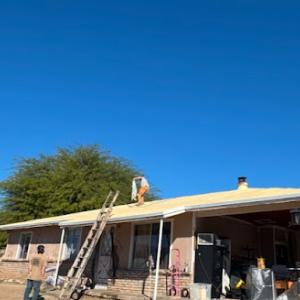
R & S Foam Roofing is a father-daughter owned and operated roofing company proudly serving Apache Junction, AZ, and surrounding areas. We specialize in expert roof repair, replacement, and installation for residential and commercial properties. From metal, shingle, and tile roofing to emergency repairs and storm damage restoration, we ensure top-quality workmanship. Whether you need a routine inspection or a full upgrade, we provide durable, cost-effective solutions. Trust our family to protect yours—call today for a free estimate and experience roofing done right!
Roofwerks,Inc
(480) 744-1245 www.roofwerks.us
974 W Tepee St, Apache Junction, Arizona
4.7 from 13 reviews
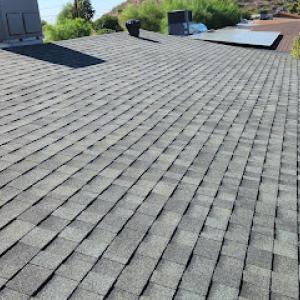
Local Roofing contractor with 20+ years experience Tear off Shingles, Licensed to do Insurance claim work.
Regal Roofing Apache Junction
(480) 530-7158 regalroofingllc.com
950 E Baseline Ave, Apache Junction, Arizona
5.0 from 6 reviews
Regal Roofing Apache Junction offers high-quality roofing design and services in Apache Junction. We are seasoned roofers who deliver top quality and budget-friendly roofing services. Get in touch with us on +14805307158. When you hire us, you know you’re getting skilled, passionate technicians you can trust to do the best job possible. And, as a bonus, we always feature competitive pricing on our services.
Pelican Power Roofing & Restoration
11101 E University Dr #256, Apache Junction, Arizona
5.0 from 3 reviews
Roofing repair - full roofs - tile - shingle -flat
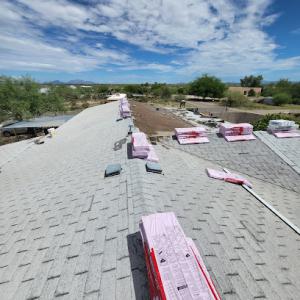
Rohr Roofing
Apache Junction, Arizona
3.8 from 10 reviews
Reroofs & Repairs 24 HOUR EMERGENCY REPAIRS
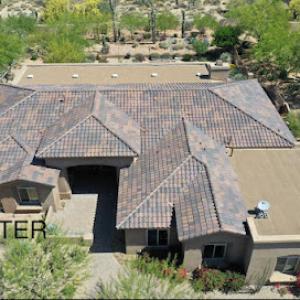
T&J Roofing LLC (Formerly Tim KLINE Roofing)
(480) 357-2463 tandjroofingllc.com
Serving
4.9 from 44 reviews
Roofing Contractor
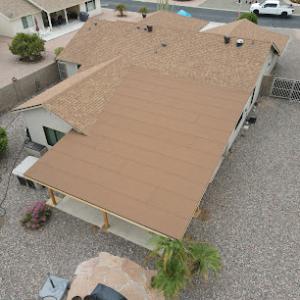
GOAT Roofing
Serving
4.9 from 129 reviews
We are a family owned roofing startup with 10+ years of experience in the industry. We pride ourselves in giving personalized attention to each clients needs as well as outstanding workmanship and attention to detail. If you have a few shingles missing, questions about your roof, need assistance with an insurance claim, or its just time to replace your roof, we can help, call us today!
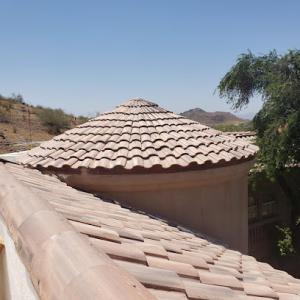
Customer 1st Roofing
(602) 647-6916 www.customer1stroofing.com
Serving
4.8 from 33 reviews
Residential and commercial roofing contractor.
In-Ex Designs Roofing
(602) 938-7575 www.inexroofing.com
Serving
4.7 from 112 reviews
The In-Ex Difference: Your Boutique Roof Experience in Phoenix Remember that leaky roof or storm damage keeping you up at night? In-Ex Designs Roofing isn't your average roofing company. We're your neighborhood experts, offering a "boutique experience" that blends top-notch craftsmanship with personalized service. Founded in 1996, we didn't just want to fix roofs; we wanted to change the game. With over 75 combined years of experience serving the Phoenix area, we know what it takes to deliver exceptional results that last. We handle both residential and commercial roofing systems. Call today for a free inspection.
Right Way Roofing
Serving
4.8 from 560 reviews
Right Way Roofing is the #1 roofing company offering comprehensive repair, installation, and replacement services in Phoenix, Arizona and the surrounding areas. We are family-owned and have been in business since 1963. Owners Johnnie and Lori Clark are third-generation roofing contractors. The Clark family is committed to offering the local Phoenix community with reputable residential and commercial roofing installation solutions. Our skilled roofers provide free roofing inspections and follow all OSHA regulations. Our licensed roofing contractors have the skills necessary to install shingle, tile, flat, or foam roofing. Same day estimates are provided. Contact our professionals to receive assistance.

Axis Roofing
(480) 567-0105 www.axisroofing.com
Serving
4.9 from 353 reviews
We believe "We Have to Be Different to Make a Difference". This shows by our community we serve voting us the best roofer in the east valley, and most competitive in Arizona year after year. When it comes to roofing, there is no one more qualified to inspect it, repair it, or replace it. As a full-service roofing and general contractor, our extensive experience completing complex residential and commercial projects means that we not only understand your needs but can meet them. Our staff consists of experts with over 20 years of roofing knowledge and experience and over 15 years of hands on experience in the insurance claims industry. This allows us to set the standard for best practices within our community and the roofing industry!
Desert living means your roof faces relentless sun from dawn to dusk, and that sun isn't friendly to materials that weren't built for it. In this climate, surface aging happens faster, color fades quicker, and sealants can fail sooner due to prolonged ultraviolet exposure. Tiles and low-slope surfaces are especially susceptible to accelerated wear at the base of the Superstition Mountains where reflections and hot surfaces intensify the heat load. Keep an eye on color shift, hairline cracks in coatings, and any chalky residue that signals UV-driven breakdown. For asphalt and composite layers, early deterioration can show up as granule loss or softened edges after hot days, followed by rapid cooling at night.
The desert swings from scorching days to cooler nights, creating repeated expansion and contraction cycles. These rapid day-to-night shifts stress flashings, fasteners, and penetrations, which can loosen or develop small gaps that become leak paths during sudden monsoon storms. In practice, this means paying close attention to metal flashings around vents, chimneys, skylights, and transitions from roof to wall. If you notice lifting edges, warped flashing, or coating splits, schedule a proactive reseal or flashing refresh before a heavy monsoon drives water into vulnerable corners. Regular checks after any extreme heat spell can catch these issues before a leak forms.
Tile roofs handle heat differently depending on the material. Clay and concrete tiles tolerate the heat well but can crack or spall if movement stresses aren't managed. Cementitious underlayment on low-slope systems can bake out moisture, leading to coating delamination or compromised waterproofing. In both cases, a robust sealant schedule matters-particularly around penetrations and at edge details where wind-driven rain can intensify. Noticeable granule loss on clay or asphalt shingles, or telltale microcracks in coatings, merits a closer inspection. The combination of heat, UV, and wind makes proactive maintenance a smarter choice than reactive patching.
Because of the local heat load, fall through winter is often the preferred replacement window for homeowners and contractors. Cooler, milder conditions during these seasons make sealants cure properly and allow for safer handling of tiles and membranes. If a panel or tile shows signs of brittleness or if flashing assemblies exhibit accelerated corrosion from sun exposure, planning a replacement or major repair in a fall-to-winter sequence can minimize heat-related during-work stress and reduce labor challenges caused by sudden storms.
Schedule a roof inspection after the peak heat of summer and before the onset of the monsoon season. Look for color fade, warping, or feathered edges on tiles and any loosened fasteners along ridge lines. Track sealant integrity around vents, skylights, and transitions-those are your first trouble spots in this desert environment. For low-slope systems, ensure the membrane seams are protected by clean, dry surface conditions during repair work, since moisture infiltrates become more noticeable once the storms arrive. Finally, develop a quick-response plan for rapid repairs: a temporary tarp or seal over compromised areas can buy days of protection during a monsoon downpour while a permanent fix is arranged.
Apache Junction features a mix of asphalt shingles, metal roofing, clay tile, concrete tile, wood shingles or shakes, and synthetic or composite shingles. Tile remains especially relevant in the local housing stock, often seen on homes perched near the Superstition foothills. This variety means selecting a material isn't just about price; it's about how well a roof can stand up to the desert sun, wind-driven monsoon rain, and the constant dust that settles along the base of the mountains. When choosing, consider how a roof color will reflect or absorb heat, how panels or tiles sit on the deck, and how easy it is to replace damaged sections after a monsoon event.
Material choice has to account for UV exposure that wears surfaces at the base of the Superstitions and for wind loads during monsoon storms. Tile options-concrete and clay-tend to hold up well in high-UV environments and can resist wind uplift when correctly installed with approved fasteners and nailing patterns. Metal roofs bring fast installation and excellent wind resistance, but color choices and coatings matter for long-term UV aging. Asphalt and synthetic shingles can provide lighter-weight options with quicker replacements, but their UV durability varies by product line, so verify the specific warranty and solar reflectivity. For homes with mixed inventory, a layered approach-sturdier tile where roof lines are most exposed and lighter materials on secondary slopes-often delivers the best balance.
Dust accumulation is a constant factor in Apache Junction. Tiles and metal panels should be installed with proper gaps and eave overhangs to manage debris and runoff during dust storms and heavy rain. Tile systems can shed debris more slowly than metal in some cases, which makes occasional cleaning important to prevent moisture retention. Synthetic or composite shingles offer a lower-weight alternative that can handle UV exposure and en plein air conditions, but verify that the product's performance claims align with local monsoon cycles. For low-slope sections, ensure membrane penetration seams are sealed to minimize fast leak risk when sudden runoff hits.
Heavier tile systems are common in the region, while lighter options like asphalt, metal, and synthetic products may be considered where structure or replacement speed matter. If a roof already carries a heavy tile load, confirm that attic framing and the underlying deck can support ongoing wind and rain loads. For faster recovery after a storm, lighter materials can be advantageous, but evaluate how they hold up to UV and dust over the long term. In all cases, prioritize verified installation methods and materials rated for desert climates to keep leaks at bay when a monsoon wallop arrives.
Typical Apache Junction pricing ranges by material are about $350 to $550 per square for asphalt shingles, $700 to $1100 for metal, $900 to $1600 for clay tile, $800 to $1500 for concrete tile, $600 to $1000 for wood shingles or shakes, and $450 to $800 for synthetic or composite shingles. In practice, a full replacement often parallels the mix of desert-style homes in the area, where tile options are common and underlayment and flashing details drive the final bill. Tile and mixed rooflines tend to push labor costs higher than straight, flat installations, especially when tear-off complexity and handling of brittle, salvageable tiles come into play.
Costs in Apache Junction often rise when monsoon damage creates surge demand for repairs and re-roofing, especially after wind or hail events affecting the East Valley. If a storm hits and multiple homes are in the queue for replacement, materials may be on shorter lead times and crews may assign priority to urgent jobs. In that scenario, expect shorter windows for scheduling and potential price bumps for expedited work or after-hours service. For tile or low-slope roofs, the impact is more pronounced due to the specialized labor needed to reseal joints, replace distressed underlayment, and restore flashing around valleys and chimneys.
Tile roofs and mixed rooflines are common around the base of the Superstition Mountains, and they can increase labor costs beyond the material price alone. Tear-off of old tile, careful handling of brittle tiles, and matching new pieces to old profiles add complexity. Underlayment work-especially in hot, dusty conditions-requires thorough seaming and proper breathability to handle rapid sun exposure and monsoon moisture. If the roof is low-slope, there's added emphasis on drainage plan and flashing details to keep leaks out during summer monsoons and sudden downpours.
When budgeting, start with the material ballpark and then add for labor intensity tied to tile or mixed rooflines. For a standard residential roof, think in squares (100 square feet). If the project involves significant tear-off, salvage of tiles, or intricate flashing, plan for a higher labor rate within the stated ranges. In monsoon-prone periods, reserve a contingency for quick-start repairs or replacement if a large storm creates a backlog. For most homes with tile or composite options, expect the higher end of the range when upgrading to longer-lasting systems or when integrating modern underlayment and improved ventilation.
Get a clear picture of your project costs upfront - no commitment required.
R & S Foam Roofing
(602) 413-1925 randsroofingllc.com
5487 E 26th Ave, Apache Junction, Arizona
5.0 from 12 reviews

In Apache Junction, a full roof replacement commonly requires a permit through the city building department before work proceeds. The process is not just a formality; it creates a record that your project complies with local wind uplift standards, attic ventilation, and roofing setbacks that reflect desert conditions and monsoon exposure. If the permit is delayed or missed, you risk work stoppages, potential fines, and difficulty selling or insuring the home later. Prepare to submit plans detailing materials, flashing details, and drainage corrections, and expect a review that may require adjustments to align with current code updates.
Inspections are typically conducted during tear-off and again after installation, with close attention to code compliance, wind uplift, and flashing details. The tear-off inspection verifies that old materials are removed safely, decking integrity is sound, and any needed repairs are documented before new layers go on. The final inspection confirms that the installed system meets wind resistance requirements common to the Sonoran Desert and monsoon cycles, and that flashing around skylights, chimneys, and transitions to walls is stable against rain-driven winds. If inspector notes arise, your contractor will need to address them promptly to avoid delaying occupancy or triggering re-inspection fees. Expect weather-related scheduling challenges in high-wind or storm seasons, which can push inspection timelines.
Some neighborhoods are also subject to HOA review, so homeowners may need to satisfy both city permit requirements and community design rules. HOA approvals can add steps and timelines, especially for color palettes, tile profiles, or low-slope surface choices common to Apache Junction's climate. Failing to align with HOA expectations can trigger delays or required changes after permit issuance, so begin coordination early and keep design intent documented to minimize rework and keep the project moving when the monsoon season arrives.
Arizona's roof insurance environment is active enough that homeowners in this area should expect closer scrutiny of wind and hail claims, especially on older roofs. After a monsoon storm or a fast-moving dust storm, adjuster visits may be more common, and the outcomes can hinge on how well the roof has stood up over time. That reality makes early, careful documentation essential, so the claim has solid footing when decisions are made about damage and repair scope.
When a storm hits, your best move is to methodically gather evidence before any mitigation work begins or roofing crews arrive. Photo documentation of tile displacement, shingle loss, denting, and interior leaks matters because it translates into concrete records for the adjuster. If you can, photograph from multiple angles and capture the roof edge, gutters, and any visible flashing or vent damage. Interior photos of water stains or attic dampness help tell the full story, reducing gaps between what you saw and what the claim reflects.
Coverage decisions in this desert climate can be influenced by roof age and by whether the policy includes wind or hail endorsements relevant to desert storm losses. Older roofs may face more stringent depreciation or eligibility questions, while a policy with appropriate endorsements can expand or restrict recovery paths after a storm. Understanding where the policy stands before filing can prevent misleading assumptions about what will be covered and what will require exceptions or rider approval.
Create a simple, organized record set that can be handed to the adjuster. Include a dated log of weather events, a binder with all relevant policy information, and a clear set of labeled photographs showing both the roof surface and any interior impact. If access to the attic or crawlspace reveals signs of water intrusion, document those areas as well. Clear, thorough visuals paired with a concise narrative can help align your expectations with the adjuster's assessment and speed up the process.
Connect with contractors who help homeowners navigate the claims process from damage assessment to final approval.
Roofwerks,Inc
(480) 744-1245 www.roofwerks.us
974 W Tepee St, Apache Junction, Arizona
4.7 from 13 reviews
Pelican Power Roofing & Restoration
11101 E University Dr #256, Apache Junction, Arizona
5.0 from 3 reviews
Flashing durability takes on extra weight with extreme UV exposure and sudden monsoon downpours. In hotter months, sealants can become brittle, and in a matter of minutes a wind-driven rain can exploit tiny gaps around skylights, vents, and roof-to-wall transitions. Homes with tile or low-slope sections often have multiple penetration points where flashing details meet, so those spots deserve closer attention after a storm.
Skylights and similar penetrations can turn into leak points when surrounding sealants dry out under desert sun and then face wind-driven rain. Check the base flashing where the skylight sits, along the curb, and where the dome or panel meets the surrounding roof surface. Look for lifted or cracked sealant, corrosion at metal flashings, and any loose fasteners. Vents, attic soffits, and attic access doors should be tested for secure sealing as well, since their flanges ride on many roof transitions.
Homes with mixed roof forms common in the area often have multiple transition points where penetrations and flashing details need closer inspection after storms. Where tile meets low-slope sections, ensure the edge metal, counter-flashing, and tile clips are intact and properly aligned. In areas where structural steps create sudden changes in plane, confirm that flashing transitions do not trap water or allow wind-driven rain to bypass the primary seal.
After a storm, perform a careful exterior check around each penetration: look for lifted tiles or shingles, torn or missing sealant, and any gaps at flashings. If you notice any sign of moisture intrusion inside the attic or ceiling, address it promptly to prevent hidden rot. For suspect flashings, avoid DIY fixes that involve forcing sealants into sun-baked materials; instead, plan a targeted professional inspection focusing on the most exposed points: skylights, vent collars, and transitions between roof surfaces. Regular maintenance before the monsoon season saves stress when storms arrive.
Find contractors experienced in skylight installation, flashing, and leak repairs to bring natural light into your home.