
Last updated: Apr 19, 2026
Late-summer monsoon storms bring a brutal combo: heavy rain and gusty winds that slam against tile roofs. In this market, tile roofing stands out as the strongest local specialty signal, with clay and concrete tiles dominating the suburban landscape. That combination means when storms hit, storm-related roof calls surge as quickly as the winds. The real risk isn't always a dramatic crack-it's wind-driven debris and rain driving underlayment exposure where the surface still looks fine from the street. Keep a sharp eye on how those storms interact with your roof, because the long-term integrity sits just beneath the surface.
Between monsoon events, dust storms scour roofs and valleys, leaving abrasive grit that can abrade tile surfaces and clog valleys. This debris matters because wind-driven grit is often the first clue that something deeper is at risk. If you notice a thin film of grit on clay or concrete tiles, or see granular wear in high-traffic peak areas, treat it as a warning that underlayment and sealing components are under stress. The desert environment accelerates wear, so small quirks-unusual heat cycles, tiny granules in gutters, or powdery streaks along the ridge-are worth investigating promptly rather than waiting for a leak to appear.
When storm winds pair with heavy rainfall, surface tiles may lift, crack, or break in high-wind gusts. Local patterns show that underlayment weaknesses don't always announce themselves with a visible crack on the surface; instead, water can seep through micro-tears or worn flashing where tiles overlap and at valley intersections. Valleys accumulate debris and can trap moisture, which over time undermines sealants and bedding. If the roof looks intact but interior or attic drywall shows damp patches after a storm, that's a red flag that the roof system has vulnerabilities that aren't obvious from the exterior.
After the last thunderclap, inspect for lifted or displaced tiles, especially near parapets and in areas where wind funnels through landscaping. Look for cracked edges, chipped surfaces, or broken ridge tiles. Inside the attic, search for damp rafters, staining, or musty odors near the highest points of the roof line. In the valleys, check for pooled water, silt, or plant debris that would seal in moisture and accelerate underlayment deterioration. If any of these signs appear, prioritize a professional assessment; delayed recognition translates into broader damage and costlier repairs.
If a storm passes and tiles show damage or you notice dampness in the attic, limit further exposure by placing temporary coverings over visibly compromised areas and clean out debris from valleys and gutters. Do not delay calling a local roofer who understands the monsoon cycle and the way wind-driven debris interacts with tile systems. A thorough inspection should prioritize underlayment integrity, flashing, and valley sealing, since these elements are most often compromised when surface tiles appear intact. Acting quickly preserves the overall roof longevity and reduces the chance of interior water intrusion during the next monsoon pulse.
Develop a proactive routine that pairs seasonal cleaning with targeted inspections after the strongest monsoon events. Regularly reseal flashing where tiles meet penetrations, clear debris from valleys, and monitor ridge and hip tiles for micro-movement after storms. Dust and grit accumulate fastest in the months between storms, so a focused cleaning of surface tiles and valley areas helps prevent slow underlayment wear. When homeowners stay ahead of the debris and wind-driven stress, the tile roof remains the strongest shield against how harsh desert weather can push roofs to their limits.
Find local contractors experienced in assessing and restoring roofs after hail, wind, and severe weather events.

Arizona's Finest Roofing
(480) 292-7159 arizonasfinestroofing.com
36480 N Texas Ranger Rd, San Tan Valley, Arizona
4.9 from 164 reviews


Arizona's Finest Roofing
(480) 292-7159 arizonasfinestroofing.com
36480 N Texas Ranger Rd, San Tan Valley, Arizona
4.9 from 164 reviews
Arizona's Finest Roofing, located at 36480 North Texas Ranger Road, is your premier local roofing contractor committed to excellence in roof replacement, roof repair, and new roof installation. Specializing in both residential roofing and commercial roofing, our skilled team ensures top-quality shingle roofing solutions tailored to your needs. Whether you need expert leak repair or roof damage repair, we are dedicated to delivering reliable service you can trust. As a trusted local roofing company, we pride ourselves on our expertise and customer satisfaction, ensuring your home or business is well-protected. Experience the finest in roofing services with Arizona's Finest Roofing
3D Roofing
(480) 466-6029 3droofingaz.com
Serving
4.9 from 94 reviews
Residential and Commercial Roofing Services. The roof is your home's/ business’s main line of defense against the elements. Let us walk you through the best options to fit your specific needs from repairs to full roof replacements. Once you feel comfortable with your choices, we'll take it from there and handle it all.
Arizona Sky Roofing Consultants - Roofing Contractor & Roof Repair Mesa
(602) 881-6073 azskyroofing.com
Serving
5.0 from 15 reviews
Arizona Sky Roofing Consultants is a trusted Local roofing company in Mesa, AZ, providing professional roofing services for residential and commercial properties. Our experienced roofers specialize in roof repair, roof replacement, new roof installation, emergency roof leak repair, and roofing inspections. We work with asphalt shingles, metal roofing, and flat roofing systems. Whether you need residential roofing, commercial roofing, or urgent roofing repairs, our roofing contractors deliver reliable workmanship and honest guidance. Homeowners and businesses in Mesa rely on us for quality roofing solutions, long-lasting materials, and dependable service.
Arizona Pristine Roofing
(623) 257-7663 arizonapristineroofing.com
Serving
4.9 from 171 reviews
Arizona Pristine Roofing, LLC. is a licensed residential and commercial roofing contractor that provides 1st class customer service. All work comes with a 100% satisfaction guarantee. Why Choose Us? Over 100+ Five Star Reviews A+ Rating with BBB 90 Building Zoom Score Licensed, Bonded and Insured ROC #332702 Arizona Pristine Roofing, LLC. Get a Free Roof Inspection by an Insurance Claim Specialist Queen Creek / East Valley: 623-257-ROOF (7663) Tucson: 520-614-ROOF (7663)

Chandler Heights Aztec Ascend Roofing
(623) 432-9222 desertroofs.com
Serving
4.9 from 8 reviews
Aztec Ascend Roofing offers unparalleled roofing services in the Queen Creek, AZ area, delivering expertise in residential and commercial roofing projects. Our commitment to quality workmanship and customer satisfaction ensures that every roof we install, repair, or maintain meets the highest standards of durability and performance. Trust Aztec Ascend Roofing for your roofing needs and experience the excellence and reliability our team brings to every project.
Maverick Roofing & Exteriors | Gilbert, AZ
(480) 703-2584 maverickroofingaz.com
Serving
5.0 from 40 reviews
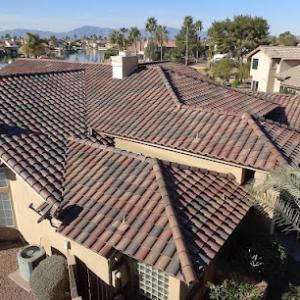
Maverick Roofing & Exteriors is a family owned roofing company proudly serving Gilbert, AZ and surrounding areas. Founded by JT Fulton, who began his career in 2015, our business was built on genuine relationships, quality workmanship, and a deep commitment to our community. We specialize in roof repairs, new roof installations, and tile underlayment replacement for both residential and commercial properties. With every project, we focus on communication, craftsmanship, and care delivering results that stand the test of time.
T&J Roofing LLC (Formerly Tim KLINE Roofing)
(480) 357-2463 tandjroofingllc.com
Serving
4.9 from 44 reviews
Roofing Contractor

Stradling Roofing
(480) 901-6901 www.stradroofing.com
Serving
4.9 from 96 reviews
Stradling Roofing offers premier roofing services to the Phoenix, Arizona area. We specialize in both residential and commercial roofing in the following applications: Tile, Shingles, Flat, Foam, Silicone, EDPM, TPO, Cool. We also do general contracting.
BUILT Roofing
(480) 207-0059 builtroofingaz.com
Serving
5.0 from 13 reviews
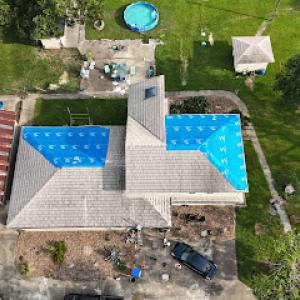
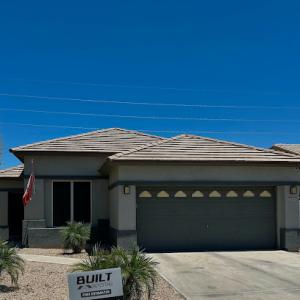
At BUILT Roofing, we take pride in delivering high-quality roofing solutions with unmatched craftsmanship and reliability. Whether it's a new installation, repair, or maintenance, our experienced team ensures every job is done right the first time. We use top-tier materials, provide excellent customer service, and guarantee lasting results, giving you peace of mind that your roof is in the best hands.

First Response Roofing
(480) 924-4444 www.firstresponseroofingaz.com
Serving
4.9 from 59 reviews
Our nearby roofing company takes great pride in helping our friends and neighbors in Gilbert, Chandler, Scottsdale and the surrounding Arizona communities with their residential roofing replacement, maintenance and repair needs. First Response Roofing AZ offers access to the highest quality products and materials, and our craftsmen undergo continuous training to ensure our customers get only the best roofing products and services. As leaders in Arizona roofing, we provide light commercial roofing, multi-housing roofing and residential roofing services. Whether you’re interested in roof repairs, re-roofs or simple maintenance service for Tile, Shingle, Foam, or Patios we have a solution for you. We also install new seamless gutter systems!

AZ Quality Roofing & Painting
(602) 820-6327 azqualitypainters.com
Serving
4.9 from 34 reviews
AZ Quality Painting & Roofing is a trusted, family-owned business serving the Phoenix Metro area with top-quality roofing and exterior painting services. Led by a father-son team with over 48 years of experience in the contracting industry, we are committed to delivering superior craftsmanship, reliability, and customer satisfaction. Our expertise spans residential and commercial roofing, including repairs, replacements, and coatings, as well as exterior house painting for long-lasting curb appeal. At AZ Quality Painting & Roofing, we use premium materials and proven techniques to protect and enhance your property. Contact us today for expert roofing and painting in Phoenix, Scottsdale, Mesa, and beyond!
Arizona's extreme summer heat and UV exposure are a central lifespan issue in San Tan Valley, so material choice is less about winter performance and more about sun resistance and underlayment durability. Clay and concrete tiles hold color better and resist fading, but their long-term success hinges on a carefully chosen underlayment and a fastening plan that keeps them from lifting in the monsoon winds. Asphalt shingles remain common, yet in this climate they benefit from high-quality UV-stable granules and a roof deck with a solid, breathable underlayment. Fiber cement shingles offer decent sun resistance with minimal color fading, while wood shingles or shakes demand robust sealing and periodic maintenance to prevent drying and splitting in the heat. EPDM is a practical option for flat or low-slope sections, where a seamless membrane can stand up to scorching afternoons and heavy monsoon rain without vulnerable seams.
The dominant local material mix includes clay tile, concrete tile, and various shingle options, so understanding how these systems interact with underlayment is crucial. Tile coverings may outlast the waterproofing layers beneath, especially when flashing and fasteners are stressed by day-to-night temperature swings. In practice, this means paying close attention to the ridge line, penetrations around vents, skylights, and chimneys, and ensuring the underlayment is a continuous, heat-tolerant layer. For clay and concrete tile roofs, select fasteners and clips rated for desert temperatures, and verify attic ventilation is adequate to reduce heat buildup that accelerates underlayment aging. Tile collars and sealants around vent pipes should be inspected annually for hairline cracks that can become channels for moisture during monsoon season.
Day-to-night temperature swings stress flashing and sealants more than you might expect. In this market, you need a system that accommodates expansion and contraction without compromising the waterproof barrier. Look for metal flashings with corrosion-resistant finishes and compatible sealants that remain flexible in heat. For tile roofs, ensure the pointing around roof penetrations maintains a tight seal while allowing for movement. Periodic inspection after the monsoon season is essential, focusing on any areas where wind-driven debris can force water intrusion. When you're evaluating a roof upgrade, prioritize a fastening pattern that holds tiles securely without creating pressure points that could crack or lift under sun-driven expansion.
Sun exposure pushes moisture management higher on the priority list. A roof deck with high-permeance underlayment helps vent heat away from the living space while providing a reliable secondary barrier against leaks. If the attic lacks adequate insulation or ventilation, the roof assembly carries more heat into the living spaces, accelerating material degradation. In practice, this means checking that attic vents and soffit intake are free of obstructions and that insulation levels are appropriate for the climate. On flat or low-slope sections using EPDM, confirm seam integrity and edge detailing, since those areas are most vulnerable to heat-related deformation and wind-driven water entry during monsoon events.
Maintenance in this climate is a year-round exercise, but the rhythm changes with the seasons. In summer, schedule a targeted inspection of exposed edges, fasteners, and sealants after monsoon activity to catch wind-borne debris and micro-cracking early. In the fall, assess underlayment wear and any color or surface changes in the roofing material itself. For tile roofs, keep gutters clean and ensure that drainage paths remain free of debris so water can shed quickly rather than pooling at transitions. A practical approach pairs a strong, heat-tolerant base with thoughtful detailing around penetrations, reducing the vulnerability of the roof to the desert's extreme exposure and dramatic temperature shifts.
For the area, fall through spring becomes the preferred replacement window because Arizona's hottest months create tougher installation conditions and faster material heat loading. Plan projects to start after monsoon season winds settle and temperatures moderate. When choosing a start date, aim for a stretch of several mild weeks with low extreme heat, measured wind, and predictable daytime highs. That narrow window helps crews handle tile-heavy roofs more efficiently, reduces stress on underlayment, and improves sealant performance.
Late-summer monsoon season can interrupt tear-off and dry-in schedules with sudden rain and wind, which is a practical timing issue for homeowners in this part of Pinal County. If a teardown begins in July or August, build in buffer days for unexpected dust storms, brief downpours, or gusty shifts that can roll through on short notice. Having a flexible start plan, with the ability to pause, cover, and re-sequence tasks, minimizes the risk of water intrusion and heat-related damage to exposed roofing components.
Storm-driven demand spikes after monsoon events can affect scheduling and contractor availability locally, especially for emergency repairs and re-roofing. After a major monsoon event, local crews tend to book quickly. If a repair or reroof becomes necessary in the wake of wind damage or fallen debris, contact a trusted contractor early to reserve a slot and secure priority response. Consider establishing a primary backup date range during the modest shoulder season in the fall or spring so the team can shift without losing momentum if weather shifts.
Assess the roof when conditions are dry and mild: check for cracked tiles, loose battens, and worn underlayment that signals mounting fatigue. If you notice repeated nail popping or granular loss in shingles, or tiles that frequently crack under wind gusts, begin the conversation with local roofers about a reroof timeline within the optimal window. Have a short list of two or three seasoned crews who understand tile systems and the unique sun exposure of desert neighborhoods. Confirm crew readiness for a multi-day, tile-heavy project and discuss access and staging for dusty, windy days typical in this market. Establish a contingency plan that aligns with monsoon forecasts so that a late-summer schedule can shift without leaving the roof exposed.
Get a clear picture of your project costs upfront - no commitment required.



In this area, the building department you deal with is the county, not a city office. For a full roof replacement, your project requires a building permit that runs through the Pinal County processes. The plan review and inspections are handled through the county's system, so you'll submit through the county building department rather than a city counterpart. Understanding this ahead of time helps prevent delays when a contractor needs to pull permits and schedule inspections. The county's review focuses on how the new roof integrates with the structure, weather exposure, and the safety of install methods given the desert climate and monsoon patterns.
A full roof replacement generally triggers a permit rather than a minor repair permit. Even if your chosen materials are similar to what exists, the county expects documentation that demonstrates the new roof system meets current code and wind-uplift considerations common to the region. Plan review will look at how underlayment, fasteners, and edge details are addressed, especially in areas that experience strong monsoon winds. Your contractor should be prepared to submit structural notes if the project scope involves replacing or modifying roof decking or any load-bearing components.
Inspections usually follow a tidy sequence: first, an underlayment and nailing pattern check to verify the roof deck and moisture barrier are properly installed, then a sheathing inspection to confirm deck integrity and attachment, and finally a completion inspection to ensure all elements are finished to code and in place. In desert conditions, inspectors pay attention to fastener spacing, sealant application at penetrations, and proper flashing details around parapets and skylights. If the scope expands to include structural modifications or wind-uplift upgrades, a separate or additional inspection may be required to verify those changes meet current standards for the area's wind loads.
Your contractor should initiate the permit by pulling the county application and submitting roof plans that clearly show product selection, underlayment type, and attachment methods. Have documentation ready for any structural or wind-uplift considerations the project might trigger, especially if decking modifications or reinforcement are involved. Coordinate timing with the county to align inspections with material delivery and staged work, so the process proceeds smoothly without keep-you-on-site delays. Remember that permit review and inspections are not just about compliance-they help ensure your replacement stands up to the desert sun and the season's wind-driven challenges. San Tan Valley is in unincorporated Pinal County, so homeowners typically deal with the county building department rather than a city building department for full roof replacement permitting.
In this desert market, pricing hinges on the dominant materials you'll see on the block. Local cost planning should reflect the area's top options: asphalt shingles at 450 to 800 USD per square, clay tile at 900 to 1500 USD per square, concrete tile at 700 to 1200 USD per square, wood shingles or shakes at 800 to 1300 USD per square, fiber cement shingles at 550 to 900 USD per square, and EPDM at 4 to 7 USD per square foot. When budgeting, use these ranges as your baseline and adjust for your subdivision's typical build style.
Tile-heavy neighborhoods drive replacement costs higher because tile systems are common locally and often involve more labor-intensive handling than basic shingle roofs. If your home uses clay or concrete tiles, expect higher material costs and longer installation timelines due to careful tile layout, underlayment, and matching existing profiles. Asphalt shingles remain the most budget-friendly option in this market, but if the roof has a substantial tile footprint, you'll likely be looking at a larger total project than a single-story shingle retrofit. Wood shingles or shakes and fiber cement shingles sit in the middle of the spectrum, with wood adding labor complexity and fiber cement offering durability with moderate cost. EPDM is typically reserved for flat or low-slope portions, and it's priced per square foot rather than per square.
Monsoon winds challenge tile roofs specifically, increasing the likelihood of cracked tiles and loose fasteners after a storm. This dynamic pushes crews to handle tiles with extra care, sometimes extending labor hours and requiring more rework. In practice, that means you should anticipate potential price bumps after heavy storms, as demand surges and crews balance urgent repairs with existing schedules. Tile-heavy neighborhoods also contend with more intricate repair patterns, which can factor into both upfront bids and post-storm adjustments.
If planning a full roof replacement, outline a staged approach: confirm the roof's current structure and ventilation needs, compare tile versus shingle lifespans in this climate, and factor in additional costs for underlayment, flashing, and venting common to arid environments. For a smaller patch job, expect per-square or per-square-foot pricing to flex with material choice and access constraints. In Pinal County, post-storm demand can influence both pricing and lead times, so buffering your schedule and budget by 10-20 percent helps keep the project on track. Remember: the most cost-effective choice in the long run balances material durability with local exposure to sun, dust, and monsoon winds.
Arizona homeowners commonly file hail and wind damage claims after storm events, which is especially relevant in San Tan Valley after monsoon season. The combination of intense sun, blowing dust, and sudden gusts can leave your tile or shingle roof subtly damaged or visibly creased. Insurance carriers often work on tight timelines, and a claim filed promptly after a monsoon can help establish a clear damage trail. Expect a review that weighs both the obvious impacts and the hidden wear that might have weakened sections over time. Being prepared with notes from the day of the storm helps your claim move more smoothly.
Insurers often want detailed documentation including photos and roof age, and adjusters may request on-site inspection, so local homeowners benefit from documenting conditions immediately after dust, wind, hail, or rain events. Take wide-angle shots of each plane of the roof, close-ups of cracked or displaced tiles, lifted edges, and any interior signs of water intrusion inside attic spaces or ceilings. Keep a dated record of any prior repairs or replacements, and note nearby trees or debris that could have contributed to damage during the monsoon. A clear, organized portfolio can reduce back-and-forth and speed up a settlement.
Some carriers have tightened coverage options for older roofs in Arizona, making roof age records and upgrade documentation more important when San Tan Valley homeowners repair or replace storm-damaged roofs. If your roof is nearing the end of its expected life, gather evidence of last major repair dates, original installation details, and any mid-life upgrades like underlayment or fastener inspections. Show how current damage intersects with existing wear to help the adjuster judge whether repair or replacement is warranted, and to what extent.
After a storm, walk the property with a camera in daylight, focusing on tiles that have shifted, cracked, or fractured under heat and wind stress. Note gutter overflow, fascia looseness, and flashing around chimneys or vents. If you suspect interior dampness, document it quickly with dated photos from ceilings and upper walls. In the days that follow, avoid tarp improvisations that could trap moisture; instead, prioritize temporary protection that shields vulnerable seams while you arrange professional assessment. This careful approach supports a fair, timely resolution when the monsoon leaves its mark.
Connect with contractors who help homeowners navigate the claims process from damage assessment to final approval.
Arizona's Finest Roofing
(480) 292-7159 arizonasfinestroofing.com
36480 N Texas Ranger Rd, San Tan Valley, Arizona
4.9 from 164 reviews
In San Tan Valley, flat and low-slope roofing is a regular feature over patios, additions, and garage transitions, even when the main roof is tile. Monsoon rain can overwhelm marginal drainage quickly, and dust or debris that settles between storms can clog outlets or scuppers. If water lingers more than 48 hours after a shower, or if you notice shading from pooled moisture that doesn't drain, that's a red flag. Create a simple flow map over the affected area: identify where water tends to stand, where drains are located, and whether debris collects at transitions. After heavy rain, inspect these points while the roof is still damp to spot leaks or slow drainage paths that weren't obvious dry.
EPDM is a dominant choice here, so its seams and flashings deserve extra attention. Check for aging or stretching at peripheral edges, where the membrane meets parapets, parapet terminations, and any roof-to-wall transitions. Look for hairline cracks or signs of micro-tear at seam overlaps, especially in the dryer months when sun exposure expands material movement. Melted or deformed edge seals along drip edges and curb penetrations can invite water intrusion under high wind or sudden monsoon gusts. A close inspection after a monsoon storm helps confirm seam performance under real weather loading.
Dust lifted by late-summer winds settles into low-slope channels and around drains, reducing effectiveness between storms. Develop a simple cleaning cadence: remove loose debris from the surface and around all penetrations after monsoon events, and verify that any leaf-style screens or adapters remain in place. Keep a small inspection mirror handy to catch small wrinkles or lifted seams at corner valleys or transitions that might hide under accumulated dust. A vigilant maintenance rhythm helps prevent minor issues from becoming leaks during the next rain burst.
On a routine walk-around, start at the furthest distal low-slope section and move toward the main roof. Visually confirm that the membrane lies flat with no blisters or puckering, and check edge details where the membrane wraps up against parapets or walls. Examine fastener patterns around curbs, vents, and skylights for any signs of loosening. Note any new staining or dampness on the interior side of ceiling tiles or drywall near these areas, which can indicate slow leaks from the low-slope plane.
Find specialists in TPO, EPDM, and built-up flat roofing systems for residential and commercial properties.
Arizona's Finest Roofing
(480) 292-7159 arizonasfinestroofing.com
36480 N Texas Ranger Rd, San Tan Valley, Arizona
4.9 from 164 reviews
Arizona Sky Roofing Consultants - Roofing Contractor & Roof Repair Mesa
(602) 881-6073 azskyroofing.com
Serving
5.0 from 15 reviews

In this market, the emphasis is on re-roofing older suburban homes, where tile roofs face extreme sun, dust, and monsoon winds. Look for contractors who clearly prioritize debris control, rapid follow-up after storms, and a clean, complete cleanup with every project. A strong signal is a crew that arrives with tarps, containment, and daily cleanup routines, not just a single truck and a ladder. The right team will discuss the home's existing tile vulnerabilities, especially in subdivisions with heavy wind exposure, and propose a practical plan for securing loose tiles and protecting eaves and vents.
Residential work dominates the local contractor landscape, and many firms are family-owned. Start with a short list of neighborhood references and ask about how the company handled storm repairs, cleanup efficiency, and response times. Verify that the business has a stable presence in the area, a dedicated project supervisor on site, and a process for protecting landscaping and street debris. Check that the firm typically re-roofs rather than extensively reworking single panels, which aligns with San Tan Valley's large stock of existing homes.
Ask for a concrete timeline from start to finish, including cleanup milestones and daily wrap-up routines. Inquire about who oversees tile installation-especially for clay and concrete tile-to ensure compatibility with existing profiles and fasteners. Request examples of completed, comparable projects in nearby subdivisions, with notes on wind-related repairs. Confirm what happens if damaged tiles are found during removal and whether the crew handles temporary stabilization during rain events. Ensure the contract outlines protections for gutters, AC units, and solar arrays, common focal points in these neighborhoods.
Family-owned companies often bring a personal stake in customer satisfaction and neighborhood reputation. Expect direct access to decision-makers, predictable scheduling, and a local accountability culture. Compare references not only for price but for how smoothly the project progressed, how debris was contained, and how quickly the crew returned to address follow-up concerns after the job concluded. This approach tends to align with the expectations of homeowners in subdivisions across the area.
This guide starts from the reality of an unincorporated desert community in Pinal County, where sun, dust, and late-summer monsoon winds drive decisions around aging and storm damage. The local conversation centers on tile-heavy dwellings, heat aging, and rapid shifts from planned upgrades to urgent repairs after monsoon events. In this market, a roof isn't just shelter; it's a first line of defense against wind-driven debris and relentless sun that accelerates wear on underlayment, fasteners, and flashing.
Tile roofs endure substantial uplift pressure when strong winds sweep across open desert lots and subdivisions. Cracked or slipped tiles expose underlayment sooner, inviting water intrusion during sudden downpours. After a storm, inspect for moved or broken tiles, loose saddle tiles, and compromised edge closures. Flashing around chimneys, vents, and skylights should be checked for gaps or corrosion. In this climate, a routine after-storm check is as essential as a mid-season inspection, because monsoon damage can accumulate quickly and compromise comfort and interior protection.
Align maintenance with tile architecture common to this area: clay, concrete, and fiber cement alternatives, plus occasional asphalt underlayment upgrades. At least twice a year, walk the accessible sections of the roof with a flashlight after the heat of the day to look for hairline cracks, lifted edges, or displaced valley tiles. Clear debris from valleys, gutters, and downspouts to reduce standing water. Ensure sealants around penetrations stay intact and re-caulk where necessary to prevent water tracking along fasteners.
Heat-driven aging favors durable tile or reinforced options when a retrofit becomes necessary. If replacement is on the horizon, assess weight load on the structure, compatibility with existing framing, and the wind resilience of edge tiles and coping. In this market, you'll balance long-term endurance with the realities of sudden storm repair needs, planning for both reliability and rapid service response.