
Last updated: Apr 19, 2026
Prolonged summer sun and seasonal monsoon storms converge in a way that ages roofs fast here. The hot southeast Valley bakes surfaces daily, and UV exposure punishes asphalt systems specifically, driving accelerated granule loss, surface cracking, and edge wear that you don't see in cooler mountain communities. Monsoon winds add a second layer of risk, lifting loose shingles, exposing underlayment, and pushing dust and grit under every seam. In this climate, a roof isn't just a weather shield-it's a high-wun battlefront where sun, wind, and dust work in tandem to shorten a roof's life.
Spring and fall are the window to act, because the brutal summer heat amplifies damage and reduces the effectiveness of quick repairs. Look for edge uplift, cracked or curling shingles, and granule loss on asphalt roofs-these are early signs of UV wear that will worsen under monsoon winds. On tile roofs, check for cracked or displaced tiles after storms, plus any signs of membrane exposure at rakes and hips where wind-driven debris can pry at the roof edge. Dust buildup is another red flag; it acts like sandpaper on surfaces and can mask underlying problems from simple visual inspection. If you notice sudden increases in dust-filled gutters or a new, persistent musty smell after a storm, investigate whether moisture has penetrated behind the underlayment.
Prioritize edge and seam protection, because wind-driven dust and uplift concentrate at those points. Have a local pro inspect ridge caps, coping, and any metal flashings for loose fasteners or corrosion, especially after the monsoon season. Clean the roof surface of heavy dust buildup before the hottest days hit, but avoid aggressive pressure washing that can lift granules or loosen underlayment. Replacing missing or damaged shingles or tiles promptly prevents widespread leaks and interior damage when suddenly heavy rain arrives. Ensure the attic is well ventilated and the soffit vents are clear; poor ventilation compounds UV aging by trapping heat and moisture near the deck. If you need a temporary fix between seasons, consider wind-rated underlayment or sealant products designed for high-heat, high-wind environments, applied by a contractor who knows this climate.
Because spring and fall are optimal for planned replacement work, map out a strategy that aligns with the hottest stretch and the fall recovery period. Asphalt and tile systems respond differently to heat and wind; your replacement plan should reflect the expected duration of installation, curing times, and any required material acclimation before install. Prioritize roofing materials with UV-resistant finishes and wind uplift ratings suited to these winds. For homes with mixed stock-tiles on one section, asphalt on another-coordinate a staggered approach that minimizes exposure of vulnerable underlayment during monsoon season. A proactive schedule keeps you out of peak heat, reduces the risk of storm-related disruptions, and maximizes the lifespan of a renewed roof in this harsh climate.
In newer master-planned neighborhoods, clay and concrete tiles are the default choice, built to handle bright sun and long summer days. That popularity comes with its own set of homeowner concerns. Tile breakage happens not just from a wind gust, but from the heat cycles that cause tiles to become brittle, especially after monsoon storms pick up and slam into sprawling rooflines. Slipped pieces aren't unusual on slopes that angle toward courtyards or load-bearing parapets, and the underlying underlayment ages differently than the visible surface. Expect to see more cracked or chipped tiles after a monsoon season, even if the surface looks mostly intact.
Visible tile can look serviceable while the waterproofing layer underneath has already aged from heat exposure. In practice, decisions about replacing tiles often hinge on what's happening beneath them rather than what the surface looks like. The underlayment in desert climates takes a beating from sun exposure during the long dry spells and from sudden exposure to wet heat during storms. When the waterproofing layer starts to fail, you may notice leaks or stains far from the obvious tile gaps. Probing for water intrusion around roof penetrations-vent stacks, skylights, and flashings-can reveal aging underlayment that isn't obvious from the top.
Because tile roofs are so common, contractors must treat flashing and fastening with tile-specific care. Standard shingle crews often misread the need for counter-flashing, starter courses, and proper nailing patterns that respect tile weight and wind load. When evaluating a roof or planning a repair, look for continuous, well-seated counter-flashing around chimneys and vents, with proper sealant that remains pliable in heat. Fasteners should be corrosion-resistant and installed to accommodate tile thickness and the allowable movement of tiles in a monsoon wind event. Missing or damaged fasteners at eave edges can lead to wind lift across the low-slope sections that captivate attention during hurricane-like monsoons.
A practical routine focuses on both the surface and the space beneath. Regularly inspect for cracked or displaced tiles after storms; replace damaged pieces promptly to prevent water that travels along the underlayment. Clean valleys and gutters to keep water moving away from penetrations and edge systems. Keep an eye on sealants around vents and flashings, replacing or refreshing them when they crack or separate. If a tile roof is aging, enlist a contractor who understands tile layups and the way the underlayment interacts with heat and moisture-someone who can troubleshoot insulation, airflow, and the integrity of the waterproofing layer as a system, not just as individual tiles.
Visible tile that looks "okay" may hide a waterproofing issue, so don't rely on looks alone. Soft, spongy decking near a sunlit exterior wall, recurrent damp spots in the attic, or a musty odor after rain are signs that moisture has found a path through aging underlayment. A roof assessment should include close attention to tile alignment, condition of the battens if present, and the integrity of step and apron flashing where the roof meets walls or parapets. In neighborhoods where tile is the default, a skilled contractor will separate tile concerns from shingle habits, delivering a diagnosis that respects the assembly's unique behavior under desert sun and monsoon wind.
Find contractors who specialize in clay and concrete tile roofs, known for their durability and curb appeal.
3D Roofing
(480) 466-6029 3droofingaz.com
22632 S Ellsworth Rd, Queen Creek, Arizona
4.9 from 94 reviews
Legion Roofing
(480) 747-1688 www.legionroofingaz.com
1056 W Corriente Dr, Queen Creek, Arizona
4.8 from 89 reviews
Chandler Heights Aztec Ascend Roofing
(623) 432-9222 desertroofs.com
9517 W Golddust Dr, Queen Creek, Arizona
4.9 from 8 reviews
Arizona Pristine Roofing
(623) 257-7663 arizonapristineroofing.com
20976 E Raven Dr, Queen Creek, Arizona
4.9 from 171 reviews
Arizona Pristine Roofing, LLC. is a licensed residential and commercial roofing contractor that provides 1st class customer service. All work comes with a 100% satisfaction guarantee. Why Choose Us? Over 100+ Five Star Reviews A+ Rating with BBB 90 Building Zoom Score Licensed, Bonded and Insured ROC #332702 Arizona Pristine Roofing, LLC. Get a Free Roof Inspection by an Insurance Claim Specialist Queen Creek / East Valley: 623-257-ROOF (7663) Tucson: 520-614-ROOF (7663)
3D Roofing
(480) 466-6029 3droofingaz.com
22632 S Ellsworth Rd, Queen Creek, Arizona
4.9 from 94 reviews
Residential and Commercial Roofing Services. The roof is your home's/ business’s main line of defense against the elements. Let us walk you through the best options to fit your specific needs from repairs to full roof replacements. Once you feel comfortable with your choices, we'll take it from there and handle it all.
Arizona Sky Roofing Consultants - Roofing Contractor & Roof Repair Mesa
(602) 881-6073 azskyroofing.com
Queen Creek, AZ
5.0 from 15 reviews
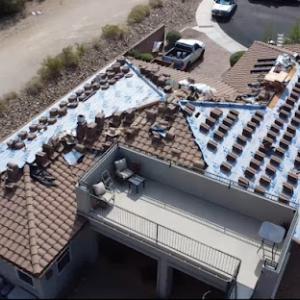
Arizona Sky Roofing Consultants is a trusted Local roofing company in Mesa, AZ, providing professional roofing services for residential and commercial properties. Our experienced roofers specialize in roof repair, roof replacement, new roof installation, emergency roof leak repair, and roofing inspections. We work with asphalt shingles, metal roofing, and flat roofing systems. Whether you need residential roofing, commercial roofing, or urgent roofing repairs, our roofing contractors deliver reliable workmanship and honest guidance. Homeowners and businesses in Mesa rely on us for quality roofing solutions, long-lasting materials, and dependable service.

Chandler Heights Aztec Ascend Roofing
(623) 432-9222 desertroofs.com
9517 W Golddust Dr, Queen Creek, Arizona
4.9 from 8 reviews
Aztec Ascend Roofing offers unparalleled roofing services in the Queen Creek, AZ area, delivering expertise in residential and commercial roofing projects. Our commitment to quality workmanship and customer satisfaction ensures that every roof we install, repair, or maintain meets the highest standards of durability and performance. Trust Aztec Ascend Roofing for your roofing needs and experience the excellence and reliability our team brings to every project.
Max Estimates
(480) 914-1444 maxestimates.com
E Cattle Dr, Queen Creek, Arizona
4.8 from 8 reviews
.
Arizona's Finest Roofing
(480) 292-7159 arizonasfinestroofing.com
Serving
4.9 from 164 reviews
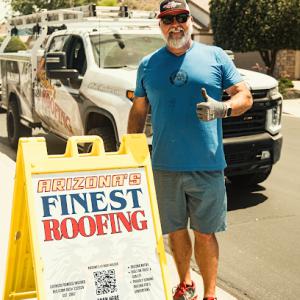
Arizona's Finest Roofing, located at 36480 North Texas Ranger Road, is your premier local roofing contractor committed to excellence in roof replacement, roof repair, and new roof installation. Specializing in both residential roofing and commercial roofing, our skilled team ensures top-quality shingle roofing solutions tailored to your needs. Whether you need expert leak repair or roof damage repair, we are dedicated to delivering reliable service you can trust. As a trusted local roofing company, we pride ourselves on our expertise and customer satisfaction, ensuring your home or business is well-protected. Experience the finest in roofing services with Arizona's Finest Roofing

Sargent Roofs
(480) 981-1218 sargentroofs.com
26033 S Power Rd, Queen Creek, Arizona
3.7 from 3 reviews
Duplicate account for Sargent Roofs: Best All Around Roofing
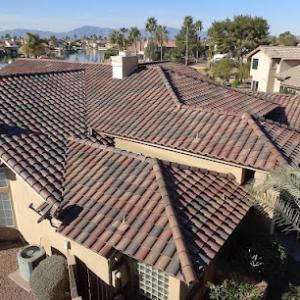
Maverick Roofing & Exteriors | Gilbert, AZ
(480) 703-2584 maverickroofingaz.com
Serving
5.0 from 40 reviews
Maverick Roofing & Exteriors is a family owned roofing company proudly serving Gilbert, AZ and surrounding areas. Founded by JT Fulton, who began his career in 2015, our business was built on genuine relationships, quality workmanship, and a deep commitment to our community. We specialize in roof repairs, new roof installations, and tile underlayment replacement for both residential and commercial properties. With every project, we focus on communication, craftsmanship, and care delivering results that stand the test of time.
Stradling Roofing
(480) 901-6901 www.stradroofing.com
Serving
4.9 from 96 reviews
Stradling Roofing offers premier roofing services to the Phoenix, Arizona area. We specialize in both residential and commercial roofing in the following applications: Tile, Shingles, Flat, Foam, Silicone, EDPM, TPO, Cool. We also do general contracting.
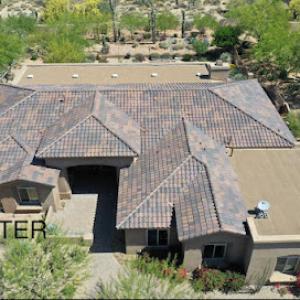
T&J Roofing LLC (Formerly Tim KLINE Roofing)
(480) 357-2463 tandjroofingllc.com
Serving
4.9 from 44 reviews
Roofing Contractor
First Response Roofing
(480) 924-4444 www.firstresponseroofingaz.com
Serving
4.9 from 59 reviews
Our nearby roofing company takes great pride in helping our friends and neighbors in Gilbert, Chandler, Scottsdale and the surrounding Arizona communities with their residential roofing replacement, maintenance and repair needs. First Response Roofing AZ offers access to the highest quality products and materials, and our craftsmen undergo continuous training to ensure our customers get only the best roofing products and services. As leaders in Arizona roofing, we provide light commercial roofing, multi-housing roofing and residential roofing services. Whether you’re interested in roof repairs, re-roofs or simple maintenance service for Tile, Shingle, Foam, or Patios we have a solution for you. We also install new seamless gutter systems!
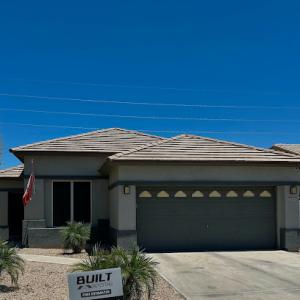
BUILT Roofing
(480) 207-0059 builtroofingaz.com
Serving
5.0 from 13 reviews
At BUILT Roofing, we take pride in delivering high-quality roofing solutions with unmatched craftsmanship and reliability. Whether it's a new installation, repair, or maintenance, our experienced team ensures every job is done right the first time. We use top-tier materials, provide excellent customer service, and guarantee lasting results, giving you peace of mind that your roof is in the best hands.
A full re-roof in this area typically requires a permit through the local building department rather than being handled as informal maintenance. The process is designed to verify that the chosen roofing system and installation method will hold up under desert sun, monsoon winds, and the traffic that comes with dense master-planned neighborhoods. That means a re-roof project should not start without pulling the proper paperwork, even if the old roof seems loose or worn from a long service life. Expect a clear link between the permit type and the scope of work, especially if any structural components or flashing arrangements are being altered alongside the surface material.
Begin by submitting a building permit application with the project details: roof type, square footage, and any changes to underlayment or ventilation. The city's permit department tends to review for compliance with Arizona Roofing Code requirements, including wind uplift standards that are critical on tile- and shingle-heavy homes. Along with the form, you will provide plans or product specs showing underlayment, flashing, and attachment methods. Fees are collected as part of the application, and a review window will be assigned. If the project involves a roof deck or parapet work, be prepared for additional documentation to demonstrate proper drainage and attachment details. A licensed contractor is typically required to pull the permit, and a project address within a single parcel helps streamline the process.
Inspections occur during tear-off and again after installation to confirm compliance with code expectations. The tear-off inspection checks that the old roof has been removed cleanly and that the roof deck is sound and ready to accept the new material. The post-installation inspection confirms that underlayment, flashing, and fastening meet code requirements, with particular attention to fastener patterns suitable for wind exposure and the chosen roofing system. In this climate, where UV degradation and monsoon winds stress every layer, the inspector will scrutinize edge details, hip and ridge joints, and any penetrations around vents, chimneys, and skylights. Scheduling both inspections in a timely fashion helps avoid delays and potential re-work.
Expect the focus to be on how the underlayment is installed over carefully prepared decking, how step and continuous flashing integrate with wall flashings, and how fasteners are placed to resist uplift forces. Tile systems, in particular, require precise underlayment coverage and secure fixing at all hips and ridges. For shingle systems, wind-rated fasteners and correct nailing locations become critical, but in this market, tile remains prominent and often dictates stricter adherence to flashing and sealant standards around penetrations. The goal is a durable, weather-tight roof that holds up through monsoon storms and the high-desert sun.
Coordinate closely with the roofing crew to align tear-off completion with the inspection schedule, ensuring that all temporary coverings and safety measures are in place. Have product data sheets ready for the inspector, including underlayment type, nailing pattern, and flashing configuration. Double-check that penetrations are flashed before the final installation, and confirm that venting and soffit details remain unobstructed after the roof is in place. If there are any deviations from the approved plan, communicate them immediately to the permit office and the contractor so adjustments can be documented and recertified before the final inspection.
Desert skies and intense UV take a steady toll on tile- and shingle-heavy homes. In this area, monsoon winds can tease loose panels and expose underlayment even when visible damage isn't dramatic. Insurers know that a roof near the end of its useful life can react differently to a hail or wind event than a newer install. That means aging roofs are scrutinized more than a fresh install after a storm, and the timeline of any reported damage matters just as much as the damage itself. Being proactive about recognizing wear from heat and sun helps you separate natural aging from insurable loss.
Insurers serving this market typically want three things: the roof's age, solid contractor documentation of conditions before the event, and credible replacement estimates after. If a claim hinges on wind or hail, the adjuster will compare pre-storm photos, prior repair records, and any documented wind-mmitigation features you have. A roof that has tape-sealed underlayment, intact fasteners, or modern anti-corrosion clips may influence decisions, especially if those features were present long before the storm. Documentation that clearly ties the event to observable damage-like granule loss, cracked or displaced tiles, or exposed decking-makes a claim easier to evaluate.
Start gathering before the next monsoon hits. Collect recent roof invoices, permits or permits-void records if available, and any notes from previous roof measurements. Take dated photos from multiple angles after a storm, focusing on damaged tiles, flashing, edge metal, and visible underlayment. If a contractor has performed recent maintenance, keep that report handy. If you have wind-mitigation features, obtain product data sheets or certification documents proving their presence and condition. A well-organized file with dates, supplier names, and a clear narrative about what happened and when can streamline the claim process.
Prompt reporting matters. Delays can complicate coverage decisions, especially if damage is subtle or partially hidden beneath tile rows. If the monsoon or a hail event clearly impacts the roof, contact the insurer and your trusted roofer quickly to document the condition. Deliberate or scattered reporting may raise questions about whether the damage arose from the storm or pre-existing wear. Keeping a steady, consistent record helps avoid disputes that slow the repair that your home needs when storms return.
Connect with contractors who help homeowners navigate the claims process from damage assessment to final approval.
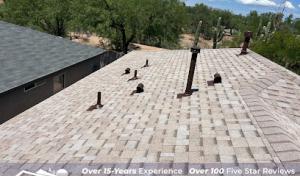
Arizona Pristine Roofing
(623) 257-7663 arizonapristineroofing.com
20976 E Raven Dr, Queen Creek, Arizona
4.9 from 171 reviews
3D Roofing
(480) 466-6029 3droofingaz.com
22632 S Ellsworth Rd, Queen Creek, Arizona
4.9 from 94 reviews
Legion Roofing
(480) 747-1688 www.legionroofingaz.com
1056 W Corriente Dr, Queen Creek, Arizona
4.8 from 89 reviews
The mix of asphalt shingles, metal, clay tile, and concrete tile in this area creates wide cost variation. Asphalt shingles stay the most common entry point for do-it-yourselfers and replacements, with costs that sit lower on the spectrum, while tile systems-especially clay and concrete-carry higher labor complexity and material heft. Concrete tile generally runs in the $900-$1500 per square range, clay tile from $1000-$1800, metal from $700-$1400, and asphalt shingles from $350-$650. Slate, wood, or specialty products push the numbers higher still, but those options aren't as typical in the suburban layouts here.
Monsoon seasons can tighten availability and drive up repair or re-roof demand across the southeast Valley. When a storm rolls through, roofers may see a surge in urgent jobs, and scheduling can slip into peak windows. If a homeowner is planning around a monsoon cycle, expect a potential premium for expedited replacements or emergency repairs. This is especially true for tile roofs, where matching profiles and colors adds labor coordination time and may affect delivered material costs.
Tile-heavy homes in this area demand careful handling, not just for tile but for underlayment and flashing details that support long-term performance. Tile systems often require more decking inspection, precise tile setting, and potential substrate repairs, which can elevate labor components versus simple shingle replacements. Asphalt shingles, while cheaper per square, still require attention to UV exposure and underslating in this desert environment to prevent leaks during summer monsoon winds. The result is a practical rule: higher upfront material costs in tile options are frequently offset by longer-term durability when paired with proper ventilation and underlayment choices.
Pricing in this market is shaped by permit-driven schedules, inspection cadence, and the prevalence of larger, tile-first rooflines that need specialized handling. As a homeowner, plan for a slightly longer project timeline if tile work is chosen, and reserve a contingency for potential material delays during peak season. When comparing bids, look for details on underlayment type, flashing upgrades, and tile-specific fasteners-these line items commonly influence final out-the-door costs more than surface appearance alone.
If budget is the primary concern and the roof is aging but intact, asphalt shingles offer the most economical path with predictable replacement costs. For a longer-term investment and a roof with a high sun exposure profile, clay or concrete tile provides durable performance but comes with higher installed costs and more involved labor. Metal can balance price and durability, especially on low-slope sections or where wind resistance is a priority. In any case, expect some variability tied to monsoon-driven demand and the tile-heavy rooflines that define many neighborhoods here.
Get a clear picture of your project costs upfront - no commitment required.
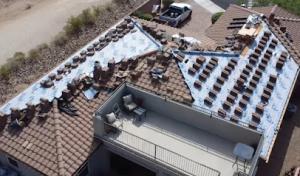
While this area is known for pitched roofs, many homes still feature low-slope patio covers, porches, or added flat sections that age differently. These surfaces face the brunt of monsoon downpours and relentless desert UV, so drainage and flashing details matter more than on steeper tile fields. Expect faster wear where water sits or where seams aren't properly integrated into the main roof system.
In these spaces, a half-inch-per-foot or greater slope helps keep water moving toward the edge. If drainage is sluggish, you'll see pooling after storms that can lead to staining, fascia rot, or fastener corrosion. Ensure scuppers, gutters, and downspouts are sized to handle sudden downpours, and verify that the surface drains toward a compatible drainage path without creating water leverage against the primary roof.
Flashing around low-slope areas must bridge the transition to the steeper main roof without gaps. Use continuous counterflashing at perimeters and ensure sealant joints stay flexible after heat cycles. In terms of wind exposure, choose robust flashing clips and corrosion-resistant materials, and inspect sealants after the monsoons for micro-cracks that invite leaks.
Homes often combine tile and flat sections, which require coordinated drainage and flashing details. Match materials at transitions, and check that step flashing is continuous where the flat area abuts a tile field. Regular inspections should focus on seam integrity, edge metal, and any depressed areas that could trap debris.
Seasonal checks after the monsoon season help catch trouble early. Look for staining along the edges, fingernail cracks in sealants, and loose fasteners. Keep debris cleared from surface drains, and test any visible scuppers with a small stream to confirm unobstructed flow.
Find specialists in TPO, EPDM, and built-up flat roofing systems for residential and commercial properties.
Arizona Sky Roofing Consultants - Roofing Contractor & Roof Repair Mesa
(602) 881-6073 azskyroofing.com
Queen Creek, AZ
5.0 from 15 reviews
Chandler Heights Aztec Ascend Roofing
(623) 432-9222 desertroofs.com
9517 W Golddust Dr, Queen Creek, Arizona
4.9 from 8 reviews
In the high-sun environment of this valley, roof penetrations such as skylights and solar mounts endure more heat and UV exposure than many other climates. Flashing and sealant layers sit in a constant state of expansion and contraction, which can lead to hairline failures that quietly progress until a rainstorm hits. The consequences show up: small drips that travel along underlayment seams, moisture trapped at flashing corners, and premature wear around the edges of the penetration. A proactive eye on these points pays off when a storm comes through the monsoon season.
Leak complaints after storms are often tied to penetrations and transitions rather than broad field failure alone. The dramatic temperature swings between blistering afternoons and cool nights can push sealants apart, especially where penetrations meet tile or shingle transitions. In practice, many calls revolve around flashing that looks intact at first glance but has salt-and-heat accelerated deterioration at joints, corners, and vent flashing. Understanding where water typically flows helps you diagnose before it becomes a larger issue.
Homes in newer developments frequently combine tile roofs with added rooftop features, increasing the importance of penetration-specific repair experience. Tile edges create additional mounting points for skylights, solar rails, and vents, each introducing its own flashing details. The best outcomes come from contractors who treat each penetration as a bespoke detail, not a stock flash-in solution. For those with multiple features, expect a careful assessment of all transitions to prevent cascading leaks.
Inspect skylight and vent flashings after the season's first major storm and again after heavy winds. Look for loose or cracked sealant, lifted flashing at corners, or any daylight visible along edges. When hiring a pro, ask specifically about their experience with tile-based roofs and multi-feature penetrations, and request a detailed plan for resealing and re-flashing high-stress joints exposed to sun and wind.
Find contractors experienced in skylight installation, flashing, and leak repairs to bring natural light into your home.
Arizona Pristine Roofing
(623) 257-7663 arizonapristineroofing.com
20976 E Raven Dr, Queen Creek, Arizona
4.9 from 171 reviews
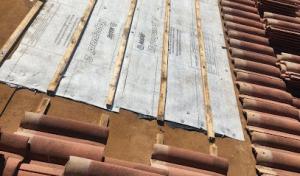
Because Queen Creek roofs face relentless sun exposure, homeowners should pay close attention to how workmanship and manufacturer warranty terms apply to heat-stressed materials. UV radiation can accelerate aging of shingles and underlayment, and monsoon season can highlight gaps in installation or flashing. When evaluating warranties, look beyond the brand and ask how the warranty responds if heat cycles cause accelerated wear, curled edges, or accelerated granule loss. A clear warranty policy should spell out coverage for both material failure and workmanship defects, with defined timelines and required maintenance intervals.
The local market shows strong demand for re-roofing rather than only patch work, reflecting how aging underlayment and repeated storm exposure can push homeowners toward full replacement decisions. A full roof replacement often preserves warranty integrity better than piecemeal repairs, especially when the underlayment is beyond its service life or moisture intrusion has occurred beneath older layers. In practical terms, a re-roof can reset the heat-aging clock on materials and provide a more uniform surface for new underlayment and flashings, which may reduce the risk of recurring leaks during monsoon season.
In Queen Creek, warranty value is tied not just to product brand but to whether installation details pass inspection and are documented properly for future claims or resale. A legitimate warranty track requires thorough workmanship records, including proper nailing patterns, starter courses, flashing integration, ventilation considerations, and a clear as-built note of underlayment type and placement. Request written confirmations of inspection passes, and keep copies of contract specifications, product data sheets, and any on-site deviations. If a future claim arises, proof of diligent installation and adherence to the warranty terms will streamline the process and support resale confidence for potential buyers.