
Last updated: Apr 19, 2026
Siloam Springs sits in northwest Arkansas, where spring thunderstorms, hail, and straight-line wind are recurring roof-loss drivers rather than rare events. The neighborhood mix-with steep slopes and a lot of metal and shingle roofs-means a single hail hit or wind gust can ripple through an entire block. The cycle starts with a storm front, often followed by a swarm of damaged shingles, lifted tabs, or dented metal. If the roof has aged flashing or compromised underlayment, that damage can quickly become leaks that show up after the first warm days. Understanding this rhythm helps you act before the next storm triangle hits: hail, wind, and wet spring conditions.
The city's roofing decisions are often tied to storm timing because wet spring conditions can both damage roofs and delay tear-off, dry-in, and flashing work. When days are damp or the ground is saturated, crews struggle to stage material, and temporary tarps are more prone to leaks. Dry-in windows shrink, and the window of opportunity to complete a full tear-off before the next round of weather narrows. Homeowners should plan with this in mind: if a claim or assessment shows damage, you may be facing a compressed timeline once sunnier days arrive, but you still must accommodate a cautious pace that avoids rushing improper flashing or inadequate ventilation. Siloam Springs homes that rely on steep slopes demand careful scheduling to prevent slips and missed fasteners in wind-prone spring conditions.
Occasional winter freezing rain in this part of Arkansas can turn older flashing or underlayment weaknesses into active leaks before the main spring storm season begins. Frozen water expands under shingles and around joints, prying up edges and opening seams. By the time spring storms arrive, those latent flaws can erupt into active leaks that surprise an unprepared homeowner. Even if there isn't a full-scale storm yet, a sudden warm-up after a freeze can drive moisture into vulnerable spots, making early assessment crucial.
Look for hail dents, curved or missing granules, and loose or curling shingles after a storm. In metal roofs, listen for ticking or flapping panels on breezier days. If you notice staining on ceilings or in attic spaces after a wet spell, there may be hidden leaks that require prompt attention. Delays in addressing these symptoms often cost more in the long run and reduce your options for a clean, code-compliant repair.
After a storm, perform a cautious exterior inspection from the ground; do not climb on a damaged roof yourself. Photograph damage from multiple angles and document dates of storms. Schedule a licensed roofer's inspection promptly to identify which components were compromised-shingles, flashing, underlayment, and decking. If moisture is present in the attic, address it quickly to prevent mold growth and further structural harm. Maintain clear access to eaves and gutters to ensure proper drainage during any repair or replacement window. Prioritize a plan that aligns with the anticipated spring cycle, so that any tear-off and reinstallation can proceed with durable, properly sealed flashing and ventilation.
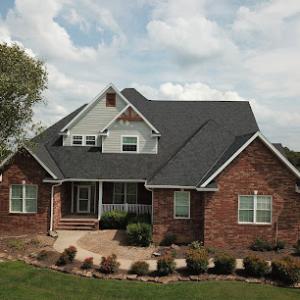
Nomads Roofing
(479) 372-5206 nomadsroofing.com
200-2 S Broadway St, Siloam Springs, Arkansas
4.8 from 55 reviews
Deeply rooted in Northwest Arkansas, proudly serves Residential and Commercial clients across Benton, Washington, and Sebastian County. We aspire to lead in roofing, safeguarding clients through inspections, maintenance, repairs, and responsible replacements. Our expertise guides on conditions, insurance, and budgets. We bridge roofing challenges to solutions. Our values of integrity, diligence, and innovation infuse every operation. We enhance roof longevity by understanding materials and structures. Sustainability shapes replacements. Nomads Roofing stands as your steadfast roofing partner. It's important to note that Nomads Roofing is a division of Nomads Enterprises, a licensed general contractor Company.
Nathans Roofing
1921 HWY 412 E, Siloam Springs, AR
4.6 from 27 reviews
Roofing estimate, roof repairs, roof replacements and new construction. We can help you with your roofing and gutter needs.
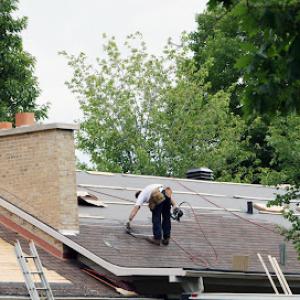
Cardona's Roofing
E Main St #123, Siloam Springs, Arkansas
5.0 from 1 review
Cardona's Roofing is a Roofing Contractor in Northwest Arkansas. We help with roof repair, roof installation, hail damage both commercial and residential. For all your roofing needs in Bentonvile, Rogers, Fayetteville, Bella Vista and beyond.
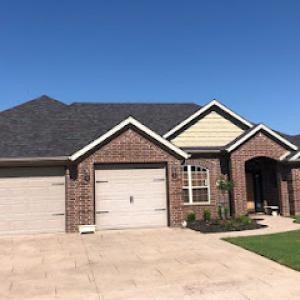
Brown Boys Roofing
(479) 248-9100 www.brownboysroofing.com
Serving
4.9 from 901 reviews
Roofing Repair Roofing Replacement Gutter Installation
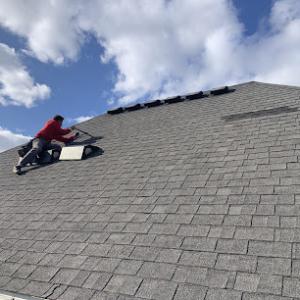
Myles Smith Construction
(501) 681-2691 mylessmithconstructioninc.com
Serving
5.0 from 50 reviews
When you have a roof leak or storm related roof damage you need a local roofing contractor you can trust. Myles Smith Construction has been a trusted Fayetteville AR roofer for nearly 20-years. With services like roof repair, new residential roof replacement, commercial roofing, leaky skylight repair and replacement, Myles Smith Construction wants to be your go-to Fayetteville AR roofing company. At Myles Smith Construction our #1 goal is customer experience. Myles Smith Construction always puts customers first. Call CertainTeed Select Shingle Master roofing contractor, Myles Smith Construction, today if you have a roof leak or need a new roof on your home anywhere in greater Fayetteville AR.

NWA Roofing Siding & Gutters
(479) 799-2022 nwaroofingservices.com
Serving
4.9 from 32 reviews
From patching up leaky roofs to fixing damaged siding, we do it all. NWA Roofing Siding and Gutters can take care of all kinds of repairs and replacements. Your local roofing contractor will proceed with the roof repairs you need, as well as reroofing, roof replacement and roofing installations for new construction projects. No matter what kind of roofing services you require, we can help you.

Big M Roofing & Construction NWA
(479) 372-7214 roofingwithbigmconstruction.com
Serving
4.9 from 103 reviews
We are a contractor working out of Centerton, AR and surrounding communities. We are a top rated construction service provider, and from the first nail to the final creative touches our contractor and crew will turn your home into a modern, unique, and comfortable place to live. We proudly offer roofing services, home remodeling and residential construction.
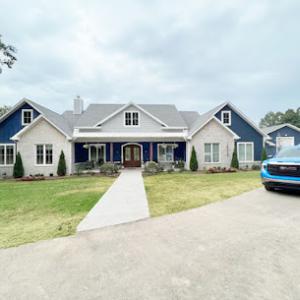
First Star Exteriors
(479) 267-4800 firststarexteriors.com
Serving
4.8 from 186 reviews
Serving Northwest Arkansas and the River Valley, First Star Exteriors specializes in roof, siding, gutter installation and repair. Using experienced crews and seasoned supervisors, we guarantee excellent service and quick turnaround time at a price that is right for you.
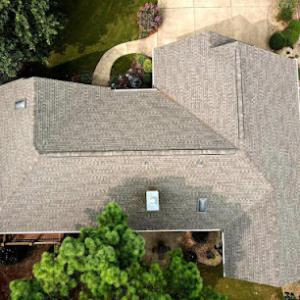
Roof Tech Roofing & Construction
(417) 386-3529 www.rooftechroofingandconstruction.com
Serving
5.0 from 459 reviews
Are you in search of top-tier residential roofing services? Look no further than Roof Tech Roofing and Construction. With over 15 years of unwavering commitment to excellence, we are your go-to roofing experts. From roof replacement and repair to seamless installations and emergency services, we offer a comprehensive range of solutions tailored to your needs. Additionally, we're here to simplify the often complex process of filing insurance claims for your roofing projects.
Roofing & Gutter Experts
(479) 435-3837 www.roofingwiththeexperts.com
Serving
5.0 from 105 reviews
Residential Roofing, Commercial Roofing , TPO Roofing Systems Whether you need a new roof, roof repair work, annual maintenance, or a roof inspection our team is ready to tackle your project and deliver an impressive final product.

Elite Home Solutions
(479) 231-1199 www.elitehomesolutions.pro
Serving
5.0 from 101 reviews
Elite Home Solutions is an experienced and professional roofing company and roofing contractor in Farmington, Arkansas. We are a licensed contractor and roofer. We offer roof installation, roof replacement, roof repair, skylight installation, and gutter installation. As a licensed contractor, we also offer deck installation, fence installation, remodels, rebuilds, and more. Elite Home Solutions is a fully licensed and insured roofing company, providing peace of mind and protection for our customers. We understand that your roof is one of the most important parts of your home, and we take our responsibility to protect it very seriously. We are a licensed contractor - so we understand how it all works together.
FES Roofing
(479) 445-9799 www.fesroofing.com
Serving
4.9 from 53 reviews
Roofing Contractor in Fayetteville, Arkansas — A highly reliable, trustworthy and reputable company for roofing Fayetteville AR! FES Roofing is the premier choice for your home’s roofing needs! We offer all types of roofing services, such as new and reroof installation, storm damage repairs, windows, siding, and gutter installation. As a locally owned and operated business, we are committed to offering first-rate craftsmanship, superior safety, and effective time management to ensure your roofing project is completed on time. No matter how complex your roofing project is, we have the experience and skills to deliver the best roofing Northwest Arkansas can offer. If you need roofing services, contact us today for a free consultation!
In this northwest Arkansas setting, roofs endure repeated temperature swings rather than a single dominant climate pattern. Hot summers push shingles and metal into expansion and contraction cycles, while cold winters pull them back, sometimes with a rapidity that stresses vulnerable points like edges, hips, and transitions. Over time, those daily and seasonal cycles contribute to micro-cracks, edge curl, and accelerated granular loss on asphalt shingles. Metal roofs may develop loose fasteners or panel lift where fastener margins meet changing temperatures. The result is not a uniform aging process but a mosaic of wear that concentrates around flashing details, hips, and ridges where heat and cold meet the material more aggressively. In practice, that means a roof in this city often looks sturdy from a distance but hides stress points up close-points that only reveal themselves after a couple of warm-to-cold cycles or a heavy wind event.
Northwest Arkansas humidity and wet spring periods matter for roof replacement planning because moisture-sensitive details like underlayment laps and flashing transitions are harder to manage in prolonged damp weather. When air turns consistently humid and rain lingers, the underlayment and flashing must perform at peak efficiency to prevent leaks during the wettest months. In a steep-slope system, this is especially true: loose or misaligned flashing at valleys, step Flashing around chimneys, and transitions from roof to walls can become recurring failure points if moisture sits on or under the roof deck for extended periods. Prolonged damp conditions also complicate attic venting, which influences dew point behavior and the potential for condensation inside roof assemblies. The practical consequence is that replacements or major repairs tend to be timed to avoid the wettest stretches, allowing crews to work efficiently and ensuring the new underlayment and flashing are installed with minimal moisture interference. Expect a focus on durable, moisture-tolerant underlayment choices and precise flashing transitions when spring rain patterns dominate the calendar.
The local housing stock commonly uses steep-slope systems where asphalt shingles and metal dominate, making wind uplift, granule loss, and flashing integrity more relevant than flat-roof ponding issues. Wind exposure on high-pitch roofs increases the likelihood of edge lift and shingle blow-off, especially after hail events or during windy springs. Granule loss accelerates as hailstones strike and as aging shingles shrink away from their fasteners, creating both cosmetic and functional concerns. Metal roofs, while durable, rely on a network of fasteners and seals; over time, sealant failures and panel seams can become leak paths if not addressed promptly. Because flat-roof ponding is less common here, a roof's age is often judged by the condition of its coverings and flashing rather than by water pooling inside a low spot. For homeowners, that means paying closer attention to the integrity of ridge caps, drip edges, chimney profiles, and transition boots, especially after severe weather events that produce hail or strong winds.
Spring hail and wind events can trigger insurance-driven replacement timing. In this market, a roof that has sustained measurable hail impact or wind uplift damage may be considered for replacement rather than repair, especially when multiple components-shingles, flashing, underlayment, and vent terminations-show signs of aging beyond their expected life. Look for consistent granule loss on asphalt shingles, darkened or cracked flashing around chimneys, and lifted edges that indicate wind-driven damage. Metal roofs may reveal loose fasteners or dented panels that compromise sealant integrity. In all cases, the decision to proceed with replacement versus repair hinges on a combination of observed physical damage, the roof's remaining lifespan, and the ability to achieve a durable, code-compliant installation that resists future weather cycles. Being attentive to these indicators after major spring events helps ensure the roof maintains performance across the next set of temperature swings and storm seasons.
In Siloam Springs, spring is a high-risk period for storm interruptions and emergency demand spikes, so planned window replacements often compete with hail-event responses. When planning, aim for windows that can be installed quickly if weather unexpectedly turns, and choose models with impact-resistant glass suitable for severe spring gusts. Prioritize sturdier window frames that resist wind-driven rain and avoid late-season delays by coordinating with a crew that carries portable, storm-ready protection for exposed openings. If a hail event hits, having a window contractor ready to secure temporary coverings helps prevent secondary water intrusion during the rest of the season.
Summer in Arkansas brings intense heat that accelerates handling issues and places extra stress on both crews and materials during peak afternoon temperatures. For replacement projects, choose windows with duel- or triple-glazed configurations that reduce solar gain and keep interior temperatures manageable, especially on attic-facing walls. Schedule installation for mornings or overcast days when possible, and verify that the crew follows best practices for heat protection-proper hydration, short shifts when glare and heat rise, and quick, precise installation to minimize exposure of rough openings. Materials should be stored out of direct sun and inspected for heat-induced warping if any long transit occurs before installation.
Cold snaps and freezing rain are less constant than in northern states, but late-fall and winter leak repairs remain urgent when an aging roof or compromised flashing is already a factor. In this window plan, consider windows with durable seals and low-temperature installation capabilities. Ensure flashing details around rough openings are synchronized with existing roof features to deter ice formation along sills and frames. If a freezing rain event approaches, a temporary interior sealing strategy can avert moisture buildup while the final fit remains on schedule. A thoughtful approach to weather windows helps prevent the frustration of back-to-back weather delays.
Replacement windows work best when coordinated with a roof plan that already addresses ventilation and moisture control. Favor high-performance units that improve airtightness without sacrificing proper attic venting, because humid Ozark air can trap heat and moisture near the eaves. In practice, choose frame materials that resist expansion and contraction from the local climate, and glass packages that balance daylight with energy efficiency-an essential mix for the spring and summer swings that define this region. A well-timed installation minimizes disruption and supports long-term comfort when storms, heat, or cold snaps threaten the home's envelope.
Asphalt shingles remain a dominant choice locally because they fit the area's common residential roof forms and lower upfront budgets, but they are exposed to hail bruising, wind creasing, and heat-driven aging in northwest Arkansas. In spring, hail can leave pockmarks that don't always show up to a casual eye, and high winds can lift shingles along the edges if the installation wasn't perfectly nailed. When you're weighing options after a hail event, consider a heavier, architectural profile within the asphalt family and confirm that the underlayment and starter courses are rated for strong wind extremes. Regular inspection after storms helps catch granule loss and lifted tabs before leaks form.
Metal roofing is especially relevant in this market because homeowners balancing storm resilience and long-term maintenance often compare it directly against repeated shingle replacement after hail cycles. In practice, metal panels shed hail impact more cleanly, resist wind uplift better, and fade less from heat compared to standard shingles. However, the install quality matters, and you'll want a panel or shingle profile that matches typical roof slopes around here to avoid unusual flashing or seam issues. If the plan is to stay in the home for a decade or more, metal can reduce future repair churn, but check for color fading, fastening hardware corrosion in exposed edges, and compatibility with existing attic ventilation to prevent ice damming in cooler springs.
Clay tile, concrete tile, wood shakes, and synthetic/composite products are available but are less typical for the area's mainstream housing stock, so structural loading, installer availability, and repair matching can be bigger concerns than in markets where tile is standard. Clay and concrete tiles add distinctive curb appeal and excellent longevity, yet they demand a stronger roof structure and careful weight calculations. Wood shakes bring a rustic look but require diligent maintenance against humidity and moss in Ozark microclimates. Synthetic products offer versatility and often lighter weights, but color aging and seam integrity under hail cycles can vary by brand. In most Siloam Springs neighborhoods, these materials are pursued more for architectural statement or retrofit projects than for mass-market replacements.
When weighing material choices, align with the home's roof geometry and the typical spring weather swings here: strong hail potential, variable wind, and heat-driven aging. Confirm your chosen material's wind-rated components, underlayment, and flashing details, and factor in the likelihood of future repairs after hail events. If insurance-driven replacement timing is a consideration, favor options with predictable performance histories under local hail and wind exposure, and ensure an installer has experience with our climate's seasonal transitions.
In these Northwest Arkansas springs, hail impact and wind-driven shingle damage show up differently than the flat-town expectations. Instead of obvious blows to the surface, many failures begin as micro-cracks or bruising along ridge lines, near vents, or on the shaded sides of the roof. Over time, these hidden bruises allow leaks to creep in behind flashing and underlayment, especially after a few steady rain events. This means a roof that looks fine from the ground can quietly lose its defensive layers, leading to damp attic spaces, mold risk, and accelerated wear in sun-facing sections. You're not just chasing a single blown shingle; you're addressing a cascade of compromised panels that can fail when you least expect it.
Humidity and wet spring conditions in northwest Arkansas make flashing details around penetrations, valleys, and wall intersections especially important because small installation errors can stay hidden until prolonged rain arrives. In Siloam Springs, that means valleys that aren't tucked tight, step flashing that hasn't weathered a few seasonal cycles, and misaligned seals around pipes and chimneys can all become quiet gateways for water. If you notice staining along interior ceilings or musty odors in upper corners after a heavy shower, inspect closely around these junctions. The culprit is often not a dramatic tear but a slow, persistent seep that wears down underlayment and deck fasteners over time.
Temperature swings across hot summers and cold winters can shorten the service life of brittle or aging shingles, especially on roofs that already have storm wear. Asphalt shingles can become chalky and lose their edge grip; metal surfaces can develop panel creepage at seams; and lighter composite or wood products may warp or delaminate under repeated freeze-thaw cycles. When older layers meet a rough spring, brittle sections are prone to cracking, lifting, or cupping, creating a pattern of failure that radiates from sun-exposed ridges toward shaded eaves.
A cautious homeowner keeps an eye on missing granules in valleys, loose fasteners along rake edges, and pulled or lifted shingles after storms. Regular checks after high-wind events pay off, especially if you've had a hail episode. Look for soft spots in the attic insulation, unusual light leakage through attic boards, or damp attic seams during a steady rain. If any of these appear, don't wait for a drip to worsen-addressing the issue promptly can prevent a broader failure that demands a full roof replacement later.
Asphalt shingles sit at the most accessible end of the spectrum, with typical costs ranging from about 350 to 550 per square. Metal roofs push higher, generally 700 to 1100 per square, but they're popular here for longevity and wind resistance. Clay tile and concrete tile skew even higher, often landing from 1000-2000 and 900-1800 per square respectively, reflecting both material and install complexity. Wood shingles or shakes run roughly 600-1000 per square, while synthetic or composite shingles sit in a middle ground at about 550-900 per square. In practice, the final price will track not only the material itself but the crew availability and scheduling windows that spike after spring hail storms.
Local pricing is strongly affected by storm-driven demand surges in northwest Arkansas, when hail events can tighten labor availability and extend scheduling for full replacements. That means a material that's easy to source and quick to install, like asphalt or metal, tends to be more reliable for timely work, even when weather windows compress. Steep-slope residential roofs common in this area can increase labor intensity compared with simpler low-slope layouts, especially when multiple penetrations, valleys, or detached structures are involved. In practice, a straightforward asphalt job on a standard gable can often be scheduled sooner than a tile or wood system that requires specialty crews and longer teardown/installation times.
Material choice matters locally not just for base price but for installer availability; asphalt shingles and metal are easier to source and schedule in this market than specialty tile or wood systems. If your priority is controlling downtime and avoiding delays after a hail event, lean toward those practical options. For homeowners eyeing long-term durability against wind and hail, metal offers robust performance but may come with longer lead times if demand is high. Tile options, while attractive, frequently demand more precise substructure work and careful alignment on steep slopes, which can push both cost and scheduling out in busy springs.
A full re-roof generally requires a permit through the Siloam Springs Building Department. The permit is typically pulled by either the contractor or the homeowner, so early coordination helps avoid delays during active weather seasons. This approach aligns with how steep-slope shingle and metal roof projects are handled in the area, where permit oversight keeps work compliant with local codes and neighborhood standards.
In practice, the department may require proof of contractor license and permit receipt before final inspection. If a homeowner chooses to pull the permit, be prepared to provide contacts for the contractor and a copy of the project scope. If the contractor pulls it, confirm that their license is current and that they can furnish the permit number when requested by inspectors.
After installation, an inspection is scheduled to verify underlayment, flashing, ventilation, and fastening rather than treating roofing as a no-review trade. The inspector will look for proper nailing patterns, adequate attic ventilation for long-term roof life, and correct flashing around vents, chimneys, and transitions. This step helps ensure the roof performs well under spring hail and wind events common in the region and avoids surprises later.
Coordinate timing with the weather window so that underlayment and shingles have time to cure without being exposed to prolonged rain. Have the work site accessible for the inspector and keep utility access clear for safety and compliance checks. Confirm the final inspection date with the Building Department once installation nears completion to prevent rechecks or delays.
Siloam Springs homeowners are in a regular hail-and-wind claim environment, so insurers commonly ask for roof age, current-condition photos, and a professional assessment before approving major work. That means the path to replacement or repair often hinges on the documentation you provide and the clarity of the roof's current state. The insurer's first question is usually whether the damage is recent and whether it exceeds the threshold for a full replacement versus a targeted repair. A neighborly reminder: the more complete your initial submission, the less room there is for disputes later.
Adjusters in this region often compare visible storm damage against signs of prior wear, deferred maintenance, and earlier events, which can affect whether a claim is approved as full replacement or limited repair. The result can hinge on small differences in how sections of the roof appear, what's recorded in the filing, and the timing of prior incidents. If a roof is actively deteriorating, or if snowfall, hail streaks, or wind-lifted shingles show repeated patterns, expect questions about whether current damage is isolated or part of a longer maintenance cycle. Be prepared to explain any prior work or guidance you've acted on.
Because northwest Arkansas sees recurring storm activity, documentation taken before and after each event is especially important for homeowners trying to separate new damage from old damage. Retain dated photos from multiple angles, note weather conditions at the time, and capture close-ups of lifted, cracked, or missing shingles. A written log of events, repairs, and communications with your insurer helps anchor the claim in verifiable facts. For a settlement that reflects reality on the roof, timing and precision in your records matter as much as the physical condition of the shingles and underlayment.