
Last updated: Apr 19, 2026
Spring severe weather in this area brings sudden roof failures that catch homeowners off guard. Hail, high winds, and driving rain can trigger fast leaks and the need for rapid, emergency repairs. In neighborhoods carved into steep Ouachita foothills and tree-lined streets, storm debris and granule loss on shingles are common, often forcing a prompt replacement rather than a patch. When a hail event hits, the clock starts ticking on damage that isn't always visible from the ground, and wait times for contractors can spike as crews chase urgent calls across town.
After a storm, the claim process hinges on precise documentation. Local insurers commonly require before-and-after photos that clearly show the affected surfaces, a detailed scope of work, and careful notes on matching materials and workmanship. Weather-worn edges, granule loss, and dented metal reveal themselves in close-up shots, not on a casual walkaround. Keep a dated record of all storm-related damage, including property exterior items that interact with the roof line like vents, flashing, and gutters. If a roof replacement is pursued, the scope should itemize each component and the method used to achieve a water-tight result. The goal is to show that the repair or replacement is necessary, thorough, and consistent with the rest of the home's finishes so the claim stands up under review.
Because claim activity spikes after regional hail and wind events, homeowners can face contractor scheduling backlogs and temporary demand surges right after storms. If a surge appears likely, start by identifying two or three reputable local roofing teams now, rather than waiting for the first storm notification. Ask for references, inspection routines, and a rough timeline that aligns with typical spring weather windows. When scheduling, set clear expectations about temporary leaks, tarping, and rapid-response measures to minimize interior damage. In a storm, prioritizing urgency without sacrificing quality is essential; you want a crew that can handle high-volume demand while maintaining meticulous workmanship. Document every step after the initial assessment: photos, scope updates, and receipts. This record helps avoid payment delays and keeps the project moving when the market is most crowded.
Immediately after a hail event, perform a careful exterior check from ground level for obvious damage to shingles, vents, and flashing, then photograph what you see. If water enters the home, place towels or a bucket to mitigate further interior damage while arranging a professional inspection. Contact a licensed local roofer who can perform a thorough wind and hail assessment, identifying hidden damage such as underlayment breaches or compromised decking. Request a written scope and a realistic, staged plan if the claim involves substantial replacement. Stay organized: keep all storm-related communication, dates, and documents in one accessible folder so responders can quickly verify the claim's factual timeline during review. In Hot Springs, timing is everything-the faster the documentation and the faster you act, the better your position to secure a durable, code-respecting repair.
Find local contractors experienced in assessing and restoring roofs after hail, wind, and severe weather events.
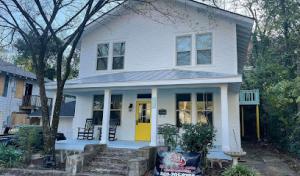
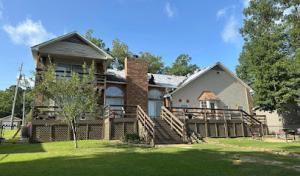
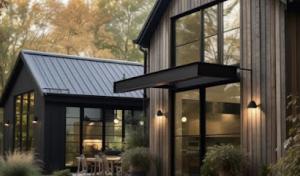
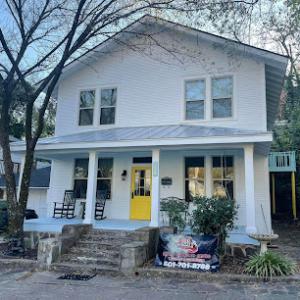
Speedy Gonzalez Roofing
(501) 701-8766 www.speedygonzalezroofing.com
Serving
4.9 from 144 reviews
Speedy Gonzalez Roofing is a roofer with 19 years of experience, providing professional, diligent, and integrity-focused roofing services. The roofing company is known for technical expertise, affordable solutions, and steady growth driven by client referrals. Frequently recommended by homeowners, Speedy Gonzalez Roofing is regarded locally as the best roofing company.
JAB Roofing & Exteriors
(501) 831-5138 www.jabroofing.com
Serving
5.0 from 14 reviews
JAB Roofing & Exteriors, located at 110 Normandy Street Unit A, is your top choice for roofing excellence in Hot Springs. Specializing in Roof Replacement, Roof Installation, and Roof Inspection, we are experts in Residential and Commercial Roofing. Our professional team is skilled in Shingle Roofing, Metal Roofing, and comprehensive Roof Repair, ensuring your roof’s longevity and reliability. Proudly serving as the premier roofing services provider "near me," JAB Roofing & Exteriors delivers outstanding craftsmanship and customer satisfaction. Trust us for all your roofing needs in Hot Springs and experience our commitment to quality and efficiency.
Final Touch Roofing
(501) 236-4079 www.finaltouchroofs.com
Serving
4.7 from 61 reviews
Final Touch Roofing, Inc provides asphalt shingle, stone-coated steel, metal, slate, shake, and flat roofing services to the Hot Springs, AR area.
Near Me Roofing & Contracting
Serving
5.0 from 14 reviews
We are a local licensed Residential Roofing Contractor in the State of Arkansas & Texas. Specializing in storm damage restoration, Asphalt Shingle, Standing Seam Metal Roofing, and Metal Panel Roofing systems. We also install Gutters and can handle exterior repairs to your home or business that are involved in storm related damage. We are Malarkey, Certainteed and Atlas certified shingle installers.
Metal Roof Pros
(855) 736-3825 www.metalrp.com
Serving
4.9 from 229 reviews
Metal Roof Pros is Arkansas’ largest metal roofing company and services Arkansas, Texas, Louisiana, Oklahoma, Missouri and Mississippi. We build and install the best metal roofing systems on the market – period. From the beginning, our business has been dedicated solely to protecting your home or business with the highest-quality materials installed by the highest-quality craftsmen. You don’t have to worry about a sales pitch for windows, siding, or barbecue grills when you call Metal Roof Pros. We do one thing, and we do it well: metal roofing. This specialized expertise makes us the perfect partner to help you choose and install the right roof to meet your needs
Temple Roofing & Exteriors
(501) 209-3609 mytempleroof.com
Serving
5.0 from 53 reviews
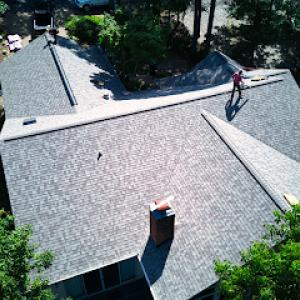
At Temple Roofing and Exteriors, we believe a roof isn’t just about keeping rain out—it’s about safeguarding your family’s peace of mind. With 8 years of hands-on, our team delivers personalized roofing solutions you can trust. We treat every home as if it were our own, and we’re proud to serve our neighbors with integrity, quality, and genuine care.
Kingdom Builders Roofing & Construction
(501) 762-1774 www.kbroofingandconstruction.com
Serving
5.0 from 25 reviews
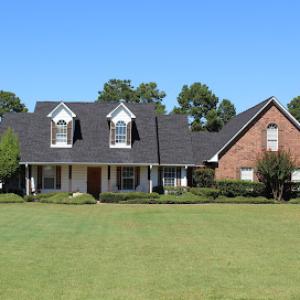
We are a locally owned Christian roofing company. Our mission is from Matthew 6:33 " But first seek the kingdom of God, and His righteousness; and all these things shall be added unto you." With over 20 years of roofing and construction experience our services come with a lifetime transferable labor warranty and satisfaction guaranteed. Some services include new roof installation, metal roofing, add-ons, awnings, gutter installation, & more.
RN Roofing & Restoration
Serving
3.5 from 8 reviews
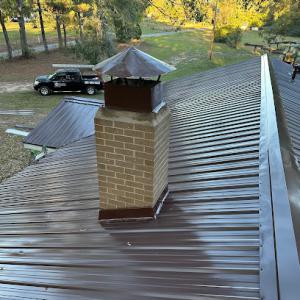
Protect your largest investment with our reliable roofing services. We are a locally owned and operated roofing company currently serving Hot Springs, AR and surrounding communities. If you want to make your roof last as long as possible, it is vital that you never put off a roof repair. Small issues with roofing become big issues in a hurry. No matter how major or minor the repair you need, we are here to help. We offer roofing contracting, roof restoration , and gutters installation.
Lake Hamilton Roofing
(501) 229-5034 www.lakehamiltonroofing.com
Serving
5.0 from 6 reviews
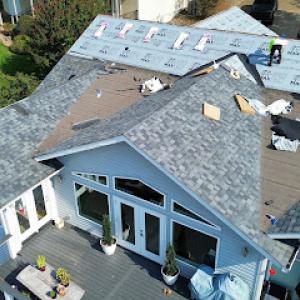
Hot Springs newly established roofing company dedicated to providing high quality, reliable roofing services for residential properties. Offering highly skilled & experienced roofing contractors. We specialize in a comprehensive range of roofing solutions including installation, repair, maintenance, and replacement, utilizing the latest technology and materials to ensure customer satisfaction and long-lasting roof protection. Our company is backed by exceptional customer service and transparent pricing. We pride ourselves in honest, compassion, and quality service!
Acumen Contracting
(501) 612-5651 acumencontractingllc.com
Serving
5.0 from 1 review
Roof contractor
Homestar Solutions
Serving
4.9 from 156 reviews
Transform your home with Homestar Solutions, a one-stop shop for roofing, bathroom renovations, and accessibility updates in Central Arkansas. We elevate living spaces with expert roofing replacements, roofing repairs, bathroom remodels, and seamless gutter installations. Upgrade your comfort and safety with accessible bathroom features, wheelchair ramps, and mobility equipment, all delivered and installed with Homestar's commitment to quality and personalized service. Contact us today for a free estimate!
Arkansas Home Improvement
(501) 337-6644 www.arkansashomeimprovements.com
Serving
5.0 from 35 reviews
Arkansas Home Improvement, transforms central Arkansas residences with exceptional roofing, including shingle and metal options, windows boasting energy efficiency, sturdy siding for enhanced curb appeal, and seamless gutters to manage rainwater flow. Their team of skilled professionals provides free estimates and offers exclusive discounts to seniors, military personnel, veterans, police, firefighters, and medical professionals, showing their commitment to giving back to the community. Based in Malvern, Serving Little Rock, Hot spring, and all over Arkansas.
Spring weather in the Ouachita foothills arrives with energy: rapid temperature swings, heavy spring rainfall, and the risk of hail from passing severe storms. In this climate, shingles and underlayment take repeated impacts from hail and wind, which can create hidden leaks that only show up after a few warm, rain-soaked days. If you notice any new staining on ceilings after a storm, check attic insulation and decking for signs of moisture quickly, because moisture trapped near the peak of a steep roof can travel along rafters and manifest far from the original impact point. When a hail event hits, a prompt roof inspection matters more than sweetness of the season. Look for lifted asphalt granules, dented metal flashing, or hail scars on any visible flat areas. In Hot Springs, where humidity remains high even after a storm, drying times slow, so plan inspections within a day or two of a hail event to separate routine wear from storm damage. If damage is found, be prepared for a staged approach: temporary tarping to shed water while arranging a prompt repair or replacement window that minimizes long exposure to lingering moisture in the attic.
Summer heat and humidity in this area can slow drying of underlayment and related components during installation. When replacing a roof in the heat of summer, exposure duration matters: long, uninterrupted heat can dry out and shrink underlayment edges, potentially affecting seals around flashing and fasteners. Experienced crews schedule critical steps-like sealing a new underlayment membrane and setting shingles or panels-during cooler parts of the day and use reflective or breathable underlayment to reduce heat buildup. Tree-lined neighborhoods add a practical wrinkle: shade can help workers, but overhanging branches can trap moisture or rub against new shingles during the curing period. Ensure ladders and access paths stay clear of branches that could knock sheets loose as the roof ages. In this climate, rapid response to a leak after a heavy rain is essential; a small drip can become a larger problem if the attic venting is overwhelmed during humid days. A cautious, staged installation sequence helps maintain performance through the hottest weeks of the year.
Autumn brings a moderation that helps with both inspection and installation. Cooler, drier days create windows where roofing projects progress with less risk of rapid moisture intrusion behind underlayment. Use this period to address minor storm-related repairs before winter sets in, especially in areas with steep pitches where shingles can shift under wind. In areas with dense tree cover near the park, autumn cleanup of fallen limbs around the home reduces the chance of debris causing moisture retention against the roof surface. When scheduling work in this season, coordinate timelines so that any remaining sealant cures during a stretch of mild, dry weather, avoiding the first hard freezes that could compromise flexible sealants or fastener performance.
Winter in this region brings freezes and rapid temperature swings that test roof system performance. Snow and ice can flow under shingles or cause ice damming, while repeated freeze-thaw cycles can stress decking. If tear-offs are needed, assess decking moisture carefully; decayed or warped boards can hide beneath intact layers, and the winter chill makes drying slower. Consider staging work so that any deck repairs can be completed during slightly warmer days, with proper chases for ventilation to prevent condensation in attic spaces. In areas where historic districts or HOA scrutiny exists, anticipate that winter visits may require additional care to protect surrounding landscaping and maintain clean, unobtrusive work zones. A cautious approach to winter repairs helps preserve the longevity of a roof through another hot, humid season.
In this area, asphalt shingles and metal roofing are the contractor-visible specialties you'll see most often after storm damage or when re-roofing. Asphalt remains a practical, quick-turn option that handles the spring weather pattern well, while metal offers resilience against hail and wind and can extend roof life in the long run. Homeowners frequently choose asphalt for cost-effective, rapid repairs and metal for enhanced protective performance on exposed ridges and taller homes. If a storm-whipped season hits, these two materials provide the most straightforward paths to a reliable, fully functioning roof with reasonable downtime between assessment and replacement.
Frequent rainfall and humidity in this part of the foothills place extra emphasis on underlayment quality, flashing detailing, and attic ventilation. For shingles, ensure the roof deck is clean and dry before installation, with a strong secondary barrier that resists moisture intrusion during those spring showers. Metal roofs require careful flashing where valleys and transitions meet walls, chimneys, and skylights to prevent slow leaks that mirror the area's heavy spring rains. Ventilation performance matters across all materials: poor attic flow can lead to heat buildup in summer and moisture issues in wet springs, compressing the life of shingles, tiles, or composites. In practice, you'll want an experienced crew that checks intake and exhaust balance, installs continuous soffit ventilation where possible, and uses quality, code-compliant underlayment suited to Hot Springs' humidity.
Heavier materials such as clay tile, concrete tile, and slate demand a careful pre-inspection of roof structure and decking, especially on older homes typical of tree-lined neighborhoods near the park. Tear-offs in spring can reveal structural weaknesses or missing decking that wasn't obvious before. If contemplating tile or slate, have a structural assessment done first to confirm that the existing trusses and rafters can safely carry the additional weight. In many older residences, reinforcement or selective decking replacement may be necessary to avoid sagging or failure under load. If a heavy material is feasible, plan for meticulous execution of detailing around hips, ridges, and chimneys to maintain performance through each storm cycle.
For asphalt, look for a roofing system that includes a high-quality starter strip, impact-resistant shingles where hail risk is highest, and a seam-sealing tape or adhesive that promotes wind resistance. Metal roofing should be evaluated for panel seams, memory of the metal in temperature swings, and proper sealant around penetrations. Tile and slate, while offering distinct aesthetics and long-term durability, require skilled installers to handle delicate materials and to ensure correct racking, substrate preparation, and drainage. Synthetic or composite shingles can offer a balance between weight, durability, and ease of installation, but require attention to wind uplift ratings and underlayment compatibility in this climate. Each option benefits from a design that emphasizes robust water management and ventilation to counter Hot Springs' humidity and frequent downpours.
After a hail or wind event, prioritize rapid inspection for obvious damage, then arrange a qualified roofer with local experience to assess flashing integrity, underlayment wear, and attic ventilation. For any material choice, ensure that a thorough plan covers ice and water shield placement in valleys and around penetrations, especially where the house sits in shaded, tree-dense blocks that can trap moisture. When choosing materials, consider the balance between immediate leak protection and long-term performance in Hot Springs' climate, with a focus on ease of repair, available spare parts, and anticipated maintenance needs in the coming years.
Explore specialists in steel, aluminum, and standing seam metal roofs built to last 50 years or more.
Typical local pricing runs about 350 to 650 USD per square for asphalt shingles, 700 to 1200 for metal, 900 to 1800 for clay tile, 800 to 1500 for concrete tile, 500 to 900 for synthetic/composite shingles, and 1200 to 2500 for slate. Those ranges reflect the mix of hillside access, material availability, and local crews who handle steep pitches and debris management after a hail or wind event. When a project is priced, expect crew travel time, hoisting, and cleanup to push the final number, especially if multiple layers need removal.
In Hot Springs, storm-driven demand spikes after hail and wind events can push scheduling and pricing pressure higher than in calmer periods. If a hail season hits, the first week after a storm can look like a game of musical chairs for crews, with expedited starts and tighter crews. Expect price shifts from the baseline as suppliers rush material, and more add-ons may appear on bids to account for potential water intrusion, temporary tarping, and expedited inspections. Planning ahead, when possible, helps avoid the peak-week premium.
Steeper sites, tree cover, and access constraints common in hillside and older in-town neighborhoods around Hot Springs can increase labor, debris handling, and cleanup complexity. Rakes, ladders, and crane or pulley systems may be required on steeper rooftops, driving both time and risk costs higher. Limited street access near dense tree lines can also mean more material handling and longer setup times, which vendors may bill as extra. If the roof edge is overgrown or there are delicate landscaping beds, expect additional protection and cleanup charges.
Choosing asphalt shingles keeps the entry point lower, but a windy spring can still tilt prices if proper wind-rated underlayment or cone-seal flashing is needed. Metal roofs resist hail better in many cases, yet they bring higher upfront costs and potential specialty labor for flashing around chimneys and valleys. Clay and concrete tiles carry weight considerations and require precise underlayment and layout; that precision elevates both material and labor costs. Synthetic/composite shingles offer a middle ground with moderate resilience and price, while slate remains the premium option with significant handling and support requirements.
With spring storms, the best strategy is to build a rapid response plan that accounts for potential hail damage, rapid leak discovery, and family safety. Have a list of preferred local crews who can mobilize quickly after a storm, and confirm who handles debris containment and cleanup under heavy tree cover. Keeping a compact supply of temporary tarping materials on hand can limit interior damage while waiting for crew access, especially on steeper properties.
Get a clear picture of your project costs upfront - no commitment required.
Arkansas Home Improvement
(501) 337-6644 www.arkansashomeimprovements.com
Serving
5.0 from 35 reviews
In Hot Springs National Park, most full re-roofs require a building permit from the city rather than being handled as permit-free maintenance. That permit process helps ensure the work aligns with local codes, including wind and hail considerations that are common in spring storms. Skipping permit steps can trigger fines, rework, or delays when the project is discovered during inspection or when applying for the final occupancy sign-off. Plan for the permit to cover the scope of decking, underlayment, ventilation, and finishing materials, rather than treating the job as a quick cosmetic repair.
Plan reviews and inspections are typically coordinated through the building department, with staged inspections after deck installation, underlayment and ventilation work, and a final inspection at completion. The staged approach helps catch issues early-such as inadequate ventilation or gaps in underlayment-that can worsen leaks after spring storms. During the process, keep all documentation handy: permit numbers, required code references, and a clear outline of material types and fastening methods. If a mismatch appears between the approved plan and on-site conditions, expect a plan revision and a brief delay while the department reviews the change.
Some Hot Springs neighborhoods and HOAs can impose additional approval requirements beyond the city permit process, which can affect material choice or project timing. Before selecting shingles or metal profiles, verify any architectural guidelines, color restrictions, or required samples with the HOA or neighborhood association. Even if the city approves the permit, HOA setbacks or appearance standards may necessitate changes to color, profile, or roofing product, potentially extending the project timeline.
Coordinate early with the roofing contractor to align the permit scope with the planned materials and ventilation strategy. Provide the inspector with a complete package: structural notes, roof deck condition, underlayment type, ventilation calculations, and fastener schedules. If weather or spring hail events push the project, discuss temporary protective measures to minimize interior exposure and manage staged inspections without sacrificing safety. Finally, maintain open lines of communication with the HOA or neighborhood association to avoid last-minute surprises that could stall the final seal of approval.
Hot Springs sees periodic hail and wind events that trigger insurance reviews with a fine-tooth comb. Insurers and adjusters will closely examine whether damage is truly storm-related or simply age-related wear. The decision often hinges on how a claim is framed, what documentation exists, and whether complementary signs of recent weather are present on the roof, such as granule loss, dented metal, or lifted edges. Expect questions about the timing of the damage, previous repairs, and the condition of surrounding structures. Prepare by documenting recent storms with photos, note the date and extent of visible damage, and keep any repair receipts that establish a timeline.
In established neighborhoods with street-facing slopes, matching issues matter locally when only part of a roof slope is damaged. If shingles or profiles on one side look newer or different from the rest, an adjuster may flag it as "spot repair" rather than full-slope replacement. This can complicate payments and prolong the claim process. On visible elevations, differences in color or sheen between repaired areas and original roofing can invite scrutiny. When possible, collect evidence showing consistent wear across the entire roof area and consider a scope that includes full-slope replacement if partial damage would stand out visually.
State-level market conditions influence coverage availability and terms in Arkansas, but the local environment tends to be selective and documentation-heavy rather than a broad pullback. With frequent spring weather, expect a fast-paced claims environment that rewards timely, thorough documentation. Have a clear photo log, a record of all prior repairs, and notes from any professionals who evaluate the roof. Clear communication and organized records often shorten the path from assessment to settlement.
Many homes around Hot Springs sit under heavy tree canopy, which can keep roof surfaces damp longer after the frequent rains. Climb up after a storm and pay attention to shaded patches that stay wet, especially on north-facing slopes or between dense branches. Moisture lingering on shingle or metal roofs can disguise minor damage, so schedule a careful post-storm inspection in these areas and dry any lingering damp spots with a clean, unobtrusive wipe before evaluating for leaks.
Older residential areas near the park and central Hot Springs often combine mature trees, shade, and older roof penetrations, making leak tracing more difficult than on newer subdivisions. Start at the most probable entry points: around chimneys, vent pipes, and the transition to valleys. Use a flashlight at dusk to spot condensation trails and look for hairline staining along flashing. If tracing a leak, work methodically from the interior ceiling outward, and note whether water paths align with roof penetrations or gutter runs, which can diverge in mature rooflines.
Debris accumulation in valleys, behind chimneys, and around flashing is a recurring concern in Hot Springs because of wooded lots and regular rainfall. During every inspection after a storm, clear leaves, twigs, and small branches from valleys and the joints where flashing meets decking. Pay special attention to debris that nests behind chimneys and along the drip edge, where dampness can concentrate and corrosion can begin. Use a long-handled brush or gentle air blow to avoid displacing delicate flashing or sealant.
Spring weather brings rapid changes in moisture and wind, so prioritize quick assessment after hail or heavy rainfall. A soaked roof can mask damage, but delaying a targeted leak check allows water to travel further into attic spaces. When inspecting, document any suspect spots with photos from multiple angles and keep a simple log to guide a repair plan that respects older roof lines and tree-litter-prone areas.
Storm-driven re-roofs in the foothill neighborhoods bring a lot of matching material decisions, and the distinction between manufacturer material coverage and contractor workmanship promises matters more here than in quieter markets. When hail or wind damage is widespread, roofs can look similar while the actual coverage on installation components differs. You want a clear, written split: what the shingle, metal, or tile manufacturer guarantees about the product itself, and what the local crew commits to in terms of installation integrity, fastening, flashing, and alignment. In practice, ask for the exact language that defines failure modes covered by the material warranty and the specific workmanship standards that apply if leaks or wind uplift occur prematurely. Keep in mind that some local crews may extend short-term promises to win a job but leave gaps in long-term protection, especially if the project is rushed to meet post-storm demand.
Documentation quality matters more in this market because future claims or resale questions may depend on proving what was replaced after a hail or wind event. Take dated photos from multiple angles before work begins, including close-ups of roof penetrations, vents, skylights, and gutters. Save every receipt, contract addendum, and warranty card, and ensure the installer notes the exact materials used (brand, color, and type) and the installation method. When claims are involved, the ability to demonstrate a precise scope of work-and that the work followed the manufacturer and installer's standards-can influence coverage decisions years down the line. A well-documented project also helps if the neighborhood association has any review questions about the replacement.
A warranty discussion is especially important when replacement timing is compressed by post-storm demand and homeowners are choosing among fast-response crews. In a hot-spring season, urgent schedules can tempt shortcuts that affect warranty validity. Verify that the crew will include a detailed warranty booklet with clear terms and a signed acknowledgment of the scope. Ask how repair or replacement decisions impact the warranty if subsequent weather reveals new issues, and insist on a written plan that addresses potential mismatches with existing shingles or materials. In a neighborhood with mature trees, ensure flashing, edge treatments, and valley work are documented to withstand spring hail patterns and gusty winds typical to the park.