
Last updated: Apr 19, 2026
In Covina, the Mediterranean pattern means dry, hot summers and mild wetter winters, so many full replacements are scheduled in spring or fall rather than peak summer heat or winter rain. Spring brings longer dry spells that help keep tear-off operations on a predictable rhythm, especially when handling tile-heavy roofs. If a full replacement is planned, align the work so the majority of the roof is stripped and the new underlayment and ventilation components can be staged in a series of roughly consecutive days. A spring schedule also reduces the risk of late-season rain disrupting critical steps like the dried-in phase.
Fall offers a practical window when the Santa Ana patterns have cooled and moisture potential is lower compared to winter. In a neighborhood with postwar shingle homes and tile, fall replacement can leverage mild conditions for attic ventilation checks and staging. The goal is to complete the tear-off, install underlayment, flashings, and the final roof covering so the roof dries in before any early winter showers. A controlled fall timeline helps crews secure ventilation and prevent premature wear on exposed underlayment, which is particularly important on tile systems with complex flashing details.
Winter rainfall in the foothill valleys can interrupt tear-off and leave homes vulnerable if crews do not get the roof dried-in the same day. When a winter window appears, plan for expedited clearance of the old roof and rapid installation of the underlayment and cap sheets. If rain is forecast, designate a dry-in target within a single long workday and have a contingency plan for temporary cover or a quick tarping solution to bridge gaps. For tile or clay installations, ensure the roof deck is adequately protected and that any exposed fasteners receive corrosion-resistant finishes to withstand damp conditions.
Hot summer conditions in the San Gabriel Valley can accelerate wear on underlayment and other roofing components, making attic ventilation and staging practices especially important during replacement. In the hottest months, consider early starts to avoid peak afternoon heat, and ensure attic vents are functional before pulling off the old roof to keep the interior temperatures manageable. Staging becomes crucial: keep materials sheltered from sun exposure, rotate crews to minimize heat exposure per person, and verify that the protective membranes are installed in a way that preserves their integrity against radiant heat without compromising alignment of valleys, penetrations, and edge details.
Tile and concrete tile configurations demand meticulous coordination between tear-off and reinstallation, especially where ventilation and fire-rated assemblies are scrutinized during re-roof processes. For these homes, you want a dry-in that guarantees the entire system-deck, underlayment, ventilation, flashing, and tile-can be secured in one continuous sequence. If a delay is unavoidable due to weather, have a plan to protect exposed areas and maintain reduced exposure on the deck. In practice, this means coordinating with a crew that understands tile-specific soak-back risk, proper fastener patterns, and the sequence that preserves the integrity of fire-rated components throughout the replacement.
The San Gabriel Valley heat, sudden summer afternoon downpours, and cooler winter rains shape how roofs hold up here. In this town, asphalt shingles, clay tile, and concrete tile are the dominant residential materials, so many homeowners find themselves weighing a lower-cost composition re-roof against heavier tile systems. The heat can accelerate wear on shingles and sealants, while winter rain tests flashing and ventilation. With a mix of postwar shingle homes and tile-heavy neighborhoods, it's common to see a range of aging assemblies side by side, each with its own quirks. Understanding how your roof responds to our climate helps you spot trouble early and plan a longer-lasting replacement if that's needed.
Asphalt shingles remain a practical choice for many homes, especially where a lighter load and quicker installation matter. Clay and concrete tile bring durability and a distinct look, but they also impose heavier structural demands and require proper ventilation and underlayment to manage heat and moisture. In houses with concrete tile, the weight can challenge existing framing and the way the roof interfaces with soffits and eaves. When comparing options, you'll notice that tile systems often demand a more meticulous approach to flashing and underlayment because any leak pathway becomes more consequential with heavier roofing. For many Covina homes, the choice hinges on balancing long-term performance with the roof's existing structure and the home's architectural character.
City-specific review practices commonly emphasize flashing, ventilation, and fire-rating compatibility, especially when replacing older assemblies with tile or shingle systems. Ventilation helps manage heat buildup under tile and asphalt alike, reducing premature wear and preventing mold or rot in attic spaces. Flashing must align with the roof type, the wall transitions, and penetrations around chimneys, skylights, and vents. Tile roofs, in particular, rely on careful detailing at parapets and valleys to avoid capillary action and water intrusion. If your home has a history of leak spots near penetrations or along transitions, prioritize a plan that reinforces these critical areas during any replacement or major repair.
Tile is common enough in this market that there is a robust local service network for specialist repair and reset work. Tile inspections should focus on cracked or slipped pieces, degraded underlayment, and fastener corrosion, especially after the hottest months. Tile systems also benefit from periodic reseating and re-grouting around edge zones and flashings to maintain a reliable seal. Even when opting for an asphalt option, you'll notice that skilled tile technicians address underlying issues like valley protection, ridge vent integrity, and vent stack flashings with the same diligence you'd expect from a tile-specific crew. A local contractor who understands Covina's heating profile and seasonal rainfall can tailor maintenance cycles to your roof's material and exposure.
With Covina's blend of materials and weather patterns, the practical move is to pair accurate material selection with a detailed attention to ventilation and flashing details. When planning replacement or major repair, set clear expectations about how the roof system handles heat transfer, moisture movement, and wind-driven rain-driven edge conditions. A well-coordinated approach keeps the roof resilient across hot summers and wetter winters, while preserving the home's character and the structural efficiency of the chosen roofing system.
Find contractors who specialize in clay and concrete tile roofs, known for their durability and curb appeal.

Ruiz Roofing Corporation
(626) 533-8848 ruizroofingcorp.com
20550 E Holt Ave, Covina, California
4.7 from 55 reviews
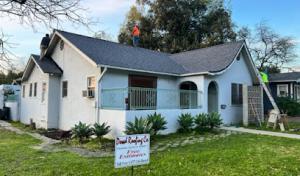
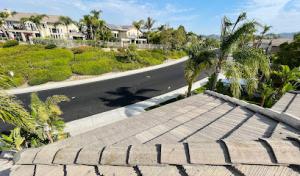

Ruiz Roofing Corporation
(626) 533-8848 ruizroofingcorp.com
20550 E Holt Ave, Covina, California
4.7 from 55 reviews
Small and well-stablished roofing contractor specializing in quality full re-roof project. Financing available, Owens Corning Certified, Licensed and bonded. CSLB #1076100
J.N. Davis Roofing
(626) 815-1279 www.jndavis.com
1404C N Azusa Ave #479, Covina, California
4.6 from 18 reviews
Since 1929, J.N. Davis Roofing has been the trusted roofing contractor for homeowners and businesses across Covina and the San Gabriel Valley. Our licensed and insured team (CA Lic. #572125-C39) provides expert roof replacement, leak repair, new roof installations, flat roof systems, cool roof solutions, gutters, and skylights. Whether you need a quick roof inspection or a full re-roof, our experienced roofers deliver reliable workmanship backed by nearly a century of service. We proudly serve Covina, West Covina, Glendora, San Dimas, Azusa, Pasadena, and nearby communities.
Fast Track Roofing Repair Service West Covina
(626) 548-2620 fasttrackroofingllc.com
Serving
5.0 from 19 reviews
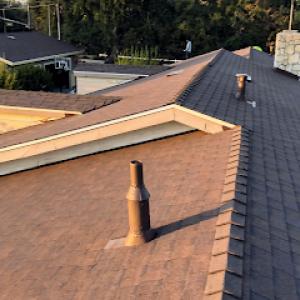
Reliable Roofing in West Covina, CA At Fast Track Roofing, we make protecting your home or business simple. Serving West Covina, CA, we handle everything from quick leak repairs to full roof replacements with speed and precision. Our team uses durable materials and proven techniques to deliver strong, long-lasting roofs. Whether it’s residential or commercial, you can count on expert service and lasting results.
Mountain Pacific Roofing
(626) 364-9844 www.mountainpacificroofing.com
Serving
5.0 from 13 reviews
Welcome to Mountain Pacific Roofing, your number one roofing company in West Covina, CA and the surrounding area. We're a full-service company that specializes in commercial roofing and residential roofing. You can depend on our experts when it comes to repairing and installing a new roof system. There is no job too big or small for us to handle! With several years of industry experience, our family-owned and operated business is dedicated to providing the residents and business owners of West Covina with the best solutions to repair or replace their roofing. Our mission is to provide our clients with the same high level of service and quality that we expect ourselves.
Dowd Roofing
(626) 857-1070 dowdroofing.com
Serving
5.0 from 39 reviews
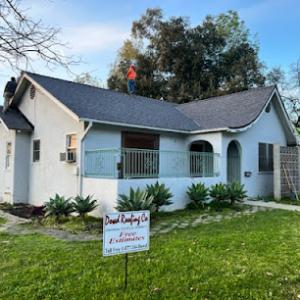
Since 1979, Dowd Roofing has provided residential and commercial roofing, roof repair, and much more to Glendora, CA and the surrounding areas. Dowd Roofing takes integrity and dependability very seriously when it comes to your projects, from whole roof replacements to storm damage maintenance. We work on asphalt roofing, concrete tile roofing, spray coating, leak plugging, inspections, and more. With over 35 years of experience, you know we are still in business for a reason, Call us today to schedule an estimate, or contact us through our website.
Silvestre Roofing
(626) 806-4857 www.silvestreroofing.net
Serving
5.0 from 18 reviews
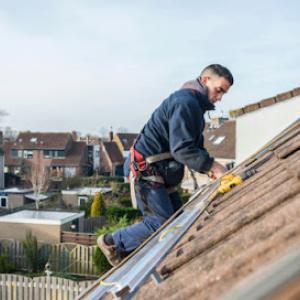
Silvestre Roofing was founded on the principles of quality craftsmanship, dedication, and a passion for excellence. Over the past 24 years, we have built a reputation in La Puente, CA, as a roofing company that homeowners and businesses can rely on. Our experience spans across various roofing services, from residential roof repairs to commercial installations, and our team of skilled professionals is committed to delivering top-notch results in every project we undertake. We believe in continuous improvement, which is why we stay up-to-date with the latest advancements in roofing technology and techniques.
Mighty Roofing
(626) 727-9229 azusaroofingcontractor.com
Serving
5.0 from 11 reviews
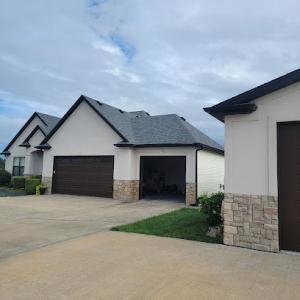
Welcome to Mighty Roofing, where excellence meets expertise in every shingle! Elevate your property with our stellar services. Need a roof that withstands the test of time? Our skilled craftsmen specialize in Roof Installation, ensuring durability and style. Upgrade confidently with our Roof Replacement service, tailored to your aesthetic preferences. Did you get leaks or damage? Fear not! Mighty Roofing excels in Roof Repair, restoring your peace of mind. Explore innovation with our sleek Metal Roofing options or opt for classic charm with Asphalt Shingle Roofing. For commercial spaces, trust our expertise in Commercial TPO Roofing. Whether it's New Construction or rejuvenating a Flat Roof, Mighty Roofing has you covered!

Stone Roofing Company
Serving
4.9 from 31 reviews
Contact Los Angeles County commercial roofers Stone Roofing Company at 1-800-31-STONE for your free roof inspection & consultation. A trusted roofer based in Azusa serving all of Southern California, Stone specializes in flat re-roofing, roof repair, re-roofing, roof coatings, installations & roof replacements for commercial & industrial buildings. From emergency roof leak repair to roof maintenance, Stone is capable of handling jobs of any size. Using the latest technology in digital estimating, we're dedicated to serving the needs of our customers & providing the highest levels of efficiency & quality. We excel in the application of all major roofing systems. Licensed, Insured & certified by every major roofing materials manufacturer.
ABC Quality Roofing
(714) 351-8726 www.abcqualityroofing.com
Serving
4.9 from 31 reviews
ABC Quality Roofing offers reliable roofing services in West Covina, CA. With 20 years of experience, our roofing contractors are committed to ensuring that your project is completed according to your specifications. You can trust that we will stay on schedule and within budget.

Highland Commercial Roofing
(626) 856-2076 www.highlandroof.com
Serving
4.6 from 45 reviews
Highland Commercial Roofing offers expertise in commercial and industrial roof installation and maintenance. We begin with a thorough roof inspection at no cost to provide a variety of solutions for maintenance, repair, or a new roofing system. Our commercial roofers are skilled, dedicated, and highly trained master craftsmen who provide a quality service with extensive pros and cons to each option in order to help you make the best decision for your commercial property. Our production management team will work with you to develop a plan and construction schedule designed to minimize our impact on your business operations, or that of your tenants, during installation. Contact us today for a quote or more information.
Roofing Innovations
(800) 619-7961 caroofinginnovations.com
Serving
5.0 from 22 reviews
We are a family-own and operated company; we speak Spanish. We offer free estimates on any type of materials; shingles, clay tile, concrete roofs, flat roofs. We do all types of maintenance, repair, tune-ups, and full re-roof.
Hudson & Sons Roof Repair
(626) 790-2225 roofingbaldwinpark.com
Serving
4.7 from 71 reviews
Hudson & Sons Roof Repair is a trusted name when it comes to professional roof repair services. With our experienced team of professionals, we specialize in addressing a wide range of roofing issues promptly and effectively. Whether it's fixing leaks, replacing damaged shingles, or restoring the overall condition of your roof, we have the expertise and tools to get the job done right. At Hudson & Sons Roof Repair, we prioritize quality workmanship and customer satisfaction. Trust us to restore the integrity and functionality of your roof with precision and expertise.
In Covina, cost ranges run about $350 to $700 per square for asphalt shingles, $600 to $1100 for metal, $1100 to $3000 for clay tile, $900 to $1700 for concrete tile, $600 to $1200 for wood shingles or shakes, and $550 to $1100 for synthetic or composite shingles. Those figures reflect the mix of postwar shingle homes and tile-heavy neighborhoods common in the area, where heavier systems and more detailed flashing can push labor and assembly costs higher than lighter options. When planning, think in terms of a square as 100 square feet of roof area; most quotes will quote per square and then apply any waste factor for waste materials and attic penetrations.
The weight of the roof matters here, especially when moving up from a light option to clay or concrete tile. Heavier systems require more robust deck preparation and more precise flashing details around chimneys, vent stacks, and dormers. If the existing structure has older, lighter sheathing, expect a closer look at the substrate, potential reinforcement, and compatible underlayment. Clay and concrete tile also demand specialized installation practices to maintain fire-rated assemblies and meet local expectations for wind resistance. Those additional steps translate into higher labor charges and, in many cases, a longer schedule. In short, switching from a lighter option to tile means budgeting for both material and the extra hands, time, and precision that come with tile work.
Timing and scheduling play a practical role in cost awareness. Spring and fall are popular windows in the area, so demand can push contractor calendars full and prices upward, sometimes compressing discounts or available upgrade options. Winter rain can delay projects, shortening dry-in periods and extending total duration, which can indirectly affect the overall price through extended mobilization and potential weather-related contingencies. Summer heat, while favorable for fast setups in general, can reduce crew efficiency on steep or intricate tile jobs and lead to more breaks, water management considerations, and higher temporary cooling costs on the jobsite. If a tile replacement is on the table, plan for a longer duration in peak heat months versus milder shoulder seasons.
Asphalt shingles remain the most budget-friendly option, with costs that align with a typical replacement cycle and quicker installation, which can help with scheduling around Covina's hot summers and occasional winter downpours. Metal roofing tends to command a premium but offers a lighter weight alternative with solid wind performance and potential energy savings, a practical consideration given summer heat. Clay and concrete tiles bring the strongest long-term durability in this climate, yet their upfront investment and heavier installation footprint are nontrivial. Wood shingles or shakes deliver a distinct look and good insulation, but require careful maintenance and moisture management to avoid issues with rot, especially after wet winters. Synthetic or composite shingles offer a balance of durability and weight, with cost figures often sitting between asphalt and full tile systems.
If timing is a factor, request a phased plan that aligns material selection with the expected weather window. In Covina, coordinating a sensible sequence-deck inspection, underlayment choice, and flashing strategy-helps keep a project on track and reduces the risk of weather-driven cost surprises.
Get a clear picture of your project costs upfront - no commitment required.
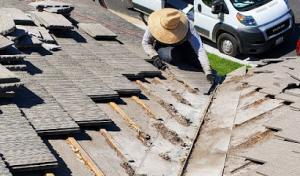
A full re-roof in Covina typically requires a permit through the City of Covina Building and Safety Division. The process is not something to breeze through on a whim, especially when the summer heat and tile-heavy neighborhoods meet a stormy winter. If the project starts without a permit, the city can halt work, require uncovering materials or even replacement of noncompliant components, and impose fines. A neighbor should understand that obtaining the permit is as much about long-term safety and code compliance as it is about avoiding delays at the finish line.
Contractors are generally expected to submit drawings and material details as part of the permit process in Covina. This isn't just paperwork to fill out; it is a record of how ventilation, flashing, and fire-rated assemblies will perform under Covina's climate and housing stock. The plans should show roof ventilation calculations or assurances, the method and placement of flashing around valleys, chimneys, and roof penetrations, and evidence of fire-rated compatibility with any required assemblies. Expect the submittal to include specifications for underlayment, fasteners, and tile or shingle interlock details that align with local expectations. The city review tends to verify that the proposed materials and layouts meet safety guidelines and that installation steps won't undermine adjacent structures or occupancies.
Inspections commonly occur at rough and final stages, with city review often focusing on ventilation requirements, flashing details, and fire-rating compatibility. Rough inspections catch early misalignments in ventilation paths, rafter venting, and the adequacy of attic or crawlspace airflow before concealment. Final inspections verify that all penetrations are sealed correctly, flashing around skylights and vent stacks is continuous and corrosion-resistant, and that the chosen roof assembly maintains the rated fire resistance and meets wind uplift standards. If a contractor changes materials or reworks sections after the initial permit, updated drawings or addenda may be required before final approval. Anticipate questions about attic ventilation balance and whether the chosen tile or shingle type integrates properly with existing soffit and ridge vents.
Before committing to any re-roof plan, confirm with the contractor that permit submittals include precise venting strategies, flashing details, and fire-rated assembly data. Schedule the kickoff with the Building and Safety Division early to align the project timeline with weather windows, especially given Covina's hot summers and wet winters. During work, request periodic updates on inspection readiness and be prepared to address any notes from the city promptly, since delayed corrections can extend the project and complicate scheduling with trades. A careful, transparent permit process helps prevent costly rework and keeps the roof performing safely through the region's seasonal shifts.
The wetter winter period raises leak risk on aging roofs, especially when repairs are deferred until the first significant rain exposes flashing or underlayment failures. In Covina, a long dry spell followed by a hard rain can push water into vulnerable seams, valleys, and old tile or shingle edges. When you delay addressing a suspected leak, a single storm can escalate tiny drips into active penetration. Inspect after every rain and don't wait for pooling-look for staining on ceilings, damp attic shear points, and soft spots along drip edges. If you notice active leaks, treat it as an urgent warning and act before the next downpour.
Spring and fall can bring intermittent rain and wind in Covina, which can disrupt scheduling and expose weak ridge, edge, and flashing details. Cool, gusty days often dry quickly, so damage hides in plain sight until the next shower. Pay attention to wind-driven debris that can loosen shingles or tiles and to flashing around chimneys, vents, and skylights. If you hear hollow sounds when tapping roof surfaces or spot torn granules near ridges, schedule a rapid diagnostic, because wind can unravel protective layers that were already stressed by heat and aging.
Emergency leak response is a prominent local service category, reflecting how homeowners in this market often need rapid tarping or temporary weatherproofing during active rain events. If water is actively coming in, arrange immediate tarping over the affected area and secure tarps to withstand Covina's winds. Place a secondary bucket or containment for ongoing drips and document the severity with photos for later professional assessment. Quick temporary measures can buy critical hours to prevent structural damage and mold.
Create a storm-prep checklist focused on the most vulnerable areas: valleys, ridges, edges, and flashing joints. Before winter rains arrive, perform a targeted inspection or hire a local roofer familiar with tile-heavy neighborhoods. Schedule prompt repairs after identifying weak spots, especially around vent stacks and chimney flashing. Maintain clear gutters and downspouts, since debris-filled systems intensify water intrusion during heavy rain and wind events.
When you can't wait, these contractors offer fast response times to stop leaks and prevent further damage.
Ruiz Roofing Corporation
(626) 533-8848 ruizroofingcorp.com
20550 E Holt Ave, Covina, California
4.7 from 55 reviews

Although pitched residential roofs are common in Covina, the local contractor market shows meaningful demand for flat or low-slope roofing, reflecting the city's mix of residential additions and commercial properties. If you're considering a flat or low-slope upgrade, expect conversations about drainage, the role of vapor barriers, and the compatibility of membrane systems with existing flashing details. In neighborhoods where additions tie into the original roof, choose materials and detailing that align with the tar-and-gravel or modified bitumen traditions you'll often see nearby, while still leveraging modern membranes for better hail and UV resistance. A practical first step is to map all transitions between flat and pitched sections and check that edge detailing lines up with the surrounding roofscape to prevent gaps that can trap water around parapets and skylight curbs.
Skylight-related work is active in Covina's market, making curb flashing and leak tracing around penetrations a locally relevant issue rather than an edge case. When you add or retrofit a skylight, insist on sealed curb details that integrate with the roof membrane and ensure proper drainage away from the curb. In practice, this means evaluating the layout of nearby parapets, exhaust vents, and vents carrying roof-to-wall transitions, since condensation and ice damming can push water laterally into flashings. For ongoing maintenance, plan routine inspections after the winter rains and before the hot season, focusing on sealant joints and fasteners around skylight flanges. If you notice any staining or dampness around a skylight, address it early with a targeted leak trace-avoiding a widespread replacement when a precise flashing repair suffices.
Roof coatings are a recurring local service category, especially where owners are trying to extend the life of aging low-slope systems before committing to full replacement. Coatings can buy you time on near-term projects, but selection matters. In Covina, look for elastomeric or silicone-based products that promote UV resistance and reflective properties to curb heat gain during scorching summers. Confirm compatibility with existing membranes, and pay attention to surface preparation: a clean, dry, and mechanically sound substrate yields the best adhesion. For low-slope roofs with multiple penetrations, specify a coating system that includes reinforced fabric at seams and around parapets to reduce the risk of tracking water underneath. Planning seasonal timing around the hottest weeks can help you maximize cure conditions and performance.
In all cases, consistent inspection around flat sections, penetrations, and flashings is essential. Schedule targeted checks after the wet season ends and before the peak heat arrives, paying particular attention to edge details where a coating or membrane meets a vertical surface. If a repair path involves flashing replacement or curb work for skylights, coordinate these details with the surrounding roof geometry to preserve drainage paths and minimize the chance of future leaks.
Find specialists in TPO, EPDM, and built-up flat roofing systems for residential and commercial properties.

J.N. Davis Roofing
(626) 815-1279 www.jndavis.com
1404C N Azusa Ave #479, Covina, California
4.6 from 18 reviews
In Covina, the blend of San Gabriel Valley heat, winter rain, and a tile-heavy stock means roofs age at different paces, and connective details like ventilation and flashing are under close scrutiny after a loss. California insurer pullbacks in wildfire-prone areas affect homeowners by making roof age, material choice, and documented maintenance more important during underwriting and renewal. When a claim is filed, carriers expect to see how the roof performed through our hot afternoons, how leaks were addressed, and what preventative steps were taken between storms. A roof that shows deferred upkeep or gaps in maintenance can become a red flag, potentially shaping how a claim is evaluated or settled.
Carriers serving this region often want proof of roof age, recent maintenance, permit records, contractor estimates, and photos when evaluating roof-related claims or replacement requests. Build a clear narrative with a dated sequence: arrival of damage, immediate mitigation, and planned next steps. Gather receipts for repairs, a concise maintenance log, and up-to-date photos of the affected areas, plus wide shots that capture the roof line and any adjacent venting or skylights. Photos should include close-ups of flashing, edge details, and any tile or shingle loss, with timestamps when possible. A well-organized file that ties maintenance to visible wear can speed a review and reduce back-and-forth during a claim.
Some insurers may restrict certain materials or require evidence of code-compliant installation, which makes permit sign-offs and material documentation especially useful after damage. If a tile roof is involved, be ready to demonstrate that the replacement will maintain ventilation and fire-rated assemblies, since those elements draw extra attention in this market. In hotter stretches, a durable, reflective option can be favored by underwriters, but decisions should align with the home's structure and the surrounding neighborhood. The goal is to minimize the chance of coverage gaps if a follow-up storm or heat spike occurs and to keep your claim scope clear for the adjuster evaluating the work.
Connect with contractors who help homeowners navigate the claims process from damage assessment to final approval.
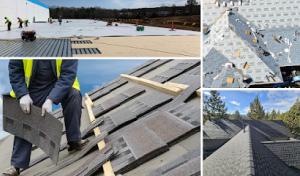
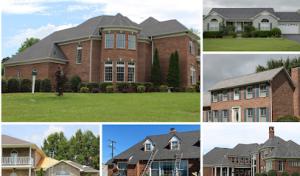
The strongest local hiring signals in Covina are re-roofing experience, cleanup included, and quick response, indicating homeowners here prioritize efficient replacement and jobsite cleanliness. Look for a contractor who can commit to a defined clean-up plan, daily debris removal, and a realistic response timeline for questions or weather-related delays. If the crew arrives with organized carts, tarps, and a dedicated foreman, that's a practical indicator you're dealing with a team that treats the project like a local, ongoing relationship rather than a one-off job.
Long-established and family-owned firms have a visible presence in Covina's contractor pool, which suggests many homeowners prefer companies with local track records over one-off storm chasers. Prioritize those firms when you tour neighborhood roofs or ask neighbors for recommendations. A company with steady local work tends to handle tile-heavy homes more effectively, understands block-by-block quirks, and will be more careful about vehicle access and street parking during a re-roof.
Manufacturer-certified, licensed, and insured positioning appears in the market but is less prevalent than affordability and responsiveness, so homeowners should verify credentials rather than assume them from advertising. When you talk to bidders, ask for current license numbers, insurance certificates, and any manufacturer designations. Contact the insurer and the manufacturer if needed to confirm coverage and status. Don't rely solely on a company's claims; confirm they hold active coverage for general liability and workers' compensation.
Ask for a dedicated project timeline that includes debris removal, roof teardown, installation, and final cleanup. Inquire about ventilation, flashing, and fire-rated assemblies, especially on tile or multi-ply decks, and request examples from recent Covina-area jobs with similar roof types. Request references from neighbors who live in similar housing stock and climate, and plan a brief on-site follow-up to review workmanship quality before finalizing.
Avoid contractors who promise the lowest price without a clear plan for cleanup or who can't provide timely follow-up. Be cautious of crews that appear unfamiliar with tile-heavy configurations or ventilation requirements, which are common concerns in this area. If a company cannot provide a foreman's contact or shows signs of frequent changes in staffing, consider another bidder.