
Last updated: Apr 19, 2026
In Pomona, the warm Mediterranean climate creates long dry installation windows from late spring through early fall, which is when many local re-roof projects are scheduled. That means crews can push through tear-off, sheathing, and underlayment without rain delays, but it also means heat and dust can accelerate material handling challenges. When planning, align scheduling to start work early in the day to minimize heat exposure for workers and to keep shingles and underlayment from sitting in sun-warmed piles. Prepare staging zones so bundles, every panel, and fasteners live in shaded or partially shaded spots and move them to the roof in small, manageable loads. This helps reduce heat-related material distortion and keeps the crew productive during the hottest hours.
Santa Ana wind periods are a major local roofing concern because they can lift aging shingles, dislodge tiles, and interrupt tear-off and dry-in scheduling with rapid weather changes. If a windy day rolls in, the plan should shift to securing loose materials, halting any loose-tile work, and delaying delicate operations like tile installation or roof anchors. For tile-heavy roofs, consider pre-securing every tile line before the wind window opens and have a contingency for temporary weather protection (such as tarping) ready. Realistic weather watches matter: a sudden gust can turn a one-day dry-in into an extended pause, so have a robust sequence and communication plan with the crew and the homeowner in place. In practice, that means setting footnotes in the daily schedule for wind-assessed milestones and maintaining a quick-spot review before lifting, removing, or installing tile sections.
Extreme summer heat in the eastern Los Angeles County inland valley affects material handling and crew productivity, making early-day scheduling and careful staging more important on Pomona jobs. Start by lining up all underlayment and synthetic products to come off the shelf at dawn, and keep them shaded until use. Heat can cause asphalt shingles to become brittle or curl if stored too long in direct sun; store them upright in a cool, shaded area and rotate stock so the hottest batches aren't sitting out loaded with long exposure. Hydration breaks and shade structures aren't optional, they're a core part of keeping quality high and injuries low. For metal and tile components, verify that fasteners and sealants are stored in moderate temperatures to avoid premature curing or gumming. On concrete or clay tile, handle with extra care during mid-summer dew points-winter-ready sealants may not cure properly if applied during the peak heat.
With a tile-heavy housing stock, the timing of replacement hinges on wind exposure, substrate condition, and color/finish choices that withstand UV and heat. Clay and concrete tile can endure longer when installed with proper underlayment and correct fastener type for Pomona's wind profile, but edge comfort matters: ensure hip and ridge lines are properly sealed and that hips and valleys are swept clear of debris that heat apart. In hot windows, plan tile-pallet staging to minimize drag and breakage while transporting across slopes. If your roof uses low-slope sections, the combination of heat and wind makes precise sealant application critical; use sealants rated for high-temperature exposure and ensure solvent off-gassing is done in shade to minimize odor complaints and curing delays. For tile roofs approaching end-of-life, tighten the inspection cadence around the Santa Ana season, since a failed tile during windy, hot periods can create cascading water intrusion risks.
A practical approach is to build a weather-guided sequence: begin with securing the roof, then tear-off, followed by dry-in, then final seal and flashing. In the heat, accelerate the dry-in to avoid exposure of underlayment to direct sun for longer than necessary. If Santa Ana winds appear in the forecast, shift to securing and temporary wind-block strategies before full tear-off. Keep communication tight with the homeowner about expected windows and potential pauses, particularly if tile work is involved. For tile re-roofs, align the schedule to install a continuous, weather-tight barrier quickly so interior spaces are protected during any sudden rain bursts, even if the forecast shows a dry pattern. The result is a more predictable project cadence that respects Pomona's unique combination of heat, wind, and a tile-forward architectural landscape.
Clay tile and concrete tile are dominant in Pomona, reflecting the city's large stock of Spanish and Mediterranean-influenced homes common across the San Gabriel Valley and Inland edge communities. The color and texture of these tiles aren't just aesthetic features; they shape how warmth, wind, and sun move through a roof system. In the Inland Valley heat, tile works to shed heat, but the constant sun can age the underlayment beneath more quickly than the tile itself. When you look at a clay or concrete tile roof, plan for the long arc of maintenance rather than a single replacement decision. The tiles themselves may hold up for decades, but the waterproofing layers often have a different timeline, especially on older homes.
Santa Ana season brings dry, gusty winds that can lift loose edges and pry at flashing. Tile roofs are relatively wind-tolerant when properly installed, but loosened or cracked tiles create openings for wind-driven dust and UV exposure to reach the underlayment. That exposure can accelerate deterioration of roof felt, heat-barrier membranes, and sealants around penetrations. In practical terms, expect more frequent checks of ridge tiles, coping, vent flashing, and the intersections where tiles meet vents or chimneys. When a homeowner notices small granule loss on nearby surfaces or a persistently dusty attic vent area, it's a sign to inspect for edge damage or broken fasteners that could permit wind-driven leaks.
Pomona has a meaningful low-slope roofing presence, especially on commercial buildings and some residential additions, which aligns with the strong local contractor concentration in flat-roof work. Flat and low-slope sections require careful attention to edge detailing, perimeter drainage, and the condition of the membrane itself. In these areas, the roof's ability to shed water during the winter rain bursts hinges on intact seams, proper slope, and well-sealed penetrations. Even when a low-slope system uses modern materials, UV exposure and heat can lead to membrane softening, seam failure, or capillary action at fastener points. Scheduling routine inspections after the hottest seasons and after heavy rains will help catch issues before they spread.
On older Pomona homes, the visible tile surface may outlast the underlayment beneath it, so leaks often come from aged waterproofing layers rather than from widespread tile failure. If the tile appears intact but dampness is detected inside, the priority is usually the underlayment and flashing rather than replacing the tile. Pay attention to areas where tiles overhang roof valleys or intersect with dormers, as these zones are common leak paths when waterproofing ages. A careful assessment should compare tile condition with the status of the underlayment, sealing, and any historical repairs.
A practical approach centers on proactive checks: inspect for cracked or displaced tiles after windy periods, test flashings around penetrations, and monitor the condition of the edge metal along low-slope sections. Clean gutters to maintain proper drainage, as blocked water paths force water to seek through weaker seams. For clay or concrete tile, ensure nailing zones remain secure and that broken tiles are replaced promptly to avoid added stress on neighboring tiles. In flat or low-slope areas, verify that the membrane-whether modified bitumen or single-ply-remains seamless across seams and penetrations, and that any ballasters or ballast arrangements aren't shifting with seasonal temperature changes.
Because tile can endure visually while the underlayment ages, replacement timing hinges on the health of the waterproofing system rather than tile appearance alone. Consider a targeted evaluation of underlayment age, flashing integrity, and seam health after several heat cycles and wind seasons. If you're upgrading or reroofing, prioritize a system that pairs a durable tile installation with a modern, heat-resistant underlayment and robust flashing details. In mixed roofscapes, plan staged attention to low-slope sections first, since those areas tend to amplify leaks during heavy winter downpours if neglected.
Find contractors who specialize in clay and concrete tile roofs, known for their durability and curb appeal.
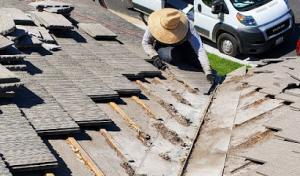
The Roofing Company
(909) 333-5415 theroofingcompanyoc.com
1420 W 11th St, Pomona, California
5.0 from 16 reviews

Custom Roof Company
(909) 623-7753 www.customroofcompany.com
1077 E 3rd St, Pomona, California
4.7 from 17 reviews

True Price Roofing of Pomona
(909) 413-5572 truepriceroofing.com
605 S Reservoir St, Pomona, California
5.0 from 5 reviews
Even when a roof looked solid through the long dry stretch, leaks that stayed hidden during summer and fall can pop up as soon as the first serious storms arrive. Pomona's mild winters mean the wettest period spreads out, but the combination of heated roofs and prolonged sun exposure can hide damage under shingles, tiles, or flashing. When that rain finally hits, fragile spots-around chimney kicks, vents, or low-slope transitions-can fail quickly. If you see new staining or feel a drip during or just after a heavy rain, treat it as an active problem, not a nuisance. Delays let water creep into sheathing and attic spaces, accelerating rot and mold risk.
Brief, intense rain events shaped by monsoon-influenced weather can overwhelm aging roofs that seemed serviceable during dry spells. A tile roof that held up through a dry season can suddenly leak at ridge lines, tile laps, or underlayment seams when a downpour hits with full force. In these moments, a single storm can expose multiple weak points-especially on roofs with a mix of Spanish-style tile and low-slope sections. Expect sudden calls from neighbors and sudden needs for fast triage. Quick, decisive action can stop a small intrusion from turning into a larger water intrusion across ceilings and walls.
The local contractor market reads the same weather cues you do: wet weather after long dry spells drives emergency response demand. Fast tarping and leak control become essential services when winter rain arrives after months of dryness. Timely temporary protection buys you daylight to plan permanent fixes without letting a small leak escalate into structural damage. Knowing who to call for urgent tarping, water removal, and temporary patching can save you substantial headaches and prevent widespread interior damage.
Inspect vulnerable areas before the next big storm, focusing on flashing around chimneys and skylights, vent pipes, and the transitions between tile roofing and flat or low-slope sections. Keep a close eye on any staining near ceilings, and don't assume a dry attic means no problem-condensation and hidden leaks often travel along rafters before showing on living spaces. If a rain event is forecast, prepare a temporary tarping plan and have a tarp, utility knives, fasteners, and a ladder ready. After a storm, perform a careful exterior check for displaced or cracked tiles, loose flashing, or pooling water at roof edges. If you detect active dripping, prioritize safe access to tarping and contact a reliable emergency roofer to secure the site and limit interior damage.
Keep the area around the home clear of outdoor items that could blow into roofing components. If you observe a leak, place a bucket and protect furnishings, then document the scene with photos for your contractor. Schedule emergency inspection as soon as conditions allow; delays can multiply the repair scope. Rely on local specialists who understand Pomona's climate pattern-hot dry spells followed by sudden storms-and who can provide both rapid response and solid, long-term fixes.
When you can't wait, these contractors offer fast response times to stop leaks and prevent further damage.
Custom Roof Company
(909) 623-7753 www.customroofcompany.com
1077 E 3rd St, Pomona, California
4.7 from 17 reviews
True Price Roofing of Pomona
(909) 413-5572 truepriceroofing.com
605 S Reservoir St, Pomona, California
5.0 from 5 reviews

In Pomona, the dominant material mix drives cost, with asphalt shingles at 350 to 700 USD per square, tile systems from 700 to 1600 USD per square depending on clay or concrete, synthetic/composite from 600 to 1000, wood 900 to 1500, and aluminum 700 to 1100. This local spectrum matters because the roof's long-term value hinges on preserving underlayment and ventilation when the deck and rafters are exposed to Inland Valley heat and Santa Ana winds. A tile system may look durable but requires careful tear-off, more crew hours, and stricter disposal handling than an asphalt roof, which translates into higher per-square costs even if the covered area is similar.
Costs in Pomona often rise when heavy tile systems require more labor for tear-off, loading, disposal, and underlayment replacement compared with standard asphalt re-roofs. Expect extra ballast, crane or crew time, and possible repairs to damaged substrate. If the old roof is clay or concrete, the project will push up weight and staging needs, which can stall access to attic space and extend the work window. Those factors push per-square labor rates higher than a typical asphalt job.
Project timing can affect pricing locally because demand often concentrates in the drier late spring through early fall window, while winter weather delays can extend labor time and staging costs. Dry months also correlate with better material availability, reducing delays. If a weather event or wind spike occurs mid-project, temporary containment and debris containment become more critical and can add to the price tag. Planning around the dry season helps keep crews efficient and pricing predictable.
When you price out options, ask for a line item that separates tear-off, disposal, underlayment, and trim work. In dry months, book early to lock material availability and favorable crane or crew rates. If you must reroof after winter rains, build a contingency for potential substrate repairs and extra flashing, especially on tile roofs with tight eave lines.
The most popular roofing material in the US. Find pros who install, repair, and replace asphalt shingles.
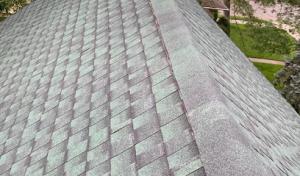
Alpha Roofing
(909) 347-5324 pomonaroofingcontractor.com
Rancho Camino Dr #27, Pomona, California
5.0 from 13 reviews
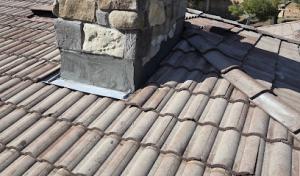
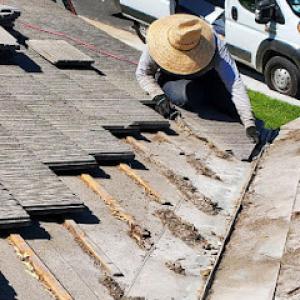
The Roofing Company
(909) 333-5415 theroofingcompanyoc.com
1420 W 11th St, Pomona, California
5.0 from 16 reviews
The answer is yes, now whats the question? Want advice on roofing? we can help. Our business is to help you. advice and estimates are always free. Don't want to risk it? We'll do it for you!
Alpha Roofing
(909) 347-5324 pomonaroofingcontractor.com
Rancho Camino Dr #27, Pomona, California
5.0 from 13 reviews
Alpha Roofing is where your roofing dreams take flight! Unleash the potential of your property with our premium services. Elevate aesthetics and resilience with our meticulous Roof Installation, ensuring a solid foundation overhead. Transform your space with the allure of Metal Roofing or the timeless elegance of Asphalt Shingle Roofing. Discover the epitome of durability through our expert Roof Replacement and swift Roof Repair services. For commercial ventures, our cutting-edge Commercial TPO Roofing solutions redefine protection and style. Whether embarking on New Construction Roofing or seeking the sleek simplicity of Flat Roofing, Alpha Roofing is your trusted partner, delivering excellence, reliability, and a roof over your dreams!

Custom Roof Company
(909) 623-7753 www.customroofcompany.com
1077 E 3rd St, Pomona, California
4.7 from 17 reviews
Custom Roof Company has been providing professional roofing in Pomona and surrounding areas for 25 years. We are one of the most established and trusted name for roofing services in Pomona, and are accredited by the Better Business Bureau as an A+ roofing contractor. We offer some of the best roofing warranties in Pomona, because we stand behind the quality of our work. In the unlikely event that you need to utilize your roof’s warranty, you can rest easy knowing we’ve been in business for over 25 years, so we will still be around to make sure your home or business is protected. If you need roofing installation, roof leak repair, roofing maintenance, commercial roofing, industrial roofing or residential roofing, call us today!

Pomona Roofing Group
(909) 365-2295 rooferspomonaca.com
364 S Gordon St, Pomona, California
5.0 from 9 reviews
Pomona Roofing Group works closely with property owners throughout Pomona, CA to address everyday roofing needs and long-term roof care. Our roofers take on roof repair, roof replacement, roof installation, roof inspections, commercial roofing projects, and emergency roof repair for homes and commercial buildings. Having worked on properties across Pomona, our team is familiar with local construction styles, inland climate conditions, and the types of roof systems common in the area. We provide roofing services across Pomona, CA with a practical, detail-focused approach to maintaining reliable roof performance.
ND Roofing
1047 Blakely Ct, Pomona, California
5.0 from 9 reviews
ND Roofing is distinguished by its commitment to excellence and customer satisfaction. For 15 years, we have provided high quality roofing and construction solutions, prioritizing trust, professionalism and meeting the highest standards on every project.

True Price Roofing of Pomona
(909) 413-5572 truepriceroofing.com
605 S Reservoir St, Pomona, California
5.0 from 5 reviews
True Price Roofing of Pomona provides professional roofing services for residential and commercial properties throughout Pomona, CA. Our roofers perform roof repair, roof replacement, roof installation, roof inspections, commercial roofing work, and emergency roof repair for a variety of building types. Through consistent work in Pomona, our roofing professionals have developed familiarity with local construction styles, inland climate conditions, and roof system wear common in the area. We support property owners across Pomona, CA by maintaining durable, weather-ready roof systems designed for long-term performance.
ARM Roofing Specialists
(909) 573-6357 www.armroofingca.com
2194 Notre Dame Ave, Pomona, California
5.0 from 5 reviews
ARM Roofing Specialists, Inc is a family-owned and operated business with over 26 years of experience in the residential and commercial roofing industry. As a fully licensed and bonded company, we stand behind our work. ARM Roofing takes pride in every job we do, and we're committed to treating every roof as if it were our own.
Kaliber Roofing
(909) 631-0310 www.kaliberroofinginc.com
Serving
4.8 from 82 reviews
Kaliber Roofing is a trusted, family-owned roofing company proudly serving residential and commercial clients with expert roofing solutions. Based in Montclair, CA, we specialize in roof installation, repairs, inspections, maintenance, leak repair, and re-roofing. Our experienced team uses high-quality materials and delivers craftsmanship that stands the test of time. As an Owens Corning Preferred Contractor, we’re committed to durability, safety, and customer satisfaction. Fully licensed and insured, Kaliber Roofing brings integrity, transparency, and care to every project. Contact us today for dependable roofing services you can count on.
B & M Roofing
Serving
5.0 from 26 reviews
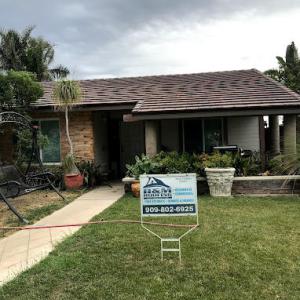
B & M Roofing provides residential and commercial roofing services to the West Inland Empire and surrounding areas.

Competition Roofing
(909) 599-6270 www.competitionroofingco.com
Serving
4.8 from 49 reviews
Competition Roofing is a full-service roofing company in Upland, California, We specialize in Composition, Tile & Flat Roofs. We service Residential, Commercial, Industrial & HOA's.
West Meridian Roofing
Serving
5.0 from 44 reviews
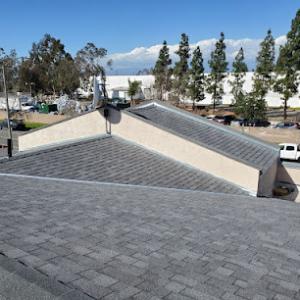
West Meridian Roofing is a family owned business, formerly known as Oshcon, now rebranded as West Meridian Roofing. Still run by the same great team: Jeremiah, Eli Estrada and David Kauffman. We have crews to service the commercial and residential roofing projects as well as decks, porches, and patio structures. Our quality and customer service is reflected in our projects and customer reviews! We’re also partnered with a couple American based Solar Companies and have great options for solar/roof finance packages, call us for a free estimate.
Vantage Roofing
(909) 248-5054 vantageroofingca.com
Serving
5.0 from 13 reviews
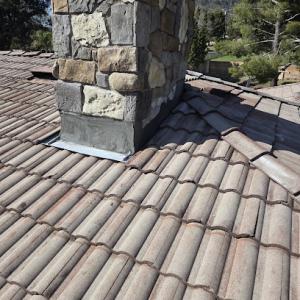
Family owned Specializing in Residential and commercial Roofing thru all aspects
When replacing a roof in this area, a full re-roof generally triggers a building permit rather than being treated as routine maintenance. The city's approach is to have formal review reflect the project's scope, material choices, and how the updated system will perform under Inland Valley heat and Santa Ana wind conditions. Before you start, expect the process to involve more than a quick signature; the permit is part of ensuring that your new roof will meet safety and performance expectations for local weather patterns and building practices.
The plan review in this jurisdiction asks for clear project details. You'll need documentation about roofing material, underlayment, and how the system complies with local wind and energy codes. The documentation should demonstrate that fasteners, underlayment seams, and tile or shingle layouts will withstand high winds and the seasonal UV exposure typical of long dry spells followed by heavy rain bursts. If your home uses a tile system, be prepared to show fastener types, tile alignment, and any reinforcement for overhangs or parapets. A complete package helps speed the review and reduces back-and-forth with the building department.
Inspections typically occur at rough-in and final stages. At rough-in, the focus is on whether the roof deck and underlayment are properly installed and ready for the weather barrier. At final, inspectors verify that the completed system aligns with the approved plans and that wind and energy code requirements are met in practice. Plan checks can take several days to weeks, depending on the building department's workload. If your project runs into delays, it may be due to missing documentation or questions about how the chosen tile or shingle will perform under Santa Ana gusts or in damp winter conditions.
Coordinate with your contractor to prepare a complete package early, including product data sheets and installation details that address local wind zones and energy code alignment. Keep copies of all submitted plans and any amendments, and respond quickly to any requests from the plan reviewers. If timing matters for your schedule, factor in potential plan-check delays and the possibility of additional site or material questions that can extend the review window.
In this Inland Valley climate, insurance providers are eyeing wildfire risk more than ever, and carriers are tightening underwriting while pulling back on some coverage options. The result is that roof age and condition weigh heavily in binding or renewing coverage. The guidance you follow now can help reduce gaps if a carrier reassesses after a renewal window or a policy change.
Insurers commonly want a detailed roof condition report, a record of prior replacement history, and clear documentation of material type and age before they finalize coverage. For a house with Spanish-style tile or low-slope sections, having exact tile counts, confirmed tile types, and a maintenance log can make the difference between a smooth renewal and a denial or heavy underwriting scrutiny.
After wind or storm events, homeowners should promptly document displaced tiles, lifted shingles, underlayment exposure, and any interior leak evidence. Carriers may scrutinize whether damage is sudden or tied to deferred maintenance, so organized photos, dated notes, and a simple timeline help. In Pomona, where Santa Ana wind episodes can drive debris and uplift, quick documentation supports a claim narrative that aligns with actual conditions seen on the roof.
Keep a dated roof condition folder with recent roof reports, replacement histories, and material specifications. If a tile or shingle event occurs, photograph the affected area from multiple angles, note wind direction and peak gusts if known, and capture interior signs of moisture promptly. Regular maintenance records improve credibility when insurers evaluate risk tied to age, material type, and overall roof health.
Connect with contractors who help homeowners navigate the claims process from damage assessment to final approval.

First Roofing
(909) 326-7136 firstroofingllc.com
S East End Ave #2, Pomona, California
5.0 from 6 reviews


Pomona's long hot dry season makes roof heat gain a practical concern when homeowners are choosing replacement materials and underlayment assemblies. Tile-heavy neighborhoods, with Spanish-style roofs and low-slope sections, absorb and radiate heat differently than uniform shingle surfaces. Clay and concrete tiles can offer high solar reflectance when specified with lighter colors or reflective coatings, but their mass also alters attic ventilation needs. Plan for adequate venting and radiant barriers under the roof deck to reduce cooling loads, especially on upper stories or attic spaces with limited natural ventilation.
The Santa Ana winds introduce both wind-driven rain risks and higher wind loads on the roof plane. Material selection should consider wind uplift resistance, especially for low-slope zones and transitions between roof surfaces. Tile roofs, while durable, rely on proper battens, fasteners, and sealant details to resist wind-driven moisture. If choosing synthetic or composite options, look for products rated for high wind zones and compatible underlayment systems that maintain performance under repeated heating cycles and strong gusts.
A cool roof approach can meaningfully reduce attic temperatures and overall cooling demand. Light-colored or specially coated tiles reflect more solar energy, slowing heat transfer into living spaces. When re-roofing, consider an underlayment system designed for high heat and UV exposure, plus a radiant barrier on the underside of the deck if attic access is limited. For low-slope sections, select a reflective membrane or overlay system that pairs well with the chosen tile or shingle style, ensuring continuity of coverage and proper drainage.
Roof replacement planning often intersects with solar decisions because homeowners may prefer to coordinate penetrations, flashing, and future access during a re-roof rather than after. If solar is on the horizon, design ridge and through-roof penetrations to minimize retrofit complexity. Coordinate rafter spacing, flashing transitions, and vent placements to accommodate future inverter and wiring runs while preserving roof integrity and water-tightness. In short, align solar layout with the roof's heat-management strategy to maximize long-term comfort and system reliability.
Find contractors who integrate solar panels or solar shingles into your roof for long-term energy savings.
Custom Roof Company
(909) 623-7753 www.customroofcompany.com
1077 E 3rd St, Pomona, California
4.7 from 17 reviews
Weatherline ReRoofing & Repairs
(714) 731-3425 www.weatherlineroofing.com
Serving
4.9 from 28 reviews
In this market, a successful re-roof hinges on how a contractor handles tear-off, dry-in, and debris removal. Look for teams that document a complete tear-off process, a weather-tight dry-in plan before any rain season, and a detailed clean-up protocol that leaves the yard and street free of nails and shingle fragments. Firms that talk in general about "renovation" or "new construction" may not prioritize rapid, controlled leak stabilization when a home is occupied. Favor contractors who can show a structured, step-by-step tear-off schedule with targeted milestones and a dedicated crew for each phase.
The local market signals homeowners expect fast leak control and thorough debris management, especially during Santa Ana wind events or after a storm. Prioritize bidders who offer a defined response window for emergencies, a temporary tarping plan, and a post-work cleanup that includes magnetized sweep of the entire property. A solid crew should finish each shift with a marked drop zone for waste and a clean driveway, not a scatter of debris around the perimeter. Confirm how they handle street protection and neighbor access to minimize disruption.
Many long-established and family-owned operators populate the area, so practical service reputation often outweighs the lowest bid. Ask for a list of recent re-roof projects with contactable references, especially projects involving tile-heavy homes or long dry spells followed by rain bursts. Ask specifically about coordination with tile suppliers and underlayment choices that suit heat, UV exposure, and wind. A contractor's responsiveness, punctuality, and ability to adapt if conditions shift are tangible indicators of what the job will feel like from start to finish.
With a housing stock that features a lot of Spanish-style tile, confirm experience with clay, concrete, or synthetic tile underlayment and fast, careful fastener strategies to prevent tile breakage. Ask for a written plan that explains how the crew protects existing tiles during removal, how they stabilize the roof deck, and how they handle flashing and wind-driven rain. For occupied homes, ensure the proposal includes a carefully staged timeline, a disruption-free path for daily work, and explicit containment of dust and debris.