
Last updated: Apr 19, 2026
Cerritos homeowners benefit from planning around the region's wetter winter stretch, Santa Ana winds, and the way local homes are built with tile or shingle roofing. This area's dry-season windows can provide more predictable tear-off, dry-in, and inspections, while the rest of the year can introduce scheduling fragility. The goal is to map a sequence that keeps rain from interrupting stages and gives crews enough dry days to lay down underlayment and complete flashing without backtracking.
Between late spring and early fall, conditions in the inland southeast Los Angeles County typically offer the longest stretches without rain. That helps a reroof project stay on track because a single afternoon shower can stall a tear-off and leave underlayment exposed longer than desired. When planning, line up the tear-off for a stretch of several consecutive dry days, followed by a dry-in period where the roof gets breathable underlayment and fasteners secured before any potential wind or heat-related issues arise. If a storm system looks likely in the forecast, consider postponing the tear-off so you don't lose progress and risk moisture intrusion into the sheathing.
Santa Ana wind events in the Cerritos area can make exposed slopes unsafe to work on and can force short-notice rescheduling even outside the rainy season. If a forecast calls for sustained high winds, prioritize securing materials and temporary edge protection, or pause work until winds subside. For crews and homeowners, this means having a contingency plan for shifting installation days and ensuring temporary protection is in place for any exposed underlayment or roofing layers. Flexibility during wind surges keeps the project safer and reduces the chance of wind-driven debris causing damage or delays.
Summer heat in inland southeast Los Angeles County can slow installation pace and increase handling concerns for crews working with underlayment and roof-surface materials. Plan for early-morning starts to take advantage of cooler temps, and schedule more frequent breaks if temperatures rise quickly. Underlayment, shingles, and tile can expand and shift with heat, so timing around the hottest hours helps maintain alignment and reduces waste. If material deliveries arrive during peak heat, coordinate quick offloading and storage on the shaded side of the house to minimize heat exposure.
A practical approach is to set a preferred window for tear-off with a built-in buffer for occasional rain or wind delays. Build a sequence that reserves several dry days in a row, followed by a controlled, staged installation of underlayment, flashing, and surface materials. Keep inspections in mind: inspections tend to be more straightforward after a dry-in is complete and before final sealing, so factor the inspection step into the dry period rather than as a last-minute add-on. Maintain open lines of communication with the homeowner and the crew about evolving weather forecasts, and be ready to rearrange days without sacrificing the integrity of the roof assembly.
In this community, your roof choices walk a line between traditional concrete tile, clay tile, and asphalt shingles. That mix shapes decisions differently than neighborhoods dominated by steep-slope wood or snow-load designs. Concrete and clay tiles bring durable, long-lasting performance, but they demand a careful eye on underlayment, flashing, and the fasteners that secure the field tiles. Asphalt shingles, while lighter on upfront cost, interact with the same local realities-ventilation, wind exposure, and the way the roof interfaces with parapets and skylights. When planning a reroof, you'll compare how a heavier tile profile feels over time versus the quicker, lighter deck refresh that shingles provide, keeping in mind how each choice ages under Cerritos' dry summers, winter rains, and sea-level Santa Ana winds.
Tile reroofing in this area often hinges on what's underneath, not just the surface tiles. Older suburban homes frequently exhibit underlayment wear that quietly limits drought-season performance and rain-driven protection during a rapid storm. If the underlayment is aging, a reroof becomes more than a tile swap; it is a deck restore. Pay attention to flashing where roof planes meet walls, around chimneys, and at vent stacks, because these details frequently determine whether a reroof stays watertight through winter rains or wind-driven spray from a Santa Ana gust. Ventilation decisions matter too. Proper attic breathing helps prevent heat buildup that can degrade shingles or tiles from the inside, while a balanced system helps maintain the roof's overall life. In this climate, a reroof is most effective when it treats the roof as a system-tiles or shingles, underlayment, flashing, ventilation, and seismic-related tie-ins all working in concert.
Cerritos experiences winter rains that test roof membranes and transitions. Planning reroof timing around those rains reduces the risk of a rushed installation leaving gaps in flashing or mis-seated tiles. If a replacement must occur in the wet season, prepare for a tighter schedule that prioritizes securing flashings and underlayment first, then setting field tiles or laying shingles with attention to consistent nails and sealant placement. Santa Ana winds add another layer of timing pressure. A wind event can reveal weak fasteners or marginal flashing once the old roof deck is exposed, so scheduling a thorough inspection of the deck and fastening method before committing to the final layer helps ensure the system will resist lift and wind-driven leaks. In practice, homeowners often find the best window is a stretch when morning fog has burned off, the ground is dry, and a few days of forecasted calm weather appear, giving crews room to complete underlayment, flashing, and ventilation steps before the final tile or shingle layer is installed.
Because both tile and shingle systems are prevalent locally, homeowners often compare the lower upfront cost of asphalt against the heavier profile and longer-cycle expectations of tile. The choice here is influenced by local wind exposure, the condition of existing flashing, and how well the attic is vented. Tile can deliver a longer life with proper installation, but it demands meticulous attention to flashing details and a robust underlayment, especially on older homes with complex roof lines. Shingles, while easier to swap in a quicker turnaround, still require correct ventilation and seamless transitions at penetrations to hold up against Cerritos' winter rains and Santa Ana winds. In the end, the best reroof plan matches the home's roof geometry, the chosen material's behavior in wind and rain, and the crew's ability to execute the critical underlayment and flashing work that keeps the roof watertight for years to come.
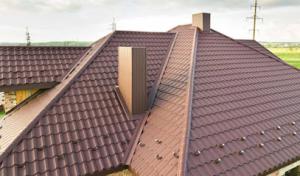
Find contractors who specialize in clay and concrete tile roofs, known for their durability and curb appeal.
Shingle Guard Roofs
(562) 545-4906 shingleguardroofs.com
12506 South St #4, Cerritos, California
5.0 from 25 reviews

Atlas Roofing of Long Beach
(562) 376-2244 www.atlasroofinglongbeach.com
Serving
5.0 from 18 reviews
Shingle Guard Roofs
(562) 545-4906 shingleguardroofs.com
12506 South St #4, Cerritos, California
5.0 from 25 reviews
Shingle Guard Roofs is a trusted roofing company dedicated to protecting homes and businesses with durable, quality roofing solutions built to last. Specializing in roof repairs, replacements, new installations, and preventative maintenance, our team delivers expert craftsmanship and reliable service at fair prices. We work with all major roofing materials asphalt shingles, tile, metal, and flat roofing systems to provide customized solutions that enhance curb appeal while keeping properties safe from the elements. At Shingle Guard Roofs, we stand by our name by offering long lasting protection, honest estimates, and a commitment to excellence that has made us a go to roofing contractor for homeowners and businesses.
Roofing H Rancho Palos Verdes
Serving
5.0 from 44 reviews
As a premier roofing service, Roofing H Rancho Palos Verdes offers exceptional craftsmanship for all your roofing needs. We specialize in installations, repairs, and maintenance, ensuring the durability and longevity of your home's protection. Our dedicated team uses high-quality materials and proven techniques to deliver results that stand up to the elements and elevate your property's curb appeal. Trust us to provide reliable, professional service that keeps your home safe and secure for years to come.

Atlas Roofing of Long Beach
(562) 376-2244 www.atlasroofinglongbeach.com
Serving
5.0 from 18 reviews
Atlas Roofing is Long Beach and the surrounding area’s premiere roofing company providing a variety of roofing, siding, and gutter services. We offer residential roofing and commercial roofing, roof repair and roof replacement, including asphalt shingles roofing, wood roofing options, metal roofing, tile roofing, and low slope roofing. We are experts at helping you navigate through insurance issues.
1st Roofing Solution Anaheim CA
(657) 202-1183 1stroofingsolutionanaheimca.com
Serving
5.0 from 35 reviews
1st Roofing Solution Anaheim CA delivers reliable, high-quality roofing services throughout Anaheim, CA, seven days a week. We handle roof inspections, roof repairs, roof installations, shingle replacement, storm and wind damage repair, gutter installation, gutter cleaning, attic venting services, and ongoing roof maintenance. Our team focuses on durable workmanship, honest recommendations, and long-lasting protection for your home or business. Whether you need a small fix or a full roof upgrade, we provide fast service, clear communication, and solutions built to withstand Southern California weather. Homeowners in Anaheim trust us for dependable, affordable, and professional roofing care.
Allied Roofing
(562) 525-5839 norwalkroofingcontractor.com
Serving
4.9 from 23 reviews
Welcome to Allied Roofing, your trusted partner in elevating rooftops to new heights! Experience excellence in every layer with our expert Roof Installation – a seamless blend of precision and aesthetics. Transform your property with confidence through our dedicated Roof Replacement service, ensuring durability and curb appeal. Count on us for meticulous Roof Repair, restoring your peace of mind. Embrace innovation with our cutting-edge Metal Roofing solutions or the timeless charm of Asphalt Shingle Roofing. For commercial spaces, choose the reliability of Commercial TPO Roofing. From New Construction Roofing to the sleek lines of Flat Roofing, Allied Roofing delivers quality, durability, and a new zenith for your property.
Immaculate Services
(657) 217-0638 immaculateservicesinc.com
Serving
5.0 from 26 reviews
We are a group of professional Journeymen that have come together to work with less fortunate Individuals of our community. Our aim is to rehabilitate them and equip them with moral and trade skills while producing quality work for our customers. we are a Christian company. Pray for us.
Parkside Roofing
(562) 204-6238 www.parksideroofing.com
Serving
5.0 from 27 reviews
Top quality ROOFING contractor. Great communication with amazing customer service.

DGL Roofing & Masonry
(657) 530-5097 www.dglroofingandmasonry.com
Serving
4.9 from 65 reviews
With decades of experience serving the Southern California community, DGL Roofing & Masonry stands as a beacon of quality craftsmanship and unwavering reliability. We specialize in providing comprehensive roofing solutions, from new installations to meticulous repairs, ensuring every project is completed with precision and durability. Our skilled team is dedicated to protecting your property with the highest standards of materials and expertise, giving you peace of mind for years to come. Located in Stanton, we are proud to be the trusted choice for all your roofing needs.
Elevate Roofing
(562) 469-2089 elevateroofingservices.com
Serving
5.0 from 96 reviews
At Elevate Roofing, we're more than just a roofing company we're a close-knit, family-owned business with over 30 years of combined experience in the industry. Picture us as your friendly neighborhood roof experts, committed to treating your home like our own. Here's the deal: we take the time to get things just right, from hand-picking the best materials for your roof to making sure every detail, like ventilation and flashing, is spot on. Our team? They're not just skilled workers; they're like part of the family, dedicated to crafting roofs that not only look great but also stand strong against whatever Mother Nature throws their way. So, if you're ready to give your home the top-notch treatment it deserves, let's chat.
Edison California Roofing
(949) 407-9094 www.edisoncaroofing.com
Serving
5.0 from 288 reviews
At Edison Roof In Irvine, CA we specialize in providing top-quality roofing solutions tailored to meet the unique needs of businesses. Our experienced team understands the importance of a durable and reliable roof for your property, as it protects your investment and ensures the safety of your operations. We offer a wide range of options, including TPO, PVC, EPDM, and modified bitumen roofing systems, all designed to withstand the demands of the environment. With our commitment to using high-quality materials and expert installation techniques, you can trust us to deliver a roofing solution that enhances your building’s efficiency and longevity. Additionally, we provide ongoing maintenance and support to keep your roof in optimal condition

Cassady Roofing
(562) 944-5817 www.cassadyroofing.com
Serving
4.7 from 30 reviews
Cassady Roofing is a family owned and operated business since 1961. RESIDENTIAL, COMMERCIAL, INDUSTRIAL: New - Repairs - Recover. We do ALL TYPES of Roofing, such as Tile, Shingles, Comp, Hot Mop & Rock Specialists. Certified Cool Roof Appli
A-1 Roofing
(562) 249-1725 lakewoodroofingsolution.com
Serving
4.9 from 17 reviews
Welcome to A-1 Roofing, where excellence meets expertise in roofing solutions! Elevate your property's protection with our top-notch services. Our skilled team specializes in seamless Roof Installation, ensuring durability and style for your home or business. Experience a transformative upgrade with our Roof Replacement services, providing innovative options for every need. Trust us for swift and effective Roof Repair, restoring your peace of mind. Explore the modern charm and resilience of Metal Roofing or opt for the classic appeal of Asphalt Shingle Roofing. For commercial spaces, our expertise extends to Commercial TPO Roofing. Whether it's New Construction Roofing or efficient Flat Roofing solutions, A-1 Roofing is your premier choice.
When winter rain finally rolls through, leaks tend to appear in the spots that stayed hidden during the dry season. In these homes, weak flashing around chimneys, vent pipes, and skylights often show up first, followed by penetrations where the roof meets vents, skylights, and valley intersections. A single heavy downpour can overwhelm aged underlayment that never fully dried out after last season, allowing water to travel along the roof deck before it drips into the attic or living space. If you notice damp ceilings around a wall or near a dormer after a storm, treat it as a red flag for compromised layers beneath the shingles.
Santa Ana wind conditions are relentless here, and they don't just rattle loose shingles. They can lift or shift vulnerable components, exposing weak transitions around ridges, edges, and roof penetrations. Ridge caps and edge details are common failure points when gusts press from the hills and funnel through close neighborhoods with tight roof lines. If you hear whistling at the ridge line or see lifting at the drip edge during or after a windy spell, that's a sign to act quickly. Wind can also push debris into vents or under flashing, turning a small issue into a bigger leak in a single storm.
The market shows unusually strong demand for emergency response, storm-related repairs, skylight work, and insurance-related roof service after big weather events. That surge isn't just a nuisance to schedule; it can indicate how many weak roofs in your area were stressed by the same storm. If contractors are hard to book right after a rain or wind event, don't wait. The first re-seal or temporary tarp can prevent widespread interior damage while you arrange a longer-term fix.
Look for damp or damp-sealed patches on ceilings connected to roof penetrations, and pay attention to any new water staining along walls near exterior corners. Outside, inspect around vent collars, chimney bases, and skylight frames for looseness, corrosion, or missing sealant. On windy days, listen for flapping underlayment or exposed flashing when you walk the attic hatch or crawl space access-these noises are made by wind finding a path through the roof assemblage.
If a leak is detected, protect valuables with plastic, place a temporary tarp or plywood over the affected area if you can safely access the roof, and call a trusted local roofer with rapid-response capability. When discussing repairs, emphasize reinforcing vulnerable flashing, resealing penetrations, and upgrading underlayment where aging shows through. In this climate, timely triage saves more interior damage and keeps the home structurally sound as the next storm season approaches.
When you can't wait, these contractors offer fast response times to stop leaks and prevent further damage.
Shingle Guard Roofs
(562) 545-4906 shingleguardroofs.com
12506 South St #4, Cerritos, California
5.0 from 25 reviews

Reroof work in this city commonly requires a permit, and the review is handled through the Building & Safety function before any roof work begins. The process is not a mere formality; it exists to catch issues that could compromise wind resistance, moisture control, and seismic performance. If the permit is delayed or denied, work cannot proceed, and that delay can push projects into the rainy season, complicating reroofs during Santa Ana wind events or winter storms. Expect a clear plan that shows how the roof assembly will meet local standards for underlayment, ventilation, flashing transitions, and seismic considerations.
Cerritos inspections often include a rough stage that concentrates on underlayment and venting details. During this check, inspectors verify that the chosen underlayment type and thickness align with the approved design and that vent placement and sizing meet code. Improperly vented attics can trap heat and moisture, leading to premature shingle deterioration and energy inefficiency. Before scheduling the rough inspection, ensure the attic ventilation plan is visible in the scope of work, with clearly labeled soffit, ridge, and gable vents, and confirm that any changes to vent routing or baffles are reflected in the permit documents.
A final inspection follows once roof coverings are installed and the system is in its completed state. This review confirms that flashings around chimneys, skylights, and wall penetrations are continuous and correctly integrated with the roofing material. It also checks for proper intersecting planes, step and counter-flashing details, and that all penetrations are sealed against moisture intrusion. Do not neglect the interior attic checks required at this stage; inspectors look for proper insulation, ventilation balance, and any signs of moisture migration that could indicate a flashing or underlayment lapse.
The plan review in this city may require adjustments to satisfy local code compliance issues before approval or sign-off. Ventilation details, flashing configurations, and seismic considerations are common focal points. If the plan review raises questions about vent sizing or flashing intersections, address them promptly with your contractor and the building department to avoid delays. Seismic considerations may include strapping, nailing patterns, and roof deck connections that are standard in Cerritos but less common in neighboring jurisdictions. Aligning your reroof plan with these specifics reduces the risk of rework and last-minute permit holds during inspections.
Asphalt shingles dominate the neighborhood housing stock, and the cost range here reflects that practical choice for many tract homes. In Cerritos, you'll typically see asphalt shingles priced from about 350 to 650 USD per square, depending on the profile, underlayment, and any needed valley or flashing work. When planning, those numbers stay reliable because the installation approach is well understood by local crews, with shorter staging times if weather cooperates. Expect some variability if fiberglass or asphalt options include extra reinforcement or radiant barrier components, but the baseline remains a straightforward, cost-competitive reroof for most single-story and two-story homes.
Concrete tile is a common upgrade for longevity and curb appeal, but it brings higher upfront costs and heavier weight. Concrete tile is usually in the 800 to 1200 USD per square range here, with labor-intensive handling and possible deck reinforcement checks. In many Cerritos reroofs, rows of concrete tile require careful sequencing to avoid breakage and to maintain correct attic ventilation and flashing transitions. That added complexity tends to translate into a higher total project cost compared with shingles, yet the long-term durability can be a compelling trade-off for winter rain protection and wind exposure.
Clay tile sits in a similar weight-class and performance category, yet occasionally pushes pricing toward the higher end of the concrete range depending on pattern and profile. Expect roughly 900 to 1800 USD per square for clay tile up to the heaviest options. The difference between clay and concrete is often marginal once installation nuances, broken tile replacements, and additional hip-and-ridge detailing are factored in. In this climate, clay tile brings excellent thermal performance, which can help reduce cooling loads though the upfront material and labor costs are a consideration.
Metal roofing offers a lightweight, wind-resistant alternative with a distinct aesthetic. Local metal projects commonly fall from 700 to 1200 USD per square, driven by panel profile, underlayment compatibility, and flashing details specific to tile-adjacent systems. In coastal-influenced Cerritos wind events, metal can minimize staging delays, but panel fasteners and connections demand precision to avoid future leaks around valleys and vents.
Wood shingles or shakes and synthetic/composite shingles round out the roster. Wood typically runs 600 to 900 USD per square when maintenance and treatment are included, while synthetic or composite options land around 450 to 800 USD per square. Here, heavier or textured looks can influence labor time and staging coordination, particularly if retrofits require additional ventilation checks to align with the home's existing layout.
Get a clear picture of your project costs upfront - no commitment required.
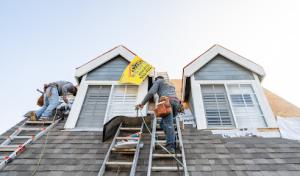

You may notice insurance providers in this part of the valley tightening their view on roof age, material type, and installation details. Even when you're not perched in a wildfire-prone hillside, aging roofs and transitions to newer materials can influence premiums, nonrenewals, or claim outcomes. The bigger picture is that insurers are applying more scrutiny to how a roof was installed, what it's made of, and whether ventilation and flashing meet current expectations. In practice, that means your reroof decision can ripple into your homeowner policy sooner than you expect.
Insurers increasingly want documentation that supports the roof's status long after the job is finished. Final inspection approvals, installation notes, and a clear record of roof material type become part of the package when you're evaluating coverage or filing a claim. The city's documented approvals serve as a reliable source you can reference if a question ever arises about whether a roof meets current standards. In a neighborhood with common tile and shingle reroofing, those records can be the difference between a smooth claim process and a protracted dispute.
When damage occurs, adjusters often request before-and-after photos and precise replacement-cost information. Without organized reroof paperwork and inspection records, you may face delays or questions about what was installed and when. Keeping a logical file-receipt scans, final inspection reports, and a concise summary of roof age and material-helps you respond quickly. This is especially true if a single storm or wind event affects a row of homes, making the documentation you've kept a practical shield against back-and-forth with the insurer.
For homeowners, the practical takeaway is to treat roof records as part of the home's core documentation. Store vintage inspection notes alongside the latest permit approvals, and keep a simple, dated log of any reroof work, including material changes. This proactive habit protects you not just when an event occurs, but in the everyday reality of California's insurance climate, where the combination of aging roofs and material choices can influence policy dynamics over time.
Connect with contractors who help homeowners navigate the claims process from damage assessment to final approval.
Atlas Roofing of Long Beach
(562) 376-2244 www.atlasroofinglongbeach.com
Serving
5.0 from 18 reviews
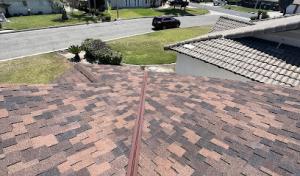
In this market, homeowners often encounter a mix of steep-slope replacements and practical flat-roof work tied to additions, patios, garages, or mixed residential-commercial setups. The local climate features Santa Ana wind events and winter rains that arrive in a narrow window, so planning for both waterproofing and ventilation during reroof is essential. A Cerritos reroof project often benefits from coordinating multiple roof tasks to minimize disruption and maximize warranty compatibility.
Low-slope sections require careful attention to drainage and edge detailing, especially on additions or covered outdoor spaces. In areas with frequent wind-driven rain, ensure that flashing transitions are continuous and that membrane seams receive proper detailing at penetrations. For mixed-use properties, separate scuppers or interior-to-exterior drainage paths may be warranted to prevent ponding and water migration between the residential and auxiliary spaces.
Solar-related roof work should be timed to align with reroof timing so penetrations, flashing, and final inspections line up with the city approval process. Coordinate panel mounts and conduit routes with the roof replacement plan to avoid retrofits or rework after the fact. If a solar array is contemplated during reroof, choose roofing materials and flashing details that support clean integration of racking bases and edge seals without compromising surface integrity.
When addressing additions, patio covers, or garages, treat the new and existing roof interfaces as a single waterproof system. Pay close attention to parapet walls, transitions between differing roof pitches, and any changes in slope. Have a clear plan for addressing vapor barriers and air barriers in the new section to prevent condensation buildup behind finished surfaces.
Prepare for inspection milestones that verify ventilation, flashing continuity, and seam integrity across both existing and new roof areas. Bring documentation of roof penetrations and flashing details for any solar or coating work, ensuring inspectors can trace the full waterproofing path from edge to edge.
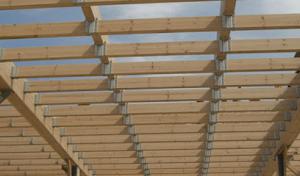
Find specialists in TPO, EPDM, and built-up flat roofing systems for residential and commercial properties.
Shingle Guard Roofs
(562) 545-4906 shingleguardroofs.com
12506 South St #4, Cerritos, California
5.0 from 25 reviews
Atlas Roofing of Long Beach
(562) 376-2244 www.atlasroofinglongbeach.com
Serving
5.0 from 18 reviews
1st Roofing Solution Anaheim CA
(657) 202-1183 1stroofingsolutionanaheimca.com
Serving
5.0 from 35 reviews