
Last updated: Apr 19, 2026
Dry-season reroof planning and timing
Dry-season reroofing aligns with the local pattern of hot, dry summers and milder, intermittently wet winters. In this climate, tear-off work proceeds more predictably when rain risk is low and temperatures stay within a manageable range for crews and materials. Scheduling a full reroof for the heart of the dry season minimizes delays caused by moisture intrusion into decking and underlayment, and it helps ensure a clean dry-in period for underlayment, flashing, and ridge or hip cap work. If a project must begin in shoulder months, plan for a longer dry-in window and anticipate occasional weather-driven pauses. This approach reduces the chance of wind-driven moisture compromising the roof deck before new material can be sealed.
Edge detailing under Santa Ana wind exposure
Prolonged Santa Ana wind periods push air pressure across exposed edges and rakes, stressing fasteners and edge metal. During active reroof projects, edge detailing deserves extra attention: secure starter courses tightly, double-check fastener patterns at eaves and rakes, and use corrosion-resistant metal flashing where edges meet walls or chimney bases. Staging materials should stay organized and shielded from gusts, with bundles kept lower to prevent wind-driven displacement. In inland North Orange County, these winds can disrupt supply runs and create temporary gaps in tarping; plan for more frequent inspections of edge sealants and quick-access windbreaks around work trailers to hold down sheets and prevent edge lift.
Heat, UV, and material behavior during installation
Summer heat and UV exposure in this area accelerate weathering and can affect sealants, fasteners, and material expansion while installation is underway. In practical terms, consider scheduling the most heat-sensitive tasks-like applying sealants and completing membrane overlaps-during the cooler parts of the day, such as early morning or late afternoon windows. Allow extra time for sealants and underlayment to cure in high temperatures, and avoid large temperature swings that can stress new materials as they acclimate. Pay careful attention to metal edge trims and fastener lengths; heat can change how these components seat and behave once the roof is fully loaded with shingles or tiles. Temporary shade or misting near the work area can help keep installation conditions stable and protect delicate sealant lines from premature UV degradation.
Staging and logistical considerations for dry-season windows
With the dry-season workflow, material staging takes on a practical edge. Keep tile or shingle bundles on sturdy, sun-resistant pallets to minimize stress from heat and direct sun. For tile roofs, ensure battens and underlayment are protected from prolonged sun exposure while the roof is open, especially in the afternoons when temps peak. In asphalt, wood, or synthetic options, verify that fasteners are stored in shaded or covered areas to prevent expansion or premature corrosion entering the installation sequence. If Santa Ana winds pick up mid-project, have a contingency plan to secure loose materials quickly and reposition tarps to prevent wind-driven debris from entering the work zone or striking nearby properties.
Edge protection and final touches
As the project nears completion, re-check edge flashing, corner detailing, and ridge components for tightness and weatherproofing. The edge environment, exposed to sun and wind, benefits from a thorough top-off of sealants and a final inspection that prioritizes edge integrity. If the season has been particularly dry, verify that all drainage paths remain clear and that fascia installations maintain a flush, wind-resistant alignment. A well-timed inspection cadence during the late dry season helps confirm long-term performance against the season's sun exposure and wind cycles, setting the stage for a durable, weather-ready roof for the coming year.
The hot inland sun and Santa Ana winds shape every homeowner's reroof decision here. In this market, asphalt shingles, clay tile, concrete tile, metal roofing, wood shingles or shakes, and synthetic or composite shingles all compete for the long-term feel and curb appeal you want. The sun's glare compounds wear on color and surface texture, so UV resistance isn't a luxury-it's a practical requirement. Tile roofs, in particular, reflect heat differently than asphalt, and the long-term color stability of each option becomes a daily consideration for both appearance and protective performance. The mix of Southern California housing stock means you'll regularly evaluate how a roof ages in full sun, how wind-driven debris might affect edge areas, and how the roof transitions from sunlit slopes to shaded eaves.
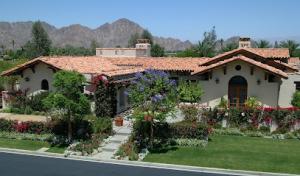
Tile is especially relevant to Buena Park's housing landscape, which makes underlayment life and broken-tile replacement more common than in many non-tile markets. Underlayment choice matters because a tile roof relies on a secure barrier beneath the tiles to keep out moisture during monsoon-season surprises and Santa Ana gusts. If you choose concrete or clay tile, the underlayment should be compatible with the tile's weight and expansive movement. In asphalt installations, the underlayment under the shingles still governs blister resistance, wind uplift performance, and durability against sun exposure. In either scenario, a thoughtful, high-quality underlayment helps preserve the roof's integrity long after the initial installation, particularly where daily sun exposure is intense and seasonal winds can pry at edge details.
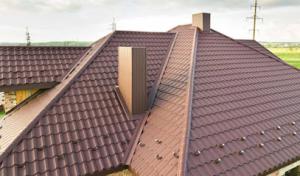
Strong sun exposure in Buena Park makes UV resistance and long-term color and surface wear important when comparing asphalt, tile, metal, and synthetic options. Asphalt shingles can suffer color fading and surface chalking if UV exposure is high and reflections off light-colored exteriors are heavy. Clay and concrete tiles tend to hold color well but can experience slight fading and surface wear, especially on lighter shades that are most susceptible to heat absorption. Metal roofing offers excellent reflectivity when paired with cool-color finishes, yet edge detailing and fasteners must be chosen to resist heat-related expansion. Synthetic or composite shingles often blend color stability with lighter weight, but the performance hinges on the resin chemistry and protective layers, which respond differently to continuous sun exposure. In all cases, color retention, surface wear resistance, and the roof's ability to shed heat will influence long-term appearance and performance.
Edges, hips, and ridges receive extra attention in this climate. Buena Park's Santa Ana winds can lift loose edges if fasteners and sealants aren't properly applied. Tile roofs require careful eave and rake edge detailing to prevent wind-driven water intrusion and tile movement. Asphalt roofs benefit from properly sealed valley and edge detailing to prevent wind-driven water penetration under shingles. When selecting materials, consider edge fastener systems, appropriate sealants, and flashing details that accommodate sun-driven expansion and contraction. Proper venting at eaves and ridge lines contributes to overall roof longevity, particularly where tile or metal exteriors meet vented attic spaces. A well-detailed edge is as critical as the material choice itself for resisting wind and sun-induced stress.
Maintenance intervals in this market should factor in sun-season wear and the tendency for broken tiles to require prompt replacement to avoid water intrusion. Asphalt shingles may show granule loss or curvature over years of sun exposure, prompting closer inspection of the roof's surface and flashing. Tile roofs demand attention to broken or slipped tiles and the integrity of grout or mastic around penetrations. Regardless of material, a proactive plan that includes periodic inspection after seasonal wind events helps you catch issues before they escalate, preserving performance and curb appeal in a climate where sun and wind are ever-present considerations.
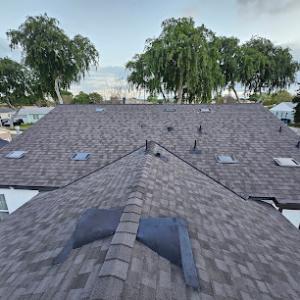
Immaculate Services
(657) 217-0638 immaculateservicesinc.com
Serving
5.0 from 26 reviews
We are a group of professional Journeymen that have come together to work with less fortunate Individuals of our community. Our aim is to rehabilitate them and equip them with moral and trade skills while producing quality work for our customers. we are a Christian company. Pray for us.
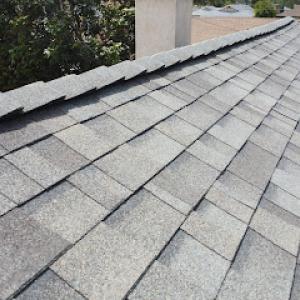
Parkside Roofing
(562) 204-6238 www.parksideroofing.com
Serving
5.0 from 27 reviews
Top quality ROOFING contractor. Great communication with amazing customer service.
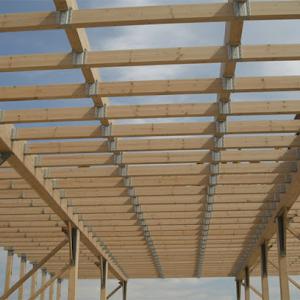
1st Roofing Solution Anaheim CA
(657) 202-1183 1stroofingsolutionanaheimca.com
Serving
5.0 from 35 reviews
1st Roofing Solution Anaheim CA delivers reliable, high-quality roofing services throughout Anaheim, CA, seven days a week. We handle roof inspections, roof repairs, roof installations, shingle replacement, storm and wind damage repair, gutter installation, gutter cleaning, attic venting services, and ongoing roof maintenance. Our team focuses on durable workmanship, honest recommendations, and long-lasting protection for your home or business. Whether you need a small fix or a full roof upgrade, we provide fast service, clear communication, and solutions built to withstand Southern California weather. Homeowners in Anaheim trust us for dependable, affordable, and professional roofing care.
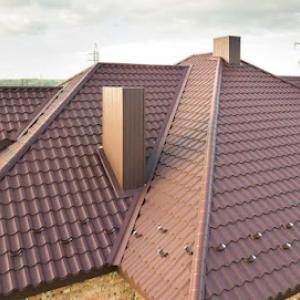
Roofing H Rancho Palos Verdes
Serving
5.0 from 44 reviews
As a premier roofing service, Roofing H Rancho Palos Verdes offers exceptional craftsmanship for all your roofing needs. We specialize in installations, repairs, and maintenance, ensuring the durability and longevity of your home's protection. Our dedicated team uses high-quality materials and proven techniques to deliver results that stand up to the elements and elevate your property's curb appeal. Trust us to provide reliable, professional service that keeps your home safe and secure for years to come.
Atlas Roofing of Long Beach
(562) 376-2244 www.atlasroofinglongbeach.com
Serving
5.0 from 18 reviews
Atlas Roofing is Long Beach and the surrounding area’s premiere roofing company providing a variety of roofing, siding, and gutter services. We offer residential roofing and commercial roofing, roof repair and roof replacement, including asphalt shingles roofing, wood roofing options, metal roofing, tile roofing, and low slope roofing. We are experts at helping you navigate through insurance issues.
Prime Roofing Fullerton Masters
(657) 243-8281 primeroofingfullertonmasters.com
Serving
5.0 from 29 reviews
Prime Roofing Fullerton Masters offers reliable, 7-day roofing services throughout Fullerton and surrounding areas. We specialize in roof inspections, repairs, full roof installations, attic venting, gutter cleaning, and storm or wind damage restoration. Our team combines expert craftsmanship with high-quality, durable materials to ensure long-lasting protection for homes and businesses. From minor leaks to complete roof replacements, we provide fast, professional solutions that safeguard your property, improve energy efficiency, and keep your roof performing at its best. Trust Prime Roofing Fullerton Masters for dependable, year-round roofing services.
DGL Roofing & Masonry
(657) 530-5097 www.dglroofingandmasonry.com
Serving
4.9 from 65 reviews
With decades of experience serving the Southern California community, DGL Roofing & Masonry stands as a beacon of quality craftsmanship and unwavering reliability. We specialize in providing comprehensive roofing solutions, from new installations to meticulous repairs, ensuring every project is completed with precision and durability. Our skilled team is dedicated to protecting your property with the highest standards of materials and expertise, giving you peace of mind for years to come. Located in Stanton, we are proud to be the trusted choice for all your roofing needs.
Shingle Guard Roofs
(562) 545-4906 shingleguardroofs.com
Serving
5.0 from 25 reviews
Shingle Guard Roofs is a trusted roofing company dedicated to protecting homes and businesses with durable, quality roofing solutions built to last. Specializing in roof repairs, replacements, new installations, and preventative maintenance, our team delivers expert craftsmanship and reliable service at fair prices. We work with all major roofing materials asphalt shingles, tile, metal, and flat roofing systems to provide customized solutions that enhance curb appeal while keeping properties safe from the elements. At Shingle Guard Roofs, we stand by our name by offering long lasting protection, honest estimates, and a commitment to excellence that has made us a go to roofing contractor for homeowners and businesses.
Atlas Roofing - Anaheim
(714) 699-9009 www.atlasroofinganaheim.com
Serving
4.6 from 14 reviews
Atlas Roofing is Anaheim and the surrounding area’s premiere roofing company providing a variety of roofing and gutter services. We offer residential roofing services including roof repair and roof replacement, including asphalt shingles roofing, wood roofing options, metal roofing, tile roofing, and low slope roofing. We are experts at helping you navigate through insurance issues.
Fullerton Roofing Masters
(714) 266-1641 roofingcontractorfullertonca.com
Serving
5.0 from 20 reviews
Fullerton Roofing Masters works on roofing projects for residential and commercial properties in Fullerton, CA. Our team completes roof repair, roof replacement, roof installation, roof inspections, commercial roofing work, and emergency roof repair. Experience gained from projects across Fullerton has given our roofers familiarity with local building styles, common roof systems, and weather conditions that affect roof performance. We provide roofing services throughout Fullerton, CA with a focus on keeping roof systems functional, secure, and well maintained over time.
Edison California Roofing
(949) 407-9094 www.edisoncaroofing.com
Serving
5.0 from 288 reviews
At Edison Roof In Irvine, CA we specialize in providing top-quality roofing solutions tailored to meet the unique needs of businesses. Our experienced team understands the importance of a durable and reliable roof for your property, as it protects your investment and ensures the safety of your operations. We offer a wide range of options, including TPO, PVC, EPDM, and modified bitumen roofing systems, all designed to withstand the demands of the environment. With our commitment to using high-quality materials and expert installation techniques, you can trust us to deliver a roofing solution that enhances your building’s efficiency and longevity. Additionally, we provide ongoing maintenance and support to keep your roof in optimal condition
Tom Byer Roofing Service
(714) 892-1140 www.tombyerroofingservice.com
Serving
4.8 from 62 reviews
Tom Byer Roofing Service was established in 1952 as a family-owned company, and we have more than 60 years of experience in commercial, residential, industrial, and apartment roofing. We are proud to have served the Southern California area, including Orange County, with prompt, courteous service and quality workmanship. Our full-service company has also become the best hot asphalt flat roofing applicator in the area. We also have the experience and resources to work with other materials, including gravel, cedar shakes, composite, asphalt shingles, lightweight tiles, cold process roll roofing, and fiberglass composition materials.
Typical Buena Park pricing is commonly discussed per square, with provided local ranges spanning from asphalt shingles at 350 to 800 USD per square up to clay tile at 1100 to 2500 USD per square. This spread reflects how inland sun and wind influence material choices and installation labor. For a reroof on a standard asphalt shingle roof, expect the lower end of the range, while a tile replacement, especially clay tile, sits toward the upper end. When weighing options, remember that roof complexity, attic ventilation, and edge details can push costs beyond the base per-square numbers. In practice, most homes in the area land somewhere in the middle, but heavy tile systems push the project toward the higher end quickly.
The hot inland sun accelerates shingle aging and affects edge detailing. Asphalt shingles withstand the heat and are frequently chosen for lighter fencing between cost and performance, yet extended sun exposure can shorten their service life if underlayment and ventilation aren't up to the task. Metal roofing offers excellent reflectivity and wind resilience, but its price often sits well above asphalt, closer to the 700-1400 USD per square range, and requires careful edge detailing to manage expansion and seam exposure in Santa Ana wind gusts. Clay and concrete tiles resist sun and heat well but bring significant weight and cost; clay tile typically runs from 1100 to 2500 USD per square, with concrete tile closer to 1000 to 2000 USD per square. Wood shingles and synthetics provide texture and wind performance that may suit certain styles, yet they come with their own maintenance profiles and price points (roughly 800-1600 for wood, 600-1200 for synthetic per square).
Costs in Buena Park can rise when homeowners replace heavier tile systems or address deck and edge repairs discovered during tear-off after long sun exposure and winter moisture cycles. Edge detailing, including rain gutters, drip edge upgrades, and fascia repairs, can add to the total beyond material cost. If the tear-off reveals deck damage or rotted ledgers, expect additional costs for reinforcement or replacement. Edge metals should be selected for corrosion resistance and wind uplift compatibility to minimize long-term maintenance.
Project timing matters locally because winter rain delays and Santa Ana wind disruptions can affect labor scheduling, dry-in protection, and overall reroof logistics. Dry-in windows align with drier months, but wind can cause staging challenges for large tile and metal installations. If a reroof is planned during the shoulder seasons, coordinate with crews for potential weather-related holds and ensure tarping, temporary heat, or cooling measures are in place to protect interior spaces during rain events. For heavier tile systems, anticipate longer installation timelines and confirm crew experience with the specific tile type and edge detailing required for Buena Park's conditions.
Don't let upfront costs delay a critical repair - these contractors offer payment plans to fit your budget.
For a full reroof, a permit is required through the City of Buena Park Building and Safety Division. Before any tear-off or material delivery, confirm your project is filed and track the permit number. For straightforward Buena Park reroofs, plan review is usually not required unless structural changes are part of the project. If the roof deck or framing needs reinforcement, expect a brief plan review and possible engineer notes. Have your contractor verify the scope with Building and Safety to avoid delays during the dry-season permit window.
Reroofs in this climate are most predictable when scheduled during the dry season, but Buena Park wind exposure means edge detailing and fastener gradients matter. Your contractor should coordinate the schedule with you and the building department so inspections align with progress. Because inspections are typically booked through the permit, ensure the contractor's crew is aware of the timeline and has access to the attic space and roof edges for inspection points.
Before tearing off the old roof, confirm that the underlayment and any necessary drip edge are specified for your chosen system. The Santa Ana wind influence on edge detailing makes proper drip edge and mechanically fastened underlayment critical. If any structural components are being altered, verify those changes are reflected in the permit and any plan review notes. The contractor should provide you with a rough timeline for underlayment, flashings, and final roof installation to minimize exposure to sun during the intermediate steps.
Buena Park reroof inspections typically include a rough or underlayment stage. This check ensures the deck is solid, underlayment is properly installed, and edge detailing is correctly secured for wind resistance. The inspector will look at fastener patterns and flashing integration around chimneys, vents, and eaves. Scheduling is commonly coordinated by the contractor, so confirm appointment windows and ensure access to all roof edges and attic spaces.
The final inspection verifies the completed roof system, proper attachment of edge metal, flashing, and venting, plus any required ventilation adjustments. Ensure the contractor has addressed all city notices and that any seismic or wind-resistance requirements are satisfied for Buena Park's inland sun and wind exposure. After approval, keep the permit closure documentation in the home file for future reference.
Buena Park's wetter winter pattern creates moisture-related installation concerns and can expose leaks that stayed hidden during the long dry season. Roofs that were installed tight in summer can develop slow seepage as rain follows dry drought gaps, especially on older or re-roofed homes with mixed materials. Pay special attention to transitions around skylights, vents, and chimneys, where sealants can fail after months of sun and then sudden winter rain. Even a modest sprinkle can reveal a hairline leak once moisture wicks under shingles or tiles. If a leak shows up after a storm, treat it as an urgent alert rather than a cosmetic issue-water intrusion can travel and damage sheathing, insulation, and interior finishes quickly in a single night.
Santa Ana wind events can accelerate wear at exposed roof edges and increase the chance of lifted or displaced roofing components. In Buena Park, wind-driven gusts behind dry-season heat stress can pry loose edge flashing, loosen roof penetrations, and peel back shingles or tiles along rakes and eaves. Edge detailing matters more here: ensure metal drip edges, properly sealed fasteners, and wind-resistant underlayment are present and intact. If edges show curling shingles, lifted tiles, or missing fasteners after a windy spell, treat it as an emergency-wind can turn a minor edge issue into a full-blown leak within days.
Because emergency repair and storm-damage specialties are highly prevalent locally, homeowners in Buena Park often seek rapid leak response after wind-driven rain events. Quick action minimizes interior damage and buys time for a proper temporary fix. After the next significant wind and rain, inspect the most exposed sections first: ridges, dormers, and transitions to gutters. If water is actively entering, place a temporary tarp or waterproof membrane to manage the flow while arranging a professional assessment. A timely, focused response protects both structure and interior finishes during the winter wet season.
When you can't wait, these contractors offer fast response times to stop leaks and prevent further damage.
Fullerton Roofing Masters
(714) 266-1641 roofingcontractorfullertonca.com
Serving
5.0 from 20 reviews
The insurance market in California has shifted, and Buena Park homeowners feel the squeeze when a roof fails or needs replacement. Carriers have pulled back in higher-risk pockets and tightened underwriting. That reality means a reroof decision can move from a simple resolve to a longer, more documented process. In this climate, decisions around timing and material choice often hinge on how well you can present a complete, organized file to your insurer.
Expect insurers to scrutinize the roof's current condition, especially after a wind or hail event. They may request prior wind or hail damage documentation, and adjuster timelines frequently stretch, turning a quick claim into a multi-month process. The hotter inland sun and Santa Ana gusts common here can complicate the picture, making it critical to preserve clear, dated evidence from before and after any work.
Edge detailing matters when the roof is exposed to daily sun and blowing debris. The right fastening, underlayment, and flashing choices will influence how an insurer views a reroof as a durable fix or a temporary patch. If a code upgrade is triggered by your new roof, expect scope changes that can affect coverage. A thorough narrative with contractor notes helps clarify these shifts.
To ride out the market shifts, keep permit records, inspection sign-offs, and a well-organized trail of photos and contractor documentation. Provide wind and hail history, maintenance notes, and any prior repairs. A careful, transparent file improves the odds of a smoother adjustment and reduces surprises when a claim reaches the adjuster. Think of it as building a narrative that helps the insurer trust the project will endure Santa Ana season.
Connect with contractors who help homeowners navigate the claims process from damage assessment to final approval.
Atlas Roofing of Long Beach
(562) 376-2244 www.atlasroofinglongbeach.com
Serving
5.0 from 18 reviews
Although the market leans toward pitched reroofs, there is active local demand for flat-roof specialists for low-slope sections and additions. These areas require precise edge detailing, proper drainage planning, and careful handling of seams and penetrations. In homes with flat or low-slope portions, expect more frequent flashings at transitions to pitched roofs and around parapets. A qualified contractor will assess insulation, vapor barriers, and the potential for wind-driven water intrusion behind eyebrow or dormer additions.
Skylight work is common enough to warrant specialist attention during reroofs and leak investigations. When you replace a roof, confirm the skylight curb, flashing, and sealant compatibility with the chosen roof system. In Buena Park's dry, sun-baked climate, thermal expansion can stress seals more quickly, so inspect the flashing lifelines around skylights and clarifying the slope of the surrounding roof deck. A dedicated skylight technician helps ensure accurate flashing color and compatibility with any existing shading devices.
Solar roofing coordination matters locally because solar is an active specialty signal in this market and can affect tear-off sequencing and flashing details. If solar modules are planned or already present, align panel mounting with ridge and eave detailing to avoid shadow entrapment and hot-spot risk. Coordinate with the roofing crew on tear-off sequencing to protect penetrations, trim, and edge metal during the process. Ensure flashing around rafter tails, vent pipes, and skylights remains continuous and compatible with the solar mounting system.
Find specialists in TPO, EPDM, and built-up flat roofing systems for residential and commercial properties.
1st Roofing Solution Anaheim CA
(657) 202-1183 1stroofingsolutionanaheimca.com
Serving
5.0 from 35 reviews
Atlas Roofing of Long Beach
(562) 376-2244 www.atlasroofinglongbeach.com
Serving
5.0 from 18 reviews
Prime Roofing Fullerton Masters
(657) 243-8281 primeroofingfullertonmasters.com
Serving
5.0 from 29 reviews