
Last updated: Apr 19, 2026
In La Mirada, hot, dry summers bring intense sun and UV exposure that ages exposed roofing materials quickly and accelerates wear on older underlayment. The sun isn't just a daytime issue; it bleaches and degrades shingle and tile surfaces over time, making edges brittle and reducing the long-term watertight resume of the roof. This environment means you'll see faster granule loss on asphalt shingles and faster fading or color change on lighter shakes, along with more frequent issues where underlayment has thinned or split. Understanding this helps you plan ahead for reinstallation or upgrades before UV damage spreads.
The dry season concentrates heat and UV radiation on visible roof components, especially on slopes that face the most sun. If your roof has older underlayment or a prior HVAC or attic venting setup that traps heat, heat buildup can shorten the life of the deck and the seal of flashing details. In practical terms, you may notice more micro-cracks in tile or more cupping and curling in asphalt shingles after several hot summers. The takeaway is to monitor for edge deterioration, exposed fasteners, and any non-uniform buckling after particularly hot, dry stretches. A proactive approach means scheduling diagnostic inspections after the peak of summer heat, before minor issues evolve into leaks.
Santa Ana wind events stress roofing systems by creating uplift on ridges and hips and pushing debris across the surface. Even in years without a major storm, aging weak points-faulty flashing, loose shingles, cracked tile, or deteriorated underlayment-can open into leaks under wind pressure. In La Mirada, these events tend to line up with the drier months, when the roof is most exposed and vulnerable. Visibly, you may see loose granules along gutters or additional debris buildup in valleys after a Santa Ana episode. Practically, this means that a roof with known weak points should be checked for uplift damage annually, and flashing should be inspected for loose fasteners or corrosion after high-wind periods.
Winter brings the wetter part of the year, and in this climate, reroof schedules are commonly pushed into the dry season to reduce rain delays and open-roof risk. The incremental rain exposure during winter can force partial water intrusion if the roof system already shows compromised seals. If your area has a history of winter rain events, coordinate inspections to fall before the wet season begins, so you have a clear window to address any discovered issues without the pressure of ongoing rain. A dry-season repair window also minimizes back-to-back repair cycles that can fragment underlayment and decking integrity.
Given the combination of sun-driven UV wear, wind-induced stress, and winter rainfall, the best reroof timing in this region is when the dry season provides a predictable window free from heavy wind and rain-a period typically late spring through early fall in practice. If the roof shows widespread aging signs-granule loss, curling edges, flashing corrosion, or visible deck wear-plan for replacement before the next dry-season peak. For tile and flat profiles, consider the potential benefits of upgrading to more UV-resistant underlayment or adding venting improvements to reduce heat buildup. For asphalt or synthetic shingles, prioritize products with proven UV stability and reinforced underlayment to better withstand Santa Ana conditions.
Maintenance signals to watch include increasing frequency of small leaks after wind events, new gaps near flashing, and rising attic humidity on sunny days. When these signs appear, schedule an assessment to determine whether a targeted repair suffices or a full reroof offers the best long-term value given La Mirada's climate pattern.
In this part of southeast Los Angeles County, the sun dominates. Strong heat and UV exposure mean a roof that holds color, resists fading, and preserves interior temperatures earns practical merit beyond curb appeal. Santa Ana wind events test fasteners, edge details, and lightweight assemblies, especially for tile, shingle profiles, and underlayment systems. Winter rain interruptions arrive in bursts, so a roof that can shed moisture quickly and maintain a solid barrier against infiltration is essential. For many homes in La Mirada, the Mediterranean and Spanish-influenced rooflines add profile and color considerations to the performance story, not just the aesthetic. When selecting a roof type, balance the weather stressors with the typical housing stock, which often features low-rise, compact footprints where attic ventilation, surface finish, and edge detailing play outsized roles in longevity.
Asphalt shingles are a familiar, versatile option in this area, offering a broad palette of colors that complement clay-tile and stucco exteriors common in California subdivisions. The key advantage is easy, field-friendly installation and repair, plus a strong track record against heat and UV exposure when a quality underlayment and proper nailing technique are used. For homes with a more expansive color scheme or a preference for a matte finish, architectural shingles with higher wind resistance can be a smart match, provided the detailing around eaves and skylights is tailored to known Santa Ana gusts. Metal roofing brings exceptional heat resistance and a reputation for long service life under relentless sun and wind. A standing-seam or panel profile can handle windy days well, and reflective finishes help curb attic heat. The trade-off is a different aesthetic and lighter weight variations that demand careful substrate preparation and flashing details, especially where tile-inspired lines are part of the home's character.
Clay and concrete tiles carry a strong regional association and offer excellent UV resistance. Clay tiles excel in color retention and a timeless Mediterranean look that matches many La Mirada exteriors, while concrete tiles provide robust impact resistance and a broader weight tolerance for varied roof structures. Both tile types withstand heat and resist color fade when factory-proper glazes and surface coatings are used. However, wind and seismic considerations, along with the maintenance of hips, valleys, and ridges, must be addressed with reinforced fasteners and correct interlocking patterns. Tile roofs can be heavier, so the underlying structural supports and attic ventilation should be reviewed to avoid long-term stress or premature wear on underlayment layers. Wood shingles or shakes deliver a classic texture that suits older neighborhoods and certain architectural cues, but this option struggles with high heat exposure and Santa Ana dryness, which can accelerate warping and fading. Regular treatments and proactive maintenance become essential if this material is chosen. Synthetic or composite shingles offer a modern compromise, combining UV resistance and lighter weight with a broad range of styles. They often mimic the look of wood or slate while delivering improved wind performance and lower maintenance than traditional wood, yet still require attention to flashing details and edge components to handle high-desert winds.
The best roof in this climate is one that aligns with a home's profile and the typical wear pattern seen in La Mirada. If the current roof shows pronounced fading, loose fasteners, or visible granule loss, it's a signal that the underlying underlayment and decking may be compromised, particularly after a few cycles of Santa Ana winds and wet-season storms. For tile and concrete installations, ongoing inspection of ridge caps, valley metal, and flashing is crucial, as wind-driven rain can exploit small gaps. Asphalt and synthetic shingles benefit from a thorough check on UV-degraded surface exposure and sealant integrity along eaves and transitions. When considering a reroof, matching the new material's performance with the home's exterior style-Mediterranean and Spanish-influenced lines, color schemes, and the overall roof silhouette-helps preserve curb appeal while delivering improved durability against heat, wind, and rain. In neighborhoods where color and profile matter, opting for material systems that offer both weather resistance and a harmonious look with existing facades supports long-term satisfaction. For many homes, a well-chosen clay or concrete tile, or a high-quality architectural asphalt or composite option, delivers the most balanced mix of sun resistance, wind tolerance, and compatibility with the region's characteristic rooflines.
The pattern in this valley-adjacent suburb is less about hail or snow and more about rain that finds entry points after long dry spells have aged sealants and underlayment. After the dry season, tiny cracks in flashing joints and stressed sealant lines can look sealed, yet a few heavy hours of rain will reveal weaknesses. When winter rain finally arrives, roofs that slipped into neglect during dry spells are more prone to slow leaks at corners, around penetrations, and along eaves where water can travel unseen. This is not a one-off issue but a recurring cycle that places aging roofs at higher risk of water infiltration during true storm events.
Santa Ana winds can scatter debris and stress edges, flashings, and lighter roofing components during installation or on older roofs. Even a brief gust can lift a shingle edge or loosen a flashing corner enough to create a conduit for rain, especially where touching seams have already begun to fail. In La Mirada, this means inspections should scrutinize roof edges, rake boards, and vent flashings after windy periods and before the next rain front. A loose corner or bent metal around a vent can act like a megaphone for wind-driven moisture, amplifying small problems into noticeable leaks once storms return.
Skylight and flashing details matter locally because inspections specifically verify flashing and underlayment performance after reroof work. Skylights often sit near roof planes that accumulate sun-warmed expansion and contraction; improper flashing carries a higher risk of cracking the sealant and allowing water to track down into the attic. Flashings around vents, chimneys, and transitions to tile or shingle surfaces require meticulous resealing and compatible materials that tolerate the Inland heat and Santa Ana wind cycles. If an inspection finds compromised flashing or missing sealant at any penetration, rain soon after wind events can find the quickest path into living spaces.
Look for subtle changes that predict leaks rather than waiting for active seepage. After a dry spell, notice any new soft spots along the roof deck when stepping lightly during a careful walk-around. In the attic, check for faint drafts or dampness near flashing joints and along perimeters of skylights. During winter rain, pay attention to the highest risk zones: around skylights, roof-to-wall transitions, and any area where edge protuberances meet the surface. Debris buildup in gutters and at fascia boards is another early signal that water flow is restricted and could back up under flashing during a heavy downpour.
Because La Mirada's risk pattern hinges on dry periods followed by rain and wind stress, the timing of reroofing should account for aging sealants and underlayment that may look serviceable in the sun but fail under wet pressure. A reroof that prioritizes robust flashing integration, quality underlayment, and attention to skylight detailing will better withstand Santa Ana gusts and the first major winter rain. Post-work inspections should emphasize confirming flashing integrity and ensuring a continuous water barrier around all penetrations, with a focus on the most wind-exposed edges and transitions.
Find local contractors experienced in assessing and restoring roofs after hail, wind, and severe weather events.
Prime Roofing Fullerton Masters
(657) 243-8281 primeroofingfullertonmasters.com
Serving
5.0 from 29 reviews
Parkside Roofing
(562) 204-6238 www.parksideroofing.com
Serving
5.0 from 27 reviews
Top quality ROOFING contractor. Great communication with amazing customer service.
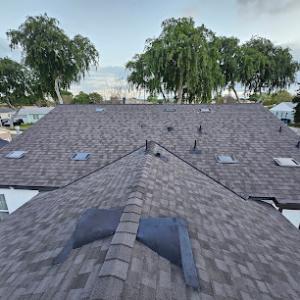
Immaculate Services
(657) 217-0638 immaculateservicesinc.com
Serving
5.0 from 26 reviews
We are a group of professional Journeymen that have come together to work with less fortunate Individuals of our community. Our aim is to rehabilitate them and equip them with moral and trade skills while producing quality work for our customers. we are a Christian company. Pray for us.
Affordable Roofing Solutions
Serving
4.8 from 32 reviews
Dreaming of a worry-free roof over your head? Affordable Roofing Solutions, Inc. delivers top-notch roofing contractor services right here in La Habra, CA. We're dedicated to providing reliable and durable roofing solutions for your home or business. Let us help you protect your investment with our expert craftsmanship and commitment to quality. Discover how we can transform your roofing vision into a reality and experience the peace of mind you deserve.
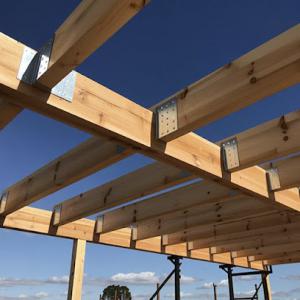
Prime Roofing Fullerton Masters
(657) 243-8281 primeroofingfullertonmasters.com
Serving
5.0 from 29 reviews
Prime Roofing Fullerton Masters offers reliable, 7-day roofing services throughout Fullerton and surrounding areas. We specialize in roof inspections, repairs, full roof installations, attic venting, gutter cleaning, and storm or wind damage restoration. Our team combines expert craftsmanship with high-quality, durable materials to ensure long-lasting protection for homes and businesses. From minor leaks to complete roof replacements, we provide fast, professional solutions that safeguard your property, improve energy efficiency, and keep your roof performing at its best. Trust Prime Roofing Fullerton Masters for dependable, year-round roofing services.

Cassady Roofing
(562) 944-5817 www.cassadyroofing.com
Serving
4.7 from 30 reviews
Cassady Roofing is a family owned and operated business since 1961. RESIDENTIAL, COMMERCIAL, INDUSTRIAL: New - Repairs - Recover. We do ALL TYPES of Roofing, such as Tile, Shingles, Comp, Hot Mop & Rock Specialists. Certified Cool Roof Appli
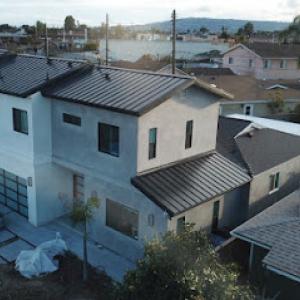
Roof Pro
(714) 752-6999 www.roofprooc.com
Serving
4.8 from 150 reviews
Roof Pro is a roofing company with offices in La Habra, CA and Irvine, CA that offers the best roofing materials and installation practices on the market. With a well-trained team of professionals, you can be sure your new roof will be installed correctly the first time around. Thanks to our experience with different manufacturers, we have great partnerships for all your needs. We offer a wide range of roofing solutions for all types of homes, including shingle roofs, flat roofs, tile roofs, metal roofs and roof coatings. Our team is highly trained in both residential and commercial roofing systems to ensure that you get top quality workmanship at every step of the process. Call us for your new roof! We service Los Angeles and Orange County

Fullerton Roofing Masters
(714) 266-1641 roofingcontractorfullertonca.com
Serving
5.0 from 20 reviews
Fullerton Roofing Masters works on roofing projects for residential and commercial properties in Fullerton, CA. Our team completes roof repair, roof replacement, roof installation, roof inspections, commercial roofing work, and emergency roof repair. Experience gained from projects across Fullerton has given our roofers familiarity with local building styles, common roof systems, and weather conditions that affect roof performance. We provide roofing services throughout Fullerton, CA with a focus on keeping roof systems functional, secure, and well maintained over time.
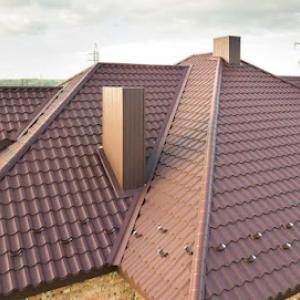
Roofing H Rancho Palos Verdes
Serving
5.0 from 44 reviews
As a premier roofing service, Roofing H Rancho Palos Verdes offers exceptional craftsmanship for all your roofing needs. We specialize in installations, repairs, and maintenance, ensuring the durability and longevity of your home's protection. Our dedicated team uses high-quality materials and proven techniques to deliver results that stand up to the elements and elevate your property's curb appeal. Trust us to provide reliable, professional service that keeps your home safe and secure for years to come.
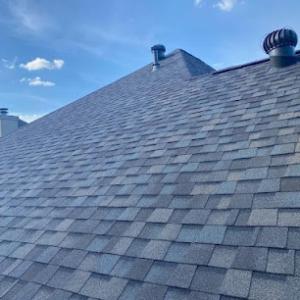
Shingle Guard Roofs
(562) 545-4906 shingleguardroofs.com
Serving
5.0 from 25 reviews
Shingle Guard Roofs is a trusted roofing company dedicated to protecting homes and businesses with durable, quality roofing solutions built to last. Specializing in roof repairs, replacements, new installations, and preventative maintenance, our team delivers expert craftsmanship and reliable service at fair prices. We work with all major roofing materials asphalt shingles, tile, metal, and flat roofing systems to provide customized solutions that enhance curb appeal while keeping properties safe from the elements. At Shingle Guard Roofs, we stand by our name by offering long lasting protection, honest estimates, and a commitment to excellence that has made us a go to roofing contractor for homeowners and businesses.
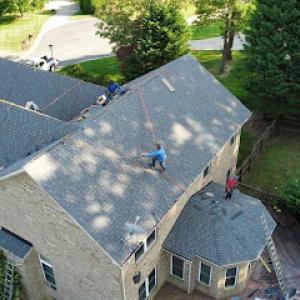
Allied Roofing
(562) 525-5839 norwalkroofingcontractor.com
Serving
4.9 from 23 reviews
Welcome to Allied Roofing, your trusted partner in elevating rooftops to new heights! Experience excellence in every layer with our expert Roof Installation – a seamless blend of precision and aesthetics. Transform your property with confidence through our dedicated Roof Replacement service, ensuring durability and curb appeal. Count on us for meticulous Roof Repair, restoring your peace of mind. Embrace innovation with our cutting-edge Metal Roofing solutions or the timeless charm of Asphalt Shingle Roofing. For commercial spaces, choose the reliability of Commercial TPO Roofing. From New Construction Roofing to the sleek lines of Flat Roofing, Allied Roofing delivers quality, durability, and a new zenith for your property.
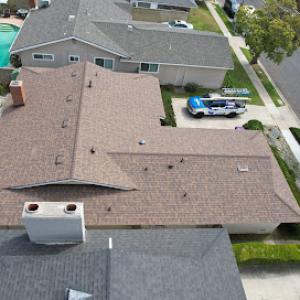
SoCal Roofing Solutions
Serving
5.0 from 23 reviews
We are a proud family owned and operated roofing contractor with an established and successful track record. We specialize in all roof types, asphalt shingles, tile, torch-down. We understand the roofing process can be a challenging one for some. Allow us the opportunity to make it as HASSLE-FREE as possible while delivering maximum VALUE! We are an Owens Corning and a GAF certified contractor offering great financing options through GoGreen Financing. CA License #1032698 Call us to schedule an appointment.
The Affordable Roofers
(714) 364-4998 www.affordableroofers.net
Serving
5.0 from 68 reviews
The Affordable Roofers is your go-to roofing company in Brea, CA and nearby, offering reliable, budget-friendly solutions without compromising on quality. We specialize in residential and commercial roofing services, including repairs, replacements, and new roof installations. Our experienced team uses high-quality materials to ensure your roof stands strong against the elements. With a focus on honesty, affordability, and customer satisfaction, we make the roofing process stress-free and affordable for homeowners and businesses alike. Trust The Affordable Roofers for expert craftsmanship at a price you can afford. Contact us today for your free quote!
In La Mirada, the pricing conversation for reroofing centers on the city's mix of dominant materials- asphalt shingles, metal, clay tile, concrete tile, wood shingles or shakes, and synthetic or composite shingles. Your final price often mirrors the material choice, local labor dynamics, and the structural realities of the home being reroofed. Asphalt shingles remain the most common starting point for budgeting, with metal and concrete or clay tile following closely depending on the house style and current roof condition. Wood shingles or shakes add character in some neighborhoods but bring higher maintenance and risk considerations. Synthetic or composite shingles sit between traditional and premium options, offering varying durability profiles for Inland heat and Santa Ana wind exposure.
Costs by material provide a practical baseline you can translate to your project plan. Asphalt shingles run roughly from 350 to 550 USD per square. Metal roofing carries a broader spread, roughly 700 to 1100 USD per square, reflecting panel profiles, insulation needs, and wind resistance ratings. Clay tile range sits around 1150 to 2100 USD per square, while concrete tile typically lands between 700 and 1300 USD per square, acknowledging substantial weight and support requirements. Wood shingles or shakes commonly fall in the 600 to 1100 USD per square band, and synthetic or composite shingles are usually 450 to 900 USD per square. These ranges assume standard roof sizes and typical access; large or irregular roofs can push prices higher due to extra staging and specialty fasteners.
Local reroof pricing should be framed around heavier systems with care. If a homeowner opts for heavier or more specialized systems that may trigger a structural review or require wind-rated approvals during permit review, costs can rise beyond the standard ranges. In practice, that means a clay or concrete tile reroof-not only the material but the structural and fastening requirements-can push total project economics upward compared to a basic asphalt replacement. If wind resistance upgrades are needed for Santa Ana-prone days, you should expect the higher end of the material range and perhaps additional evaluation time during project planning.
Project timing affects pricing in this market as well. Winter rain interruptions can slow crews and extend project calendars, while the heat of summer can strain schedules and crew availability. Post-storm demand spikes may shorten vacancy windows and raise crane, staging, or disposal costs. For homeowners weighing timing, it helps to align reroof decisions with drier shoulder periods or after a mild storm in the forecast to keep material handling and scheduling predictable.
Get a clear picture of your project costs upfront - no commitment required.
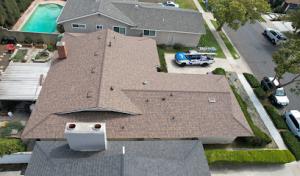

A full roof replacement in La Mirada generally requires a building permit through the city's Building and Safety division. The permit process starts with submittals that show new roofing material, underlayment, flashing, and any structural changes or upgrades. In this climate-where Inland heat and UV exposure meet seasonal rain and Santa Ana winds-the city wants to ensure the roof assembly can resist wind uplift and moisture intrusion for many years. Plan ahead for timely review, especially if the project includes structural components or nonstandard materials.
Local inspections are scheduled after installation work to verify underlayment, flashing, ventilation, and nailing meet code before final signoff. The inspector will look closely at how the roof's ventilation is tied into soffits and ridge vents, how flashings are detailed around chimneys, vents, and skylights, and whether fasteners are appropriate for the chosen system. In Santa Ana wind-prone seasons, secure nailing patterns and wind-rated components are scrutinized. If any retrofit ties into existing roof-to-wall connections, expect additional checks to confirm continued weather resistance and proper sealing at eave-to-wall junctures.
Some La Mirada reroof projects can trigger minor plan review when structural components are involved or when the selected material needs specific wind-rated approval. Clay and concrete tile, for example, may require calculations to confirm fastener schedules and wind uplift resistance, while metal roofing sometimes prompts review of seam integrity and panel attachment methods. Even when a project proceeds under a standard permit, the city may request documentation showing compliance with local wind zones and roof deck ventilation requirements. If plans include a retrofit to improve attic ventilation or to upgrade underlayment type, anticipate a brief additional review step to verify that the proposed approach aligns with current code expectations and La Mirada's exposure to hot summers and storm events.
Coordinate with the permit office early to align inspection windows with the scheduled phases of tear-off, sheathing, underlayment, and final sealing. Have a clear scope of work that notes wind-rated requirements, flashing details, and ventilation upgrades. Prepare to present manufacturer installation guides and any wind-resistance certificates that apply to the chosen roofing system. Understanding the local emphasis on drainage, flashing continuity, and attic ventilation will help streamline the permit and inspection process, reducing the likelihood of delays between installation and final signoff.
La Mirada homeowners are navigating California's tighter insurance market, where carriers increasingly ask for roof age, prior damage history, photos, and warranty documentation. When a wind event or winter rain exposes a weak spot, that documentation becomes your leverage. If your roof is older or has a history of leaks, insurers may request more detailed records or impose stricter terms. Being prepared with clear timelines, repair milestones, and dated photographs helps you present a coherent claim package rather than a series of scattered notes.
Claim handling can take longer in California's current environment, so you benefit from documenting wind-blown debris, leak entry points, and repair timelines immediately. You should photograph damage after events, note the date and source of any leak, and keep receipts for temporary tarps or repairs. Track when a mitigation step is completed and when a licensed professional commits to a permanent fix. This ongoing log provides a narrative that helps adjusters assess the extent of damage and whether prior issues contributed to the current state.
Premiums and underwriting can be influenced by broader regional wildfire-risk and property-risk modeling even when the immediate roof issue is wind or rain related. Even if the event seems weather-related rather than fire-related, insurers may view overall property risk in a climate like Southern California as a factor. Understanding that dynamic helps you set expectations: you may face questions about roof age, venting, underlayment, and surrounding vegetation, all of which can influence how an insurer investigates and settles the claim. Staying organized and responsive reduces the chance of delays or surprises.
Connect with contractors who help homeowners navigate the claims process from damage assessment to final approval.
Even in a city known for pitched residential roofs, you'll notice many La Mirada homes with low-slope sections over garages, additions, and patio covers. These areas weather differently from the main roof and can act as pressure points during Santa Ana wind events and winter rain. Their flatter profiles trap more water and rely more on flashing and edge details to keep leaks out. Treat these sections as separate, smaller roofs that share the same climate stresses but don't get the same sun exposure or wind deflection as the main roof.
During the wetter winter period, drainage becomes a front-line concern. Check that gutters and downspouts above low-slope areas move water away quickly and don't back up at the edge. Roof drains need unobstructed paths, and any scuppers or transitions should be sealed tight to handle the first heavy showers. Flashing around the perimeter, penetrations, and at transitions to steeper roofs must be inspected closely. A small leak in a low-slope section can cause more visible damage than you'd expect because water flows across the surface and seeks buyers' corners into framing.
Low-slope sections here often use coatings, flat membranes, or less steep assemblies. The sun's UV exposure still ages flashings and coatings, but winter rains test the laps and seams more than the slope does. When choosing a material for a reroof or a restoration patch, prioritize products with proven compatibility to flat or near-flat layouts, good seam integrity, and reliable UV resistance. In practice, you'll see a mix of coatings advertised by local contractors, many of which are designed to extend the life of flat roof areas without a full replacement.
Establish a twice-yearly inspection that focuses specifically on these areas. After rain events or windy spells, look for lifted edges, micro-cracks at seams, and pooling that doesn't drain promptly. Clear any leaves or debris that can hold moisture against the membrane or flashing. Address small issues early; a minor seam repair or edge seal can prevent more costly damage that originates from the low-slope zones.
Find specialists in TPO, EPDM, and built-up flat roofing systems for residential and commercial properties.
Prime Roofing Fullerton Masters
(657) 243-8281 primeroofingfullertonmasters.com
Serving
5.0 from 29 reviews
Fullerton Roofing Masters
(714) 266-1641 roofingcontractorfullertonca.com
Serving
5.0 from 20 reviews