Last updated: Apr 19, 2026
Redondo Beach roofs are exposed to marine air and coastal humidity that can accelerate corrosion at flashings, fasteners, vents, and metal accessories. That salty carry gets tracked into attic ventilation paths and can fuel faster rust on any metal components, from drip edges to vent collars. In the mix of tile, shingle, and low-slope sections common here, that coastal moisture behaves differently than inland environments: it lingers, it condenses, and it finds tiny crevices where fasteners sit. Expect more rapid oxidation on exposed top-edge details and where metal flashings meet roof-to-wall transitions. Plan inspections with this in mind, especially around areas where roof penetrations cluster or where metal components butt up to concrete or tile.
Winter rain is the main seasonal scheduling constraint locally, so reroofing is commonly pushed into the dry season to reduce moisture intrusion during tear-off. If you're coordinating a project, aim for a window with several dry weeks in a row, ideally late spring through early fall. This keeps deck and sheathing dry during removal and installation and minimizes the need to tarp or reseal repeatedly as unexpected showers pop up. When you book, set clear expectations with the crew about drying times between tear-off and new layer installation, and make sure there's a plan for protecting vulnerable flashings and metal accessories during any brief rain events that do occur.
Santa Ana wind periods can stress edge details, ridge components, and flashing attachment even though the city is on the coast rather than inland. Edge flashings should be secured with corrosion-resistant fasteners and sealants compatible with coastal humidity. Ridge components need careful fastening to resist uplift, with sealants that remain flexible in sea-wreeze cycles. If your roof has multiple plane breaks or transitions-where tile or shingle meets parapet walls-request a more robust sealing approach on those joints, since wind-driven rain can push moisture into slow-draining pockets there. During installation, verify that edge and ridge caulking cures in dry weather and that any temporary protection from wind-driven debris is in place until permanent seals set.
Material selection matters more here than in inland settings. For mixed roof types near the ocean, consider how each section handles moisture and salt: asphalt shingles with good moisture resistance, metal components with high-grade corrosion resistance, and tiles with proper underlayment to keep rain from penetrating seams. Concrete and clay tiles can create microchannels for moisture if underlayment or fasteners are not properly integrated, so ensure that each tile or panel has a tightly sealed, rust-resistant fastener system. On low-slope portions, where pooling can occur, emphasize a continuous drainage plane and an underlayment with strong tear resistance and good self-sealing properties. If a synthetic or composite option is in play, pick products with proven coastal performance and compatible sealants for fasteners and flashing.
Flashings should be stainless steel or copper as a baseline, not plain zinc-coated metal, to resist coastal corrosion. Vents and pipe boots require rubber or elastomeric compounds rated for salt spray exposure and temperature swings. Metal accessories-drip edges, termination bars, and saddle flashings-benefit from anodized finishes or coatings designed for coastal air. Sealing around penetrations needs a long-term sealant that remains flexible with humidity and heat cycles. If some penetrations share a common wall line, consider upgrading to a continuous kicker or through-wall flashing that minimizes water tracking behind the surface layer.
Post-installation maintenance should be more frequent than in inland zones. Schedule a mid-season inspection after the first heavy Santa Ana event and again after the winter transition to catch any fastener loosening or sealant degradation caused by salty air and wind. Clean any moss or organic debris promptly on tiled or low-slope surfaces, as moisture stagnation accelerates deterioration in coastal settings. Pay attention to metal accessories for signs of pitting or coating wear, and address those issues promptly to prevent hidden leaks from developing behind tiles or shingles.
Walk the roof with a notebook during a calm, dry day and map all flashings, penetrations, and edge details. Note any areas where salt spray collects or where wind-driven rain appears to have routed moisture under the surface. On reroof projects, require a thorough inspection of underlayment seams at transitions between tile and shingle sections, with a plan for extended sealing around those joints. For ongoing maintenance, implement a twice-yearly check focused on coastal edge details, ridge components, and vent penetrations, and carry a small, coastal-friendly sealant kit for quick touch-ups between professional visits.
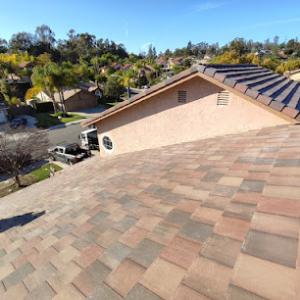
Redondo's coastal climate places tile and mixed roof systems under a steady cadence of marine air, winter rains, and occasional Santa Ana wind events. Clay tile and concrete tile remain dominant locally, but many homes blend tile main roofs with lower-slope sections over additions, garages, or porches. That mix creates unique challenges: moisture moves differently across a steep, weathered tile surface than it does across a flat or low-slope area, and wind can drive moisture under transitions where different roof planes meet. The practical takeaway is that the underlayment and flashing system often determines service life more than the tile surface itself, especially where tiles butt against skylights, chimneys, or vent pipes.
On tile roofs near the coast, a robust, continuous underlayment is essential. The underlayment acts as the second line of defense after tiles shed most of the bulk of rain and salt-laden spray. In many Redondo Beach homes, the underlayment choice pairs with a well-sealed drip edge and mechanically fastened flashings that accommodate the ship-like movement of clay or concrete tiles on a windy day. Pay attention to surface transitions where tile meets low-slope sections or newer additions. These areas are prime leakage paths if flashing is degraded, improperly lapped, or not integrated with the underlayment's weather barrier.
For the flashing around chimneys, skylights, and vent penetrations, the coastal salt air can accelerate corrosion and cause fastener pull-out if the metal is undersized or exposed to wind-driven spray. In practice, a long-lasting system uses corrosion-resistant metal components, properly sealed counter-flashings, and a continuous sealant strategy that remains flexible through seasonal temperature shifts. The goal is to keep moisture moving toward the roof edge without finding its way under tile lips or into the deck penetration zones.
Homes with transitions between tile roofs and shingle or low-slope sections require special attention to seam integrity. The intersection between a tile main roof and a lower-slope addition, garage, or porch is where rain, wind-driven spray, and even dew points create narrow moisture channels. In practice, ensure that transitions have overlapping flashing and a built-in slope that prevents ponding water. A properly detailed transition uses a continuous weather barrier beneath all surface materials and an edge detail that prevents water from sneaking into the eave line or along the rafter tails.
Skylights and chimneys introduce additional complexities. Their typical wrap or step flashing must be integrated with the tile layout so that water cannot bypass the seal as it follows the line of least resistance around the flashing. Because coastal conditions can push water laterally along the underlayment, add redundancy: double-check any corners or breakpoints where three or more roof planes meet.
Seasonal inspections should focus on the life in the joints between tile and non-tile sections. Look for cracked or chipped tiles that expose underlayment, lifted tiles from high wind, and any misalignment along edge metal. In the damp air near the coast, sealants can lose elasticity and crack, creating microchannels for moisture to travel. Prioritize resealing around penetrations and replacing degraded flashings before leaks become apparent on the ceiling.
Regular maintenance also means keeping the roof surface free of organic debris that traps moisture in shaded tile surfaces. Clean eaves and valley intersections where salt spray can accumulate and corrode metal components. If a low-slope area exists over an addition, verify drainage paths remain clear and that the membrane beneath has not torn or degraded in a way that would compromise the barrier to moisture.
If a home features a tile main roof with adjacent low-slope sections, plan for a detailed flashing plan that accounts for all transitions and penetrations. Prioritize underlayment quality and continuity across the entire roof system, not just the visible surface. In coastal settings, the reliability of the barrier system often outlasts the durability of the visible tiles, so investing in a meticulous, overlapping, corrosion-resistant flashing strategy pays dividends in longevity and occupant peace of mind. When in doubt, consult a local roofer who understands how Santa Ana gusts, humidity, and salt-laden air interact with mixed roof geometries commonly found in established neighborhoods and near the beach.
Find contractors who specialize in clay and concrete tile roofs, known for their durability and curb appeal.

G A Roofing & Repair Specialist
306 N Pacific Coast Hwy, Redondo Beach, California
4.4 from 34 reviews

Rovex Roofing Services - Torrance
(323) 948-8949 rovexroofingservices.com
Serving
5.0 from 17 reviews
Omega Roofing
(310) 421-8958 redondobeachroofingcontractor.com
1815 Hawthorne Blvd #28, Redondo Beach, California
4.9 from 15 reviews
Welcome to Omega Roofing, where your roofing dreams take flight! Immerse your property in excellence with our comprehensive services. Our skilled team ensures a flawless Roof Installation, blending precision with aesthetic appeal. Transform your space with confidence through our top-tier Roof Replacement service, providing a new chapter for your home. Addressing issues promptly, our Roof Repair service is your quick fix to peace of mind. Elevate durability with the resilience of Metal Roofing or embrace timeless elegance with Asphalt Shingle Roofing. For commercial spaces, our expertise extends to Commercial TPO Roofing. Trust us for New Construction Roofing or embrace modern design with our Flat Roofing solutions.
Solid Torrance Roofing
(424) 484-0002 roofingtorrance.com
Serving
4.8 from 71 reviews
Experience solid and reliable roofing services with Solid Torrance Roofing. Our dedicated team of professionals is committed to delivering exceptional results that exceed expectations. With our extensive knowledge and expertise, we provide top-quality roofing solutions tailored to your unique needs. Whether it's a residential or commercial property, we offer reliable installations, repairs, and maintenance services to ensure the integrity and durability of your roof. With Solid Torrance Roofing, you can trust in our attention to detail and commitment to customer satisfaction. Discover the difference we can make for your property today.

Rovex Roofing Services - Torrance
(323) 948-8949 rovexroofingservices.com
Serving
5.0 from 17 reviews
Rovexra Roofing Service is your premier destination for all your roofing needs. Located in Torrance, we are dedicated to providing an extensive selection of high-quality materials, from shingles and tiles to underlayment and accessories, ensuring you have everything required for a successful project. Whether you are a professional contractor or a dedicated DIYer, our knowledgeable team is committed to providing unparalleled support and the finest products to help you achieve a flawless finish.

Team USA Roofing & Exteriors
(424) 955-2333 roofinghermosabeach.com
Serving
4.8 from 82 reviews
Team USA Roofing & Exteriors is a reputable roofing company dedicated to delivering exceptional roofing and exterior services. With our experienced team of professionals, we specialize in a wide range of services, including roof repairs, installations, and exterior renovations. Our skilled technicians utilize high-quality materials and proven techniques to ensure the durability and functionality of your roof and exterior. At Team USA Roofing & Exteriors, we pride ourselves on our attention to detail and commitment to excellence. Trust us for reliable roofing and exterior solutions that exceed your expectations.

Pro Roofing & Repair
Serving
4.8 from 74 reviews
Pro Roofing and Repair is your trusted source for professional roofing solutions. With a team of dedicated experts, we provide comprehensive services to meet all your roofing needs. From minor repairs to complete roof replacements, we have the knowledge and skills to deliver outstanding results. We understand the importance of a functional and durable roof, and our goal is to exceed your expectations. Using our expertise and quality materials, we ensure that your roof is built to withstand the elements and provide long-lasting protection. Trust Pro Roofing and Repair for expert roofing services you can rely on.
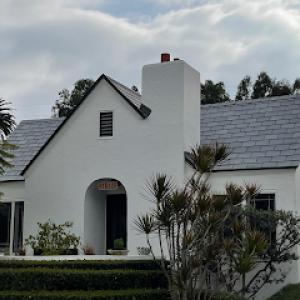
Americas Best Roofing Company
(310) 792-1261 www.americasbestroofing.com
Serving
4.8 from 47 reviews
America's Best Roofing Company is a residential and commercial roofing contractor based in Torrance, California. We serve Redondo Beach, Palos Verdes, the South Bay and Greater Los Angeles. We are dedicated to customer service and will strive to satisfy you with high quality, custom roof solutions. We provide peace of mind by offering full warranties from both our company and the material manufacturer. Our goal is to exceed your expectations and earn the reputation of being the best roofing contractor in Los Angeles.
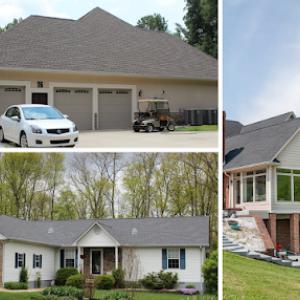
Lawndale Roofing Specialists
(424) 339-2173 lawndaleroofingspecialists.com
Serving
5.0 from 33 reviews
Lawndale Roofing Specialists is your trusted roofing contractor in Lawndale, CA, proudly serving homeowners and businesses nearby and throughout the surrounding areas. We specialize in residential and commercial roofing, including roof repair, replacement, installation, coating, and inspections. From shingle and metal to tile, flat, TPO, slate, cedar, and rubber roofing—we do it all with expert care. Whether you're upgrading or fixing a leak, we're the local pros you can count on. For top-quality roofing near you, contact Lawndale Roofing Specialists today and let’s protect your property with precision and pride!

Ichiban Roofing | Torrance, CA
(323) 295-4400 ichibanroofing.net
Serving
4.7 from 36 reviews
Ichiban Roofing offers comprehensive residential solutions, elevating the aesthetic and functionality of buildings in Torrance, CA. With expertise in roofing, rain gutters, windows, and siding, Ichiban Roofing prioritizes quality workmanship, ensuring a seamless blend of style, protection, and durability for every project. Their commitment to excellence reflects the company's dedication to providing reliable, long-lasting solutions for discerning homeowners, property managers, and business owners.

Torrance Roofing
Serving
4.8 from 75 reviews
Torrance Roofing is your trusted partner for professional roofing services in the Torrance area. With our team of experienced roofers, we provide top-quality roofing solutions for both residential and commercial properties. We understand the importance of a durable and well-maintained roof to protect your property. Whether you need roof repairs, installations, or maintenance, Torrance Roofing delivers efficient and effective solutions. Trust us for professional and reliable roofing services.
Elite Hawthorne Roofs
(424) 622-4333 roofingsuperior.pro
Serving
4.8 from 93 reviews
Experience elite-level roofing services with Elite Hawthorne Roofs. Our dedicated team of professionals is committed to delivering exceptional results that exceed expectations. With our extensive knowledge and expertise, we provide top-quality roofing solutions tailored to your unique needs. Whether it's a residential or commercial property, we offer reliable installations, repairs, and maintenance services to ensure the integrity and durability of your roof. With Elite Hawthorne Roofs, you can trust in our attention to detail and commitment to customer satisfaction. Discover the difference we can make for your property today.
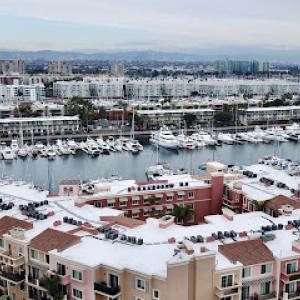
Costa Roofing
Serving
5.0 from 15 reviews
Costa Roofing is the premier roof repair and maintenance company in Southern California. Based in Lawndale, California and with a satellite office in North San Diego county, we service all of Southern California. We specialize in commercial roof maintenance and repair programs as well as commercial roof restoration systems with acrylic and silicone roof coatings. We service all of Southern California and have approvals with the premier manufacturers in the roofing industry: Sarnafil; APOC; SIKA; Western Colloid; Tropical; GAF; PolyGlass. We also offer residential services for maintenance and repairs.
Torrance Roofing Pros
(310) 912-6646 rite-wayroofing.store
Serving
5.0 from 31 reviews
Torrance Roofing Pros is the go-to roofing contractor for homeowners and businesses in Torrance and the South Bay. Our experienced team specializes in roof repairs, replacements, new installations, leak detection, and emergency roofing services, delivering high-quality results that keep your property safe and secure. We work with a wide range of roofing systems including asphalt shingles, tile, flat roofs, and energy-efficient options, ensuring every project is built to last. At Torrance Roofing Pros, we pride ourselves on honest estimates, skilled craftsmanship, and dependable service—making us a trusted choice for roofing solutions throughout the community.
Redondo Beach's mild dry summers make them the preferred replacement window because exposed decking and underlayment are less likely to be interrupted by rain. That practical preference moves reroofs into the late spring through early fall, when the sea breeze feels predictable and the air dries out reliably day after day. But a coastal project never fully leaves weather at the door. While a dry spell can feel long, the South Bay can throw a surprise shower or a stubborn marine fog that slows material delivery, staging, and the first rounds of flashing. Plan with built-in margin, because rain delays don't just stall progress; they push interior moisture risk closer to the finish line.
Winter storms in the South Bay can delay tear-off, dry-in, and inspection timing, which raises the risk of interior moisture damage if a project is left open. When storms roll in, crews may need to pause at the decking level, exposing underlayment and interior walls to the damp air that clings to coastal homes. That exposure increases the chance of condensation, mold growth, or moisture intrusion behind siding or wallpaper, especially if any roof sections are still open to the attic or ceiling. If a project must proceed during winter, expect shorter work windows and more frequent checks of ventilation, attic dryness, and roof-to-wall transitions to catch leaks early.
Coastal winds can complicate everything from tarp placement to material handling. Santa Ana events or persistent onshore flow can whip loose tarps, blow debris under eaves, and stress temporary seals. This means crews need a more deliberate sequence: secure deck protection, minimize open gaps during high-wind forecasts, and stagger the installation so the most vulnerable layers-underlayment and starter courses-are installed under the driest, calmest conditions possible. Even a few hours of strong, dry wind can strain fasteners and adherence, especially on low-slope sections where moisture can linger and undermine flashing details.
Hot summer days can still affect adhesive behavior and material handling, so crews need to balance dry-season scheduling with proper installation conditions. Heat can accelerate set times in ways that disrupt proper seaming or sealing if moisture and UV exposure aren't managed carefully. For tile and low-slope roofs, a stubborn deck temperature can also impact the curing of sealants and the pliability of underlayment. When planning a late-summer or early-fall tear-off, insist on shaded staging areas, timed application of sticky membranes, and a clear sequence that avoids sun-baked mornings or afternoons whenever possible.
The best approach is to window the reroof around predictable dryness while leaving a contingency for coastal showers. If a window looks uncertain, postpone open-work phases, or shift the sequence so that protective measures are in place before any potential moisture intrusion. In Redondo Beach, the risk of interior moisture damage grows whenever work stretches beyond a single dry spell, so communicate clearly with the crew about rain forecasts and plan for quick, decisive action when weather shifts.
Get a clear picture of your project costs upfront - no commitment required.


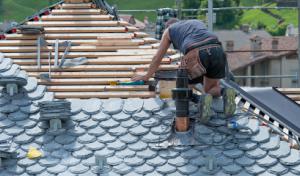
The local cost ranges you'll see for common materials reflect Redondo Beach's coastal climate and housing mix. Asphalt shingles typically run from about 350 to 650 USD per square, while metal roofing clocks in between 600 and 1000. Clay tile carries a wider spread, roughly 900 to 1800 per square, with concrete tile from 800 to 1400. Wood shingles or shakes sit around 700 to 1100, and synthetic or composite shingles fall between 500 and 900. These figures assume standard residential roofs in this coastal area, but the geometry of the roof and the presence of features like skylights or chimneys can push costs within or beyond those ranges.
Costs in Redondo Beach can rise on homes with mixed roof geometry, tile-to-flat transitions, skylights, chimneys, and coastal corrosion-resistant accessory requirements. A roof that blends tile sections with flat low-slope portions often needs specialized trims, underlayment changes, and careful drainage planning. Accessory hardware rated for coastal salt exposure-drip edge, flashings, fasteners, and sealants-tends to add a noticeable, but necessary, premium. If your home has multiple elevations or frequent wind exposure, expect higher labor time for detailing and integration between materials.
Seasonal demand spikes after winter leak events and wind periods can tighten scheduling in a market where reroofing and quick-response service are especially common. In practice, this means prompt assessment and a contingency plan for weather-related delays. If you experience leaks after a heavy marine rain or Santa Ana wind cycles, expect faster turnaround but potentially higher outlays due to emergency response crews and expedited material sourcing. Planning ahead with your contractor during the calmer shoulder seasons can help lock in favorable pricing and reduce the risk of project stalling.
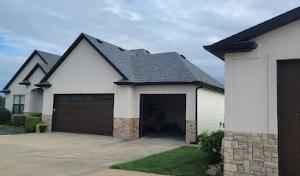
When budgeting, align your material choice with the specific coastal exposure of your home. Asphalt shingles offer a cost-conscious option with solid durability, while metal roofing provides wind resistance and longer service life in a salt-laturated environment. Tile options-clay or concrete-are prized for longevity but incur higher upfront costs and weight considerations. Wood shingles bring a distinct aesthetic but require vigilant moisture management, and synthetic shingles can balance cost with moisture tolerance. Consider how each material handles coastal moisture, wind loads, and the transitions between tile and flat sections to choose a setup that minimizes call-backs and maintains performance over time.
The most popular roofing material in the US. Find pros who install, repair, and replace asphalt shingles.
Omega Roofing
(310) 421-8958 redondobeachroofingcontractor.com
1815 Hawthorne Blvd #28, Redondo Beach, California
4.9 from 15 reviews
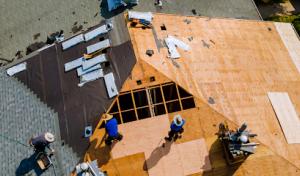
When a full reroof is on the table, a building permit is typically required rather than treating it as informal maintenance. This city's coastal climate and housing stock mean authorities expect a formal review to ensure the project withstands marine moisture, wind, and seasonal conditions. The permit process helps confirm that the work uses appropriate materials for salt air exposure and that flashings, penetrations, and eave details are designed to handle Redondo Beach's particular wind and rain patterns.
The permit application in this area usually asks for contractor license information, the project scope, and the property address. Having ready documentation speeds things up: current licenses for the roofing crew, a clear description of the reroof scope (including any mixed-material areas such as tile over existing decking or new underlayment systems), and the exact street address. If the project involves changes to rooftop drainage, venting, or skylights, be prepared to specify those elements. Plan to submit site plans or roof sketches that reflect the layout, as well as details showing compliance with local wind and fire-related requirements. The city may request additional information if the plan review uncovers gaps between the proposed system and the coastal environmental demands.
Inspections are commonly scheduled at key milestones: underlayment installation, flashing and penetrations, and final completion. The underlayment inspection ensures a moisture-barrier layer suitable for coastal humidity and winter rains is properly placed, while flashing inspection focuses on sealant integrity around chimneys, vents, and ridge lines to combat wind-driven moisture and salt spray. Final completion confirms all components are correctly installed, including venting, drainage, and any required fire-safety features. Expect adjustments if inspectors identify deficiencies or noncompliance with wind-load or fire-related standards tied to plan review.
The permit path can include plan review tied to wind and fire-related requirements. If deficiencies are found, correction requests will be issued, outlining exactly what must be revised before proceeding. This can involve clarifying roof slope, material choices, or details for coastal flashing and corrosion-resistant components. Being proactive helps: coordinate with the contractor to update drawings, replace any substandard details, and resubmit promptly. In neighborhoods with mixed roof types, inspectors look for consistent edge treatments and compatibility between materials to maintain performance against coastal exposure.
Coordinate early with a licensed contractor who regularly navigates this city's permit and inspection rhythm. Have project timelines aligned with typical permit review windows, and ensure all licensing information is current and accessible. Keep a centralized file with permit numbers, inspection dates, and approval letters. If your roof integrates multiple materials, discuss the flashing transition details and wind-venting considerations during plan review to minimize back-and-forth later. Finally, schedule work so that underlayment and flashing inspections occur when crews are available, reducing the chance of delays as the coastal weather window narrows.
California insurers commonly review roof age, material type, and prior claims when underwriting or renewing homes in Redondo Beach. The coastal setting, with marine air and seasonal wind events, can tilt decisions toward more conservative coverage. A new roof can affect premium quotes and eligibility for certain wind or hail-related coverages even in a coastal city where rain and wind are the more practical homeowner concerns. Understanding that dynamic helps you prepare for renewal seasons without surprises.
When a claim rises during windy periods or after a leak expands along a low-slope section, adjusters scrutinize how the roof behaves under stress. Material type matters in the eyes of many insurers here: asphalt and metal behave differently from tile in terms of moisture intrusion and wind uplift risk. If a prior claim exists, the history may color current eligibility or the types of coverage offered, even for homes with mixed roof systems commonly seen near the ocean. Realistic wear and patch repairs can influence conversations about coverage limits and deductible options after a fast-moving storm or seasonal rain.
Keep permit approvals, progress photos, and final inspection records because adjusters may request them after wind, leak, or wildfire-season claim activity. A well-organized file helps you verify what was installed, when, and whether workmanship aligned with the expectations of the carrier. In Redondo Beach, where roofs blend tiles, shingles, and low-slope sections, precise documentation can smooth the path between a claim and a fair resolution. Store digital copies and keep a simple log of maintenance and weather-related incidents to avoid gaps during review.
Connect with contractors who help homeowners navigate the claims process from damage assessment to final approval.
In Redondo Beach, the marine air can shorten the life of exposed metal roof components even when the primary roof covering still looks serviceable. Start with a careful inspection of all exposed fasteners, flashings, gutters, and metal trim on any coastal-facing or high-salt areas. Look for active corrosion, pitting, or coating failures. If oxidation is present, address it before it propagates into the substrate. Clean loose rust with a stainless brush, rinse, and protect with a rust-inhibitive primer and a compatible top coat designed for coastal environments. In areas where the metal is heavily pitted or the coating has failed, plan for targeted replacement rather than full-d-system overhauls.
Roof coatings and restoration work are most relevant on low-slope sections where extending service life may be possible without a full tear-off. For these zones, evaluate the existing membrane, seams, and edge details for moisture intrusion. If the coating shows blistering, chalking, or loss of adhesion, consider a coating system compatible with the current substrate and climate. Surface preparation is crucial: remove contaminants, feather-edge worn coatings, and apply primer where required. Seal all penetrations and joints with a coating that remains flexible in Santa Ana wind swings and winter rain. Plan yearly inspections of these areas, focusing on wind-driven rain patterns and debris accumulation.
Timber-based roofs in this coastal environment need attention to treatment condition and moisture exposure because humidity can affect long-term performance. Check for soft or warped boards, signs of rot, and insect activity, especially in sheltered or shady sections. If moisture content is elevated, dry the roof fabric with ventilation or dehumidification as appropriate before applying any protective finish. Treat exposed timber with an appropriate preservative and monitor fastener corrosion where timber meets metal details.
Approach restoration in phases: first, secure and protect vulnerable metal components; second, refresh coatings on low-slope zones; third, assess timber areas for moisture-related decay and treat or replace as needed. Schedule repairs ahead of seasonal marine wind events and winter rains to minimize interruption. After any restoration, document the condition of flashings, penetrations, and edge details so future maintenance can be targeted efficiently.
Extend the life of your existing roof with reflective or waterproof coatings that protect against UV and moisture.
Lawndale Roofing Specialists
(424) 339-2173 lawndaleroofingspecialists.com
Serving
5.0 from 33 reviews