Last updated: Apr 19, 2026
Lawndale's characteristic Mediterranean pattern means most disruptive leak events cluster in the wetter winter season rather than in summer. Dry-season sun can hide vulnerabilities, but as December through March arrive, a single weakened seam or missing flashing can send water into the attic and drip along interior ceilings. Roofs with older low-slope or modest-pitch designs tolerate wind and sun less than modern steepings, so small defects become active leaks quickly when storms roll in. When the rain starts pounding, the priority shifts from cosmetic fixes to sealing weak points that have withstood years of coastal moisture and inland winds. Watch for telltale signs after a storm: damp ceilings near outer edges, staining along roof-to-wall transitions, and moisture staining in attics that share a wall with a garage. Timing reroofing to precede the wettest weeks can prevent days of repeated leaks that disrupt living spaces and small storage areas.
Santa Ana wind periods in the South Bay can worsen temporary dry-ins by lifting loose edges, moving debris, and driving rain into vulnerable roof transitions. A high-pressure inland flow can push gusts across tight rooflines, loosening sealant along valleys, eaves, and edge metal. When these winds meet wet-season moisture, a garden-variety leak becomes a rapid, active intrusion. The risk isn't only about the main roof; it extends to those narrow gaps where an old vent boot, skylight curb, or chimney flashing meets the deck. During windy spells, even a modest gust can peel back loose shingles or shingles that have curled with age, creating a pathway for water to reach underlayment layers. In practice, this means prioritizing inspection after windy fronts and before the wettest storms, focusing on perimeter edges, transitions, and penetrations that commonly fail first in Lawndale's coastal-inland climate.
Because this is a small, built-out city with homes close together, a small leak can quickly affect garages, shared side-yard access areas, and neighboring property lines during active storms. Water does not respect property boundaries when a roof edge lifts or flashing pulls away. A leak that starts in a rarely used closet could seep through wall cavities and reach a shared driveway or garage space that multiple households share. The consequence is not only interior damage but potential disruption to access paths, storage areas, and neighbor relations as water migrates along ridges and joints. This makes timely attention critical: a minor drip in one corner can evolve into a broader moisture problem that complicates drying out, mold prevention, and interior repairs across adjacent units.
A practical approach centers on aligning reroofing plans with the wet-winter risk window while accounting for wind-driven exposure. Begin targeted inspections in late fall, before the first major storms. Prioritize edge details, flashing, and penetrations near the most exposed wall lines, and test for movement during light wind gusts to identify edges that lift. If a retrofit or replacement is scheduled, coordinate work to complete before the cold, wet fronts become frequent, so temporary dry-in measures aren't taxed during peak storm weeks. For existing roofs showing any sign of edge curl, lifted shingles, cracked sealant, or compromised underlayment, plan expedited repairs now to reduce the likelihood of a larger, more disruptive leak once the winter rains arrive. When storms lace through the South Bay with Santa Ana winds, the safest choice is to have a solid, wind-resilient edge and flashing system completed ahead of the season's peak.
Lawndale's residential landscape is a mosaic of older single-family homes with low-slope additions, detached garages, and modest-pitch roofs tucked onto tightly spaced lots. The typical roof isn't a single expansive plane but a cluster of smaller pitches and angles that create multiple edges, valleys, and junctions. When planning reroofing, expect to address both the main house and the auxiliary structures, which may sit at different orientations and heights even within the same property line. This variety affects how you stage the work, how you manage debris, and how long different sections must be left open during tear-off.
Tile, asphalt shingle, metal, and low-slope roofing all matter locally because South Bay reroofing often involves a main house plus porch, patio, or garage sections with different roof geometries. For a typical property, the main living area might lean toward a low-slope or modest-pitch profile, while a front porch or sunroom uses a flatter or steeper plane. A garage canopy or rear courtyard roof can introduce yet another angle. Expect distinct rooflines that require careful integration at transitions, flashing, and edge details to avoid leakage at corners where two systems meet.
Because wet winters meet Santa Ana and offshore wind events in the South Bay, the reroof plan should prioritize vulnerable joints and valley intersections. Older sites often reveal compromised underlayment or flashing at hips and ridges where wind-driven rain can drive under the covering. In practice, this means sealing and detailing transitions between the main roof and any low-slope additions, ensuring edge fasteners are secure, and coordinating flashing across different materials if more than one roof type is present on the same property. A staggered, multi-section approach helps align new underlayment with existing drainage paths, reducing the chance of pooled water at low points.
Tightly packed residential parcels make staging, tear-off debris handling, and material delivery more complicated than on larger suburban lots. Access gates, alleyways, and narrow driveways may constrain crane or dumpster placement. Plan ahead to minimize disconnects between the main house and detached structures, and consider phasing the project so a portion of the roof remains protected during weather events. Coordination between sections is essential to maintain continuous weather resistance while work progresses across the varied roof geometries common to Lawndale homes.
Lawndale sits in the South Bay near the coast, so roofs experience a distinct blend of marine air influence and strong inland-style heat during hotter periods. That combo isn't cosmetic: it shapes how fast materials fade, how quickly surfaces dry after damp nights, and how fast fasteners and flashing wear. In practical terms, you'll notice more surface bleaching on lighter shingles and more subtle chalking on asphalt or composite products where UV exposure is persistent yet punctuated by damp, salty air. The coastal-inland mix also means cycles of damp overnight conditions followed by bright sun later in the day, which can stress roof systems differently than you'd expect in cooler, purely beach-adjacent neighborhoods or in hotter inland valleys.
Moisture carries differently here, and the marine layer can leave rooftops damp at dawn. By afternoon, dry heat from inland exposure drives rapid drying and temperature swings that push materials through more intense expansion and contraction. Metal roofs, for instance, may show edge wear or fastener loosening sooner when exposed to this daily moisture cycle and high daytime temperatures. Shingles and tiles face accelerated color fade and surface breakdown under frequent sun exposure, but the salt-laden air also means flashing and sealant joints require attentive inspection. In short, you'll want to plan for a rhythm of checks that pairs a post-winter look-over for damp spots with mid-season inspections after hot spells. This isn't a one-and-done situation; the housing stock in dense layouts can trap heat along eaves and penetrations, amplifying wear around skylights, chimneys, and vent stacks.
Because wet winters raise leak risk, timing any reroofing or major repairs to after the heaviest mail-in-season rainfall tends to pay off. Schedule checks in late winter or early spring to identify concealed damage from storms, then align replacement or resealing projects with the drier, sunnier months that follow. When planning, focus on areas most exposed to salt-laden air and wind-driven spray: ridge lines, step-flashings at walls, transitions to gutters, and any older low-slope sections. The coastal-inland climate elevates the importance of proper flashing integration, especially around dormers, vents, and penetrations where moisture can seep in behind aging sealants. If you're weighing reroof timing, consider how quickly a damp spell can become a recurring pattern and how that affects drying time for new underlayment or sealant products.
Your material choice has to balance UV exposure with moisture cycling from marine layer conditions that can leave roofs damp overnight and dry quickly later in the day. Lighter-toned shingles will show UV-driven fading sooner but can help reduce heat buildup on attic spaces. For metal systems, consider coatings designed for coastal environments to resist corrosion from salty air and to maintain reflective properties. Tile options-whether concrete or clay-should be paired with robust underlayment and reliable waterproof transitions to handle repeated dampness and wind-driven exposure. In practice, aim for a system with strong sealing at penetrations, durable flashing materials, and a color/finish strategy that minimizes heat absorption while still tolerating salt-air wear. Regular inspections, especially after wind events or heavy Pacific storms, help catch fastener or flashing issues before they become leaks.
Extend the life of your existing roof with reflective or waterproof coatings that protect against UV and moisture.
Lawndale Roofing Specialists
(424) 339-2173 lawndaleroofingspecialists.com
4414 W 169th St, Lawndale, California
5.0 from 33 reviews
Costa Roofing
16206 Hawthorne Blvd, Lawndale, California
5.0 from 15 reviews
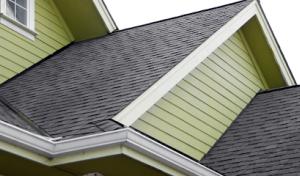
Concrete estimates around town mirror the published ranges: asphalt shingles typically run from $350 to $650 per square, metal $800 to $1500, clay tile $1000 to $2300, concrete tile $900 to $1900, wood shingles or shakes $650 to $1400, and synthetic or composite shingles $550 to $1200. On tight lots, those numbers can drift higher once crews fight for space or need special equipment.
In Lawndale, limited driveway access, narrow side yards, detached rear garages, and little room for dumpsters or material loading are common. When the crew can't staged materials on-site, expect more trips, more forklift or crane time, and longer project timelines. Those logistics translate to higher labor costs and a bigger safety footprint, especially on older homes with modest-pitch roofs and multiple penetrations.
Older South Bay neighborhoods frequently feature mixed configurations: steep-slope sections meeting low-slope transitions, added structures, or chimney stacks and vents that need careful detailing. Each transition requires extra flashings and inspection points, which raises craftsmanship time and material waste. If a reroof spans both steep and low-slope areas, budget for puncture-resistant underlayment and careful seam work where sections meet.
Given coastal marine moisture, sun exposure, and Santa Ana wind events, asphalt and metal are common, but clay or concrete tile may be chosen for durability and style in certain homes. The decision affects not just upfront cost but the complexity of installation on a tight lot. If wind-driven exposure is a factor, discuss fasteners and sealing strategies with the contractor to minimize future leaks between storms and winter rains.
Winter months bring higher leak risk from wet-season storms. Plan reroofing to finish before peak wet periods when possible, or prepare for temporary measures and rapid water protection if weather interrupts the schedule. For tight-lot homes, a phased approach might reduce on-site congestion while preserving a functional roof over living spaces.
Howard's Roof & Gutter
(424) 292-2700 roofinglawndale.com
15020 Hawthorne Blvd #238, Lawndale, California
4.8 from 75 reviews
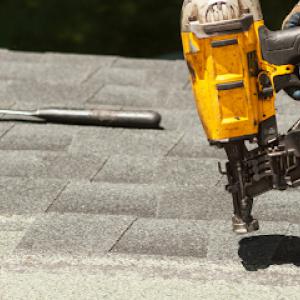
Howard's Roof & Gutter is a trusted name in the roofing industry, providing comprehensive roofing and gutter services. With our skilled team of professionals, we specialize in delivering top-quality craftsmanship and exceptional results. Whether you need roof repairs, installations, or gutter maintenance, we have the expertise and resources to handle projects of any size or complexity. We prioritize using high-quality materials and employing proven techniques to ensure the longevity and functionality of your roof and gutters. At Howard's Roof & Gutter, we are committed to exceeding your expectations and providing reliable solutions that protect and enhance the value of your property.
Lawndale Roofing Specialists
(424) 339-2173 lawndaleroofingspecialists.com
4414 W 169th St, Lawndale, California
5.0 from 33 reviews
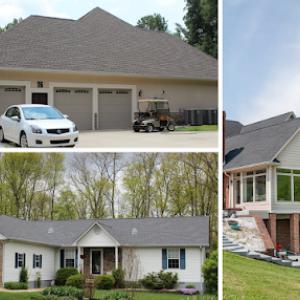
Lawndale Roofing Specialists is your trusted roofing contractor in Lawndale, CA, proudly serving homeowners and businesses nearby and throughout the surrounding areas. We specialize in residential and commercial roofing, including roof repair, replacement, installation, coating, and inspections. From shingle and metal to tile, flat, TPO, slate, cedar, and rubber roofing—we do it all with expert care. Whether you're upgrading or fixing a leak, we're the local pros you can count on. For top-quality roofing near you, contact Lawndale Roofing Specialists today and let’s protect your property with precision and pride!
Costa Roofing
16206 Hawthorne Blvd, Lawndale, California
5.0 from 15 reviews
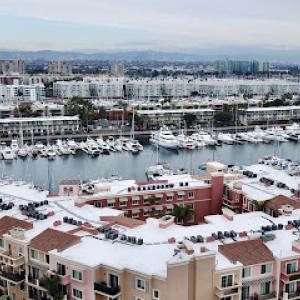
Costa Roofing is the premier roof repair and maintenance company in Southern California. Based in Lawndale, California and with a satellite office in North San Diego county, we service all of Southern California. We specialize in commercial roof maintenance and repair programs as well as commercial roof restoration systems with acrylic and silicone roof coatings. We service all of Southern California and have approvals with the premier manufacturers in the roofing industry: Sarnafil; APOC; SIKA; Western Colloid; Tropical; GAF; PolyGlass. We also offer residential services for maintenance and repairs.
Economy Roofing
(310) 322-4129 economyroofing.la
4716 Marine Ave, Lawndale, California
4.6 from 36 reviews
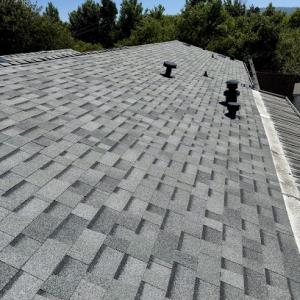
Family owned and operated. For 75+ years, Economy Roofing has been dedicated to protecting homes & businesses in the South Bay and all over Los Angeles. Give us a call today and let our experience team take care of your roofing needs.
Elite Hawthorne Roofs
(424) 622-4333 roofingsuperior.pro
Serving
4.8 from 93 reviews
Experience elite-level roofing services with Elite Hawthorne Roofs. Our dedicated team of professionals is committed to delivering exceptional results that exceed expectations. With our extensive knowledge and expertise, we provide top-quality roofing solutions tailored to your unique needs. Whether it's a residential or commercial property, we offer reliable installations, repairs, and maintenance services to ensure the integrity and durability of your roof. With Elite Hawthorne Roofs, you can trust in our attention to detail and commitment to customer satisfaction. Discover the difference we can make for your property today.

Install It Roofing Hawthorne
Serving
4.8 from 68 reviews
Install It Roofing Hawthorne specializes in professional roof installation services. Our experienced team of roofers is trained to handle various roofing materials and styles. We understand that a properly installed roof is crucial for the structural integrity and aesthetics of your property. With our attention to detail and quality workmanship, Install It Roofing Hawthorne delivers efficient and effective solutions to ensure a durable and visually appealing roof. Trust us for professional and reliable roof installation services.
Omega Roofing
(310) 421-8958 redondobeachroofingcontractor.com
Serving
4.9 from 15 reviews
Welcome to Omega Roofing, where your roofing dreams take flight! Immerse your property in excellence with our comprehensive services. Our skilled team ensures a flawless Roof Installation, blending precision with aesthetic appeal. Transform your space with confidence through our top-tier Roof Replacement service, providing a new chapter for your home. Addressing issues promptly, our Roof Repair service is your quick fix to peace of mind. Elevate durability with the resilience of Metal Roofing or embrace timeless elegance with Asphalt Shingle Roofing. For commercial spaces, our expertise extends to Commercial TPO Roofing. Trust us for New Construction Roofing or embrace modern design with our Flat Roofing solutions.

Ichiban Roofing | Torrance, CA
(323) 295-4400 ichibanroofing.net
Serving
4.7 from 36 reviews
Ichiban Roofing offers comprehensive residential solutions, elevating the aesthetic and functionality of buildings in Torrance, CA. With expertise in roofing, rain gutters, windows, and siding, Ichiban Roofing prioritizes quality workmanship, ensuring a seamless blend of style, protection, and durability for every project. Their commitment to excellence reflects the company's dedication to providing reliable, long-lasting solutions for discerning homeowners, property managers, and business owners.
Solid Torrance Roofing
(424) 484-0002 roofingtorrance.com
Serving
4.8 from 71 reviews
Experience solid and reliable roofing services with Solid Torrance Roofing. Our dedicated team of professionals is committed to delivering exceptional results that exceed expectations. With our extensive knowledge and expertise, we provide top-quality roofing solutions tailored to your unique needs. Whether it's a residential or commercial property, we offer reliable installations, repairs, and maintenance services to ensure the integrity and durability of your roof. With Solid Torrance Roofing, you can trust in our attention to detail and commitment to customer satisfaction. Discover the difference we can make for your property today.

The Roofing Pros
Serving
4.9 from 70 reviews
As the leading roofing professionals in the industry, The Roofing Pros are committed to delivering excellence in every project we undertake. Our team of highly skilled experts possesses extensive knowledge and experience, ensuring that your roofing needs are met with precision. From inspections to repairs and installations, we provide comprehensive roofing solutions tailored to your specific requirements. With a focus on quality materials and advanced techniques, we deliver roofs that stand the test of time. Trust The Roofing Pros for reliable and professional services that prioritize the integrity and longevity of your roof.

Team USA Roofing & Exteriors
(424) 955-2333 roofinghermosabeach.com
Serving
4.8 from 82 reviews
Team USA Roofing & Exteriors is a reputable roofing company dedicated to delivering exceptional roofing and exterior services. With our experienced team of professionals, we specialize in a wide range of services, including roof repairs, installations, and exterior renovations. Our skilled technicians utilize high-quality materials and proven techniques to ensure the durability and functionality of your roof and exterior. At Team USA Roofing & Exteriors, we pride ourselves on our attention to detail and commitment to excellence. Trust us for reliable roofing and exterior solutions that exceed your expectations.
Pro Roofing & Repair
Serving
4.8 from 74 reviews
Pro Roofing and Repair is your trusted source for professional roofing solutions. With a team of dedicated experts, we provide comprehensive services to meet all your roofing needs. From minor repairs to complete roof replacements, we have the knowledge and skills to deliver outstanding results. We understand the importance of a functional and durable roof, and our goal is to exceed your expectations. Using our expertise and quality materials, we ensure that your roof is built to withstand the elements and provide long-lasting protection. Trust Pro Roofing and Repair for expert roofing services you can rely on.
Reroof work in Lawndale generally requires a building permit handled through the local building department process rather than being treated as a no-paperwork maintenance item. The permit isn't a box to check and move on from; it sets a framework for documenting how the roof is torn off, how the deck is prepared, and how the new roof is installed to code. Expect forms, plan reviews, and an inspection trail that tracks each stage from tear-off to dry-in. Skipping or shortchanging this process can trigger delays, rework, and potential fines. Before any material arrives, confirm the permit scope with the building department and align your contractor's schedule with planned inspection windows.
Local review and inspection emphasis typically includes roof deck condition, underlayment stage visibility, ventilation details, and final code-compliant installation. Inspectors want to see the actual deck for rot, water damage, or pest issues, not just a permit stamp. Underlayment visibility at the appropriate stage must be verifiable, so plan for temporary protection that still shows, to avoid questions or rework. Ventilation details-like intake and exhaust placement, soffit clearances, and ridge vents-are checked against local reach and wind considerations. The final installation is measured against current code, with emphasis on fastener patterns, flashing, valley configurations, and weatherproof transitions at hips, chimneys, and skylines. If something doesn't line up with code, you'll be required to adjust on the spot or schedule a follow-up.
On compact properties, inspection readiness can depend on keeping access clear and sequencing tear-off and dry-in carefully so required stages are visible when inspectors arrive. Clutter or blocked egress can delay access to the entires and the deck edge, and inspectors may tag staging that hides critical details. Plan ahead: designate a clear path for equipment, secure a dry-in area that remains open for progressive inspection, and coordinate timing so the deck and underlayment are exposed in the correct sequence for the inspector's walk-through. If an inspector arrives mid-progress, you'll want a clean, concise presentation of completed stages, with a log or notes ready to confirm what is visible and what remains to be verified. This careful coordination reduces the risk of hold-ups and helps protect the roof investment under tight coastal conditions.
Find contractors experienced in skylight installation, flashing, and leak repairs to bring natural light into your home.
Howard's Roof & Gutter
(424) 292-2700 roofinglawndale.com
15020 Hawthorne Blvd #238, Lawndale, California
4.8 from 75 reviews
Costa Roofing
16206 Hawthorne Blvd, Lawndale, California
5.0 from 15 reviews
Economy Roofing
(310) 322-4129 economyroofing.la
4716 Marine Ave, Lawndale, California
4.6 from 36 reviews
California's tightened homeowners insurance market affects Lawndale owners with older roofs, especially when carriers ask for proof of roof age, condition, and prior repairs before renewal or after a claim. That scrutiny is real and can extend the time between policy anniversaries or prompt a premium review. In practice, this means you may be required to show that your roof isn't a ticking time bomb, even if it's been performing quietly for years. Keep in mind that carriers tend to favor newer or well-maintained systems, so the long view matters just as much as any current leak or weather event.
In a market like Lawndale where many homes are older and reroofing is common, documentation such as dated photos, invoices, permit records, and inspection sign-offs can matter before visible failure becomes severe. Build a simple, chronological file: photos from a few autumns ago, recent inspection notes, and any repairs you've completed. This is not about fear; it's about proving the roof's history when a carrier asks. A well-organized trail can save time and dispute if a claim is reviewed after a wet season or a wind event.
Wind-driven rain and recurring leak complaints can create disputes over whether damage was sudden or long-term, making prompt photo documentation after winter storms especially important. After a heavy storm, snap exterior and attic photos the same day, focusing on flashing, corners, and suspected seepage points. Clear, timestamped images paired with a concise note about observed conditions can help clarify the timeline if a claim arises. In tight coastal-inland areas, those storm infrared moments-when moisture meets aging seals-often decide the conversation with insurers.
Connect with contractors who help homeowners navigate the claims process from damage assessment to final approval.
Howard's Roof & Gutter
(424) 292-2700 roofinglawndale.com
15020 Hawthorne Blvd #238, Lawndale, California
4.8 from 75 reviews
Economy Roofing
(310) 322-4129 economyroofing.la
4716 Marine Ave, Lawndale, California
4.6 from 36 reviews