
Last updated: Apr 19, 2026
In Hawthorne, the dry, hot stretches stretch from late spring through early fall, making summer and early fall the most common reroofing window. Those same conditions push crews to work longer days and push materials to the limit, so scheduling matters as much as the weather. The heat isn't just uncomfortable; it can shorten the lifespan of shingles and underlayment if installation is rushed or done with inappropriate fasteners or sealants. When planning a reroof, align the work with cooler mornings and cooler late afternoons, if possible, to protect both alignment accuracy and crew safety.
Heat and intense sun exposure accelerate aging for most roof coverings common in the South Bay housing mix. Asphalt shingles, clay and concrete tiles, and metal reflect different heat responses, but all benefit from a cooler installation window and proper staging. In long, hot stretches, material handling becomes critical: keep shingles shaded when possible, store them off the ground and away from direct sun, and avoid leaving exposed underlayment or flashing to bake under a blazing late-day sun. Heat also affects sealant and ridge components; using products rated for high-temperature performance and timing the sealant cure during cooler parts of the day reduces the risk of post-install leaks.
Fall Santa Ana wind events can hit inland Los Angeles County and the South Bay hard enough to lift unsecured shingles, loosen ridge components, and turn small edge defects into active leaks. That means for a Hawthorne reroof, the timing window should factor in the typical Santa Ana timing pattern and forecast windows. If an autumn Santa Ana is anticipated, delays or schedule shifting may be warranted to avoid installing during peak wind risk. When winds are forecast, close up exposed edges, secure all loose components, and ensure temporary protection is in place for areas not yet fully sealed. After wind events, a quick inspection of ridge lines, edge detailing, and vent penetrations helps prevent wind-driven damage from becoming a stubborn leak later.
Winter work in Hawthorne is less about snow or freeze damage and more about rain interruptions, exposed tear-off risk, and slower drying of underlayment and flashing details during cooler marine-influenced periods. Even light winter rain can delay adhesive cure times and complicate flashing installation. Plan for potential rain gaps in December through February and keep an alternate sequence ready-staging, tear-off, and flashing can be paused without losing overall window integrity if a wet spell arrives. If sealing during winter, ensure the roof deck is dry and the underlayment has adequate time to dry before closing up. Avoid long-term delays that leave roof decks exposed to moisture-bearing conditions.
The South Bay mix in Hawthorne includes older low-slope homes alongside tile-roof structures, which behave differently under heat and wind. Tile roofs benefit from careful ridge and edge detailing to resist wind uplift, while low-slope and flat profiles require robust underlayment and wind-driven fastener strategies. For any roof type, heat-tolerant fasteners, corrosion-resistant metal components for edge details, and properly sealed penetrations are essential. When heat and wind pressure collide, the safer option is to stagger critical details-such as ridge cap and vent flashing-into favorable weather windows rather than forcing a single, all-at-once installation in extreme conditions.
Start by checking long-range forecasts to identify windows with calm winds and moderate temperatures. For the busiest months, map out a sequence that protects exposed edges first, then installs high-wear elements like flashing and ridge lines in the cooler hours. Develop a shade plan for material staging and ensure transport routes avoid peak sun exposure. In the event of an anticipated Santa Ana, have a contingency plan: secure loose shingles and edge components ahead of time, and schedule a verification inspection soon after the wind event to catch any popped fasteners or edge damage early. Finally, coordinate with a trusted crew about heat safety-hydration, breaks, and rotation-to keep workers productive and the installation quality high through Hawthorne's characteristic heat and wind patterns.
The housing stock in this area features many postwar and mid-century designs with lower-slope rooflines. In these homes, drainage speed, heat load, and what is visible from the street all heavily influence material choices. The strong sun and UV exposure affect not only the roof surface but the sealants and underlayment that protect the structure. When planning a reroof, the goal is to balance heat performance with durability and curb appeal, especially for street-facing elevations where material appearance matters. For lower-slope roofs, the drainage system must be reliable enough to move water quickly during storm events, while still performing well under the relentless sun.
Concrete and clay tile remain common across Southern California neighborhoods like Hawthorne. They bring classic style to styles ranging from mid-century ranches to postwar bungalows, and they withstand heat well. However, their weight is a critical factor. Replacement planning should start with a structural assessment to confirm that the existing framing and trusses can support heavier tile systems, or whether reinforcement is required. Because this climate pushes UV exposure into every exposed edge, ensure underlayment and flashings are rated for high sun exposure and potential temperature swings. Tile roofs demand a robust mechanical fastening strategy to resist wind-driven uplift, especially during Santa Ana events. If a street-facing tile installation is planned, the color and texture should be selected to complement the mid-century lines while minimizing glare at noon. The underlayment should be compatible with clay or concrete tile and resilient against occasional water infiltration during heavy rain.
Concrete tiles offer flexibility in profiles and color, but their weight means a careful evaluation of attic ventilation and roof deck condition is essential. A solid underlayment with high UV resistance helps prevent early cracking and water intrusion. For flatter or lower-slope sections, ensure the slope provides adequate drainage to reduce ponding risks, which can accelerate aging of both tile penetration details and sealants. Integration with parapets, eave overhangs, and any skylight penetrations should emphasize wind resistance and water routing. If you are restoring a low-slope area, consider specifying a concrete tile with a more shallow profile to maintain drainage speed without sacrificing the aesthetic you want from the street.
Asphalt shingles and wood-based products face intensified UV degradation under strong sun. Expect faster aging of darker asphalt colors and exposed sealants around vents and rake edges if color choices lean toward deep tones. For asphalt and wood, selecting UV-stable, high-performance products reduces early fading and potential leaks. Exposed sealants should be non-sagging and resilient to temperature extremes, ensuring joints stay watertight across seasons. When you opt for lighter asphalt or asphalt-coated metals, you gain heat reflectivity that reduces the heat load on the decking below, which helps with indoor comfort and attic temperatures. For fascia details and visible edges, choose colors and textures that harmonize with the predominant mid-century and postwar aesthetics in the neighborhood.
Metal and some composite systems are often considered for heat performance and longevity. Metal roofs can shed heat quickly if installed with a reflective finish and proper insulation beneath. The panel layout should prioritize wind resistance and gasketed joints to prevent water intrusion during Santa Ana gusts. For composite shingles designed to mimic tile or shake, look for a product with a proven UV warranty and a robust underlayment system that accommodates the heat load while preserving the appearance of the roof edge that contributes to the street impression. In homes with lower-slope sections, ensure the roof profile and fastener pattern minimize visible fasteners from the curb while delivering reliable drainage and wind resistance.
In Hawthorne, the best roof choice respects both the architectural character and the climate realities: heat and wind resilience, effective drainage for lower-slope designs, and curb-appeal along street-facing planes. Whether tile or alternative materials are selected, the installation should emphasize secure wind fastening, high-quality underlayment, and attention to UV-rated sealants and edge details to keep the roof performing well for years.
Low-slope and flat roof sections are a common feature on many Hawthorne homes, garages, additions, and mixed residential-commercial properties. In this neighborhood, ponding control and membrane condition are a local concern because surface water can sit on a shallow plane long enough to threaten seams and penetrations. The combination of sun, Santa Ana wind events, and occasional winter downpours means those flat and low-slope areas deserve a planning mindset that prioritizes drainage and edge detailing. Even in a dry climate, Hawthorne's winter rain can expose weak drainage design quickly because low-slope roofs often perform fine for months until a concentrated storm finds seams, penetrations, or clogged outlets. The result is a pattern of accelerated wear around flashings, penetrations, and parapet joints if those details aren't routinely checked.
Begin with a careful walk across every low-slope surface. Look for standing water after a rain, not just after a storm, and note any pools that persist for more than 48 hours. Check roof edges and drains for debris buildup, which can turn a minor drainage issue into a costly leak. Inspect penetrations such as vents, skylights, and rope-mounted equipment for signs of membrane caulking failure or loose fasteners. In Hawthorne, where sun exposure makes membranes age quickly, even small edge separations can become larger leaks after a few windy days or a heavy rain.
If the roof shows consistent ponding in a specific area, plan for a targeted fix. This might involve regrading toward scuppers or reconfiguring internal drainage paths, and it often requires coordinated work with the parapet or copings to prevent new water traps. For garages or additions that sit lower than the primary roof, consider a dedicated scupper or overflow outlet to relieve standing water during peak winter storms.
Membrane life on local low-slope systems tends to hinge on how well edges, penetrations, and flashing details hold up over time. Regular inspection of seam integrity and corner terminations matters more here than on steep-roofed homes. In a market where restoration cycles are common, coatings can extend service life between full reroofs. A well-chosen coating selected for Southern California climates can seal minor cracks, restore UV protection, and reduce heat gain on roof decks. Expect a coating cycle to coincide with seasonal maintenance windows rather than relying on a complete teardown.
When planning a maintenance cycle, map out a roughly multi-year plan that targets high-risk areas first: penetrations, transitions from low-slope to vertical surfaces, and corners where wind-driven debris tends to accumulate. Record observations season to season: note how Santa Ana winds affect edges and how winter rains test drainage outlets. A proactive cadence minimizes the risk of sudden leaks and helps preserve the roof's integrity through the hottest months and the wet season that occasionally pushes through.
Find specialists in TPO, EPDM, and built-up flat roofing systems for residential and commercial properties.

Elite Hawthorne Roofs
(424) 622-4333 roofingsuperior.pro
5000 W 147th St #55, Hawthorne, California
4.8 from 93 reviews
Experience elite-level roofing services with Elite Hawthorne Roofs. Our dedicated team of professionals is committed to delivering exceptional results that exceed expectations. With our extensive knowledge and expertise, we provide top-quality roofing solutions tailored to your unique needs. Whether it's a residential or commercial property, we offer reliable installations, repairs, and maintenance services to ensure the integrity and durability of your roof. With Elite Hawthorne Roofs, you can trust in our attention to detail and commitment to customer satisfaction. Discover the difference we can make for your property today.

The Roofing Pros
3125 Rosecrans Ave #130, Hawthorne, California
4.9 from 70 reviews
As the leading roofing professionals in the industry, The Roofing Pros are committed to delivering excellence in every project we undertake. Our team of highly skilled experts possesses extensive knowledge and experience, ensuring that your roofing needs are met with precision. From inspections to repairs and installations, we provide comprehensive roofing solutions tailored to your specific requirements. With a focus on quality materials and advanced techniques, we deliver roofs that stand the test of time. Trust The Roofing Pros for reliable and professional services that prioritize the integrity and longevity of your roof.

Install It Roofing Hawthorne
4820 W 142nd St #100b, Hawthorne, California
4.8 from 68 reviews
Install It Roofing Hawthorne specializes in professional roof installation services. Our experienced team of roofers is trained to handle various roofing materials and styles. We understand that a properly installed roof is crucial for the structural integrity and aesthetics of your property. With our attention to detail and quality workmanship, Install It Roofing Hawthorne delivers efficient and effective solutions to ensure a durable and visually appealing roof. Trust us for professional and reliable roof installation services.

Howard's Roof & Gutter
(424) 292-2700 roofinglawndale.com
Serving
4.8 from 75 reviews
Howard's Roof & Gutter is a trusted name in the roofing industry, providing comprehensive roofing and gutter services. With our skilled team of professionals, we specialize in delivering top-quality craftsmanship and exceptional results. Whether you need roof repairs, installations, or gutter maintenance, we have the expertise and resources to handle projects of any size or complexity. We prioritize using high-quality materials and employing proven techniques to ensure the longevity and functionality of your roof and gutters. At Howard's Roof & Gutter, we are committed to exceeding your expectations and providing reliable solutions that protect and enhance the value of your property.

The Roofing Experts Lennox
Serving
4.8 from 73 reviews
The Roofing Experts Lennox is your trusted partner for all your roofing needs. With a team of highly skilled professionals, we provide expertise and precision in every project we undertake. Whether it's a small repair or a complete roof replacement, we have the knowledge and experience to handle it all. We understand the importance of a well-maintained roof and strive to deliver superior results that stand the test of time. Count on The Roofing Experts Lennox for reliable and professional roofing services you can rely on.
Economy Roofing
(310) 322-4129 economyroofing.la
Serving
4.6 from 36 reviews
Family owned and operated. For 75+ years, Economy Roofing has been dedicated to protecting homes & businesses in the South Bay and all over Los Angeles. Give us a call today and let our experience team take care of your roofing needs.
All Things Roofing LA
(310) 435-8293 allthingsroofing.squarespace.com
Serving
4.9 from 147 reviews
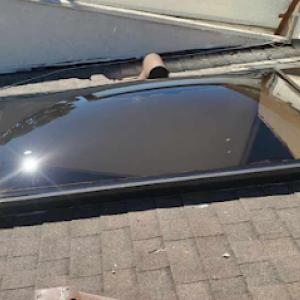
Local Roofing Service for all roofing needs big or small. We have been serving the South Bay area for over 15 years. We specialize in Custom skylights and custom Gutters. We can Install a variety of roofs residential and commercial.
Costa Roofing
Serving
5.0 from 15 reviews
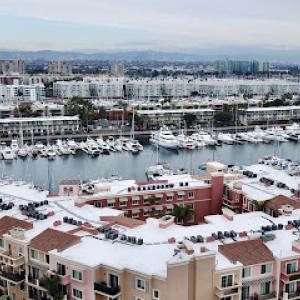
Costa Roofing is the premier roof repair and maintenance company in Southern California. Based in Lawndale, California and with a satellite office in North San Diego county, we service all of Southern California. We specialize in commercial roof maintenance and repair programs as well as commercial roof restoration systems with acrylic and silicone roof coatings. We service all of Southern California and have approvals with the premier manufacturers in the roofing industry: Sarnafil; APOC; SIKA; Western Colloid; Tropical; GAF; PolyGlass. We also offer residential services for maintenance and repairs.
Lawndale Roofing Specialists
(424) 339-2173 lawndaleroofingspecialists.com
Serving
5.0 from 33 reviews
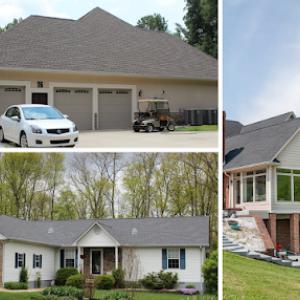
Lawndale Roofing Specialists is your trusted roofing contractor in Lawndale, CA, proudly serving homeowners and businesses nearby and throughout the surrounding areas. We specialize in residential and commercial roofing, including roof repair, replacement, installation, coating, and inspections. From shingle and metal to tile, flat, TPO, slate, cedar, and rubber roofing—we do it all with expert care. Whether you're upgrading or fixing a leak, we're the local pros you can count on. For top-quality roofing near you, contact Lawndale Roofing Specialists today and let’s protect your property with precision and pride!
Prime Inglewood Roofing
(424) 500-5650 theallstarsroofers.com
Serving
4.8 from 55 reviews
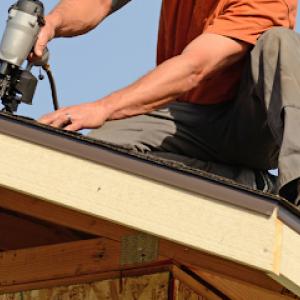
Experience the expertise and craftsmanship of Prime Inglewood Roofing. Our skilled team of professionals is committed to providing exceptional results that exceed expectations. With our years of experience in the industry, we offer top-quality roofing services tailored to your unique needs. From new installations to repairs and maintenance, we ensure the integrity and durability of your roof. Trust Prime Inglewood Roofing for reliable and professional solutions that enhance the protection and aesthetics of your property. Experience the difference we can make for your home or business today.

The Roofing Group
Serving
4.8 from 71 reviews
The Roofing Group is a team of dedicated professionals committed to providing outstanding roofing services. With years of experience in the industry, we have built a reputation for delivering excellence in every project. Whether it's residential or commercial roofing, we offer a comprehensive range of services, including installations, repairs, and replacements. Our skilled technicians use top-grade materials and proven techniques to ensure your roof meets the highest standards of quality and durability. Trust The Roofing Group for reliable and expert roofing solutions that exceed expectations.
The Roofing Guys Repair Service Gardena
(424) 799-0372 the-roofing-guysllc.com
Serving
5.0 from 16 reviews
Trusted Roofing Services in Gardena, CA Looking for dependable roofing contractors in Gardena, CA? At The Roofing Guys, we provide professional roofing solutions tailored for both homes and businesses. From new roof installations and replacements to leak detection, repairs, and preventative maintenance, our team is dedicated to keeping your property safe and secure. With a focus on quality craftsmanship and durable materials, we build roofs that stand up to California’s climate while enhancing energy efficiency and curb appeal. Whether you need residential roofing or commercial roofing, The Roofing Guys are committed to reliable service, honest work, and complete customer satisfaction.
A full reroof in Hawthorne typically requires a building permit through the City of Hawthorne Building and Safety Department rather than being treated as minor maintenance. The process starts before any shingle is lifted, and skipping steps invites delays, compliance red flags, and the risk of code violations that can come back during resale or insurance review. Expect a plan review that verifies roof geometry, attic ventilation, drainage, and the chosen assembly meets local standards for heat durability and wind resistance. If there are existing vents, skylights, or satellite dishes, the review will scrutinize how those penetrations are treated to prevent leaks and wind uplift failures. Knowing this upfront helps you schedule tradespeople and avoid a rushed timeline that could compromise workmanship.
Once the permit is issued, inspections are not a formality; they are the gatekeepers to a compliant installation. There are checkpoints tied to plan compliance, material selection, and, finally, the completed project. You'll likely face a rough-in inspection after roof decking, underlayment, and flashings are in place, followed by a final inspection after all roofing materials are installed, penetrations are sealed, and the curbs, vents, and chimneys are properly flashed. If your contractor opts for a tile roof, expect additional scrutiny of the substrate, underlayment, and the method used to secure tiles against Santa Ana wind gusts. Keep records of all receipts, warranty documents, and product data sheets ready for review; the inspector may request them to verify code-compatible components.
Because Hawthorne sits within Los Angeles County's broader code and enforcement environment, permit-compliant reroofing matters for resale, insurance documentation, and avoiding problems from unpermitted work. If work proceeds without proper permits or fails to pass inspections, a future buyer could demand remediation or disclosure, and your insurer might contest coverage for an unpermitted roof or a nonstandard installation. A clearly documented permit path, including final sign-off, reduces the chance of a hold-up at the close of escrow and helps ensure that heat, UV exposure, and wind concerns addressed during reroofing stay aligned with county expectations. In short, treat the permit and inspection sequence as your safeguard against costly surprises and unintended noncompliance down the line.
In the dense South Bay neighborhoods near LAX, Hawthorne pricing reflects not just material costs but the realities of Southern California labor, disposal logistics in tight streets, and the extra handling that comes with tearing off heavy tile systems. When you're budgeting, expect crews to line-item heavy debris haul-away and proper disposal fees, which can push the total above simple material cost estimates. The result is that a square of clay or concrete tile often ends up costing more to install here than the same product would in quieter layouts with easier access. Asphalt shingles remain a common baseline, but the labor and haul charges still matter, and the end price frequently sits above your average national quote because of the local overhead.
Older Hawthorne homes frequently need more than a straight panel swap. If decking is damaged or soft, you'll pay for repairs before the new roof goes on, and in built-out urban lots, upgrading underlayment to better UV protection and moisture resistance becomes prudent. Extra flashing around additions, chimneys, and rooftop equipment is routine in this setting, and those metal seams and step flashing details require careful integration with tile or dead-flat shingles. Expect the bid to rise where concrete or clay tile is involved, since handling and resealing these systems demands skilled labor, more time, and specialty fasteners. Tabletops and ridges also factor into the final price, especially if you're matching existing profiles in a way that preserves curb appeal.
Demand spikes after wind and rain events across the South Bay tighten schedules and push pricing higher during the busiest reroofing periods. Santa Ana wind episodes or heavy winter rain can compress crew calendars, leading to faster project starts but higher daily rates as crews book out weeks in advance. If you're planning around a fall or early winter window, you'll likely face tighter availability and potentially higher bids. Conversely, spring and early summer can offer more flexible scheduling, but heat and glare still tax crews and can affect material handling and safety on steep tile roofs.
From asphalt shingles to concrete tile, the local reality is that the price spectrum shown in your plan is a starting point, with Hawthorne-specific adders. Asphalt shingles sit at the lower end, but labor, disposal, and any needed repairs can nudge the total upward. Metal, clay, and concrete tiles carry their own premium, driven by the weight, structural prep, and specialty installation steps required in this climate. Synthetic or composite options can offer a good balance of durability and cost, yet still reflect the regional labor and material logistics that drive final bids in this market.
Get a clear picture of your project costs upfront - no commitment required.
Sunshine State Roofers - Inglewood
(424) 544-7888 sunshinestateroofersinglewood.homes
Serving
4.8 from 56 reviews
In Hawthorne and the wider Southern California market, insurers closely review roof age, material, and installation quality when underwriting or renewing coverage. If your roof shows advanced wear, mixed material seams, or signs of hurried repairs, expect scrutiny that can affect eligibility for renewal or terms. A documented history of proper, code-compliant installation and consistent maintenance can be the difference between a smooth renewal and a higher premium or a denial.
Although Hawthorne is not a mountain wildfire community, regional wildfire exposure and statewide insurer pullbacks still affect premiums, documentation demands, and how carriers evaluate older roofs. Market changes can appear as stricter reporting requirements, longer processing times, or the need for additional inspections after a major wind event. Staying current on the roof's condition and keeping thorough records helps you navigate these shifts without surprise gaps in coverage.
Wind-related damage documentation matters locally because Santa Ana events can create disputed claims involving lifted shingles, broken tile, detached flashing, and water entry that appears after the wind event. If a claim arises, having clear photos, dated service notes, and a record of professional inspections helps insurers distinguish weather-driven damage from preexisting wear. In practice, routine maintenance and timely repairs after a strong gust are not just about protection-they support smoother claim handling and fewer leverage-based disputes.
Connect with contractors who help homeowners navigate the claims process from damage assessment to final approval.
Elite Hawthorne Roofs
(424) 622-4333 roofingsuperior.pro
5000 W 147th St #55, Hawthorne, California
4.8 from 93 reviews

Install It Roofing Hawthorne
4820 W 142nd St #100b, Hawthorne, California
4.8 from 68 reviews
In a sunny climate with Santa Ana bursts nearby, roof penetrations from skylights and solar-related work deserve extra scrutiny. UV exposure and heat cycling can age sealants and flashing faster than the field material itself, so you should expect more frequent attention to those joints after a reroof. When planning, check not just the main roof surface but the surrounding flashing around every penetration, since Hawthorne's bright days push heat into corners and transitions that aging sealants may miss.
Many reroof projects in built-out South Bay neighborhoods involve coordinating around existing skylights, vents, and mounted equipment rather than working on simple uninterrupted roof planes. The closer the roof is to a dense layout, the more you must account for each opening. A practical approach is to map every penetration before tearing off the old roof. Note the type, orientation, and height of each skylight, vent stack, chimney collar, and any mounted solar hardware. That map becomes the backbone of a phased plan so no penetration is left vulnerable while other sections are being replaced.
Leak complaints after reroofing in Southern California often trace back to penetrations and transitions, not just the field material itself. Pay special attention to step flashing around skylights and the base flashing where a solar racking system meets the roof surface. In houses with clay or concrete tiles, verify the compatibility of flashing materials with the tile type, since misfit flashing is a common failure point at a tile-penetration interface. For asphalt or synthetic shingles, ensure counter-flashing remains watertight beneath any raised detail.
When scheduling a reroof, factor in the hottest weeks where heat cycling is most aggressive. The first season after installation should emphasize a thorough inspection of all skylight flashes and solar penetrations, especially after any Santa Ana wind events. Build a simple post-install checklist that includes flashing integrity, sealant condition, and the seal between mounting rails and the roof plane, because those are the lines most likely to fail under Hawthorne's combination of sun, wind, and heat.
Find contractors experienced in skylight installation, flashing, and leak repairs to bring natural light into your home.
Elite Hawthorne Roofs
(424) 622-4333 roofingsuperior.pro
5000 W 147th St #55, Hawthorne, California
4.8 from 93 reviews
Install It Roofing Hawthorne
4820 W 142nd St #100b, Hawthorne, California
4.8 from 68 reviews
In a neighborhood where driveways are tight and homes often sit close to the street, you want a crew that can stay organized and minimize disruption. Homeowners screen for responsiveness-getting timely quotes, clear scheduling, and quick communication if weather or access issues pop up. Cleanup matters too: debris on a busy street or a neighbor's driveway can create conflict fast. Look for teams that explain how they protect landscaping, avoid property damage, and manage noise during the day. On occupied properties, you'll notice how the crew plans access, moves materials without blocking the sidewalk, and keeps a clean, contained work zone.
Local demand reflects a preference for visible documentation before signing a contract. A quality reroofing plan in Hawthorne often includes free inspections, and many homeowners expect drone shots or detailed roof photos to show existing condition, problem spots, and targeted repair areas. When a proposal includes a photo or video-based assessment, you'll have a clearer baseline for comparing bids. Manufacturer-backed installation quality is another prominent factor, since it can translate into better warranty coverage and a proven installation standard. Ask for a pre-project summary that highlights critical transitions-where flat or low-slope sections meet tile or shingle-so you can verify the installer has those details in mind.
The local mix of older low-slope homes, tile roofs, and asphalt outfits requires a contractor who can handle both straightforward asphalt reroofs and detail-heavy tile or low-slope transitions. You'll want to verify that the crew can manage tile nailing patterns, underlayment for varied slopes, and flashing around dormers or vents without compromising UV exposure or heat durability. For tile homes, confirm the plan for wind-clip details and fastener schedules that withstand Santa Ana gusts. If your project blends materials (shingles over an existing tile base, or a hybrid approach), ensure the crew has documented methods and a quality-control checklist for those transitions.