Last updated: Apr 19, 2026
In this dense South Bay neighborhood, roof work is typically planned from spring through fall. Winter brings the wetter part of the local Mediterranean climate and more weather delays, so projects are naturally tighter in the cooler, rainier months. For a homeowner, that means if a full replacement or major repair can be staged to take advantage of the drier spell, you reduce the risk of leaks during installation and interruptions from rainouts. When planning, think through a window in late spring or early fall where temperatures are comfortable, daylight is abundant, and crews can keep materials dry and intact. If a winter project becomes unavoidable, build in extra days for weather-related pauses and have a clear plan for temporary waterproofing to ride out any showers without rushing critical joints or underlayment.
Santa Ana wind periods can lift or loosen vulnerable shingles, ridge components, and tile edges even when there is little rain at the time of damage. In Gardena, those gusty spells often come with rapid, hot days that bake exposed surfaces and push edges upward. Before any replacement or significant repair, inspect the ridge line, edge details, and fasteners for wear or loosening. If a project must proceed as Santa Ana season approaches, prioritize securing loose components and choosing fasteners and sealants rated for high-wind environments. Schedule wind-heavy weeks with a contingency plan to cover exposed roof areas at the end of a workday if a gust front hits, and communicate expected wind windows to the crew so they can adapt their sequence without compromising the roof's temporary protection. Properly sealed penetrations and reinforced ridge and tile edges help prevent wind-driven leaks during and after installation.
Hot, dry summer exposure in inland South Bay conditions can accelerate surface aging on sun-exposed roof slopes before leaks show up in winter. If a roof is slated for replacement, you may notice deterioration that isn't immediately catastrophic but will become problematic once winter rain returns. Use this knowledge to time inspections and minor repairs ahead of the wet season. A proactive approach-tackling surface aging, soft spots, and edge failures during the dry months-can mean fewer unexpected leak triggers when the rains start. When weather permits, complete exterior roofing work early in the day to avoid the peak heat hours, and protect exposed underlayment as a precaution during any in-progress portion of the project.
Coordinate closely with the contractor to identify a window that minimizes rain risk while avoiding peak Santa Ana periods if possible. Have a clear plan for weather delays, including temporary water control measures like tarping and booting around penetrations. Ensure the crew prioritizes secure fastening and proper sealing at all edge and ridge lines, because those are the most vulnerable spots in both wind and rain events. For tile or slate-type roofs common in older stock, request attention to ridge cap integrity, tile-to-ridge fastener compatibility, and the condition of hips and valley flashings, since those components are frequently stressed by wind and movement over time. If a leak is suspected during the dry season, address it promptly rather than delaying, because even a small issue can expand quickly once rain returns.
Maintain a rhythm of mid-season inspections, especially after Santa Ana spells or strong rain bursts. A homeowner should expect to verify that edge fasteners, sealants, and transition details remain intact after high-wind days or storms. Regular checks help catch creeping edge lift or cap failures before a winter leak becomes visible inside ceilings. In short, align replacement or major repair work with Gardena's dry stretch, reinforce for wind exposure, and treat winter rain as the test that determines whether those preventive actions held up.
The residential roof landscape in Gardena is a mosaic of materials, not a one-size-fits-all scenario. Asphalt shingles remain common for many mid-century bungalows and newer tract homes, while clay and concrete tiles populate ranch- and Spanish-influenced designs, especially on older South Bay-era houses that saw tile work as a durable, heat-tolerant option. Metal roofs appear on a growing number of modern additions and metal-clad structures, and wood shakes or synthetic shingles add texture to craftsman-era rebuilds or pitched additions. This mix reflects the city's density, varied architectural history, and the practical needs of hot inland summers and Santa Ana wind events. Flat-roof segments are not rare either, gracing garages, carports, and some apartment-adjacent structures, which expands the scope of service beyond traditional pitched roofs.
In Gardena, each material brings its own set of vulnerabilities. Clay and concrete tiles are excellent at shedding heat and rain, but broken or loose tiles often reveal themselves after a heavy Santa Ana event or a winter squall. Clay and concrete tile roofs typically require careful inspection at ridges, hips, and intersections where cap sheets and sealants wear. Asphalt shingles can tolerate heat but are prone to wind uplift and edge curling in exposed, wind-prone areas; look for lifted tabs that can channel water into unseen slopes. Metal roofs, while durable, demand attention to fasteners and seams-especially where a metal roof meets a vertical wall or transitions into a flat section. Wood shakes and synthetic shingles offer a traditional look but need regular checking for splitting, cupping, and moisture damage near eave lines and transfer points to ledges or parapets.
Older South Bay-era homes often feature transitions where a main sloped roof meets a low-slope patio, porch, or garage roof. These tie-ins are frequent leak points if not properly flashed and sealed. In Gardena, these areas require thoughtful attention to flashing materials, the slope transitions, and the backside of any parapet or veneer ties. When the roof type changes across a single footprint, a comprehensive sealing strategy is essential. Even small misalignments at these junctions can create chronic leaks during the winter rains or after a windy front pushes rain under shingles, tiles, or metal seams.
Because Gardena experiences winter rain and Santa Ana wind exposure, timing roof replacement and proactive leak prevention around these patterns matters. Plan for a careful inspection cycle as autumn shifts into winter-prior to the first substantial storms and wind events-focusing on tie-ins, flashing, and edge details. If a replacement is on the horizon, choosing materials with proven compatibility for mixed neighborhoods is advisable: a roof system that handles heat, wind, and intermittent rain well, while allowing reliable integration with existing low-slope sections. In the interim, prioritize securing loose fasteners, resealing edge flashings, and ensuring proper water drainage from valleys and transitions.
For homes with multiple levels or added structures, routine checks should emphasize the most vulnerable junctions: where a tile or shingle roof meets a flat surface or parapet, where old sealants have aged, and where seasonal winds can force rain into narrow gaps. A clear, consistent maintenance plan reduces the risk of water intrusion during the city's wetter months and during high-wind periods. Seasonal walks around the roof perimeter, a close look at penetrations, and prompt attention to worn sealants go a long way toward sustaining performance across the diverse neighborhood ages found in Gardena.
In a dense South Bay neighborhood with older roofs, the points where roof planes meet walls, chimneys, vents, and skylights are where leaks tend to begin. In Gardena, leak calls often center on flashing details, roof penetrations, and ventilation disclosures because those details also affect permit review and inspection. When flashing rubber ages, or corners aren't properly sealed where a vent pipe passes through a tile or shingle roof, a slow drip can become a big problem after a winter storm. The consequence is not just a stain on the ceiling; it can degrade attic insulation, invite mold growth, and force inconvenient, high-stress repairs. Staying proactive about flashing condition, ensuring proper overlap and sealant compatibility, and documenting any past work during inspections helps prevent surprises when a contractor is evaluating the roof after rain or wind.
Low-slope sections are a recurring concern in this market, especially where drainage is slow or where older patch repairs meet newer membrane or coating work. When water can't shed quickly on a tilt or at a seam, the edge of a low-slope roof is a common leak magnet after a Santa Ana wind event or a heavy rain. Patch repairs may have eased the symptom temporarily, but they can hide underlying substrate issues or compatibility problems between old and new materials. In practice, poor drainage often shows up first around transitions-where a flat section abuts a steeper pitch, where tar or sealant has cracked, or where drainage outlets are blocked by debris. A careful assessment of slope adequacy, condition of edge metal, and the integrity of membranes at seams and terminations is essential to prevent recurrent leaks that escalate with winter storms.
Skylights and chimney intersections are locally relevant trouble spots because both appear frequently in contractor service signals tied to this market. Skylight flashing is a frequent failure point as seals age, or when installers don't fully account for thermal movement in a hot climate followed by sudden cooling. Chimney ankles and cricket details are also common failure zones where mortar cracks or flashing pans loosen, inviting water intrusion during rain-filled periods. The combination of heat exposure, wind-driven rain, and aging flashings means these intersections demand regular scrutiny. If a roof is already showing signs of wear, these features should be prioritized during inspections and smartly integrated into any plan for maintenance or replacement to avoid cascading leaks.
Find contractors experienced in skylight installation, flashing, and leak repairs to bring natural light into your home.

Prime Gardena Roofing
(424) 484-0009 gardenaroofing.com
17224 S Figueroa St #113, Gardena, California
4.8 from 72 reviews
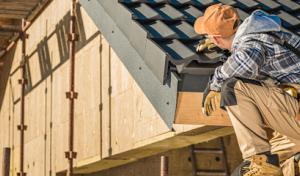


Prime Gardena Roofing
(424) 484-0009 gardenaroofing.com
17224 S Figueroa St #113, Gardena, California
4.8 from 72 reviews
Prime Gardena Roofing is a reputable roofing company serving the Gardena area with pride and professionalism. With our experienced team of skilled professionals, we specialize in providing top-quality roofing solutions for residential and commercial properties. From roof installations to repairs and maintenance, we have the expertise to handle projects of any size or complexity. Our commitment to excellence and attention to detail ensure that your roofing needs are met with precision and efficiency. At Prime Gardena Roofing, we prioritize using high-quality materials and proven techniques to deliver exceptional craftsmanship and durable results. Trust us for reliable roofing solutions that protect and enhance the value of your property.

Gardena Roof Repair Squad
108-110 W Walnut St, Gardena, California
4.8 from 74 reviews
Gardena Roof Repair Squad is here to take care of your roofing issues promptly and efficiently. Our team of experienced professionals specializes in providing reliable roof repair services. We understand the importance of a sturdy and well-maintained roof, and we strive to deliver exceptional results every time. Whether it's a small leak or extensive damage, we have the expertise to handle it all. Using our industry knowledge and top-grade materials, we ensure that your roof is restored to its optimal condition. Trust Gardena Roof Repair Squad for efficient and dependable roof repairs you can count on.

The Roofing Group
1300 W 155th St #104, Gardena, California
4.8 from 71 reviews
The Roofing Group is a team of dedicated professionals committed to providing outstanding roofing services. With years of experience in the industry, we have built a reputation for delivering excellence in every project. Whether it's residential or commercial roofing, we offer a comprehensive range of services, including installations, repairs, and replacements. Our skilled technicians use top-grade materials and proven techniques to ensure your roof meets the highest standards of quality and durability. Trust The Roofing Group for reliable and expert roofing solutions that exceed expectations.

Central Roofing
(310) 527-6770 centralroof.com
555 W 182nd St, Gardena, California
4.8 from 67 reviews
Central Roofing Company, a family-owned and operated roofing business, has been serving the commercial roofing needs of Southern California since 1992. We have refined our expertise in commercial roof coatings/restoration, roof replacement / re-roofing, roof repairs and maintenance, and roof inspections. We specialize in re-roofing or repairing large flat Commercial & Industrial Roofs. Licensed, bonded & insured, we are leaders in Energy Efficient Coating Systems, Modified Bitumen, Built-up and more. We believe that long-term support cultivates long-term relationships and repeat business.
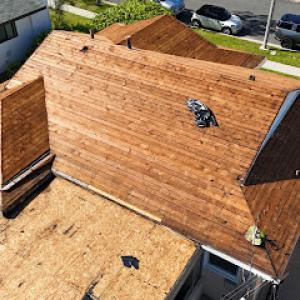
Chandler's Roofing
(310) 831-7663 www.chandlersroofing.com
15331 Avalon Blvd, Gardena, California
4.7 from 148 reviews
Based in Los Angeles County, CA we provide state-of-the-art roofing and solar solutions in the South Bay's Beach Cities and surrounding communities in Los Angeles, Orange County and Palm Springs from our corporate office in Gardena, CA and our satellite office in Rancho Mirage, CA. At Chandler's Roofing, we realize that knowing how to build a successful relationship with our clients is just as important as knowing how to build a quality roof and solar system. If you need roof installations, repair, solar, skylight, gutter installation or repair - we're your local neighborhood roofing contractor in business since 1942.
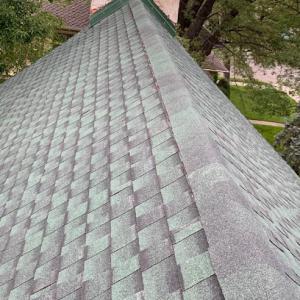
Majestic Roofing
(310) 928-2262 gardenaroofingcontractor.com
W Redondo Beach Blvd #22, Gardena, California
5.0 from 20 reviews
Elevate your property with Majestic Roofing, your premier destination for top-tier roofing solutions. Our expert team specializes in Roof Installation, seamlessly blending precision and artistry to crown your home with excellence. When it's time for an upgrade, trust Majestic Roofing for flawless Roof Replacement, ensuring lasting durability and aesthetic appeal. Count on us for swift and effective Roof Repair, addressing issues promptly. Explore our diverse offerings, from the modern allure of Metal Roofing to the timeless reliability of Asphalt Shingle Roofing. For commercial spaces, our Commercial TPO Roofing delivers unmatched performance. Majestic Roofing stands tall in craftsmanship and quality.
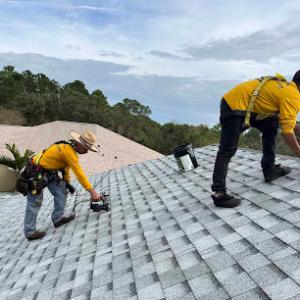
The Roofing Guys Repair Service Gardena
(424) 799-0372 the-roofing-guysllc.com
1836 W Redondo Beach Blvd, Gardena, California
5.0 from 16 reviews
Trusted Roofing Services in Gardena, CA Looking for dependable roofing contractors in Gardena, CA? At The Roofing Guys, we provide professional roofing solutions tailored for both homes and businesses. From new roof installations and replacements to leak detection, repairs, and preventative maintenance, our team is dedicated to keeping your property safe and secure. With a focus on quality craftsmanship and durable materials, we build roofs that stand up to California’s climate while enhancing energy efficiency and curb appeal. Whether you need residential roofing or commercial roofing, The Roofing Guys are committed to reliable service, honest work, and complete customer satisfaction.

The Roofing Pros
Serving
4.9 from 70 reviews
As the leading roofing professionals in the industry, The Roofing Pros are committed to delivering excellence in every project we undertake. Our team of highly skilled experts possesses extensive knowledge and experience, ensuring that your roofing needs are met with precision. From inspections to repairs and installations, we provide comprehensive roofing solutions tailored to your specific requirements. With a focus on quality materials and advanced techniques, we deliver roofs that stand the test of time. Trust The Roofing Pros for reliable and professional services that prioritize the integrity and longevity of your roof.

Prestige Worldwide Roofing
Serving
5.0 from 42 reviews
At Prestige Worldwide Roofing, we’re fully licensed, bonded, and insured (CA Lic #1095751), proudly serving Los Angeles with expert residential and commercial roofing services. We offer zero down, payment plans as low as 0% interest (based on credit), and free roof inspections or estimates. We know you're looking for a roof with a strong warranty, trusted contractors, and fair pricing. We walk you through every step, provide timelines, and check in daily. All work is done by our in-house team—never subcontracted. Plus, our roofs come with a limited lifetime warranty. Contact us today!
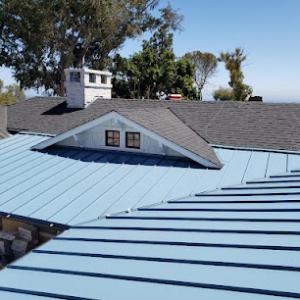
Maverick Roofing
(310) 438-3388 maverickroofinginc.com
Serving
4.9 from 78 reviews
Maverick Roofing is a full service commercial and residential roofing contractor that can perform roof repairs to complete reroof systems.
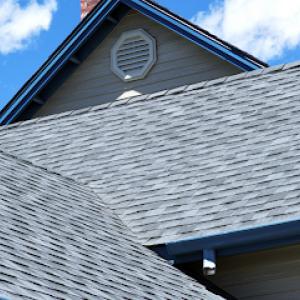
Solid Compton Roofs
(424) 260-0009 rooferscompton.city
Serving
4.8 from 72 reviews
Solid Compton Roofs is a premier provider of exceptional roofing services for both residential and commercial properties. With a long-standing reputation for quality and reliability, our team of licensed, insured, and bonded professionals offers a comprehensive array of services, from new installations and repairs to complete roof replacements. We maintain a firm commitment to superior craftsmanship and detailed workmanship.
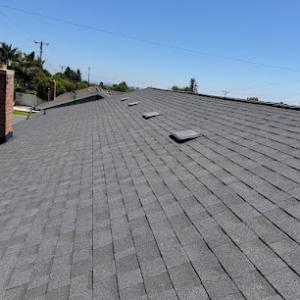
Nexus Construction & Design
(888) 899-1653 nexusdesigninc.com
Serving
4.9 from 30 reviews
At NEXUS Home Improvement, we’re your dedicated partners in transforming your house into the home of your dreams. With over 20 years of experience, NEXUS stands out as a family-owned and operated company that prioritizes personalized service and direct communication. No middlemen, no confusion—just skilled professionals delivering exceptional craftsmanship and quality results. What truly sets us apart is our commitment to a seamless, stress-free experience. Whether through our price protection policy, lowest price guarantee, or our comprehensive range of services, you’ll receive unparalleled care and dedication.
Typical Gardena material pricing runs about $450 to $900 per square for asphalt shingles, $700 to $1300 for metal, $900 to $1700 for clay tile, $800 to $1500 for concrete tile, $700 to $1200 for wood shingles or shakes, and $600 to $1100 for synthetic or composite shingles. Those ranges reflect local labor intensity, inland heat exposure, and the need for reliable edge and flashing work around older homes. When you source bids, verify that the estimate separates the cost of underlayment, flashing, and any required weatherproof details specific to Santa Ana-wind-driven days and winter rain.
Costs in Gardena can rise when a reroof includes mixed roof sections such as a pitched main roof plus low-slope garage or patio areas that require different systems and flashing details. A contractor may need multiple roof assemblies, differing fasteners, and specialized edge detailing to handle the transition between slopes without leaks. Expect some premium for the extra labor and coordination, particularly where the garage roof ties into the main ridge line and where fascia and gutter connections demand careful flashing integration. If your home has several roof planes, ask for a single, cohesive plan that accounts for all transitions, not a patchwork sequence of visits.
Tile reroofs in Gardena can carry added labor and structural considerations because heavier clay and concrete systems are common in the local material mix and often involve more accessory and edge work than basic shingle replacements. The weight of tile often requires structural checks or upgrades to support the new load, plus more extensive edge and parapet work to ensure a weatherproof seal around transitions. If you have clay or concrete tiles, factor in potential reinforcement for the roof deck and longer install times, especially in areas with Santa Ana wind exposure that stress fasteners and clips.
With winter rains and Santa Ana events, timing matters. If a full replacement is on the horizon, align material selections and flashing details with the season, avoiding the peak of rainy spells where possible. For older homes with multiple roof angles, an innovative sequence that seals vulnerable edges early in the project can reduce the risk of leaks during interim stages. When you're evaluating bids, prioritize contractors who articulate a clear plan for leak prevention during the rainy season, including temporary protective measures and a staged approach for tile or metal installations.
Get a clear picture of your project costs upfront - no commitment required.


A building permit is generally required for most complete re-roofs handled through the City of Gardena Building and Safety Department. This city-wide practice reflects the abundance of aging roof assemblies and the high-heat Santa Ana exposure that makes roof replacements a substantial construction project rather than a cosmetic update. The permitting process is designed to ensure the new roof integrates properly with existing structures, drainage, and surrounding conditions. When planning, you should anticipate a permit review that looks beyond the finish material and focuses on how the new roof interfaces with the existing roof assembly, including underlayment, venting, flashing, and fascia details.
Plan check in Gardena tends to be straightforward but thorough. The reviewer will want to see how the new materials align with the current ventilation strategy and flashing details, especially in homes with older low-slope sections or tile overlays. To avoid delays, have documentation ready that clearly indicates the condition of existing ventilation, attic access, and any known leaks or prior repairs. If the project includes upgrading vents, ridge vents, or attic sealing, present those plans up front so the plan reviewer can confirm compatibility with the rest of the roof structure. A well-organized submittal that maps each change against the current assembly helps keep the review moving.
Because reroofing is common in this area, permit review emphasizes how the new work interfaces with the existing roof assembly rather than only on the finish material. When you submit plans, disclose current ventilation characteristics, flashing transitions around chimneys, skylights, vents, and skylight curb details, and any existing rust or rot in the drip edge or fascia. Documenting these conditions up front reduces back-and-forth during plan check and helps ensure that any needed upgrades to flashing or underlayment are accounted for in the permit package.
Inspections typically occur at series milestones: after the deck or underlayment is installed, after any ventilation or flashing upgrades, and after the final finish installation. Make sure the contractor coordinates access for the inspector and has all required test notices, if applicable. In Gardena, inspectors look for proper integration with neighboring roof lines, proper nailing patterns for the chosen material, and evidence that the roof's drainage plane remains functional. Being prepared with a clear as-built sketch showing vent locations, flashing terminations, and drain placements helps inspections proceed smoothly and minimizes re-inspection delays.
Common delays arise from incomplete disclosures about existing conditions or missing documentation for venting and flashing changes. Always verify that the old components that remain (like certain flashing terminations or drip edges) are retained or upgraded consistently with the new roof system. Keep a log of all contractor communications and any site changes during the project; this makes it easier to respond to plan-check questions quickly. Finally, ensure that access is clear for both the plan reviewer and the field inspector, particularly around tight eaves and close-set properties where temporary safety measures may be required.
In this neighborhood, insurers tighten scrutiny on roof age, maintenance history, and visible condition before renewal. The combination of hot inland heat, Santa Ana wind events, and winter rains has left many older homes with mixed roof types-tile, shingle, and low-slope sections-that show wear differently across surfaces. When the renewal window opens, carriers expect a clear, consistent record rather than a simple leak report. Omitting historical context can slow claims or trigger non-renewal, especially after a storm season that hits multiple roofs in a single neighborhood.
Storms leave more than water marks; they create a trail of wear, lifted edges, and micro-cracks that may not be obvious in a quick walk-around. Document the roof condition promptly with dated photos that cover every plane and angle, including flashings, vents, and valleys. Keep repair invoices and contractor notes organized by date and issue. Insurers in this market look for a pattern-proof of pre-existing wear alongside new damage-so a simple "there's a leak" report isn't enough. Include notes on observed wind uplift, shingle edges curled by Santa Ana gusts, or tile movement from seasonal settling.
Because adjuster reviews can be stricter in California's current market, Gardena owners benefit from a robust file that captures both storm-related damage and any pre-existing wear on tile, shingle, or low-slope sections. Start with a formal inspection report dated after each major event, then attach high-resolution photos that show edge conditions, penetrations, and any potential hidden damage under flashings. Organize a repair timeline that correlates with weather events and follow through with receipts for all maintenance tasks, even small fixes like resealing a vent or replacing a degraded underlayment.
Maintain a dry, easily accessible archive-digital scans of all documents plus a single binder with printed copies. When renewal notices arrive, present the full history in a concise packet that includes weather event dates, storm damage notes, and evidence of pre-existing wear. If a contractor or adjuster requests additional detail, provide it quickly with clear annotations on photos showing problem areas and the corresponding dates. In this climate, proactive, well-documented upkeep reduces surprises when a claim is reviewed.
Connect with contractors who help homeowners navigate the claims process from damage assessment to final approval.
Prime Gardena Roofing
(424) 484-0009 gardenaroofing.com
17224 S Figueroa St #113, Gardena, California
4.8 from 72 reviews
Gardena Roof Repair Squad
108-110 W Walnut St, Gardena, California
4.8 from 74 reviews
In Gardena, solar-related roofing coordination is not a fringe service; it's a visible specialty that many homeowners expect when the roof is opened for replacement or repair. The timing and placement of solar penetrations should be integrated into the project plan from the start, not treated as an afterthought. If the system already exists, confirm the layout with the installer and map all rafter anchors, conduit paths, and mounting hardware. When a reroof is scheduled, make sure the solar professionals are aware of any potential tile or shingle replacements, so the mounting rails and flashings can be adjusted without compromising roof integrity. This helps prevent misaligned penetrations and reduces the risk of leaks once the system is energized again after work is complete.
Skylight work is unusually prominent among local contractors, which makes curb flashing and replacement timing important when reroofing older homes. Thoroughly inspect skylight curb flashing for corrosion, lift, or flashing gaps during the planning stage. If skylights are to be resealed or replaced, coordinate those services with the main roof tear-off so flashing transitions are continuous and watertight. On flatter or low-slope sections common in the area, ensure flashing seals extend properly under any new shingles or tiles and are matched to the existing curb dimensions. Delays in skylight coordination can create hot spots or leak paths that linger after the roof is reinstalled.
On reroofs, coordinating penetrations before tear-off matters because permit review and inspections are smoother when flashing and ventilation details are already accounted for. Create a penetrations map that names each device (vents, turbines, intakes, solar, skylights) and indicates exact locations and clearances. Share this map with the roofing crew and any subcontractors before the first tear-off nail hits the old roof. This reduces the chance of re-drilling through finished surfaces and minimizes the opportunity for rain intrusion during weather windows, especially through Santa Ana wind events and winter showers. Maintain a staged sequence where penetrations are sealed only after the new underlayment and flashing are in place.
Find contractors who integrate solar panels or solar shingles into your roof for long-term energy savings.
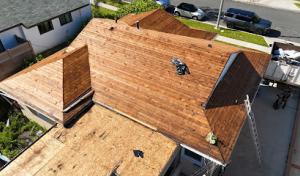
Chandler's Roofing
(310) 831-7663 www.chandlersroofing.com
15331 Avalon Blvd, Gardena, California
4.7 from 148 reviews