
Last updated: Apr 19, 2026
Manhattan Beach sits directly on the Pacific, so roofs are exposed to salt-laden marine air that can accelerate corrosion on flashings, fasteners, vents, and other metal accessories. That means attention to metal details matters more here than in inland neighborhoods. When inspecting, focus on the metal edges around chimneys, hips, rake lines, and transition zones where water can pool or condensate. Look for white or brown crust, dulling, or small wisps of greenish oxidation. If any flashing looks pitted or bubbled, treat it as a red flag that corrosion is taking hold and may threaten the waterproof seam beneath.
The dry-summer Mediterranean pattern in this area means long stretches of intense sun between rain events, which can dry out and age exposed roofing surfaces before winter storms reveal leaks. On shingles, tiles, or membranes, you may notice curled edges, loss of sealant flexibility, or bleaching on lighter colors. Pay particular attention to ridge caps and solar-exposed slopes. A routine mid-summer check should include feeling for soft spots, checking for lifted granules on asphalt shingles, and looking for hairline cracks in concrete or clay tiles that have endured heat cycles. If fasteners back out or flashings become brittle after a few seasons of sun, the system may be deteriorating from the inside out.
Homes closer to the Strand and beachfront blocks typically face harsher marine exposure than inland parts of the city, making accessory-metal durability and maintenance intervals especially important. In these zones, fasteners and screws can seize or corrode sooner, and vent collars or roof vent bases may show rust rings or paint failure. For metal components, establish a proactive replacement cadence for degraded clips, nails, and sealants in these areas. When a roof is near a coastal porch or balcony overhang, test for movement or looseness at metal brackets and drip edges after winter storms, since wind-driven salt spray can exploit small gaps.
Start with a visual walk around the entire roof, noting any color change, discoloration, or streaking along flashings and seams. Tap metal areas gently with a screwdriver handle to listen for a dull, hollow sound which can signal corrosion underneath. Check fasteners for corrosion or looseness, especially along the eaves and around skylights, vents, and antennas. Inspect flashings at roof-to-wall transitions for compression-set sealant and corrosion rings. In the attic, look for rust on vent cap screws and any signs of moisture wicking along seams. If salt spray fatigue or sun-baked aging is evident, schedule targeted maintenance before the next storm season to prevent leaks and preserve the roof's exterior metal components.
During intermittent winter Pacific storms, the surf and wind collide to drive rain at a high-velocity angle against the roof line. This pattern ages roofs and metal components faster than inland conditions, and it exposes weaknesses at flashing transitions where two surfaces meet. Rather than classic hail damage, the prevalent failures show up as seepage around edges, at vent collars, and where roof planes meet walls. In homes with ocean-facing facades, the exposure is constant enough to push small leaks into larger issues if not addressed promptly.
Wind-driven rain finds the path of least resistance, and that path is often near roof-to-wall joints, skylights, chimneys, and edge details. Flashing that looks intact on a calm afternoon can loosen when exposed to salt-laden spray combined with heavy gusts. The moment a storm wind shifts, you may notice dampness around chimney caps, along the sidewalls where the roof edge overlaps, or behind drip edge locations that were previously considered tight. Skylight seals and curb flashings frequently bear the brunt of seasonal moisture swings, making them prime observers for proactive inspection after strong storms.
In this climate, dry months are preferred for planned replacement projects to minimize weather-related delays and to allow proper staging of materials under controlled conditions. Winter weather can push tear-off schedules and complicate re-sealing and flashing work, so prepare for potential temporary leak stabilization during storms. Proactive checks after each winter system help catch developing failures at flashing transitions before they broaden into interior leaks. Focus attention on edge details, roof-to-wall junctions, and any penetrations that expose vulnerable sealants to salt air. If a leak is observed, address it with a rapid, targeted reseal or patch while plans for a more extensive repair are scheduled for the next dry season.
When you can't wait, these contractors offer fast response times to stop leaks and prevent further damage.

Rovex Roofing Services - Torrance
(323) 948-8949 rovexroofingservices.com
Serving
5.0 from 17 reviews

Roofing Prodigy Manhattan Beach
1112 Ocean Dr #203, Manhattan Beach, California
4.6 from 67 reviews
Roofing Prodigy Manhattan Beach is a leading provider of premium roofing services in the area. With a focus on innovation and excellence, we deliver outstanding results that stand the test of time. Our team of skilled professionals is passionate about roofing and stays up to date with the latest industry trends and techniques. Whether you need roof installations, repairs, or maintenance, we have the expertise to handle it all. We take pride in our attention to detail and commitment to customer satisfaction. Choose Roofing Prodigy Manhattan Beach for superior roofing solutions you can rely on.
Pro Roofing & Repair
Serving
4.8 from 74 reviews
Pro Roofing and Repair is your trusted source for professional roofing solutions. With a team of dedicated experts, we provide comprehensive services to meet all your roofing needs. From minor repairs to complete roof replacements, we have the knowledge and skills to deliver outstanding results. We understand the importance of a functional and durable roof, and our goal is to exceed your expectations. Using our expertise and quality materials, we ensure that your roof is built to withstand the elements and provide long-lasting protection. Trust Pro Roofing and Repair for expert roofing services you can rely on.

Team USA Roofing & Exteriors
(424) 955-2333 roofinghermosabeach.com
Serving
4.8 from 82 reviews
Team USA Roofing & Exteriors is a reputable roofing company dedicated to delivering exceptional roofing and exterior services. With our experienced team of professionals, we specialize in a wide range of services, including roof repairs, installations, and exterior renovations. Our skilled technicians utilize high-quality materials and proven techniques to ensure the durability and functionality of your roof and exterior. At Team USA Roofing & Exteriors, we pride ourselves on our attention to detail and commitment to excellence. Trust us for reliable roofing and exterior solutions that exceed your expectations.
Elite Hawthorne Roofs
(424) 622-4333 roofingsuperior.pro
Serving
4.8 from 93 reviews
Experience elite-level roofing services with Elite Hawthorne Roofs. Our dedicated team of professionals is committed to delivering exceptional results that exceed expectations. With our extensive knowledge and expertise, we provide top-quality roofing solutions tailored to your unique needs. Whether it's a residential or commercial property, we offer reliable installations, repairs, and maintenance services to ensure the integrity and durability of your roof. With Elite Hawthorne Roofs, you can trust in our attention to detail and commitment to customer satisfaction. Discover the difference we can make for your property today.
Solid Torrance Roofing
(424) 484-0002 roofingtorrance.com
Serving
4.8 from 71 reviews
Experience solid and reliable roofing services with Solid Torrance Roofing. Our dedicated team of professionals is committed to delivering exceptional results that exceed expectations. With our extensive knowledge and expertise, we provide top-quality roofing solutions tailored to your unique needs. Whether it's a residential or commercial property, we offer reliable installations, repairs, and maintenance services to ensure the integrity and durability of your roof. With Solid Torrance Roofing, you can trust in our attention to detail and commitment to customer satisfaction. Discover the difference we can make for your property today.

Install It Roofing Hawthorne
Serving
4.8 from 68 reviews
Install It Roofing Hawthorne specializes in professional roof installation services. Our experienced team of roofers is trained to handle various roofing materials and styles. We understand that a properly installed roof is crucial for the structural integrity and aesthetics of your property. With our attention to detail and quality workmanship, Install It Roofing Hawthorne delivers efficient and effective solutions to ensure a durable and visually appealing roof. Trust us for professional and reliable roof installation services.
Roofing Precision El Segundo
Serving
4.8 from 73 reviews
Roofing Precision El Segundo specializes in delivering precise and reliable roofing solutions. Our team of skilled professionals has the experience and expertise to handle roofing projects of any size or complexity. We pride ourselves on attention to detail and precision in every aspect of our work. From installations to repairs and maintenance, we offer comprehensive services tailored to your specific needs. Using advanced techniques and high-quality materials, we ensure that your roof is built to perfection. Count on Roofing Precision El Segundo for precise and dependable roofing solutions.
Lawndale Roofing Specialists
(424) 339-2173 lawndaleroofingspecialists.com
Serving
5.0 from 33 reviews
Lawndale Roofing Specialists is your trusted roofing contractor in Lawndale, CA, proudly serving homeowners and businesses nearby and throughout the surrounding areas. We specialize in residential and commercial roofing, including roof repair, replacement, installation, coating, and inspections. From shingle and metal to tile, flat, TPO, slate, cedar, and rubber roofing—we do it all with expert care. Whether you're upgrading or fixing a leak, we're the local pros you can count on. For top-quality roofing near you, contact Lawndale Roofing Specialists today and let’s protect your property with precision and pride!
Abraham's Roofing
(424) 322-2111 theeliteroofers.com
Serving
4.8 from 86 reviews
Welcome to Abraham's Roofing, your trusted partner for all your roofing needs. With years of experience in the industry, our dedicated team of professionals is committed to delivering exceptional results. We specialize in a wide range of roofing services, including installations, repairs, and maintenance. Our attention to detail and superior craftsmanship ensure the integrity and durability of your roof. Trust Abraham's Roofing for reliable and professional solutions that enhance the protection and aesthetics of your property. Experience the difference we can make for your home or business today.
Howard's Roof & Gutter
(424) 292-2700 roofinglawndale.com
Serving
4.8 from 75 reviews
Howard's Roof & Gutter is a trusted name in the roofing industry, providing comprehensive roofing and gutter services. With our skilled team of professionals, we specialize in delivering top-quality craftsmanship and exceptional results. Whether you need roof repairs, installations, or gutter maintenance, we have the expertise and resources to handle projects of any size or complexity. We prioritize using high-quality materials and employing proven techniques to ensure the longevity and functionality of your roof and gutters. At Howard's Roof & Gutter, we are committed to exceeding your expectations and providing reliable solutions that protect and enhance the value of your property.
Economy Roofing
(310) 322-4129 economyroofing.la
Serving
4.6 from 36 reviews
Family owned and operated. For 75+ years, Economy Roofing has been dedicated to protecting homes & businesses in the South Bay and all over Los Angeles. Give us a call today and let our experience team take care of your roofing needs.
Omega Roofing
(310) 421-8958 redondobeachroofingcontractor.com
Serving
4.9 from 15 reviews
Welcome to Omega Roofing, where your roofing dreams take flight! Immerse your property in excellence with our comprehensive services. Our skilled team ensures a flawless Roof Installation, blending precision with aesthetic appeal. Transform your space with confidence through our top-tier Roof Replacement service, providing a new chapter for your home. Addressing issues promptly, our Roof Repair service is your quick fix to peace of mind. Elevate durability with the resilience of Metal Roofing or embrace timeless elegance with Asphalt Shingle Roofing. For commercial spaces, our expertise extends to Commercial TPO Roofing. Trust us for New Construction Roofing or embrace modern design with our Flat Roofing solutions.
The mix of older beach cottages, remodeled custom homes, and newer modern builds creates a diverse landscape for roof selection. Marine exposure from salt air and strong sun accelerates aging and corrosion, so choosing materials that perform in that coastal environment is essential. Asphalt shingles, clay and concrete tiles, metal roofing, wood shakes, and synthetic options all appear in this harbor-adjacent neighborhood, each with its own resilience profile to salt spray, wind-driven rain, and sun exposure. The goal is to balance architectural intent with long-term durability in a climate where seaside conditions demand more frequent attention to fasteners, coatings, and sealants.
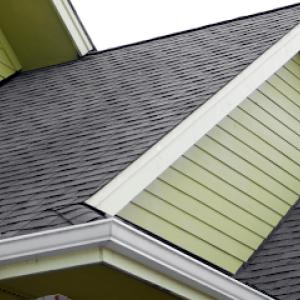
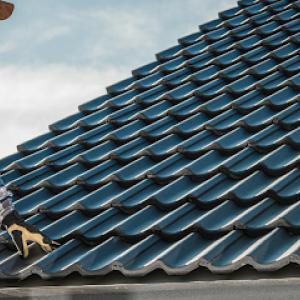
Asphalt shingles remain common on traditional cottages and many remodels, appreciated for straightforward installation and a broad color range. Tile systems-clay or concrete-often align with Mediterranean and contemporary coastal homes, delivering durable performance under sun and salt and a distinct, upscale curb appeal. Metal roofing has gained traction on modern forms and intermingled flat or low-slope sections, where panels can handle salt spray and wind while offering a sleek, low-maintenance finish. Wood shakes evoke classic coastal character but require careful treatment and ongoing maintenance to resist moisture intrusion and decay in high-humidity zones. Synthetic or composite shingles provide flexible aesthetics with improved dimensional stability and weather resistance, suitable for detail-rich transitions without sacrificing performance. The overarching reality in this coastal market is that material choice often ties to architectural style while acknowledging exposure-driven aging.
Coastal remodels frequently introduce low-slope sections and roof decks to maximize views, creating detail-sensitive waterproofing challenges. In these areas, the waterproofing system must be meticulously integrated with penetrations, flashing, and transitions between materials. A modern composition or metal system on a low-slope deck needs careful seam detailing, with high-performance underlayment and corrosion-resistant flashing to withstand salt air. Complex transitions between a flat roof terrace and a higher pitch of tile or shingle require careful drainage planning and scupper or gutter detailing to prevent standing water and accelerated wear in salt-loaded atmospheres. For any coastal project, it pays to invest in a waterproofing-minded detail plan that treats these transitions as primary, not secondary, water management opportunities.
The housing mix here rewards thoughtful pairing of style and system. Atile or synthetic systems may suit contemporary façades where clean lines meet coastal light. Traditional cottages benefit from the warmth of wood shakes or asphalt shingles stained to resist moisture and sun, while modern builds often lean into metal roofs for a minimal, high-performance surface that can tolerate coastal winds with appropriate fastening and corrosion protection. Regardless of material, consider fastener materials and coatings that resist salt-induced corrosion, especially wherever metal components contact other metals or concrete. For roofs with extended exposure or higher maintenance cycles, prioritize systems with proven coastal performance and access for timely inspection and treatment.
In this climate, routine inspections twice yearly-preferably after winter storms and during dry periods-help identify corrosion, sealant degradation, and membrane integrity before small issues become leaks. Pay attention to salt accumulation on fasteners, flashing seams, and edges where weathered coatings may reveal underlying substrates. Treated wood, coated metals, and weather-resistant sealants become especially important in areas near the oceanfront, hillside breezeways, and roof deck transitions. Selecting a roof type with a maintenance plan that matches the exposure pattern-a strategy that includes corrosion-resistant hardware and accessible cleaning-will sustain performance and appearance across the neighborhood's diverse roofscape.
In this coastal setting, the real differentiator isn't just the surface covering, but how the hidden pieces hold up to salt spray, bright sun, and wind-driven rain. The fasteners, flashings, and trim are the first line of defense against premature corrosion. When you choose materials, verify that fasteners are stainless steel or hot-dipped galvanized with a proven coastal corrosion rating, and that flashings use compatible metals to avoid galvanic reactions. Pay attention to seam and vent details: coastal houses breathe differently with salty air, so every penetration into the roof should have a corrosion-resistant seal and a robust flashing detail that can be inspected from the attic or via cleanouts. If you have a mixed-material roof, ensure the metal components are listed as compatible with the primary deck material to reduce adhesive and expansion mismatch.
Clay and concrete tile remain viable choices for this market, but there is a practical truth: leaks often originate below the field tile, so underlayment quality and flashing interfaces matter more than the tile appearance. Inspect underlayment with the same rigor as the visible surface, and choose a high-performance membrane with proven coastal durability. The underlayment should be rated for prolonged sun exposure and wind-driven rain, with careful detailing at hips, valleys, and penetrations. Flashing at chimney, vent stacks, and transitions must be heavy-duty and corrosion-resistant, and maintenance access to the roof deck should be straightforward for yearly inspections. If tile spacing is loose or the fasteners are exposed to salt air, plan for more frequent checks and resealing - a small failure in the flashing can lead to big damage below the tile line.
Metal can perform very well near the coast when designed for marine exposure, but finish quality is non-negotiable. Choose paints or coatings with proven salt-air longevity and ensure fasteners, gaskets, and trim are compatible with the roof's metal. Salt air accelerates aging on exposed edges, so pay close attention to paint integrity on edges, corners, and fastener heads. Seek a system where the flashing integrates with the panels without gaps or crevices where salt deposits can accumulate. Regularly inspect seam closures and color-fastness to catch oxidation or chalking early, since coastal conditions can shorten the time between maintenance visits if the finish begins to fail.
Start with a practical maintenance plan: assess access for inspection, confirm that gutters and downspouts won't become salt-laden blockages, and map out high-wear spots where fasteners and flashings take the most abuse. Use this plan to match a material choice to the house outline, roof pitch, and the existing coastal repairs history. In this market, a durable finish, corrosion-resistant fasteners, and thoughtful flashing are the real performance multipliers, not just the surface look.
Explore specialists in steel, aluminum, and standing seam metal roofs built to last 50 years or more.

Roofing Prodigy Manhattan Beach
1112 Ocean Dr #203, Manhattan Beach, California
4.6 from 67 reviews
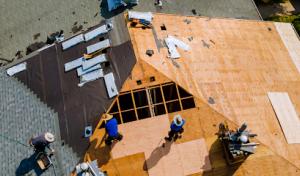
Provided local cost ranges per square are: Asphalt Shingles 400 to 700, Metal Roofing 700 to 1200, Clay Tile 1200 to 2500, Concrete Tile 1000 to 2200, Wood Shingles/Shakes 700 to 1400, and Synthetic/Composite Shingles 600 to 1200. In practice, you'll notice these numbers break down by material, roof size, and the complexity of the design. A single-story, straightforward asphalt replacement on a simple rectangle tends toward the lower end, while a multi-level, view-oriented home with intricate detailing-common in the South Bay-pushes costs toward the higher end, even within the same material category.
Costs in this area are often pushed up by coastal-home complexity, including multi-level designs, tight lot lines, difficult staging, and detail-heavy roof transitions common on custom remodels and view-oriented homes. If your project sits over a narrow alley or requires crane access for panelized metal or clay tiles, expect the staging surcharge to appear on the bid. Roofing crews frequently encounter hidden deck edges, skylight baffles, and irregular rafter spacing in these homes, which can extend installation time and labor hours. Plan for a margin that accounts for payable differences between a clean, straight install and one that must accommodate a high-sightline roof with bespoke flashings.
Marine exposure can increase the need for upgraded accessories and corrosion-resistant components, while winter storm demand spikes can affect scheduling and repair pricing during leak season. Salt air accelerates wear on fasteners, flashing, and metal components, so ask for stainless or coated options where possible, and verify that sealants and gutters are rated for coastal use. Tight timelines can also tighten prices when storms threaten, so build a buffer for both material lead times and crew availability. If a project involves several transitions-chimney, dormers, or planters-prepare for additional material and seam-work that coastal conditions tend to magnify.
Don't let upfront costs delay a critical repair - these contractors offer payment plans to fit your budget.
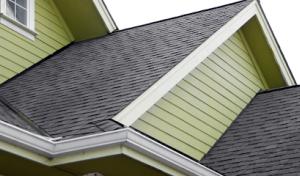

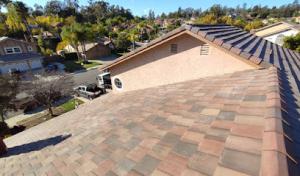
When a full reroof is on the table, a permit filed with the City of Manhattan Beach Building Department is the first step you'll want to tackle well before any materials hit the roof. The city's coastal conditions-salt air, strong sun, and seasonal wind-driven rain-mean plans must show how flashing, drainage, and ventilation will hold up under harsh exposure. Expect the plan to address roof edge details, attic venting, and proper moisture management, reflecting local building and energy requirements. If your roof line interacts with nearby setbacks or historical-adjacent structures, the plan review may include extra checks to ensure compatibility with the neighborhood's high-value housing stock.
After the plan is approved, inspections follow to verify the installation aligns with the approved drawings and code. On-site visits occur at key milestones, such as after deck removal, after underlayment is installed, and once the new roofing is in place. The inspector will look for secure mechanical flashing around penetrations, proper edge and valley protection, and that ventilation meets the city's energy standards. In coastal Manhattan Beach, expect emphasis on corrosion-resistant detailing, fastener compatibility with metal components, and compliance with local wind requirements. If dimensions, overlaps, or flashing heights don't meet the approved plan, corrections are likely needed before final permit closure.
Coordinate your timeline with the Building Department's inspection schedule, and keep a clear record of revision pages if changes occur during plan review. Have two sets of durable, up-to-date drawings on site for the contractor to reference during installation. Be mindful that coastal conditions can affect material selections and fastening methods; the inspectors will verify these choices align with both local code and the city's coastal performance expectations. If a deficiency is found, address it promptly to avoid delays or re-inspection fees that disrupt the project.
Manhattan Beach homeowners are dealing with California's tighter insurance environment, where carrier pullbacks and stricter underwriting can affect roof eligibility, renewals, and claim handling. That reality can translate into longer gaps between evaluation and approval, and more scrutiny on the specific age, materials, and visible wear on a roof. When a storm hits or a wind event stirs up the Santa Ana season, the immediate impulse to file a claim might collide with more conservative carrier attitudes, making preemptive forethought even more crucial for a homeowner who wants to stay protected without surprises.
For roof claims in this market, carriers may require detailed prior-damage documentation, photos, and careful separation of long-term wear from sudden storm-related damage. Gather records that show the roof's condition before the event: dated photos, notes on material aging, and any prior repairs. Expect longer adjuster review times, and be prepared for language that distinguishes wind, fire, or hail impacts from general weathering. Clear, well-organized documentation can help prevent a dispute over what actually constitutes covered damage versus maintenance or normal deterioration.
Start early when you sense a storm season approaching and after any major weather event. Maintain a current archive of high-quality photos from multiple seasons to illustrate baseline condition. Work with a roofing contractor who understands the local climate effects-the coastal salt air and sun can accelerate metal corrosion and asphalt aging, so choosing materials and coatings that resist salt exposure matters. Finally, keep a written record of every communication with the insurer and adjuster, so timelines and decisions remain transparent and manageable through the process.
Connect with contractors who help homeowners navigate the claims process from damage assessment to final approval.
Roofing Prodigy Manhattan Beach
1112 Ocean Dr #203, Manhattan Beach, California
4.6 from 67 reviews